
First Foods for Cichlid Fry: Baby Brine Shrimp, Microworms & More

Welcome to Aquarium Mastery!
Ever wondered what the secret is to successfully raising a thriving batch of Cichlid fry? It all starts with the right first food. Dive in and discover our comprehensive guide on Cichlid fry first food, exploring everything from baby brine shrimp to microworms and beyond. Unlock the knowledge you need to nurture your tiny swimmers into healthy, vibrant adults. Curious about the best feeding strategies? Let's explore!
- First Foods for Cichlid Fry: Baby Brine Shrimp, Microworms & More - Aquarium Mastery
- Introduction: Nurturing Your Cichlid Fry with the Right First Food
- Understanding the Nutritional Needs of Cichlid Fry
- Baby Brine Shrimp (BBS): A Popular First Food Choice
- Microworms: An Easy-to-Culture Live Food
- Other Suitable First Foods for Cichlid Fry
- Preparing Homemade Cichlid Fry Food
- Feeding Schedule and Frequency for Cichlid Fry
- Maintaining Water Quality During Fry Feeding
- Troubleshooting Common Feeding Problems
- Transitioning Cichlid Fry to Larger Foods
- Conclusion: Ensuring a Healthy Start for Your Cichlid Fry
-
Frequently Asked Questions
- What are some of the best first foods to feed Cichlid fry?
- Why is the size of the food important when feeding Cichlid fry?
- How often should I feed my Cichlid fry?
- What is the best way to culture baby brine shrimp (BBS) for my Cichlid fry?
- Are there any commercially available foods specifically formulated for Cichlid fry?
- Final Reflection: Nurturing the Future of Cichlids
- Ignite Your Cichlid Fry's Growth!
First Foods for Cichlid Fry: Baby Brine Shrimp, Microworms & More - Aquarium Mastery
Introduction: Nurturing Your Cichlid Fry with the Right First Food
Bringing cichlid fry into the world is a rewarding experience for any aquarist, but their successful growth hinges critically on providing the right first food. Unlike adult cichlids, their delicate digestive systems and rapid growth rates demand specific nutritional profiles and particle sizes. The initial diet, often referred to as the Cichlid fry first food, lays the foundation for their health, vibrancy, and long-term survival. This comprehensive guide explores optimal choices, preparation methods, and feeding strategies to ensure your young cichlids thrive from their very first days.
Understanding the Nutritional Needs of Cichlid Fry
Why First Foods are Crucial for Cichlid Fry Development
The period immediately following hatching is a critical window for cichlid fry development. During this stage, their metabolic rates are incredibly high, requiring a constant and readily available source of energy and building blocks for rapid cell division and growth. For instance, many African cichlid species, such as Pseudotropheus demasoni or Labidochromis caeruleus fry, can double their size within the first week if provided with adequate nutrition.
Without a suitable Cichlid fry first food, growth can be severely stunted, leading to higher mortality rates due to starvation, weakened immune systems, and increased susceptibility to disease. Their undeveloped digestive tracts also necessitate very small, easily digestible food particles.
Furthermore, the right Cichlid fry first food stimulates natural hunting instincts, which is vital for their behavioral development. Live foods, in particular, encourage the fry to actively pursue their meals, promoting stronger swimming abilities and overall vigor. Studies have shown that fry fed live, motile foods often exhibit better growth rates and higher survival percentages compared to those fed only inert options, sometimes by as much as 15-20% in early stages. This early nutritional foundation directly impacts their transition to larger foods and their eventual adult size and health.
Essential Nutrients for Healthy Cichlid Fry Growth
The primary nutritional requirement for growing cichlid fry is a high-quality protein source. Proteins are the fundamental building blocks for rapid tissue and muscle development, which is paramount during their initial weeks of life. A typical Cichlid fry first food should ideally contain a protein content of 50-60%, significantly higher than that required by adult cichlids. For example, newly hatched baby brine shrimp consist of approximately 60% protein on a dry weight basis, making them an excellent choice.
Beyond protein, essential fatty acids, particularly Omega-3 and Omega-6, are crucial for brain development, vision, and overall cellular function. Lipids should constitute around 10-15% of their diet. Vitamins (such as A, C, D, and E) and minerals (like calcium and phosphorus) are also vital for bone formation, immune system strength, and metabolic processes, even if required in smaller quantities. A deficiency in any of these key nutrients can lead to deformities, poor coloration, or a compromised immune response, highlighting the importance of a balanced and nutrient-dense Cichlid fry first food.
Baby Brine Shrimp (BBS): A Popular First Food Choice
Hatching Baby Brine Shrimp for Cichlid Fry
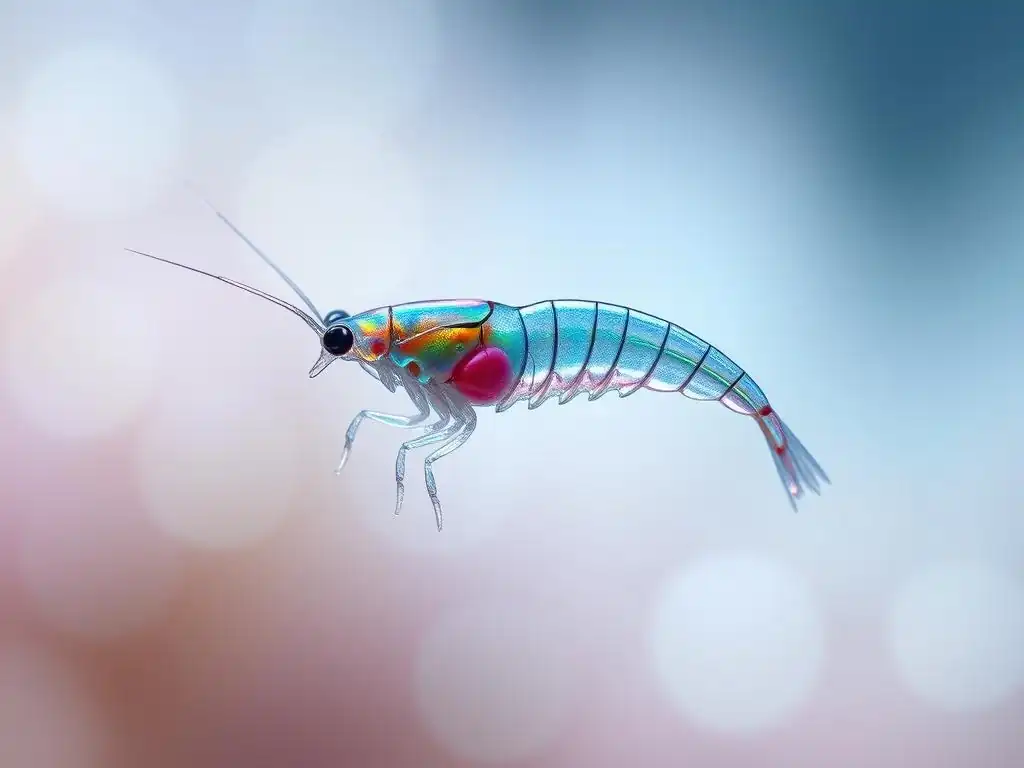
Baby brine shrimp (Artemia nauplii) are widely regarded as one of the best Cichlid fry first food options due to their high nutritional value and ideal size. To hatch them, you'll need a simple setup: a 1-2 liter bottle, an air pump with an airline, non-iodized salt, and brine shrimp eggs (cysts). A common ratio is 2 tablespoons of salt per liter of dechlorinated water, maintaining a specific gravity of around 1.020-1.025. The optimal temperature for hatching is between 28-30°C (82-86°F), which typically results in a hatch rate of 80-90% within 24-36 hours.
Continuous aeration is critical during the hatching process to keep the cysts suspended and ensure sufficient oxygenation. After 24-36 hours, turn off the air pump and allow the shells to float and the nauplii to sink. The orange, newly hatched nauplii will congregate at the bottom or towards a light source, making them easy to siphon out. A typical hatch can yield millions of nauplii, providing an abundant and continuous supply of fresh Cichlid fry first food for several days if staggered hatches are performed.
Feeding Baby Brine Shrimp to Your Fry: Best Practices
Once hatched, baby brine shrimp should be rinsed thoroughly with fresh, dechlorinated water before being introduced to the fry tank. This step removes excess salt and unhatched cysts that can foul the aquarium water. Feed small amounts multiple times a day, typically 3-5 times, to ensure a constant supply of live food. Observe the fry's bellies; they should appear full and rounded after a feeding session. A common mistake is overfeeding, which can quickly degrade water quality due to uneaten brine shrimp dying and decaying.
For example, a brood of 50 Metriaclima estherae (Red Zebra Cichlid) fry might consume the equivalent of half a teaspoon of concentrated baby brine shrimp nauplii spread across three daily feedings. It's crucial to feed only what the fry can consume within 10-15 minutes. Any uneaten brine shrimp will eventually die in freshwater, contributing to ammonia and nitrite spikes. Using a turkey baster or pipette allows for precise delivery of this essential Cichlid fry first food directly into the fry's vicinity.
Pros and Cons of Using Baby Brine Shrimp
The advantages of using baby brine shrimp as a Cichlid fry first food are numerous. They are highly nutritious, boasting a high protein content and essential fatty acids vital for rapid growth. Their jerky swimming motion stimulates the fry's natural predatory instincts, encouraging active feeding and promoting strong swimming skills. Furthermore, their small size (around 400-500 micrometers) makes them perfectly digestible for even the smallest cichlid fry. Many aquarists report superior growth rates and vibrant coloration in fry fed primarily with BBS.
However, there are also some drawbacks. Hatching baby brine shrimp requires a dedicated setup and daily effort, which can be time-consuming. The short shelf life of newly hatched nauplii means they must be fed quickly, ideally within 12-24 hours of hatching, before their nutritional value diminishes. Unhatched cysts and dead brine shrimp can quickly foul the water if not managed properly, necessitating diligent water changes. Despite these challenges, the benefits often outweigh the effort, making them a cornerstone of many successful cichlid breeding programs for providing a robust Cichlid fry first food.
Microworms: An Easy-to-Culture Live Food
Culturing Microworms for Continuous Feeding
Microworms ( Panagrellus redivivus) are another excellent live Cichlid fry first food, particularly valued for their ease of culture and continuous supply. To start a microworm culture, you'll need a shallow container (like a deli cup), a culture medium, and a starter culture. A common medium is a thick paste made from oatmeal and water, often with a pinch of active dry yeast added to provide initial food for the worms and prevent mold. For instance, mixing 1 cup of instant oatmeal with 3/4 cup of water and a quarter teaspoon of yeast creates an ideal substrate.
Spread the paste about 1/2 to 1 inch thick at the bottom of the container. Introduce your starter culture by smearing it onto the surface. Cover the container loosely to allow for air exchange but prevent drying out. Microworms thrive at room temperature, typically between 20-25°C (68-77°F). Within 3-7 days, you'll observe the worms crawling up the sides of the container, ready for harvest. A well-maintained culture can produce a daily harvest of tens of thousands of worms for several weeks, providing a consistent and reliable Cichlid fry first food.
How to Feed Microworms to Cichlid Fry
Harvesting microworms is straightforward. Once they begin crawling up the sides of the culture container, simply use a clean finger, a cotton swab, or a small brush to gently collect them from the walls. The worms will cling to the surface of the tool. You can then swirl the collected worms directly into the fry tank water. Because microworms sink slowly, they remain suspended in the water column for an extended period, allowing fry ample opportunity to feed. This is particularly beneficial for slower-moving fry or those that are not as aggressive in hunting.
Feed microworms in small quantities multiple times a day, similar to baby brine shrimp, to avoid overfeeding and water quality issues. For a small brood of 20-30 cichlid fry, a single collection from the side of a medium-sized culture might provide enough food for one feeding session. Observe the fry's feeding response and adjust the quantity accordingly. Microworms are a fantastic Cichlid fry first food because they are smaller than newly hatched brine shrimp (around 50-100 micrometers), making them suitable for even the tiniest fry, such as those from dwarf cichlid species.
Benefits of Microworms for Small Cichlids
Microworms offer several key benefits as a Cichlid fry first food. Their diminutive size makes them accessible to the smallest of fry, often even those that might struggle with the slightly larger baby brine shrimp. They are rich in protein, typically around 20-25% by dry weight, and contain essential amino acids, supporting healthy growth. The continuous wiggling motion of microworms in the water column is highly attractive to cichlid fry, stimulating their feeding response and ensuring they consume enough to thrive.
Perhaps one of the greatest advantages is their ease of culture and minimal maintenance. Unlike brine shrimp, microworms do not require aeration or specific salinity, making their production less demanding. A single culture can last for several weeks or even months with proper care, providing a steady, on-demand supply of live Cichlid fry first food without the need for daily hatching. This reliability makes them an excellent choice for hobbyists looking for a self-sustaining food source for their breeding projects.
Other Suitable First Foods for Cichlid Fry
Vinegar Eels: A Tiny Alternative to Microworms
Vinegar eels ( Turbatrix aceti) are an even smaller live food option than microworms, making them an ideal Cichlid fry first food for exceptionally tiny fry, such as those of some dwarf cichlids or even smaller egg-layers. These nematodes are typically 20-50 micrometers long and thrive in an acidic environment, usually cultured in a mixture of apple cider vinegar and water (e.g., 50% apple cider vinegar, 50% dechlorinated water) with a slice of apple or a pinch of sugar for sustenance.
They are harvested by pouring the culture through a coffee filter or by collecting them from the surface where they congregate due to their need for oxygen.
A significant advantage of vinegar eels is their ability to survive in freshwater for several days, providing a continuous food source for the fry without decaying quickly. This extended viability reduces the urgency of feeding multiple times a day and lessens the risk of water fouling compared to other live foods. While their nutritional content is slightly lower than baby brine shrimp, their extremely small size makes them invaluable as an initial Cichlid fry first food for fry that are too small for even microworms, ensuring no fry are left behind due to food size limitations.
Infusoria: Culturing and Feeding to Very Young Fry
Infusoria refers to a collective term for microscopic aquatic organisms, including protozoa, rotifers, and other single-celled life forms. While less commonly used for robust cichlid fry, infusoria can serve as a Cichlid fry first food for the absolute smallest fry that are barely visible to the naked eye, particularly if you are dealing with species that produce exceptionally tiny offspring. Culturing infusoria involves creating an environment where these microorganisms can multiply rapidly, often by adding organic matter like dried banana peels, lettuce leaves, or a few grains of rice to a jar of aquarium water.
Within a few days, the water will become cloudy as infusoria populations explode. The clear water above the sediment, teeming with these tiny organisms, can then be siphoned off and fed to the fry. While infusoria offer minimal nutritional value compared to other live foods, their microscopic size makes them the only viable Cichlid fry first food for fry that are too small to consume even newly hatched brine shrimp or microworms. They serve as a temporary bridge until the fry grow large enough to accept more substantial fare, typically for the first 24-48 hours post-hatching.
Commercially Available Fry Food: Powders and Liquifeed
For aquarists seeking convenience or supplementing live foods, several commercially available products serve as effective Cichlid fry first food options. These typically come in two main forms: fine powders and liquid suspensions (liquifeed). Powdered fry foods, such as Hikari First Bites or Sera Micron, are finely ground flakes or pellets specifically formulated with high protein content (often 40-55%) and essential vitamins. They are designed to be sprinkled directly into the tank, where they slowly sink, allowing fry to graze.
Liquifeed products, like TetraMin Baby or various proprietary liquid fry foods, contain suspended nutrients that disperse throughout the water column. These are particularly useful for very small fry or when you need to ensure food reaches all corners of a densely populated fry tank. While convenient, commercial foods can quickly foul water if overfed, as they are inert and will not be consumed once they settle. It's crucial to feed these sparingly and ensure robust filtration or frequent small water changes to maintain water quality when relying on them as a primary Cichlid fry first food.
Preparing Homemade Cichlid Fry Food
Recipes for DIY Fry Food
Creating homemade Cichlid fry first food can be a cost-effective and nutritious alternative, allowing aquarists to control ingredients. One popular and simple recipe involves hard-boiled egg yolk. Boil an egg until hard, then separate the yolk.
Mash a tiny portion of the yolk (e.g., a pea-sized amount for a small brood) with a few drops of tank water until it forms a very fine, almost liquid paste. Strain this paste through a fine mesh sieve or a cloth to remove any larger particles, ensuring only the smallest, most digestible bits reach the fry. This provides a high-protein, easily accessible Cichlid fry first food.
Another effective homemade option is a blend of high-quality fish or shrimp meat with spirulina powder. For example, a small piece of cooked, unseasoned shrimp can be blended with a pinch of spirulina and a few drops of water in a mini food processor or with a mortar and pestle until it forms a smooth, very fine paste. This mixture is rich in protein, essential fats, and vitamins. The spirulina adds valuable plant-based nutrients and enhances color development. Store any unused portions in the refrigerator for up to 2-3 days or freeze in small, single-serving portions for longer storage.
Important Considerations for Homemade Fry Food
While homemade Cichlid fry first food offers customization and potential cost savings, several important considerations must be addressed. The most critical factor is particle size: the food must be incredibly fine and easily digestible for the delicate digestive systems of cichlid fry. Any particles too large will go uneaten, contributing to waste and potentially harming the fry's health. Therefore, thorough mashing, blending, and straining are absolutely essential.
Another significant concern is water quality. Homemade foods, especially those containing egg yolk or meat, can quickly pollute the aquarium water if overfed or if not consumed promptly. The rapid decomposition of organic matter leads to dangerous spikes in ammonia and nitrite, which are highly toxic to fry.
Therefore, it is imperative to feed very small amounts at a time, monitor the water parameters closely, and perform more frequent small water changes. Proper storage, such as refrigeration or freezing, is also vital to prevent spoilage and bacterial growth, ensuring the safety and nutritional integrity of your homemade Cichlid fry first food.
Feeding Schedule and Frequency for Cichlid Fry
Determining the Right Amount of Food
Determining the right amount of Cichlid fry first food is crucial for optimal growth and maintaining pristine water quality. Fry have incredibly high metabolic rates and small stomachs, meaning they need frequent, small meals rather than large, infrequent ones. A good rule of thumb is to feed only what the fry can consume within 5-10 minutes. Observe their bellies – they should appear noticeably rounded and full after a feeding session. If food is still visible after 15 minutes, you've likely overfed.
For instance, a typical brood of 30-50 Neolamprologus brichardi (Fairy Cichlid) fry might require only a few pinches of powdered fry food or a half-pipette full of baby brine shrimp per feeding. It's always better to underfeed slightly and add another small portion if needed, rather than overfeeding. Overfeeding is a common pitfall that leads to rapid water quality degradation, which is far more detrimental to fry than slight underfeeding. Consistent observation and adjustment based on the fry's response are key to providing the ideal quantity of Cichlid fry first food.
Establishing a Consistent Feeding Routine
Establishing a consistent feeding routine is paramount for the healthy development of cichlid fry. Due to their rapid growth and high metabolism, fry benefit from being fed multiple times a day, typically 3-5 times, or even more for very young or fast-growing species. For example, feeding every 3-4 hours during daylight hours ensures a continuous supply of nutrients. A common schedule might include feedings at 8 AM, 12 PM, 4 PM, and 8 PM. This constant availability of Cichlid fry first food supports continuous growth without periods of starvation.
Consistency in timing also helps the fry develop a predictable feeding response. Over time, they will learn to anticipate feeding times and will be more active and eager to eat. This routine helps to reduce stress on the fry and ensures that all individuals have an equal opportunity to feed, promoting more uniform growth within the brood. Adhering to a strict feeding schedule, combined with appropriate portion sizes, is a cornerstone of successful cichlid fry rearing and the effective delivery of their Cichlid fry first food.
Maintaining Water Quality During Fry Feeding
The Impact of Overfeeding on Water Parameters
Overfeeding is arguably the single biggest threat to cichlid fry survival, primarily due to its devastating impact on water quality. Uneaten Cichlid fry first food, whether live or inert, quickly decomposes in the aquarium. This decomposition process releases ammonia, a highly toxic compound, into the water. As beneficial bacteria attempt to break down the ammonia, nitrites are produced, which are also extremely harmful to fish, even at low concentrations. For delicate fry, even minute spikes in ammonia or nitrite can cause severe stress, gill damage, and rapid mortality.
For example, a single teaspoon of uneaten frozen brine shrimp can cause ammonia levels to spike from undetectable to over 1.0 ppm within hours in a 10-gallon fry tank, a level that is lethal to most fry. Furthermore, decaying food can lead to a decrease in pH and oxygen levels, creating an overall unhealthy environment. The cloudy water often associated with overfeeding is a clear visual indicator of bacterial blooms, which consume oxygen and further stress the fry. Therefore, meticulous attention to feeding amounts is non-negotiable when providing Cichlid fry first food.
Water Change Strategies for Fry Tanks
Given the high metabolic rate of fry and the potential for water fouling from frequent feedings, maintaining impeccable water quality through regular water changes is absolutely essential. Small, frequent water changes are far superior to large, infrequent ones for fry tanks. For instance, performing a 10-20% water change daily or every other day is often recommended, especially during the first few weeks when fry are most vulnerable and consuming their initial Cichlid fry first food. This dilutes accumulating toxins and replenishes essential minerals.
When performing water changes, use aged or temperature-matched dechlorinated water to avoid shocking the delicate fry. A small siphon hose (e.g., airline tubing) is ideal for gently siphoning out waste and uneaten food from the bottom of the tank without disturbing the fry. Always ensure the water being added back to the tank matches the existing tank water's temperature to within 1-2 degrees Fahrenheit to prevent temperature shock. Consistent, careful water changes are as important as the quality of the Cichlid fry first food itself in ensuring healthy fry development.
Troubleshooting Common Feeding Problems
Fry Not Eating: Potential Causes and Solutions
If your cichlid fry are not eating their Cichlid fry first food, it's a cause for immediate concern, as starvation can occur rapidly. Several factors could be at play. The most common issue is poor water quality; high ammonia, nitrite, or nitrate levels, or incorrect pH/temperature, will stress fry and suppress appetite. Test your water parameters immediately and perform a water change if necessary. Another common problem is food size; if the particles are too large, the fry simply cannot ingest them. Ensure you are providing appropriately sized foods like baby brine shrimp or microworms for their current stage.
Stress from overcrowding, aggressive tank mates (if any), or sudden changes in environment can also cause fry to stop eating. Ensure the fry tank is calm and free from disturbances. Finally, disease or parasites, though less common in newly hatched fry, can also lead to a lack of appetite. Observe the fry for any signs of illness like clamped fins, rapid breathing, or unusual spots. Offering a variety of suitable Cichlid fry first food options can sometimes entice picky eaters. For example, if they refuse microworms, try baby brine shrimp.
Dealing with Uneaten Food and Waste
Dealing with uneaten Cichlid fry first food and waste is crucial for preventing water quality degradation and maintaining a healthy environment for your fry. Regular visual inspection after each feeding is key. If you see food settling on the substrate after 10-15 minutes, you are likely overfeeding. The primary method for removal is careful siphoning. Use a small-diameter hose, such as airline tubing, to gently vacuum the bottom of the tank, paying close attention to corners and beneath decorations where waste accumulates.
A bare-bottom tank is often preferred for fry rearing precisely because it makes waste removal much easier. If you use substrate, ensure it's very fine sand that allows waste to remain on the surface for easy siphoning. Additionally, ensure your filtration is adequate but gentle.
Sponge filters are ideal for fry tanks as they provide mechanical and biological filtration without creating strong currents that can stress the fry. The sponge also acts as a large surface area for beneficial bacteria and can even provide a small amount of infusoria for the fry to graze on between feedings of their primary Cichlid fry first food.
Transitioning Cichlid Fry to Larger Foods
When and How to Introduce Larger Food Particles
As cichlid fry grow, their mouths enlarge, and their nutritional needs evolve. The transition from Cichlid fry first food to larger food particles typically begins when the fry are around 1-2 weeks old, or when they reach a size of approximately 0.5-1 cm (0.2-0.4 inches), depending on the species. For instance, Aulonocara (Peacock Cichlid) fry, being relatively robust, might be ready for slightly larger particles sooner than Julidochromis fry.
The key is to observe their size and their ability to ingest the current food. If they are easily consuming baby brine shrimp or microworms and showing significant growth, they are likely ready for the next stage.
The introduction of larger foods should be gradual. Begin by offering a small amount of the new, larger food alongside their established Cichlid fry first food. This allows the fry to acclimate to the new texture and size. For example, if you've been feeding baby brine shrimp, introduce finely crushed high-quality flake food or very small, finely ground cichlid pellets. Over a few days, gradually increase the proportion of the new food while decreasing the old, until the fry are primarily accepting the larger particles.
Gradual Food Size Increase for Optimal Growth
A gradual increase in food size is essential for optimal growth and to prevent digestive issues in cichlid fry. After transitioning from initial Cichlid fry first food like baby brine shrimp, you can introduce a variety of slightly larger options. Finely crushed, high-protein flake foods are an excellent next step. For example, a quality spirulina flake can be crushed to a powder, then gradually less finely crushed as the fry grow. Similarly, small cichlid pellets can be ground down initially and then offered in progressively larger sizes.
As the fry continue to grow, typically around 3-4 weeks old, you can begin to introduce small frozen foods. Options such as cyclops, daphnia, or finely chopped frozen bloodworms (after thawing and rinsing) are highly nutritious and eagerly accepted by growing cichlids.
For example, Tropheus fry, known for their plant-based diet, can transition from baby brine shrimp to finely crushed spirulina flakes, then to small frozen cyclops and blanched, finely chopped spinach. Continue to observe their feeding response and adjust food size accordingly, ensuring they can easily consume their meals without struggle, thus promoting consistent and healthy growth beyond their Cichlid fry first food stage.
Conclusion: Ensuring a Healthy Start for Your Cichlid Fry
Successfully rearing cichlid fry from their earliest stages is a testament to an aquarist's dedication, with the provision of the right Cichlid fry first food being the cornerstone of this endeavor. From the protein-rich baby brine shrimp that stimulate their hunting instincts, to the easily cultured microworms and tiny vinegar eels, each option plays a vital role in supporting their rapid development. Commercial powders and carefully prepared homemade recipes offer convenience and nutritional diversity.
Maintaining impeccable water quality through diligent water changes and avoiding overfeeding are equally as crucial as the food itself. As your cichlid fry grow and thrive, a thoughtful transition to larger, more varied foods will ensure their continued health and vibrant coloration. By understanding their unique nutritional needs and implementing these detailed feeding strategies, you provide your cichlid fry with the best possible start, paving the way for a healthy and prosperous life in your aquarium.
Frequently Asked Questions
What are some of the best first foods to feed Cichlid fry?
The best options include baby brine shrimp (BBS), microworms, and commercially available powdered fry food. These offer the necessary nutrients for rapid growth and development.
Why is the size of the food important when feeding Cichlid fry?
Fry have very small mouths, so food must be microscopic or nearly microscopic. If the food is too large, they won't be able to eat it and will starve.
How often should I feed my Cichlid fry?
Frequent feedings, typically 3-4 times per day, are crucial for Cichlid fry. This ensures they have a constant supply of energy for growth.
What is the best way to culture baby brine shrimp (BBS) for my Cichlid fry?
Culturing BBS involves hatching brine shrimp eggs in saltwater. You'll need an airstone, saltwater, and a light source to stimulate hatching. AquariumMastery.com has detailed guides!
Are there any commercially available foods specifically formulated for Cichlid fry?
Yes, many brands offer powdered or liquid fry foods that are designed to meet the nutritional needs of growing fry. Always check the ingredients and reviews before purchasing.
Final Reflection: Nurturing the Future of Cichlids
The journey of raising cichlid fry, as we've explored, hinges significantly on the initial nourishment they receive. Understanding the nuances of baby brine shrimp, microworms, and other first foods is not merely about keeping them alive; it's about setting the stage for their vibrant health and future breeding potential. The careful selection and preparation of these tiny meals directly impacts the vitality and resilience of these fascinating fish, ensuring the continuation of their lineage in our aquariums.
This seemingly small act of providing the right first food ripples outwards, influencing the overall health and diversity of the cichlid hobby. It reminds us that even the smallest creatures deserve our utmost care and attention, and that our actions, however seemingly insignificant, can have profound consequences. The greatness of a nation and its moral progress can be judged by the way its animals are treated.
- Mahatma Gandhi. This quote, though about animals in general, resonates deeply with the responsibility we bear as aquarists to provide the best possible start for these vulnerable fry.
Now, armed with this knowledge, I encourage you to reflect on your own practices. Are you providing the optimal first foods for your cichlid fry? Are you considering the long-term impact of your choices on their health and well-being? Let this article be a catalyst for continuous learning and improvement, ensuring that each generation of cichlids thrives under your care. Embrace the challenge, and witness the rewarding spectacle of these tiny lives flourishing before your eyes.
Ignite Your Cichlid Fry's Growth!
Thanks for diving into the world of cichlid fry nutrition! We hope you found some valuable insights to help your tiny fish thrive. Now, let's put that knowledge into action and ensure your little ones get the best possible start in life.
Here are a few things you can do next:
- Start your own baby brine shrimp hatchery! Providing live, nutritious food is the single best thing you can do for rapid growth and vibrant colors.
- Experiment with different feeding schedules and observe your fry's growth rates. Document your findings and see what works best for your specific cichlid species.
- Share your experiences! Join the Aquarium Mastery community forum and tell us about your successes (and challenges!) with raising cichlid fry.
What's the first food you plan to offer your cichlid fry, and why?