
The Importance of Iodine and Other Trace Elements for Invertebrate Health

Welcome to Aquarium Mastery!
Ever wondered if your invertebrates are truly thriving in their underwater world? Dive in with us as we uncover the secrets to a flourishing reef environment. This article explores the vital role of iodine and other trace elements in maintaining optimal invertebrate health. Are you providing everything your corals and crustaceans need? Let's find out!
- Understanding the Role of Trace Elements in Saltwater Invertebrate Health
- Iodine's Vital Role in Invertebrate Physiology
- Other Essential Trace Elements for Saltwater Invertebrates
- Maintaining Proper Trace Element Levels in Your Saltwater Aquarium
- Choosing the Right Trace Element Supplements for Your Invertebrate Tank
- Common Issues Related to Trace Element Imbalances in Invertebrate Aquariums
- Best Practices for Promoting Invertebrate Health Through Trace Element Management
-
Frequently Asked Questions
- What role does iodine play in invertebrate health in aquariums?
- Why are trace elements, besides iodine, important for invertebrates?
- How can I ensure my aquarium maintains proper iodine levels?
- What happens if iodine levels are too low in my aquarium?
- How often should I test my aquarium water for iodine and other trace elements?
- Final Reflection: The Unseen Pillars of Invertebrate Life
- Unlock Vibrant Invertebrate Health!
Understanding the Role of Trace Elements in Saltwater Invertebrate Health
What are Trace Elements and Why are They Crucial for Invertebrates?
Trace elements are chemical elements present in very small, or "trace," quantities within natural seawater, typically measured in parts per billion (ppb) or parts per million (ppm). Despite their minute concentrations, these elements are indispensable for the physiological processes of marine life, particularly invertebrates. They act as cofactors for enzymes, participate in metabolic pathways, contribute to skeletal formation, and are vital for processes like molting, growth, and coloration. Without adequate levels of these trace elements, invertebrates cannot perform essential biological functions optimally, leading to weakened health, stunted growth, and increased susceptibility to disease.
For example, elements like iodine, strontium, and molybdenum, though only needed in tiny amounts, directly influence the success of critical life cycles for many popular aquarium inhabitants. A deficiency in even one key trace element can disrupt complex biochemical reactions, impacting everything from a shrimp's ability to shed its exoskeleton to a coral's capacity to build its calcium carbonate skeleton. Maintaining appropriate concentrations of these elements is therefore not just beneficial but fundamental to the long-term vitality and thriving of a saltwater invertebrate population.
Key Trace Elements for Optimal Invertebrate Health in Saltwater Aquariums
A wide array of trace elements are crucial for the diverse invertebrate life found in saltwater aquariums. Beyond the major elements like calcium, alkalinity, and magnesium, elements such as iodine, strontium, molybdenum, iron, manganese, boron, and zinc play distinct, yet often synergistic, roles. Iodine, for instance, is well-known for its involvement in molting hormones for crustaceans and potentially enhancing coral coloration. Strontium is a vital component for the calcification process in stony corals, directly impacting their skeletal growth and density.
Molybdenum serves as a critical cofactor for various enzymes, including those involved in nitrogen metabolism, which are essential for invertebrates' cellular functions. Iron is important for cellular respiration and the health of symbiotic zooxanthellae in corals, influencing their pigmentation and energy production. While the exact optimal concentrations for every trace element can vary slightly based on tank inhabitants and overall bioload, maintaining levels close to natural seawater concentrations (e.g., iodine around 0.06 ppm, strontium around 8 ppm) is generally recommended to support robust invertebrate health.
Iodine's Vital Role in Invertebrate Physiology
Iodine and Molting in Shrimp and Crabs: Ensuring Successful Shedding
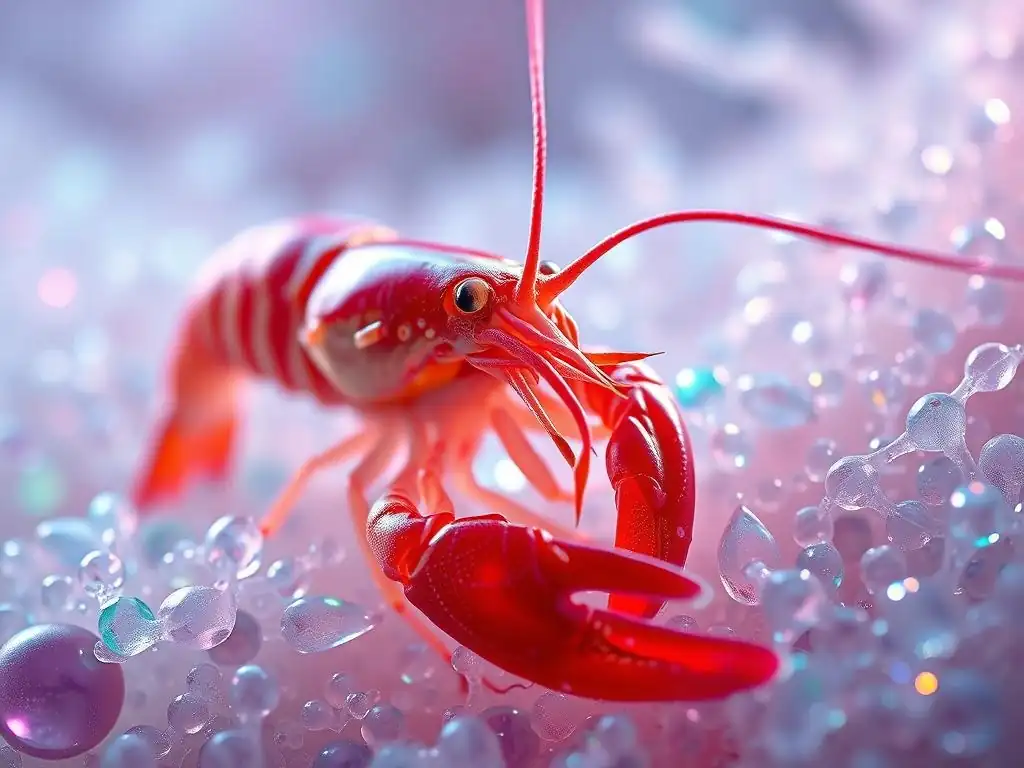
Iodine plays a profoundly vital role in the molting process of crustaceans, including popular aquarium inhabitants like Cleaner Shrimp ( Lysmata amboinensis), Peppermint Shrimp ( Lysmata wurdemanni), and various crabs (e.g., Emerald Crabs, Hermit Crabs). This element is a key component of the hormones that regulate ecdysis, the complex biological process of shedding their old exoskeleton to allow for growth. Without sufficient iodine, these crustaceans can experience failed molts, where they struggle to fully extract themselves from their old shell, often leading to stress, injury, or even death.
Observations in aquariums show that shrimp and crabs in iodine-deficient environments may exhibit incomplete molts, appear lethargic, or hide excessively due to vulnerability. For a young Cleaner Shrimp, molting can occur as frequently as every 1-2 weeks, while larger, mature specimens might molt every 3-4 weeks. Each successful molt relies on adequate iodine availability. Supplementing iodine, as part of a comprehensive approach to managing iodine trace elements for invertebrate health, can significantly improve the success rate of molts and contribute to the overall longevity of these fascinating creatures.
Iodine's Impact on Coral Coloration and Growth
Beyond its crucial role in crustacean molting, iodine is also believed to have a significant impact on coral coloration and growth, particularly in stony corals (SPS and LPS) and soft corals. While the precise biochemical pathways are still areas of ongoing research, iodine is thought to be involved in the production of chromoproteins within coral tissues, which are responsible for many of the vibrant blues, purples, and pinks seen in healthy corals. Many aquarists report enhanced color vibrancy in corals, especially Acropora and Montipora species, when iodine levels are consistently maintained within optimal ranges.
Furthermore, iodine may contribute to the overall metabolic health of corals, indirectly supporting their calcification rates and tissue growth. It can act as an antioxidant, protecting coral cells from oxidative stress, particularly under intense lighting conditions. Although not a primary building block like calcium or alkalinity, its supportive role in cellular processes means that maintaining appropriate iodine trace elements for invertebrate health can lead to more robust, faster-growing corals with improved resilience and aesthetic appeal.
Iodine Deficiency Symptoms in Saltwater Invertebrates: A Visual Guide
Recognizing iodine deficiency is crucial for maintaining the health of your saltwater invertebrates. In crustaceans, the most apparent symptom is repeated failed molts. This can manifest as a shrimp or crab being stuck halfway out of its old exoskeleton, or the old shell remaining attached to part of the body. Affected individuals may also appear weak, disoriented, or exhibit unusual hiding behavior. Over time, chronic iodine deficiency can lead to stunted growth and increased mortality rates in these species.
For corals, iodine deficiency can present as a noticeable dulling or fading of vibrant colors, particularly blues and purples. While color loss can be attributed to many factors, a persistent lack of specific hues might point to an iodine issue. Some aquarists also observe reduced polyp extension or slower growth rates in corals when iodine levels are consistently low. It's important to note that these symptoms can overlap with other water quality problems, making comprehensive water testing and careful observation essential for accurate diagnosis of iodine trace elements invertebrate health issues.
Other Essential Trace Elements for Saltwater Invertebrates
Strontium's Importance for Coral Skeletal Development
Strontium is another indispensable trace element for the health and growth of stony corals (SPS and LPS) in saltwater aquariums. Chemically similar to calcium, strontium is actively incorporated into the aragonite structure of coral skeletons. Corals utilize strontium ions as a substitute for calcium ions during the calcification process, which is the fundamental mechanism by which they build their rigid skeletal framework. Adequate strontium levels are crucial for the robust and healthy development of these skeletons, directly influencing coral growth rates and density.
Natural seawater typically contains strontium at concentrations around 8 ppm. In a reef aquarium, especially one with a high bioload of fast-growing stony corals, strontium can be depleted rapidly. Insufficient strontium can lead to slower growth, weakened skeletal structures, and a general decline in coral vitality. Regular testing and targeted supplementation of strontium, alongside calcium and alkalinity, are therefore essential components of a successful coral husbandry regimen, ensuring the proper formation and maintenance of their vital skeletal support.
Molybdenum and its Role in Enzyme Function in Invertebrates
Molybdenum, though required in extremely small quantities (typically in the parts per billion range in natural seawater), is a critical trace element for the metabolic functions of many marine invertebrates. Its primary role is as a cofactor for various enzymes, meaning it's a non-protein chemical compound that is required for the enzyme's biological activity. Notably, molybdenum is essential for enzymes involved in nitrate reduction and sulfur metabolism within invertebrate cells. These enzymatic processes are vital for the efficient cycling of nutrients and the detoxification of metabolic byproducts.
For instance, some symbiotic bacteria and algae living within or alongside invertebrates rely on molybdenum-dependent enzymes to process nitrogen compounds. A deficiency in molybdenum, while not always visually apparent in specific symptoms, can subtly impair these internal biochemical pathways, leading to less efficient nutrient utilization and overall reduced metabolic vigor. Therefore, maintaining appropriate levels of molybdenum contributes to the unseen, but crucial, internal health and resilience of the invertebrate community, supporting overall iodine trace elements invertebrate health.
The Significance of Iron in Respiration and Pigmentation of Marine Invertebrates
Iron is a vital trace element with multifaceted roles in marine invertebrates, particularly for those that host photosynthetic symbionts like zooxanthellae (e.g., corals, clams). It is a key component of various proteins and enzymes involved in cellular respiration, including cytochromes within the electron transport chain, which is fundamental for energy production at the cellular level. Without sufficient iron, invertebrates cannot efficiently generate the energy required for growth, tissue repair, and other metabolic activities.
Furthermore, iron plays a significant role in the synthesis of chlorophyll and other photosynthetic pigments within zooxanthellae. These pigments are crucial for the symbiotic algae to capture light energy, which they then convert into sugars that feed the coral or clam host. A deficiency in iron can lead to pale coloration in corals and clams, often manifesting as a "bleached" or washed-out appearance, even if other parameters like lighting and alkalinity are optimal. Ensuring adequate iron trace elements invertebrate health is thus essential for both the energy metabolism and vibrant pigmentation of these symbiotic organisms.
Maintaining Proper Trace Element Levels in Your Saltwater Aquarium
Regular Water Testing: Monitoring Iodine and Other Trace Element Concentrations
Regular and accurate water testing is the cornerstone of effective trace element management in a saltwater aquarium. While basic parameters like salinity, temperature, calcium, alkalinity, and magnesium are routinely monitored, specific tests for trace elements like iodine and strontium are equally important, especially in reef tanks with sensitive corals and crustaceans. High-quality test kits for individual elements are available, but for a comprehensive overview of nearly all relevant trace elements, Inductively Coupled Plasma Optical Emission Spectrometry (ICP-OES) testing is highly recommended.
ICP-OES testing provides precise measurements of dozens of elements, offering a detailed snapshot of your water's chemical profile. It can identify deficiencies or excesses that might go unnoticed with standard hobbyist kits. It's advisable to perform these comprehensive tests at least every 2-3 months, or more frequently if you observe signs of stress in your invertebrates or if you have a heavily stocked system with rapid element uptake. This proactive approach allows for targeted supplementation, ensuring optimal iodine trace elements invertebrate health.
Water Changes and Trace Element Replenishment Strategies
Regular water changes are the most fundamental and natural method for replenishing trace elements in a saltwater aquarium. High-quality synthetic salt mixes are formulated to contain all the essential elements found in natural seawater, albeit at slightly varying concentrations depending on the brand. Performing routine water changes, typically 10-20% of the tank volume bi-weekly or monthly, helps to dilute accumulated waste products and replenish depleted trace elements, maintaining a more balanced environment.
However, in densely stocked reef tanks with fast-growing corals and numerous molting invertebrates, the rate of trace element consumption can often outpace the replenishment provided by water changes alone. For instance, a 100-gallon reef tank with a significant population of SPS corals and shrimp might deplete elements like iodine and strontium much faster than a 10% monthly water change can replace. In such cases, targeted supplementation, guided by regular testing, becomes necessary to maintain stable and optimal levels, ensuring robust iodine trace elements invertebrate health.
Safe Dosing Practices: Avoiding Overdosing and Toxicity
While trace elements are essential, their beneficial effects are highly dose-dependent; too much can be as detrimental as too little. Overdosing trace elements can lead to toxicity, causing stress, tissue damage, and even death in sensitive invertebrates. For example, excessive iodine can be harmful to some corals, potentially causing tissue recession or bleaching. Similarly, elevated levels of certain heavy metals, even those considered trace elements, can be lethal.
To avoid toxicity, always start with a conservative dose, typically half of the manufacturer's recommended amount, and gradually increase if testing indicates a continued deficiency. Never dose supplements without first testing the current concentration of the element in your tank water. Using a dosing pump for consistent, small additions over 24 hours can help maintain stable levels and prevent sudden spikes. Diluting concentrated supplements with RO/DI water before adding them to the tank can also help prevent localized high concentrations that could shock invertebrates, safeguarding overall iodine trace elements invertebrate health.
Choosing the Right Trace Element Supplements for Your Invertebrate Tank
Evaluating Different Supplement Formulations: Liquid vs. Powder
When selecting trace element supplements for a saltwater aquarium, aquarists often encounter both liquid and powder formulations, each with distinct advantages and disadvantages. Liquid supplements are generally pre-dissolved and ready to use, offering convenience and ease of dosing, especially for daily micro-additions via dosing pumps. They are often less concentrated, however, meaning larger volumes may be needed for heavily stocked tanks, and some can have shorter shelf lives once opened due to oxidation or precipitation.
Powdered supplements, on the other hand, are typically much more concentrated and cost-effective per dose. They require dissolution in RO/DI water before adding to the tank, which adds a step but allows for greater control over the exact concentration of the dosing solution. Powdered forms also tend to have a longer shelf life in their dry state. The choice between liquid and powder often depends on the aquarist's preference for convenience versus cost-efficiency and the specific needs of their system, all while aiming to optimize iodine trace elements invertebrate health.
Seachem Reef Iodide vs. Brightwell Aquatics Iodion: A Comparison of Iodine Supplements
When considering specific iodine supplements, two popular options often arise: Seachem Reef Iodide and Brightwell Aquatics Iodion. Seachem Reef Iodide is formulated using a stabilized potassium iodide source, designed to prevent rapid oxidation of iodine into less beneficial forms, thereby providing a more stable and bioavailable source of iodide for the aquarium inhabitants. It aims to maintain ionic iodine, which is readily utilized by corals and crustaceans.
Brightwell Aquatics Iodion, conversely, often focuses on providing a broader spectrum of iodine species, including iodide, iodate, and molecular iodine, aiming to replicate the natural diversity found in seawater. This approach is based on the idea that different organisms may utilize different forms of iodine. Both products are effective at raising iodine levels and supporting iodine trace elements invertebrate health, but their specific formulations offer slightly different approaches to maintaining this crucial element, allowing aquarists to choose based on their philosophical approach to reef chemistry.
Understanding the Importance of Balanced Trace Element Additives
A critical aspect of trace element supplementation is maintaining a balanced approach rather than focusing on individual elements in isolation. Many trace elements interact synergistically or antagonistically within the complex chemistry of a reef tank. For instance, an excess of one element can sometimes inhibit the uptake or utilization of another, even if the latter is present in sufficient quantities. This is why many experienced reef keepers opt for comprehensive, balanced trace element blends that aim to replenish elements in proportions similar to natural seawater.
These balanced additives are designed to support overall invertebrate health by providing a wide spectrum of essential elements without creating imbalances. While targeted supplementation based on ICP test results is valuable for addressing specific deficiencies (e.g., a low iodine reading), relying solely on individual element dosing without considering their interdependencies can lead to unforeseen issues. A holistic strategy that combines regular water changes, comprehensive testing, and either balanced blends or precise, targeted dosing is crucial for optimizing iodine trace elements invertebrate health and the long-term stability of the ecosystem.
Dealing with Iodine Depletion in Heavily Stocked Reef Tanks
Iodine depletion is a common issue in heavily stocked reef tanks, particularly those with a large number of crustaceans (shrimp, crabs) that frequently molt, and corals that actively consume iodine for coloration and metabolic processes. In such systems, the rate of iodine uptake by organisms can significantly exceed the replenishment provided by standard water changes. For instance, a 150-gallon tank with a dozen Cleaner Shrimp and multiple large SPS colonies might see iodine levels drop from a healthy 0.06 ppm to undetectable levels within a few weeks if not supplemented.
To address this, aquarists must increase their vigilance regarding iodine trace elements invertebrate health. This typically involves more frequent and accurate iodine testing (e.g., weekly or bi-weekly), followed by targeted supplementation. Implementing a daily micro-dosing regimen, using a dosing pump, can help maintain stable iodine levels by consistently replacing the small amounts consumed throughout the day, preventing the large fluctuations that can stress invertebrates and trigger failed molts or dull coral coloration.
Addressing Trace Element Buildup and Potential Toxicity
While deficiencies are a concern, trace element buildup and potential toxicity are equally, if not more, dangerous for saltwater invertebrates. Over-dosing supplements, using poor-quality salt mixes with disproportionate element concentrations, or infrequent water changes can lead to the accumulation of certain elements to toxic levels. For example, excessive levels of copper, even trace amounts, are highly lethal to all invertebrates. However, even elements generally considered beneficial, like iodine or strontium, can become toxic in extreme concentrations.
Symptoms of trace element buildup can vary but often include general invertebrate lethargy, loss of appetite, tissue recession in corals, or unusual behavior. In severe cases, rapid death can occur. If ICP testing reveals excessively high levels of certain elements, the primary corrective action is typically large, frequent water changes with high-quality salt mix to dilute the contaminants. Using activated carbon can also help remove some organic pollutants and potentially chelate certain metals, but dilution remains the most effective strategy to restore iodine trace elements invertebrate health and safety.
When invertebrates in a saltwater aquarium exhibit signs of distress, and general water parameters (salinity, temperature, alkalinity, calcium, magnesium) are within optimal ranges, trace element deficiencies should be considered as a potential culprit. Troubleshooting these issues requires a systematic approach. First, observe the specific symptoms: are shrimp failing to molt? Are corals losing their vibrant coloration or exhibiting reduced growth? Are snails or other mobile invertebrates unusually inactive?
Next, perform comprehensive water testing, ideally using ICP-OES, to pinpoint specific deficiencies. If, for example, iodine levels are consistently low and shrimp molting issues persist, targeted iodine supplementation is warranted. If coral colors are dull and iron is low, supplementing iron might be beneficial. It's crucial to address one suspected deficiency at a time and monitor the results before making further changes, allowing for a clear understanding of the impact on iodine trace elements invertebrate health. Always rule out common issues like poor water quality, inadequate lighting, or disease before attributing problems solely to trace elements.
Best Practices for Promoting Invertebrate Health Through Trace Element Management
Creating a Stable and Supportive Environment for Invertebrates
The foundation of robust invertebrate health lies in establishing and maintaining a stable and supportive aquarium environment. While trace elements are vital, their efficacy is maximized when other fundamental water parameters are consistently optimal. This includes maintaining stable temperature (e.g., 76-78°F or 24-26°C), consistent salinity (1.025-1.026 specific gravity), and balanced levels of calcium (400-450 ppm), alkalinity (7-11 dKH), and magnesium (1250-1350 ppm). Fluctuations in these primary parameters can stress invertebrates, making them less resilient to minor trace element imbalances.
A stable environment also minimizes the metabolic stress on invertebrates, allowing their biological processes, which rely on trace elements, to function efficiently. Consistent lighting cycles, appropriate water flow, and a robust filtration system that manages nutrients are equally important. When the overall environment is stable and healthy, the trace elements provided, whether through water changes or supplementation, are more effectively utilized by corals, crustaceans, and other invertebrates, directly promoting their iodine trace elements invertebrate health.
Observing Your Invertebrates: Recognizing Signs of Deficiency or Excess
Daily observation of your invertebrates is one of the most powerful tools for managing trace element levels and maintaining overall tank health. Subtle changes in behavior, appearance, or growth patterns can be early indicators of underlying issues, including trace element deficiencies or excesses, long before they become critical. For instance, a normally active Cleaner Shrimp becoming lethargic or hiding more than usual might be struggling with an impending molt due to low iodine.
For corals, look for changes in color intensity, polyp extension, or unusual tissue recession. While these symptoms can indicate various problems, if general water parameters are stable, a trace element imbalance should be investigated. Conversely, if you've recently increased dosing and notice invertebrates becoming withdrawn or corals looking irritated, it could signal an excess. Detailed observation, combined with consistent water testing, forms a proactive strategy for maintaining optimal iodine trace elements invertebrate health and preventing serious problems.
Case Study: Successful Invertebrate Keeping Through Careful Trace Element Management
Consider a hobbyist with a 90-gallon mixed reef aquarium housing various SPS corals, a pair of Fire Shrimp, and a small clean-up crew. For several months, despite maintaining stable calcium, alkalinity, and magnesium, the SPS corals exhibited muted colors, particularly lacking vibrant blues and purples, and the Fire Shrimp frequently had incomplete molts, leading to occasional losses. Standard water changes (10% monthly) were performed, but no specific trace element supplementation was being done.
After consulting with an experienced aquarist, the hobbyist sent a water sample for ICP-OES testing. The results revealed significantly low levels of iodine (0.02 ppm, compared to natural 0.06 ppm) and strontium (5 ppm, compared to natural 8 ppm). Based on these findings, the hobbyist began precisely dosing a liquid iodine supplement and a strontium supplement, targeting natural seawater levels.
Within approximately two months, the Fire Shrimp began molting successfully without issue, and the SPS corals showed a noticeable improvement in coloration, with blues and purples becoming much more intense. This real-world example highlights how targeted management of iodine trace elements invertebrate health, guided by precise testing, can dramatically improve the vitality and appearance of a reef aquarium's inhabitants.
Frequently Asked Questions
What role does iodine play in invertebrate health in aquariums?
Iodine is essential for invertebrates, particularly crustaceans and corals. It aids in molting processes for crustaceans and supports the calcification and coloration of corals.
Why are trace elements, besides iodine, important for invertebrates?
Other trace elements like strontium, molybdenum, and vanadium are crucial for various biological functions. These include enzyme activity, skeletal development, and overall health and coloration in different invertebrate species.
How can I ensure my aquarium maintains proper iodine levels?
Regular water testing is key to monitoring iodine levels. You can then supplement with iodine additives according to test results and manufacturer recommendations. However, be careful not to overdose, as this can be harmful.
What happens if iodine levels are too low in my aquarium?
Low iodine can lead to molting problems in crustaceans, causing deformities or death. In corals, it can result in bleaching, stunted growth, and a loss of vibrant colors.
How often should I test my aquarium water for iodine and other trace elements?
Testing frequency depends on the type and number of invertebrates you have. A good starting point is every two weeks, adjusting based on your tank's specific needs and the results you see. More frequent testing may be needed in densely populated invertebrate tanks.
Final Reflection: The Unseen Pillars of Invertebrate Life
The intricate dance of life, often invisible to the naked eye, hinges on the presence of elements we scarcely consider. The profound impact of iodine and other trace elements on invertebrate health is not merely an academic curiosity, but a critical piece of the puzzle in understanding the health of our ecosystems, especially in the face of increasing environmental stressors. These tiny building blocks are the unsung heroes, silently supporting the vibrant diversity of invertebrate life that underpins so much of our world.
This exploration into the vital role of trace elements has underscored the delicate balance within invertebrate physiology and its far-reaching consequences. It's a humbling reminder that even the smallest components can have monumental effects, shaping the health and resilience of entire populations. The earth is what we all have in common.
- Wendell Berry. This quote resonates deeply when considering the interconnectedness of all living things and the shared responsibility we have to protect the integrity of the natural world, starting with the often-overlooked invertebrates.
Now, armed with this knowledge, consider the implications for your own actions. What steps can you take to promote a healthier environment for these essential creatures? Reflect on your consumption habits, your impact on water quality, and your role in advocating for responsible environmental practices. Let us all strive to be more mindful stewards, ensuring that these unseen pillars of invertebrate life continue to support the intricate web of life for generations to come.
Unlock Vibrant Invertebrate Health!
Thanks for diving into the world of invertebrate health! We hope you've gained valuable insights into the critical role of iodine and other trace elements in keeping your aquatic critters thriving. Now, let's put that knowledge into action!
Here are some practical steps you can take to ensure your invertebrates are getting everything they need:
- Immediately test your aquarium water for iodine and other essential trace elements using a reliable test kit. This is your first step towards a healthier invertebrate ecosystem.
- Explore specialized invertebrate supplements that provide a balanced mix of trace elements. Consider researching less common elements and their benefits beyond just iodine.
- Share this article with fellow aquarium enthusiasts! Spreading awareness is key to promoting responsible invertebrate care within the community.
What surprising element deficiencies have you encountered in your invertebrate tank, and what steps did you take to correct them?