
Keeping White Clouds with Goldfish: Pros, Cons, and Expert Considerations

Welcome to Aquarium Mastery!
Ever wondered if those delicate White Cloud Mountain Minnows could actually thrive alongside your playful goldfish? Dive in and discover the surprising truth about White cloud goldfish compatibility issues. Uncover the pros, cons, and expert advice you need to create a harmonious freshwater haven. Are you ready to find out if these two species can truly be friends? Let's explore!
- Keeping White Cloud Mountain Minnows and Fancy Goldfish: A Comprehensive Guide
- Understanding White Cloud Mountain Minnows and Fancy Goldfish
- Compatibility: Can White Cloud Mountain Minnows and Fancy Goldfish Coexist?
-
Pros of Keeping White Cloud Mountain Minnows and Fancy Goldfish Together
- Enhanced Tank Activity and Visual Appeal
- Potential for Natural Algae Control by Goldfish
- Utilizing Available Tank Space
- Temperature Discrepancies: Optimal Ranges
- Goldfish Size and Predation Risks: Addressing the Threat
- Feeding Habits: Competition for Food and Nutritional Needs
- Water Quality Concerns: Bioload and Sensitivity
- Expert Considerations
- Alternative Tank Mates for White Cloud Mountain Minnows
- Maintaining a Healthy Aquarium Ecosystem
- Conclusion: Weighing the Pros and Cons
-
Frequently Asked Questions
- Will White Cloud Mountain Minnows and Goldfish get along in my aquarium?
- What are the main compatibility issues between White Clouds and Goldfish?
- Are there specific types of Goldfish that are less compatible with White Clouds?
- What are the ideal water parameters for keeping both White Clouds and Goldfish?
- How can I minimize potential problems when keeping White Clouds and Goldfish together?
- Final Reflection: Harmony in the Aquarium
- Dive Deeper into Your Aquarium Adventure!
Keeping White Cloud Mountain Minnows and Fancy Goldfish: A Comprehensive Guide
Understanding White Cloud Mountain Minnows and Fancy Goldfish
White Cloud Mountain Minnows: A Profile
White Cloud Mountain Minnows (scientific name: Tanichthys albonubes) are small, peaceful freshwater fish originating from the White Cloud Mountain region in China. These hardy cyprinids typically reach an adult size of approximately 1.5 to 2 inches (3.8 to 5 cm), making them popular choices for nano tanks and cooler water setups. They are known for their striking silver bodies with a horizontal iridescent stripe and red fins, often displaying vibrant colors when kept in proper conditions and in a school of at least six individuals. Their active, schooling behavior adds dynamic movement to an aquarium.
These adaptable fish thrive in a temperature range of 64-72°F (18-22°C), though they can tolerate slightly lower temperatures, even surviving in unheated tanks in temperate climates. Their preferred water parameters include a pH between 6.5 and 7.5 and a hardness (GH) of 5-19 dGH. White Clouds are omnivores and readily accept a varied diet of high-quality flake food, small pellets, and occasional live or frozen treats like brine shrimp, daphnia, or bloodworms. With proper care, they can live for 3 to 5 years, making them a relatively long-lived small fish option.
Fancy Goldfish: Understanding Their Needs
Fancy Goldfish are domesticated varieties of the common goldfish ( Carassius auratus) bred for their unique body shapes, fin configurations, and often elaborate features. Varieties include Orandas, Ryukins, Fantails, Black Moors, and Bubble Eyes, each with distinct characteristics.
Unlike their streamlined common goldfish cousins, fancy goldfish are typically round-bodied, slower-moving, and can grow quite large, with many varieties reaching 6 to 10 inches (15 to 25 cm) in length, and some even larger, like mature Orandas or Ryukins. Their average lifespan, when provided with optimal care, can range from 10 to 15 years, with some individuals living over 20 years.
These magnificent fish require specific water conditions to thrive. Their ideal temperature range is generally warmer than White Clouds, typically between 68-75°F (20-24°C). They prefer a pH of 7.0-8.0 and a moderate to hard water hardness (8-18 dGH).
Fancy goldfish are notorious for their significant bioload; they produce a large amount of waste, necessitating robust filtration and frequent water changes to maintain pristine water quality. Their diet consists of high-quality goldfish-specific pellets or gel food, supplemented with blanched vegetables like peas or spinach, and occasional protein treats. Due to their slow nature and sometimes impaired vision (especially varieties like Bubble Eyes or Celestial Eyes), they can be outcompeted for food by faster tank mates.
Compatibility: Can White Cloud Mountain Minnows and Fancy Goldfish Coexist?
Exploring the Potential for Compatibility
The idea of housing White Cloud Mountain Minnows with Fancy Goldfish often arises from the desire to add smaller, active fish to a goldfish aquarium. On a superficial level, both species are generally considered peaceful, and neither is inherently aggressive towards other fish.
White Clouds are known for their calm demeanor, and fancy goldfish, due to their often cumbersome body shapes and slow swimming, are not typically predatory in the aggressive sense. This perceived lack of aggression can lead some aquarists to consider them as potential tank mates, especially if they are looking to add a schooling element to their goldfish setup.
However, the theoretical potential for compatibility quickly gives way to practical challenges when delving into their specific environmental and physiological requirements. While both are freshwater species, their optimal living conditions diverge significantly, creating a set of white cloud goldfish compatibility issues that must be carefully evaluated. The primary hurdles involve temperature preferences, size disparity, and differing bioload contributions, which combined, make a harmonious cohabitation challenging to achieve without significant compromises to the well-being of one or both species.
Addressing Common Compatibility Issues
The most significant white cloud goldfish compatibility issues stem from their differing temperature requirements. White Cloud Mountain Minnows are cold-water fish, thriving in temperatures of 64-72°F (18-22°C), while Fancy Goldfish prefer warmer water, ideally between 68-75°F (20-24°C). Attempting to compromise with a middle-ground temperature, such as 70°F (21°C), can still stress both species. Prolonged exposure to temperatures outside their optimal range can weaken their immune systems, making them susceptible to diseases and shortening their lifespans.
Another critical concern is the size difference and potential for predation. While fancy goldfish are generally docile, they are opportunistic feeders. A 6-inch (15 cm) goldfish, even a slow-moving Ryukin, can easily consume a 1.5-inch (3.8 cm) White Cloud Mountain Minnow if the opportunity arises and the smaller fish fits into its mouth.
This risk of predation is a serious white cloud goldfish compatibility issue that cannot be overlooked, as it often results in the disappearance of the minnows over time. Furthermore, the immense bioload of fancy goldfish, producing a large amount of waste, rapidly deteriorates water quality. White Clouds, while hardy for their size, can be sensitive to the high nitrate levels that can accumulate in a goldfish tank, leading to stress, fin rot, and other health problems.
Pros of Keeping White Cloud Mountain Minnows and Fancy Goldfish Together
Enhanced Tank Activity and Visual Appeal
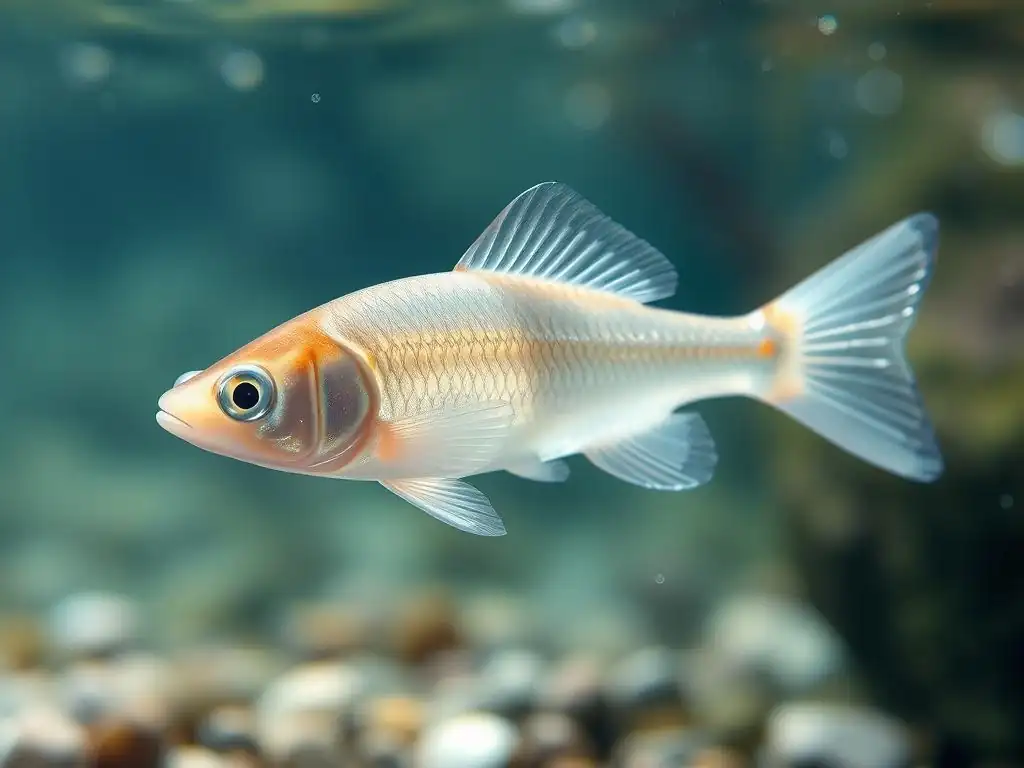
One perceived advantage of combining White Cloud Mountain Minnows with Fancy Goldfish is the potential to enhance the overall activity and visual appeal of the aquarium. White Clouds are active, schooling fish that constantly dart around the middle and upper levels of the tank, providing a stark contrast to the slower, more deliberate movements of fancy goldfish. This dynamic interplay of movement could, in theory, create a more visually engaging display for the aquarist, filling different strata of the water column.
The vibrant colors of White Clouds, with their iridescent stripes and red fins, could also complement the diverse hues and elaborate forms of fancy goldfish varieties like Orandas or Fantails. This combination might appeal to those seeking a multi-species aesthetic within a single large aquarium. However, it's crucial to acknowledge that this "pro" is largely aesthetic and does not outweigh the significant physiological white cloud goldfish compatibility issues that arise from their differing needs.
Potential for Natural Algae Control by Goldfish
While not their primary role, fancy goldfish are known to occasionally nibble on soft algae that grows on aquarium surfaces and decorations. This opportunistic grazing behavior could be seen as a minor benefit in terms of natural algae control, potentially reducing the need for manual scraping in certain areas. Goldfish are omnivores and will consume various plant matters, including some types of algae, though they are by no means dedicated algae eaters like Otocinclus or certain plecos.
However, relying on goldfish for significant algae control is generally impractical and can lead to nutritional deficiencies if not supplemented with a proper diet. The amount of algae they consume is typically minimal compared to their overall food intake, and it does not mitigate the core white cloud goldfish compatibility issues related to water parameters and predation risks. This benefit is often negligible compared to the challenges of maintaining two species with divergent environmental requirements.
Utilizing Available Tank Space
In very large aquariums, for instance, tanks exceeding 75 gallons (280 liters), some aquarists might consider the idea that the sheer volume of water could dilute the bioload and provide enough space for both species to coexist without immediate aggression. The argument is that the open swimming space and potential for distinct "zones" within a massive tank might reduce direct competition and stress. White Clouds tend to occupy the mid to upper water column, while fancy goldfish often spend more time in the lower to mid-levels.
This spatial separation might, in theory, minimize direct encounters and allow each species to utilize different parts of the tank. For example, in a 100-gallon (378 liter) tank with only a couple of large fancy goldfish, the remaining volume might seem suitable for a large school of White Clouds. However, this perspective often underestimates the cumulative effect of temperature discrepancies and water quality degradation over time, which remain significant white cloud goldfish compatibility issues regardless of tank size. The volume only helps dilute waste; it doesn't change the preferred temperature range of each fish.
Temperature Discrepancies: Optimal Ranges
The most critical and often insurmountable white cloud goldfish compatibility issue is the significant difference in their optimal temperature ranges. White Cloud Mountain Minnows are cold-water fish, thriving in temperatures from 64-72°F (18-22°C). They can become stressed, listless, and more susceptible to disease if kept consistently above 72°F. In contrast, Fancy Goldfish prefer warmer, stable temperatures, ideally between 68-75°F (20-24°C). While there's a small overlap (68-72°F), maintaining a consistent temperature within this narrow band is challenging and still represents a compromise for both species.
Forcing White Clouds into warmer goldfish temperatures accelerates their metabolism, potentially shortening their lifespan and making them more prone to bacterial infections. Conversely, keeping fancy goldfish at the lower end of their preferred range, or even below it, can slow their metabolism, impair digestion, and increase their vulnerability to common goldfish ailments like swim bladder issues or Ich. This inherent conflict in thermal requirements poses a constant stressor, making long-term health and vitality difficult to achieve for both species in a shared environment.
Goldfish Size and Predation Risks: Addressing the Threat
Another major white cloud goldfish compatibility issue revolves around the significant size disparity and the inherent predatory nature of larger fish towards smaller ones. While fancy goldfish are generally not aggressive, they are opportunistic feeders with large mouths. A fully grown fancy goldfish, which can easily reach 6-10 inches (15-25 cm) or more, will view a 1.5-inch (3.8 cm) White Cloud Mountain Minnow as a potential food item if it fits into its mouth. Even seemingly docile goldfish have been observed to consume smaller tank mates, often in a single gulp.
This predation risk is not theoretical; it is a common occurrence reported by aquarists who attempt this pairing. The slow, deliberate movements of fancy goldfish do not negate their ability to swallow small fish. Over time, the White Cloud population in such a tank is likely to dwindle, not necessarily due to active hunting, but due to opportunistic feeding. This makes the partnership inherently unsafe for the White Clouds, creating a constant threat to their survival and highlighting a severe white cloud goldfish compatibility issue.
Feeding Habits: Competition for Food and Nutritional Needs
Differing feeding habits and nutritional needs present another significant white cloud goldfish compatibility issue. Fancy goldfish are slow, deliberate eaters, often requiring several minutes to consume their food, especially varieties with poor vision or delicate mouthparts (like Bubble Eyes or Orandas). They also have a high demand for a specialized diet rich in plant matter and lower in protein, typically fed as sinking pellets or gel food. White Cloud Mountain Minnows, on the other hand, are quick, agile feeders that will dart to the surface for food and can consume small flakes rapidly.
When housed together, the faster White Clouds will often outcompete the slower goldfish for food, potentially leaving the goldfish underfed and malnourished. Conversely, if larger, more nutrient-dense goldfish food is introduced, the White Clouds might overeat or consume food that is not ideal for their digestive system, leading to bloat or other health issues. This competition for food and the challenge of providing appropriate nutrition for both species simultaneously make feeding a complex and problematic aspect of this pairing, exacerbating the white cloud goldfish compatibility issues.
Water Quality Concerns: Bioload and Sensitivity
The vast difference in bioload between fancy goldfish and White Cloud Mountain Minnows creates a substantial white cloud goldfish compatibility issue related to water quality. Fancy goldfish are notorious for being "messy" fish; they produce a very high amount of waste relative to their size and consume a lot of food. This translates to a rapid accumulation of ammonia, nitrite, and nitrate in the aquarium water, necessitating powerful filtration and frequent, large water changes (often 30-50% weekly) to keep parameters safe.
While White Cloud Mountain Minnows are generally hardy for their size, they are still sensitive to consistently high levels of nitrates and fluctuations in water parameters. Exposure to the elevated nitrate levels common in a goldfish tank can lead to chronic stress, weakened immune systems, fin rot, and other bacterial infections in the minnows. Maintaining the pristine water conditions required for fancy goldfish is often too demanding for the White Clouds, who, despite their hardiness, prefer stable, clean water, not water constantly challenged by a massive bioload. This fundamental difference in tolerance to water parameters makes cohabitation extremely challenging.
Expert Considerations
Tank Size and Setup: Creating a Balanced Environment
When considering any white cloud goldfish compatibility issues, expert consensus emphasizes that even if an aquarist attempts this pairing, an exceptionally large tank is the absolute minimum requirement. For a single fancy goldfish, a minimum of 20 gallons (75 liters) is often recommended, with an additional 10 gallons (38 liters) for each subsequent goldfish due to their bioload.
For White Clouds, a school of at least six requires a minimum of 10 gallons (38 liters). Combining them, therefore, would necessitate a tank of at least 75-100 gallons (280-378 liters) to potentially dilute the bioload and provide ample swimming space, though even this large volume doesn't resolve temperature differences.
The tank setup should prioritize excellent filtration, ideally using an oversized canister filter or multiple hang-on-back filters with high flow rates to handle the goldfish's waste. Substrate should be fine gravel or sand to prevent goldfish from choking on larger pieces.
Decor should be smooth, without sharp edges, to protect the delicate fins and bodies of fancy goldfish. Ample open swimming space is crucial, but also provide some dense planting (live or silk) for White Clouds to retreat to, offering a sense of security against larger tank mates, even if the primary white cloud goldfish compatibility issue of predation remains.
Filtration and Water Changes: Maintaining Water Quality
Maintaining impeccable water quality is paramount, especially when facing white cloud goldfish compatibility issues due to their differing bioloads. For a tank housing both White Clouds and fancy goldfish, filtration must be robust and significantly oversized for the tank volume. A combination of mechanical, chemical, and biological filtration is essential. Mechanical filtration (e.g., filter floss) will remove particulate waste, chemical filtration (e.g., activated carbon) will absorb dissolved organics, and biological filtration (e.g., ceramic rings, bio-balls) will convert toxic ammonia and nitrite into less harmful nitrate.
Beyond powerful filtration, frequent and substantial water changes are non-negotiable. Experts recommend at least 30-50% of the tank volume changed weekly, and potentially more depending on stocking density and feeding habits. Regular water testing (ammonia, nitrite, nitrate, pH, temperature) must be conducted daily or every other day initially, then at least twice weekly. This proactive approach to water quality management is crucial to mitigate the effects of the goldfish's high bioload on the more sensitive White Clouds, although it's a constant battle against the inherent white cloud goldfish compatibility issues.
Choosing the Right Fancy Goldfish Varieties: Minimizing Aggression
If one insists on attempting this pairing despite the white cloud goldfish compatibility issues, careful selection of fancy goldfish varieties can somewhat minimize direct aggression or accidental harm. Opt for the slowest, most docile fancy goldfish types that have minimal vision impairment. Good choices might include short-bodied Fantails or Ryukins, which are less likely to actively pursue faster fish. Avoid agile varieties like Comets or Shubunkins, which are not true fancy goldfish and are much too fast and predatory for White Clouds.
Similarly, avoid fancy goldfish varieties with severe vision problems (e.g., Celestial Eyes, Bubble Eyes) or extremely delicate features (e.g., Lionheads with large wen growths that can obscure vision), as these can struggle to find food when competing with faster minnows, worsening feeding white cloud goldfish compatibility issues. Even with careful selection, the fundamental risks of temperature incompatibility and predation based on size difference remain, as even the most docile fancy goldfish can accidentally ingest a small White Cloud.
Acclimation Process: Introducing Fish Gradually
Should an aquarist proceed with this challenging pairing, a meticulous acclimation process is crucial to minimize stress and shock, particularly given the inherent white cloud goldfish compatibility issues. Both species should be drip-acclimated to the new tank water over a period of at least 45-60 minutes, slowly adjusting them to the tank's specific temperature and parameters. Introducing the White Clouds first, allowing them to establish themselves for several weeks before adding the goldfish, can sometimes provide them with a sense of territory and confidence.
When introducing the goldfish, do so carefully, observing both species closely for any signs of stress, aggression, or predatory behavior. It's often recommended to introduce the goldfish when the tank lights are off or dim, to reduce initial stress. However, no matter how carefully the acclimation is done, it will not resolve the long-term white cloud goldfish compatibility issues related to differing temperature requirements, bioload, and size, which will continue to impact the fish's health and longevity.
Monitoring Fish Behavior: Identifying and Addressing Potential Problems
Constant and diligent monitoring of fish behavior is absolutely critical when attempting to house White Cloud Mountain Minnows with Fancy Goldfish, given the numerous white cloud goldfish compatibility issues. Observe both species daily for any signs of stress, such as clamped fins, labored breathing, darting, hiding, or unusual swimming patterns. Pay close attention during feeding times to ensure both species are getting adequate nutrition and that the White Clouds are not being targeted or eaten.
Look for any nips on the White Clouds' fins or bodies, which could indicate attempts at predation by the goldfish. Similarly, monitor the goldfish for signs of stress from temperature or water quality, such as lethargy or changes in color. If any significant problems arise, such as consistent bullying, missing minnows, or signs of disease in either species, be prepared to separate the fish immediately into different, appropriately sized and conditioned aquariums. Ignoring these warning signs will inevitably lead to health decline and loss of fish due to the inherent white cloud goldfish compatibility issues.
Alternative Tank Mates for White Cloud Mountain Minnows
Exploring Compatible Small Fish Species
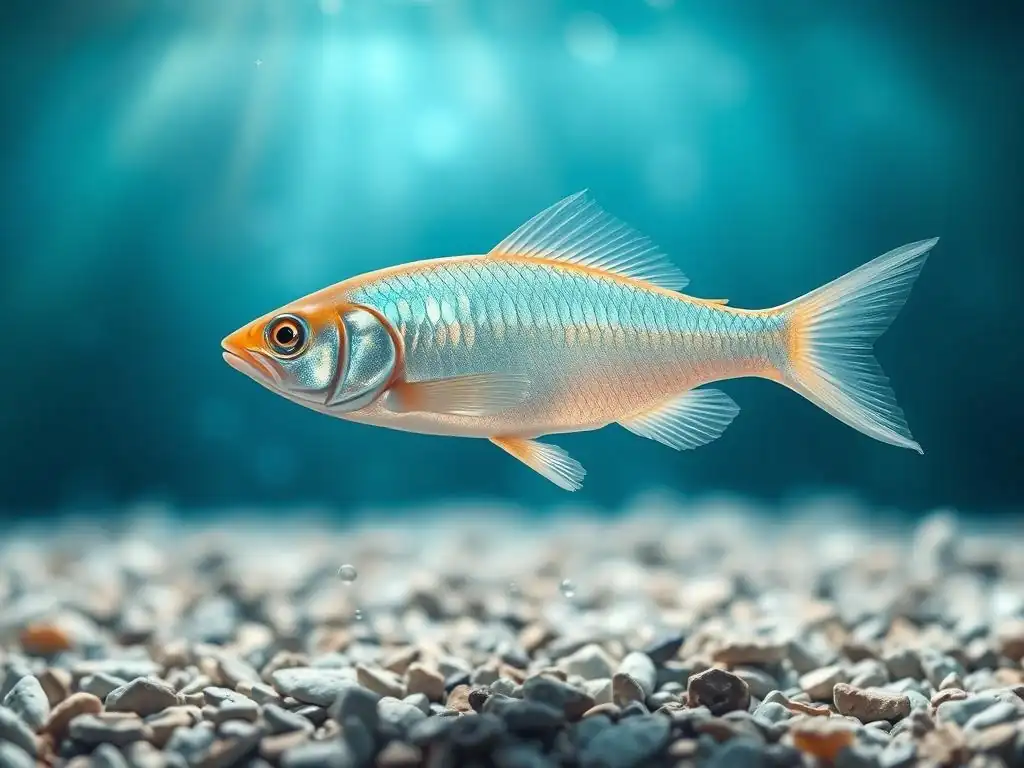
Given the significant white cloud goldfish compatibility issues, it is far more advisable to pair White Cloud Mountain Minnows with other small, cool-water, peaceful species. Ideal tank mates include other small schooling cyprinids and peaceful community fish that thrive in similar temperature and water parameters. Good examples include various species of danios (e.g., Zebra Danios, Leopard Danios, Pearl Danios), which are active and appreciate similar conditions. Other excellent choices are various rasbora species (e.g., Harlequin Rasboras, Chili Rasboras, Espei Rasboras), provided the tank is sufficiently large for their schooling needs.
Other suitable companions can include small, peaceful tetras like Neon Tetras or Ember Tetras, though their temperature range often leans slightly warmer than White Clouds. Small, non-aggressive bottom dwellers such as Corydoras catfish (e.g., Panda Corydoras, Pygmy Corydoras) can also make excellent companions, as they occupy a different part of the water column and are peaceful omnivores. Always ensure any chosen tank mate is similar in size or larger but not predatory, and shares similar environmental requirements to avoid new compatibility challenges.
Invertebrates as Tank Mates: Shrimp and Snails
For White Cloud Mountain Minnows, various invertebrates can also make excellent and safe tank mates, avoiding the white cloud goldfish compatibility issues entirely. Many species of freshwater shrimp, such as Cherry Shrimp ( Neocaridina davidi) or Amano Shrimp ( Caridina multidentata), are peaceful, contribute minimally to the bioload, and can help with algae control. They also appreciate similar cooler water temperatures and stable parameters. It's important to note that very small shrimp fry might be seen as food by even tiny fish, but adult shrimp are generally safe with White Clouds.
Freshwater snails, such as Nerite Snails, Mystery Snails, or Trumpet Snails, are also highly compatible. They are excellent algae eaters, scavengers, and contribute very little to the bioload, making them ideal tank cleaners. They are completely peaceful and will not bother White Clouds, and vice versa. Snails are also quite hardy and can tolerate a range of water conditions, making them a robust choice for a White Cloud minnow setup, ensuring a harmonious and healthy ecosystem without the challenges of inter-species fish compatibility.
Maintaining a Healthy Aquarium Ecosystem
Regular Water Testing and Maintenance Schedules
Maintaining a healthy aquarium ecosystem, especially when navigating potential white cloud goldfish compatibility issues or any multi-species tank, hinges on rigorous water quality management. Establish a consistent schedule for water testing, ideally at least once a week, for ammonia, nitrite, nitrate, and pH. Ammonia and nitrite should always read zero. Nitrate levels should be kept below 20 ppm for most fish, and ideally lower for sensitive species. A stable pH is more important than a specific number, provided it's within the suitable range for your fish.
Based on testing results, implement a regular water change schedule. For a well-stocked tank, a 25-30% water change weekly is a good starting point, but it may need to be increased if nitrate levels consistently rise or if the bioload is high (as it would be with goldfish). Always use a dechlorinator when adding new water. Beyond water changes, perform routine tank maintenance such as cleaning filter media, vacuuming the substrate to remove detritus, and scrubbing any excessive algae buildup. Consistency in these practices is key to preventing stress and disease.
Preventing and Treating Common Fish Diseases
Prevention is always the best approach to fish health. A healthy aquarium ecosystem, maintained through excellent water quality and proper nutrition, significantly reduces the likelihood of disease outbreaks. Avoid overfeeding, which can foul water, and avoid overcrowding, which stresses fish and increases bioload. Quarantining new fish for 2-4 weeks in a separate tank before introducing them to the main display tank is a critical preventive measure, preventing the introduction of parasites and pathogens.
If signs of disease appear (e.g., white spots, fin rot, lethargy, clamped fins, unusual growths), prompt action is crucial. Isolate affected fish if possible to a hospital tank to prevent spread and allow for targeted treatment without medicating the entire display tank. Research the symptoms to accurately diagnose the disease and use appropriate medications according to manufacturer instructions. Understanding common fish ailments like Ich, fin rot, or dropsy, and having a basic first-aid kit (e.g., aquarium salt, broad-spectrum medication) can make a significant difference in recovery rates.
Conclusion: Weighing the Pros and Cons
Making an Informed Decision for Your Aquarium
After a thorough examination of the various factors, it becomes clear that while the idea of keeping White Cloud Mountain Minnows and Fancy Goldfish together might seem appealing to some aquarists, the practical challenges and inherent white cloud goldfish compatibility issues far outweigh any perceived benefits. The fundamental discrepancies in their optimal temperature ranges, the significant size difference leading to predation risks, the intense competition for food, and the stark contrast in their bioload contributions create an environment that is stressful and often detrimental to the long-term health and well-being of both species.
For the responsible aquarist, the goal should always be to provide an optimal and thriving environment for all inhabitants. Attempting to force two species with such divergent needs into a single ecosystem inevitably leads to compromises that negatively impact their health, lifespan, and overall quality of life. Therefore, based on expert considerations and the scientific understanding of their specific requirements, the recommendation is strongly against housing White Cloud Mountain Minnows with Fancy Goldfish. Instead, choose tank mates that genuinely share similar environmental preferences and behavioral traits, ensuring a harmonious and healthy aquarium for all.
Frequently Asked Questions
Will White Cloud Mountain Minnows and Goldfish get along in my aquarium?
Generally, yes, they can coexist, but it's not always ideal. Goldfish require cooler temperatures than most other fish, and White Clouds thrive in those cooler temperatures. However, goldfish can sometimes bully smaller fish, so observe them carefully.
What are the main compatibility issues between White Clouds and Goldfish?
The primary concern is potential competition for food and the possibility of the goldfish eating the smaller White Clouds. Also, optimal water parameters differ slightly, but are commonly compatible.
Are there specific types of Goldfish that are less compatible with White Clouds?
Yes, fancy goldfish like Orandas or Ranchus, which are slower swimmers, are less likely to outcompete or harm White Clouds. Common goldfish, due to their larger size and more active nature, pose a greater risk.
What are the ideal water parameters for keeping both White Clouds and Goldfish?
Aim for a temperature range of 65-72°F (18-22°C), a pH of 6.5-7.5, and excellent water quality with low ammonia and nitrite levels. Regular water changes are crucial.
How can I minimize potential problems when keeping White Clouds and Goldfish together?
Ensure a large enough tank to provide ample space for both species. Offer a varied diet and observe the fish closely for any signs of bullying or stress. Provide plenty of hiding places for the White Clouds.
Final Reflection: Harmony in the Aquarium
The exploration of White Cloud Mountain Minnows and goldfish compatibility reveals more than just the practicalities of fishkeeping; it highlights the delicate balance inherent in any ecosystem, be it natural or artificial. Understanding the nuances of temperature, temperament, and tank size is crucial, not just for the well-being of our aquatic companions, but also for appreciating the interconnectedness of life itself.
This journey into the aquarium has profoundly influenced my perspective on responsible pet ownership and the importance of informed decision-making. It's a reminder that our choices, however small, have ripple effects, impacting the lives of other beings. The greatness of a nation and its moral progress can be judged by the way its animals are treated.
- Mahatma Gandhi. This quote resonates deeply, urging us to consider the ethical implications of our actions and strive for compassion in all our interactions, even within the confines of a glass tank.
Now, as you consider your own aquarium, or any endeavor that involves nurturing life, I invite you to reflect on the principles of compatibility and balance. Let this exploration of White Cloud Mountain Minnows and goldfish serve as a reminder to research, understand, and act with empathy, creating environments where all can thrive. The beauty of a harmonious aquarium is a testament to the power of thoughtful stewardship.
Dive Deeper into Your Aquarium Adventure!
Thank you for exploring the fascinating world of White Cloud Mountain Minnows and goldfish! We hope you’ve gained valuable insights into creating a thriving aquatic ecosystem. Now, let's turn that knowledge into action and make your aquarium dreams a reality.
Here are some exciting next steps you can take:
- Boldly begin by closely monitoring your water parameters for the next two weeks. Track ammonia, nitrite, and nitrate levels daily to ensure your tank remains a healthy haven for your fish.
- Share your newfound knowledge! Educate a fellow fish enthusiast about the compatibility of White Clouds and goldfish, and encourage them to create their own balanced aquarium.
- Try something unexpected! Visit a local stream or pond (with permission, of course!) and observe the natural habitats of similar fish species. This could inspire unique decorating ideas for your aquarium.
What's one small adjustment you can make to your aquarium setup this week to better cater to both White Clouds and goldfish?