
Trouble in Paradise? Diagnosing & Solving Issues with Nano Reef Gobies, Blennies & Dragonets

Welcome to Aquarium Mastery!
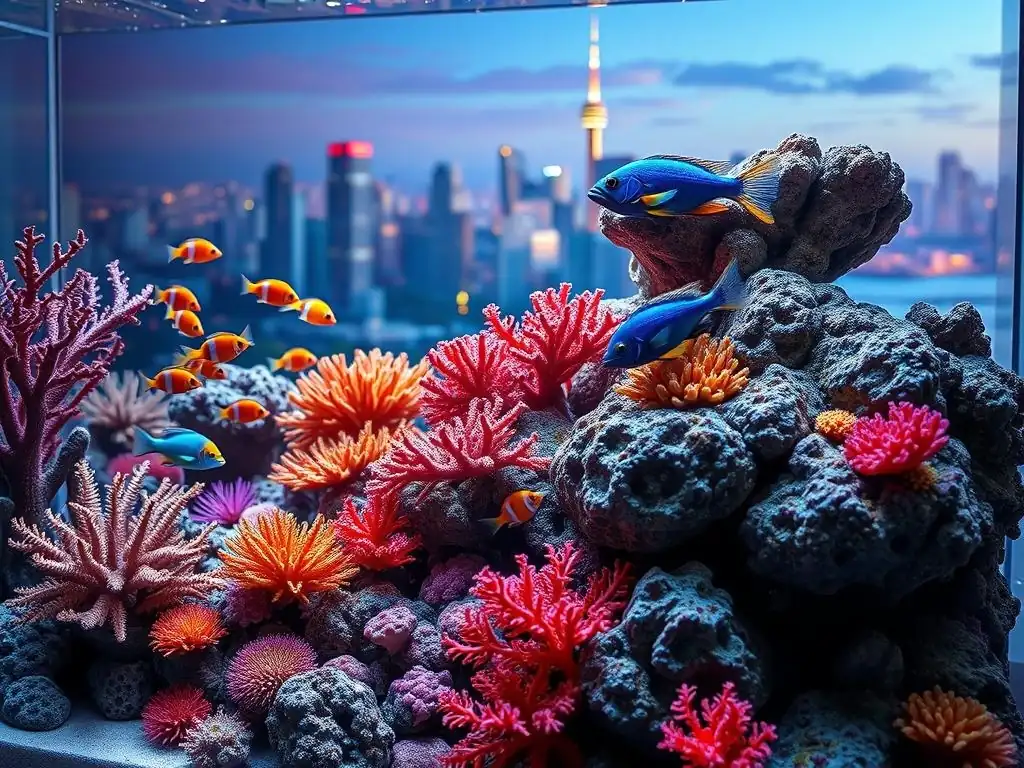
Ever wondered why your nano reef goby isn't thriving in its little paradise? Or maybe you're noticing some unusual behavior in your blenny or dragonet? This article dives deep into common problems faced by these captivating creatures in nano reef tanks, offering expert insights and practical solutions. Get ready to unlock the secrets to a healthy and vibrant nano reef ecosystem – the answers you're looking for are just below!
- Troubleshooting Nano Reef Fish: Gobies, Blennies & Dragonets
- Introduction: Understanding Challenges with Nano Reef Gobies, Blennies, and Dragonets
- Identifying Common Nano Reef Goby Problems: A Diagnostic Guide
- Blenny Behavior Issues in Nano Reefs: Troubleshooting Guide
- Dragonet Difficulties in Nano Reef Aquariums: Expert Solutions
- Water Quality and Nano Reef Fish Health: A Crucial Connection
- Tank Setup and Environment: Minimizing Stress for Nano Reef Fish
- Choosing Healthy Nano Reef Fish: Selection and Quarantine Best Practices
- Diet and Nutrition for Nano Reef Gobies, Blennies, and Dragonets
- Treating Common Nano Reef Fish Diseases: Effective Medications and Techniques
- Preventing Future Problems: Proactive Nano Reef Maintenance Strategies
- Conclusion: Maintaining a Thriving Nano Reef with Gobies, Blennies, and Dragonets
- Frequently Asked Questions
- Final Reflection: Navigating the Delicate Ecosystem of Nano Reefs
- Dive Deeper: Nurture a Thriving Nano Reef!
Troubleshooting Nano Reef Fish: Gobies, Blennies & Dragonets
Introduction: Understanding Challenges with Nano Reef Gobies, Blennies, and Dragonets
Nano reef aquariums, typically under 30 gallons, offer a captivating window into the marine world, but their small volume can amplify water parameter fluctuations and make fish health more precarious. Gobies, blennies, and dragonets are popular choices for these compact systems due to their size and unique personalities. However, their specialized needs and often delicate nature mean that aquarists frequently encounter specific challenges, leading to what many call "nano reef goby problems" or issues with their blenny and dragonet counterparts.
Successfully keeping these fascinating fish requires a proactive approach to tank maintenance, keen observation, and a solid understanding of their individual requirements. This guide will delve into common difficulties faced by nano reef keepers, offering diagnostic tools and practical solutions to ensure your gobies, blennies, and dragonets not only survive but thrive in their miniature marine paradise. Addressing these issues promptly is crucial for the long-term health and stability of your nano reef ecosystem.
Identifying Common Nano Reef Goby Problems: A Diagnostic Guide
Sudden Death in Nano Gobies: Potential Causes and Prevention
Sudden death in nano gobies is one of the most disheartening nano reef goby problems, often leaving aquarists baffled. A primary cause is often rapid changes in water parameters, particularly salinity, temperature, or pH. For instance, a sudden drop in salinity from 1.025 to 1.020 due to excessive top-off with freshwater or a rapid temperature swing of more than 2-3 degrees Fahrenheit within a few hours can induce fatal osmotic shock or stress, especially in newly introduced fish. Inadequate acclimation procedures, such as drip acclimation for less than 60 minutes for sensitive species, significantly increase this risk.
Another common culprit behind unexpected goby demise is internal parasites or bacterial infections that might have been present but latent, only manifesting fatally under the stress of a new environment. For example, a goby might appear healthy at the fish store, but within a few days of introduction to a new tank, an internal nematode infestation or a systemic bacterial infection like Vibrio can rapidly overwhelm its immune system. Such infections are often exacerbated by poor water quality or a lack of quarantine, making them particularly challenging nano reef goby problems to prevent without a dedicated quarantine tank.
Goby Fin Rot and Infections: Recognizing Symptoms and Treatment Options
Fin rot in nano gobies typically presents as frayed, discolored, or disintegrating fins, sometimes with white or reddish edges. This is primarily a bacterial infection, often caused by poor water quality, specifically elevated nitrate levels (e.g., consistently above 20 ppm) or chronic stress. For instance, a tank with insufficient biological filtration or infrequent water changes can lead to an accumulation of organic waste, creating an environment where opportunistic bacteria like Pseudomonas or Aeromonas species flourish and attack compromised fins.
Treatment for fin rot usually involves improving water quality through increased water changes (e.g., 20-30% daily for several days) and ensuring proper filtration. In more severe cases, a broad-spectrum antibiotic medication, such as those containing nitrofurazone or erythromycin, may be necessary.
For example, a goby with significant fin erosion might require a 7-day treatment course in a hospital tank with medicated food or a water column treatment, following manufacturer instructions carefully to avoid further stress. Early intervention is key to preventing the infection from spreading to the body and becoming systemic, which can be a critical nano reef goby problem.
Goby Disappearance: Is Your Goby Hiding or Missing?
One of the most common "nano reef goby problems" is the apparent disappearance of a newly introduced or even established goby. Many goby species, such as Watchman Gobies ( Cryptocentrus cinctus) or Diamond Watchman Gobies ( Valenciennea puellaris), are natural burrowers and expert hiders. They will often create elaborate tunnels under live rock or in the sand bed, sometimes remaining out of sight for days or even weeks after introduction as they acclimate and establish their territory. It's not uncommon for a new goby to vanish for 3-5 days while it settles in.
However, a prolonged absence (e.g., over a week) without any sightings during feeding times could indicate a more serious issue. Gobies are known jumpers, and a common cause of actual disappearance is leaping out of an uncovered tank, often during periods of stress or when startled.
Predation by larger tank mates, though less common in nano reefs designed for small fish, can also occur if compatibility wasn't carefully considered. Thoroughly checking around the tank stand and floor, as well as carefully (and gently) inspecting crevices within the rockwork, can help determine if your goby has truly vanished or is just an expert at playing hide-and-seek.
Goby Refusal to Eat: Addressing Feeding Problems in Nano Reef Tanks
A goby refusing to eat is a serious nano reef goby problem, as prolonged starvation can quickly lead to death in these small fish. This issue can stem from several factors, including stress from a new environment, bullying by tank mates, or the presence of internal parasites. For example, a newly acquired Yellow Watchman Goby might initially ignore prepared foods if it was accustomed to live food or is overwhelmed by the transition from a fish store environment to your home aquarium. High nitrate levels (e.g., above 30 ppm) or fluctuating salinity can also suppress appetite.
To address feeding problems, first ensure water parameters are stable and optimal. If stress is suspected, reduce tank activity and provide plenty of hiding spots. Offering a variety of foods, starting with what they might have eaten previously (e.g., live brine shrimp, copepods), can entice them. For pickier eaters, target feeding using a pipette to deliver food directly to their burrow entrance can be effective. If the goby remains uninterested, consider treating for internal parasites with a broad-spectrum anti-parasitic medication, as these can severely impact a fish's ability to absorb nutrients and maintain appetite.
Blenny Behavior Issues in Nano Reefs: Troubleshooting Guide
Aggressive Blenny Behavior: How to Manage Territorial Disputes
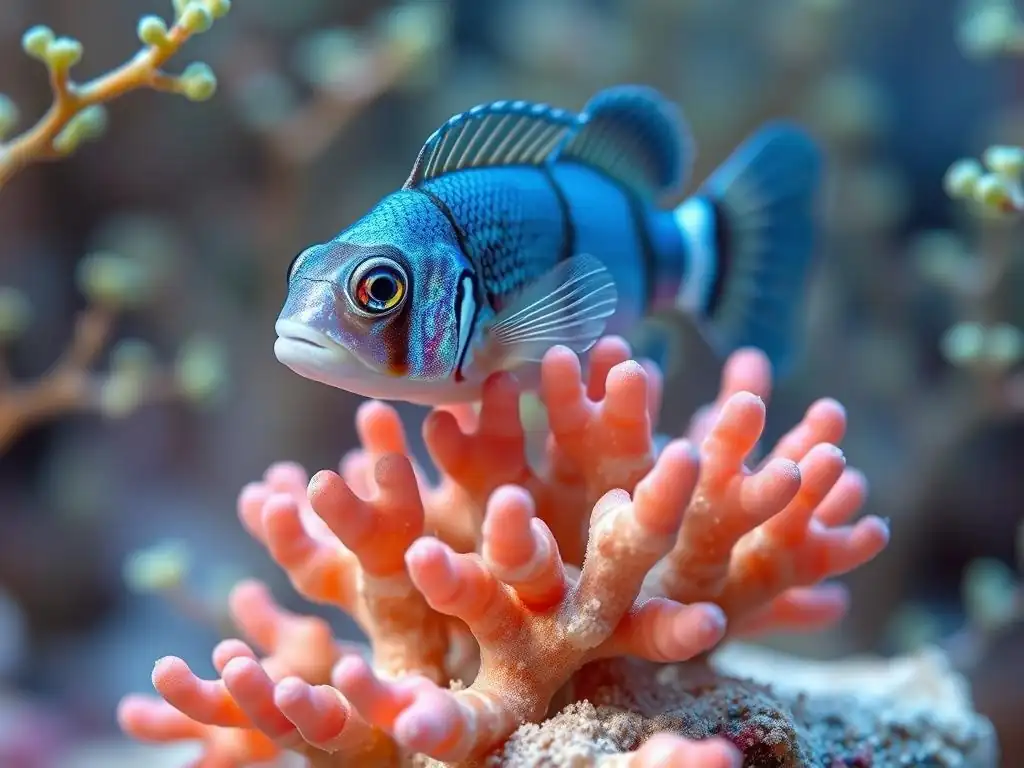
Aggressive blenny behavior, while often charming in its boldness, can become problematic in the confined space of a nano reef. Species like the Lawnmower Blenny ( Salarias fasciatus) or Bicolor Blenny ( Ecsenius bicolor) are known for their territorial nature, especially towards new additions or fish with similar body shapes and diets.
For instance, a Lawnmower Blenny might vigorously chase a new Royal Gramma or even another blenny if the tank is too small (e.g., under 20 gallons for a Lawnmower) or lacks sufficient visual barriers. This aggression can lead to stress, fin nipping, and even starvation for the bullied fish.
Managing territorial disputes requires careful planning. First, ensure adequate tank size and provide plenty of rockwork with multiple caves and hiding spots to break up lines of sight. Introducing the blenny last into the tank can sometimes help, as it won't have established a dominant territory yet. If aggression persists, consider rearranging the rockwork to disrupt the blenny's established boundaries, effectively "resetting" its territory. In severe cases where a blenny consistently harasses other inhabitants to the point of injury or malnourishment, rehoming the aggressive individual might be the only viable solution to maintain peace in your nano reef.
Blenny Ich and Parasite Infestations: Prevention and Treatment
Blenny Ich, or marine Ich ( Cryptocaryon irritans), is a common parasitic infestation characterized by small, white spots resembling salt grains on the fish's body and fins. Blennies, like many other fish, can be susceptible, especially when stressed by poor water quality, fluctuating temperatures, or aggressive tank mates. For example, a blenny introduced into a tank with high nitrates (e.g., consistently above 40 ppm) or one that has experienced a sudden temperature drop (e.g., from 78°F to 74°F) is more likely to develop an Ich outbreak due to a compromised immune system.
Prevention is paramount and primarily involves rigorous quarantine of all new fish for at least 4-6 weeks to ensure they are disease-free before introduction to the main display tank. During quarantine, observe for symptoms and treat proactively if necessary. For active Ich infestations in the display tank, treatment options include hyposalinity (gradually reducing salinity to 1.009-1.010 over 48 hours for 2-4 weeks, if corals allow) or using copper-based medications (e.g., copper sulfate at 0.25-0.35 ppm). However, copper can be toxic to invertebrates and some sensitive fish, so a dedicated hospital tank is often the safest approach for treatment.
Blenny Diet Deficiencies: Ensuring Proper Nutrition for Healthy Blennies
Dietary deficiencies are a significant health challenge for blennies, particularly for herbivorous species like the Lawnmower Blenny or nutrient-specific feeders like the Midas Blenny ( Ecsenius midas). Many blennies are primarily algae grazers, and if a nano reef tank doesn't produce enough natural algae, they can quickly suffer from malnourishment. For example, a Lawnmower Blenny in a clean, new tank with minimal algae growth can starve within weeks if not supplemented properly. Symptoms include a sunken belly, faded coloration, and lethargy.
To ensure proper nutrition, it's crucial to provide a varied diet. Herbivorous blennies should receive high-quality marine-based flake or pellet foods formulated for herbivores, supplemented with dried nori (seaweed sheets) clipped to the tank glass. Offering fresh macroalgae, like Chaetomorpha or Gracilaria, can also provide essential nutrients. Carnivorous blennies, such as the Fang Blenny, require meaty foods like mysis shrimp, brine shrimp, and finely chopped seafood. Feeding small amounts multiple times a day (e.g., 2-3 times) ensures all fish get enough to eat and reduces competition.
Blenny Algae Control Issues: Balancing Grazing and Tank Health
While blennies like the Lawnmower Blenny are excellent algae grazers, relying solely on them for algae control in a nano reef can lead to issues. If the tank's algae growth is insufficient to sustain the blenny's needs, the blenny will starve, as discussed.
Conversely, if the tank has an excessive amount of nuisance algae, a single blenny might not be able to keep up, or the algae itself could indicate underlying water quality problems. For example, a tank with persistent hair algae blooms (often due to high phosphates, e.g., >0.05 ppm) requires more than just a blenny; it needs nutrient export strategies.
Balancing blenny grazing with overall tank health involves understanding that blennies are a part of the solution, not the entire solution, for algae control. Supplement their diet even if algae is present, especially if the algae is not the type they prefer to graze on (e.g., cyanobacteria). Simultaneously, address the root cause of excessive algae by maintaining low nutrient levels through regular water changes, using phosphate removers, and ensuring proper light cycles (e.g., 8-10 hours daily). This integrated approach ensures the blenny remains healthy while the tank stays clean.
Dragonet Difficulties in Nano Reef Aquariums: Expert Solutions
Dragonet Starvation: Addressing the Pod Population Problem
Dragonets, particularly the popular Mandarinfish ( Synchiropus splendidus), are perhaps the most challenging nano reef fish to keep due to their highly specialized diet. They are obligate micropredators, relying almost exclusively on a constant supply of live copepods and other small invertebrates found grazing on live rock and sand. The most significant difficulty, and a major "nano reef goby problem" analogue for dragonets, is starvation due to an insufficient copepod population. A typical 20-gallon nano reef, even with established live rock, often cannot sustain a Mandarinfish long-term without significant intervention.
To prevent dragonet starvation, a robust and continually replenished copepod population is essential. This often means culturing copepods in a separate refugium plumbed to the main display tank, or regularly purchasing and adding live copepod cultures (e.g., 1-2 bottles per week, costing around $15-30 each). An established refugium with macroalgae like Chaetomorpha can significantly boost production, potentially sustaining a single Mandarinfish in a 30+ gallon system. Furthermore, target feeding with live brine shrimp or frozen cyclop-eeze, if the dragonet can be trained to accept them, can supplement their diet, though it rarely replaces the need for live pods.
Dragonet Compatibility Issues: Choosing the Right Tank Mates
While generally peaceful, dragonets can face compatibility issues, especially in the confined space of a nano reef. Their slow, deliberate feeding style makes them vulnerable to faster, more aggressive feeders who can outcompete them for food. For example, a Mandarinfish housed with a very active Clownfish or a robust Damselfish might struggle to get enough pods, even if the population is adequate, because the faster fish consume them before the dragonet can. This is a common, indirect "nano reef goby problem" for dragonets, as competition for food is a major stressor.
Choosing the right tank mates is crucial. Opt for other peaceful, slow-moving species that do not compete for the same food source. Ideal companions include small, docile gobies (like Trimma or Eviota species), firefish, or small, non-aggressive shrimp. Avoid highly active fish, aggressive feeders, or any species known to nip fins or harass smaller inhabitants. Introducing the dragonet last, after other tank mates have established themselves, can also reduce stress and allow it to acclimate more effectively without immediate competition.
Dragonet Disease Susceptibility: Recognizing and Treating Common Ailments
Dragonets, while relatively hardy once established and well-fed, can be susceptible to common marine diseases, particularly if stressed or malnourished. Ich ( Cryptocaryon irritans) and Velvet ( Amyloodinium ocellatum) are common external parasites that can quickly decimate a dragonet population, especially given their small size and potentially compromised immune systems from dietary stress. Symptoms include white spots (Ich), a dusty film (Velvet), rapid breathing, and flashing against rocks.
Treatment for external parasites typically involves transfer to a hospital tank. Copper-based medications (e.g., Copper Power, Cupramine) are effective against Ich and Velvet, maintained at a therapeutic level (e.g., 0.25-0.35 ppm copper for Ich) for at least 14-21 days. Hyposalinity can also be used if the dragonet can tolerate the gradual change. Internal parasites, though less common, can also occur, manifesting as emaciation despite feeding. In such cases, medicated foods containing metronidazole or praziquantel can be considered, but diagnosis by a professional is often recommended.
Dragonet Acclimation Challenges: Successfully Introducing Dragonets to Your Nano Reef
Acclimating dragonets is a delicate process, and improper introduction can lead to significant stress, disease, or even immediate death. Their sensitive nature and reliance on specific environmental cues make them particularly vulnerable to rapid changes in water parameters. A common mistake is simply floating the bag and dumping the fish, which can cause severe osmotic shock if the parameters (especially salinity and pH) differ significantly between the bag water and the tank water.
To successfully acclimate a dragonet, a slow, drip acclimation method is highly recommended. This involves slowly dripping tank water into the bag or container over an extended period, typically 1.5 to 2 hours, to gradually equalize the water parameters. Aim for a drip rate of about 1-2 drops per second. Some aquarists even float the container in the sump or a separate container with a heater to ensure temperature stability during the process. After acclimation, gently net the dragonet and introduce it to the display tank, discarding the bag water to prevent the introduction of pathogens or undesirable chemicals.
Water Quality and Nano Reef Fish Health: A Crucial Connection
Ammonia and Nitrite Spikes: Protecting Your Nano Gobies, Blennies, and Dragonets
Ammonia (NH3/NH4+) and nitrite (NO2-) spikes are among the most critical water quality issues in any aquarium, but they are particularly devastating in nano reefs due to the smaller water volume. Even a small amount of uneaten food or a deceased inhabitant can rapidly elevate these toxic compounds. For instance, a 0.5 ppm ammonia spike in a 10-gallon tank can cause severe gill damage and organ failure in sensitive fish like gobies and dragonets within hours, leading to labored breathing, loss of appetite, and eventually death. Nitrite, while slightly less toxic, also interferes with oxygen transport in the blood.
To protect your nano gobies, blennies, and dragonets, it is paramount to maintain zero levels of both ammonia and nitrite (0 ppm). This requires a fully cycled aquarium with a robust biological filter. Regularly test your water parameters (e.g., weekly) using reliable test kits. If a spike occurs, immediate action is necessary: perform a large water change (e.g., 25-50%), use an ammonia-detoxifying conditioner, and identify and remove the source of the spike. Reducing feeding temporarily can also help minimize further waste production.
Maintaining Stable Salinity: Preventing Osmotic Shock and Stress
Stable salinity is non-negotiable for the health of marine fish, especially in nano reefs where evaporation can cause rapid fluctuations. The ideal specific gravity (SG) for most reef tanks is between 1.024 and 1.026. A sudden drop in SG (e.g., from 1.025 to 1.020 in a few hours due to a large freshwater top-off) or a rapid increase (e.g., from 1.025 to 1.028 if an auto top-off system malfunctions) can cause severe osmotic shock, leading to cell damage, organ failure, and death. This is particularly stressful for delicate species like nano gobies.
To maintain stable salinity, use a reliable refractometer for daily or every-other-day testing. An auto top-off (ATO) system is highly recommended for nano reefs to replenish evaporated water with fresh RODI water automatically, preventing daily swings. If manual top-offs are performed, do so slowly and frequently in small amounts rather than large, infrequent additions. When performing water changes, ensure the new saltwater is mixed to the exact same salinity as the display tank water to avoid shocking your fish.
The Importance of pH and Alkalinity: Ensuring Optimal Water Chemistry
pH and alkalinity are critical parameters that directly impact water chemistry and the overall health of your nano reef fish. Ideal pH for marine aquariums is typically between 8.1 and 8.4, while alkalinity (measured in dKH) should be maintained between 8 and 12 dKH. Fluctuations outside these ranges, or rapid swings, can stress fish and inhibit their biological functions. For example, a sudden drop in pH below 7.8 can cause acidosis, leading to rapid breathing and lethargy in gobies and blennies.
Alkalinity acts as a buffer, stabilizing pH. If alkalinity is too low (e.g., below 7 dKH), pH becomes unstable and prone to crashing, especially overnight when CO2 levels rise. Regularly test both pH and alkalinity (e.g., weekly) and use appropriate buffering solutions to maintain them within the optimal range. Regular water changes with properly mixed saltwater also contribute significantly to stable pH and alkalinity levels. Consistent monitoring and maintenance prevent these crucial parameters from becoming another source of nano reef goby problems.
Regular Water Changes: A Key to Long-Term Nano Reef Success
Regular water changes are arguably the single most important maintenance practice for long-term nano reef success and the prevention of almost all "nano reef goby problems" related to water quality. In small tanks, waste products like nitrates and phosphates accumulate quickly, and essential trace elements are depleted. A consistent weekly or bi-weekly water change regimen helps export these pollutants and replenish vital minerals. For instance, a 10-20% weekly water change in a 20-gallon nano reef can keep nitrates below 10 ppm and replenish elements like iodine and strontium that fish need.
Neglecting water changes leads to a gradual decline in water quality, manifesting as increased algae growth, stressed fish, and susceptibility to disease. High nitrates (e.g., consistently over 30 ppm) will suppress the immune systems of gobies and blennies, making them more prone to infections like fin rot. Consistent water changes, using properly mixed and temperature-matched saltwater, dilute harmful substances and provide a fresh, healthy environment, significantly reducing the likelihood of common health issues for your nano reef inhabitants.
Tank Setup and Environment: Minimizing Stress for Nano Reef Fish
Adequate Hiding Places: Providing Security and Reducing Aggression
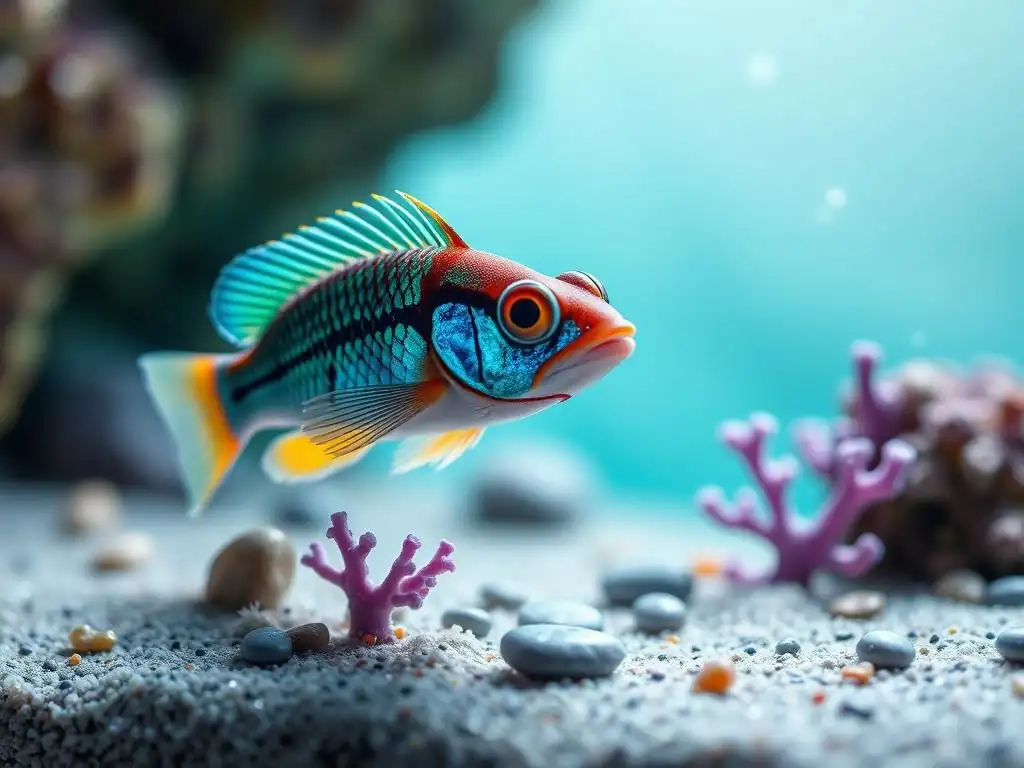
Adequate hiding places are crucial for minimizing stress and aggression among nano reef fish, especially for shy species like gobies and blennies. Without sufficient cover, these fish can feel exposed and vulnerable, leading to chronic stress which weakens their immune system and makes them susceptible to disease. For example, a Watchman Goby without a secure burrow might hide constantly or become lethargic, eventually refusing to eat due to anxiety.
Provide plenty of live rock with natural caves, crevices, and overhangs. Arrange the rockwork to create multiple territories and visual barriers, breaking up lines of sight. For burrowing gobies, ensure a deep sand bed (at least 2-4 inches) with varied grain sizes, allowing them to construct stable burrows. Aim for a rock-to-water ratio that offers ample shelter without compromising swimming space. This thoughtful aquascaping is a proactive step in preventing many nano reef goby problems related to stress and territorial disputes.
Proper Substrate Selection: Supporting a Healthy Ecosystem
Proper substrate selection is vital for a healthy nano reef ecosystem, particularly for burrowing gobies and sand-sifting dragonets. A deep sand bed (DSB) of 3-6 inches not only provides a natural habitat for burrowing species but also supports a diverse microfauna, including copepods and other beneficial organisms that are crucial food sources for dragonets. For instance, a Mandarinfish's survival often hinges on the presence of a mature DSB teeming with pods.
The type of sand also matters. Aragonite sand is preferred for marine tanks as it helps buffer pH and provides essential calcium. Avoid very fine sand that can compact too easily or coarse gravel that can injure delicate fish or trap detritus. A mix of grain sizes (e.g., 0.5-2mm) can offer stability for burrows and promote biodiversity. Regularly stir the top layer of the sand bed (if not inhabited by sand-sifting critters) to prevent anaerobic pockets, which can release harmful gases.
Flow and Oxygenation: Meeting the Needs of Nano Reef Inhabitants
Appropriate water flow and oxygenation are fundamental for the health of all nano reef inhabitants. Insufficient flow can lead to dead spots where detritus accumulates, fostering anaerobic conditions and poor water quality, which directly contributes to nano reef goby problems. Conversely, excessively strong, turbulent flow can stress smaller fish, preventing them from feeding or swimming comfortably.
Aim for moderate, randomized flow that reaches all areas of the tank without blasting fish directly. Powerheads with wide flow patterns or wavemakers are excellent choices for nano reefs. Ensure the surface of the water is gently agitated to promote gas exchange, which is crucial for oxygenating the water and off-gassing CO2. A healthy oxygen level (typically 6-8 ppm) supports fish respiration and the efficiency of beneficial bacteria in the biological filter, contributing to a stable and thriving environment.
Lighting Considerations: Promoting Algae Growth and Fish Health
Lighting in a nano reef serves multiple purposes: it supports photosynthetic corals and macroalgae, influences fish behavior, and promotes the growth of beneficial microalgae that serve as food for grazers like blennies. Incorrect lighting can lead to stress, faded coloration, or even starvation if food sources like diatoms and green algae are not adequately cultivated. For example, a tank with insufficient lighting might not grow enough algae to sustain a Lawnmower Blenny.
Choose an LED light fixture appropriate for the size and depth of your nano reef. If you have corals, ensure the light provides the correct spectrum (e.g., high PAR values in the blue spectrum for SPS/LPS). For fish-only or soft coral tanks, a more balanced spectrum with a daily photoperiod of 8-10 hours is generally sufficient. Avoid excessively long photoperiods or overly intense lighting, which can stress fish and promote nuisance algae blooms. Proper lighting contributes to a natural environment, reducing one potential source of nano reef goby problems.
Choosing Healthy Nano Reef Fish: Selection and Quarantine Best Practices
Identifying Healthy Specimens: What to Look For Before You Buy
The first step in preventing nano reef goby problems and other fish health issues is to start with healthy specimens. Before purchasing, spend at least 10-15 minutes observing the fish in the dealer's tank. Look for active, alert behavior; the fish should be swimming freely (unless it's a naturally sedentary species) and responsive to its environment. Check for clear eyes, intact fins (no fraying, tears, or white spots), and vibrant, natural coloration without any blotches or faded areas.
Observe its breathing rate; it should be calm and regular, not rapid or labored. A fish constantly gasping at the surface or hiding excessively (beyond its natural behavior) is a red flag. Check for a full, rounded belly – a sunken belly is a strong indicator of malnourishment or internal parasites. Also, observe if it's eating when the store feeds its tanks. Avoid any fish in a tank with sick or dead fish, as diseases can spread rapidly, and even seemingly healthy individuals might be incubating an illness.
The Importance of Quarantine: Preventing Disease Outbreaks
Quarantine is the single most effective method for preventing disease outbreaks in your display tank and mitigating future nano reef goby problems. A dedicated quarantine tank (QT) allows you to observe new fish in isolation, treat them for potential diseases without harming your main tank's inhabitants or beneficial bacteria, and ensure they are eating and healthy before introduction. A typical QT setup includes a bare-bottom tank, a heater, an air stone, and a small filter (sponge filter or hang-on-back).
New fish should be quarantined for a minimum of 4-6 weeks. During this period, you can proactively treat for common parasites like Ich (e.g., with copper) and observe for other issues. For example, many aquarists follow a prophylactic treatment regimen, treating with copper for 14-21 days, followed by a Praziquantel treatment for flukes. This rigorous approach significantly reduces the risk of introducing pathogens that could wipe out your entire main tank population, saving you considerable time, money, and heartache.
Acclimation Procedures: Minimizing Stress During Introduction
Proper acclimation is crucial for minimizing stress when introducing new fish to your aquarium, directly impacting their initial health and long-term survival. Rapid changes in water parameters, especially salinity, temperature, and pH, can cause severe shock, leading to immediate death or a weakened immune system. This stress is a common precursor to many "nano reef goby problems."
The most recommended method is drip acclimation. Set up a drip line from your display tank into a separate container holding the new fish and its bag water. Allow water to slowly drip into the container at a rate of 1-2 drops per second over 60-90 minutes, or even longer for very sensitive species like dragonets (up to 2 hours). This gradual process allows the fish's internal systems to slowly adjust to the new parameters. Once acclimated, gently net the fish and transfer it to the tank, discarding the old water to avoid introducing any contaminants.
Selecting Compatible Species: Creating a Harmonious Nano Reef Community
Selecting compatible species is paramount for creating a harmonious nano reef community and preventing aggression, stress, and competition for resources. In a small tank, even minor incompatibilities can quickly escalate into major problems. For example, placing two male gobies of the same species in a 10-gallon tank will almost certainly lead to fatal territorial disputes. Similarly, housing a Mandarinfish with fast, aggressive feeders like certain damselfish can lead to the dragonet starving.
Research each species' temperament, adult size, and dietary needs before purchase. Opt for fish with different niches (e.g., a bottom-dwelling goby, a mid-water blenny, and a top-dwelling firefish) to minimize direct competition for space. Avoid fish known for aggression, fin-nipping, or those that will outgrow your nano tank. Planning your stocking list carefully, adhering to the "one fish per 5-10 gallons" rule (depending on species), and introducing fish in order of increasing aggression (most peaceful first) will significantly contribute to a peaceful and thriving environment.
Diet and Nutrition for Nano Reef Gobies, Blennies, and Dragonets
Live Food Options: Culturing Pods and Other Microfauna
Live food options are often essential for the long-term health and survival of delicate nano reef inhabitants, especially dragonets and some finicky gobies. Copepods, amphipods, and other microfauna are the natural diet for Mandarinfish and many smaller goby species. Relying solely on dry or frozen foods for these species often leads to slow starvation and the development of "nano reef goby problems" related to malnutrition.
To ensure a consistent supply, consider culturing copepods and amphipods in a dedicated refugium plumbed to your main display tank. A refugium filled with macroalgae like Chaetomorpha provides an ideal habitat for these micro-crustaceans to breed and multiply, constantly seeding your display tank with live food. Alternatively, regularly purchasing live copepod cultures (e.g., weekly or bi-weekly additions) can supplement the tank's natural population, ensuring your dragonets and other micropredators have a continuous food source.
Frozen Food Alternatives: Supplementing Diets with High-Quality Options
While live foods are crucial for some species, high-quality frozen foods are excellent alternatives and supplements for most nano reef gobies and blennies. These foods offer a wide range of essential nutrients and are generally more convenient and accessible than live cultures. Common options include frozen mysis shrimp, brine shrimp (enriched), cyclop-eeze, and various marine-blend preparations.
When feeding frozen foods, always thaw them in a small amount of tank water before adding them to the tank. This prevents nutrient leaching into the tank and avoids shocking fish with cold food. Offer a varied diet, rotating between different types of frozen foods to ensure a complete nutritional profile. For example, a Bicolor Blenny might relish mysis shrimp, while a Diamond Watchman Goby might prefer a mix of mysis and finely chopped clam. Target feeding with a pipette can ensure shyer or slower eaters get their share, minimizing waste and competition.
Vitamin and Supplement Additives: Enhancing Fish Health and Coloration
Vitamin and supplement additives can play a valuable role in enhancing fish health, boosting immunity, and improving coloration in nano reef inhabitants. While a varied diet of high-quality foods is the primary source of nutrition, certain supplements can fill potential gaps or provide an extra boost during times of stress or recovery. For example, a vitamin soak for frozen foods can fortify them with essential vitamins like C and B-complex, which are vital for immune function and stress reduction.
Products like Selcon or Vita-Chem are popular choices for soaking frozen foods for 10-15 minutes before feeding. These supplements provide fatty acids, amino acids, and a range of vitamins that can improve overall vitality, disease resistance, and even enhance the vibrant colors of fish like clown gobies or blennies. However, use supplements judiciously and according to manufacturer instructions, as excessive use can sometimes lead to nutrient imbalances in the tank water itself.
Feeding Strategies: Ensuring All Fish Get Enough to Eat
Effective feeding strategies are essential in a nano reef to ensure all fish, especially shyer or slower species, get enough to eat without overfeeding the tank. Overfeeding leads to excess nutrients, contributing to algae blooms and poor water quality, which are major causes of nano reef goby problems. Conversely, underfeeding can lead to starvation.
Feed small amounts multiple times a day (e.g., 2-3 times) rather than one large meal. This mimics natural grazing behavior and reduces the amount of uneaten food. Observe your fish during feeding: are all individuals actively eating? Are the faster, more aggressive feeders hogging all the food? For shy gobies or blennies, target feeding with a pipette or turkey baster can ensure food reaches their hiding spots. For dragonets, ensure a continuous supply of live copepods. Adjust feeding amounts based on your tank's clean-up crew and filtration capacity, aiming for all food to be consumed within 2-3 minutes.
Treating Common Nano Reef Fish Diseases: Effective Medications and Techniques
Copper Treatments: Benefits and Risks for Nano Reef Inhabitants
Copper-based medications are highly effective treatments for common external parasites like Ich ( Cryptocaryon irritans) and Marine Velvet ( Amyloodinium ocellatum), which can be devastating for nano reef fish, including gobies and blennies. Products like Copper Power or Cupramine deliver ionic copper or chelated copper, which are toxic to these parasites. For instance, maintaining a copper concentration of 0.25-0.35 ppm for 14-21 days is generally effective against Ich.
However, copper is a heavy metal and can be toxic to invertebrates (corals, shrimp, snails, crabs) and some sensitive fish species. Therefore, copper treatments should never be administered in the main display tank if it contains any invertebrates. A dedicated hospital tank, bare-bottom with a simple filter and heater, is essential for safe copper treatment. Always use a reliable copper test kit to monitor levels precisely, as underdosing can lead to resistant parasites, and overdosing can be fatal to the fish being treated.
PraziPro and Other Antiparasitics: Addressing Worm Infestations
Praziquantel-based medications, such as PraziPro, are effective broad-spectrum antiparasitics primarily used to treat trematodes (flukes) and cestodes (tapeworms), which can cause significant internal and external nano reef goby problems. Flukes can manifest as rapid breathing, flashing, or visible worms on the skin or gills, while internal worms lead to emaciation despite eating.
PraziPro is generally considered reef-safe and can often be used in the display tank, making it a convenient option for treating an entire system. However, always confirm reef-safeness with the specific product and manufacturer. A typical treatment involves two doses, 5-7 days apart, to target different life stages of the parasites. While less toxic than copper, it's still advisable to monitor water parameters and fish behavior closely during treatment. This medication is a valuable tool for addressing those insidious internal parasite issues that often go unnoticed until fish are severely emaciated.
Antibiotic Use: When and How to Treat Bacterial Infections
Antibiotics are necessary for treating bacterial infections in nano reef fish, such as fin rot, bacterial hemorrhagic septicemia (red streaks on the body), or popeye. These infections often arise from poor water quality, stress, or injury. For example, a goby developing severe fin rot with secondary bacterial infection might require an antibiotic to prevent the infection from consuming the entire fin or spreading systemically.
Common antibiotics used in aquaria include nitrofurazone, erythromycin, or kanamycine. These are typically administered in a hospital tank, as many antibiotics can harm beneficial bacteria in the main display tank's biological filter, potentially leading to ammonia spikes. Always follow the manufacturer's dosage instructions precisely and complete the full course of treatment, even if symptoms improve, to prevent antibiotic resistance. Overuse or improper use of antibiotics can do more harm than good, so ensure a bacterial infection is properly diagnosed before treatment.
Natural Remedies: Exploring Alternative Treatment Options
While not always sufficient for severe infestations, some natural remedies and husbandry techniques can support fish health and aid in recovery from mild issues or as preventative measures. For instance, maintaining pristine water quality, providing a highly nutritious diet, and minimizing stress are fundamental "natural remedies" that boost a fish's immune system, making it more resilient to disease.
Garlic extracts (e.g., Seachem GarlicGuard) can be used to soak foods, acting as an appetite stimulant and potentially having some immunostimulant properties, though not a cure for active infections. UV sterilizers can reduce free-floating parasites and bacteria in the water column, preventing their spread. Furthermore, maintaining a healthy refugium with a diverse ecosystem can introduce beneficial microfauna that compete with pathogens. While these methods are generally safe for the display tank, they should be viewed as supplementary to, rather than replacements for, proven medications for serious disease outbreaks.
Preventing Future Problems: Proactive Nano Reef Maintenance Strategies
Regular Observation: Monitoring Fish Behavior and Health
Regular observation is the cornerstone of proactive nano reef maintenance and the most effective way to prevent minor issues from escalating into major nano reef goby problems. Spend at least 10-15 minutes daily observing your fish's behavior, appetite, coloration, and physical condition. Notice subtle changes: Is your goby hiding more than usual? Is your blenny refusing to eat its favorite food? Is a dragonet looking thinner?
Early detection of symptoms allows for immediate intervention, often preventing the need for drastic treatments. For instance, noticing a slight fraying on a goby's fin early allows you to address water quality issues before fin rot becomes severe. Observing a dragonet repeatedly picking at an empty rock indicates a declining copepod population, prompting you to supplement before starvation sets in. Consistent, keen observation is your first and best defense against virtually all aquarium ailments.
Consistent Testing: Tracking Water Parameters and Identifying Issues Early
Consistent water parameter testing is non-negotiable for preventing future nano reef problems. Regular testing allows you to track trends, identify subtle shifts, and pinpoint the root cause of potential issues before they impact your fish. At a minimum, weekly tests for salinity, temperature, ammonia, nitrite, and nitrate are recommended. Monthly tests for pH, alkalinity, calcium, and magnesium are also crucial, especially if you have corals.
For example, a gradual increase in nitrate from 5 ppm to 20 ppm over a few weeks, identified through consistent testing, signals a need for increased water changes or reduced feeding, preventing chronic stress and disease susceptibility in your gobies and blennies. Similarly, a declining alkalinity trend (e.g., from 9 dKH to 7 dKH) indicates the need for buffering before pH crashes. Consistent testing provides the data you need to make informed decisions and maintain a stable environment.
Preventative Treatments: Implementing a Routine Maintenance Schedule
Implementing a routine preventative maintenance schedule goes beyond just water changes and testing; it involves proactive measures to minimize disease risk. This includes quarantining all new fish and corals for 4-6 weeks before introduction to the main display tank. During quarantine, many aquarists opt for prophylactic treatments for common parasites like Ich (e.g., a copper treatment) and flukes (e.g., Praziquantel).
Another aspect of a preventative schedule involves regular cleaning of equipment, such as protein skimmers and filter socks, to maintain their efficiency and prevent nutrient buildup. For instance, cleaning a protein skimmer cup every 2-3 days ensures it effectively removes organic waste before it breaks down into nitrates and phosphates. Regularly siphoning detritus from the sand bed (if not inhabited by burrowing species) also reduces organic load, creating a healthier environment and preventing a host of nano reef goby problems.
Recommended Supplements for Nano Reef Health
While not always strictly necessary for fish-only nano reefs, certain supplements can enhance the health and vitality of your gobies, blennies, and dragonets, particularly in mixed reef systems. Iodine, for example, is essential for fish thyroid function and molting in crustaceans. Trace elements, depleted through biological processes and protein skimming, are also important for overall fish health and coloration.
For tanks with corals, maintaining stable levels of calcium, alkalinity, and magnesium is critical, and these parameters indirectly benefit fish by ensuring a stable environment. Vitamin supplements for food, like Selcon, can boost the nutritional value of prepared foods. However, always exercise caution with supplements. Overdosing can be more harmful than beneficial. It's best to test for specific parameters before dosing and follow manufacturer recommendations closely, using supplements to supplement a good husbandry routine, not replace it.
Conclusion: Maintaining a Thriving Nano Reef with Gobies, Blennies, and Dragonets
Frequently Asked Questions
What are some common problems affecting nano reef gobies?
Nano reef gobies are prone to starvation due to their small size and limited feeding options in a reef tank. They can also be bullied by more aggressive tank mates or suffer from poor water quality.
How can I ensure my nano reef goby gets enough food?
Target feeding is crucial. Offer small, frequent meals of high-quality frozen or live foods designed for small fish. Consider supplemental feedings like phytoplankton or rotifers to boost available food.
What are the signs that a nano reef goby is being bullied?
Signs of bullying include hiding excessively, not eating, torn fins, or being chased by other fish. Immediate action, like rehoming the bully, is often necessary.
What water parameters are most important for nano reef goby health?
Maintaining stable water parameters is vital. Keep an eye on ammonia, nitrite, and nitrate levels. Regular water changes are essential for a healthy nano reef goby.
How do I choose compatible tank mates for my nano reef goby?
Select peaceful and docile tank mates that won't compete for food or territory. Avoid aggressive fish, larger gobies, or those known to nip at fins. Research compatibility thoroughly before adding any fish.
The challenges outlined in this article, specifically regarding the well-being of nano reef gobies, blennies, and dragonets, are not merely theoretical exercises but urgent realities facing aquarists today. The increasing popularity of nano reefs, coupled with the specific needs of these captivating fish, demands a more informed and responsible approach to their care. Ignoring these issues leads to unnecessary suffering and ultimately undermines the sustainability of our hobby.
The delicate balance of a nano reef ecosystem underscores the profound responsibility we assume when bringing these creatures into our homes. My own experiences with nano reefs have taught me the invaluable lesson that success hinges on meticulous planning, diligent observation, and a willingness to adapt. As Jacques Cousteau wisely stated: The sea, once it casts its spell, holds one in its net of wonder forever.
This wonder, however, comes with the obligation to ensure the well-being of the life within that miniature ocean.
Now, armed with a deeper understanding of the potential pitfalls and proven solutions, I urge you to reflect on your own practices. Are you truly providing the optimal environment for your nano reef inhabitants? Are you prepared to dedicate the time and resources necessary to address their specific needs? Let this knowledge empower you to create thriving, sustainable nano reefs where these fascinating fish can flourish, bringing joy and wonder for years to come.
Dive Deeper: Nurture a Thriving Nano Reef!
Thanks for exploring the delicate world of nano reef gobies, blennies, and dragonets with us! We hope you've gained valuable insights into keeping these captivating creatures happy and healthy. Now, let's turn that knowledge into action.
Here's how you can further enhance your nano reef experience:
- Take the plunge and meticulously review your current tank parameters. Accurate testing is your first line of defense against common problems. Use a high-quality test kit and compare your results against the ideal ranges for your specific inhabitants.
- Join the Aquarium Mastery community forum and share your experiences, challenges, and success stories with fellow nano reef enthusiasts. Collective knowledge is power!
- Consider a video diary of your nano reef’s progress over the next month. It's a fun way to track changes, spot potential issues early, and celebrate your achievements.
What's one small adjustment you're inspired to make to your nano reef today based on what you've learned?