
The Anthias Diet: Fueling HighEnergy Schooling Fish in Your Reef Tank

Welcome to Aquarium Mastery!
Ever wondered how to keep those vibrant, schooling anthias thriving in your reef tank? Unlocking their secrets starts with understanding their diet. Dive into our comprehensive guide on the reef tank anthias diet and discover how to fuel these high-energy beauties, ensuring a flourishing and colorful reef ecosystem. Ready to learn the specifics? Let's get started!
- Understanding the Nutritional Needs of Anthias in Reef Aquariums
- Essential Components of a Reef Tank Anthias Diet
- Best Food Options for Anthias in a Reef Environment
- Feeding Schedule and Techniques for Anthias in Reef Tanks
- Addressing Common Anthias Feeding Challenges in Reef Aquariums
- Maintaining a Healthy Anthias Population Through Diet
-
Frequently Asked Questions
- What is the primary food source for anthias in a reef tank environment?
- How often should I feed my anthias in a reef tank?
- What types of foods should I avoid feeding my anthias?
- How can I ensure all my anthias are getting enough food, especially in a larger reef tank?
- What are some signs that my anthias are not getting enough to eat?
- Final Reflection: Sustaining the Reef's Vibrant Heart
- Ignite Your Reef Tank: Take the Anthias Challenge!
Understanding the Nutritional Needs of Anthias in Reef Aquariums
Why Anthias Require a Specialized Reef Tank Diet
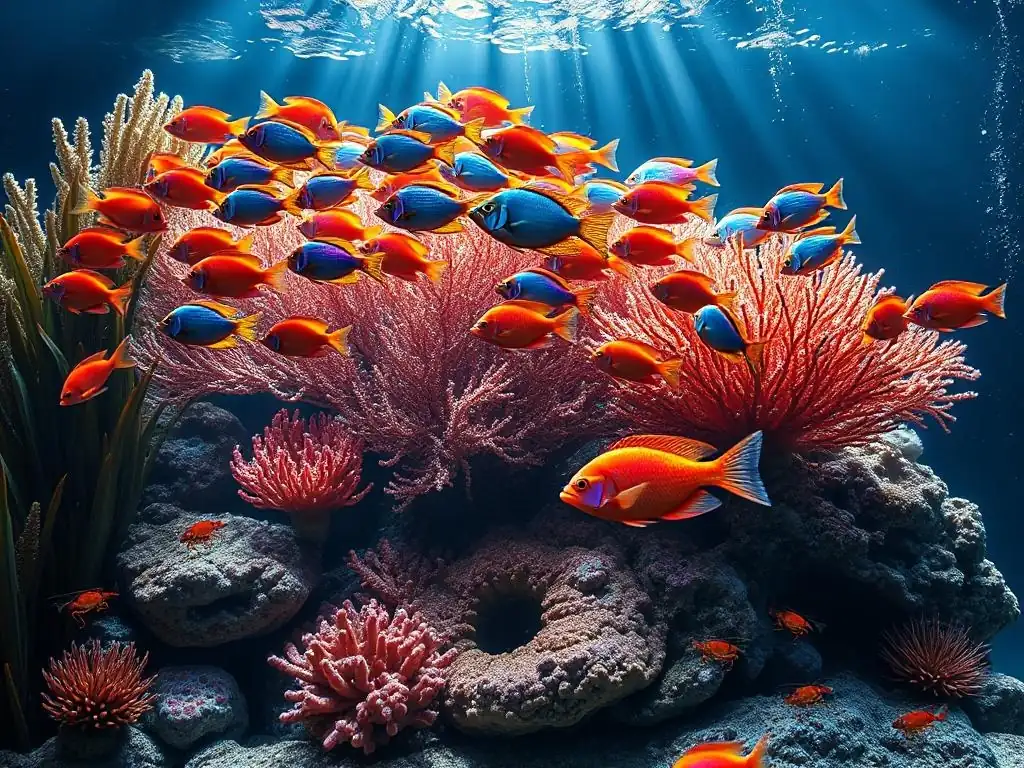
Anthias, predominantly from the genera Pseudanthias and Serranocirrhitus, are captivating additions to any reef aquarium, known for their vibrant colors and active schooling behaviors. In their natural habitat, typically deep reefs and outer reef slopes, these fish are obligate planktivores, constantly feeding on zooplankton that drifts by in the water column.
This continuous grazing habit is deeply ingrained in their physiology and means that in a captive environment, their dietary needs are significantly different from many other common reef fish. Species like the Lyretail Anthias ( Pseudanthias squamipinnis) or Dispar Anthias ( Pseudanthias dispar) exemplify this constant feeding behavior, requiring a steady supply of small, nutritious meals.
Translating this natural behavior to a home aquarium requires a dedicated approach to their reef tank anthias diet. Unlike fish that feed intermittently, anthias possess a very high metabolism and small stomachs, necessitating frequent, small feedings throughout the day. A failure to provide a consistent and nutrient-rich anthias feeding regimen can quickly lead to malnutrition, evidenced by faded coloration, a "pinched" or sunken belly appearance, and increased susceptibility to common diseases like marine ich or bacterial infections. Therefore, understanding and meticulously catering to their specific nutritional demands is paramount for their long-term health and vibrancy in the reef tank.
The High Metabolism of Anthias and Feeding Frequency
The energetic lifestyle of anthias—characterized by constant swimming, intricate schooling patterns, and often inhabiting high-flow areas—is directly linked to their exceptionally high metabolic rate. This rapid metabolism means they burn through energy reserves quickly and require a near-constant replenishment of nutrients.
For instance, a small group of six Lyretail Anthias may consume an amount of food equivalent to their body weight over several days, far more than a less active fish of comparable size. This physiological demand dictates that their anthias diet cannot be limited to one or two large meals per day, which is often sufficient for other reef inhabitants.
To meet these demanding metabolic needs, it is generally recommended to feed anthias at least 3 to 5 times a day, or even more frequently if possible, with very small portions. This approach mimics their natural grazing behavior on plankton. Providing small, frequent meals not only ensures a steady supply of energy and nutrients but also reduces the amount of uneaten food decaying in the tank, thereby helping to maintain optimal water quality. This consistent reef tank anthias diet strategy is crucial for preventing malnourishment and supporting their active, vibrant existence.
Replicating Natural Feeding Behaviors for Anthias Health
In the wild, anthias are adept at picking individual zooplankton from the water column, often hovering in groups against currents to intercept their prey. This natural feeding behavior is not about consuming large, static pieces of food but rather about actively hunting and consuming numerous tiny organisms. Replicating this in a reef aquarium is vital for their psychological well-being and physical health, contributing significantly to a successful reef tank anthias diet. Simply dropping a large cube of frozen food once a day does not align with their evolutionary feeding strategy.
To encourage natural feeding behaviors, food should be dispersed in the water column, ideally in small, manageable particles that can be intercepted by the fish as they drift. Utilizing an automatic feeder set to dispense very small portions throughout the day is an excellent method to achieve this consistent, dispersed feeding, especially when away from the tank.
Alternatively, manual feeding with small pinches of food several times a day allows aquarists to observe their fish closely and ensure all individuals are feeding. This approach reduces stress, minimizes competition among tank mates, and promotes a more natural and healthier anthias feeding experience.
Essential Components of a Reef Tank Anthias Diet
High-Quality Protein Sources for Anthias Growth and Coloration
Protein is the cornerstone of a healthy reef tank anthias diet, essential for their rapid growth, muscle development, and the maintenance of their spectacular coloration. As natural planktivores, their wild diet consists largely of small crustaceans and other zooplankton, which are inherently rich in marine-derived proteins. In captivity, it is crucial to provide foods with a high crude protein content, ideally ranging from 40% to 60% of the dry weight, to adequately fuel their energetic lifestyles. For instance, high-quality Mysis shrimp can contain over 50% protein, making them an excellent staple.
Without sufficient protein, anthias can exhibit stunted growth, a noticeable loss of muscle mass, and a dulling of their vibrant hues. This is particularly evident in species like the Princess Anthias ( Pseudanthias smithvanizi), whose bright yellow and pink colors depend heavily on a diet rich in carotenoids and proteins. Therefore, the anthias diet should prioritize protein-rich ingredients such as various types of marine fish, krill, spirulina, and other aquatic invertebrates. Ensuring these protein sources are easily digestible and highly bioavailable is also key to maximizing nutrient absorption and overall health.
The Importance of Fatty Acids for Anthias Health and Immunity
Essential Fatty Acids (EFAs), particularly the Omega-3 fatty acids Docosahexaenoic Acid (DHA) and Eicosapentaenoic Acid (EPA), are indispensable components of a balanced reef tank anthias diet. These fatty acids cannot be synthesized by the fish themselves and must be obtained directly from their food. EFAs play a critical role in numerous physiological processes, including immune system function, nerve development, hormone production, and cellular membrane integrity. For example, a deficiency in DHA can lead to neurological issues and reduced stress response.
Foods rich in these vital fatty acids include copepods, rotifers, and certain types of enriched frozen foods like spirulina-enriched Mysis shrimp. Providing a steady supply of EFAs through their anthias feeding regimen significantly boosts their immune response, making them more resilient to common diseases and environmental stressors. Furthermore, adequate fatty acid intake is crucial for successful breeding, as it contributes to gonadal development and the viability of eggs and larvae. Prioritizing foods with a robust EFA profile is a proactive step towards ensuring the long-term health and vitality of your anthias.
Vitamins and Minerals: Key Supplements for a Balanced Anthias Diet
While protein and fatty acids form the bulk of an anthias diet, a comprehensive spectrum of vitamins and minerals is equally vital for their overall health and metabolic functions. Vitamins such as A, C, D, and E are crucial for vision, immune system support, bone formation, and antioxidant protection, respectively. For example, Vitamin C is essential for collagen synthesis and stress reduction, while Vitamin A supports healthy mucous membranes and vision in low light conditions, which is relevant for fish from deeper reef environments.
Minerals like calcium, phosphorus, iodine, and trace elements are necessary for skeletal development, osmotic regulation, and enzymatic reactions. While some minerals are absorbed from the water, dietary intake is paramount for many.
To ensure these micronutrient needs are met, a varied reef tank anthias diet incorporating different types of high-quality prepared foods and live foods is recommended. Additionally, soaking frozen or dry foods in a liquid vitamin supplement (e.g., a marine vitamin complex) a few minutes before feeding can significantly boost their nutritional content, filling any potential gaps and ensuring your anthias receive all necessary elements for optimal health and vibrant coloration.
Best Food Options for Anthias in a Reef Environment
Frozen Foods: A Staple for Anthias Nutrition
Frozen foods are arguably the most essential component of a comprehensive reef tank anthias diet due to their convenience, variety, and the ability to be enriched with additional nutrients. These foods are typically harvested, flash-frozen, and packaged, preserving much of their nutritional integrity. For anthias, smaller particle sizes are generally preferred, as they mimic the zooplankton they consume in the wild. Prior to feeding, frozen foods should always be thawed in a small amount of tank water and, ideally, rinsed to remove any phosphates or nitrates from the freezing solution.
The benefits of frozen foods extend beyond convenience; they offer a dense nutritional profile and are often highly palatable, even to newly introduced or finicky anthias. Their variety allows aquarists to rotate different types, ensuring a broad spectrum of nutrients. Furthermore, many frozen food preparations are fortified with vitamins, minerals, and essential fatty acids, making them an excellent choice for an optimal anthias diet. Regular and consistent feeding of these thawed preparations significantly contributes to the overall health and vibrancy of a schooling anthias population.
Mysis Shrimp: An Excellent Source of Protein for Anthias
Mysis shrimp, particularly species like Mysis relicta or Neomysis integer, are widely considered a gold standard in the reef tank anthias diet. Their high protein content (often exceeding 50% dry weight), favorable lipid profile, and ideal size make them exceptionally suitable for anthias. Mysis shrimp provide essential amino acids necessary for muscle development and vibrant coloration, and they are also a good source of Omega-3 fatty acids, crucial for immune function.
Most anthias species readily accept Mysis shrimp, making them an excellent choice for conditioning new fish or tempting finicky eaters. To feed, thaw a small portion in a cup of tank water, then gently pour it into the aquarium, allowing the shrimp to disperse naturally in the water column. The natural buoyancy and size of Mysis shrimp allow anthias to exhibit their natural feeding behaviors, intercepting the individual pieces as they drift. Consistent inclusion of Mysis shrimp in the anthias feeding schedule will significantly contribute to the health and vitality of your fish.
Brine Shrimp: Gut-Loading for Enhanced Nutritional Value
While adult brine shrimp ( Artemia salina) are often criticized for their low nutritional value when unfed, they can be transformed into a highly beneficial component of the reef tank anthias diet through a process known as gut-loading. Brine shrimp have a simple digestive tract that allows them to rapidly absorb and retain nutrients from the food they consume. By feeding them phytoplankton, spirulina, or specialized nutritional supplements (e.g., Selcon, Vita-Chem) for several hours before feeding them to your anthias, their nutritional profile is dramatically enhanced.
Gut-loaded brine shrimp become an excellent vehicle for delivering essential vitamins, highly unsaturated fatty acids (HUFA), and carotenoids directly to your anthias. They stimulate natural hunting instincts due to their erratic movement, making them particularly useful for encouraging hesitant or wild-caught anthias to feed. Although they should not be the sole food source, gut-loaded brine shrimp provide a valuable supplement, especially for conditioning breeding pairs or providing a diverse anthias diet.
Copepods: A Natural and Nutritious Food Source
Copepods, such as Tisbe, Tigriopus, and Apocyclops species, are arguably the most natural and beneficial food source for anthias in a reef environment. These microscopic crustaceans are a primary component of the zooplankton anthias consume in the wild. Live copepods are exceptionally rich in essential fatty acids (DHA and EPA) and carotenoids, which are vital for vibrant coloration, immune system strength, and reproductive health. Their continuous presence in the water column provides a constant grazing opportunity, mimicking the natural environment.
Introducing live copepods to the reef tank environment benefits anthias by stimulating their natural hunting instincts and providing a source of nutrition that is often more readily accepted than prepared foods, especially by smaller or delicate species. They also contribute to the overall biodiversity of the tank. While culturing copepods at home provides a sustainable and fresh supply, various commercial live and frozen copepod products are also available, making them an invaluable part of a well-rounded anthias diet.
Flake Foods: Choosing the Right Formula for Anthias
Flake foods, while convenient, should generally serve as a supplementary component rather than the primary reef tank anthias diet. Their main advantage lies in their ease of use and long shelf life. However, not all flake foods are created equal, and careful selection is crucial to ensure they provide adequate nutrition for these high-energy fish. Anthias prefer smaller, softer flakes that can be easily consumed from the water column without requiring them to scavenge from the substrate.
When incorporating flake foods, it's important to recognize that their nutritional density can vary widely. While they offer a quick feeding option, they rarely provide the comprehensive nutritional profile found in a diverse array of frozen or live foods. Therefore, a balanced anthias feeding strategy will always combine flakes with other food types to ensure all nutritional requirements are met.
Selecting Flake Food with High Protein Content
When choosing flake foods for your anthias, prioritize formulas with a high crude protein content, ideally above 40%, and ensure the protein sources are primarily marine-derived. Look for ingredients such as whole fish meal, krill, spirulina, and various marine algae listed prominently on the label. These ingredients provide the necessary amino acids that anthias require for growth and maintaining their vibrant colors. Avoid flakes that list excessive fillers like wheat flour or corn starch as primary ingredients, as these offer little nutritional value to carnivorous planktivores.
Some reputable brands offer marine flakes specifically formulated for planktivores or omnivores that are rich in spirulina or astaxanthin, which further enhance the coloration of anthias. While flake food may not be the sole component of the reef tank anthias diet, selecting a high-quality, protein-rich option ensures that every bite contributes meaningfully to their nutritional intake. Always opt for smaller flake sizes that are easier for anthias to consume.
Supplementing Flake Food with Other Nutrients
Even the highest quality flake foods may not provide a complete anthias diet on their own, especially regarding essential fatty acids and certain heat-sensitive vitamins. To enhance the nutritional value of flake foods, consider supplementing them before feeding. A common and effective method is to soak a small portion of flakes in a liquid vitamin supplement (e.g., Vita-Chem, Selcon, Garlic Guard) for a few minutes prior to introduction into the tank. This allows the flakes to absorb beneficial nutrients that might be lacking or degraded in dry foods.
Soaking flakes in a garlic extract can also improve their palatability, encouraging finicky eaters to accept them more readily. While this method boosts the nutritional profile, it's important to remember that such supplementation doesn't replace the need for a varied diet that includes frozen and live foods. Flake foods, when properly supplemented, can serve as a convenient and valuable part of a diverse anthias feeding regimen, especially for supplementing frequent, small meals.
Pellet Foods: Slow-Sinking Options for Anthias
Pellet foods offer another convenient option for the reef tank anthias diet, particularly slow-sinking varieties that allow anthias to intercept them in the water column before they reach the substrate. Unlike flakes, pellets tend to hold their shape better and disperse fewer fine particles, which can help maintain water quality. They are also easily dispensed by automatic feeders, making them ideal for providing the frequent, small meals that anthias require, even when you're not physically present.
The benefits of pellet foods include consistent nutrient delivery, reduced waste compared to some flake foods, and their ability to be fortified with a wide range of vitamins and minerals. However, careful consideration of pellet size and composition is essential to ensure they are suitable for anthias. Many anthias species have relatively small mouths and prefer foods that are soft and easily digestible.
Size and Texture Considerations for Pellet Food
For anthias, the size and texture of pellet foods are critical factors for acceptance and consumption. Given their relatively small mouths and planktivorous feeding habits, very small pellet sizes are necessary, typically ranging from 0.5mm to 1.0mm. Larger pellets will often be ignored, spit out, or struggle to be consumed effectively by the fish, leading to wasted food and potential water quality issues.
Beyond size, the texture of the pellet is also important. Anthias generally prefer softer pellets that can be easily ingested and digested. Hard or dense pellets may be less appealing and could cause digestive issues. When selecting pellet food for your anthias diet, look for descriptions like "soft sinking" or "micro-pellets." Testing a small amount to observe your anthias' reaction is always a good practice to ensure the chosen pellet is appropriate and readily accepted by your schooling fish.
Nutrient-Rich Pellet Food Formulas for Anthias
To maximize the benefits of pellet foods in a reef tank anthias diet, select formulas that are specifically designed for marine planktivores or omnivores and are rich in high-quality marine proteins. Look for ingredients such as krill meal, spirulina, fish meal, and various marine algae listed among the first few ingredients. These provide the essential amino acids and carotenoids necessary for their vibrant colors and overall health.
Ensure the chosen pellet formula is also fortified with a comprehensive array of vitamins (e.g., A, C, D, E) and essential fatty acids (Omega-3s like DHA and EPA). Some premium pellet brands incorporate ingredients like astaxanthin, which naturally enhances the red and orange hues in anthias. A nutrient-rich pellet can serve as an excellent supplementary food source, especially when used in conjunction with automatic feeders to provide consistent and balanced anthias feeding throughout the day, complementing the primary frozen and live food offerings.
Live Foods: Stimulating Natural Hunting Behaviors
Live foods are an invaluable component of the reef tank anthias diet, offering benefits that go beyond mere nutrition. They stimulate the natural hunting instincts of anthias, providing environmental enrichment and encouraging active foraging behavior. The movement of live prey often entices even the most finicky or newly acquired anthias to feed, making them an excellent tool for acclimating new fish to the aquarium environment. Common live food options include copepods, rotifers, and newly hatched or gut-loaded brine shrimp.
Introducing live foods regularly can significantly improve the overall vigor, coloration, and reproductive success of anthias. For example, the consistent availability of live copepods can dramatically enhance the health and readiness of breeding pairs. While sourcing live foods can sometimes be challenging or costly, their unique advantages in promoting natural behaviors and providing highly bioavailable nutrients make them a worthwhile investment for any dedicated anthias feeding regimen.
Culturing Live Foods for a Sustainable Anthias Diet
For dedicated aquarists seeking to provide the absolute best reef tank anthias diet, culturing live foods at home offers a sustainable, cost-effective, and highly nutritious solution. Common live foods suitable for home culture include rotifers ( Brachionus plicatilis), various species of copepods (e.g., Tisbe, Tigriopus), and phytoplankton, which serves as food for the rotifers and copepods. Setting up small, simple cultures requires minimal space and equipment, often just a few containers, an air pump, and a light source.
The primary advantage of culturing your own live foods is the ability to control their nutritional content through the specific phytoplankton or enrichment products you feed them. This ensures that the live food you offer your anthias is maximally nutritious, fresh, and free from potential pathogens that might be present in wild-caught or commercially sourced live foods. A continuous supply of freshly cultured live foods can make a profound difference in the long-term health, vitality, and breeding success of your anthias population.
Introducing Live Foods to the Reef Tank Environment
Introducing live foods to the reef tank environment for your anthias should be done strategically to maximize their benefit. Instead of dumping a large quantity at once, which can lead to rapid consumption by dominant fish or filtration, consider drip-feeding small amounts of live copepods or rotifers throughout the day. This method mimics the natural, continuous availability of plankton in their wild habitat, allowing all anthias in the school to forage and feed over an extended period.
Another effective technique is to release live foods into a high-flow area of the tank, allowing the current to disperse them naturally. This encourages anthias to actively swim into the current to intercept the prey, further stimulating their natural hunting instincts. For new or particularly shy anthias, a continuous drip of live copepods over a few days can be instrumental in encouraging them to start feeding on prepared foods. The inclusion of live foods is a powerful tool to ensure a truly comprehensive and stimulating anthias diet.
Feeding Schedule and Techniques for Anthias in Reef Tanks
Establishing a Consistent Feeding Routine
Establishing a consistent feeding routine is paramount for the health and well-being of anthias in a reef tank. These high-metabolism fish thrive on predictability and require a steady supply of nutrients throughout the day. Aim for at least 3 to 5 small feedings daily, ideally spread out over the waking hours. For example, feeding at 8 AM, 12 PM, 4 PM, and 8 PM would provide a good rhythm. This consistency helps to reduce stress, supports their high energy demands, and ensures a stable internal environment for the fish.
A consistent reef tank anthias diet schedule also allows aquarists to better monitor their fish's feeding response and overall health. By observing how eagerly they feed and whether all individuals are getting enough, you can make informed adjustments to the quantity or type of food. Utilizing an automatic feeder set to dispense small portions at regular intervals is highly recommended, especially for busy individuals, as it ensures continuous nutrition even when you're not home, preventing periods of starvation that can weaken anthias.
Target Feeding: Ensuring All Anthias Receive Adequate Food
In a schooling group of anthias, particularly in larger tanks or those with other active fish, competition for food can be a significant challenge. Dominant individuals or faster swimmers may consume the majority of the food, leaving less assertive or weaker fish underfed. To counteract this, target feeding techniques are highly beneficial for ensuring all anthias receive adequate nutrition as part of their anthias feeding regimen.
Using a turkey baster or a long pipette, small portions of thawed frozen food (like Mysis shrimp or enriched brine shrimp) can be gently squirted into areas where less dominant anthias are congregating. This direct delivery method helps bypass the more aggressive feeders and ensures that even the shyer members of the school get their share.
For larger schools, feeding at multiple points in the tank simultaneously can also reduce competition. Regularly observing your anthias during feeding will help identify individuals that might be struggling to get enough food, allowing you to adjust your target feeding strategy accordingly, thereby preventing malnutrition within the group.
Avoiding Overfeeding: Maintaining Water Quality in Your Reef Tank
While frequent feeding is essential for anthias, overfeeding poses a significant threat to water quality in a reef tank. Excess food that goes uneaten quickly decomposes, releasing ammonia, nitrites, and nitrates into the water. This leads to elevated nutrient levels, which can fuel nuisance algae blooms, stress corals, and, most critically, create toxic conditions for your fish. A sudden spike in ammonia, for instance, can be lethal to sensitive anthias.
To maintain pristine water quality while providing a sufficient reef tank anthias diet, feed only what your fish can consume within 2 to 3 minutes. If food remains floating or settling on the substrate after this time, reduce the quantity for subsequent feedings. It is always better to underfeed slightly and feed more frequently than to overfeed in a single sitting. Regular siphoning of the substrate and proper filtration (including protein skimming and nutrient export methods) are also crucial in managing nutrient levels, ensuring a healthy environment for your anthias and the entire reef ecosystem.
Addressing Common Anthias Feeding Challenges in Reef Aquariums
Finicky Eaters: Encouraging Anthias to Accept New Foods
Some anthias, particularly wild-caught specimens or those recently introduced to a new environment, can be notoriously finicky eaters. They may refuse to accept prepared foods, relying solely on live plankton or exhibiting a reluctance to feed at all. This challenge requires patience and a strategic approach to their reef tank anthias diet. Start by offering live foods such as copepods or enriched brine shrimp, which often trigger their natural feeding instincts and are usually readily accepted.
Once they are consistently feeding on live foods, gradually introduce small amounts of high-quality frozen foods, such as Mysis shrimp, by mixing them with the live food. Over time, slowly increase the proportion of frozen food while decreasing the live food. Soaking new foods in a palatability enhancer like garlic extract or a liquid vitamin supplement (e.g., Selcon) can also make them more appealing. Consistency and variety are key; continue to offer a diverse anthias diet even after they are eating well, to prevent them from becoming fixated on a single food type.
Competition from Other Reef Tank Inhabitants
Competition for food is a common challenge when keeping anthias in a mixed reef environment, especially with faster or more aggressive feeders. Tangs, wrasses, and some larger angelfish can quickly consume the majority of food before anthias, with their smaller mouths and more deliberate feeding style, have a chance to eat. This can lead to malnutrition in anthias, despite seemingly adequate feeding.
To mitigate this, consider feeding the anthias first with small, targeted squirts of food using a turkey baster, allowing them to get a head start before introducing food for the rest of the tank. Alternatively, feed at multiple locations in the tank simultaneously to disperse the food and reduce direct competition. Careful tank mate selection is also crucial; avoid housing anthias with overly boisterous or gluttonous species if ensuring a thriving reef tank anthias diet for the entire school is a priority. Regularly observe feeding behaviors to ensure all individuals are getting their fair share.
Preventing Malnutrition and Disease Through Proper Diet
Malnutrition is a leading cause of health issues and mortality in anthias, manifesting as faded colors, a "pinched" or emaciated appearance, fin erosion, and increased susceptibility to diseases like marine ich (Cryptocaryon irritans), velvet (Amyloodinium ocellatum), or bacterial infections. A deficient reef tank anthias diet compromises their immune system, leaving them vulnerable to pathogens that a well-nourished fish could easily fight off. For example, a lack of Vitamin A can lead to vision problems and poor mucous coat production, making them more susceptible to external parasites.
Conversely, a diverse, high-quality, and consistent anthias diet acts as the best preventative medicine. Foods rich in essential fatty acids (Omega-3s), high-quality proteins, and a broad spectrum of vitamins and minerals bolster their immune system, enhance their natural resilience, and promote overall vitality. By prioritizing proper nutrition, aquarists can significantly reduce the incidence of disease, extend the lifespan of their anthias, and ensure they remain vibrant, active, and a beautiful focal point of the reef aquarium.
Maintaining a Healthy Anthias Population Through Diet
Monitoring Anthias Health and Adjusting the Diet as Needed
Maintaining a thriving anthias population requires continuous observation and a willingness to adjust their reef tank anthias diet as needed. Regularly monitor your anthias for signs of good health: vibrant coloration, active swimming, full and rounded bellies, and clear eyes. Conversely, look for indicators of poor health such as faded colors, a sunken or "pinched" belly, lethargy, clamped fins, or unusual breathing patterns. These visual cues are critical for early detection of potential issues.
If your anthias appear thin, despite frequent feeding, it may indicate that the food quantity is insufficient, the nutritional density is lacking, or competition is preventing them from getting enough. In such cases, increase the feeding frequency, offer more nutrient-dense foods like enriched Mysis or copepods, or implement target feeding. If water quality begins to decline (e.g., rising nitrates), it may suggest overfeeding, necessitating a reduction in food quantity per meal while maintaining frequency. Continuous monitoring and responsive adjustments to the anthias feeding regimen are vital for their long-term health and success.
The Role of Diet in Anthias Coloration and Breeding
The stunning and diverse coloration of anthias, ranging from brilliant oranges and reds to vibrant yellows and purples, is largely dependent on their diet. Specifically, the presence of carotenoid pigments in their food sources is crucial for maintaining these hues. Foods rich in carotenoids, such as krill, spirulina, and certain types of copepods, are directly incorporated into the fish's tissues, enhancing their natural pigmentation. A reef tank anthias diet lacking these pigments will often result in dull or faded coloration, even in otherwise healthy fish.
Beyond aesthetics, a comprehensive and nutrient-rich diet is absolutely critical for successful breeding. Anthias are pelagic spawners, releasing eggs and sperm into the water column, a process that requires significant energy reserves. A diet high in essential fatty acids (DHA/EPA) and high-quality proteins provides the necessary building blocks and energy for gonadal development, egg production, and sperm viability. Without optimal nutrition, anthias may fail to condition for spawning, produce infertile eggs, or exhibit reduced larval survival. Thus, a well-planned anthias diet is fundamental for both vibrant display and reproductive success.
Long-Term Reef Tank Anthias Diet Strategies for Success
Achieving long-term success with anthias in a reef tank hinges on a well-executed and consistent reef tank anthias diet strategy. The core pillars of this strategy are variety, frequency, quality, and consistency. A varied diet, encompassing a rotation of high-quality frozen foods (Mysis shrimp, enriched brine shrimp, copepods), live foods (cultured copepods, rotifers), and premium prepared foods (small, nutrient-rich flakes and pellets), ensures a broad spectrum of essential nutrients.
Frequent, small feedings throughout the day mimic their natural grazing habits and support their high metabolism, preventing periods of starvation. Prioritizing nutrient-dense, marine-derived protein sources and essential fatty acids is crucial for their growth, coloration, and immune health. Finally, consistency in both the feeding schedule and the nutritional quality of the food provided reduces stress and promotes overall stability. While the demanding anthias feeding regimen requires dedication, mastering it will result in a thriving, vibrant, and long-lived anthias population, adding unparalleled beauty and dynamic activity to your reef aquarium for years to come.
Frequently Asked Questions
What is the primary food source for anthias in a reef tank environment?
Anthias are planktivores and require frequent feedings. Their diet should consist primarily of high-quality frozen or live plankton. Supplement with other small meaty foods.
How often should I feed my anthias in a reef tank?
Due to their high metabolism, anthias need to be fed multiple times a day, ideally 3-5 times. This ensures they receive enough energy to thrive.
What types of foods should I avoid feeding my anthias?
Avoid feeding anthias large, hard-shelled foods that they cannot easily consume. Also, avoid foods high in fillers or low-quality ingredients, as these offer little nutritional value.
How can I ensure all my anthias are getting enough food, especially in a larger reef tank?
Target feeding with a turkey baster or pipette can help ensure that each anthias receives its share. Observe their feeding behavior and adjust feeding strategies to ensure all fish are eating.
What are some signs that my anthias are not getting enough to eat?
Signs of insufficient feeding include weight loss, lethargy, and decreased activity. They may also become more susceptible to disease due to a weakened immune system.
Final Reflection: Sustaining the Reef's Vibrant Heart
The delicate balance of a reef ecosystem, as we've explored in understanding the optimal Anthias diet, is not merely a scientific pursuit, but a crucial responsibility in preserving the beauty and biodiversity of our planet's oceans. The health and vitality of these schooling fish, so integral to the reef's aesthetic and ecological integrity, directly reflects our commitment to sustainable practices and informed reef keeping.
The Anthias, with their dazzling colors and energetic nature, serve as a constant reminder of the fragility and interconnectedness of life within a reef tank, mirroring the larger ocean ecosystem. Their well-being is inextricably linked to our understanding of their dietary needs and the dedication we invest in providing a balanced and enriching environment. In the end, we will conserve only what we love; we will love only what we understand; and we will understand only what we are taught.
- Baba Dioum. This quote underscores the importance of continuous learning and responsible stewardship in the reef keeping hobby.
As you consider the information presented here, take a moment to reflect on your own role in this delicate ecosystem. How can you, as a reef keeper, contribute to the long-term health and vibrancy of your Anthias, and by extension, the health of our planet's reefs? Let the knowledge gained inspire you to cultivate a deeper understanding and appreciation for the intricate web of life that thrives within your reef tank, and to champion responsible practices that ensure its flourishing for generations to come.
Ignite Your Reef Tank: Take the Anthias Challenge!
Thanks for diving into the Anthias diet! We hope you've discovered the keys to keeping these dazzling fish thriving in your reef. Now, let's put that knowledge into action!
- Start a meticulous feeding schedule! Commit to feeding your Anthias at least three times a day with a diverse mix of high-quality frozen and live foods to replicate their natural diet.
- Join the Aquarium Mastery community! Share your experiences, challenges, and stunning Anthias photos with fellow reef keepers.
- Research innovative feeding techniques! Explore automatic feeders or DIY food blends for optimal Anthias health.
What creative feeding solutions have you found most effective for your Anthias?