
The Fascinating World of Symbiotic Shrimp: Beyond Cleaners

Welcome to Aquarium Mastery!
Ever wondered what secrets lie hidden within the vibrant ecosystems of your aquarium? Beyond just cleaners, symbiotic shrimp play a far more fascinating role than you might imagine. Dive in and discover our comprehensive guide on Symbiotic Shrimp Care Tips, unlocking the secrets to a thriving and balanced aquarium environment. Prepare to be amazed by the intricate relationships these tiny creatures foster, and learn how to cultivate a flourishing haven for them!
- Understanding Symbiotic Shrimp and Their Role in the Aquarium Ecosystem
- Popular Symbiotic Shrimp Species for Saltwater Aquariums
-
Essential Symbiotic Shrimp Care Tips for Aquarium Hobbyists
- Water Quality and Stability: Maintaining Optimal Parameters for Symbiotic Shrimp
- Feeding Symbiotic Shrimp: Ensuring Proper Nutrition and Avoiding Competition
- Tankmates and Compatibility: Choosing the Right Inhabitants for a Peaceful Aquarium
- Providing Suitable Habitat: Creating a Natural Environment for Symbiotic Relationships
- Troubleshooting Common Issues with Symbiotic Shrimp
- Advanced Symbiotic Shrimp Keeping: Breeding and Long-Term Care
- Expanding Your Knowledge of Symbiotic Relationships in Saltwater Aquariums
-
Frequently Asked Questions
- How are symbiotic shrimp different from other types of aquarium shrimp?
- What are some examples of symbiotic shrimp commonly kept in aquariums?
- What are the specific care requirements for symbiotic shrimp?
- How do I ensure a successful symbiotic relationship between shrimp and fish?
- What are some common challenges when keeping symbiotic shrimp, and how can I address them?
- Final Reflection: Embracing the Interconnectedness of Life
- Dive Deeper: Ignite Your Shrimp-Keeping Passion!
Understanding Symbiotic Shrimp and Their Role in the Aquarium Ecosystem
What are Symbiotic Shrimp? An Introduction to Interspecies Relationships in Aquariums
Symbiotic shrimp are fascinating invertebrates that engage in mutually beneficial relationships with other marine organisms, often within the confines of a saltwater aquarium. Unlike generalist cleaner shrimp that offer services to various fish, truly symbiotic shrimp form specific, often obligate, partnerships where both parties gain distinct advantages for survival or well-being. These interspecies relationships can range from mutualism, where both benefit, to commensalism, where one benefits without harming the other, though mutualism is most commonly observed and sought after by aquarists.
A prime example of such a relationship is the classic partnership between certain goby species and pistol shrimp. The shrimp, with its powerful burrowing abilities, constructs a shared home, while the goby, possessing superior eyesight, acts as a vigilant lookout. This cooperative behavior significantly enhances their chances of survival against predators in the often-challenging reef environment, making them a captivating focal point in a well-maintained reef tank.
The Benefits of Symbiotic Shrimp for a Thriving Saltwater Tank
Integrating symbiotic shrimp into a saltwater aquarium offers numerous advantages, contributing significantly to the tank's biodiversity and ecological balance. Beyond their captivating behaviors, these partnerships can improve substrate aeration, provide natural pest control, and even act as early warning systems for changes in the aquarium environment. For instance, the constant burrowing of a pistol shrimp helps prevent dead spots in the sand bed, promoting beneficial anaerobic bacteria and nutrient cycling.
Moreover, the presence of these unique relationships enhances the aesthetic appeal and educational value of an aquarium. Observing the intricate dance between a pistol shrimp and its goby, or an anemone shrimp nestled safely within its host, provides endless hours of fascination. These relationships also encourage a more naturalistic display, mimicking the complex interactions found on a coral reef and allowing aquarists to delve deeper into the intricacies of marine biology, providing excellent symbiotic shrimp care tips through observation.
Distinguishing Symbiotic Relationships from Other Shrimp Behaviors
It is crucial for aquarists to differentiate true symbiotic relationships from other common shrimp behaviors, such as general cleaning or simple cohabitation. While many shrimp, like the Skunk Cleaner Shrimp ( Lysmata amboinensis), are known for their cleaning services, removing parasites and dead tissue from fish, this is a broad interaction rather than a specific, dependent symbiosis with a single host species. These cleaner shrimp are opportunistic and will clean a variety of fish, whereas a symbiotic pistol shrimp typically partners with one specific goby species for a shared burrow.
Furthermore, some shrimp may merely co-exist in an aquarium without forming a direct, interdependent bond. For example, a Peppermint Shrimp ( Lysmata wurdemanni) might hide among rocks, but it doesn't rely on another specific organism for shelter or protection in the same way an Anemone Shrimp ( Periclimenes pedersoni) relies on its host anemone's stinging tentacles for defense. Understanding these distinctions is key to successfully maintaining these unique creatures and providing appropriate symbiotic shrimp care tips tailored to their specific needs.
Popular Symbiotic Shrimp Species for Saltwater Aquariums
The Tiger Pistol Shrimp and Goby Partnership: A Classic Symbiotic Relationship
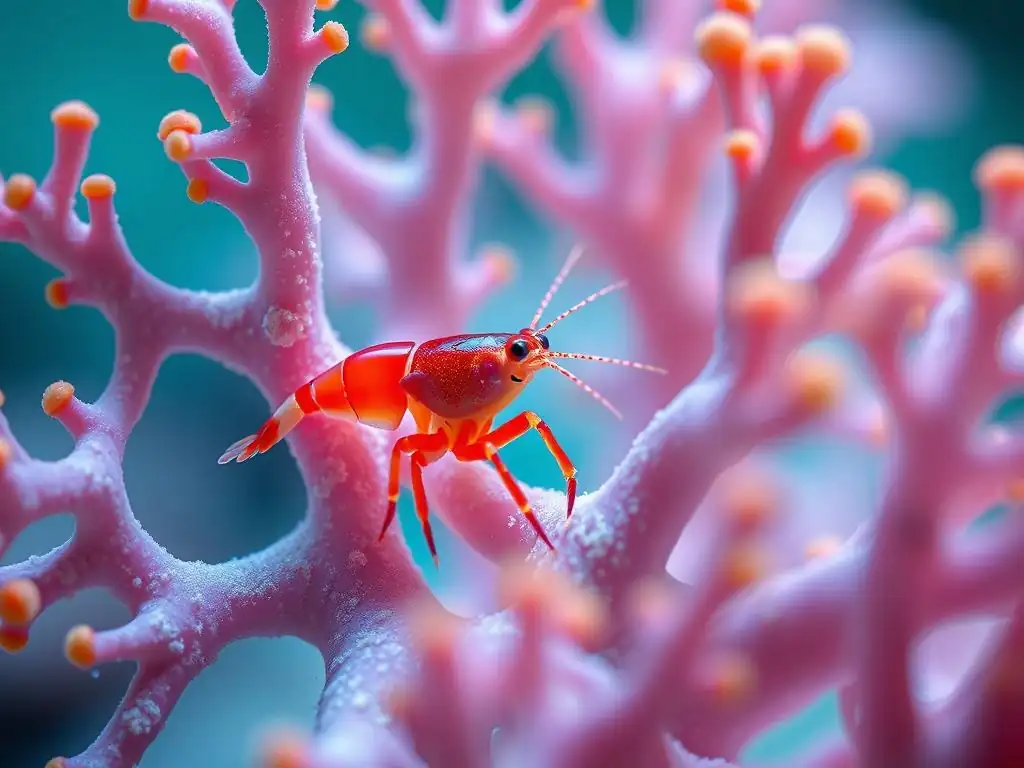
The partnership between a Tiger Pistol Shrimp ( Alpheus bellulus) and a watchman goby (e.g., Cryptocentrus cinctus or Amblyeleotris guttata) is arguably one of the most iconic and frequently observed symbiotic relationships in the marine aquarium hobby. The pistol shrimp, known for its powerful snapping claw that creates a cavitation bubble capable of stunning prey, is also an expert burrower. It meticulously constructs and maintains a complex network of tunnels in the sand bed, providing a secure refuge for both itself and its goby partner.
In return for shelter, the goby, with its superior vision and position near the burrow entrance, acts as the "eyes" of the pair. It constantly monitors the surroundings for predators, and if danger approaches, it will signal the shrimp with a flick of its tail, prompting both to retreat quickly into the safety of the burrow. This interdependent relationship highlights the incredible adaptations found in nature and offers a captivating display for aquarists dedicated to providing optimal symbiotic shrimp care tips for their inhabitants.
Caring for Tiger Pistol Shrimp: Specific Needs and Tank Requirements
Providing proper care for Tiger Pistol Shrimp involves meeting their specific environmental and dietary needs. A mature saltwater aquarium of at least 20 gallons is recommended for a single pair, though larger tanks (30+ gallons) offer more stability and territory. A crucial requirement is a deep sand bed, ideally 3-4 inches (7.5-10 cm) or more, composed of fine to medium-grain sand (e.g., 0.5-2 mm particle size) mixed with some rubble or small pieces of live rock to facilitate their burrow construction. Without adequate substrate, the shrimp cannot establish its home, leading to stress.
Diet-wise, Tiger Pistol Shrimp are carnivorous scavengers. They will readily consume small meaty foods such as mysis shrimp, brine shrimp, finely chopped seafood, or high-quality pellet foods. Target feeding near their burrow entrance after the lights are off can ensure they receive adequate nutrition, as they may be outcompeted by more active tankmates during the day. Maintaining stable water parameters—salinity 1.023-1.026, temperature 75-80°F (24-27°C), pH 8.1-8.4, and low nitrates—is paramount for their long-term health and successful symbiotic shrimp care tips.
Selecting the Right Goby for Your Pistol Shrimp: Compatibility and Considerations
Choosing the right goby species is paramount for a successful and lasting pistol shrimp-goby partnership. While many goby species are available, only certain genera, primarily Amblyeleotris (e.g., Randall's Goby, Pink-Bar Goby) and Cryptocentrus (e.g., Yellow Watchman Goby, Diamond Watchman Goby), are known to consistently form symbiotic bonds with pistol shrimp. It's generally best to purchase a goby and a pistol shrimp together as an already established pair, if possible, or introduce them simultaneously to increase the likelihood of them bonding.
When selecting a goby, consider its adult size, temperament, and specific dietary needs to ensure it's compatible with your tank and other inhabitants. A Yellow Watchman Goby ( Cryptocentrus cinctus), for instance, typically reaches about 4-5 inches (10-12 cm) and is known for its peaceful demeanor, making it an excellent choice for most reef aquariums. Ensure the goby is healthy, actively swimming (or perching), and feeding well before purchase, as a healthy goby is essential for the success of the symbiotic pair and overall symbiotic shrimp care tips.
Anemone Shrimp: Living Among the Tentacles
Anemone shrimp, primarily from the genus Periclimenes (e.g., Squat Anemone Shrimp Periclimenes brevicarpalis, Pederson's Anemone Shrimp Periclimenes pedersoni), exhibit a fascinating commensal or mutualistic relationship with various host anemones. These small, often translucent shrimp possess a natural immunity to the stinging nematocysts of their host, allowing them to live safely among the tentacles, protected from predators. In return, they may help keep the anemone clean by removing debris or even acting as a lure for potential food for the anemone.
Their delicate appearance and intricate relationship with their host make them a popular choice for reef aquarists looking to add a unique element to their tanks. Observing them meticulously navigate the stinging tentacles, often swaying or "dancing," is a truly mesmerizing experience. Their small size means they can be kept in smaller reef tanks, provided a suitable host anemone is present and healthy, emphasizing the importance of detailed symbiotic shrimp care tips.
Understanding Anemone Shrimp Care: Essential Tips for Success
The primary key to successful Anemone Shrimp care lies in the health and well-being of their host anemone. Without a healthy host, the shrimp will be stressed, vulnerable to predators, and may not thrive. Therefore, maintaining pristine water quality is crucial for both the anemone and the shrimp. This includes stable parameters such as salinity 1.024-1.026, temperature 75-78°F (24-26°C), pH 8.1-8.4, and consistent levels of alkalinity (8-12 dKH), calcium (400-450 ppm), and magnesium (1200-1350 ppm). Strong lighting and moderate to high flow are often required for the anemone.
Anemone shrimp are primarily scavengers and will feed on leftover food particles from the anemone's meals or detritus in the tank. However, supplementing their diet with small meaty foods like finely crushed flakes, mysis shrimp, or brine shrimp will ensure they receive adequate nutrition, especially in tanks with aggressive feeders. Target feeding with a pipette can be beneficial. Due to their small size, they are susceptible to predation, so careful selection of tankmates is essential to ensure their safety and longevity, a critical aspect of symbiotic shrimp care tips.
Choosing the Right Anemone for Your Anemone Shrimp: Species Compatibility
Selecting the appropriate host anemone is critical for the long-term success and welfare of your Anemone Shrimp. Not all anemones are suitable, and some commonly kept species include the Bubble Tip Anemone ( Entacmaea quadricolor), Sebae Anemone ( Heteractis crispa), and Magnificient Anemone ( Heteractis magnifica). It's important to research which anemones are typically hosted by your specific Periclimenes species, as some shrimp have preferences. Ensure the anemone is well-established and healthy in your tank before introducing the shrimp, as a stressed anemone can harm the shrimp or fail to offer adequate protection.
Consider the anemone's light and flow requirements, as well as its adult size, which can be considerable for some species. A Bubble Tip Anemone, for example, can grow quite large, up to 12 inches (30 cm) or more in diameter, necessitating a spacious tank (e.g., 50 gallons or larger). Providing the correct environment for the anemone is a direct symbiotic shrimp care tip, as the shrimp's survival is intrinsically linked to its host. Always ensure the anemone has a stable place to attach its foot, whether in rockwork or a suitable sand bed, before introducing its shrimp companion.
Harlequin Shrimp and Starfish: A Unique and Specialized Symbiosis
The Harlequin Shrimp ( Hymenocera picta) is perhaps one of the most visually stunning and specialized symbiotic shrimp in the aquarium hobby, known for its vibrant coloration and unique feeding habits. Unlike other symbiotic shrimp, the Harlequin Shrimp forms an obligate predatory relationship almost exclusively with various species of starfish, including Chocolate Chip Starfish ( Protoreaster nodosus) and Asterina starfish. They typically live in male-female pairs and work together to subdue and consume their starfish prey.
This highly specialized diet makes Harlequin Shrimp a unique challenge for aquarists. They will actively hunt down starfish, often flipping them over to consume the tube feet and soft tissues. Their distinctive behavior and striking appearance make them a centerpiece in any tank where their specific needs can be met, but their dietary requirements necessitate careful consideration regarding ethical sourcing and sustainable feeding practices.
Maintaining Harlequin Shrimp: Dietary Needs and Tank Parameters
Maintaining Harlequin Shrimp requires a consistent and dedicated supply of live starfish, which is their sole food source. A pair of Harlequin Shrimp can consume one medium-sized starfish (e.g., 3-4 inches / 7.5-10 cm diameter Chocolate Chip Starfish) every 1-2 weeks. This requirement is the most significant challenge in their care and a primary focus of symbiotic shrimp care tips for this species. Aquarists often need to set up a separate "starfish farm" tank or have a reliable source for purchasing starfish regularly.
In terms of tank parameters, Harlequin Shrimp thrive in stable saltwater conditions similar to other reef invertebrates: salinity 1.023-1.026, temperature 75-78°F (24-26°C), pH 8.1-8.4, and undetectable ammonia and nitrite. A mature tank of at least 20 gallons is suitable for a pair, with plenty of live rock for hiding places. They are peaceful towards other tank inhabitants, provided those inhabitants are not starfish, and are relatively slow-moving, making them vulnerable to aggressive fish.
Ethical Considerations of Keeping Harlequin Shrimp: Sustainable Sourcing
The specialized diet of Harlequin Shrimp raises significant ethical considerations regarding their keeping. The continuous demand for live starfish as food can put pressure on wild starfish populations if not sourced sustainably. Aquarists committed to keeping Harlequin Shrimp should prioritize sourcing starfish from reputable suppliers who practice sustainable collection methods or, ideally, from aquaculture operations. Understanding the impact of your hobby choices is a crucial part of responsible symbiotic shrimp care tips.
Furthermore, it's important to recognize that keeping Harlequin Shrimp means committing to regularly sacrificing starfish. This can be a sensitive topic for some aquarists. Before acquiring Harlequin Shrimp, thoroughly evaluate your ability and willingness to provide their specific dietary needs consistently and ethically. Consider the long-term commitment and the availability of starfish in your area to ensure the well-being of both the shrimp and the broader marine ecosystem.
Essential Symbiotic Shrimp Care Tips for Aquarium Hobbyists
Water Quality and Stability: Maintaining Optimal Parameters for Symbiotic Shrimp
Maintaining impeccable water quality and stability is paramount for the health and longevity of all symbiotic shrimp. These invertebrates are highly sensitive to fluctuations in their environment, making consistent parameters a cornerstone of successful symbiotic shrimp care tips. Key parameters to monitor and maintain include:
- Salinity: 1.023-1.026 specific gravity. Use a reliable refractometer for accurate readings.
- Temperature: 75-80°F (24-27°C) for most species, with minimal daily fluctuations (ideally less than 1-2°F).
- pH: 8.1-8.4.
- Alkalinity (dKH): 8-12 dKH. Stable alkalinity is vital for molting.
- Calcium (ppm): 400-450 ppm.
- Magnesium (ppm): 1200-1350 ppm. Magnesium helps maintain calcium and alkalinity levels.
- Nitrates/Nitrites/Ammonia: Ammonia and nitrite should always be undetectable (0 ppm). Nitrates should be kept as low as possible, ideally below 10-20 ppm for most symbiotic shrimp species.
Regular water changes (e.g., 10-20% bi-weekly) using high-quality reverse osmosis/deionized (RO/DI) water mixed with a good marine salt mix are essential for replenishing trace elements and diluting waste products. A robust filtration system, including protein skimming and live rock, will help maintain these critical parameters, ensuring a healthy environment for your symbiotic shrimp.
Feeding Symbiotic Shrimp: Ensuring Proper Nutrition and Avoiding Competition
Proper nutrition is a vital aspect of symbiotic shrimp care tips. While some symbiotic shrimp, like Anemone Shrimp, may scavenge leftovers from their host or general tank detritus, target feeding is often necessary to ensure they receive adequate nutrition, especially in tanks with active fish that might outcompete them. The specific diet varies greatly by species; for instance, Pistol Shrimp are carnivorous, while Harlequin Shrimp have a highly specialized diet.
For Pistol Shrimp, offer small meaty foods such as frozen mysis shrimp, brine shrimp, finely chopped krill, or high-quality sinking pellets. Feeding them after the main tank lights are off can reduce competition from fish. Anemone Shrimp will benefit from small offerings of finely crushed flake food, cyclop-eeze, or tiny pieces of frozen food. Harlequin Shrimp, as mentioned, require live starfish. Always ensure the food is small enough for the shrimp to consume. A varied diet will contribute to their overall health, vibrant coloration, and successful molting.
Tankmates and Compatibility: Choosing the Right Inhabitants for a Peaceful Aquarium
Careful selection of tankmates is crucial for the well-being of symbiotic shrimp, as many species are small and vulnerable to predation. Prioritize peaceful, reef-safe fish and invertebrates that will not view your shrimp as a food source. Good choices often include small, peaceful gobies (if not the symbiotic partner), blennies, clownfish (compatible with anemone shrimp), and small, non-aggressive wrasses.
Avoid housing symbiotic shrimp with known predators such as triggerfish, puffers, large wrasses, lionfish, or any fish large enough to swallow the shrimp. Even seemingly innocuous fish can become opportunistic predators if the shrimp is small enough. Research the compatibility of every potential tankmate thoroughly before introduction to prevent stress, injury, or loss of your valuable symbiotic shrimp, a key component of effective symbiotic shrimp care tips.
Avoiding Predators and Aggressive Tankmates: Protecting Your Symbiotic Shrimp
The primary threat to symbiotic shrimp in an aquarium comes from aggressive or predatory tankmates. Even a well-meaning fish can accidentally injure a delicate shrimp during feeding frenzies or territorial disputes. For instance, while most clownfish are peaceful, a very large, established clownfish might bully a small Anemone Shrimp or prevent it from accessing its host anemone's protection.
It is advisable to introduce symbiotic shrimp into a mature, stable tank where the existing inhabitants are known to be peaceful and well-fed. If you plan to add a symbiotic pair like a Pistol Shrimp and Goby, consider adding them before larger, more boisterous fish, allowing them time to establish their burrow and bond. Always observe interactions closely, especially during feeding, and be prepared to separate incompatible tankmates if aggression or stress is observed. This proactive approach is a critical symbiotic shrimp care tip for long-term success.
Providing Suitable Habitat: Creating a Natural Environment for Symbiotic Relationships
Creating a natural and secure habitat is fundamental for symbiotic shrimp to thrive and exhibit their natural behaviors. The specific requirements vary depending on the type of symbiotic relationship. For burrowing species like Pistol Shrimp, the substrate is paramount, while Anemone Shrimp require a healthy host anemone and appropriate rockwork.
Consider the needs of both partners in a symbiotic pair. A well-designed aquascape not only provides aesthetic appeal but also functional benefits, offering hiding places, foraging grounds, and a sense of security for your delicate invertebrates.
Substrate Considerations for Pistol Shrimp and Goby Pairs
For Pistol Shrimp and Goby pairs, the substrate is perhaps the single most critical environmental factor. They require a deep sand bed, typically 3-4 inches (7.5-10 cm) or more, to construct their intricate burrow systems. The sand itself should be a mix of fine to medium grain (e.g., 0.5 mm to 2 mm particle size) to allow for stable tunnel construction without collapsing. Some aquarists also recommend adding a layer of coarser sand or small rubble underneath the finer sand to provide additional structural support for deeper burrows.
Avoid very fine, silty sand that can compact too easily or coarse, sharp substrate that can injure the shrimp's delicate exoskeleton. Providing a few small pieces of live rock or coral rubble directly on the sand bed can encourage the shrimp to start burrowing and help anchor their tunnels. A well-established and appropriate sand bed is a non-negotiable symbiotic shrimp care tip for these fascinating burrowers.
Rockwork and Hiding Places for Anemone Shrimp
While Anemone Shrimp primarily rely on their host anemone for protection, well-structured rockwork still plays an important role in their habitat. The rockwork provides the anemone with a stable surface to attach its foot, which is crucial for its long-term health. Additionally, the crevices and overhangs within the live rock offer alternative hiding spots for the shrimp if it temporarily leaves its host or if the anemone moves.
Ensure the rockwork creates a natural, stable environment with adequate flow and light for the anemone. The shrimp themselves are small and can easily get lost or trapped in overly dense or unstable rock structures. A balance between open swimming areas and secure retreats is ideal, allowing the shrimp to forage safely while always having a quick path back to the protection of its host, thereby enhancing overall symbiotic shrimp care tips.
Troubleshooting Common Issues with Symbiotic Shrimp
Identifying and Treating Diseases in Symbiotic Shrimp
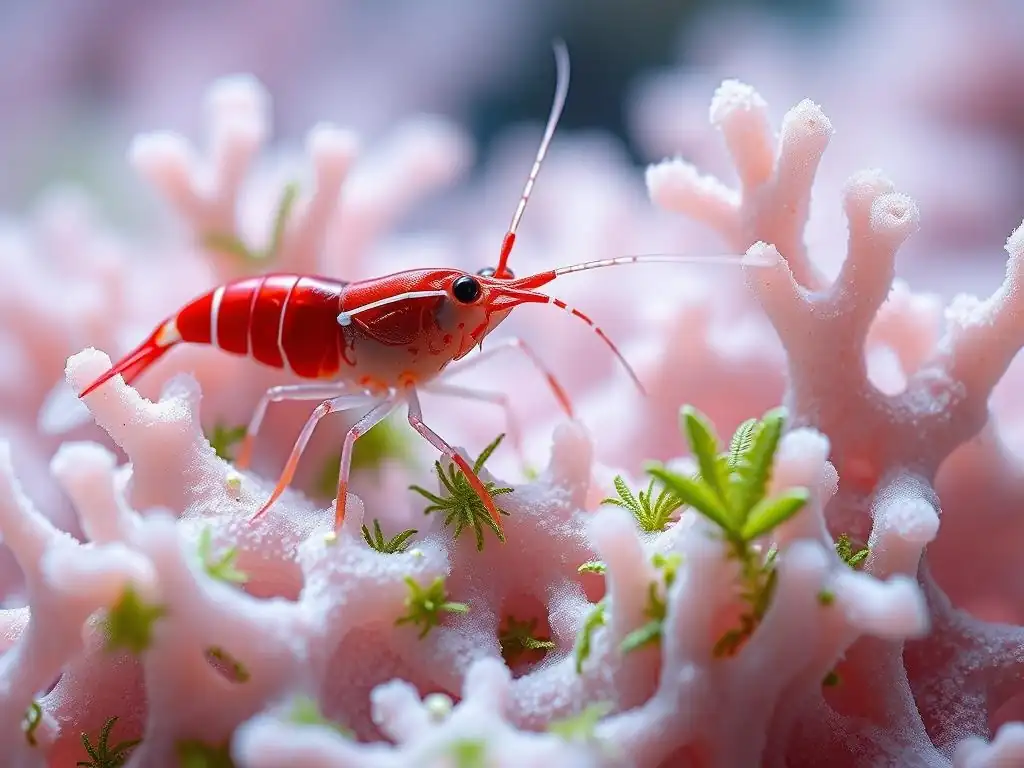
While symbiotic shrimp are generally hardy, they can occasionally succumb to diseases or health issues, often due to poor water quality, stress, or inadequate nutrition. Common signs of distress include lethargy, loss of appetite, discoloration, unusual spots or lesions, or difficulty molting. Bacterial infections can manifest as cloudy or opaque areas on the body, particularly after a stressful event or injury. Fungal infections are less common but might appear as fuzzy growths.
Treatment often involves identifying and correcting the underlying cause, such as improving water parameters or diet. For suspected bacterial infections, a quarantine tank may be necessary for treatment with appropriate invertebrate-safe antibiotics, though this should be approached with caution as shrimp are very sensitive to medications. Ensuring pristine water quality, a stable environment, and a nutritious diet are the best preventative measures, forming crucial symbiotic shrimp care tips.
Addressing Aggression and Territoriality Issues
Aggression and territoriality issues in an aquarium can affect symbiotic shrimp, either from other tankmates or, in rare cases, between the symbiotic partners themselves. Aggression from other fish is usually predatory, as discussed, and requires removal of the offending fish. However, sometimes there can be subtle competition for food or space.
If a goby and pistol shrimp fail to bond or exhibit aggression towards each other, it might indicate that they are not compatible species or that one is significantly stressed. Ensure they have enough space and proper substrate to establish their shared burrow without feeling threatened. For Harlequin Shrimp, while they are peaceful towards other species, a single Harlequin Shrimp may struggle to subdue a starfish alone, which could be mistaken for aggression or disinterest. Providing a male-female pair often resolves this, as they cooperate in hunting.
Solving Problems with Shrimp and Host Compatibility
Issues with shrimp and host compatibility can arise, especially with Anemone Shrimp. Sometimes, a newly introduced Anemone Shrimp may not immediately take to its host anemone, or an anemone might "reject" a shrimp. This can happen if the anemone is stressed, unhealthy, or if the shrimp is from a different geographical region and not adapted to that specific anemone species.
Ensure the anemone is fully acclimated and healthy before introducing the shrimp. If the shrimp doesn't immediately enter the anemone, give it time, sometimes several hours or even a day. If the anemone repeatedly tries to sting or expel the shrimp, the pairing may not be compatible. In such cases, it might be necessary to separate them and try a different species of host anemone or shrimp. Maintaining optimal water parameters for both the host and the shrimp is the most effective symbiotic shrimp care tip to encourage successful bonding.
Advanced Symbiotic Shrimp Keeping: Breeding and Long-Term Care
Creating a Breeding Environment for Symbiotic Shrimp
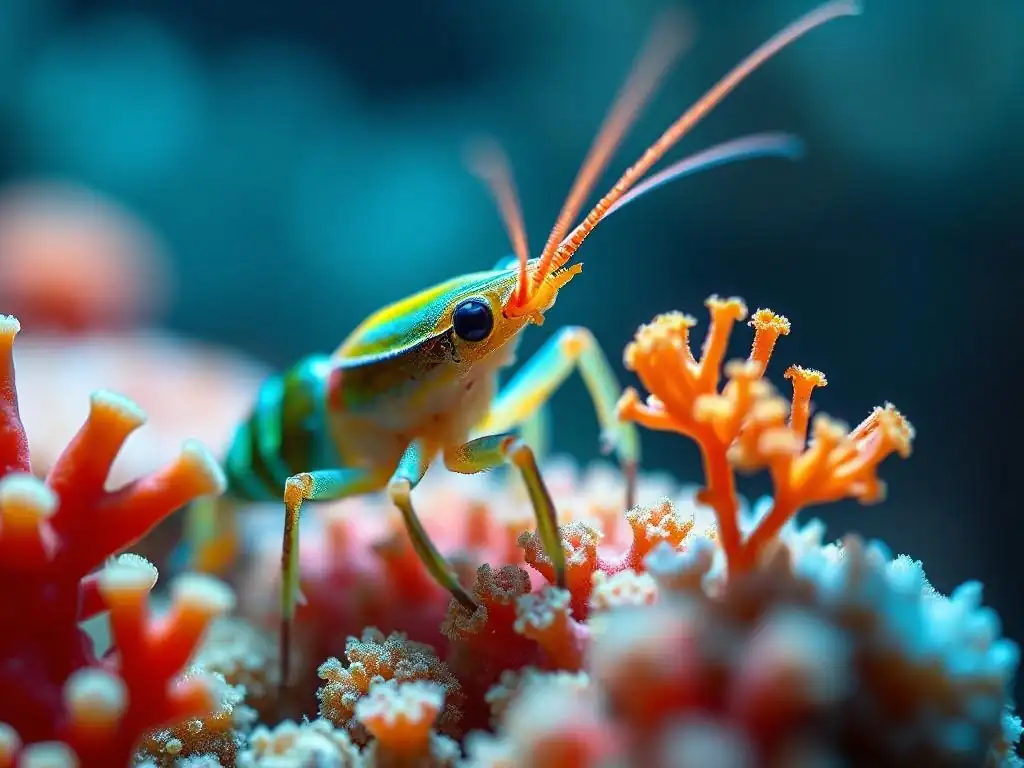
Breeding symbiotic shrimp in a home aquarium can be a challenging yet rewarding endeavor, often requiring a dedicated breeding tank. For species like Pistol Shrimp, a mature pair (male and female) is essential, and they typically require a deep sand bed (at least 4-6 inches / 10-15 cm) with plenty of live rock and rubble to construct their elaborate egg-laying burrows. Consistent water parameters and a high-quality, varied diet are crucial to encourage spawning. Many shrimp species are protandrous hermaphrodites, meaning they start as males and can change to females, or vice-versa, which can complicate pairing.
Anemone shrimp, such as Periclimenes species, are often found in male-female pairs on a single host. Providing a stable, healthy host anemone and excellent water quality are key to encouraging them to breed. Spawning usually occurs regularly once a pair is established and well-fed. The female will carry the eggs under her abdomen until they hatch, releasing tiny, planktonic larvae into the water column.
Rearing Larval Shrimp: Challenges and Solutions
Rearing larval symbiotic shrimp is arguably the most challenging aspect of breeding these invertebrates. The larvae are typically very small, planktonic, and highly susceptible to predation and poor water quality. They often require specific types of live food, such as rotifers, newly hatched artemia (brine shrimp nauplii), or specialized larval diets, which can be difficult to culture or obtain. Water parameters must be meticulously stable, and filtration gentle enough not to suck in the delicate larvae.
A dedicated larval rearing tank, often a bare-bottom setup with gentle aeration and minimal filtration, is usually required. Daily small water changes with aged saltwater are necessary to maintain water quality. The metamorphosis from larval stages to miniature shrimp can take several weeks to months, depending on the species, with high mortality rates common during this period. Success in larval rearing is a significant achievement in advanced symbiotic shrimp care tips.
Ensuring Long-Term Health and Vitality of Your Symbiotic Shrimp
Ensuring the long-term health and vitality of your symbiotic shrimp requires consistent attention to their specific needs throughout their lifespan. This includes maintaining pristine and stable water parameters, providing a high-quality and varied diet tailored to their species, and ensuring a stress-free environment free from aggressive tankmates or sudden environmental changes. Regular observation for signs of distress, disease, or molting issues is key.
For species like Pistol Shrimp, ensuring their burrow remains stable and they have access to their goby partner is vital. For Anemone Shrimp, the health of their host anemone is paramount. For Harlequin Shrimp, a consistent and ethical supply of starfish is non-negotiable. Proactive symbiotic shrimp care tips, including preventative measures and quick responses to issues, will significantly contribute to their longevity and allow you to enjoy these fascinating creatures for many years.
Expanding Your Knowledge of Symbiotic Relationships in Saltwater Aquariums
Further Reading and Resources on Symbiotic Shrimp
To deepen your understanding of symbiotic shrimp and their intricate relationships, exploring additional resources is highly recommended. Scientific journals, such as those focusing on marine biology and ecology, often publish detailed studies on specific symbiotic pairs and their behaviors. Books dedicated to marine invertebrates or reef aquarium husbandry provide comprehensive overviews of various species and their care requirements.
Online forums and communities dedicated to reef aquariums can also be invaluable resources, offering practical symbiotic shrimp care tips from experienced hobbyists and allowing you to ask specific questions about your setup. Reputable aquarium websites (like Aquarium Mastery) and online databases provide species profiles and care guides. Always cross-reference information from multiple reliable sources to ensure accuracy and the best possible care for your symbiotic inhabitants.
The Future of Symbiotic Shrimp Keeping: Trends and Innovations
The future of symbiotic shrimp keeping in the aquarium hobby is likely to see continued advancements in aquaculture and a greater emphasis on sustainable practices. As hobbyists become more aware of environmental impacts, the demand for tank-bred or sustainably collected symbiotic shrimp and their hosts will increase. This can reduce pressure on wild populations and provide healthier, more robust specimens for the home aquarium.
Innovations in captive breeding techniques, particularly for challenging larval stages, could make more species available to hobbyists without relying on wild collection. Furthermore, a growing understanding of the specific dietary and environmental needs of these unique creatures, driven by scientific research and dedicated hobbyist experimentation, will lead to even better symbiotic shrimp care tips and increased success rates. The emphasis will increasingly be on creating truly naturalistic and thriving ecosystems that showcase the incredible diversity and interdependencies of marine life.
Frequently Asked Questions
How are symbiotic shrimp different from other types of aquarium shrimp?
Symbiotic shrimp form mutually beneficial relationships with other organisms, like fish or invertebrates, whereas other shrimp may simply scavenge or filter feed. This relationship often involves cleaning parasites or providing other services in exchange for food or shelter.
What are some examples of symbiotic shrimp commonly kept in aquariums?
Popular examples include cleaner shrimp (Lysmata amboinensis) which remove parasites from fish, and certain pistol shrimp species that pair with gobies. The shrimp digs and maintains a burrow, while the goby provides warning of predators.
What are the specific care requirements for symbiotic shrimp?
While generally hardy, symbiotic shrimp require stable water parameters, adequate hiding places, and a varied diet if their host isn't providing enough food. It's also crucial to ensure they are compatible with their intended host species.
How do I ensure a successful symbiotic relationship between shrimp and fish?
Research the specific needs of both the shrimp and its intended host. Provide a suitable environment with plenty of hiding spots and ensure the fish are not aggressive towards the shrimp.
What are some common challenges when keeping symbiotic shrimp, and how can I address them?
Challenges include incompatible tank mates, insufficient food, and poor water quality. Address these by carefully selecting tank inhabitants, providing supplemental feeding, and maintaining a regular water change schedule.
Final Reflection: Embracing the Interconnectedness of Life
The exploration of symbiotic shrimp, as we've seen, is far more than just a dive into aquarium keeping; it's a powerful reminder of the intricate web of life that surrounds us. Understanding the delicate balance within these miniature ecosystems is increasingly relevant today, as we grapple with the broader challenges of environmental conservation and biodiversity loss. By appreciating the nuances of symbiotic relationships in our aquariums, we gain a deeper understanding of the interconnectedness that sustains our planet.
This journey into the world of symbiotic shrimp has profoundly influenced my perspective, highlighting the importance of responsible stewardship in all aspects of life, not just in our aquariums. The dedication required to provide optimal symbiotic shrimp care underscores the commitment needed to protect larger, more complex ecosystems. In nature, nothing exists alone.
- Rachel Carson. This quote perfectly encapsulates the essence of symbiosis and reminds us that every action, no matter how small, has a ripple effect.
Now, as you consider the symbiotic relationships thriving in your own aquariums, or perhaps even contemplate starting one, I invite you to reflect on the broader implications of these miniature ecosystems. How can you apply the lessons learned about balance, interdependence, and responsible care to other areas of your life? Embrace the interconnectedness, become a conscious steward, and let the fascinating world of symbiotic shrimp inspire you to create a more harmonious and sustainable future.
Dive Deeper: Ignite Your Shrimp-Keeping Passion!
Thanks for exploring the fascinating world of symbiotic shrimp with us! We hope you've gained a new appreciation for these incredible creatures and the vital roles they play in our aquariums. Now, let's put that knowledge into action:
- Start planning: Research which symbiotic shrimp species are compatible with your current aquarium setup and inhabitants. Prioritize the species that will thrive the most.:
- Share the Wonder: Spread the word! Post your favorite symbiotic shrimp fact from this article on your social media and tag a fellow aquarist.
- Contribute to the Community: Participate in online aquarium forums. Share your experiences, ask questions, and help other aquarists learn more about the benefits and responsibilities of keeping symbiotic shrimp.
What new symbiotic relationship are you most excited to learn more about and potentially introduce to your aquarium?