
Are Anthias Reef Safe? Ensuring a Peaceful Coexistence with Your Corals

Welcome to Aquarium Mastery!
Curious about adding vibrant Anthias to your reef tank but unsure if they'll play nice with your corals? Dive into our comprehensive Anthias Reef Safe Guide and unlock the secrets to a harmonious underwater ecosystem. Discover everything you need to know about these stunning fish, their compatibility, and how to create the perfect environment for them to thrive alongside your precious corals. Read on to ensure a peaceful and colorful reef aquarium!
- Understanding Anthias: A Reef Aquarium Keeper's Guide
- Anthias and Corals: Potential Interactions in a Reef Environment
- Choosing Reef-Safe Anthias Species: A Selection Guide
- Maintaining a Reef-Safe Anthias Aquarium: Best Practices
- Troubleshooting Potential Issues: When Anthias and Corals Clash
- Anthias Reef Safe Guide: Final Considerations for a Thriving Reef
-
Frequently Asked Questions
- Are Anthias truly reef safe, or are there exceptions?
- What are the best Anthias species to consider for a reef aquarium?
- How does feeding frequency and type affect Anthias' reef compatibility?
- What tank size is appropriate for keeping Anthias in a reef environment?
- What other considerations are important for successfully keeping Anthias in a reef tank?
- Final Reflection: Harmony in the Reef
- Ignite Your Reef: Discover Anthias Compatibility Now!
Understanding Anthias: A Reef Aquarium Keeper's Guide
What are Anthias Fish and Why are They Popular in Reef Tanks?
Anthias fish, belonging primarily to the subfamily Anthiinae within the family Serranidae (sea basses and groupers), are celebrated for their vibrant coloration and active schooling behaviors, making them highly sought-after inhabitants for saltwater reef aquariums. These pelagic-spawning fish typically originate from the Indo-Pacific region, inhabiting coral reefs at various depths, from shallow lagoons to deep drop-offs. Their iridescent scales, often displaying a spectrum of reds, oranges, yellows, and purples, add a dynamic splash of color that significantly enhances the aesthetic appeal of a reef tank, transforming it into a living, breathing underwater spectacle.
Their popularity also stems from their relatively small to medium size, with many species reaching an adult length of 3 to 6 inches, allowing for a group or "harem" to be kept in appropriately sized aquariums. Unlike some larger, more sedentary reef fish, Anthias are constantly in motion, darting through the water column and interacting with their environment, which provides continuous visual interest for aquarists. This active, schooling nature, combined with their striking beauty, makes them a central attraction in many well-established reef setups, driving the desire among hobbyists for a comprehensive Anthias reef safe guide.
Defining "Reef Safe": What Does it Mean for Anthias?
The term "reef safe," when applied to marine fish like Anthias, signifies that a species can coexist peacefully and harmlessly with the delicate corals and other invertebrates that constitute a reef aquarium ecosystem. For a fish to be considered truly reef safe, it must not consume, nip at, or otherwise damage stony (SPS and LPS) or soft corals, anemones, clams, or other sessile invertebrates.
This definition extends beyond direct predation to include behaviors that could cause stress or injury, such as excessive swimming into coral colonies, dislodging frags, or competing aggressively for food in a way that deprives corals of necessary nutrients.
For Anthias, assessing their "reef safe" status involves evaluating their natural diet, feeding behavior, and general temperament. While many Anthias species are primarily zooplanktivores, feeding on microscopic organisms in the water column, some may occasionally exhibit opportunistic feeding habits that could lead to nipping at coral polyps, especially if underfed or stressed.
Therefore, a thorough understanding of an Anthias species' specific needs and typical behavior is crucial. This proactive research ensures that the introduction of these beautiful fish does not compromise the health and integrity of a meticulously cultivated reef environment, aligning with the principles of a reliable Anthias reef safe guide.
Anthias and Corals: Potential Interactions in a Reef Environment
Anthias Dietary Needs and the Impact on Coral Health
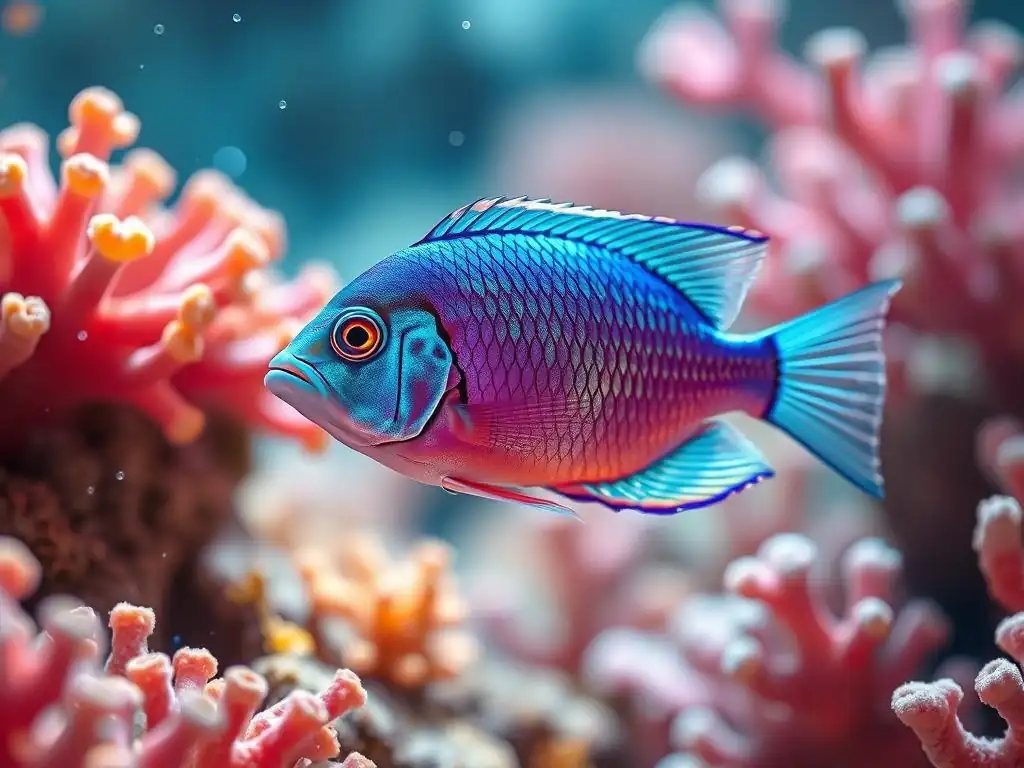
Anthias are primarily micro-carnivores, with their natural diet consisting largely of zooplankton, copepods, and other tiny invertebrates suspended in the water column. In the wild, they spend their days constantly feeding, sifting through the water for these microscopic food sources. This continuous feeding habit is critical to their survival and health, as they have a high metabolism and require frequent, small meals throughout the day.
When kept in a home aquarium, replicating this natural feeding regimen is paramount. Failure to provide adequate and frequent nutrition can lead to significant issues, including weakened immune systems, faded coloration, and, critically, a potential shift in their feeding behavior towards readily available, albeit inappropriate, food sources within the tank.
If Anthias are underfed or experience intense competition for food, they may resort to "picking" at coral polyps or the tissue of other sessile invertebrates out of desperation. While not typically a primary food source for most Anthias species, a starving fish might opportunistically nip at the fleshy parts of large polyp stony (LPS) corals like Blastomussa or Acanthastrea, or even soft corals.
This nipping, even if not intended as a meal, can cause stress, tissue recession, and vulnerability to infection for the corals. Therefore, a key component of any Anthias reef safe guide emphasizes a robust feeding schedule to ensure these fish are well-nourished and less likely to explore corals as a food option.
Anthias Behavior: Do They Nip at Corals?
The general consensus among aquarists is that most common Anthias species, particularly those widely available in the hobby, are largely non-aggressive towards corals. Their natural behavior revolves around open-water swimming and feeding on planktonic organisms, not foraging on the reef substrate or directly interacting with coral colonies. However, individual temperament and specific species characteristics can play a role.
For instance, while Pseudanthias squamipinnis (Lyretail Anthias) are renowned for their peaceful nature, certain less common or larger Anthias species might occasionally exhibit curiosity or even nipping behavior, particularly towards fleshy LPS corals or feather dusters. This is more often an exploratory or opportunistic behavior rather than a predatory one.
Stress, overcrowding, or insufficient feeding can exacerbate any latent nipping tendencies. An Anthias feeling territorial or lacking adequate space might become more agitated and potentially direct its frustration towards tank inhabitants, including corals. Furthermore, some species, particularly those from deeper waters or with less documented aquarium histories, may have unknown dietary preferences that could pose a risk. An effective Anthias reef safe guide will always recommend careful observation, especially during the initial weeks after introduction, to monitor for any signs of coral distress or direct interaction from the Anthias.
Anthias Waste Production: Impact on Reef Tank Water Quality
Like all fish, Anthias produce metabolic waste in the form of ammonia, nitrates, and phosphates. Given their high metabolism and the recommendation to feed them multiple times a day, their collective waste production can be significant, especially when keeping a group or "harem" of these active fish.
In a typical 100-gallon reef tank housing six to eight Lyretail Anthias, for example, the cumulative bioload can contribute noticeably to the nutrient levels if not properly managed. Elevated levels of nitrates and phosphates are detrimental to coral health, encouraging the growth of nuisance algae and potentially leading to coral bleaching or tissue necrosis.
Therefore, maintaining pristine water quality is a critical aspect of keeping Anthias in a reef tank. This involves robust filtration, including protein skimming, regular water changes (e.g., 10-20% bi-weekly), and potentially the use of nitrate and phosphate-reducing media. Adequate flow is also important, not only for the Anthias themselves but also to prevent detritus from settling on corals. While Anthias themselves do not directly harm corals through waste, their bioload necessitates diligent aquarium husbandry to ensure the water parameters remain optimal for sensitive coral species. This diligent management is a cornerstone of any comprehensive Anthias reef safe guide.
Choosing Reef-Safe Anthias Species: A Selection Guide
The Most Reef-Friendly Anthias Species for Home Aquariums
When selecting Anthias for a mixed reef aquarium, prioritizing species with a well-documented history of peaceful coexistence with corals is essential. Several species consistently prove to be excellent choices due to their strict planktivorous diet and calm demeanor. These species are generally active, colorful, and readily adapt to aquarium life, making them staples in many successful reef setups.
* Lyretail Anthias ( Pseudanthias squamipinnis): A Popular Choice
The Lyretail Anthias is arguably the most popular and widely available Anthias species in the marine aquarium trade, and for good reason. These fish are highly reef-safe, primarily feeding on zooplankton and showing no interest in nipping at corals. They are known for their striking sexual dimorphism: males display vibrant red-orange bodies with an elongated lyre-shaped tail, while females are typically orange with a purple or pink hue.
They are relatively hardy, adapting well to a range of tank conditions, and thrive in groups, exhibiting beautiful schooling behavior. A group of 5-7 Lyretail Anthias in a 75-gallon or larger reef tank can create a mesmerizing display without posing a threat to corals. Their typical adult size ranges from 4 to 6 inches, making them suitable for moderately sized to large reef systems.
* Dispar Anthias ( Pseudanthias dispar): Peaceful and Colorful
Dispar Anthias are another excellent choice for reef aquariums, celebrated for their brilliant orange-yellow coloration, often with a distinctive red or purple stripe running along their dorsal fin. They are smaller than Lyretail Anthias, typically reaching about 3 to 4 inches in length, making them suitable for smaller reef tanks, though a group of 6-10 individuals still requires ample swimming space. Like the Lyretail, Dispar Anthias are obligate planktivores and have an impeccable track record of being completely reef-safe.
They are active swimmers and display charming schooling behavior, adding dynamic movement and a splash of color to the upper water column without disturbing corals. Their peaceful nature makes them ideal tank mates for a wide variety of reef inhabitants, reinforcing their status in any Anthias reef safe guide.
* Carberryi Anthias ( Nemanthias carberryi): A Smaller, Reef-Compatible Option
For aquarists seeking a smaller Anthias species that remains entirely reef-safe, the Carberryi Anthias is an outstanding candidate. Reaching an adult size of only 2.5 to 3 inches, these elegant fish are perfect for smaller reef tanks (50 gallons and up for a small group) or those aiming for a high density of non-aggressive fish. They feature a delicate pinkish-purple body with a distinctive yellow stripe along their back.
Carberryi Anthias are known for their shy but peaceful demeanor and their strict zooplanktivorous diet ensures they pose no threat to corals or other invertebrates. They thrive when kept in groups of at least five individuals, providing a subtle yet captivating display of schooling behavior.
Anthias Species to Avoid in Reef Tanks (or Keep with Caution)
While many Anthias are exemplary reef inhabitants, some species are better suited for fish-only tanks or require extreme caution due to their potential to nip at corals or other sessile invertebrates. These species are generally less common in the hobby or are known for more opportunistic feeding behaviors.
* Red Saddle Anthias ( Anthiinae sp.): Known to Occasionally Nip at LPS Corals
The Red Saddle Anthias, often identified as Pseudanthias hypselosoma or similar species within the Anthiinae subfamily, is one such fish that demands caution in a mixed reef. While beautiful with their vibrant red and orange hues, anecdotal reports from experienced aquarists suggest that these Anthias can occasionally nip at the fleshy polyps of large polyp stony (LPS) corals, such as Euphyllia (Frogspawn, Hammer) or Blastomussa. This behavior is not consistent across all individuals and may be more prevalent if the fish are underfed, stressed, or if their natural diet of crustaceans and small invertebrates is not sufficiently met.
Therefore, while not strictly "reef unsafe," they are not recommended for a pristine coral display tank unless the aquarist is prepared for vigilant observation and potential intervention. Any Anthias reef safe guide would advise extreme caution or outright avoidance for this species in delicate reef environments.
Maintaining a Reef-Safe Anthias Aquarium: Best Practices
Proper Feeding Strategies to Prevent Coral Damage
Effective feeding is paramount to ensuring Anthias remain reef-safe and thrive in a communal reef environment. Their high metabolism dictates a frequent feeding schedule, ideally multiple times a day, to mimic their natural foraging habits on the reef.
* Providing a Varied and Frequent Diet
To prevent Anthias from developing an interest in coral polyps, a diverse and nutrient-rich diet must be provided. Offer small portions of high-quality frozen foods such as enriched brine shrimp, Mysis shrimp, copepods, and finely chopped seafood (e.g., krill, spirulina-enriched flakes) 3 to 5 times per day. For example, a 75-gallon tank with 5 Anthias might receive a quarter cube of frozen Mysis shrimp in the morning, another quarter in the afternoon, and a small pinch of high-quality flake food in between.
This consistent supply of appropriate food sources ensures their nutritional needs are met, reducing any incentive to graze on corals. Varying the diet not only keeps them interested but also provides a broader spectrum of essential nutrients, contributing to their overall health and vibrant coloration.
* Target Feeding to Reduce Competition and Waste
While Anthias are active swimmers, target feeding can be beneficial, especially in a tank with many inhabitants or if particular Anthias are shy. Using a turkey baster or a specialized feeding tool allows you to direct food specifically towards the Anthias, ensuring they get enough to eat without excessive food scattering throughout the tank. This reduces competition with slower-feeding fish and limits the amount of uneaten food that can degrade water quality.
For instance, after broadcasting a general feeding, a small, targeted squirt of copepods near the Anthias' preferred swimming area can ensure they receive their share. This approach is particularly valuable for new or smaller Anthias that might be outcompeted by larger, more aggressive tank mates, thus solidifying a key recommendation in any robust Anthias reef safe guide.
Maintaining Optimal Water Parameters for Anthias and Corals
Both Anthias and corals require stable and pristine water conditions to thrive. Any fluctuations or degradation in water quality can stress either organism, potentially leading to disease in fish or recession in corals. The ideal parameters for a mixed reef tank housing Anthias include:
- Salinity: 1.024-1.026 specific gravity
- Temperature: 74-78°F (23-26°C)
- pH: 8.1-8.4
- Alkalinity: 7-11 dKH (aim for stability around 8.0-9.0 dKH)
- Calcium: 400-450 ppm
- Magnesium: 1250-1350 ppm
- Nitrates: <10 ppm (ideally <5 ppm for sensitive corals)
- Phosphates: <0.03 ppm
Regular testing (at least weekly for key parameters like salinity, alkalinity, calcium, and nitrates) and consistent water changes (e.g., 10% weekly or 20% bi-weekly) are crucial to maintain these levels. A robust filtration system, including a properly sized protein skimmer and adequate live rock (at least 1-1.5 lbs per gallon), is essential to process the bioload from active Anthias and their frequent feedings. Carbon dosing or biopellets can also be employed to help manage nutrient levels, contributing to a healthy environment for both fish and corals.
Tank Size and Aquascaping Considerations for Anthias and Reef Inhabitants
The size of the aquarium plays a critical role in the success of keeping Anthias, especially given their schooling nature and active swimming habits. While a single Anthias might survive in a smaller tank, a group (typically 3-7 individuals, depending on species) requires ample space to exhibit natural schooling behaviors and reduce stress.
For most common species like Lyretail or Dispar Anthias, a minimum tank size of 75 gallons is recommended for a small harem, with 120 gallons or more being ideal for larger groups or mixed species. This provides sufficient open swimming space in the mid-to-upper water column, which is where Anthias typically congregate.
Aquascaping should prioritize providing both open swimming areas and plenty of hiding spots and caves within the live rock structure. While Anthias spend most of their time in the open, they appreciate places to retreat to, especially during acclimation or if feeling threatened. A well-designed aquascape also allows for distinct territories, which can help mitigate any minor aggression among Anthias themselves or with other tank mates.
Ensure that corals are placed strategically, allowing for their growth without impeding Anthias' swimming paths, and that no sharp edges or unstable rockwork could injure active fish. A thoughtful aquascape contributes significantly to the overall well-being of a reef tank, a point emphasized in any comprehensive Anthias reef safe guide.
Choosing Compatible Tank Mates for a Peaceful Reef Environment
Selecting appropriate tank mates is vital for a harmonious reef aquarium, particularly when housing active and sometimes shy Anthias. Overly aggressive or territorial fish can stress Anthias, leading to health issues and potentially forcing them into hiding, where they may not feed adequately. Conversely, very timid fish might be outcompeted for food by the faster-moving Anthias.
Ideal tank mates for Anthias include other peaceful, reef-safe species such as:
- Small to medium-sized tangs: e.g., Yellow Tang ( Zebrasoma flavescens), Kole Tang ( Ctenochaetus strigosus)
- Wrasses: e.g., Fairy Wrasses ( Cirrhilabrus spp.), Flasher Wrasses ( Paracheilinus spp.)
- Gobies: e.g., Watchman Goby ( Cryptocentrus cinctus), Shrimp Gobies ( Amblyeleotris spp.)
- Clownfish: e.g., Ocellaris Clownfish ( Amphiprion ocellaris)
- Dwarf Angelfish: e.g., Flame Angelfish ( Centropyge loricula) - with caution, as some can nip at corals.
Avoid very large, predatory fish, or highly aggressive species like some triggerfish or large angelfish, which could view Anthias as food or harass them. Also, ensure that any chosen tank mates have compatible feeding requirements and won't outcompete the Anthias excessively for food. A balanced community contributes significantly to the overall stability and health of the reef, a key consideration for any Anthias reef safe guide.
Troubleshooting Potential Issues: When Anthias and Corals Clash
Identifying Signs of Coral Damage from Anthias
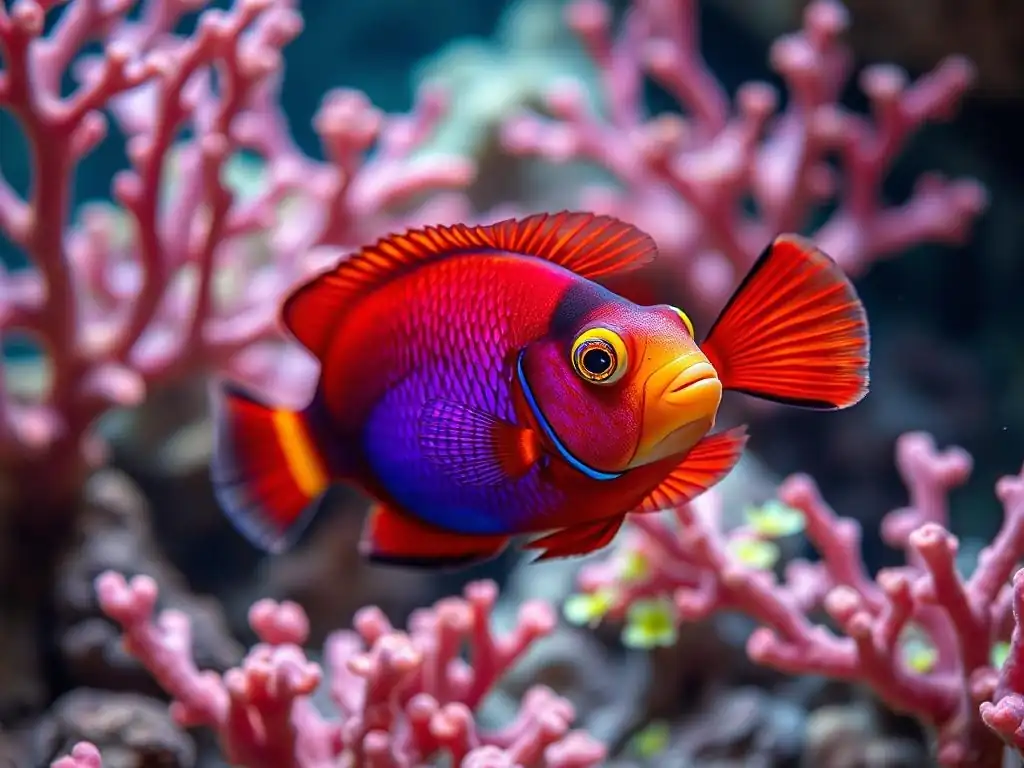
Even with the best intentions and careful species selection, occasional issues can arise in a reef tank. If you suspect your Anthias might be nipping at corals, vigilant observation is key. Signs of coral damage can include:
- Retracted Polyps: Corals that are consistently retracted, even during periods when they should be extended (e.g., feeding time or during the day for photosynthetic corals), could be under stress.
- Tissue Recession: This is a more severe sign, where the fleshy tissue of the coral visibly recedes from its skeleton. This often appears as white patches on stony corals.
- Bite Marks or Abrasions: While difficult to spot on soft corals, stony corals might show small, localized areas of damage where polyps have been picked off.
- Increased Mucus Production: Stressed corals may produce excess mucus as a defense mechanism.
- Color Fading: Chronic stress can lead to corals losing their vibrant coloration.
Observe your Anthias closely, especially during feeding times or when they are most active. Do they linger around specific corals? Do you see quick darting movements towards a coral and then away? While a single instance might be incidental, consistent observation of these behaviors paired with coral distress warrants investigation.
Addressing Aggression or Nipping Behavior
If you've identified that an Anthias is indeed nipping at your corals, several steps can be taken to mitigate the behavior before considering removal.
- Increase Feeding Frequency and Variety: This is often the first and most effective step. If an Anthias is underfed, it might opportunistically nip at corals. Increase feedings to 5-7 small meals per day, ensuring a wide variety of high-quality frozen foods like Mysis shrimp, enriched brine shrimp, and copepods. This addresses any nutritional deficiencies or hunger drives.
- Evaluate Tank Mates: Is there an overly aggressive tank mate stressing the Anthias, making it more irritable or territorial? Sometimes, removing a bully can calm the entire tank.
- Review Aquascaping: Does the tank provide enough open swimming space and hiding spots? Overcrowding or lack of personal space can lead to stress and aggression. Adding more rockwork or rearranging the existing structure can sometimes alleviate this.
- Isolate or Remove (as a last resort): If all other measures fail and the coral damage continues, the problematic Anthias may need to be isolated in a separate quarantine tank or, if the behavior persists, rehomed to a fish-only aquarium where it poses no threat to corals. This is a difficult decision but sometimes necessary to protect a valuable coral collection.
Adjusting Feeding and Tank Conditions to Resolve Problems
Beyond addressing direct nipping, optimizing the overall tank conditions can significantly reduce stress on both Anthias and corals, thereby preventing issues from arising.
- Automated Feeders: For aquarists who cannot be home to feed multiple times a day, an automated feeder can dispense small amounts of flake or pellet food throughout the day, providing a consistent food source.
- Nutrient Management: Even if Anthias aren't directly nipping, their bioload can contribute to elevated nitrates and phosphates. Ensure your filtration system is robust, and consider adding or increasing the use of nitrate/phosphate media, refugiums, or carbon dosing to keep nutrient levels at optimal low points for corals (<10 ppm nitrates, <0.03 ppm phosphates).
- Water Flow: Ensure adequate, but not excessive, water flow throughout the tank. Anthias appreciate strong flow, but corals need appropriate flow to thrive and shed detritus. Dead spots can lead to detritus accumulation, stressing corals.
- Lighting: Ensure your lighting schedule and intensity are appropriate for your specific corals. Stressed corals are more susceptible to damage from fish.
Proactive management and a keen eye for detail are essential components of maintaining a thriving reef environment and are central to any effective Anthias reef safe guide.
Anthias Reef Safe Guide: Final Considerations for a Thriving Reef
The Importance of Observation and Monitoring
Consistent and diligent observation is arguably the most critical tool in a reef aquarist's arsenal, especially when integrating active and delicate fish like Anthias into a coral-filled ecosystem. Daily checks for signs of stress, disease, or behavioral changes in both your Anthias and your corals can preempt major problems. For example, noticing an Anthias consistently hiding or exhibiting faded colors could indicate stress or illness, while observing a coral's polyps remaining retracted could signal irritation or damage.
Beyond visual checks, routine water parameter testing is non-negotiable. Regular monitoring of salinity, temperature, alkalinity, calcium, magnesium, nitrates, and phosphates provides early warnings of imbalances that could negatively impact your system. Maintaining a logbook of these parameters, feeding schedules, and any observed behaviors can help identify patterns and inform timely interventions. This proactive approach, rather than reactive problem-solving, is the cornerstone of a successful Anthias reef safe guide.
Creating a Balanced and Sustainable Reef Ecosystem with Anthias
A truly thriving reef aquarium is a carefully balanced ecosystem where all inhabitants coexist harmoniously and contribute to the overall health of the system. When incorporating Anthias, aim for a holistic approach that considers their specific needs alongside those of your corals and other invertebrates. This means providing ample space, a varied and frequent feeding regimen, stable and pristine water quality, and compatible tank mates.
Consider the long-term implications of your choices. For instance, while Anthias are beautiful, their high metabolic rate and need for frequent feeding mean a higher bioload. This necessitates robust filtration and diligent maintenance to prevent nutrient buildup that could harm corals. By understanding these interdependencies and planning accordingly, you can create a sustainable environment where Anthias flourish, display their natural behaviors, and enhance the beauty of your coral collection without compromising its health. This comprehensive understanding forms the core of any practical Anthias reef safe guide.
Resources for Further Reading on Anthias Care and Reef Compatibility
For aquarists looking to deepen their knowledge and ensure the best possible care for their Anthias and reef environment, a wealth of information is available. Consult reputable online forums and communities dedicated to marine aquaria, where experienced hobbyists share their insights and troubleshoot common issues. Scientific publications and specialized books on marine fish and coral husbandry offer in-depth biological and ecological information.
Specific resources to explore might include detailed species profiles for various Pseudanthias and Nemanthias species, which often provide nuances in diet, temperament, and ideal tank conditions. Articles on advanced reef husbandry techniques, such as nutrient export methods, dosing strategies for coral health, and comprehensive fish disease identification and treatment, will also be invaluable. By continuously learning and applying best practices, you can ensure your Anthias remain a vibrant and safe addition to your beautiful reef aquarium, guided by the principles outlined in this Anthias reef safe guide.
Frequently Asked Questions
Are Anthias truly reef safe, or are there exceptions?
While generally considered reef safe, certain Anthias species can nip at small-polyp stony (SPS) corals or zoanthids if underfed or stressed. Proper feeding and tank size are crucial for their well-being and reef compatibility.
What are the best Anthias species to consider for a reef aquarium?
The dispar Anthias (Pseudanthias dispar) and the lyretail Anthias (Pseudanthias squamipinnis) are often recommended due to their relatively peaceful nature and lower aggression towards corals. Careful research of individual species is always recommended.
How does feeding frequency and type affect Anthias' reef compatibility?
Anthias require frequent feedings, typically multiple times a day, with a varied diet including frozen mysis shrimp, copepods, and high-quality flake food. Insufficient feeding can lead to them seeking alternative food sources, potentially nipping at corals.
What tank size is appropriate for keeping Anthias in a reef environment?
Most Anthias species need a minimum tank size of 75 gallons, and some require even larger tanks. This is because they are active swimmers and prefer to be kept in groups (harems) to reduce stress and aggression.
What other considerations are important for successfully keeping Anthias in a reef tank?
Maintaining pristine water quality, providing adequate hiding places, and ensuring stable tank parameters are essential. Also, avoid keeping them with aggressive tankmates, as stress can negatively impact their health and reef compatibility.
Final Reflection: Harmony in the Reef
The question of whether Anthias are truly reef safe is more than just a checklist for aquarists; it's a reflection of our responsibility as stewards of these delicate ecosystems. Understanding their needs and potential impact is crucial, not just for the health of our tanks, but for promoting ethical and sustainable practices within the reef-keeping hobby.
This exploration into the compatibility of Anthias with reef environments has underscored the importance of informed decision-making. My own journey into reef keeping has taught me that success hinges on respecting the intricate balance of the ecosystem, and that means understanding the needs of each inhabitant. In the end, we will conserve only what we love; we will love only what we understand; and we will understand only what we are taught.
- Baba Dioum
As you consider adding these vibrant fish to your reef, remember that the beauty of a thriving aquarium lies not just in its visual appeal, but in the well-being of its inhabitants. Let this guide serve as a reminder to research thoroughly, observe carefully, and prioritize the health and harmony of your reef ecosystem. By doing so, you contribute to a more sustainable and enriching future for the reef-keeping hobby, and for the real reefs we strive to emulate.
Ignite Your Reef: Discover Anthias Compatibility Now!
Thanks for diving deep into the world of Anthias! We hope you’ve gained valuable insights into ensuring a thriving reef environment with these vibrant fish. Now, let's put that knowledge into action!
- Prioritize Observation: Carefully monitor your Anthias and coral interactions during the acclimation period and beyond. Early detection of any nipping behavior is key to a peaceful reef.
- Explore deeper: Research uncommon Anthias species to potentially find hidden gems that are even more reef-compatible and bring unique colors to your aquarium.
- Share your success: Post photos and stories of your reef-safe Anthias setup on social media using #AquariumMasteryAnthias to inspire fellow reef keepers.
What specific coral types are you most excited to pair with your Anthias in your own reef tank?