
Squarespot Anthias (Squareblock): Unraveling Their Unique Charm and Care Needs

Welcome to Aquarium Mastery!
Intrigued by the vibrant world of saltwater aquariums? Dive into the captivating life of the Squarespot Anthias! This Squarespot Anthias Care Guide unlocks the secrets to successfully keeping these stunning fish. But are you ready to meet their unique needs? Discover everything you need to know and get ready to unravel their unique charm!
- Squarepot Anthias (Squareblock): Unraveling Their Unique Charm and Care Needs
- Introduction to the Squarepot Anthias: A Reef Aquarium Gem
- Understanding Squarepot Anthias Biology and Behavior
-
Squarepot Anthias Care Guide: Creating the Ideal Aquarium Environment
- Tank Size Requirements for Squarepot Anthias: How Much Space Do They Need?
- Water Parameters for Squarepot Anthias: Maintaining a Stable Reef Environment
- Setting Up the Ideal Reef Tank for Squarepot Anthias: Substrate, Lighting, and Flow
- Squarepot Anthias Temperament and Compatibility: Choosing the Right Tank Mates
- Feeding Squarepot Anthias: Nutritional Needs and Feeding Strategies
- Maintaining the Health of Your Squarepot Anthias: Disease Prevention and Treatment
- Squarepot Anthias Breeding: Challenges and Possibilities in Captivity
- Choosing Squarepot Anthias: Finding Healthy Specimens
- Troubleshooting Common Squarepot Anthias Problems
- Squarepot Anthias: The Complete Care Guide Checklist
- Conclusion: Enjoying the Beauty of Squarepot Anthias in Your Reef Aquarium
-
Frequently Asked Questions
- What are the key differences between Squarespot Anthias and other Anthias species?
- What is the ideal tank size and environment for Squarespot Anthias?
- What should I feed my Squarespot Anthias?
- What are common health issues to watch out for in Squarespot Anthias?
- Are Squarespot Anthias reef-safe, and what tank mates are suitable?
- Final Reflection: Appreciating the Squareblock's Enduring Appeal
- Dive Deeper: Transform Your Reef Tank Today!
Squarepot Anthias (Squareblock): Unraveling Their Unique Charm and Care Needs
Introduction to the Squarepot Anthias: A Reef Aquarium Gem
What is a Squarepot Anthias (Squareblock Anthias)? Unveiling its Beauty
The Squarepot Anthias, scientifically known as Pseudanthias pleurotaenia, is a captivating species of marine fish highly sought after by saltwater aquarists. Also commonly referred to as the Squareblock Anthias due to the distinctive square-shaped blotch on the male's flank, this fish belongs to the Anthiinae subfamily, a diverse group known for their vibrant colors and schooling behaviors in reef environments. Originating from the Indo-Pacific, these fish typically inhabit outer reef slopes and drop-offs, often found in large aggregations feeding on zooplankton.
Their striking appearance, particularly the sexual dimorphism, makes them a focal point in any reef tank. Males display a more intense coloration, often a mix of purple, orange, and yellow, accentuated by the prominent square or rectangular blotch that gives them their common name. Females and juveniles, while still beautiful, generally exhibit more subdued pinkish-orange hues. Understanding their specific needs is paramount for a successful Squarepot anthias care guide, ensuring these delicate beauties thrive in a captive environment.
Why Choose Squarepot Anthias for Your Saltwater Reef Tank?
Choosing Squarepot Anthias for a saltwater reef tank brings a dynamic splash of color and activity that few other species can match. Their schooling nature, when kept in appropriate groups, creates a mesmerizing display, mimicking the natural flow of a wild reef. Unlike some other reef inhabitants, Squarepot Anthias are generally peaceful towards other tank mates, making them excellent candidates for a community reef aquarium, provided their specific environmental and social needs are met.
Furthermore, their relatively manageable size, typically reaching up to 6 inches (15 cm) in length, makes them suitable for larger home aquariums. While they require consistent feeding and stable water parameters, their visual appeal and engaging behavior offer a rewarding experience for dedicated aquarists. A comprehensive Squarepot anthias care guide emphasizes their suitability for tanks where an active, colorful, and harmonious fish population is desired.
Understanding Squarepot Anthias Biology and Behavior
Squarepot Anthias Taxonomy: Scientific Classification and Origins
The Squarepot Anthias, Pseudanthias pleurotaenia, is classified within the family Serranidae, which includes groupers and sea basses. More specifically, it belongs to the subfamily Anthiinae, a group of small to medium-sized, often brightly colored, planktivorous fishes. The genus Pseudanthias is one of the largest within the subfamily, encompassing over 60 recognized species, all known for their vibrant hues and often complex social structures.
This species originates from the vast Indo-Pacific region, with its distribution stretching from the Maldives and Sri Lanka across to Samoa, and north to southern Japan. They are typically found in depths ranging from 10 to 60 meters (approximately 33 to 200 feet), preferring the outer slopes of reefs and areas with strong currents that deliver their primary food source: zooplankton. This natural habitat preference informs many aspects of a proper Squarepot anthias care guide, particularly regarding water flow and feeding frequency.
Squarepot Anthias Appearance: Identifying Features and Color Variations
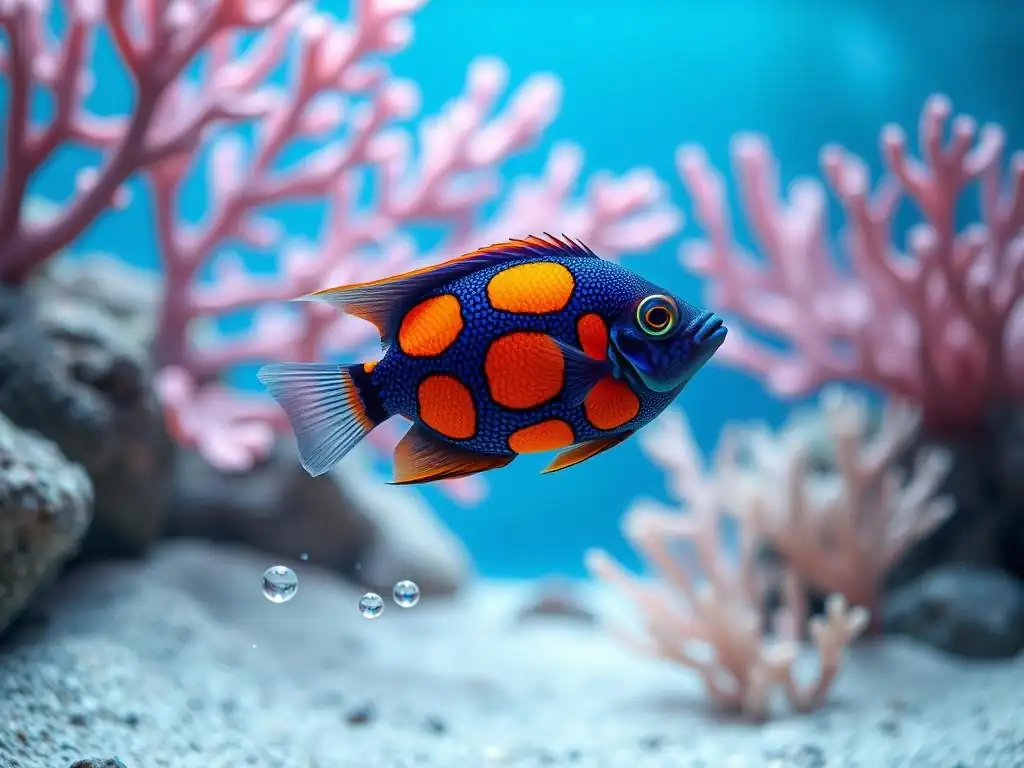
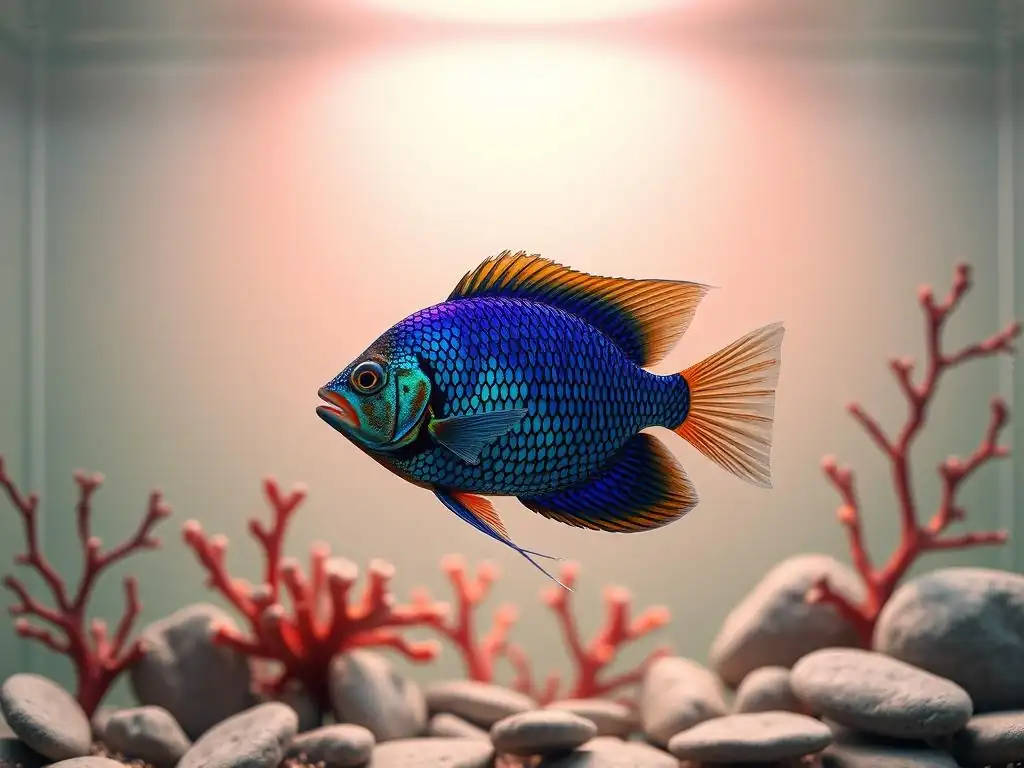
The Squarepot Anthias is renowned for its striking sexual dimorphism, which is a key identifying feature. Adult males are particularly vibrant, showcasing a predominant purple to magenta body color often transitioning to orange or yellow on the head and fins. The most distinctive feature is a large, often dark purplish-brown to black, square or rectangular blotch located centrally on their flanks, giving rise to their common name. Their dorsal fin often features elongated rays, adding to their elegance.
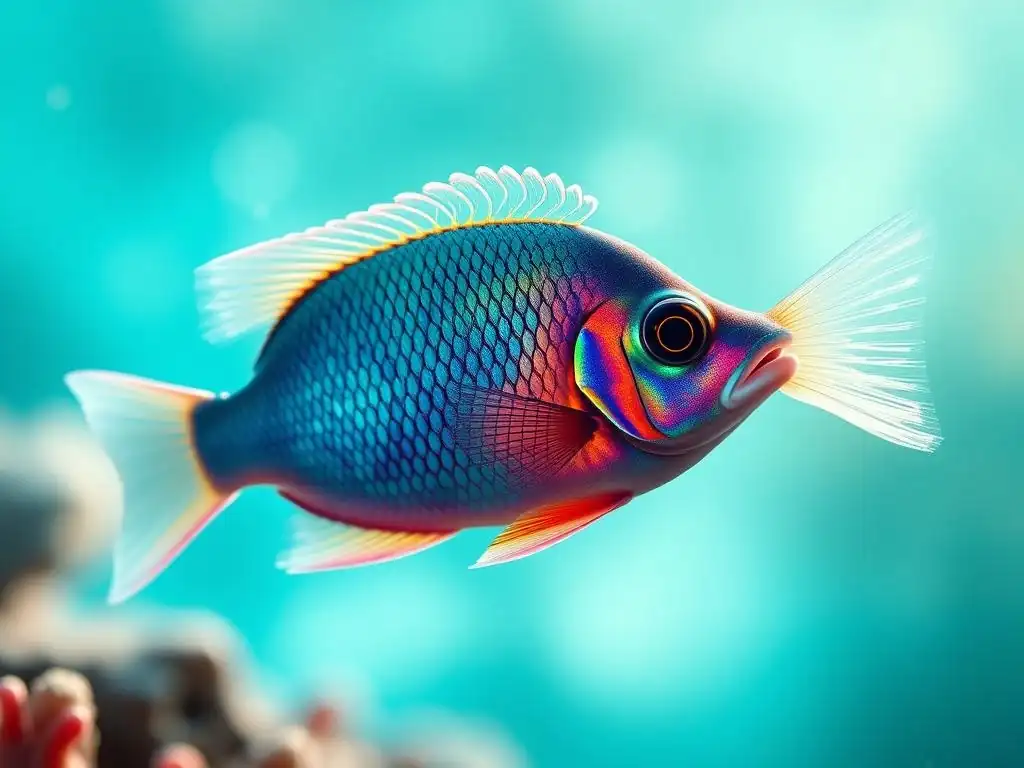
Females and juveniles, in contrast, typically exhibit a more uniform, softer pinkish-orange or peach coloration across their bodies, lacking the prominent square blotch. This difference in appearance is crucial for sexing these fish and for understanding their social dynamics, as males will often display more intense coloration during courtship or territorial displays. Providing a diet rich in astaxanthin and maintaining pristine water conditions, as outlined in any thorough Squarepot anthias care guide, can enhance and preserve these vibrant colors.
Natural Habitat and Behavior in the Wild: Schooling Dynamics
In their natural habitat, Squarepot Anthias thrive in the dynamic environments of outer reef slopes, drop-offs, and clear lagoon channels where strong currents bring a continuous supply of zooplankton. They are primarily found at depths ranging from 10 to 60 meters (33 to 200 feet), often forming large, loose aggregations that can number in the hundreds. These schools provide safety in numbers against predators, allowing individuals to feed more confidently.
Their social structure in the wild is typically haremic, consisting of a dominant male overseeing a group of females and sub-adults. If the dominant male is removed or dies, the largest female in the group can undergo a sex change to become the new male, a fascinating example of protogynous hermaphroditism common among anthias. Understanding these natural schooling dynamics and social hierarchies is crucial for replicating a suitable environment in captivity, forming a vital part of a comprehensive Squarepot anthias care guide.
Squarepot Anthias Care Guide: Creating the Ideal Aquarium Environment
Tank Size Requirements for Squarepot Anthias: How Much Space Do They Need?
Providing adequate tank size is a foundational element of any successful Squarepot anthias care guide. Due to their active nature and schooling tendencies, these fish require generous swimming space. For a small group of 3-5 Squarepot Anthias, a minimum aquarium size of 75 gallons (approximately 284 liters) is generally recommended. However, a tank of 100 gallons (378 liters) or larger is significantly more ideal, especially if housing a larger school or integrating them into a diverse reef community.
Larger tanks not only provide ample room for swimming and reduce territorial disputes among the group but also contribute to greater water volume stability, which is critical for these sensitive fish. A tank that is too small can lead to stress, stunted growth, and increased aggression, particularly among males vying for dominance. Investing in a sufficiently sized aquarium is the first step towards ensuring the long-term health and vibrancy of your Squarepot Anthias.
Water Parameters for Squarepot Anthias: Maintaining a Stable Reef Environment
Maintaining stable and precise water parameters is non-negotiable for the health of Squarepot Anthias. They are sensitive to fluctuations and require pristine water quality to thrive. Key parameters to monitor include: specific gravity between 1.023 and 1.026, temperature between 74-78°F (23-26°C), pH levels between 8.1 and 8.4, and alkalinity maintained at 8-12 dKH. Calcium levels should be between 400-450 ppm, and magnesium between 1250-1350 ppm.
Beyond these core parameters, nitrate levels should be kept as low as possible, ideally below 10 ppm, and ammonia and nitrite should always be undetectable (0 ppm). Regular water changes, typically 10-20% bi-weekly, are essential to replenish trace elements and remove accumulated nitrates. Consistent monitoring with reliable test kits and prompt adjustments are critical components of a thorough Squarepot anthias care guide, preventing stress and disease.
Setting Up the Ideal Reef Tank for Squarepot Anthias: Substrate, Lighting, and Flow
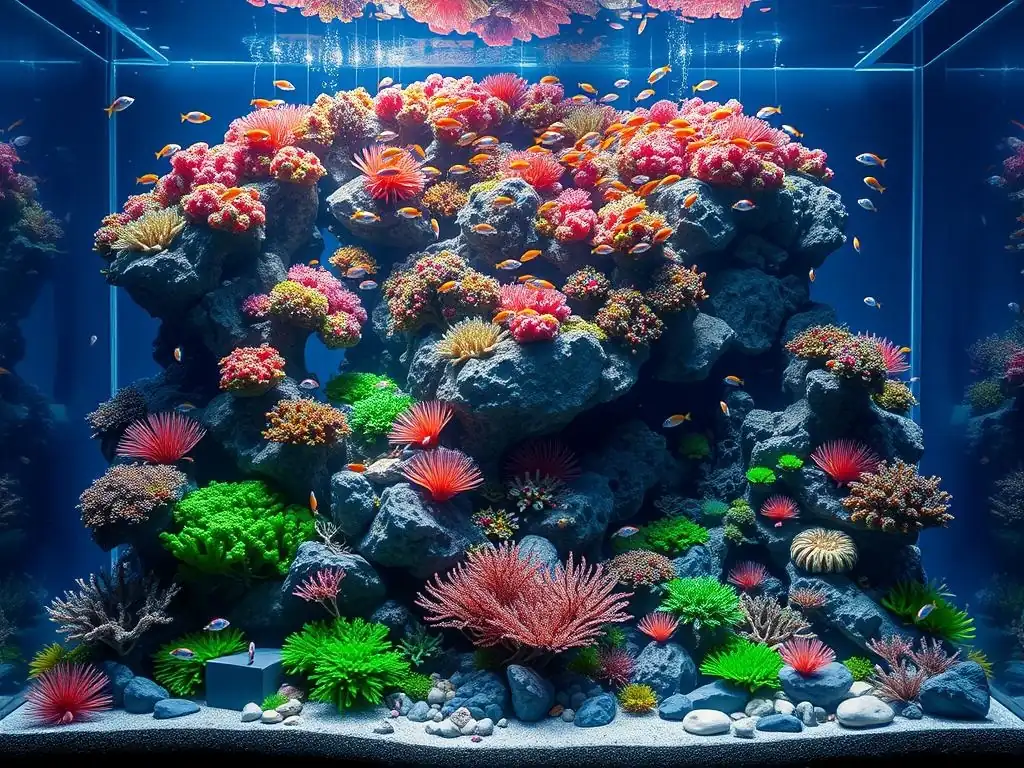
When setting up a reef tank for Squarepot Anthias, the focus should be on replicating their natural deep reef environment. Live rock is essential, providing numerous hiding spots and crevices for the fish to retreat into when feeling threatened or during their acclimation period. Aim for a rock structure that offers plenty of caves and overhangs, creating a sense of security for the anthias.
Lighting requirements are moderate; while they appreciate light for feeding and activity, extremely intense lighting isn't strictly necessary unless housing light-demanding corals. Crucially, strong water flow is vital. As planktivores from areas with significant currents, Squarepot Anthias thrive in tanks with robust water movement, which also aids in distributing food throughout the aquarium. This strong flow, combined with ample live rock, ensures a stimulating and healthy environment, a cornerstone of any effective Squarepot anthias care guide.
Squarepot Anthias Temperament and Compatibility: Choosing the Right Tank Mates
Squarepot Anthias are generally peaceful fish, making them excellent additions to a well-planned community reef tank. However, their temperament can vary slightly based on the size of the group and the overall tank environment. They are best kept in a haremic group, ideally one male with several females, or in a larger school where multiple males can coexist if the tank is sufficiently spacious (150+ gallons) and offers plenty of visual breaks among the rockwork. Introducing them as a group simultaneously can help establish a more stable social hierarchy.
When selecting tank mates, prioritize other peaceful to semi-aggressive reef inhabitants. Good companions include other non-aggressive anthias species, tangs, wrasses, certain gobies, and blennies. Avoid highly aggressive or territorial fish that may harass the anthias, such as large predatory triggers or aggressive angelfish. Also, steer clear of very large, fast-swimming fish that might outcompete them for food. Careful consideration of compatibility is a crucial aspect of a successful Squarepot anthias care guide, ensuring a harmonious aquarium ecosystem.
Feeding Squarepot Anthias: Nutritional Needs and Feeding Strategies
What Do Squarepot Anthias Eat? A Balanced Diet for Optimal Health
Squarepot Anthias are obligate planktivores in their natural habitat, meaning their diet consists primarily of zooplankton. In a captive environment, replicating this diet is crucial for their long-term health and vibrant coloration. A balanced diet should include a variety of small, meaty frozen foods such as copepods, mysis shrimp, enriched brine shrimp, and finely chopped krill or other marine preparations. Foods enriched with essential fatty acids and vitamins are particularly beneficial.
It is important to offer a diverse diet rather than relying on a single type of food to ensure they receive all necessary nutrients. Dry foods like high-quality marine flakes or pellets can be offered, but often need to be conditioned for the anthias to accept them, and should not form the sole basis of their diet. A varied and nutrient-rich feeding regimen is a cornerstone of any comprehensive Squarepot anthias care guide.
Feeding Frequency and Techniques for Squarepot Anthias: Ensuring All Fish Get Enough
Due to their high metabolism and constant activity, Squarepot Anthias require frequent feedings. In the wild, they graze continuously on passing plankton, so in an aquarium, they should be fed small amounts multiple times a day—ideally 3 to 5 times. This frequent feeding schedule helps maintain their energy levels, prevents emaciation, and promotes their natural feeding behaviors.
When feeding, ensure that all individuals in the group, especially the smaller or more timid females, are getting enough food. Broadcasting food throughout the tank with adequate water flow can help distribute it evenly. Using a turkey baster to target feed specific areas or individuals can also be effective if certain fish are shy. Consistent and appropriate feeding techniques are a critical element of a successful Squarepot anthias care guide, directly impacting their vitality and longevity.
Supplementing the Diet of Squarepot Anthias: Vitamins and Minerals
While a varied diet of high-quality frozen foods forms the bulk of their nutrition, supplementing the diet of Squarepot Anthias with vitamins and minerals can significantly enhance their health, coloration, and immune system. Many commercially available frozen foods are already enriched, but additional supplementation can be beneficial, especially for new or recovering fish.
Liquid vitamin supplements specifically designed for marine fish, such as those containing Vitamin C, B vitamins, and Omega-3 fatty acids, can be soaked into frozen foods before feeding. This boosts their nutritional intake and helps prevent nutritional deficiencies that can lead to faded colors or weakened immunity. Regular supplementation, alongside a balanced diet, is a proactive measure outlined in advanced Squarepot anthias care guide protocols to ensure optimal well-being.
Maintaining the Health of Your Squarepot Anthias: Disease Prevention and Treatment
Common Diseases Affecting Squarepot Anthias: Identification and Symptoms
Like many marine fish, Squarepot Anthias can be susceptible to common aquarium diseases, particularly if stressed by poor water quality or inadequate tank conditions. White spot disease (Ichthyophthirius multifiliis or Cryptocaryon irritans), marine velvet (Amyloodinium ocellatum), and bacterial infections are among the most prevalent. Symptoms of white spot include tiny white dots resembling salt grains on the body and fins, often accompanied by scratching against tank decor.
Marine velvet manifests as a fine, dusty, yellowish-brown coating, leading to rapid breathing and lethargy, and can be highly fatal if not treated promptly. Bacterial infections might present as fin rot, cloudy eyes, or open sores. Recognizing these symptoms early is crucial for effective treatment and is a vital part of any comprehensive Squarepot anthias care guide. Prompt action can significantly improve the chances of recovery.
Quarantine Procedures for New Squarepot Anthias: Preventing Disease Outbreaks
Implementing a strict quarantine procedure for all new Squarepot Anthias is arguably the most effective measure against introducing diseases into your main display tank. A dedicated quarantine tank (QT) should be set up with stable water parameters, basic filtration, and minimal decor, allowing for easy observation and treatment. New fish should ideally spend at least 4-6 weeks in quarantine.
During this period, observe the fish closely for any signs of disease, such as spots, abnormal swimming, or respiratory distress. Prophylactic treatments for common parasites like Ich and marine velvet can be administered if deemed necessary, or if the fish shows any suspicious symptoms. This proactive approach, a cornerstone of responsible Squarepot anthias care guide practices, safeguards the health of your existing aquarium inhabitants.
Treating Sick Squarepot Anthias: Medications and Supportive Care
When Squarepot Anthias fall ill, prompt and appropriate treatment is essential. For parasitic infections like Ich or marine velvet, copper-based medications are often effective, but must be used carefully as anthias can be sensitive. Follow manufacturer instructions precisely and monitor copper levels with a reliable test kit. Formalin dips or hyposalinity (lowering specific gravity) can also be considered under expert guidance.
Bacterial infections typically require broad-spectrum antibiotics, often administered via food so the fish ingests the medication. In addition to specific medications, supportive care is paramount. This includes maintaining pristine water quality, ensuring stable parameters, and providing a stress-free environment. Offering easily digestible, nutritious foods can also aid recovery. Consulting with an experienced marine aquarist or aquatic veterinarian can provide invaluable assistance in treating sick Squarepot Anthias, completing the cycle of a robust Squarepot anthias care guide.
Squarepot Anthias Breeding: Challenges and Possibilities in Captivity
Breeding Behavior of Squarepot Anthias: Understanding the Process
Breeding Squarepot Anthias in a home aquarium is exceptionally challenging and rarely achieved by hobbyists, primarily due to their pelagic spawning habits and the microscopic size of their eggs and larvae. In the wild, Squarepot Anthias are protogynous hermaphrodites, meaning all individuals are born female and can later change sex to male. Spawning typically occurs at dusk, with the dominant male performing a courtship display to a receptive female.
The pair then rises in the water column, releasing eggs and sperm simultaneously into the open water. These eggs are pelagic, meaning they float freely in the water column and drift with currents, making collection and rearing extremely difficult in a closed system. Understanding this natural process highlights the complexity involved in any attempt at a Squarepot anthias care guide focused on breeding.
Setting Up a Breeding Tank for Squarepot Anthias: Creating the Right Conditions
Given the challenges, setting up a dedicated breeding tank for Squarepot Anthias is a specialized endeavor typically undertaken by experienced public aquariums or research facilities. Such a tank would need to be large, with extremely stable and pristine water parameters, and equipped with specialized filtration to prevent larval loss. The tank design would also need to accommodate their open-water spawning behavior.
Crucially, the tank would require a stable haremic group, comprising one dominant male and several healthy females, to encourage spawning. Providing a highly nutritious and frequent feeding regimen would be essential to condition the fish for breeding. Even with these optimal conditions, success remains elusive due to the subsequent challenges of egg and larval rearing, making this section of a Squarepot anthias care guide more theoretical for most hobbyists.
Raising Squarepot Anthias Fry: A Delicate Process
The most significant hurdle in breeding Squarepot Anthias in captivity lies in raising the fry. Their eggs are incredibly tiny, and the resulting larvae are even smaller, requiring microscopic live foods for their initial development. Rotifers are typically the first food source, followed by newly hatched brine shrimp nauplii as they grow. Culturing these live foods in sufficient quantities and maintaining their nutritional value is a demanding task.
Furthermore, the fry are highly susceptible to changes in water quality and require very specific environmental conditions, including gentle water flow and precise temperature control. The mortality rate for marine fish larvae is notoriously high, and Squarepot Anthias are no exception. This delicate process requires advanced aquaculture techniques and dedicated resources, placing it beyond the scope of a typical Squarepot anthias care guide for the average home aquarist.
Choosing Squarepot Anthias: Finding Healthy Specimens
Where to Buy Squarepot Anthias: Selecting Reputable Suppliers
When looking to acquire Squarepot Anthias, choosing a reputable supplier is paramount to ensuring you bring home healthy, well-acclimated specimens. Avoid impulse buys from stores with questionable tank conditions or fish showing signs of stress or disease. Instead, seek out established local fish stores (LFS) with knowledgeable staff and clean, well-maintained systems. They often have stable relationships with reliable wholesalers.
Online retailers specializing in marine fish can also be a good option, provided they have a strong reputation for ethical sourcing, proper packaging, and a live arrival guarantee. Always check reviews and ask about their quarantine procedures. A good supplier understands the nuances of a Squarepot anthias care guide and prioritizes the health of their livestock.
Identifying Healthy Squarepot Anthias: What to Look For Before You Buy
Before purchasing Squarepot Anthias, take the time to observe the fish carefully. Healthy specimens will exhibit several key characteristics. Look for fish that are actively swimming, showing curiosity, and displaying vibrant, natural coloration typical for their sex. Their fins should be fully erect, without any signs of tears, nips, or fraying.
Check their bodies for any white spots, cloudy patches, or unusual growths, which could indicate parasitic or bacterial infections. Their breathing should be regular and unlabored. Avoid fish that are listless, hiding excessively, breathing rapidly, or appear emaciated (pinched belly). A truly healthy Squarepot Anthias will be alert and responsive, ready to thrive in your well-prepared aquarium, aligning perfectly with a comprehensive Squarepot anthias care guide.
Acclimation Process for New Squarepot Anthias: Introducing Them to Your Tank
Proper acclimation is a critical step in introducing new Squarepot Anthias to your aquarium, minimizing stress and preventing shock from changes in water parameters. The drip acclimation method is highly recommended for these sensitive fish. Begin by floating the sealed bag in your tank for 15-20 minutes to equalize temperature.
Then, open the bag and slowly add water from your display tank into the bag using an airline tube and a drip valve, aiming for a drip rate of about 1-2 drips per second. Allow the volume of water in the bag to slowly double over a period of 45-60 minutes. Once acclimated, gently net the fish and transfer it to your tank, discarding the bag water to prevent introducing any unwanted pathogens or nitrates. This careful process is a cornerstone of a successful Squarepot anthias care guide.
Troubleshooting Common Squarepot Anthias Problems
Squarepot Anthias Not Eating: Potential Causes and Solutions
One of the most common and concerning issues for Squarepot Anthias keepers is a refusal to eat. This often indicates stress, poor water quality, or an underlying health issue. Initial steps in troubleshooting should involve checking all water parameters (ammonia, nitrite, nitrate, pH, salinity, temperature) to ensure they are within optimal ranges. Even slight deviations can cause stress.
If parameters are stable, consider the tank environment. Are there aggressive tank mates? Is there enough hiding space? Stress from bullying or inadequate shelter can suppress appetite. Try offering a variety of small, meaty frozen foods like copepods or enriched brine shrimp multiple times a day. Sometimes, a change in diet or the addition of garlic guard can stimulate feeding. If the issue persists, consider a quarantine tank for closer observation and potential treatment for internal parasites or bacterial infections, as detailed in a thorough Squarepot anthias care guide.
Squarepot Anthias Hiding: Understanding Stress and Providing Security
Excessive hiding in Squarepot Anthias is a clear sign of stress or discomfort. This behavior can be triggered by several factors, including new tank introductions, aggressive tank mates, insufficient hiding spots, or poor water quality. Observing why they are hiding is crucial for finding a solution. If newly introduced, it's normal for them to be shy for a few days as they acclimate.
Ensure your tank has ample live rock with plenty of caves, crevices, and overhangs where they can retreat and feel secure. If aggression from other fish is suspected, consider rearranging rockwork to break up territories or, in severe cases, rehoming the aggressor. Maintaining stable, pristine water conditions is always paramount. Providing a secure environment is a fundamental aspect of any effective Squarepot anthias care guide, helping them feel safe and display their natural behaviors.
While generally peaceful, Squarepot Anthias can exhibit aggression, particularly among males vying for dominance or if kept in insufficient numbers or tank size. A dominant male may harass other males or even females if the group is too small (e.g., just two fish) or if the tank lacks adequate space and visual barriers. Introducing multiple males into a smaller tank (under 150 gallons) can lead to significant conflict.
To manage aggression, ensure you keep them in appropriate haremic groups (one male, multiple females) or larger schools in very spacious aquariums. Introduce all anthias simultaneously to allow them to establish a pecking order together. Providing abundant live rock structures with plenty of visual breaks can help break up lines of sight and reduce confrontations. If severe aggression persists, separating the aggressor or adding more females to dilute the aggression might be necessary. Understanding and managing these social dynamics is a nuanced but vital part of a comprehensive Squarepot anthias care guide.
Squarepot Anthias: The Complete Care Guide Checklist
Essential Requirements for Squarepot Anthias Success
- Tank Size: Minimum 75 gallons for a small group (3-5 fish), 100+ gallons highly recommended for larger groups or community tanks.
- Water Parameters:
- Specific Gravity: 1.023-1.026
- Temperature: 74-78°F (23-26°C)
- pH: 8.1-8.4
- Alkalinity: 8-12 dKH
- Calcium: 400-450 ppm
- Magnesium: 1250-1350 ppm
- Ammonia/Nitrite: 0 ppm
- Nitrate: <10 ppm
- Filtration: Robust biological, mechanical, and chemical filtration (protein skimmer essential).
- Water Flow: Strong, turbulent flow to mimic natural habitat.
- Aquascaping: Ample live rock with numerous hiding spots, caves, and visual breaks.
- Diet: Multiple small feedings (3-5 times/day) of varied meaty frozen foods (copepods, mysis, enriched brine shrimp).
- Social Group: Best kept in a harem (1 male, multiple females) or large school (150+ gal).
- Quarantine: Strict 4-6 week quarantine for all new specimens.
- Observation: Daily monitoring for health, feeding, and behavior.
Common Mistakes to Avoid When Caring for Squarepot Anthias
- Insufficient Tank Size: Housing them in tanks too small leads to stress and aggression.
- Inconsistent Feeding: Underfeeding or infrequent feeding results in emaciation and poor health.
- Poor Water Quality: Fluctuating or high nutrient water parameters are detrimental to their sensitive health.
- Lack of Hiding Spots: Not providing enough secure retreats causes chronic stress.
- Aggressive Tank Mates: Pairing them with overly aggressive or predatory fish can lead to injury or death.
- Improper Grouping: Keeping only one or two anthias, or too many males in a small tank, can lead to aggression.
- Skipping Quarantine: Introducing new fish directly to the display tank risks disease outbreaks.
- Ignoring Early Symptoms: Delaying treatment for signs of disease can lead to rapid decline.
Conclusion: Enjoying the Beauty of Squarepot Anthias in Your Reef Aquarium
The Squarepot Anthias, with its dazzling colors and engaging schooling behavior, truly is a gem for the dedicated saltwater reef aquarist. While their specific requirements for pristine water quality, frequent feedings, and appropriate social structures demand careful attention, the reward of witnessing these magnificent fish thrive in a well-maintained system is immeasurable. This comprehensive Squarepot anthias care guide provides the foundation for success, enabling enthusiasts to create a vibrant and healthy environment where these remarkable fish can flourish.
By adhering to the detailed recommendations for tank setup, water parameters, feeding strategies, and disease prevention, aquarists can mitigate common challenges and ensure the long-term well-being of their Squarepot Anthias. Embracing the full scope of this Squarepot anthias care guide transforms the experience from merely keeping fish to cultivating a thriving piece of the ocean's beauty in your own home.
Frequently Asked Questions
What are the key differences between Squarespot Anthias and other Anthias species?
Squarespot Anthias, also known as Squareblock Anthias, distinguish themselves through their distinctive square-shaped markings and generally more peaceful temperament. They also tend to be slightly more adaptable to aquarium life than some other, more sensitive Anthias species.
What is the ideal tank size and environment for Squarespot Anthias?
A tank of at least 125 gallons is recommended to provide ample swimming space. The environment should include plenty of live rock for hiding and foraging, along with strong water flow and excellent filtration.
What should I feed my Squarespot Anthias?
Squarespot Anthias require a varied diet of small, meaty foods offered multiple times a day. This includes foods like frozen mysis shrimp, brine shrimp, and high-quality flake food supplemented with vitamin enrichment.
What are common health issues to watch out for in Squarespot Anthias?
Like many marine fish, Squarespot Anthias can be susceptible to diseases like ich (white spot disease) and parasitic infections. Maintaining excellent water quality and providing a stress-free environment are crucial for prevention.
Are Squarespot Anthias reef-safe, and what tank mates are suitable?
Yes, Squarespot Anthias are generally considered reef-safe. Suitable tank mates include other peaceful reef fish, avoiding aggressive species that may bully or outcompete them for food.
Final Reflection: Appreciating the Squareblock's Enduring Appeal
The journey into understanding the Squarepot Anthias, or Squareblock, as we've explored, reveals more than just its specific care needs; it highlights the intrinsic value of biodiversity and the responsibility we hold as aquarists. The delicate balance of a reef ecosystem, mirrored within our home aquariums, demands a conscious effort to understand and respect each species' unique requirements. This understanding is not merely about keeping fish alive; it's about fostering thriving environments where they can truly flourish.
The Squarepot Anthias, with its distinctive markings and captivating behavior, serves as a potent reminder of the beauty and complexity of the underwater world. My own fascination with these fish stems from their resilience and adaptability, qualities that resonate deeply in our ever-changing world. In the end, we will conserve only what we love; we will love only what we understand; and we will understand only what we are taught.
- Baba Dioum. This quote perfectly encapsulates the importance of sharing knowledge and fostering appreciation for these incredible creatures.
As we conclude this Squarepot Anthias care guide, I invite you to reflect on your own role in the aquarium hobby and beyond. Consider how you can contribute to the preservation of marine life, whether through responsible sourcing, diligent care, or simply by sharing your knowledge with others. Let the Squareblock's unique charm inspire you to become a more informed, compassionate, and dedicated steward of our planet's precious aquatic ecosystems.
Dive Deeper: Transform Your Reef Tank Today!
Thank you for exploring the fascinating world of the Squarespot Anthias! We hope you’ve gained valuable insights into keeping these captivating fish thriving. Now, it's time to put that knowledge into action!
- Start planning your reef tank expansion to create the perfect environment for a Squarespot Anthias shoal!
- Share this article with fellow reef enthusiasts to spread awareness about the unique needs of these beautiful fish.
- Research alternative unconventional food sources that cater to their natural feeding habits, such as live copepods cultures.
What unique aquascaping ideas do you have to simulate their natural reef habitat? Share your thoughts below!