
Clown Gobies: Unveiling Their Quirky Personalities for Your Small Reef

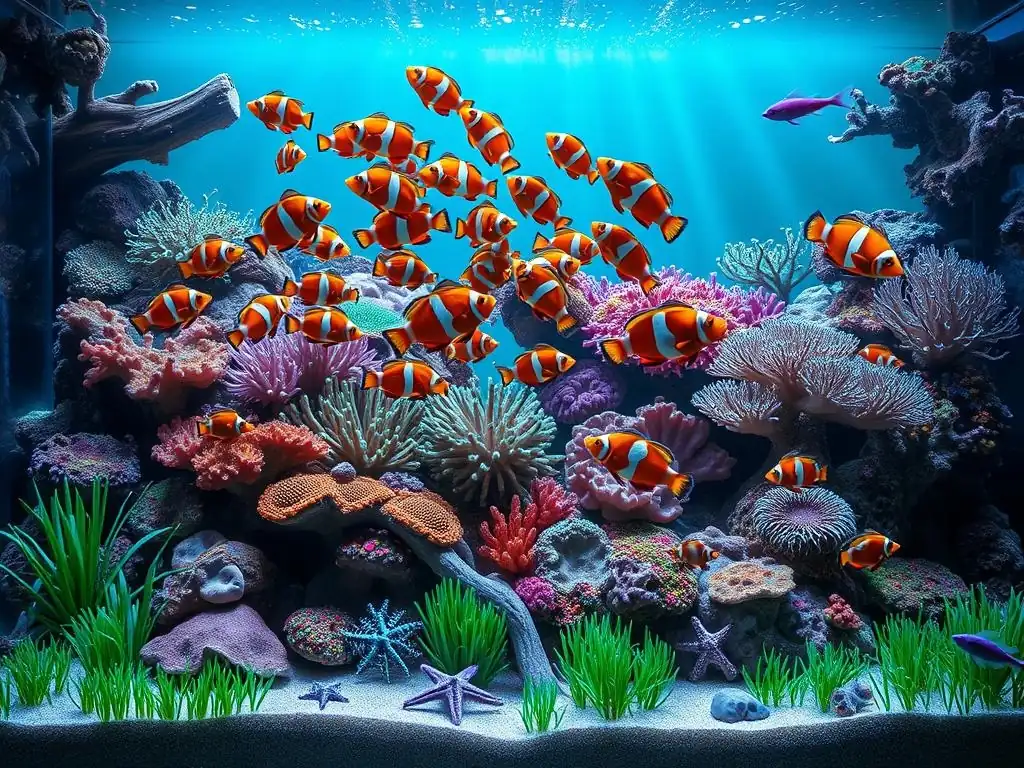
Welcome to Aquarium Mastery!
Ever wondered if a splash of sunshine could live in your reef tank? Prepare to be captivated by the Clown Goby! These tiny dynamos bring personality and vibrant color to any small reef aquarium. Dive in to discover their quirky behaviors, perfect tank mates, and everything you need to know to create a thriving clown goby reef tank environment. What secrets will you uncover about these captivating little fish?
- Introduction to Clown Gobies: Perfect Reef Tank Inhabitants?
-
Identifying Different Clown Goby Species for Your Reef
- The Yellow Clown Goby (Gobiodon okinawae): A Beginner's Favorite
- The Green Clown Goby (Gobiodon atrangulatus): A Vibrant Addition
- The Black Clown Goby (Gobiodon histrio): A Striking Contrast
- Other Clown Goby Varieties: The Citron Clown Goby (Gobiodon citrinus) and the Two-Spot Clown Goby (Gobiodon bimaculatus)
- Setting Up the Ideal Reef Tank Environment for Clown Gobies
- Clown Goby Compatibility: Choosing the Right Tank Mates
- Feeding Clown Gobies in a Reef Aquarium
- Clown Goby Behavior and Reef Tank Dynamics
- Clown Goby Health and Disease Prevention in Reef Tanks
- Breeding Clown Gobies in a Reef Environment
- Troubleshooting Common Clown Goby Issues in Reef Tanks
- The Benefits of Keeping Clown Gobies in Your Reef Tank
- Conclusion: Are Clown Gobies Right for Your Reef Tank?
-
Frequently Asked Questions
- How suitable are Clown Gobies for a small reef tank environment?
- What are the common personality traits to expect from a Clown Goby in a reef aquarium?
- What considerations should be made regarding water chemistry when keeping Clown Gobies?
- What types of fish are compatible with Clown Gobies in a reef setting?
- What are some common health issues that may affect Clown Gobies in a reef tank, and how can they be prevented?
- Final Reflection: Embracing the Tiny Wonders of the Reef
- Dive Deeper: Embrace the Clown Goby Charm!
Introduction to Clown Gobies: Perfect Reef Tank Inhabitants?
Why Clown Gobies are Popular for Nano Reef Aquariums
Clown gobies are highly sought after by aquarists for their diminutive size, typically ranging from 1 to 2.5 inches (2.5 to 6.3 cm) in length, making them ideal inhabitants for nano reef aquariums. Their small stature ensures they have a minimal bioload, meaning they produce very little waste, which is a critical factor in maintaining stable water parameters in smaller tanks, often 10 to 20 gallons (38 to 76 liters). This characteristic allows enthusiasts to enjoy a vibrant reef ecosystem without the need for a large, complex setup.
Beyond their size, their inherent peacefulness and unique behavioral traits contribute significantly to their popularity. Unlike many other small reef fish that might be shy or overly active, clown gobies are known for their calm demeanor and fascinating perching habits, spending much of their time resting openly on coral branches or rockwork. This makes them easily observable and a charming addition to any Clown goby reef tank, providing constant visual interest without disrupting the tank's delicate balance.
Understanding the Appeal: Personality and Size
The primary appeal of clown gobies lies in their captivating personality, which is surprisingly robust for such small fish. They exhibit a curious and observant nature, often seen swaying gently on their chosen perch, surveying their surroundings with a distinct, almost inquisitive gaze. This quirky behavior, coupled with their vibrant colors, adds a dynamic and engaging element to a Clown goby reef tank that might otherwise be dominated by corals. They are not merely static decorations but active, albeit slow-moving, participants in the reef's daily life.
Their compact size is a significant advantage, especially for the growing trend of nano reef keeping. While many desirable reef fish require tanks of 50 gallons (190 liters) or more, a single clown goby can thrive in a well-maintained 10-gallon (38-liter) system, and a pair might comfortably inhabit a 20-gallon (76-liter) tank. This allows aquarists with limited space to still experience the joy of keeping a specialized marine fish, perfectly complementing the intricate beauty of a small coral display.
Identifying Different Clown Goby Species for Your Reef
The Yellow Clown Goby (Gobiodon okinawae): A Beginner's Favorite
The Yellow Clown Goby, scientifically known as Gobiodon okinawae, is arguably the most recognizable and widely available species within the clown goby family. Its striking, uniform bright yellow coloration makes it an instant standout in any reef aquarium. This species typically reaches a maximum size of about 1.5 inches (3.8 cm), making it perfectly suited for even the smallest of nano Clown goby reef tank setups. Its hardiness and adaptability to captive environments contribute to its status as a top choice for both novice and experienced aquarists.
Beyond its vibrant appearance, the Yellow Clown Goby is prized for its generally peaceful temperament. It spends much of its time perched on branches of SPS corals like Acropora or Montipora, or nestled within crevices in the live rock. While it may occasionally nip at coral polyps, this behavior is usually minor and infrequent, especially when the fish is well-fed and provided with ample perching options. Its consistent color and docile nature make it a reliable and delightful addition to a diverse reef community.
The Green Clown Goby (Gobiodon atrangulatus): A Vibrant Addition
The Green Clown Goby, or Gobiodon atrangulatus, offers a distinctly different, yet equally appealing, aesthetic with its vibrant green body. This species often features subtle darker markings or bands, providing a nuanced contrast to its primary coloration. Similar in size to its yellow counterpart, typically growing to about 1.5 to 2 inches (3.8 to 5 cm), the Green Clown Goby also makes an excellent candidate for a nano Clown goby reef tank. Its green hue can beautifully complement red, purple, or orange corals, creating a visually dynamic display.
While perhaps not as universally common as the yellow variety, the Green Clown Goby is still readily available in the aquarium trade. Its behavior mirrors that of other clown gobies, favoring perching spots on live rock or branching corals, where it can be observed displaying its charming personality. This species adds a unique splash of color and contributes to the overall biodiversity of a thoughtfully designed reef environment, proving that small fish can have a significant visual impact.
The Black Clown Goby (Gobiodon histrio): A Striking Contrast
For aquarists seeking a more dramatic and contrasting presence in their reef tank, the Black Clown Goby ( Gobiodon histrio) is an exceptional choice. This species is characterized by its deep, almost velvety black coloration, sometimes accented with faint lighter bands or spots, particularly around the face and fins. Reaching a size of approximately 2 inches (5 cm), it stands out boldly against the bright colors of corals and live rock, creating a striking visual focal point in a Clown goby reef tank.
The Black Clown Goby's striking appearance is matched by its typical clown goby behaviors: perching on corals, darting between crevices, and exhibiting a generally peaceful demeanor. Its unique coloration offers a sophisticated contrast to the more common yellow and green varieties, allowing for a diverse and visually rich collection of clown gobies in larger, multi-species setups, provided ample territory is available for each individual.
Other Clown Goby Varieties: The Citron Clown Goby (Gobiodon citrinus) and the Two-Spot Clown Goby (Gobiodon bimaculatus)
Beyond the more common species, the world of clown gobies offers several other fascinating varieties for the discerning aquarist. The Citron Clown Goby ( Gobiodon citrinus) is often mistaken for the Yellow Clown Goby due to its primary yellow coloration, but it frequently exhibits subtle orange tints and distinctive blue markings on its face and fins. This species can grow slightly larger, up to 2.5 inches (6.3 cm), and its unique facial patterns add an extra layer of visual interest to a Clown goby reef tank.
Another intriguing option is the Two-Spot Clown Goby ( Gobiodon bimaculatus). This species typically has a lighter, often greenish-yellow to brownish body, distinguished by two prominent dark spots—one near the caudal fin base and another on the upper part of the dorsal fin. While generally more cryptic and shyer than their brighter cousins, the Two-Spot Clown Goby offers a more subdued beauty and can be a rewarding inhabitant for a Clown goby reef tank where subtle details are appreciated. Both varieties demonstrate the diversity within this popular genus.
Setting Up the Ideal Reef Tank Environment for Clown Gobies
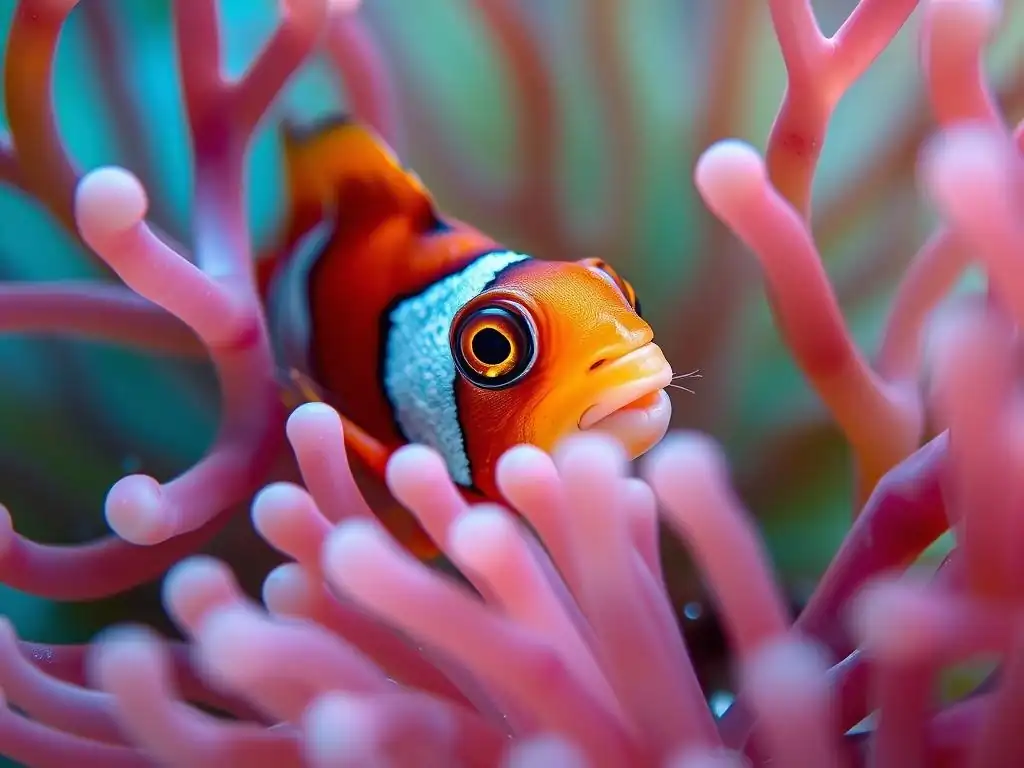
Tank Size Considerations: How Small is Too Small?
While clown gobies are undeniably small fish, the notion of "how small is too small" for their habitat requires careful consideration. For a single clown goby, a minimum tank size of 10 gallons (approximately 38 liters) is generally recommended. This volume provides enough stability for critical water parameters and allows for sufficient live rock aquascaping to offer hiding and perching spots. Attempting to house them in tanks smaller than 10 gallons, such as pico tanks (under 5 gallons), significantly increases the risk of rapid water quality fluctuations, which can stress these delicate fish.
For keeping a bonded pair of clown gobies, or if you plan to include other very small, peaceful tank mates, a 20-gallon (approximately 76-liter) Clown goby reef tank is a more appropriate minimum. This larger volume offers enhanced stability, more territory to reduce potential aggression between individuals, and greater flexibility for aquascaping with ample live rock and corals. Prioritizing tank volume over minimal space requirements is crucial for the long-term health and well-being of these charming fish.
Water Parameters: Maintaining a Stable and Healthy Reef
Maintaining precise and stable water parameters is paramount for the health of clown gobies in a reef environment, as they are sensitive to fluctuations. Ideal salinity levels should be kept between 1.023 and 1.026 specific gravity (SG), closely mimicking natural seawater. The water temperature should consistently range from 74-78°F (23-26°C), with minimal daily swings. pH levels are best maintained between 8.1 and 8.4, and alkalinity should be within 8-12 dKH to support both the fish and any corals present in the Clown goby reef tank.
Furthermore, essential elements like calcium (400-450 ppm) and magnesium (1250-1350 ppm) are vital for coral growth and overall reef health, indirectly benefiting the gobies by maintaining a robust ecosystem. Ammonia and nitrite levels must always be undetectable (0 ppm), and nitrates should be kept as low as possible, ideally below 10-20 ppm, through efficient filtration and regular water changes. Consistent monitoring with reliable test kits, typically weekly or bi-weekly, is crucial to prevent parameter shifts that could stress your clown goby.
Substrate and Rockwork: Creating a Natural Habitat
The choice of substrate for a Clown goby reef tank is less critical for the clown gobies themselves, as they are not sand-sifting species. However, a fine to medium-grade aragonite sand bed (around 1-2 inches deep) is beneficial for the overall reef ecosystem, supporting beneficial bacteria and certain invertebrates. The primary focus for clown gobies should be on the rockwork. Ample live rock with numerous crevices, caves, and overhangs is essential, providing both security and multiple perching opportunities.
Clown gobies spend a significant portion of their time perched, often on branching SPS corals or within the nooks of live rock. Therefore, the aquascape should be designed to offer a variety of such locations. Creating an intricate structure with multiple lines of sight broken up by rocks and corals can also help reduce potential territorial disputes if keeping more than one clown goby. A well-structured habitat not only mimics their natural environment but also allows the clown goby to exhibit its characteristic behaviors, enhancing the visual appeal of your Clown goby reef tank.
Lighting and Flow: Replicating Their Natural Environment
The lighting requirements for a Clown goby reef tank are primarily dictated by the needs of the corals being kept, rather than the clown gobies themselves. Clown gobies do not have specific light intensity preferences beyond what is suitable for a typical reef setup. Moderate to high PAR (Photosynthetically Active Radiation) levels are generally appropriate for SPS and LPS corals, and this will be perfectly acceptable for the gobies. However, it's advisable to ensure that their preferred perching spots are not directly exposed to excessively intense, focused light, which could cause them stress.
Regarding water flow, clown gobies prefer moderate, turbulent flow rather than strong, direct currents. They are small fish and can be easily stressed or dislodged by powerful flow. A general recommendation for a reef tank is to aim for a flow rate of 10-20 times the tank volume per hour, distributed by powerheads or wavemakers. This ensures good oxygenation and nutrient distribution throughout the tank while avoiding dead spots, without creating a "washing machine" effect that would be detrimental to a clown goby in a Clown goby reef tank.
Clown Goby Compatibility: Choosing the Right Tank Mates
Peaceful Tank Mates: Fish and Invertebrates that Get Along
Selecting appropriate tank mates is crucial for the well-being of clown gobies, given their small size and peaceful nature. Ideal companions are other small, docile reef inhabitants that will not outcompete them for food or territory. Excellent fish choices include other small gobies (such as Trimma gobies or Eviota gobies, provided the tank is sufficiently large to prevent inter-goby aggression), tiny blennies (like the Tailspot Blenny), small wrasses (e.g., Possum Wrasse), and certain non-aggressive cardinalfish. These species share a similar temperament and do not pose a threat to the clown goby.
For invertebrates, most common clean-up crew members are perfectly compatible. This includes various types of snails (e.g., Nassarius, Trochus, Turbo), hermit crabs (ensure they are not predatory towards other tank inhabitants), and peaceful shrimp species like cleaner shrimp (Lysmata amboinensis) or peppermint shrimp. These invertebrates contribute to the tank's cleanliness and stability without bothering the clown goby, making them excellent additions to a thriving Clown goby reef tank ecosystem.
Avoiding Aggressive Tank Mates: Protecting Your Clown Gobies
Due to their small size and lack of defensive mechanisms, clown gobies are highly vulnerable to predation or bullying by larger or more aggressive fish. It is imperative to avoid introducing any fish known for their predatory nature, such as lionfish, moray eels, or even larger dottybacks. Even seemingly "semi-aggressive" species, including certain angelfish, triggers, or larger damselfish, can harass, nip at, or outright consume a clown goby. These fish can cause significant stress, leading to illness or even death.
Care must also be taken with species that might compete aggressively for food or territory, even if they aren't directly predatory. For instance, some larger, faster-moving wrasses might outcompete the slower-feeding clown goby for food, leading to malnutrition. Thorough research into the temperament and adult size of any potential tank mate is essential to ensure the long-term safety and well-being of your clown goby in a Clown goby reef tank. When in doubt, err on the side of caution and choose only unequivocally peaceful companions.
Interspecies Compatibility: Can You Keep Multiple Clown Gobies Together?
Keeping multiple clown gobies together, especially of the same species, requires careful consideration and sufficient tank volume. In smaller nano Clown goby reef tank setups (under 20-30 gallons or 76-114 liters), housing more than one clown goby can lead to territorial aggression, particularly between two males. While they are generally peaceful towards other fish, they can be surprisingly territorial towards their own kind, often resulting in one dominant individual constantly harassing the other.
The most successful scenario for keeping multiple clown gobies is with a confirmed male-female pair, which will often coexist peacefully and may even exhibit breeding behaviors. However, sexing clown gobies can be challenging, and purchasing a pre-bonded pair from a reputable dealer is often the best approach.
If attempting to keep different species of clown gobies, a larger tank (30 gallons or more) with ample live rock and distinct territories is recommended to minimize inter-species aggression. Close observation is crucial, and be prepared to separate individuals if signs of stress or bullying become apparent in your Clown goby reef tank.
Feeding Clown Gobies in a Reef Aquarium
What Do Clown Gobies Eat? Natural Diet vs. Prepared Foods
In their natural habitat, clown gobies primarily feed on small benthic invertebrates, such as copepods and amphipods, along with detritus and various microorganisms found on live rock and coral surfaces. They are opportunistic feeders, constantly picking at the substrate and rockwork. In a home Clown goby reef tank, while they may graze on biofilm and microfauna, their primary nutritional intake must come from prepared foods.
Their captive diet should consist of a variety of small, meaty frozen foods. Excellent choices include enriched brine shrimp, mysis shrimp, and cyclop-eeze. High-quality dry foods, such as small pellets or flakes formulated for marine carnivores, can also be offered, though clown gobies often prefer frozen options due to their palatability and scent. Ensuring a diverse diet is key to meeting their nutritional requirements and maintaining their vibrant coloration and overall health in your Clown goby reef tank.
Ensuring Proper Nutrition: A Balanced Feeding Regimen
To ensure proper nutrition, clown gobies should be fed small amounts multiple times a day, ideally 2-3 times. Due to their small size and relatively high metabolism, frequent, small meals are more beneficial than one large feeding, as this mimics their natural grazing behavior. It's important to observe how quickly they consume the food to adjust portion sizes, ensuring all food is eaten within a few minutes to prevent water quality issues.
For shyer individuals or if there's competition from faster-moving tank mates, target feeding can be highly effective. Using a turkey baster or a pipette to deliver food directly to their preferred perching spot ensures they receive adequate nourishment. Additionally, enriching frozen foods with vitamin supplements (such as Selcon or Vita-Chem) a few times a week can significantly boost their immune system, enhance their coloration, and improve overall vitality within the Clown goby reef tank environment.
Avoiding Overfeeding: Preventing Water Quality Issues
While ensuring your clown goby receives adequate nutrition is vital, overfeeding can lead to significant problems within a reef aquarium. Uneaten food quickly decomposes, releasing ammonia, nitrite, and ultimately nitrates and phosphates into the water column. Elevated levels of these compounds can fuel nuisance algae outbreaks (like hair algae or cyano bacteria), stress corals, and directly harm fish by degrading water quality.
To prevent overfeeding, offer only what your clown goby (and other tank inhabitants) can consume within 2-3 minutes. If food remains floating or settles on the substrate after this time, reduce the amount offered during the next feeding. Implementing efficient filtration, such as a protein skimmer, and performing regular water changes (e.g., 10-20% bi-weekly) are crucial practices that complement a responsible feeding regimen, helping to maintain pristine water conditions in your Clown goby reef tank.
Clown Goby Behavior and Reef Tank Dynamics
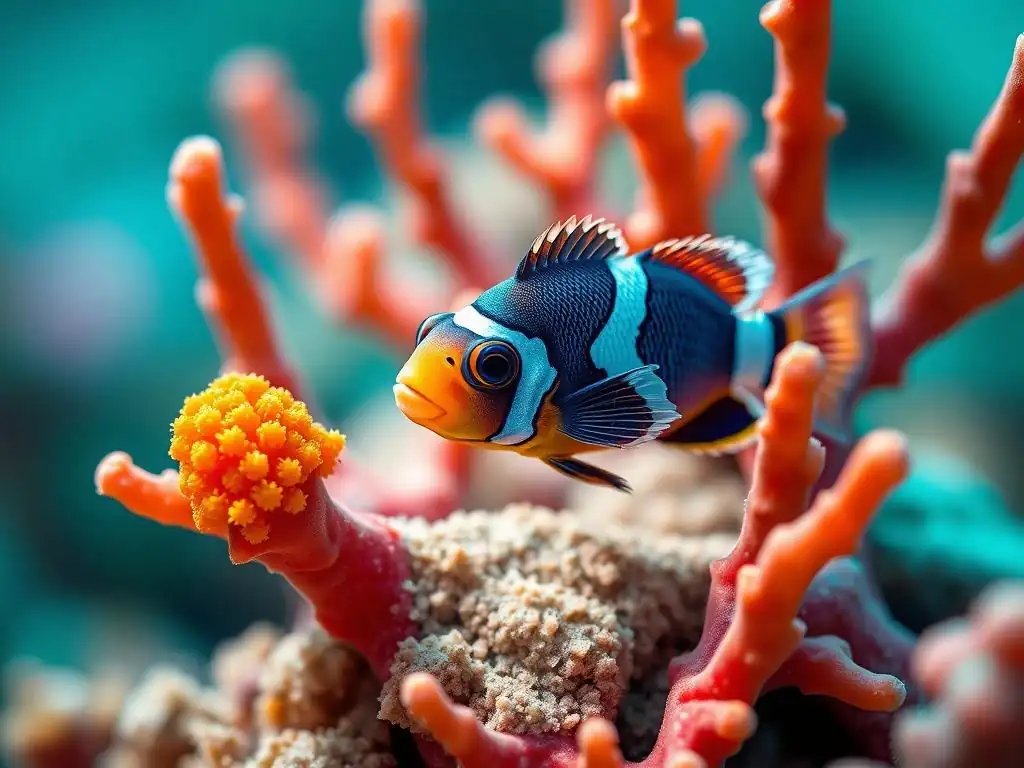
Observing Their Quirky Personalities: Perching and Hiding
One of the most endearing and distinguishing behaviors of clown gobies is their characteristic perching. These fish spend the vast majority of their time perched on the branches of SPS corals (like Acropora or Montipora), within the nooks of live rock, or even on aquarium equipment. They will often sway gently, using their pectoral fins to maintain position, while their large eyes scan their surroundings. This stationary, yet alert, posture allows aquarists a prolonged view of their intricate patterns and expressions, revealing their unique personalities.
When startled or feeling threatened, clown gobies exhibit a rapid, darting movement, quickly retreating into the nearest crevice, coral branch, or hiding spot. However, their curiosity often brings them back out within moments, slowly peeking out before resuming their perching. This blend of bold visibility and quick retreats makes them fascinating subjects for observation and adds a dynamic, yet peaceful, element to the overall Clown goby reef tank experience.
Clown gobies are generally considered solitary fish in a typical home aquarium setting, or they exist in bonded male-female pairs. Introducing multiple individuals of the same species into a smaller Clown goby reef tank (e.g., under 20-30 gallons or 76-114 liters) can often lead to territorial aggression, especially between two males. One individual may constantly harass the other, preventing it from feeding or finding adequate hiding spots, leading to stress, illness, or even death for the subordinate fish.
If a male and female pair bond, they will typically share a preferred perching spot and exhibit cooperative behaviors, sometimes even guarding a small territory together. However, achieving a bonded pair without purchasing a pre-established duo can be challenging, as sexing them is difficult, and introducing multiple unsexed individuals to allow them to pair naturally often results in conflict. For most aquarists, a single clown goby is the safest and most recommended option for a nano Clown goby reef tank.
Clown Gobies and Coral: Are They Reef Safe?
The question of whether clown gobies are "reef safe" is a common one, and the answer is generally yes, with a minor caveat. Clown gobies are widely considered safe for most reef aquariums, as they do not actively consume or significantly damage corals. However, they are known to perch extensively on SPS (Small Polyp Stony) corals, such as Acropora, Montipora, and Stylophora. In some instances, particularly if the fish is stressed, underfed, or establishing a territory, they may occasionally nip at the polyps of these corals.
This nipping is usually minor and rarely causes significant, long-term damage to healthy, thriving corals. More commonly, the constant perching on very delicate SPS tissue can sometimes lead to localized tissue recession or bleaching on the specific area where the goby habitually rests. Providing ample alternative perching spots on live rock or other less sensitive corals can mitigate this. Overall, the benefits and charm of a clown goby in a Clown goby reef tank far outweigh the minimal risk they pose to corals.
Clown Goby Health and Disease Prevention in Reef Tanks
Common Diseases Affecting Clown Gobies: Identification and Treatment
Clown gobies, like all marine fish, are susceptible to common diseases if water quality is poor or stress levels are high. Marine Ich (Cryptocaryon irritans) and Velvet (Amyloodinium ocellatum) are two prevalent parasitic infections, identifiable by white spots (Ich) or a dusty, velvet-like coating (Velvet) on the fish's body and fins. Bacterial infections, such as fin rot (frayed fins, redness) or cloudy eyes, can also occur, often as secondary infections to stress or injury. Internal parasites may manifest as wasting despite eating well.
Identification of these diseases requires careful observation. If symptoms appear, the affected clown goby should ideally be moved to a dedicated quarantine tank for treatment. Copper-based medications are effective against Ich and Velvet, while broad-spectrum antibiotics can treat bacterial infections. Early detection and prompt treatment are crucial, but preventing these diseases through excellent husbandry is always the preferred approach for a healthy Clown goby reef tank.
Quarantine Procedures: Preventing Disease Introduction
The single most effective measure to prevent disease introduction into a main Clown goby reef tank is a strict quarantine procedure for all new fish, including clown gobies. A minimum 4-week quarantine period is highly recommended. This allows sufficient time to observe the new fish for any signs of illness, treat any detected pathogens, and ensure the fish is eating well and acclimated before introducing it to the established display tank.
A quarantine tank (QT) should be a simple setup: a bare-bottom tank (e.g., 10-20 gallons or 38-76 liters) with a heater, a small sponge filter (seeded with beneficial bacteria), and PVC pipes or plastic decor for hiding spots. This simplified environment makes observation and medication dosages easier and prevents the main display from being exposed to potential diseases or medications. Implementing a robust quarantine protocol is a cornerstone of responsible Clown goby reef tank management.
Maintaining Optimal Water Quality: The Key to a Healthy Reef
The cornerstone of clown goby health and disease prevention in any reef tank is the consistent maintenance of optimal water quality. Stable parameters, as previously discussed (salinity 1.023-1.026 SG, temperature 74-78°F, pH 8.1-8.4, undetectable ammonia/nitrite, low nitrates below 10-20 ppm), are absolutely critical. Rapid fluctuations or sustained poor water conditions are primary stressors that weaken a fish's immune system, making it highly susceptible to disease.
Regular partial water changes, typically 10-15% bi-weekly, are essential for diluting accumulated nitrates and replenishing vital trace elements. Effective mechanical and biological filtration, including a properly sized protein skimmer, live rock, and potentially a refugium, further contribute to a clean and stable environment. Consistent monitoring with reliable test kits provides the necessary data to make informed adjustments, ensuring a pristine and healthy habitat for your clown goby in a Clown goby reef tank.
Breeding Clown Gobies in a Reef Environment
Creating Breeding Conditions: Encouraging Spawning
Breeding clown gobies in a home reef environment is a challenging but rewarding endeavor, primarily achieved with a confirmed male-female pair. Clown gobies are substrate spawners, meaning they lay their eggs on a hard surface, often within a sheltered location such as an overturned clam shell, a small ceramic cave, or a crevice in the rockwork. Providing multiple such potential spawning sites can encourage them to choose a suitable location.
To encourage spawning, maintaining pristine water quality and stability is paramount, as is offering a highly varied and nutritious diet. Conditioning the pair with live foods like copepods, enriched brine shrimp, and small mysis shrimp for several weeks prior to attempting breeding can significantly stimulate their reproductive drive. While spawning can occur in a mixed reef, a dedicated Clown goby reef tank set up specifically for breeding offers the best chance of success, minimizing disturbances and potential predation on eggs.
Identifying Eggs and Fry: The Reproductive Cycle
Once a bonded clown goby pair begins to spawn, they will typically lay a clutch of small, adhesive eggs within their chosen sheltered site. These eggs are usually yellowish or clear and are meticulously guarded and fanned by the male, who diligently aerates them to prevent fungal growth. Spawning can occur regularly, sometimes every 7-10 days, once the pair is well-established and comfortable in their environment.
The incubation period for clown goby eggs is relatively short, typically 3-5 days, depending on the water temperature. Upon hatching, the fry are incredibly tiny and planktonic, meaning they drift freely in the water column. They are highly vulnerable to predation by other tank inhabitants and require immediate removal to a dedicated rearing tank for any chance of survival. Their minute size makes them a significant challenge for even experienced aquarists attempting to raise them in a Clown goby reef tank.
Raising Clown Goby Fry: Challenges and Successes
Raising clown goby fry is notoriously difficult and represents one of the most significant challenges in marine aquaculture. Their extremely small size upon hatching necessitates incredibly tiny live foods as their first meals. Rotifers, cultured specifically for their small size (e.g., L-type or S-type Brachionus plicatilis), are typically required for the first week or two, followed by newly hatched brine shrimp nauplii as they grow. Maintaining continuous rotifer cultures is a demanding task in itself.
Beyond feeding, maintaining pristine water quality in the rearing tank is paramount. The fry are highly sensitive to even minute amounts of ammonia and nitrite, requiring frequent, small water changes (often multiple times per day). Specialized rearing tanks with gentle aeration and no filtration that could suck in the fry are necessary. While successful breeding of clown gobies in a Clown goby reef tank is a remarkable achievement, it requires significant dedication, specialized equipment, and a deep understanding of larval fish rearing.
Troubleshooting Common Clown Goby Issues in Reef Tanks
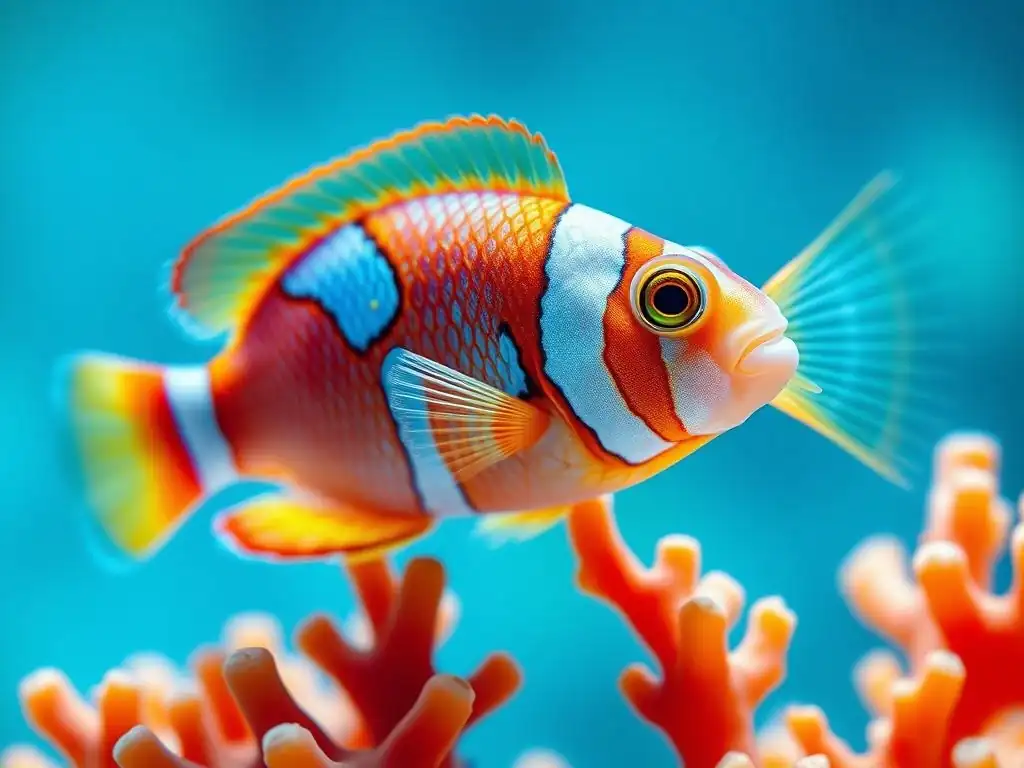
Sudden Disappearance: Investigating Potential Causes
A common concern for Clown goby reef tank owners is the sudden disappearance of their goby. Given their small size and propensity for hiding, the most frequent reason is that the fish has simply found a new, obscure hiding spot deep within the live rock structure, inside a coral colony, or even behind equipment. Before panicking, observe the tank closely for several days, especially around feeding time, as they may emerge for food.
However, a disappearance can also indicate more serious issues. Clown gobies are known jumpers, so check the floor around the tank if it lacks a tight-fitting lid. Predation by an incompatible or newly aggressive tank mate is another possibility, though usually accompanied by other signs of stress in the tank. Lastly, a fish that succumbs to illness might hide away and pass away unnoticed within the intricate rockwork. If the goby doesn't reappear after a few days, investigate these potential causes.
Loss of Color: Addressing Stress and Dietary Deficiencies
A clown goby losing its vibrant coloration, such as a Yellow Clown Goby appearing pale or faded, is a clear indicator of stress or a dietary deficiency. The first step in troubleshooting this issue is to immediately test all water parameters (ammonia, nitrite, nitrate, pH, salinity, alkalinity, temperature). Poor water quality, especially elevated nitrates or unstable pH, is a primary stressor for these sensitive fish and can quickly lead to color loss.
If water parameters are optimal, consider their diet. Are they receiving enough food? Is the food varied and nutritious? Supplementing their diet with vitamin-enriched frozen foods (e.g., mysis shrimp soaked in Selcon) can often restore their vibrant hues within a week or two. Other stressors, such as bullying from tank mates or insufficient hiding spots, can also contribute to color loss. Addressing these environmental factors is crucial for the health and appearance of your clown goby in a Clown goby reef tank.
Aggression Issues: Managing Territorial Disputes
While generally peaceful, clown gobies can exhibit aggression, particularly towards their own species or very similar-looking small fish, especially in smaller tank volumes. This aggression usually manifests as chasing, nipping, or guarding a specific territory, often a preferred perching spot or coral. If you observe one clown goby constantly harassing another, or bullying a different small, peaceful fish, it's a sign of territorial dispute.
Managing aggression often involves re-evaluating the tank's aquascape. Rearranging live rock to break up sightlines and create more distinct territories can sometimes alleviate the problem. Adding more hiding spots and alternative perching areas can also help diffuse tension. If the aggression persists and causes stress or harm, the most effective solution, especially in a nano Clown goby reef tank of under 20-30 gallons, is to separate the aggressor or the bullied fish, potentially rehoming one of them.
The Benefits of Keeping Clown Gobies in Your Reef Tank
Natural Pest Control: Algae and Small Invertebrate Consumption
While clown gobies are primarily fed prepared foods in captivity, their natural foraging behavior can offer a minor benefit in a reef tank by contributing to natural pest control. They are known to pick at various microfauna and detritus from live rock and coral surfaces. This can include small nuisance algae, micro-copepods, or even tiny flatworms, although they are not a primary solution for severe pest infestations.
This constant grazing behavior, though limited in scope, helps to maintain the cleanliness of live rock and coral surfaces, complementing the work of a dedicated clean-up crew. Their presence encourages a more balanced micro-ecosystem within the tank, contributing to the overall health and vibrancy of your Clown goby reef tank. They are a welcome addition that supports the reef's natural processes.
Adding Personality and Interest: A Delightful Reef Inhabitant
The most significant benefit of keeping clown gobies is the unique personality and visual interest they bring to a reef aquarium. Unlike many fish that constantly swim, clown gobies spend much of their time perched, allowing aquarists to closely observe their intricate patterns, curious glances, and subtle movements. Their vibrant colors, whether bright yellow, vivid green, or striking black, provide an immediate focal point in the tank.
For nano reef enthusiasts, their small size is a perfect match, offering a "fish with personality" without overwhelming the limited space or adding a significant bioload. They are not just aesthetically pleasing but also engaging to watch, adding a dynamic yet peaceful element that enriches the daily viewing experience. A clown goby transforms a beautiful coral display into a lively, interactive Clown goby reef tank.
Contributing to a Thriving Reef Ecosystem: A Symbiotic Relationship
Beyond their visual appeal, clown gobies contribute to the overall health and balance of a thriving reef ecosystem. By occupying a specific niche – perching on corals and foraging for tiny organisms – they add to the biodiversity of the tank. Their presence can be an indicator of a stable and well-maintained environment, as they thrive in pristine water conditions.
While not engaging in a classic symbiotic relationship like clownfish and anemones, their interaction with corals and their role in the microfauna balance adds to the natural feel and ecological complexity of the aquarium. They are an integral part of the living tapestry of a Clown goby reef tank, enhancing its natural beauty and contributing to its long-term stability and success.
Conclusion: Are Clown Gobies Right for Your Reef Tank?
Weighing the Pros and Cons: Making an Informed Decision
Deciding whether a clown goby is the right addition to your reef tank involves weighing their numerous advantages against a few potential considerations. On the positive side, their small size makes them ideal for nano setups (10+ gallons), their vibrant colors provide striking visual appeal, and their quirky, perching personalities are incredibly engaging. They are generally peaceful, have a minimal bioload, and can even offer minor pest control benefits.
However, potential cons include their sensitivity to water quality fluctuations, the possibility of minor coral polyp nipping, and territorial aggression if multiple individuals are kept in insufficient space. They also require a varied diet of small, meaty foods. Prospective owners should carefully assess their tank size, existing fish population, and commitment to maintaining stable, pristine water parameters before acquiring a clown goby for their Clown goby reef tank.
Resources for Further Learning: Online Forums and Reputable Aquarium Websites
For those considering adding a clown goby to their reef tank, or for current owners seeking to deepen their understanding, a wealth of resources is available. Reputable online forums dedicated to reef keeping, such as Reef2Reef or Nano-Reef.com, offer invaluable community support, expert advice, and detailed discussions on specific species care, troubleshooting, and breeding efforts. These platforms provide access to collective knowledge from thousands of experienced aquarists.
Additionally, numerous reputable aquarium websites and online databases offer comprehensive profiles on marine fish, including clown gobies. These resources often provide detailed information on their natural history, specific care requirements, compatibility charts, and common health issues. Consulting multiple reliable sources and engaging with the broader reef keeping community will empower you to make informed decisions and ensure the long-term success and well-being of your clown goby in a thriving Clown goby reef tank.
Frequently Asked Questions
How suitable are Clown Gobies for a small reef tank environment?
Clown Gobies are generally excellent choices for small reef tanks due to their small size and peaceful nature. They typically don't bother corals or other invertebrates, making them reef safe.
What are the common personality traits to expect from a Clown Goby in a reef aquarium?
Expect a quirky and docile personality. They're often seen perching on corals or rocks, displaying a relaxed and inquisitive demeanor. They are not typically aggressive towards other fish.
What considerations should be made regarding water chemistry when keeping Clown Gobies?
Maintaining stable water parameters is crucial. This includes consistent salinity, temperature, and pH levels. Regular water changes are essential for optimal health and longevity.
What types of fish are compatible with Clown Gobies in a reef setting?
Clown Gobies are best kept with peaceful tankmates of similar size and temperament. Avoid larger, aggressive fish that may intimidate or prey on them. Look for species that won't compete for resources.
What are some common health issues that may affect Clown Gobies in a reef tank, and how can they be prevented?
They can be susceptible to diseases like ich or velvet, especially in poor water conditions. Prevention involves quarantine new arrivals, maintaining excellent water quality, and providing a varied diet.
Final Reflection: Embracing the Tiny Wonders of the Reef
The vibrant world of the reef aquarium, often perceived as a grand spectacle, is in reality a tapestry woven from countless individual stories. The clown goby, a diminutive yet captivating resident, embodies this principle perfectly, reminding us that even the smallest creatures can possess outsized personalities and contribute significantly to the overall harmony of a reef tank ecosystem. Their presence is a testament to the beauty found in the details.
The journey of understanding and appreciating clown gobies has profoundly shaped my perspective on reef keeping. It's a constant reminder that responsible aquarists must look beyond the initial allure of vibrant colors and focus on the individual needs and behaviors of each inhabitant. This deeper connection fosters not only a healthier reef but also a more enriching and rewarding experience. In the end, we will conserve only what we love; we will love only what we understand; and we will understand only what we are taught.
- Baba Dioum. This quote encapsulates the essence of responsible reef keeping, urging us to learn and appreciate the delicate balance within our tanks.
As you embark on, or continue, your reef keeping journey, I encourage you to reflect on the lessons learned from the clown goby. Consider the impact of your choices on the smallest members of your reef community. Let their quirky personalities inspire you to cultivate a deeper understanding and appreciation for the intricate web of life within your "Clown goby reef tank." By embracing the tiny wonders, you'll not only create a thriving ecosystem but also enrich your own life with the joy of discovery and the satisfaction of responsible stewardship.
Dive Deeper: Embrace the Clown Goby Charm!
Thank you for exploring the delightful world of Clown Gobies! We hope this glimpse into their quirky personalities has sparked your interest. Now it's time to translate that knowledge into action and enrich your reef aquarium.
Here are some ways you can connect with these captivating fish:
- Start planning your reef tank aquascape! Knowing Clown Gobies' preference for perches, envision a layout that offers them plenty of coral real estate.
- Share your favorite Clown Goby fact with a friend and introduce them to these tiny reef dwellers.
- Reflect on which Clown Goby color morph best suits your reef's aesthetic – are you team yellow, black, or green?
What unique coral perch do you envision for your future Clown Goby?