
Bumblebee Cichlid (Pseudotropheus crabro): The Intriguing Behavior of a Facultative Paedophage

Welcome to Aquarium Mastery, your ultimate guide to the captivating world beneath the surface!
Dive in and discover the secrets to a thriving aquarium. Ever wondered about the unusual eating habits of certain fish? Today, we're unlocking the fascinating world of the Bumblebee Cichlid, a fish with a truly unique (and perhaps a little shocking!) feeding strategy. Get ready to explore our comprehensive Bumblebee Cichlid care tips and learn how to keep these intriguing creatures happy and healthy. Intrigued? Keep reading to uncover their secrets!
- Understanding the Bumblebee Cichlid: An Introduction to Pseudotropheus crabro
- Bumblebee Cichlid Care Tips: Creating the Ideal Environment
- Bumblebee Cichlid Diet and Feeding: Nutritional Needs
- Bumblebee Cichlid Behavior and Temperament: Understanding Social Dynamics
- Bumblebee Cichlid Tank Mates: Compatibility and Considerations
- Bumblebee Cichlid Breeding: Reproduction in Captivity
- Common Health Issues and Treatments for Bumblebee Cichlids
- Where to Buy Bumblebee Cichlids: Selecting Healthy Specimens
- Advanced Bumblebee Cichlid Care: Tips for Experienced Aquarists
- Conclusion: The Rewarding Challenge of Keeping Bumblebee Cichlids
-
Frequently Asked Questions
- What are some essential water parameters for keeping Bumblebee Cichlids healthy?
- What is the "facultative paedophage" behavior mentioned in the title, and how does it affect their care?
- What are some suitable tankmates for Bumblebee Cichlids in a community aquarium?
- What is the ideal diet for Bumblebee Cichlids to maintain their vibrant colors and health?
- What are some common health problems to watch out for in Bumblebee Cichlids and how can they be prevented?
- Final Reflection: The Enduring Mystery of Nurture and Survival
- Unleash the Secrets of the Bumblebee Cichlid!
Understanding the Bumblebee Cichlid: An Introduction to Pseudotropheus crabro
Origin and Habitat of the Bumblebee Cichlid
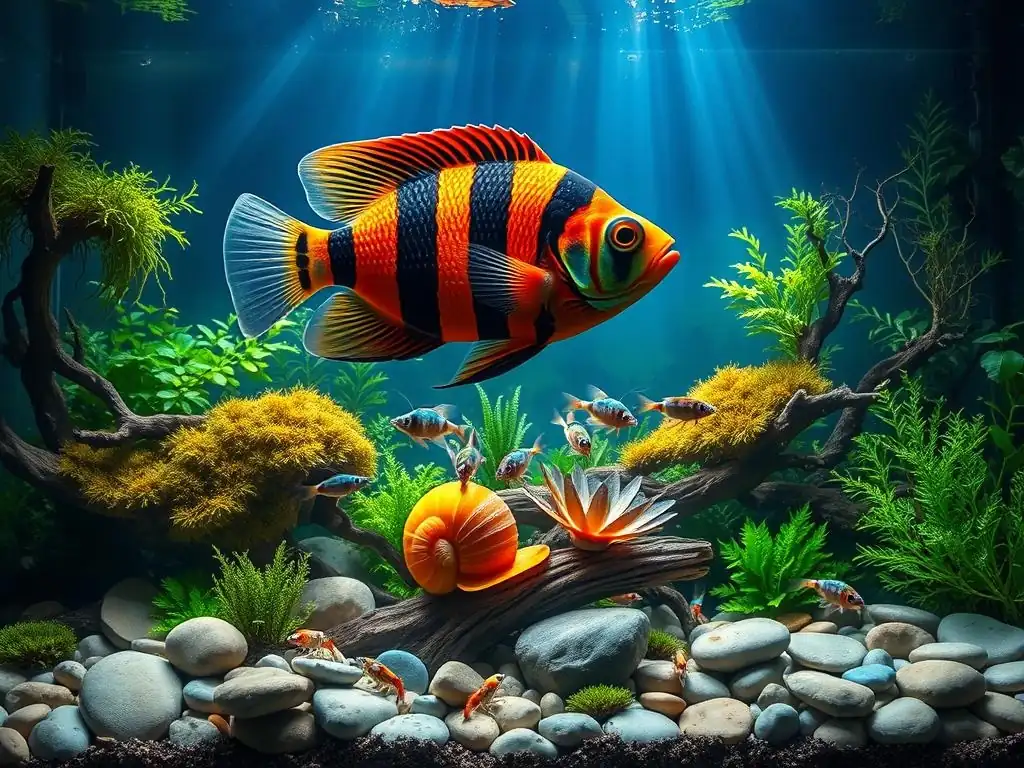
The Bumblebee Cichlid, scientifically known as Pseudotropheus crabro, originates from the rocky shores of Lake Malawi in East Africa. This species is endemic to the lake, specifically found in areas with an abundance of rock formations that provide intricate cave systems and crevices. They typically inhabit depths ranging from 5 to 30 meters, where they forage for their natural diet which includes aufwuchs (algae and the small organisms living within it) and, notably, the eggs and fry of other cichlid species. Their unique coloration and behavior are adaptations to this specialized environment.
Mimicking this natural habitat is paramount for successful Bumblebee Cichlid care tips in a home aquarium. Providing a densely aquascaped tank with numerous rock structures and caves not only offers essential hiding spots but also encourages their natural behaviors. Understanding their wild origins helps aquarists create a thriving captive environment that supports their physical health and behavioral well-being, ensuring these fascinating fish can display their full range of natural activities.
Distinguishing Features: Identifying Pseudotropheus crabro
Pseudotropheus crabro is renowned for its striking coloration, typically featuring a bright yellow to golden-yellow body adorned with distinct, irregular black vertical bands. These bands are often likened to a bumblebee's markings, hence the common name. While the base coloration is generally yellow, individuals can exhibit variations, and their color intensity can fluctuate based on mood, stress levels, or social hierarchy within the tank. Males tend to be slightly larger and may display more intense coloration, though sexual dimorphism is not always pronounced.
A fascinating aspect of their appearance is their ability to rapidly change their coloration, often to a dark blue or black, particularly when exhibiting their unique "facultative paedophage" behavior. This color change allows them to blend in with other cichlid species, such as Melanochromis johannii, enabling them to approach and consume the eggs or fry of mouthbrooding cichlids without being detected. Recognizing these color shifts is an important part of observing and understanding Bumblebee Cichlid behavior, which is a key component of comprehensive Bumblebee Cichlid care tips.
Bumblebee Cichlid Size and Lifespan in the Aquarium
In a well-maintained aquarium, male Bumblebee Cichlids typically reach an adult size of about 5 to 6 inches (approximately 13-15 cm) in length, while females tend to be slightly smaller, usually growing to 4 to 5 inches (10-13 cm). Their growth rate is influenced by several factors, including tank size, diet quality, and water parameters. Providing ample space and a nutritious diet, as outlined in effective Bumblebee Cichlid care tips, is crucial for them to reach their full potential size and maintain optimal health.
With proper care, Pseudotropheus crabro can enjoy a relatively long lifespan in captivity, often living for 8 to 10 years, and sometimes even longer under ideal conditions. This longevity underscores the importance of consistent and high-quality Bumblebee Cichlid care tips, including stable water parameters, a balanced diet, and a stress-free environment. A healthy lifespan is a testament to an aquarist's dedication to providing the best possible habitat for these intriguing cichlids.
Bumblebee Cichlid Care Tips: Creating the Ideal Environment
Setting Up the Perfect Bumblebee Cichlid Tank: Tank Size and Aquascaping
For a small group of Bumblebee Cichlids (e.g., one male and three to four females), a minimum tank size of 55 to 75 gallons (approximately 208-284 liters) is recommended. However, for a mixed Mbuna community or a larger group, a tank of 125 gallons (about 473 liters) or more is highly advisable. These fish require ample horizontal swimming space, as they are active and territorial, especially males. The greater volume also helps dilute waste products, contributing to more stable water chemistry.
Aquascaping is a critical aspect of effective Bumblebee Cichlid care tips. The tank should be heavily decorated with sturdy rock formations, creating numerous caves, crevices, and hiding spots. This mimics their natural rocky habitat in Lake Malawi and provides essential territories and retreats, which helps diffuse aggression among tank inhabitants. Using aquarium-safe rocks such as lava rock, Texas holey rock, or slate is ideal. Ensure all rockwork is stable and secure to prevent collapses, as these cichlids can be quite active diggers, sometimes displacing substrate.
Water Parameters for Pseudotropheus crabro : Maintaining Optimal Conditions
Maintaining precise water parameters is fundamental to successful Bumblebee Cichlid care tips. These cichlids thrive in hard, alkaline water, mirroring the conditions of Lake Malawi. The ideal pH range is between 7.8 and 8.6, with a general hardness (GH) of 150 to 300 ppm (8-16 dKH) and a carbonate hardness (KH) of 180 to 240 ppm (10-14 dKH). Consistent monitoring of these parameters using reliable test kits is essential, as fluctuations can cause significant stress to the fish.
The optimal water temperature for Pseudotropheus crabro ranges from 76°F to 82°F (approximately 24°C to 28°C). A stable temperature within this range is vital; sudden drops or spikes can weaken their immune system, making them susceptible to diseases. Using a high-quality, appropriately sized aquarium heater with a reliable thermostat will help maintain consistent temperatures. Regular testing and small, frequent adjustments, if necessary, contribute significantly to their long-term health and vitality.
Filtration and Water Changes: Essential Bumblebee Cichlid Care
Due to their active metabolism and a diet that can contribute to bioload, Bumblebee Cichlids require robust filtration. A combination of mechanical, biological, and chemical filtration is highly recommended. Canister filters or sumps are often preferred for larger Mbuna tanks, as they offer superior filtration capacity and efficiency compared to hang-on-back filters. Over-filtration is generally beneficial, providing excellent water clarity and minimizing harmful nitrogenous compounds.
Regular water changes are a cornerstone of effective Bumblebee Cichlid care tips. A weekly water change of 25-30% of the tank's volume is typically recommended to remove accumulated nitrates and replenish essential minerals. When performing water changes, always use a reliable water conditioner to neutralize chlorine and chloramines, and aim to match the temperature of the new water to that of the tank to prevent temperature shock. Consistent water changes are crucial for preventing common cichlid ailments like Malawi bloat.
Lighting and Substrate Considerations for Bumblebee Cichlids
For Bumblebee Cichlids, moderate lighting is generally sufficient. Intense lighting is not necessary and can even cause stress or promote excessive algae growth, particularly if the tank is not heavily planted (which is typically not the case for Mbuna setups). A standard LED aquarium light set on a timer for 8-10 hours a day provides adequate illumination for viewing the fish and their environment without overstimulating them. The intensity can be adjusted to suit the aquarist's preference and the tank's specific needs.
When it comes to substrate, fine sand or very fine gravel is the preferred choice for a Bumblebee Cichlid tank. These cichlids, like many Mbuna, enjoy sifting through the substrate, a natural foraging behavior. Sand also helps maintain the high pH levels preferred by African cichlids by buffering the water. Avoid coarse gravel that can trap detritus and lead to poor water quality. A substrate depth of 2-3 inches (5-7.5 cm) is typically adequate, allowing for some natural digging behavior without creating anaerobic pockets.
Bumblebee Cichlid Diet and Feeding: Nutritional Needs
Understanding the Natural Diet of Pseudotropheus crabro
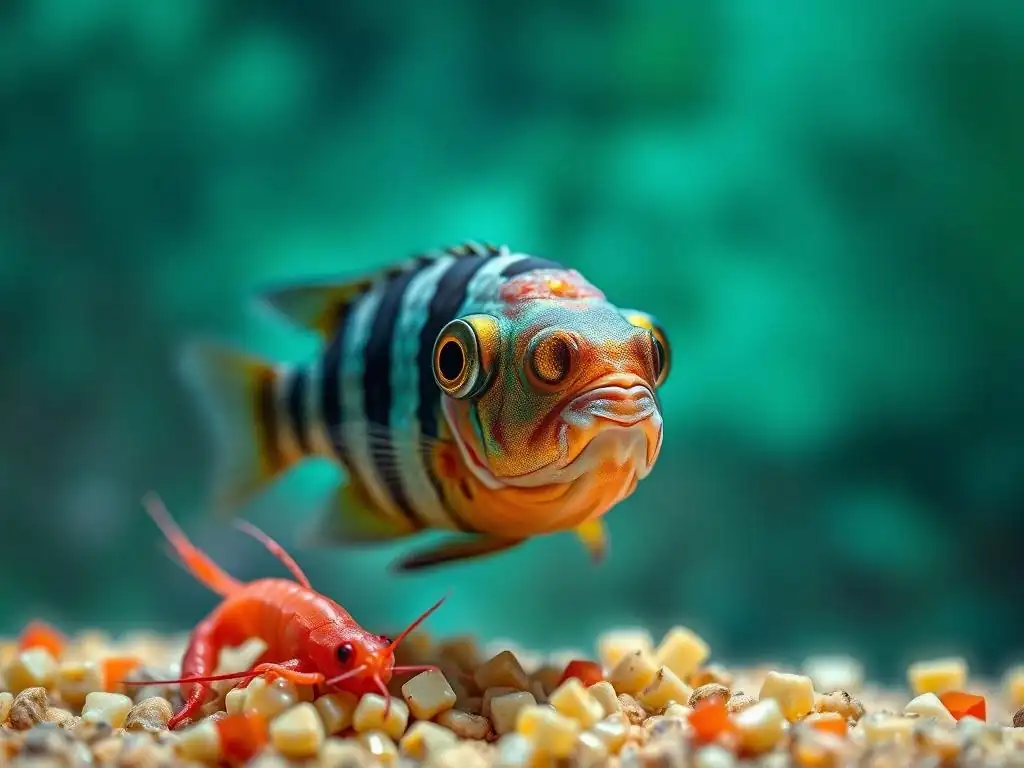
In their native Lake Malawi, Pseudotropheus crabro exhibits a fascinating and somewhat varied diet, classifying them as omnivores with specialized feeding behaviors. A significant portion of their natural diet consists of aufwuchs, the algae and associated microorganisms found clinging to rocks. They possess specialized teeth for scraping this bio-film. However, their most intriguing dietary habit is their facultative paedophagy, meaning they will opportunistically consume the eggs and fry of other cichlid species, especially those of mouthbrooding peacock cichlids ( Aulonocara) and Haplochromis species.
This unique feeding strategy in the wild has profound implications for Bumblebee Cichlid care tips in captivity, particularly regarding their nutritional needs. While they require a diet rich in vegetable matter to mimic their aufwuchs consumption, the tendency for paedophagy suggests they also benefit from some protein. A balanced diet that caters to both these aspects is crucial to prevent digestive issues and ensure their overall health, as a purely carnivorous or purely herbivorous diet can lead to deficiencies or bloat.
Recommended Food for Bumblebee Cichlids in Captivity
For captive Bumblebee Cichlids, a high-quality cichlid pellet or flake food designed specifically for African cichlids should form the cornerstone of their diet. These foods are typically formulated with a good balance of protein and vegetable matter, often including spirulina or other algae derivatives. Look for brands that list vegetable ingredients high up in the ingredient list. Supplementing their diet with blanched vegetables such as spinach, zucchini, or peas provides essential fiber and vitamins.
Occasional protein treats can be offered, but sparingly, to avoid digestive issues common in Mbuna cichlids. Options include frozen Mysis shrimp or brine shrimp, which should be thawed before feeding. Live foods are generally not recommended due to the risk of introducing parasites or diseases. Avoid feeding high-fat foods like bloodworms or beef heart, as these can contribute to Malawi bloat, a common and often fatal condition in African cichlids. A varied diet is a key aspect of successful Bumblebee Cichlid care tips.
Feeding Schedule and Portion Control for Optimal Health
To maintain optimal health and water quality, Bumblebee Cichlids should be fed 1 to 2 times daily. Each feeding should consist of a small portion that can be consumed within 1 to 2 minutes. This approach prevents overfeeding, which is a major contributor to poor water quality and digestive problems like bloat. It also encourages natural foraging behavior and ensures that all fish in the tank have an opportunity to eat without excessive competition.
Strict portion control is a vital component of effective Bumblebee Cichlid care tips. Overfeeding not only pollutes the water with uneaten food, leading to higher nitrate levels, but also puts undue strain on the fish's digestive system. An occasional fasting day (once a week) can also be beneficial, allowing their digestive systems to clear out and reducing the risk of bloat. Observing their feeding response and adjusting portions accordingly will help maintain their health and vibrancy.
Aggression Levels of Pseudotropheus crabro : Managing Tankmates
Bumblebee Cichlids are considered moderately aggressive, particularly the males, and exhibit strong territorial behavior, especially during breeding periods. They are part of the Mbuna group, known for their assertive nature and propensity to defend their chosen rock formations and caves. While not as outwardly aggressive as some other Mbuna species, their territoriality necessitates careful consideration of tank size and stocking density to minimize conflict.
Strategies for managing their aggression are key Bumblebee Cichlid care tips. Maintaining a proper male-to-female ratio, ideally one male to three or more females, helps to diffuse aggression, as the male's attention is spread among multiple females rather than concentrated on a single individual. Providing ample hiding spots and complex rockwork breaks up lines of sight, allowing weaker or submissive fish to escape dominant individuals. Overstocking, a common strategy in Mbuna tanks, can also help to spread aggression across more fish, preventing any single fish from being singled out.
The Facultative Paedophage: Understanding Egg Eating Behavior
The most captivating and distinct behavioral trait of Pseudotropheus crabro is its role as a "facultative paedophage." This term describes their opportunistic feeding on the eggs and fry of other mouthbrooding cichlids. Bumblebee Cichlids have evolved a remarkable mimicry behavior: they can rapidly change their typical yellow and black coloration to a dark blue or black, closely resembling other species such as Melanochromis johannii, which are often ignored by mouthbrooding females.
By mimicking these non-threatening species, the Pseudotropheus crabro can infiltrate the breeding caves of mouthbrooding cichlids, such as Aulonocara (Peacock Cichlids) or Haplochromis, and quickly snatch eggs or fry from the female's mouth or directly from the spawning site. This adaptive behavior provides them with a valuable food source in the wild. While this behavior may not be frequently observed in a typical community aquarium unless breeding is occurring, understanding this unique aspect is vital for appreciating their natural history and is a fascinating part of Bumblebee Cichlid care tips.
Observing Bumblebee Cichlid Interactions: Identifying Signs of Stress or Illness
Regular observation of Bumblebee Cichlid interactions within the tank is a critical component of effective Bumblebee Cichlid care tips. Healthy individuals are typically active, constantly exploring their environment, foraging, and interacting with their tankmates. They should display vibrant coloration and have clear eyes and intact fins. Observing their daily routines helps establish a baseline for normal behavior.
Signs of stress or illness can include clamped fins, faded or dull coloration, rapid gilling, hiding excessively, or refusing to eat. Aggression from dominant tankmates can also manifest as stress, leading to these symptoms. Early detection of any unusual behavior, such as lethargy, difficulty swimming, visible spots (like Ich), or a bloated appearance (a sign of Malawi bloat), is crucial for prompt intervention and treatment, significantly improving the chances of recovery.
Bumblebee Cichlid Tank Mates: Compatibility and Considerations
Suitable Tank Mates for Bumblebee Cichlids in a Community Aquarium
When selecting tank mates for Bumblebee Cichlids, the primary consideration is compatibility with their aggressive temperament and specific water parameter requirements. The best tank mates are other robust Mbuna cichlids from Lake Malawi that share similar needs for hard, alkaline water and can withstand the territorial nature of Pseudotropheus crabro. Good examples include Yellow Lab Cichlids ( Labidochromis caeruleus), Socolofi Cichlids ( Maylandia callainos), and Red Zebra Cichlids ( Maylandia estherae).
It is important to choose species that are not too similar in color or body shape to the Bumblebee Cichlid to minimize inter-species aggression, which often occurs when cichlids perceive another fish as a direct competitor for mates or territory. Aim for a diverse mix of colors and body types within the Mbuna group. Providing plenty of rockwork and hiding spots, as highlighted in comprehensive Bumblebee Cichlid care tips, will help diffuse aggression among these compatible species.
Fish to Avoid Keeping with Pseudotropheus crabro
Due to their territorial and moderately aggressive nature, Bumblebee Cichlids are not suitable for general community aquariums containing peaceful, small, or long-finned fish. Species like Guppies, Tetras, Angelfish, or Gouramis will be severely stressed, harassed, or even killed by Bumblebee Cichlids. Their different water parameter needs (e.g., softer, more acidic water for many tropical fish) also make them incompatible.
Furthermore, if the goal is to breed other mouthbrooding cichlids, it is advisable to avoid keeping Pseudotropheus crabro with Aulonocara (Peacock Cichlids) or Haplochromis species. While they can coexist, the Bumblebee Cichlid's natural paedophagous tendencies mean they may prey on the eggs or fry of these species, potentially disrupting breeding efforts. Avoid any cichlid species that are significantly more aggressive or much larger than the Bumblebee Cichlid, as they could overpower or bully the Pseudotropheus crabro.
Minimizing Aggression: Tank Size and Decor for Community Tanks
To successfully keep Bumblebee Cichlids in a community setting, particularly with other Mbuna, tank size and decor are paramount for minimizing aggression. A large tank, ideally 75 gallons (284 liters) or more, provides ample space for each fish to establish a territory and reduces overall stress. For a diverse Mbuna community, tanks of 125 gallons (473 liters) or larger are highly recommended to accommodate the bioload and provide sufficient territories.
The aquascape should feature extensive rockwork that creates numerous caves, tunnels, and visual barriers. This labyrinthine structure allows submissive fish to retreat and break lines of sight, preventing constant harassment. While it might seem counterintuitive, a strategy known as "overstocking" (keeping a slightly higher density of compatible Mbuna) can sometimes diffuse aggression by spreading it among many individuals, preventing any single fish from being singled out. This advanced technique requires diligent water maintenance and robust filtration, integral Bumblebee Cichlid care tips.
Bumblebee Cichlid Breeding: Reproduction in Captivity
Creating Breeding Conditions for Pseudotropheus crabro
To encourage Bumblebee Cichlids to breed in captivity, it is essential to replicate their natural breeding conditions, which primarily involves providing optimal water parameters and a high-quality diet. Maintaining a stable water temperature between 78-80°F (25.5-26.7°C) and a pH level around 8.0-8.2 significantly stimulates spawning. Consistent water changes and robust filtration ensure excellent water quality, which is a key trigger for breeding.
The tank aquascape should include plenty of flat rocks, slate, or even overturned flowerpots that can serve as potential spawning sites. Males will often claim a territory around these flat surfaces. Additionally, providing numerous hiding spots and caves is crucial for the female to retreat to after spawning, as the male can become quite aggressive during and after the breeding process. A male-to-female ratio of 1:3 or more females is ideal for successful breeding and to reduce stress on individual females.
The Spawning Process: Observing Bumblebee Cichlid Reproduction
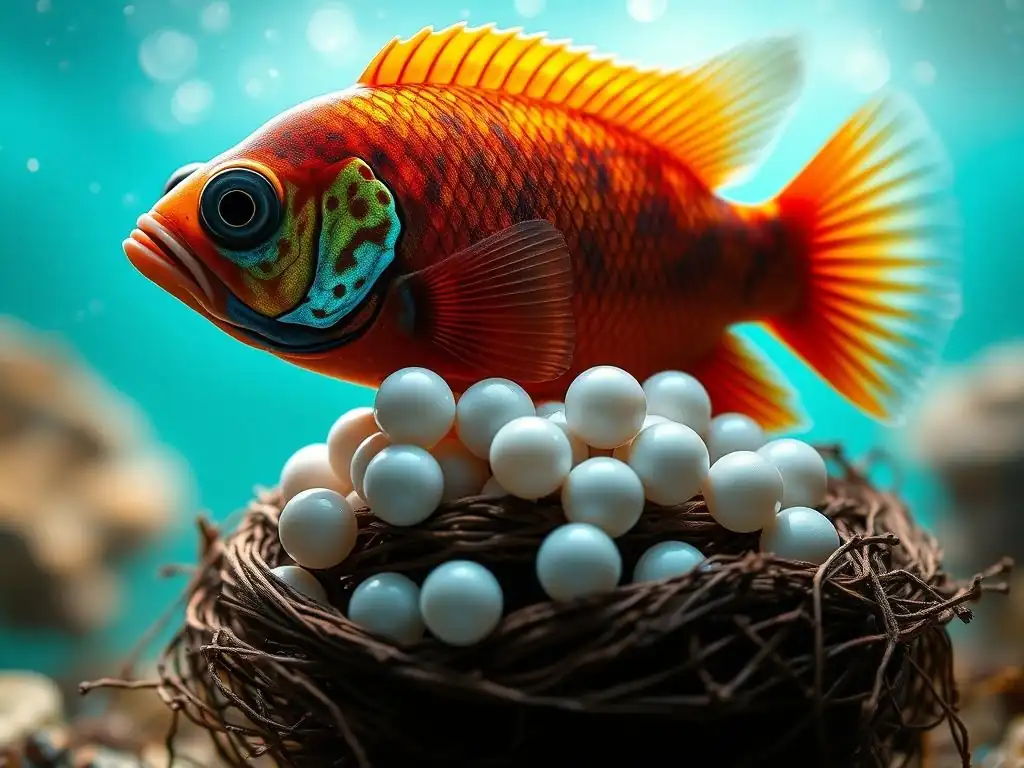
The spawning process of Bumblebee Cichlids is typical of many mouthbrooding cichlids. The male will intensify his coloration and begin to display to a receptive female, quivering and shaking his body to attract her to his chosen spawning site, usually a flat rock. The female will then lay a small clutch of eggs on the surface, often in a circular pattern. As she lays the eggs, the male will pass over them, fertilizing them.
Immediately after fertilization, the female will quickly scoop the eggs into her mouth. This process is repeated until all eggs are laid and collected. She will then mouthbrood the eggs for a period of approximately 21 to 28 days, depending on water temperature. During this time, the female will typically refuse to eat, and her buccal cavity (throat area) will appear noticeably swollen. It is crucial to monitor mouthbrooding females, as they can become targets of aggression from other tankmates due to their vulnerability.
Raising Bumblebee Cichlid Fry: Care and Feeding
Once the Bumblebee Cichlid female has completed her mouthbrooding period, she will release fully formed fry. In a community tank, the survival rate of the fry can be low due to predation by other fish, including the male. For higher fry survival, the mouthbrooding female can be carefully moved to a separate, smaller "fry tank" just before she is due to release them, or the fry can be "stripped" from her mouth after about 18-20 days.
The fry tank should have stable, clean water parameters similar to the main tank. Bumblebee Cichlid fry are relatively large at birth and can immediately consume newly hatched brine shrimp, finely crushed high-quality flake food, or specialized cichlid fry food. Small, frequent feedings (3-4 times daily) are essential for rapid growth. Daily small water changes (10-15%) are also vital in the fry tank to maintain pristine water quality, which is a key aspect of advanced Bumblebee Cichlid care tips for breeding success.
Common Health Issues and Treatments for Bumblebee Cichlids
Identifying Potential Diseases and Parasites
Like all aquarium fish, Bumblebee Cichlids are susceptible to various diseases and parasites, particularly if water quality is poor or they are stressed. The most prevalent and concerning health issue for African cichlids, including Bumblebee Cichlids, is Malawi bloat. This condition is often linked to an improper diet (too much protein, too little fiber) or poor water quality. Other common ailments include Ich (white spot disease), bacterial infections (such as fin rot or dropsy), and internal parasites.
Symptoms to watch for include lethargy, loss of appetite, abnormal swimming patterns (e.g., darting, listlessness), visible spots or lesions on the body or fins, frayed fins, cloudy eyes, or a bloated appearance, especially in the abdomen. Rapid breathing or gasping at the surface can indicate poor water quality or gill issues. Early identification of these symptoms is critical for successful treatment and is a fundamental aspect of comprehensive Bumblebee Cichlid care tips.
Treating Common Ailments in Pseudotropheus crabro
Prompt and appropriate treatment is essential when a Bumblebee Cichlid shows signs of illness. For Malawi bloat, which is often fatal if not treated quickly, specific medications like Metronidazole (Flagyl) are typically used, often administered in food or as a bath. Dietary adjustments are also crucial to prevent recurrence. Ich can be treated by gradually increasing the water temperature (if compatible with tankmates) and using commercially available Ich medications, following the manufacturer's instructions.
Bacterial infections like fin rot or dropsy usually require broad-spectrum antibiotics, which can be dosed into the water or mixed with food. It is always best to quarantine affected fish in a separate hospital tank for treatment to prevent the spread of disease and to allow for more precise medication dosages. Always remove activated carbon from the filter during medication, as it will absorb the treatment. Consulting with an experienced aquarist or veterinarian can provide valuable guidance on specific treatments.
Preventative Measures for Maintaining Bumblebee Cichlid Health
Prevention is always better than cure, and several key preventative measures are central to effective Bumblebee Cichlid care tips. The most important is maintaining consistent, pristine water quality through regular water changes (25-30% weekly) and robust filtration. Providing an appropriate, high-quality diet rich in vegetable matter and low in animal protein is crucial for preventing Malawi bloat.
Minimizing stress is also vital; this includes providing adequate tank size, proper aquascaping with plenty of hiding spots, and carefully selecting compatible tank mates to avoid constant aggression. Quarantining all new fish for 2-4 weeks in a separate tank before introducing them to the main aquarium helps prevent the introduction of diseases. Avoiding overfeeding and ensuring stable water parameters contribute significantly to the long-term health and vitality of your Bumblebee Cichlids.
Where to Buy Bumblebee Cichlids: Selecting Healthy Specimens
Choosing Reputable Breeders or Retailers
When acquiring Bumblebee Cichlids, selecting a reputable breeder or retailer is paramount to ensure you bring home healthy specimens. Look for local fish stores that maintain clean, well-kept tanks, where the fish appear active and vibrant. A knowledgeable staff who can answer questions about the fish's origin, diet, and water parameters is a good indicator of a responsible retailer. Avoid stores with overcrowded tanks, dirty water, or visibly sick fish, as these conditions often indicate poor husbandry.
Online breeders can also be a good option, especially for obtaining specific strains or larger quantities. However, thorough vetting is necessary. Check reviews, ask for photos or videos of their breeding facilities, and inquire about their shipping practices and guarantee policies. Reputable breeders prioritize the health of their fish, often providing detailed information about their care and ensuring proper packaging for transport. Choosing a good source is a crucial step in successful Bumblebee Cichlid care tips.
Identifying Signs of a Healthy Bumblebee Cichlid
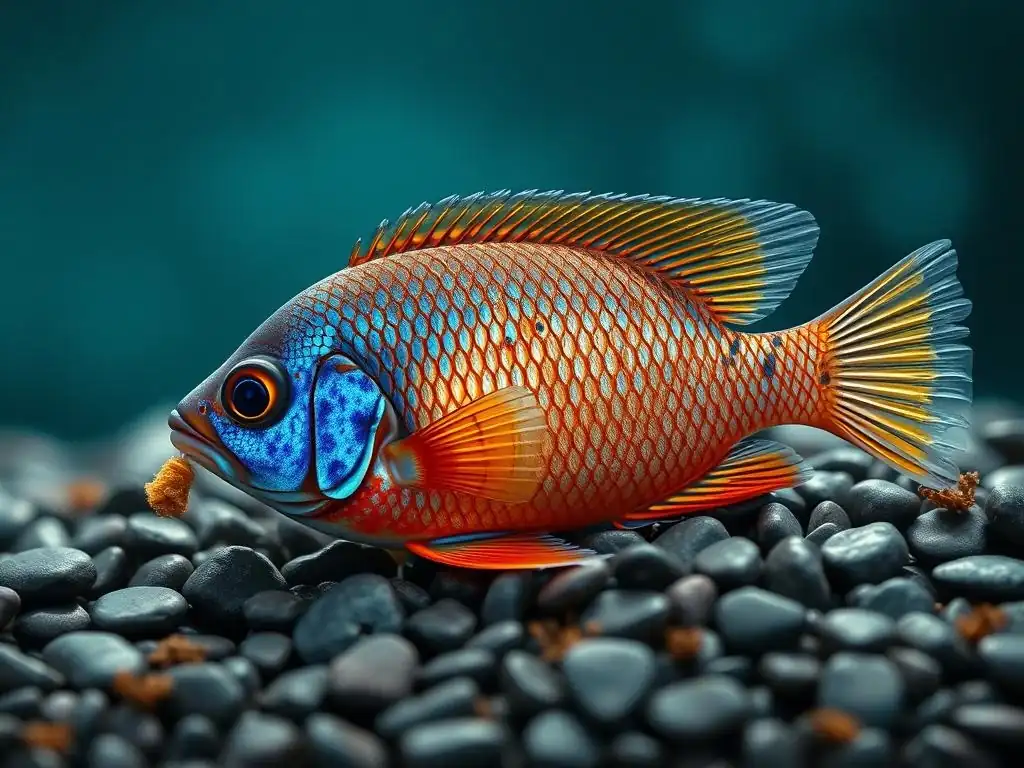
Upon selecting a Bumblebee Cichlid, it's essential to visually inspect the fish for signs of good health. A healthy Pseudotropheus crabro should exhibit bright, vibrant coloration typical of its species, with no faded patches unless it's a temporary stress response. Its fins should be intact, without any tears, nips, or signs of fin rot. The fish should be active and alert, swimming normally and reacting to stimuli, rather than being lethargic or hiding excessively.
Observe the fish's eyes, which should be clear and bright, not cloudy or sunken. Check for any visible spots (like Ich), white cottony growths (fungus), or unusual lumps or lesions on the body. The fish should not be gasping at the surface or breathing rapidly, which can indicate poor water quality or gill issues. A healthy Bumblebee Cichlid will also have a normal, slightly rounded belly, without appearing bloated or severely emaciated. These visual cues are invaluable Bumblebee Cichlid care tips for selection.
Acclimation Process: Introducing Your New Bumblebee Cichlid to the Tank
The acclimation process is a critical, yet often overlooked, step in successful Bumblebee Cichlid care tips for new arrivals. Improper acclimation can lead to severe stress, shock, and even death due to sudden changes in water parameters. The drip acclimation method is highly recommended for cichlids, as it slowly introduces the new tank water to the fish's transport water, minimizing the shock of pH, temperature, and hardness differences.
To perform drip acclimation, place the fish and its transport water in a clean bucket. Use an airline tube to siphon water from your main aquarium into the bucket, tying a knot in the tubing or using a control valve to create a slow drip (e.g., 2-3 drips per second). Allow this process to continue for 30-60 minutes, or until the volume of water in the bucket has at least doubled. Finally, carefully net the fish and transfer it to the main tank, discarding the old water. Dimming the tank lights during introduction can also help reduce initial stress.
Advanced Bumblebee Cichlid Care: Tips for Experienced Aquarists
Optimizing Water Chemistry for Enhanced Coloration
For experienced aquarists looking to truly optimize Bumblebee Cichlid care tips and bring out the most vibrant coloration in their Pseudotropheus crabro, fine-tuning water chemistry beyond basic parameters can be beneficial. While the standard pH of 7.8-8.6 and high hardness are essential, some advanced hobbyists utilize Rift Lake salts or commercial buffers to precisely match the mineral content of Lake Malawi. These products often contain specific trace elements, such as magnesium and calcium, which are crucial for cichlid health and can contribute to more intense and stable coloration.
However, consistency is key; frequent, drastic adjustments can be more harmful than beneficial. Regular monitoring with high-quality test kits is imperative to ensure stability. The goal is to create a consistently optimal environment that mimics their natural habitat as closely as possible, reducing stress and allowing the fish to display their full genetic potential for color. This meticulous approach to water chemistry is a hallmark of advanced Bumblebee Cichlid care tips.
Controlling Algae Growth in Bumblebee Cichlid Tanks
While Bumblebee Cichlids are known to graze on algae (aufwuchs) in their natural habitat, excessive algae growth in an aquarium can be unsightly and indicate an imbalance in the tank's ecosystem. For experienced aquarists, controlling unwanted algae without compromising the health of the cichlids is an important aspect of advanced Bumblebee Cichlid care tips. Strategies include carefully managing lighting duration, typically setting a timer for 8-10 hours a day, and ensuring proper nutrient export.
Efficient nutrient export means regular and diligent water changes, robust filtration that effectively removes nitrates and phosphates, and avoiding overfeeding. Introducing specific algae-eating snails, such as Nerite snails, can be considered, but caution is advised as aggressive Mbuna may view them as food or harass them. Some aquarists also employ chemical filtration media like phosphate removers. The aim is to strike a balance where beneficial algae can grow for grazing, but nuisance algae are kept under control.
Documenting and Sharing Your Bumblebee Cichlid Experiences
For the truly dedicated aquarist, documenting and sharing experiences with Bumblebee Cichlids can greatly enhance the hobby and contribute to the collective knowledge base. Keeping a detailed tank journal is an excellent practice; record water parameters, feeding schedules, observations of behavior, growth rates, and any breeding notes or health issues. This meticulous record-keeping helps identify patterns, troubleshoot problems, and refine Bumblebee Cichlid care tips over time.
Engaging with the broader aquarist community, whether through online forums, social media groups, or local fish clubs, provides opportunities for learning and sharing. Discussing challenges, successes, and unique observations with other enthusiasts can lead to new insights and stronger problem-solving skills. Sharing detailed accounts of Bumblebee Cichlid behavior, especially their fascinating facultative paedophage tendencies, can inspire and educate others, fostering a deeper appreciation for these intriguing fish.
Conclusion: The Rewarding Challenge of Keeping Bumblebee Cichlids
Keeping Bumblebee Cichlids ( Pseudotropheus crabro) presents a uniquely rewarding challenge for the dedicated aquarist. Their vibrant coloration, active personalities, and, most notably, their intriguing facultative paedophage behavior make them a captivating addition to any African cichlid setup. Successfully providing for their specific needs, from maintaining precise water parameters to crafting a stimulating rock-filled environment, requires commitment and attention to detail.
However, the effort invested in proper Bumblebee Cichlid care tips is generously repaid through years of observing their complex social dynamics, fascinating feeding strategies, and stunning visual appeal. While they demand specific conditions and careful tank mate selection due to their territorial nature, the vibrant spectacle and unique interactions they bring to a dedicated Lake Malawi biotope tank make them an immensely satisfying species for aquarists passionate about these remarkable fish.
Frequently Asked Questions
What are some essential water parameters for keeping Bumblebee Cichlids healthy?
Bumblebee Cichlids thrive in alkaline water with a pH between 7.8 and 8.6. Maintain a temperature between 76°F and 82°F and ensure excellent water quality through regular water changes.
What is the "facultative paedophage" behavior mentioned in the title, and how does it affect their care?
Facultative paedophagy means they sometimes eat the eggs or fry of other fish. In an aquarium setting, this usually isn't a huge issue if they are kept with appropriately sized tankmates. Providing ample hiding spots is crucial.
What are some suitable tankmates for Bumblebee Cichlids in a community aquarium?
Choose other robust African Cichlids of similar size and temperament. Avoid overly docile or significantly smaller fish as they may become targets. Ensure a large enough tank to minimize aggression.
What is the ideal diet for Bumblebee Cichlids to maintain their vibrant colors and health?
Offer a varied diet consisting of high-quality cichlid pellets or flakes. Supplement with occasional treats like brine shrimp or spirulina to enhance their coloration and overall health.
What are some common health problems to watch out for in Bumblebee Cichlids and how can they be prevented?
Ich (white spot disease) and Malawi bloat are common. Prevent these by maintaining excellent water quality and avoiding sudden temperature fluctuations. Quarantine new fish to prevent disease introduction.
Final Reflection: The Enduring Mystery of Nurture and Survival
The exploration of Pseudotropheus crabro, the Bumblebee Cichlid, reveals more than just aquarium care tips; it unveils a complex tapestry of survival strategies, particularly its fascinating facultative paedophagy. Understanding this intricate behavior provides a crucial lens through which to examine the delicate balance between parental care and the harsh realities of the natural world, a balance that resonates deeply even within our own human experiences. The Bumblebee Cichlid, in its miniature world, mirrors the larger, often brutal, dance of life and death.
The Bumblebee Cichlid's unique survival strategies have not only captivated aquarists but also sparked important discussions about adaptation and the spectrum of parental investment in the animal kingdom. Witnessing this tiny creature navigate the complexities of its environment underscores the profound interconnectedness of all living things, reminding us that even the smallest life forms can offer invaluable insights into the grand narrative of evolution. It is not the strongest of the species that survives, nor the most intelligent that survives. It is the one that is most adaptable to change.
- Charles Darwin. This quote perfectly encapsulates the Bumblebee Cichlid's story, a testament to adaptability in the face of adversity.
As you consider the Bumblebee Cichlid's story, from its specific care requirements to its extraordinary survival mechanisms, I invite you to reflect on the adaptability within yourself. How can you, like this resilient fish, embrace change and navigate the complexities of your own environment? Let the Bumblebee Cichlid's example inspire you to find strength in unexpected places and to appreciate the delicate balance that sustains all life.
Unleash the Secrets of the Bumblebee Cichlid!
Thank you for diving into the fascinating world of the Bumblebee Cichlid! We hope you found its unique facultative paedophage behavior as captivating as we do. Now, it's time to take action and deepen your understanding.
Here are a few things you can do next:
- Begin a meticulous observation of your Bumblebee Cichlids' behavior. Document any instances of egg-eating, noting the circumstances and any patterns you observe.
- Delve deeper into the scientific literature! Research related studies on cichlid behavior and facultative paedophagy to expand your knowledge.
- Share your newfound knowledge! Engage with fellow aquarium enthusiasts on forums or social media, discussing your experiences and insights about Bumblebee Cichlids.
What unexpected behaviors have you witnessed in your own Bumblebee Cichlids, and what theories do you have to explain them?