
Spectrometers & SPS Success: FineTuning Your Light Spectrum for Unbelievable Corals

Welcome to Aquarium Mastery!
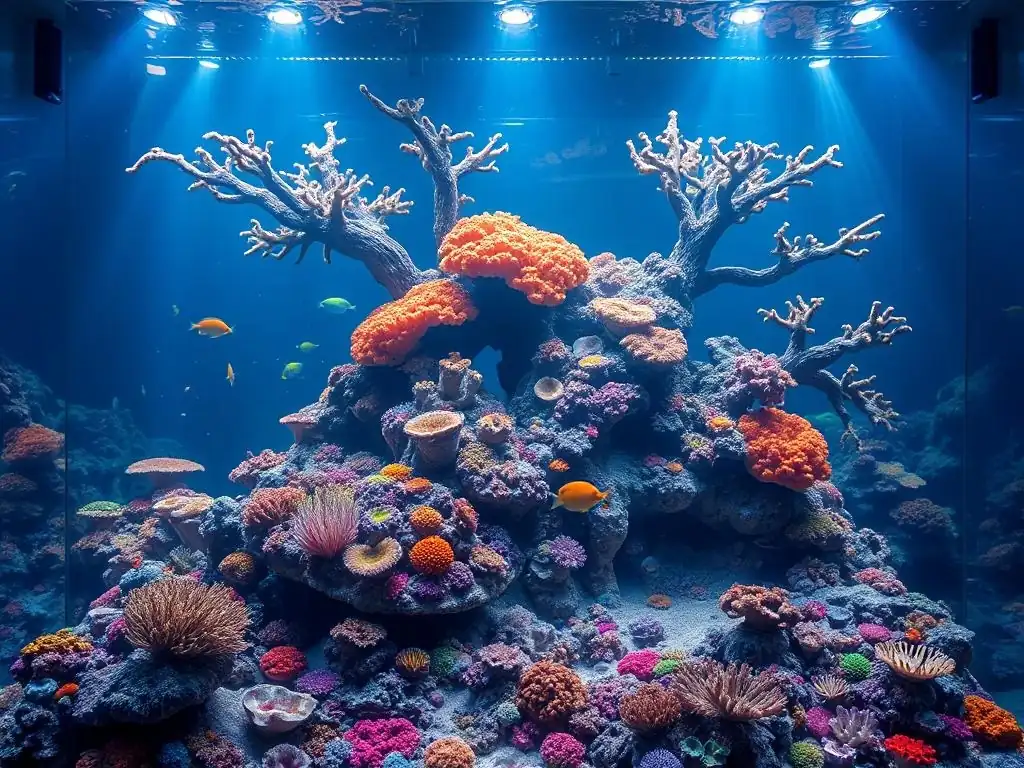
Ever wonder how to unlock the vibrant potential of your SPS corals? Prepare to dive deep! This guide unravels the secrets behind the SPS coral light spectrum, revealing how fine-tuning your lighting can lead to unbelievable growth and coloration. Ready to illuminate your reef-keeping journey and see your corals thrive? Let's get started!
- Mastering Light for SPS Corals: A Guide to Spectrometers and Success
- Understanding Light's Crucial Role in SPS Coral Growth
- Spectrometers: Unlocking Precision in SPS Coral Lighting
-
Optimizing Your SPS Coral Light Spectrum: A Practical Guide
- Step 1: Evaluating Your Current Lighting System
- Step 2: Understanding Specific SPS Coral Lighting Requirements [Acropora, Montipora, Pocillopora]
- Step 3: Analyzing Your Light's Spectrum Using a Spectrometer
- Step 4: Adjusting Lighting to Achieve the Optimal SPS Coral Light Spectrum
- Step 5: Continuous Monitoring and Fine-Tuning for Sustained SPS Health
- The Ideal SPS Coral Light Spectrum: Focusing on Key Wavelengths
- Beyond Spectrum: Additional Lighting Considerations for SPS Corals
- Troubleshooting Common SPS Lighting Challenges
- Advanced SPS Coral Lighting Techniques
- Conclusion: Achieving Optimal SPS Coral Lighting for a Thriving Reef
-
Frequently Asked Questions
- What is an SPS coral and why is the light spectrum so important?
- What is a spectrometer, and how does it help with SPS coral lighting?
- What light spectrum is generally considered ideal for SPS coral growth?
- Can using the wrong light spectrum harm my SPS corals?
- Where can I learn more about specific light requirements for different SPS coral species?
- Final Reflection: Illuminating the Path to Coral Brilliance
- Ignite Your Reef: Unlock Coral Color with Spectrometry!
Mastering Light for SPS Corals: A Guide to Spectrometers and Success
Understanding Light's Crucial Role in SPS Coral Growth
Why Spectrum is Key to SPS Coral Health
The specific wavelengths of light, collectively known as the light spectrum, are paramount for the health and vitality of Small Polyp Stony (SPS) corals. Unlike soft corals or LPS (Large Polyp Stony) corals, SPS species like Acropora, Montipora, and Seriatopora have evolved in shallow, clear reef waters, adapting to a precise spectral composition. Their symbiotic zooxanthellae algae, which reside within their tissues, are highly sensitive to these wavelengths, using them for photosynthesis to produce energy for the coral host. An imbalanced or inappropriate SPS coral light spectrum can lead to diminished growth, faded coloration, and even coral mortality.
Maintaining an optimal SPS coral light spectrum is not merely about providing "enough" light, but rather providing the right kind of light. Corals thrive under specific blue wavelengths (400-480nm) for growth and coloration, and require a balanced presence of other beneficial wavelengths, while avoiding excessive amounts of less useful or even detrimental ones.
For instance, too much green or yellow light (500-600nm) can promote nuisance algae growth and may not be efficiently utilized by coral zooxanthellae, potentially wasting energy and contributing to an undesirable aesthetic. Understanding and fine-tuning the SPS coral light spectrum is fundamental to replicating their natural environment and ensuring their long-term success in a captive reef system.
Photosynthesis, Coloration, and Growth in SPS Corals
Photosynthesis is the cornerstone of SPS coral survival and growth, driven primarily by the light absorbed by their zooxanthellae. These microscopic algae contain photosynthetic pigments, such as chlorophyll a, chlorophyll c2, and peridinin, each absorbing light most efficiently at different wavelengths. Chlorophylls primarily absorb in the blue and red regions of the spectrum, while peridinin absorbs strongly in the blue-green.
The energy harvested from light is converted into sugars and other organic compounds, which provide up to 90% of the coral's nutritional requirements. Without a balanced SPS coral light spectrum, this vital process becomes inefficient, leading to stunted growth rates, typically observed as a lack of new branch extension or overall colony expansion.
Beyond energy production, the SPS coral light spectrum profoundly influences a coral's vibrant coloration. Many of the stunning pigments displayed by SPS corals are protective proteins (Chromoproteins and Fluorescent Proteins) that act as natural sunscreens or enhance light capture for photosynthesis. The expression and intensity of these pigments are often directly influenced by specific light wavelengths.
For example, blue and UV light (380-480nm) are known to stimulate the production of many blue, purple, and green fluorescent proteins, leading to richer, more dynamic colors. Conversely, an inadequate spectrum can result in "browning out" (due to overabundance of zooxanthellae attempting to compensate for poor light quality) or "pale out" (due to insufficient light or stress), both indicators of an unhealthy SPS coral light spectrum.
Common Lighting Mistakes and Their Consequences for SPS Corals
One of the most prevalent lighting mistakes in SPS coral husbandry is assuming that higher intensity (PAR, Photosynthetically Active Radiation) automatically equates to better growth. While SPS corals are high-light demand organisms, excessive PAR without the correct SPS coral light spectrum can lead to photoinhibition or even bleaching.
For example, blasting a newly introduced Acropora millepora with 600 PAR from a fixture heavy in green or yellow wavelengths can cause severe stress, leading to tissue necrosis or the expulsion of zooxanthellae, manifesting as a bleached, white coral within days. This is because the coral's photosynthetic machinery becomes overwhelmed, and the non-beneficial wavelengths contribute to oxidative stress rather than productive photosynthesis.
Another common pitfall is neglecting the importance of spectral balance throughout the day. Many reef keepers use simple "blue" and "white" channels without understanding the nuances of how these colors combine to form the complete SPS coral light spectrum. For instance, a fixture with a strong peak in the 550nm (green) range and a lack of crucial deep blue or violet wavelengths (400-420nm) might appear bright to the human eye but offers little benefit to corals.
This imbalance can lead to faded colors, particularly in species known for their reds and purples, and can also contribute to the proliferation of undesirable algae species that thrive under broader, less specific light spectra. Without regular evaluation and adjustment of the SPS coral light spectrum, these issues can persist, hindering the long-term success and aesthetic appeal of a reef tank.
Spectrometers: Unlocking Precision in SPS Coral Lighting
What is a Spectrometer and How Does it Function?
A spectrometer is an optical instrument used to measure the properties of light over a specific portion of the electromagnetic spectrum. In the context of reef aquariums, it quantifies the light emitted by your fixture across the Photosynthetically Active Radiation (PAR) range, typically 400-700 nanometers (nm), and often extends into the UV (380-400nm) and far-red (700-780nm) regions. Essentially, it breaks down the complex "white" light from your aquarium fixture into its constituent colors (wavelengths) and measures the intensity of each.
This data is then presented as a spectral distribution graph, showing peaks and valleys at various wavelengths, offering a precise fingerprint of your lighting. Professional-grade spectrometers, like the Apogee MQ-510 or Seneye Reef, use highly sensitive sensors to capture this detailed information, far beyond what a simple PAR meter can provide.
The core function of a spectrometer involves a light-sensitive detector that analyzes light after it has passed through a dispersive element, such as a prism or diffraction grating. This element separates the incoming light into its individual wavelengths, much like a prism splits sunlight into a rainbow. The detector then measures the intensity of light at each specific wavelength, generating a raw data set.
This raw data is then processed by the device's internal software or a connected computer program to produce a spectral power distribution (SPD) graph, which graphically represents the light's intensity (often in µW/cm²/nm or relative intensity) across the measured spectrum. This granular detail is crucial for understanding the exact SPS coral light spectrum your corals are receiving, allowing for targeted adjustments to maximize their health and coloration.
Interpreting Spectrometer Data: PAR, PUR, and Spectral Distribution
When analyzing spectrometer data for your SPS coral light spectrum, three key metrics stand out: PAR, PUR, and the detailed spectral distribution graph. PAR, or Photosynthetically Active Radiation, measures the total amount of light in the 400-700nm range that is available for photosynthesis.
While a PAR meter gives a single number, a spectrometer provides the underlying spectral data that contributes to that PAR reading. For instance, a PAR reading of 300 µmol/m²/s might be achieved with a spectrum rich in beneficial blue light, or it could be achieved with a spectrum heavy in green and yellow light, which is less efficient for coral photosynthesis.
PUR, or Photosynthetically Usable Radiation, takes PAR a step further by weighting the intensity of each wavelength according to how efficiently corals (specifically their zooxanthellae) utilize that light for photosynthesis. Since zooxanthellae primarily absorb blue (400-480nm) and some red (620-680nm) light, a high PUR value indicates a spectrum that closely matches the absorption peaks of these photosynthetic pigments, making it a more accurate indicator of light quality for corals than PAR alone. The spectral distribution graph is perhaps the most informative, as it visually represents the intensity at every measured wavelength.
For optimal SPS coral light spectrum, you'd ideally see strong peaks in the blue (around 450-470nm) and violet/UV (380-420nm) regions, a smaller peak in the red (620-680nm), and minimal intensity in the green/yellow (500-600nm) range. Understanding these peaks and valleys allows aquarists to precisely tailor their lighting to match the specific needs of their SPS corals.
Selecting the Right Spectrometer for Aquarium Use [Price Range Considerations]
Choosing the right spectrometer for aquarium use involves balancing accuracy, features, and cost. Entry-level options often include devices like the Seneye Reef, which provides not only spectral data but also other water parameters, typically ranging from $300 to $500. While convenient, these may offer less detailed spectral resolution compared to more specialized units. They are excellent for hobbyists looking for a general overview of their SPS coral light spectrum and basic PAR readings, providing sufficient data for most adjustments in a home aquarium.
For more serious hobbyists or professionals seeking highly accurate and detailed spectral analysis, dedicated PAR meters with spectral capabilities, such as the Apogee MQ-510 or MQ-500, or more advanced spectrometers like those from Spectro Scientific or specific offerings from marine lighting manufacturers, are available. These devices typically range from $700 to $2,000 or more. The higher price point reflects superior sensor technology, broader spectral range coverage (including UV and far-red), greater measurement precision, and often more robust software for data analysis.
While a significant investment, these tools provide the granular detail necessary for truly optimizing the SPS coral light spectrum, crucial for propagating rare species or achieving show-quality coloration and growth in advanced reef systems. Consider renting a high-end unit for a one-time comprehensive analysis if purchase is not feasible.
Optimizing Your SPS Coral Light Spectrum: A Practical Guide
Step 1: Evaluating Your Current Lighting System
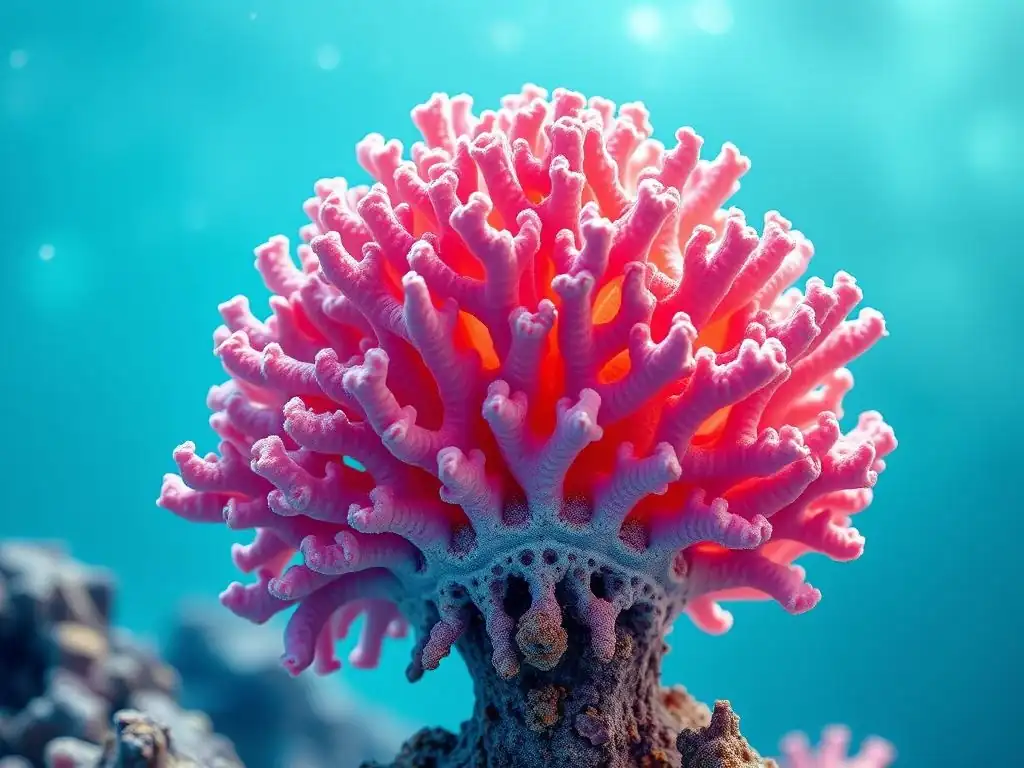
Before making any adjustments, it's crucial to thoroughly evaluate your existing lighting system. Begin by identifying the type of fixture you are using (e.g., LED, T5, Metal Halide, or a hybrid setup) and its specifications, including brand, model, and rated wattage. Gather any available manufacturer's spectral data or PAR maps for your specific fixture, as this can provide a baseline understanding of its intended output. Visually inspect the fixture for any signs of wear, such as dimming LEDs, flickering bulbs, or corroded reflectors, which can significantly impact light output and the consistency of the SPS coral light spectrum.
Next, consider the age of your bulbs or LED diodes. T5 fluorescent bulbs typically degrade significantly after 9-12 months of use, losing both intensity and shifting their spectral output. Similarly, while LEDs have a longer lifespan, their intensity can gradually diminish over several years, impacting the overall SPS coral light spectrum.
If your bulbs are old, or if your LEDs have been running for many thousands of hours, their current performance may be far from their initial specifications. Document your current photoperiod (how many hours the lights are on) and any dimming schedules or intensity settings you currently employ, as these will be important parameters to consider during optimization.
Step 2: Understanding Specific SPS Coral Lighting Requirements [Acropora, Montipora, Pocillopora]
Different SPS coral species, even within the same genus, can exhibit varying preferences and tolerances for light intensity and spectral composition. For instance, many Acropora species, particularly those found in shallow, high-energy reef environments like Acropora millepora or Acropora valida, thrive under very high PAR levels, often in the range of 300-450 µmol/m²/s at the coral's surface, with a strong emphasis on blue and violet light (400-470nm) to promote their vibrant coloration.
These species typically show robust growth and intense pigmentation when provided with a rich SPS coral light spectrum that closely mimics their natural habitat's intense, clear water light.
In contrast, Montipora species, such as Montipora digitata or Montipora capricornis, are often more forgiving and can flourish under a slightly broader range of light intensities, typically from 150-300 µmol/m²/s. While they still benefit from a well-balanced SPS coral light spectrum heavy in blues, they may not require the extreme intensity that some Acropora demand.
Pocillopora damicornis, a common beginner SPS, also falls into this moderate-to-high light category, generally doing well with PAR values around 200-350 µmol/m²/s. Understanding these subtle differences and researching the specific light requirements of the SPS corals you keep will allow you to fine-tune your SPS coral light spectrum to cater to their individual needs, fostering optimal growth and coloration across your diverse coral collection.
Step 3: Analyzing Your Light's Spectrum Using a Spectrometer
Once you have your spectrometer, the next crucial step is to systematically analyze the light output across your aquarium. Position the spectrometer's sensor directly under your lighting fixture at various depths and locations where your corals are placed. For a comprehensive map, take readings at least every 6 inches (15 cm) across the tank's length and width, and at different depths (e.g., surface, mid-water, and near the sandbed).
Ensure the sensor is fully submerged and stable during measurements to avoid inaccurate readings due to surface ripples or air bubbles. Record the PAR value and, most importantly, the full spectral distribution graph at each point.
Carefully examine the spectral distribution graphs generated by your spectrometer. Look for the dominant peaks and valleys. An ideal SPS coral light spectrum will show strong peaks in the blue (450-470nm) and violet/UV (380-420nm) regions, which are critical for coral photosynthesis and the expression of vibrant pigments.
There should also be a small, but present, peak in the red region (620-680nm) to support the full photosynthetic process. Conversely, observe if there are any significant peaks in the green (500-550nm) or yellow (550-600nm) ranges, as excessive light in these areas is often less beneficial for corals and can contribute to nuisance algae growth. This detailed analysis of the SPS coral light spectrum at different points in your tank will highlight areas of deficiency or excess, guiding your subsequent adjustments.
Step 4: Adjusting Lighting to Achieve the Optimal SPS Coral Light Spectrum
After analyzing your spectrometer data, the real work of optimization begins. The goal is to reshape your current lighting output to align with the ideal SPS coral light spectrum. Start by making small, incremental changes rather than drastic ones, as corals need time to adapt.
If your spectrometer reveals a deficiency in blue or violet light, for example, you would increase the intensity of those specific channels on your LED fixture. If you have too much green or yellow, you would slightly reduce those channels. It's often a process of trial and error, requiring patience and repeated measurements with the spectrometer to verify the impact of each adjustment.
Fine-Tuning LED Fixtures for Maximum SPS Growth
Modern LED fixtures offer unparalleled control over the SPS coral light spectrum, making them ideal for precise adjustments. Most high-end LED units have multiple channels (e.g., royal blue, blue, violet, UV, cool white, red, green) that can be individually dimmed or programmed. Based on your spectrometer readings, increase the intensity of channels corresponding to deficient wavelengths.
For instance, if your spectral graph shows a dip around 410nm, slightly boost your violet or UV channel. If your blue peak at 450nm isn't strong enough, increase the royal blue channel. Aim for a peak in the 450-470nm range, a secondary peak around 400-420nm, and a smaller presence in the red (620-680nm).
Conversely, if your spectrometer shows an undesirable peak in the green (around 530nm), reduce the intensity of your green LEDs. Many aquarists find that a blue-heavy spectrum (e.g., 80-100% blue channels, 10-30% white channels, minimal green/red) provides the best SPS coral light spectrum for growth and coloration.
Supplementing with T5 or Metal Halide Lighting [Addressing Spectral Gaps]
For those using older LED fixtures, T5 fluorescent bulbs, or metal halide systems, or even hybrid setups, supplementing with additional light sources can be an effective way to address specific spectral gaps. If your primary lighting system, for example, a metal halide fixture, provides excellent intensity but lacks the deep blue and violet spikes crucial for SPS coloration, integrating T5 actinic bulbs (e.g., ATI Blue Plus or Giesemann Actinic+) can dramatically improve the SPS coral light spectrum. These bulbs typically emit strong peaks in the 400-420nm and 450-470nm ranges, directly filling those critical spectral voids.
Similarly, if your LED fixture, despite its tunability, struggles to provide a broad, even spread of light or if it creates excessive "disco ball" effects (distinct color separation), adding T5s can provide a more uniform and complete SPS coral light spectrum. For instance, a hybrid LED/T5 setup might use LEDs for intensity and spectral customization, while T5s provide fill light and specific spectral spikes not easily achieved by the LEDs alone.
When selecting T5s, choose bulbs specifically designed for reef aquariums that enhance the desired wavelengths, such as true actinic for violet/blue, or specialized "coral plus" bulbs that offer a balanced spectrum with strong blue and some red. Always measure with your spectrometer after adding or changing supplemental lighting to ensure the overall SPS coral light spectrum is optimized.
Step 5: Continuous Monitoring and Fine-Tuning for Sustained SPS Health
Optimizing your SPS coral light spectrum is not a one-time event; it's an ongoing process. Corals grow, conditions change, and light sources degrade over time. Regular monitoring with your spectrometer is essential to ensure sustained SPS health and vibrant coloration. Aim to re-measure your tank's light spectrum every 3-6 months, or whenever you notice changes in coral appearance, such as fading colors, slowed growth, or signs of stress. This allows you to catch any spectral shifts or declines in intensity before they become significant problems.
Beyond spectral measurements, visually inspect your corals daily. Are they exhibiting good polyp extension? Are their colors vibrant and deep? Are they growing new tissue or branches?
These visual cues, combined with your spectrometer data, provide a holistic view of your lighting's effectiveness. As corals grow larger, they may begin to shade lower areas, necessitating adjustments to light intensity or placement. Similarly, if you add new corals with different light requirements, you may need to fine-tune your SPS coral light spectrum to accommodate them. This iterative process of measurement, observation, and adjustment is key to maintaining a thriving SPS reef for the long term.
The Ideal SPS Coral Light Spectrum: Focusing on Key Wavelengths
The Importance of Blue Light (400-480nm) for SPS Coral Coloration
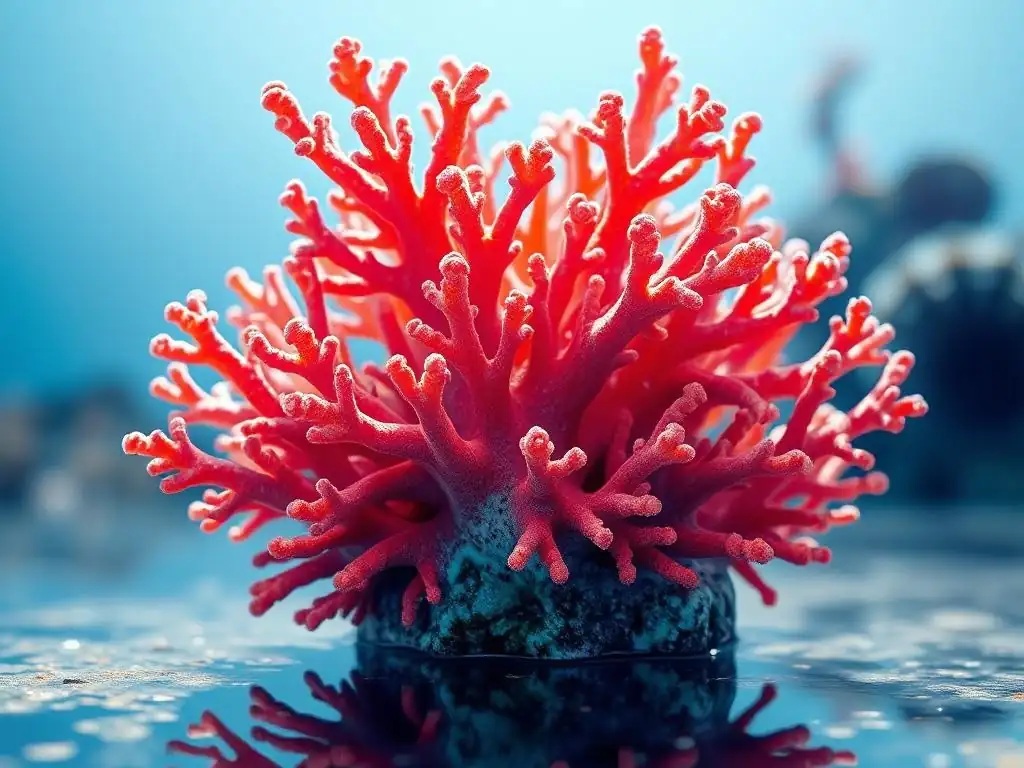
Blue light, specifically in the 400-480 nanometer (nm) range, is arguably the most critical component of the SPS coral light spectrum. This region encompasses both violet (400-420nm) and royal blue (450-470nm) wavelengths, which are highly absorbed by the photosynthetic pigments within zooxanthellae. Chlorophyll a and c2, vital for photosynthesis, have strong absorption peaks in the blue spectrum.
Thus, a robust blue component directly fuels the energy production necessary for SPS coral growth and calcification. Without sufficient blue light, corals struggle to produce enough energy, leading to stunted growth, typically seen as less than 0.5 cm of new growth per month in fast-growing Acropora species.
Beyond photosynthesis, blue light plays a pivotal role in stimulating the production of chromoproteins and fluorescent proteins (FPs) responsible for the breathtaking colors of SPS corals. For instance, many green fluorescent proteins are maximally excited by blue light around 450-470nm, leading to their vibrant glow.
Similarly, blue light can induce the expression of protective pigments that act as natural sunscreens, allowing corals to adapt to higher light intensities and display deeper, more saturated hues. A common mistake is to reduce blue light too much in favor of white light, which often results in corals losing their vivid coloration and appearing "browned out" as they increase zooxanthellae density to compensate for a less efficient SPS coral light spectrum.
The Role of Red Light (620-700nm) in SPS Coral Photosynthesis
While blue light dominates the discussion for SPS corals, the role of red light (620-700nm) in the SPS coral light spectrum should not be overlooked. Chlorophyll a and c2, the primary photosynthetic pigments in zooxanthellae, also exhibit a secondary absorption peak in the red region, typically around 670nm. This means that a small, but controlled, amount of red light can contribute to the overall photosynthetic efficiency, providing additional energy for coral growth. Studies have shown that a balanced spectrum including some red can lead to greater biomass production in symbiotic algae.
However, the presence of red light in the SPS coral light spectrum must be carefully managed. Too much red light, especially beyond 680nm (far-red), can be detrimental. Excessive red light is often associated with the proliferation of nuisance algae, such as cyanobacteria or diatoms, which thrive under broader, warmer spectra.
Furthermore, light in the red spectrum penetrates water less efficiently than blue light, meaning that corals in deeper sections of the tank may not benefit from it as much. For most SPS tanks, a red light component that constitutes approximately 5-10% of the total light output is generally sufficient to provide photosynthetic benefits without promoting unwanted algae growth, ensuring a beneficial, yet controlled, SPS coral light spectrum.
The Benefits of UV Light (380-400nm) for SPS Coral Vigor and Pigmentation
Ultraviolet (UV) light, specifically in the UVA range (380-400nm), is an increasingly recognized component for an optimal SPS coral light spectrum. While UV light can be harmful in excessive amounts, a controlled dose is highly beneficial for SPS coral vigor and the expression of certain vibrant pigments. Many of the fluorescent proteins that give corals their "pop" under actinic lighting are excited by UV and violet wavelengths. For instance, some of the most striking pinks and purples in Acropora species are often linked to the presence of UV-induced pigments.
In their natural shallow reef environments, SPS corals are exposed to significant amounts of UV radiation. They have evolved sophisticated protective mechanisms, including the production of Mycosporine-like Amino Acids (MAAs) and fluorescent proteins, to mitigate UV damage. Providing a small, beneficial amount of UV in the SPS coral light spectrum can stimulate these natural defenses, potentially increasing their resilience and enhancing their natural coloration.
However, caution is advised: excessive UV can cause photoinhibition and bleaching. Aim for a low percentage, typically 1-5% of total intensity, from dedicated UV or violet LEDs (e.g., 385nm or 395nm), to reap the benefits without causing harm, contributing to a more complete and natural SPS coral light spectrum.
Avoiding Common Spectral Pitfalls [Excessive Green/Yellow Light]
One of the most common spectral pitfalls in reef aquarium lighting is the presence of excessive green and yellow light (approximately 500-600nm). While these wavelengths contribute significantly to the overall brightness and "whiteness" as perceived by the human eye, they are generally inefficiently utilized by coral zooxanthellae for photosynthesis. Chlorophylls have very low absorption in the green spectrum, meaning that a large portion of green light simply passes through coral tissues without being converted into usable energy. This can lead to a less efficient use of energy by the coral, potentially hindering growth rates despite high PAR readings.
Furthermore, an overabundance of green and yellow light in the SPS coral light spectrum can actively promote the growth of nuisance algae. Many common aquarium algae species, unlike coral zooxanthellae, are highly efficient at absorbing and utilizing green and yellow light for their photosynthetic processes.
This can lead to persistent outbreaks of green film algae, diatoms, or even hair algae, competing with your corals for nutrients and space. By minimizing the green and yellow channels on tunable LED fixtures and prioritizing blue, violet, and a small amount of red, aquarists can create a more targeted and beneficial SPS coral light spectrum that favors coral growth and health over undesirable algal proliferation.
Beyond Spectrum: Additional Lighting Considerations for SPS Corals
Light Intensity (PAR) and Its Impact on SPS Coral Growth
While the SPS coral light spectrum dictates the quality of light, light intensity, measured as Photosynthetically Active Radiation (PAR), determines the quantity of light reaching your corals. Both are equally crucial for SPS coral growth. SPS corals are generally high-light demand organisms, often thriving in PAR values ranging from 250 to 450 µmol/m²/s at the coral's surface.
Insufficient PAR will lead to slow growth, pale colors, and general failure to thrive, as the zooxanthellae cannot produce enough energy to support the coral's metabolic demands and calcification. For example, an Acropora colony receiving only 100 PAR may show minimal growth (less than 0.2 cm/month) and appear translucent.
However, too much PAR, even with an optimal SPS coral light spectrum, can be detrimental. Excessive intensity can lead to photoinhibition, where the coral's photosynthetic machinery becomes overwhelmed and damaged, resulting in coral bleaching or tissue necrosis. This is particularly true for newly introduced corals or those acclimating to a new lighting system.
A typical healthy Acropora might tolerate 400 PAR, but pushing it to 600 PAR without proper acclimation or an ideal spectrum could cause irreversible damage within days. Therefore, balancing the correct SPS coral light spectrum with appropriate PAR levels is essential, often achieved by placing corals at different depths or using dimming features on fixtures to create a gradient of intensity within the tank.
Photoperiod: Optimizing Light Exposure Duration
The photoperiod, or the duration of light exposure each day, is another critical factor influencing SPS coral health and growth. While light intensity and spectrum provide the energy and quality, the photoperiod determines the total daily light integral (DLI), which is the cumulative amount of light received over a 24-hour cycle. For most SPS corals, a photoperiod of 8-12 hours is generally recommended.
This duration allows sufficient time for photosynthesis without unduly stressing the corals or promoting excessive nuisance algae growth. A common practice is to have a "ramp-up" and "ramp-down" period for an hour or two at the beginning and end of the photoperiod, mimicking natural sunrise and sunset.
An excessively long photoperiod (e.g., 14-16 hours) can lead to coral stress, as it provides insufficient time for the coral's metabolic recovery and repair processes that occur during darkness. It can also exacerbate issues with nuisance algae, which often have broader photosynthetic efficiency ranges and can outcompete corals under prolonged light exposure.
Conversely, a photoperiod that is too short (e.g., 6 hours) might not provide enough DLI for robust growth, even if the intensity and SPS coral light spectrum are ideal. Finding the optimal photoperiod, typically between 9 and 11 hours of peak light, is a balance that contributes significantly to the overall success of an SPS reef tank.
Light Acclimation: Safely Introducing SPS Corals to New Lighting
Introducing new SPS corals to an established lighting system, or transitioning existing corals to a new fixture, requires a careful acclimation process to prevent light shock and bleaching. SPS corals, especially those fragged from a different lighting environment or shipped from a facility with different light parameters, need time to adjust their zooxanthellae populations and protective pigments to the new SPS coral light spectrum and intensity. Failing to acclimate can lead to immediate stress, tissue recession, or rapid bleaching, where the coral expels its symbiotic algae, turning white.
A common acclimation strategy involves starting new corals at lower light intensities or placing them in shaded areas of the tank, gradually moving them to their final, higher-light positions over several weeks. If using dimmable LED fixtures, a more precise method is to reduce the overall intensity of the light by 30-50% for the first week, then slowly increase it by 5-10% each week until the desired PAR level and SPS coral light spectrum are reached.
For example, a new Acropora frag might start at 150 PAR and be gradually brought up to 350 PAR over 4-6 weeks. Closely observe the coral's response throughout this period; any signs of stress (paling, browning, polyp retraction) indicate that the light is too intense or the acclimation is too fast, requiring a reduction in intensity or a slower ramp-up.
Troubleshooting Common SPS Lighting Challenges
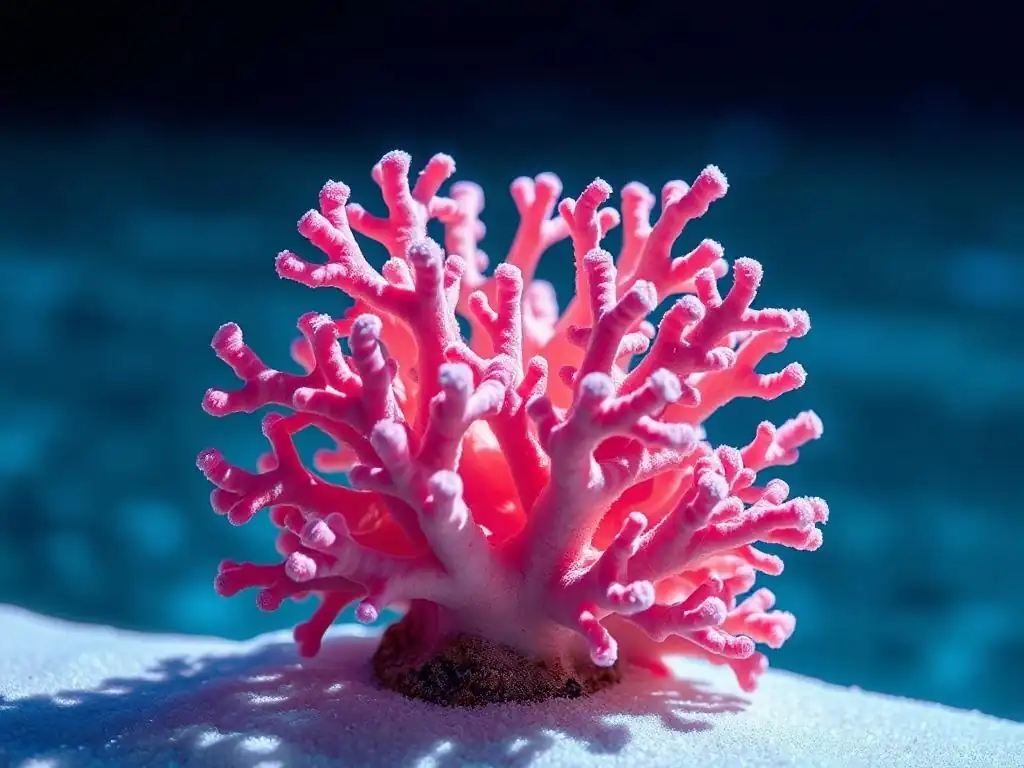
SPS coral bleaching, characterized by the coral turning pale or stark white, is a clear indicator of severe stress, often directly linked to lighting issues. While other factors like temperature swings or disease can cause bleaching, light-induced bleaching typically occurs when the coral is exposed to excessively high PAR levels, an imbalanced SPS coral light spectrum (e.g., too much green or UV), or a sudden change in light conditions. The zooxanthellae within the coral's tissues become stressed, produce harmful reactive oxygen species, and are subsequently expelled, leading to the coral's white appearance as its underlying skeleton becomes visible.
To resolve lighting-related bleaching, immediate action is crucial. First, reduce the light intensity dramatically, often by 30-50%, or move the affected coral to a shaded area of the tank. If you have a spectrometer, re-evaluate your SPS coral light spectrum; ensure there are no excessive peaks in the green/yellow range or overly aggressive UV output.
Check your photoperiod for excessive duration. Once the coral shows signs of recovery (e.g., a slight return of color, polyp extension), slowly re-acclimate it to higher light levels over several weeks, increasing intensity by no more than 5-10% weekly. Maintaining stable water parameters (temperature, alkalinity, calcium) during recovery is also vital, as these support the coral's energy reserves and calcification.
Slow Growth and Faded Color: Optimizing Light Spectrum for SPS
Slow growth and faded coloration in SPS corals are common symptoms of suboptimal lighting, even if the corals aren't actively bleaching. If your Montipora is growing less than 0.5 cm per month, or your Acropora is losing its vibrant blues and purples, it often points to an insufficient or imbalanced SPS coral light spectrum or inadequate PAR.
The zooxanthellae may not be receiving the precise wavelengths or sufficient energy to produce the necessary sugars for robust calcification and pigment expression. Often, this indicates a lack of crucial blue, violet, or even a balanced red component in the 400-480nm and 620-680nm ranges.
To optimize, first use a spectrometer to measure your current SPS coral light spectrum and PAR levels. Compare these readings against the recommended parameters for your specific SPS species. If PAR is too low (e.g., below 200 µmol/m²/s for most SPS), gradually increase intensity. If the spectrum is lacking in blue/violet peaks, adjust your LED channels to boost those wavelengths.
Consider supplementing with actinic T5 bulbs if your primary fixture struggles to provide the necessary spectral spikes. Additionally, ensure stable water parameters and adequate flow, as these factors interact with lighting to support coral health. Consistent fine-tuning of the SPS coral light spectrum will lead to noticeable improvements in growth rates (e.g., 1-2 cm/month for fast-growing Acropora) and the return of intense, natural coloration.
Algae Blooms: Maintaining Spectral Balance to Prevent Algae Proliferation
Persistent algae blooms, particularly those of green hair algae, diatoms, or cyanobacteria, can often be linked to an imbalanced SPS coral light spectrum. While nutrient levels (nitrates, phosphates) are primary drivers of algae growth, the quality of light can either exacerbate or mitigate these issues. Many nuisance algae species thrive under a broader spectrum of light, especially those with significant peaks in the green and yellow regions (500-600nm), which are less efficiently used by corals but readily absorbed by algae. An excess of these wavelengths can provide an ideal environment for algae to outcompete corals.
To prevent and manage algae blooms related to lighting, the focus should be on refining the SPS coral light spectrum to favor corals. Use a spectrometer to identify and reduce any excessive peaks in the green or yellow wavelengths from your lighting fixture. Prioritize the blue and violet spectrum (400-480nm) that corals utilize most efficiently, while minimizing wavelengths that primarily benefit algae.
Additionally, ensure your photoperiod is not excessively long (e.g., limit to 9-11 hours of peak light), as prolonged light exposure can fuel algae growth. Combined with strict nutrient control, optimizing the SPS coral light spectrum to be coral-centric rather than broad-spectrum can significantly reduce the incidence and severity of nuisance algae blooms, fostering a cleaner and healthier reef environment.
Advanced SPS Coral Lighting Techniques
Utilizing Dimmers and Controllers for Precise Spectral Management
Modern LED lighting fixtures equipped with dimmers and sophisticated controllers offer an unparalleled level of precision in managing the SPS coral light spectrum. These controllers allow aquarists to program intricate daily light cycles, mimicking natural reef conditions from dawn to dusk.
Instead of a simple on/off switch, users can set specific intensity levels for individual color channels (e.g., royal blue, cool white, red, green, UV) at various times throughout the day. For example, a controller might initiate a gentle blue ramp-up from 0% to 70% over two hours, followed by the introduction of white channels at a lower intensity (e.g., 20%) for the peak photoperiod, and then a gradual ramp-down back to blues before darkness.
This granular control enables aquarists to create a highly optimized SPS coral light spectrum that changes throughout the day, influencing both coral health and visual aesthetics. For instance, maintaining a higher percentage of blue and violet light (e.g., 80-100% blue, 10-20% white) during the main photoperiod often promotes the best coloration and growth in Acropora and Montipora.
Furthermore, programmable controllers allow for fine-tuning based on spectrometer readings, enabling precise adjustments to specific wavelength output without affecting other parts of the spectrum. This level of spectral management is a hallmark of advanced SPS husbandry, leading to more resilient and vibrant coral colonies.
Experimenting with Lighting Combinations for Enhanced Coloration
Beyond simply adjusting individual channels, advanced SPS aquarists often experiment with unique lighting combinations or hybrid setups to achieve enhanced coloration and growth. This involves understanding how different light sources or specific LED wavelengths interact to create a synergistic effect on coral pigments. For example, while pure blue LEDs are excellent for basic photosynthesis, combining them with specific violet (395-405nm) and UV (380-390nm) LEDs can dramatically intensify the expression of pink, purple, and certain green fluorescent proteins in species like Stylophora pistillata or Acropora tenuis.
Another advanced technique involves integrating different light technologies. A common example is the LED/T5 hybrid setup. While LEDs offer intensity and spectral tunability, T5 fluorescent bulbs, especially specific actinic blue or purple bulbs (e.g., ATI Blue Plus, KZ Super Blue), provide a very broad, even spread of light with specific spectral peaks that LEDs might struggle to replicate across an entire tank.
This combination can fill in spectral gaps, reduce "hot spots" and "disco ball" effects, and provide a more uniform SPS coral light spectrum, leading to more consistent coloration across a diverse coral collection. Experimentation with these combinations, always validated by spectrometer readings, allows for truly bespoke lighting solutions tailored to specific coral aesthetic goals.
Monitoring Coral Fluorescence as a Lighting Health Indicator
Monitoring coral fluorescence can serve as an advanced, non-invasive visual indicator of coral health and the effectiveness of your SPS coral light spectrum. Many SPS corals possess fluorescent proteins that absorb light at one wavelength (e.g., blue or UV) and re-emit it at a longer, visible wavelength (e.g., green, yellow, red). When corals are healthy and thriving under an optimal spectrum, their fluorescence is often vibrant and consistent. A strong, stable glow under actinic or blue-heavy lighting suggests that the coral's photosynthetic machinery is functioning well and its protective pigments are actively expressed.
Conversely, changes in fluorescence can signal underlying issues with the SPS coral light spectrum or overall health. A sudden decrease in fluorescence might indicate light stress, nutrient deficiency, or the onset of disease. For example, if a normally brilliant green Montipora appears dull under actinics, it could suggest a problem with the blue/UV component of your lighting, or even a broader decline in coral vitality.
While not a substitute for spectrometer readings or water parameter testing, observing coral fluorescence provides a real-time, visual feedback loop. Using a UV flashlight or strong actinic viewing glasses to periodically check fluorescence can help identify subtle changes in coral health, prompting earlier intervention and fine-tuning of the SPS coral light spectrum before more severe symptoms appear.
Conclusion: Achieving Optimal SPS Coral Lighting for a Thriving Reef
Frequently Asked Questions
What is an SPS coral and why is the light spectrum so important?
SPS stands for Small Polyp Stony corals, which are notoriously difficult to keep in aquariums. The light spectrum is crucial because it directly affects their photosynthesis and growth.
What is a spectrometer, and how does it help with SPS coral lighting?
A spectrometer is a device that measures the intensity of light across different wavelengths, providing a detailed spectral analysis. This allows aquarists to fine-tune their lighting to match the specific needs of their SPS corals.
What light spectrum is generally considered ideal for SPS coral growth?
While specific needs vary, a spectrum rich in blue and actinic light (around 400-480nm) is generally considered ideal. However, a balanced spectrum with sufficient red light is also important for overall health.
Can using the wrong light spectrum harm my SPS corals?
Yes, absolutely. An incorrect light spectrum can lead to bleaching, stunted growth, and even death in SPS corals. It's vital to provide the appropriate intensity and wavelengths.
Where can I learn more about specific light requirements for different SPS coral species?
AquariumMastery.com offers detailed articles and resources on species-specific lighting requirements. Consult their profiles and guides for tailored recommendations.
Final Reflection: Illuminating the Path to Coral Brilliance
The journey through understanding spectrometers and their impact on achieving vibrant SPS coral coloration reveals a truth that extends far beyond the aquarium: precision and understanding are key to unlocking the full potential of any complex system. The ability to fine-tune the light spectrum, as demonstrated in this article, directly translates to the health and beauty of these delicate organisms, highlighting the power of informed intervention.
This exploration into the nuances of the SPS coral light spectrum has not only deepened our understanding of reef keeping, but also underscores the broader importance of meticulous observation and data-driven decision-making in all aspects of life. The dedication required to master this art mirrors the dedication needed to nurture any passion. The best and most beautiful things in the world cannot be seen or even touched - they must be felt with the heart.
- Helen Keller. This quote resonates deeply, reminding us that the true beauty of a thriving reef, and indeed any endeavor, lies in the unseen dedication and care invested.
Now, armed with this knowledge of spectrometers and the ideal SPS coral light spectrum, I invite you to reflect on the power of precision in your own life. Consider where a deeper understanding and more meticulous approach could unlock new levels of success and beauty. Embrace the challenge of fine-tuning your own "light spectrum," and witness the unbelievable results that follow.
Ignite Your Reef: Unlock Coral Color with Spectrometry!
Thank you for diving into the world of light and its profound impact on your corals! Now that you're equipped with the knowledge to understand and measure your aquarium's light spectrum, it's time to put that understanding into action and witness the vibrant transformation of your reef.
Here are a few ways to continue your journey toward coral coloration mastery:
- Invest in a spectrometer and take your first reading! Don't be intimidated – the insights you gain will be invaluable. Start documenting your spectrum to identify areas to improve your coral growth and coloration.
- Share this article with fellow reef keepers. Help us illuminate the path to better coral husbandry through shared knowledge!
- Try a "light spectrum swap" with another reefer. Compare your spectrum and your coral coloration. You'll discover more than you expect!
What unexpected spectral deficiency did you uncover in your tank, and how do you plan to address it?