
Feeding Your Saltwater Shrimp: Diet for Optimal Health and Color

Welcome to Aquarium Mastery!
Ever wondered what secrets lie beneath the surface when it comes to keeping your saltwater shrimp thriving? Unlocking their vibrant colors and ensuring optimal health starts with the right diet. Dive into our Saltwater Shrimp Diet Guide and discover everything you need to know to create a feeding regimen that will have your shrimp flourishing! Are you ready to master the art of shrimp nutrition? Let's get started!
- Understanding the Nutritional Needs of Saltwater Shrimp
- The Saltwater Shrimp Diet Guide: A Comprehensive Overview
- Best Foods for Saltwater Shrimp: A Detailed Breakdown
- Creating a Feeding Schedule for Saltwater Shrimp
- Avoiding Common Saltwater Shrimp Feeding Mistakes
- Enhancing Saltwater Shrimp Color Through Diet
- Maintaining a Healthy Aquarium Environment for Optimal Feeding
- Troubleshooting Feeding Problems in Saltwater Shrimp
- Conclusion: Achieving a Balanced Diet for Thriving Saltwater Shrimp
- Frequently Asked Questions
- Final Reflection: The Vibrant Future of Saltwater Shrimp
- Ignite Your Shrimp's Vitality: Discover New Feeding Strategies!
Understanding the Nutritional Needs of Saltwater Shrimp
Why Proper Diet is Crucial for Saltwater Shrimp Health
A proper diet is the cornerstone of saltwater shrimp health, directly impacting their immune system, growth, and lifespan. Without adequate nutrition, shrimp become highly susceptible to common ailments such as bacterial infections, particularly those caused by Vibrio species, and parasitic infestations. For instance, a Lysmata amboinensis (Skunk Cleaner Shrimp) maintained on an insufficient diet may exhibit symptoms like lethargy, faded coloration, and an inability to complete the molting process successfully, often leading to a weakened state or even death during ecdysis.
Beyond disease resistance, dietary deficiencies significantly shorten a shrimp's natural lifespan, which typically ranges from 2 to 3 years for common species like Lysmata debelius (Blood Red Fire Shrimp). Poor nutrition can reduce this to less than a year. Furthermore, it impairs reproductive success, resulting in smaller or non-existent egg clutches, impacting population stability in a breeding setup. A well-rounded saltwater shrimp diet guide is therefore essential to ensure these vital invertebrates thrive and contribute effectively to the aquarium ecosystem as part of the clean-up crew.
Essential Nutrients for Vibrant Color and Growth in Saltwater Shrimp
For saltwater shrimp to achieve vibrant coloration and robust growth, their diet must provide a balanced array of essential nutrients. Proteins are paramount, forming the building blocks for tissue repair, muscle development, and the synthesis of chitin, which is vital for their exoskeleton. An optimal saltwater shrimp diet guide often recommends foods with a crude protein content ranging from 40% to 55% for active growth and maintenance. Lipids, or fats, are crucial energy sources and facilitate the absorption of fat-soluble vitamins; they should constitute about 5% to 15% of the diet. Carbohydrates, while less critical than proteins and fats, also provide energy.
Carotenoids are perhaps the most visually impactful nutrients, directly responsible for the brilliant red, orange, and yellow hues seen in many popular shrimp species. Astaxanthin, a powerful antioxidant carotenoid, is particularly important for enhancing red and orange pigments. Shrimp cannot synthesize these pigments and must obtain them from their diet. Additionally, a complete diet must include essential vitamins (e.g., Vitamin A for vision, Vitamin C for immune function, Vitamin E for reproduction) and minerals (e.g., calcium for exoskeleton formation, iodine for successful molting). Deficiencies in these micronutrients can lead to stunted growth, molting complications, and dull coloration.
The Saltwater Shrimp Diet Guide: A Comprehensive Overview
Natural Food Sources for Saltwater Shrimp in the Aquarium
In a mature saltwater aquarium, shrimp instinctively graze on a variety of natural food sources. Detritus, which consists of decaying organic matter, uneaten fish food, and fish waste, forms a significant portion of their diet, particularly for species like Lysmata wurdemanni (Peppermint Shrimp). Biofilm, a slimy layer of microorganisms that grows on tank surfaces, live rock, and substrate, also provides a continuous, nutrient-rich grazing opportunity. Many species, including cleaner shrimp, actively consume microalgae that naturally grow within the tank.
Beyond these common sources, a thriving reef tank often hosts a plethora of microscopic invertebrates such as copepods and amphipods. These tiny crustaceans are excellent live food sources, providing essential proteins and fatty acids that mimic a shrimp's natural diet in the wild. For instance, a Stenopus hispidus (Banded Coral Shrimp) might actively hunt small bristle worms or other microfauna. While these natural offerings are beneficial, they are rarely sufficient to meet the complete nutritional demands of a captive shrimp population, necessitating supplemental feeding as part of a comprehensive saltwater shrimp diet guide.
Supplementing Your Shrimp's Diet: Commercial Food Options
Given the limitations of natural food sources in most home aquariums, supplementing your shrimp's diet with commercial food options is essential for their long-term health. The market offers a wide array of choices, including specialized pellets, flakes, and frozen foods. Pellets and wafers designed for invertebrates often sink quickly, making them accessible to bottom-dwelling shrimp, and are formulated with specific protein and nutrient profiles. Flakes, while sometimes floating initially, can be crushed to a finer consistency for smaller shrimp or to create a broadcast feed.
Frozen foods, such as Mysis shrimp or brine shrimp, are highly palatable and nutritious, providing a significant protein boost. The key to a successful saltwater shrimp diet guide is variety; relying on a single commercial food, even a high-quality one, might lead to nutritional imbalances over time. Rotating between different types of commercial foods—pellets, flakes, and frozen options—ensures a broader spectrum of nutrients, promoting overall health, robust growth, and vibrant coloration in your saltwater shrimp.
Best Foods for Saltwater Shrimp: A Detailed Breakdown
Algae Wafers: A Staple Food Source
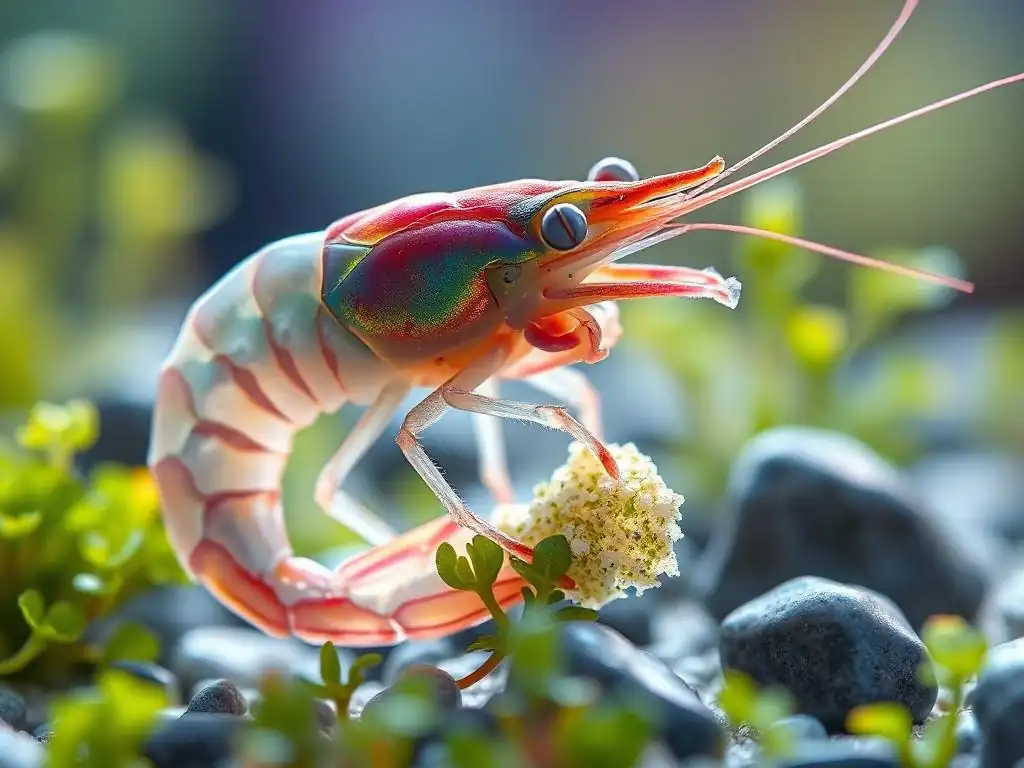
Algae wafers are a widely recognized staple food source for many omnivorous and herbivorous saltwater shrimp, providing a convenient way to deliver plant-based nutrition. These wafers typically contain ingredients such as spirulina, kelp, and chlorella, which are rich in vitamins, minerals, and some protein. Brands specifically formulated for marine invertebrates often ensure the wafers are dense and sink quickly, making them readily available to shrimp that forage on the substrate or live rock. For example, a single small algae wafer can sustain a small group of Lysmata amboinensis for several hours, allowing for continuous grazing.
While a valuable component of a comprehensive saltwater shrimp diet guide, algae wafers should not be the sole food source. They provide essential fiber and vegetable matter but may lack the high protein content required for optimal growth and molting in many marine shrimp species. It's often beneficial to break larger wafers into smaller pieces to prevent overfeeding and ensure all shrimp have access, particularly in tanks with competitive fish or other invertebrates.
Protein-Rich Foods: Brine Shrimp, Mysis Shrimp, and More
Protein-rich foods are indispensable for the growth, molting, and overall vitality of saltwater shrimp. Mysis relicta (Mysis shrimp), whether frozen or freeze-dried, stands out as an exceptionally nutritious option, boasting high levels of crude protein (often exceeding 60% dry weight) and essential fatty acids like Omega-3s. These provide a dense caloric and nutritional punch, making them ideal for accelerating growth and enhancing color. Artemia salina (brine shrimp), particularly those enriched with spirulina or other supplements, also offer valuable protein, though they are generally less nutritious than Mysis shrimp.
Beyond Mysis and brine shrimp, other excellent protein sources include Cyclop-eeze (small copepods), finely chopped marine fish flesh (fed sparingly due to potential for water fouling), and high-quality frozen krill. For species like the Stenopus hispidus (Banded Coral Shrimp), which are more carnivorous, these high-protein offerings are crucial. Including a variety of these protein-rich foods in your saltwater shrimp diet guide ensures they receive a full spectrum of amino acids necessary for robust health and successful molts.
Vegetable Matter: Spirulina and Other Plant-Based Options
While marine shrimp generally have higher protein requirements than freshwater counterparts, incorporating vegetable matter into their diet is still beneficial, primarily for providing essential vitamins, minerals, and carotenoids. Spirulina, a blue-green algae, is a powerhouse of nutrition, containing up to 70% protein, a wide array of B vitamins, iron, and a significant amount of beta-carotene and astaxanthin, which are vital for vibrant coloration. It can be offered in flake form or as a component of algae wafers.
Other plant-based options, though less commonly consumed by marine shrimp compared to their freshwater counterparts, include blanched zucchini, spinach, or nori seaweed. If offering these, ensure they are unseasoned and blanched to soften them for easier consumption. While providing fiber and micronutrients, it's crucial to remember that these should only supplement a diet primarily focused on higher protein marine-based foods. A balanced saltwater shrimp diet guide incorporates both high-quality proteins and beneficial plant matter to ensure comprehensive nutrition.
Recommended Shrimp Food Brands: A Comparative Analysis
When selecting commercial foods for your saltwater shrimp, focusing on the nutritional profile and ingredient quality is more important than specific brand names, as formulations can vary. A superior saltwater shrimp diet guide emphasizes characteristics such as marine protein sources (e.g., fish meal, krill meal, squid meal) listed as the first few ingredients, indicating a high protein content suitable for marine invertebrates. Look for products that explicitly state they are formulated for marine invertebrates or crustaceans.
Examine the guaranteed analysis on the packaging: an ideal protein content typically ranges from 35% to 55%, fat from 5% to 15%, and fiber should be relatively low, generally under 8%. Brands that incorporate natural color enhancers like astaxanthin or spirulina are also highly beneficial for promoting vibrant hues. Some brands offer specialized formulas for specific shrimp types, such as filter feeders, which may contain finer particle sizes. Always prioritize brands with transparent ingredient lists and a reputation for quality in the aquarium hobby.
Creating a Feeding Schedule for Saltwater Shrimp
How Often Should You Feed Your Saltwater Shrimp?
The frequency of feeding saltwater shrimp largely depends on the maturity of your aquarium and the density of your shrimp population. In a well-established reef tank with plenty of live rock and a mature sand bed, natural food sources like detritus, biofilm, and microfauna provide a continuous grazing opportunity. In such environments, supplementing their diet 2 to 3 times per week is often sufficient. This allows shrimp to forage naturally while still receiving targeted nutrition.
For newer tanks, or those with a higher density of shrimp and fewer natural food sources, more frequent feeding—such as daily or every other day—might be necessary. It's crucial to observe your shrimp's behavior; if they appear constantly active and foraging, they are likely receiving adequate nutrition. However, if they seem lethargic or are not growing, increasing feeding frequency or quantity, guided by a comprehensive saltwater shrimp diet guide, may be required. Small, frequent feedings are generally preferable to large, infrequent ones, as this minimizes the risk of uneaten food fouling the water.
Determining the Correct Amount of Food to Prevent Overfeeding
Determining the correct amount of food is critical to prevent overfeeding, which can rapidly degrade water quality and harm your saltwater shrimp. A good rule of thumb is to offer only what your shrimp can consume within 5 to 10 minutes. For a small group of 3-5 average-sized cleaner shrimp, this might translate to just a few small pellets, a quarter of an algae wafer, or a pea-sized portion of frozen food. It's always better to underfeed slightly and observe, rather than to overfeed.
Leftover food that remains in the tank after 10 minutes indicates that you've fed too much. This excess organic matter decomposes, leading to spikes in ammonia and nitrite, and an accumulation of nitrates, all of which are highly toxic to sensitive invertebrates like shrimp. By carefully monitoring consumption and removing any uneaten food promptly, you can maintain pristine water conditions, a cornerstone of any effective saltwater shrimp diet guide. Adjust the amount based on your shrimp's appetite and the presence of other tank inhabitants who might compete for food.
Tips for Target Feeding Specific Shrimp Species
Target feeding is an invaluable technique for ensuring that shy, slow-moving, or specialized feeding shrimp species receive adequate nutrition, especially in community tanks where faster fish or more aggressive invertebrates might outcompete them. For species like the Peppermint Shrimp ( Lysmata wurdemanni) or Harlequin Shrimp ( Hymenocera picta), which may prefer to forage in specific areas or are easily intimidated, a turkey baster or feeding tongs can be used to deliver food directly to their hiding spots or preferred locations. This method guarantees the food reaches its intended recipient.
For filter-feeding shrimp, such as the Rhynchocinetes durbanensis (Durban Dancing Shrimp) or Atyoida pilipes (Amano Shrimp - though freshwater, conceptually similar for filter feeders), finely crushed flakes, liquid invertebrate foods, or phytoplankton suspensions are ideal. These microscopic particles can be dispersed into the water column near the shrimp, allowing them to filter feed effectively from the current. A comprehensive saltwater shrimp diet guide often recommends these specialized feeding methods to cater to the unique needs of diverse shrimp species.
Avoiding Common Saltwater Shrimp Feeding Mistakes
Overfeeding and its Consequences on Water Quality
Overfeeding is arguably the most common and detrimental mistake in saltwater shrimp care, leading to a cascade of negative consequences for water quality. When excess food is introduced into the aquarium, it rapidly decomposes, releasing ammonia and nitrites—compounds highly toxic to all marine life, especially sensitive invertebrates like shrimp. Even after these are converted to nitrates by the nitrogen cycle, high nitrate levels (above 20 ppm) can still stress shrimp, suppress their immune systems, and inhibit molting.
Beyond direct toxicity, overfeeding fuels the growth of nuisance algae, including unsightly cyano bacteria blooms, which thrive on excess nutrients. The increased organic load also promotes the proliferation of undesirable bacteria in the water column and substrate, potentially leading to bacterial infections in shrimp and other tank inhabitants. Adhering strictly to the "feed only what they can eat in 5-10 minutes" rule, as highlighted in any good saltwater shrimp diet guide, is paramount for maintaining stable, healthy water parameters.
Incompatible Foods: What to Avoid Feeding Your Shrimp
Not all food is created equal for saltwater shrimp, and offering incompatible items can be detrimental to their health. Avoid feeding terrestrial animal proteins such as beef, chicken, or other meats from land animals. These foods are high in saturated fats that are difficult for marine invertebrates to digest and can foul aquarium water rapidly. Similarly, processed human foods, even seemingly innocuous ones, often contain additives, preservatives, or high levels of salts that are unsuitable for the delicate balance of a marine environment.
Crucially, steer clear of any foods or medications containing high levels of copper. Copper, even in trace amounts (concentrations exceeding 0.05 mg/L), is highly toxic to all invertebrates, including shrimp, leading to paralysis, organ damage, and death. Always check ingredient lists on fish foods and medications to ensure they are "invert safe." A reliable saltwater shrimp diet guide will always emphasize avoiding these harmful substances to protect your valuable crustaceans.
Recognizing Signs of Malnutrition in Saltwater Shrimp
Recognizing the signs of malnutrition early can be crucial for intervening and correcting a saltwater shrimp's diet before severe health issues arise. One of the most common indicators is faded coloration; vibrant species like the Blood Red Fire Shrimp may appear dull orange or pale if lacking essential carotenoids and other nutrients. Stunted growth is another clear sign; shrimp may not reach their typical adult size (e.g., a Skunk Cleaner Shrimp should reach 2-3 inches in body length).
Molting problems are also highly indicative of poor nutrition, particularly a lack of calcium and iodine. Shrimp may struggle to shed their old exoskeleton, resulting in incomplete molts or death during the process. Lethargy, reduced activity, and a general lack of interest in food when offered are also red flags. Furthermore, a weakened immune system due to malnutrition can manifest as increased susceptibility to infections, loss of appendages, or unexplained deaths, underscoring the critical role of a balanced saltwater shrimp diet guide.
Enhancing Saltwater Shrimp Color Through Diet
Foods That Promote Red Coloration in Shrimp
For saltwater shrimp species renowned for their vibrant red and orange hues, such as the Lysmata debelius (Blood Red Fire Shrimp) or Lysmata amboinensis (Skunk Cleaner Shrimp), diet plays a pivotal role in maximizing their coloration. The key to enhancing red pigments lies in providing foods rich in astaxanthin, a powerful carotenoid pigment. Shrimp cannot synthesize astaxanthin themselves; they must obtain it directly from their diet.
Excellent sources of astaxanthin include high-quality krill, Mysis relicta shrimp, and spirulina algae. Many commercial color-enhancing flake or pellet foods also incorporate concentrated forms of astaxanthin. For example, regularly feeding frozen Mysis relicta shrimp, known for their naturally high astaxanthin content, can significantly intensify the red coloration in your shrimp within a few weeks. Including these specific foods in your saltwater shrimp diet guide is essential for achieving the most brilliant reds.
While red and orange coloration in shrimp is primarily driven by astaxanthin, promoting blue hues is a more complex interplay of pigments and structural coloration. True blue pigments are less common in a shrimp's diet compared to red-enhancing carotenoids. However, blue coloration in shrimp is often a result of carotenoprotein complexes, where carotenoids (like zeaxanthin or other less common ones) bind with specific proteins within the shrimp's tissues.
To support blue coloration, a diet that provides a broad spectrum of high-quality proteins and diverse carotenoids is beneficial. Foods rich in marine algae like Chlorella and Spirulina (which contain various carotenoids) combined with excellent protein sources (e.g., copepods, high-quality marine pellets) can contribute. Some specialized commercial shrimp foods are formulated with specific carotenoid blends aimed at enhancing blue tones, though results can vary depending on the shrimp's genetic predisposition. A comprehensive saltwater shrimp diet guide will encourage a varied diet to support all potential color expressions.
The Role of Carotenoids in Shrimp Color Development
Carotenoids are a class of organic pigments that are absolutely essential for the vibrant coloration observed in most saltwater shrimp species. These fat-soluble compounds, such as astaxanthin, beta-carotene, and zeaxanthin, cannot be synthesized by the shrimp themselves. Instead, they must be obtained entirely through their diet. Once ingested, these pigments are absorbed and then transported to specialized cells called chromatophores or deposited directly into the shrimp's exoskeleton and underlying tissues, where they contribute to the visible colors.
Beyond their aesthetic contribution, carotenoids also serve as potent antioxidants, playing a crucial role in the shrimp's immune system and overall cellular health. They help protect cells from oxidative damage, which is vital for stress resistance and disease prevention. A diet consistently deficient in these vital pigments will inevitably lead to shrimp displaying dull, washed-out, or even transparent coloration, regardless of their genetic potential. This underscores why a robust saltwater shrimp diet guide places such a high emphasis on carotenoid-rich foods for both beauty and health.
Maintaining a Healthy Aquarium Environment for Optimal Feeding
Water Parameters and Their Impact on Shrimp Appetite
Maintaining stable and optimal water parameters is as crucial as the diet itself for ensuring saltwater shrimp have a healthy appetite and thrive. Shrimp are highly sensitive to fluctuations and poor water quality. Ideal parameters include a salinity range of 1.023-1.026 specific gravity, a temperature between 75-80°F (24-27°C), a pH of 8.1-8.4, and alkalinity (dKH) between 8-12. Any significant deviation from these ranges can cause stress, leading to a suppressed appetite, lethargy, and increased susceptibility to disease.
Furthermore, the presence of nitrogenous waste products like ammonia and nitrite (which should always be undetectable at 0 ppm) and elevated nitrates (ideally below 20 ppm) will directly inhibit feeding and can be fatal. Regular water changes (e.g., 10-20% bi-weekly) are essential to dilute accumulated toxins and replenish trace elements. A comprehensive saltwater shrimp diet guide emphasizes that even the best food will not compensate for poor water quality; a pristine environment is foundational for a healthy feeding response.
Substrate and Its Role in Providing Natural Food Sources
The substrate in a saltwater aquarium, particularly a sand bed, plays a significant role in providing continuous natural food sources for shrimp, complementing their supplemental diet. A mature sand bed, especially one that is several inches deep (e.g., 3-4 inches), becomes a thriving ecosystem for various beneficial microfauna, including copepods, amphipods, and other tiny invertebrates. These organisms reproduce within the substrate and emerge, offering a constant supply of live food that shrimp can graze upon.
Beyond live microfauna, the substrate also traps detritus and microalgae, which are readily consumed by many shrimp species as part of their natural foraging behavior. A healthy substrate effectively acts as a living pantry, reducing the shrimp's sole reliance on human-provided food and promoting their natural behaviors. This aspect is often overlooked but is a vital component of a holistic saltwater shrimp diet guide, contributing to both nutritional intake and mental stimulation for the shrimp.
Recommended Water Testing Parameters for Shrimp Health
Regularly monitoring specific water parameters is indispensable for maintaining a healthy environment where saltwater shrimp can thrive and feed optimally. The most critical parameters to test for include:
- Salinity: Maintain between 1.024 and 1.026 specific gravity (or 32-35 ppt), using a reliable refractometer.
- Temperature: Keep stable between 75-80°F (24-27°C).
- pH: Aim for 8.1-8.4.
- Ammonia (NH3/NH4+): Must be 0 ppm.
- Nitrite (NO2-): Must be 0 ppm.
- Nitrate (NO3-): Keep below 20 ppm, ideally much lower for sensitive species.
For advanced shrimp keeping, especially for breeding or sensitive species, also monitor:
- Calcium (Ca): 400-450 ppm, crucial for exoskeleton formation.
- Alkalinity (dKH): 8-12 dKH, for pH stability and calcium carbonate availability.
- Magnesium (Mg): 1250-1350 ppm, important for calcium and alkalinity balance.
While challenging to test for accurately at home, Iodine is also vital for successful molting and is often supplemented via trace element solutions. A rigorous testing regimen is a fundamental part of any effective saltwater shrimp diet guide, ensuring that the environment supports the shrimp's nutritional needs.
Troubleshooting Feeding Problems in Saltwater Shrimp
Shrimp Not Eating: Potential Causes and Solutions
When saltwater shrimp stop eating, it's a clear indicator that something is amiss in their environment or health. One of the most common causes is poor water quality; immediate testing of ammonia, nitrite, nitrate, pH, and salinity is crucial. If any parameters are off, a small water change and correction are the first steps. Another frequent reason is recent molting; shrimp often hide and cease feeding for 24-48 hours after shedding their exoskeleton, during which time they are vulnerable and re-hardening.
Stress from aggressive tank mates, inadequate hiding spots, or sudden environmental changes (e.g., new equipment, large water parameter swings) can also suppress appetite. Solutions include rearranging rockwork to create more secure shelters or target feeding. Finally, disease can cause a loss of appetite; observe for physical signs like discolored patches, lethargy, or missing appendages. A persistent lack of appetite, even after addressing environmental factors, warrants further investigation into potential health issues, guiding your approach within a comprehensive saltwater shrimp diet guide.
Competition for Food: Addressing Aggression from Other Tank Inhabitants
Competition for food is a common challenge in community saltwater aquariums, particularly for slower-moving or more timid shrimp species. Fast-swimming fish, such as tangs or certain damselfish, can quickly consume offered food before shrimp have a chance to access it. More aggressive invertebrates, like hermit crabs or certain snails, can also outcompete shrimp for sinking pellets or wafers, leaving the shrimp underfed.
To address this, strategic feeding methods are essential. One effective technique is target feeding, where you use a turkey baster or long feeding tongs to deliver food directly to the shrimp's vicinity, ensuring they get their share. Another approach is to feed the tank in multiple spots simultaneously, distracting faster eaters while the shrimp can feed in a quieter area. Feeding the fish first, then offering shrimp food a few minutes later, can also help. Providing ample hiding spots and rockwork crevices also allows shrimp to feel secure while foraging, a vital consideration in any effective saltwater shrimp diet guide.
Common Diseases Affecting Shrimp Appetite and Feeding Habits
Several common diseases and conditions can directly impact a saltwater shrimp's appetite and feeding habits, often stemming from suboptimal environmental conditions or nutritional deficiencies. Bacterial infections, frequently caused by Vibrio species, can lead to internal distress, lethargy, and a complete cessation of feeding. These infections often manifest as cloudy bodies or discolored patches and are exacerbated by poor water quality. Similarly, fungal infections can cause external lesions that make feeding uncomfortable or impossible.
Molting complications, while not strictly a disease, are a prevalent issue affecting appetite. If a shrimp struggles to shed its old exoskeleton (often due to insufficient iodine, calcium, or unstable water parameters), it will typically cease eating and may appear distressed. This condition, sometimes referred to as Molting Disease, can be fatal. Internal parasites can also lead to a gradual decline in appetite and wasting. Observing your shrimp closely for any physical signs beyond just a lack of interest in food is crucial for accurate diagnosis and appropriate intervention, a key component of a thorough saltwater shrimp diet guide.
Conclusion: Achieving a Balanced Diet for Thriving Saltwater Shrimp
Frequently Asked Questions
What are the basic dietary needs of saltwater shrimp?
Saltwater shrimp are generally detritivores and scavengers. A balanced diet should include algae, decaying matter, and supplemental food sources. Providing a varied diet helps ensure they receive all the necessary nutrients.
How often should I feed my saltwater shrimp?
Most saltwater shrimp should be fed every other day to daily in small amounts. Observe your shrimp's feeding habits and adjust the frequency accordingly. Avoid overfeeding to prevent water quality issues.
What types of foods are best for enhancing saltwater shrimp coloration?
Foods rich in carotenoids are excellent for enhancing shrimp coloration. This includes foods like spirulina algae, astaxanthin, and certain commercial shrimp foods specifically formulated for color enhancement.
Can I feed my saltwater shrimp flake food intended for fish?
While some fish flake food can be acceptable, it's not ideal as a primary food source for saltwater shrimp. Look for specialized shrimp pellets or flakes that are higher in plant-based ingredients.
What are some signs of poor nutrition in saltwater shrimp?
Signs of poor nutrition include lack of color, lethargy, and difficulty molting. Ensure they are getting a balanced and varied diet and that other tank inhabitants aren't outcompeting them for food.
Final Reflection: The Vibrant Future of Saltwater Shrimp
The information presented throughout this Saltwater Shrimp Diet Guide underscores a crucial point: the health and vibrant coloration of these fascinating creatures are inextricably linked to their diet. Understanding and implementing a proper feeding regimen is not just about keeping them alive; it's about unlocking their full potential and contributing to a thriving aquatic ecosystem within our own homes.
This journey into the nuances of saltwater shrimp nutrition has profoundly influenced my perspective on responsible aquarium keeping. It's a reminder that we are stewards of these miniature worlds, and their well-being rests largely on our understanding and dedication. The greatness of a nation and its moral progress can be judged by the way its animals are treated.
- Mahatma Gandhi. While Gandhi spoke of larger animals, the sentiment rings true for the delicate ecosystems we cultivate in our aquariums.
Now, I invite you to reflect on the power you hold to shape the lives of these captivating creatures. Armed with the knowledge from this guide, consider how you can refine your approach to feeding your saltwater shrimp. Embrace the opportunity to not only enhance their health and color but also to deepen your connection with the intricate beauty of the marine world. Let's work together to ensure a vibrant future for these tiny treasures.
Ignite Your Shrimp's Vitality: Discover New Feeding Strategies!
Thank you for diving into the world of saltwater shrimp diets! We hope you've gained valuable insights into keeping your crustaceans healthy and vibrant. Now, it's time to put that knowledge into action.
- Immediately reassess your shrimp's current diet. Are you offering a variety of foods that meet their nutritional needs? Start making small, gradual changes to improve their health.
- Explore uncommon food sources! Research and test high-quality, spirulina-enriched algae wafers or blanched organic vegetables to enrich their diet and boost coloration.
- Share your shrimp feeding journey! Join the Aquarium Mastery community forums and exchange tips, ask questions, and celebrate the successes (and learn from the challenges) of other shrimp keepers.
What surprising food have you found that your shrimp absolutely love, and how has it impacted their color and vitality?