
Browning Out Zoanthids: How to Restore Their Dazzling Colors

Welcome to Aquarium Mastery!
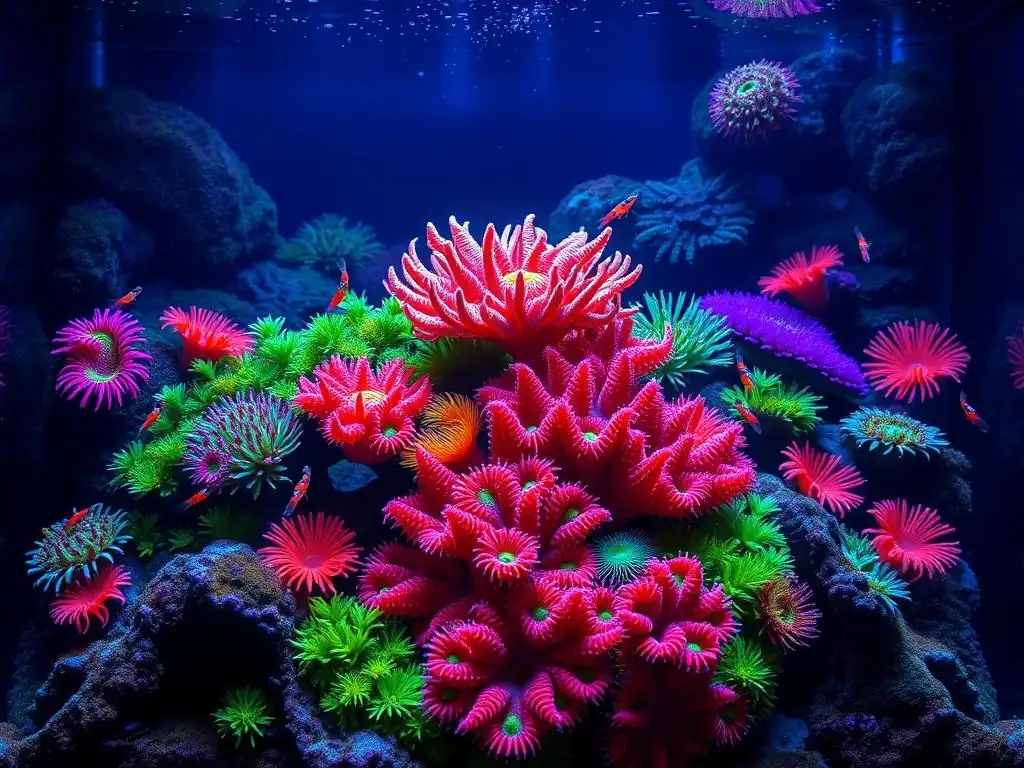
Ever wondered why your vibrant Zoanthids are losing their luster? Browning out is a common problem, but don't despair! This guide dives deep into Zoanthid color restoration tips, offering practical solutions to bring back those dazzling colors. Ready to unlock the secrets to a thriving coral reef in your own home aquarium? Let's get started!
- Understanding Zoanthid Browning and Color Loss
- Diagnosing Browning in Your Zoanthid Colony
- Zoanthid Color Restoration Tips: A Step-by-Step Guide
- Long-Term Zoanthid Care for Vibrant Colors
- Advanced Techniques for Enhancing Zoanthid Color
- Frequently Asked Questions
- Final Reflection: The Enduring Beauty of Restoration
- Revive the Rainbow: Reimagine Your Zoanthids' Brilliance!
Understanding Zoanthid Browning and Color Loss
What Causes Zoanthids to Brown Out? Identifying the Root Causes
Zoanthid browning, often referred to as "browning out," is a common sign of stress in these popular soft corals. It indicates that the zoanthid is struggling to maintain its symbiotic relationship with the zooxanthellae, the microscopic algae living within its tissues. The primary causes are typically related to suboptimal environmental conditions within the aquarium, including imbalances in water chemistry, inappropriate lighting, or insufficient water flow. This stress can lead to a reduction in the coral's vibrant pigments and an increase in the brown-colored zooxanthellae, making the coral appear dull and lackluster.
Specific stressors frequently include elevated nutrient levels, such as nitrates exceeding 10-20 ppm or phosphates above 0.03-0.05 ppm, which can cause an overpopulation of zooxanthellae that mask the coral's natural colors. Conversely, excessive lighting, particularly PAR levels above 150-200 PAR for typical zoanthids, can cause the coral to expel zooxanthellae as a protective measure, leading to a bleached or browned appearance. Insufficient light (e.g., below 50 PAR) can also cause browning as the coral attempts to increase its zooxanthellae density to capture more light, making Zoanthid color restoration tips crucial for aquarists.
The Role of Zooxanthellae in Zoanthid Coloration
Zooxanthellae are single-celled dinoflagellates that live symbiotically within the tissues of zoanthids and many other corals. These tiny algae perform photosynthesis, converting light energy into sugars and other organic compounds, which provide up to 90% of the coral's energy requirements. In return, the coral provides a protected environment and access to essential nutrients like carbon dioxide and nitrogenous waste products. The vibrant colors we admire in healthy zoanthids, such as brilliant blues, greens, reds, and yellows, are largely due to the pigments produced by these zooxanthellae (like chlorophyll and peridinin) and the coral's own chromoproteins.
When zoanthids experience stress, whether from high temperatures (e.g., prolonged periods above 82°F), intense lighting, or poor water quality, this delicate symbiotic relationship breaks down. The coral may expel a significant portion of its zooxanthellae, a process known as bleaching. If the stress persists or is chronic, the zoanthid may appear brown as it either retains a higher concentration of the less colorful zooxanthellae or its own brown-pigmented cells become more prominent, overshadowing the brighter hues. Understanding this mechanism is fundamental to effective Zoanthid color restoration tips.
Common Triggers for Zoanthid Browning: A Checklist
Several environmental factors commonly trigger zoanthid browning. Keeping a checklist of these potential issues can help in diagnosing and addressing the problem efficiently.
- Lighting Issues:
Excessive PAR: Light intensity too high, leading to zooxanthellae expulsion.Insufficient PAR: Light intensity too low, prompting the coral to produce more zooxanthellae to compensate.Incorrect Spectrum: Lack of appropriate blue/royal blue wavelengths or an imbalance.Sudden Light Changes: Abrupt shifts in fixture type, intensity, or photoperiod.
- Water Quality Degradation:
High Nitrates: Often above 10 ppm, inhibiting coral pigment production.High Phosphates: Often above 0.03 ppm, contributing to algal growth and coral stress.Unstable Salinity: Fluctuations outside the ideal range of 1.024-1.026 SG.Unstable Alkalinity/Calcium/Magnesium: Though soft corals are less sensitive than SPS, swings (e.g., dKH varying more than 0.5 per day) cause stress.
- Environmental Stressors:
Inadequate Water Flow: Stagnant areas leading to detritus accumulation and nutrient deprivation.Temperature Swings: Rapid changes or prolonged periods outside the optimal 76-80°F range.Lack of Proper Nutrition: While light is primary, some zoanthids benefit from supplemental feeding.Presence of Pests or Diseases: Nudibranchs, zoanthid spiders, or bacterial infections.
Diagnosing Browning in Your Zoanthid Colony
Recognizing the Signs: Early Indicators of Zoanthid Color Loss
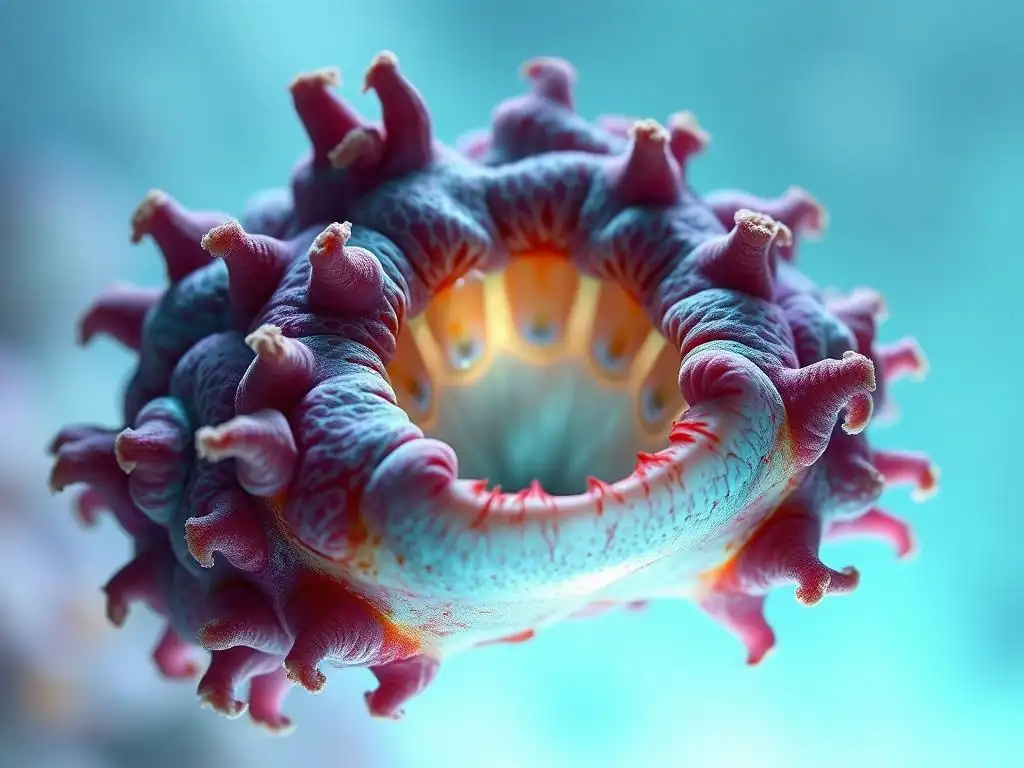
The earliest and most prominent sign of zoanthid browning is a noticeable dulling or complete loss of their vibrant, characteristic colors. Polyps that were once bright blue, fiery orange, or neon green may transform into a muddy brown, grayish, or olive tone. This color shift often occurs gradually over days or weeks, allowing for early intervention. Beyond color, you might observe other subtle indicators: polyps may appear smaller than usual, exhibit reduced or inconsistent polyp extension, or remain closed for extended periods.
It's important to distinguish between general browning and other issues. If only a few polyps in a colony are affected, or if there's visible physical damage like bite marks or a slimy coating, the cause might be a pest or disease rather than broad environmental stress. However, if an entire colony or multiple colonies across the tank begin to lose their color uniformly, it strongly points towards a systemic issue related to water parameters or lighting. Prompt observation and accurate diagnosis are the first steps in effective Zoanthid color restoration tips.
Testing Your Water Parameters: A Crucial Step in Diagnosis
Accurate and consistent water parameter testing is paramount when diagnosing browning zoanthids. Reliable test kits (e.g., Salifert, Hanna, Red Sea) should be used to measure key parameters regularly. Focus on:
Salinity: Maintain between 1.024 and 1.026 specific gravity (34-35 ppt). Deviations can cause osmotic stress.Alkalinity: Aim for 7-11 dKH, with 8-9 dKH being a stable sweet spot for most mixed reefs. Fluctuations outside this range can stress corals.Calcium: Keep levels between 400-450 ppm. While not directly consumed by soft corals for skeletal growth, stable calcium is indicative of overall water stability.Magnesium: Maintain 1250-1350 ppm. Magnesium helps stabilize alkalinity and calcium, preventing precipitation.Nitrate: Ideally below 10 ppm, with many aquarists aiming for 0-5 ppm. High nitrates directly contribute to zooxanthellae overgrowth and browning.Phosphate: Aim for undetectable levels or below 0.03 ppm. Phosphates are a major culprit in browning due to their impact on zooxanthellae.
Any significant deviation from these optimal ranges can be a contributing factor to browning. For instance, if your nitrates consistently read above 20 ppm, or phosphates are above 0.1 ppm, these are strong indicators of nutrient pollution impacting your zoanthids' color. Similarly, if your alkalinity swings wildly (e.g., from 7 to 11 dKH within days), this instability can lead to stress, despite the average being within an acceptable range. Addressing these imbalances is a core component of Zoanthid color restoration tips.
Ruling Out Other Potential Issues: Pests and Diseases Affecting Zoanthids
While water parameters and lighting are frequent causes of browning, it is crucial to rule out pests and diseases that specifically target zoanthids. These biological threats can cause tissue damage, recession, and often a dull, unhealthy appearance that mimics browning. Common zoanthid pests include:
- Zoanthid-Eating Nudibranchs (e.g., Aegires species): These small, camouflaged sea slugs feed on zoanthid polyps. Look for them on the polyps themselves, often blending in, or for their distinctive spiral egg clutches laid near the colony. Affected polyps may remain closed or show visible bite marks.
- Zoanthanthid Spiders (Pycnogonids): Tiny, spider-like arthropods that build webs over zoanthid polyps, irritating them and preventing them from opening fully. They are often translucent and difficult to spot without a magnifying glass.
- Zoanthid Pox: A bacterial infection characterized by white, bumpy lesions on the polyps. This can cause polyps to close and eventually recede.
- Brown Jelly Disease: A rapid tissue necrosis, often bacterial, appearing as a brown, slimy coating that consumes coral tissue quickly. While less common on zoanthids than LPS corals, it can occur and demands immediate intervention.
To inspect for these issues, carefully observe your zoanthid colony, ideally with a magnifying glass, especially at night or when the polyps are closed. If you suspect pests, a coral dip (e.g., using Revive Coral Cleaner or an iodine-based dip like Lugol's solution) can often dislodge them. For diseases like zoanthid pox or brown jelly, immediate removal of affected polyps or targeted treatment may be necessary. Distinguishing between environmental browning and pest/disease issues is vital for selecting the correct Zoanthid color restoration tips.
Zoanthid Color Restoration Tips: A Step-by-Step Guide
Step 1: Optimizing Water Chemistry for Zoanthid Health
Maintaining Proper Alkalinity, Calcium, and Magnesium Levels
While zoanthids are soft corals and do not build large calcium carbonate skeletons like SPS corals, stable water parameters, including alkalinity, calcium, and magnesium, are still vital for their overall health and vibrant coloration. Aim for an alkalinity of 8-9 dKH, which provides a good balance for most mixed reef tanks and minimizes stress from fluctuations. Calcium levels should be maintained between 420-450 ppm, and magnesium between 1250-1350 ppm. These ranges support the biological processes of the zoanthids and their symbiotic zooxanthellae, indirectly contributing to their ability to produce pigments.
To maintain these levels, consistent practices are key. Regular partial water changes (e.g., 10-20% bi-weekly) with a high-quality reef salt mix can replenish consumed elements and dilute wastes. For tanks with higher coral loads, manual dosing of two-part solutions (e.g., B-Ionic, ESV B-Ionic) or utilizing a calcium reactor can help maintain stability. Avoid large, sudden adjustments to these parameters, as rapid swings can be more detrimental than slightly off-target but stable levels. This foundational stability is a cornerstone of effective Zoanthid color restoration tips.
The Importance of Nitrate and Phosphate Control for Zoanthid Color
High levels of nitrates and phosphates are one of the most common culprits behind zoanthid browning. When these nutrients accumulate, they can cause zooxanthellae to proliferate excessively within the coral's tissues. This overpopulation of brown-pigmented zooxanthellae can then mask the coral's natural, vibrant colors, leading to the characteristic muddy brown appearance. Nitrates above 10 ppm and phosphates above 0.03 ppm are generally considered problematic for maintaining optimal zoanthid coloration.
Effective nutrient control is therefore paramount for Zoanthid color restoration tips. Implement a robust nutrient export strategy:
- Regular Water Changes: As mentioned, 10-20% bi-weekly water changes help dilute accumulated nitrates and phosphates.
- Efficient Protein Skimming: An appropriately sized and well-maintained protein skimmer removes organic waste before it breaks down into nitrates and phosphates.
- Refugium: A dedicated refugium with macroalgae like Chaetomorpha can effectively absorb nitrates and phosphates from the water column.
- GFO/Carbon Dosing: Granular Ferric Oxide (GFO) reactors are highly effective at removing phosphates, while carbon dosing methods (e.g., using vodka, vinegar, or sugar) can help reduce nitrates by promoting bacterial consumption.
- Avoid Overfeeding: Feed fish and corals judiciously to minimize excess food waste, a major source of nutrients.
Step 2: Adjusting Lighting for Enhanced Zoanthid Coloration
Understanding PAR and Light Spectrum Requirements for Zoanthids
Lighting is a critical factor in zoanthid coloration, as it directly impacts their symbiotic zooxanthellae. Zoanthids generally thrive in moderate PAR (Photosynthetically Active Radiation) levels, typically ranging from 50 to 150 PAR. If the PAR is too high (e.g., consistently above 200 PAR), it can lead to photoinhibition, causing the zoanthid to expel its zooxanthellae as a protective mechanism, resulting in a bleached or browned appearance. Conversely, if the PAR is too low (e.g., below 50 PAR), the zoanthid may brown out as it attempts to increase its zooxanthellae density to capture more light, making it appear less vibrant.
Beyond intensity, the light spectrum plays a significant role. A full-spectrum light with a strong emphasis on blue and royal blue wavelengths (around 420-470 nm) is highly beneficial for enhancing zoanthid coloration. These wavelengths penetrate deeper into the water and are efficiently absorbed by coral pigments, causing their inherent fluorescent colors to pop. While some white light (e.g., 6500K to 10000K) is necessary for overall growth and photosynthesis, an overly white or yellow spectrum can make zoanthids appear dull. Adjusting the spectrum is a key component of Zoanthid color restoration tips.
Acclimatizing Zoanthids to New Lighting Conditions
When introducing new zoanthids to your tank, or if you are upgrading your lighting system, proper acclimatization is crucial to prevent browning. Zoanthids are sensitive to sudden changes in light intensity and spectrum. Start by placing new zoanthids in a lower light area of your tank, or if using adjustable LED lighting, begin with a reduced intensity (e.g., 50-60% of your target PAR). You can also use temporary diffuser screens or mesh to further reduce light penetration.
Gradually increase the light intensity over a period of 2 to 4 weeks, observing your zoanthids closely for any signs of stress. If they remain closed, shrink, or show increased browning, reduce the intensity and slow down the acclimation process. This slow and steady approach allows the zoanthids and their zooxanthellae to adapt to the new lighting environment, minimizing stress and promoting the return of their dazzling colors. Patience during this period is a vital Zoanthid color restoration tip.
Step 3: Improving Water Flow and Circulation
The Benefits of Adequate Water Flow for Zoanthid Health and Color
Adequate and appropriate water flow is often overlooked but plays a critical role in zoanthid health and coloration. Moderate, turbulent, and indirect flow is ideal for zoanthids. This type of flow prevents detritus and waste particles from settling on the polyps, which can suffocate them, lead to tissue necrosis, and ultimately cause browning or even death. Stagnant areas in the aquarium can become traps for organic matter, contributing to localized nutrient spikes and bacterial films that stress corals.
Beyond waste removal, proper water flow ensures the efficient delivery of dissolved nutrients, trace elements, and planktonic food particles directly to the zoanthid polyps. It also facilitates gas exchange, removing metabolic waste products from the coral's immediate vicinity. Zoanthids in areas with insufficient flow may appear shrunken, fail to fully extend, and eventually lose their vibrant coloration. Consistent, gentle movement helps zoanthids maintain their shape and encourages optimal polyp extension, which is essential for healthy, colorful colonies.
Implementing Wave Makers and Powerheads for Optimal Circulation
To achieve optimal water flow for zoanthids, consider implementing multiple wave makers or powerheads strategically placed throughout your aquarium. Rather than using one large pump that creates a harsh, direct blast, multiple smaller pumps (e.g., Ecotech VorTech MP10s, Tunze Turbelle Nanostream 6020) can create a more randomized, turbulent flow pattern that mimics natural reef conditions. Position these pumps to create indirect flow, bouncing off rockwork or the opposite glass, to avoid directly blasting the zoanthids, which can cause them to remain closed due to excessive physical stress.
Start with lower flow settings and gradually increase them over several days, observing how your zoanthids respond. You should aim for a gentle sway of the polyps, indicating consistent water movement without causing them to retract or struggle. Regularly clean your wave makers to ensure their efficiency and prevent detritus accumulation within the pumps themselves. Proper flow helps keep the coral's surface clean, enhances nutrient delivery, and supports the overall health required for effective Zoanthid color restoration tips.
Step 4: Providing Proper Nutrition for Zoanthids
Target Feeding Zoanthids: Techniques and Best Practices
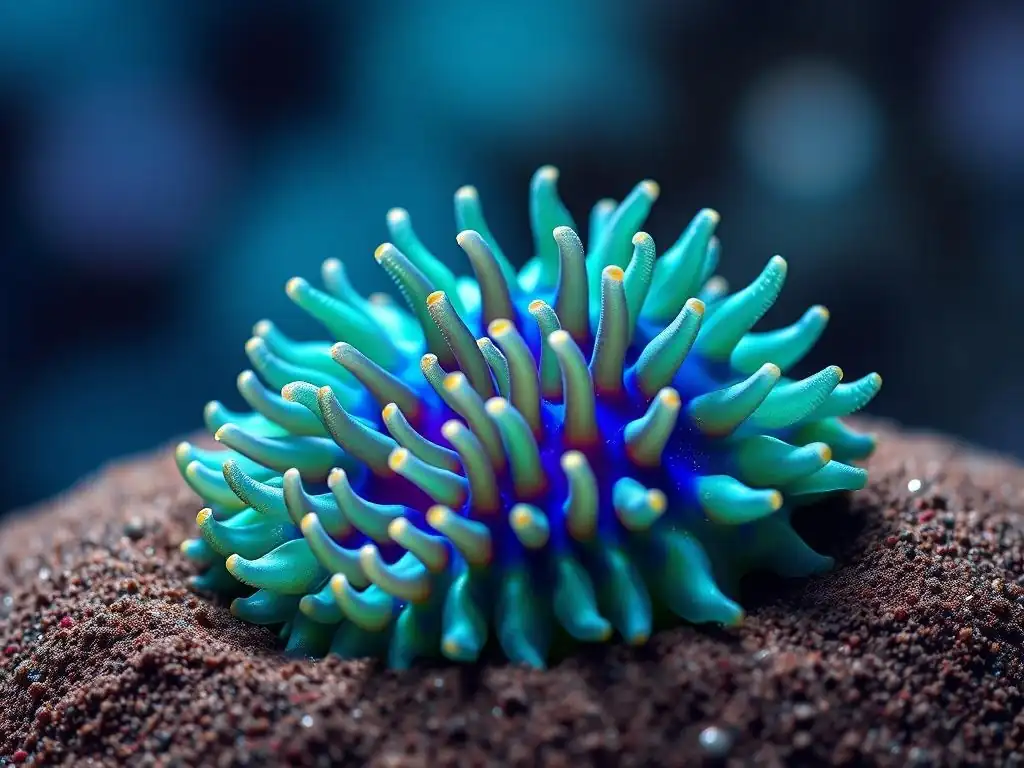
While zoanthids derive a significant portion of their energy from photosynthesis by their zooxanthellae, supplemental target feeding can significantly boost their growth rate and enhance their vibrant coloration, especially for larger polyp varieties. Zoanthids are carnivorous and will consume very fine particulate matter and small zooplankton from the water column. Target feeding ensures that each polyp receives direct nutrition, which can be particularly beneficial for colonies that are browning out due to nutrient deficiency or stress.
To target feed, use a pipette or a turkey baster to deliver a small amount of food directly to the open polyps. It is advisable to turn off your powerheads and return pumps for 10-15 minutes during feeding to prevent the food from dispersing too quickly. Feed 1-2 times per week, or more frequently if your zoanthids are showing signs of stress or slow growth. Overfeeding can lead to nutrient spikes, so start with small amounts and increase gradually based on your tank's nutrient handling capacity.
Choosing the Right Zoanthid Foods and Supplements
Selecting the appropriate food is crucial for effective zoanthid nutrition. Zoanthids have small mouths and require very fine particulate foods. Excellent choices include:
- Reef Roids: A popular powdered coral food that zoanthids readily consume.
- Phytoplankton and Zooplankton: Live or preserved phytoplankton and zooplankton (e.g., Nannochloropsis, Tetraselmis, Copepods) provide essential fatty acids and proteins.
- Marine Snow: Fine organic particles that mimic the natural detritus consumed by corals in the wild.
- Liquid Amino Acid Solutions: While not a food in the traditional sense, amino acid supplements (e.g., Brightwell Aquatics Aminovite, Red Sea Reef Energy A&B) can be directly absorbed by the coral tissue, providing building blocks for proteins and pigments.
These supplements can be dosed directly into the water column or mixed with other foods for target feeding. When choosing supplements, look for products specifically formulated for reef aquariums that contain a balanced profile of essential amino acids and vitamins. Consistent, appropriate feeding is a powerful Zoanthid color restoration tip, helping to restore their metabolic function and vibrant hues.
Step 5: Addressing Potential Pests and Diseases
Identifying Common Zoanthid Pests and Diseases
Before implementing broad Zoanthid color restoration tips, it's crucial to identify and address any specific pests or diseases that may be afflicting your zoanthid colony. These biological threats can cause localized browning, tissue recession, and general decline. Common culprits include:
- Zoanthid Nudibranchs (Aegires species): These are small, often camouflaged sea slugs that feed exclusively on zoanthids. They can be hard to spot, but look for them on the polyps, especially when the lights are off, or for their distinctive white spiral egg masses laid on nearby rockwork.
- Zoanthid Spiders (Pycnogonids): Tiny, translucent arachnids that build fine webs over zoanthid polyps, causing irritation and preventing them from opening. They are extremely small and require close inspection, often with a magnifying glass.
- Zoanthid Pox: This appears as white, raised bumps or lesions on the polyps, often caused by a bacterial infection. Affected polyps may remain closed or shrink.
- Brown Jelly Disease: While more common on LPS corals, it can affect zoanthids. It manifests as a rapidly spreading brown, slimy coating that consumes coral tissue, leading to rapid necrosis and browning.
Prompt and accurate identification is key. Pests often cause polyps to be consistently closed, show specific bite marks, or have visible organisms on them. Diseases like pox or brown jelly present as distinct physical manifestations rather than general color dulling.
Safe and Effective Treatment Options for Zoanthid Ailments
Once identified, specific treatments can be applied to address zoanthid pests and diseases.
- For Zoanthid Nudibranchs and Spiders:
- Manual Removal: Use fine tweezers to carefully remove visible pests.
- Coral Dips: Dip the affected zoanthid colony in a commercially available coral dip solution (e.g., Coral Rx, Revive Coral Cleaner, or an iodine-based dip like Lugol's solution) according to product instructions. Perform dips in a separate container, not in the main display tank. Repeat dips every few days for several weeks to target newly hatched eggs.
- Freshwater Dips: A brief freshwater dip (5-10 seconds, pH and temperature matched to the tank) can sometimes dislodge pests, but use with extreme caution as it can be stressful for the coral.
- For Zoanthid Pox:
- Some aquarists report success with a brief freshwater dip (5-10 seconds, pH and temperature matched) to stress the bacteria.
- Antibiotic treatments or specific coral medications may be considered in severe cases, but consult an experienced aquarist or veterinarian.
- For Brown Jelly Disease:
- Immediate Isolation: Remove the affected zoanthid (or frag the healthy parts) from the main tank immediately to prevent spread.
- Targeted Removal: Siphon off the brown jelly using a pipette.
- Coral Dip: Dip the remaining healthy tissue in an iodine-based dip.
- In severe cases, the entire infected colony may need to be removed to protect other corals.
Always quarantine new zoanthids for at least 4-6 weeks before introducing them to your display tank to prevent the introduction of these harmful pests and diseases. Addressing these issues directly is a vital step in successful Zoanthid color restoration tips.
Long-Term Zoanthid Care for Vibrant Colors
Maintaining Stable Water Parameters: A Key to Success
The single most critical factor for long-term vibrant zoanthid colors is consistent water parameter stability, rather than aiming for absolute "perfect" numbers. Wild fluctuations in temperature, salinity, alkalinity, calcium, or magnesium can cause significant stress, leading to browning and overall decline. For instance, temperature swings of more than 2°F within 24 hours, or salinity changes exceeding 0.002 SG, can severely impact zoanthids. Similarly, alkalinity swings greater than 0.5 dKH per day are highly detrimental.
To achieve stability, invest in reliable equipment such as an Automatic Top-Off (ATO) system to maintain consistent salinity by replacing evaporated water. Use a high-quality heater and a heater controller to prevent temperature spikes or drops. Regular, precise testing of alkalinity, calcium, and magnesium, followed by consistent dosing (if necessary) with a two-part solution or calcium reactor, will help keep these parameters within ideal ranges without sudden shifts. This unwavering stability is the bedrock of all effective Zoanthid color restoration tips for lasting vibrancy.
Regular Water Changes: Replenishing Essential Elements
Regular partial water changes are a fundamental practice for maintaining a healthy and vibrant reef aquarium, and they are particularly important for long-term Zoanthid color restoration tips. Performing a 10-20% water change every 1-2 weeks accomplishes several critical tasks:
- Nutrient Export: It dilutes and removes accumulated nitrates and phosphates, which, as discussed, are primary contributors to zoanthid browning. Even with excellent skimming and refugium, some nutrients will build up over time.
- Trace Element Replenishment: Corals and other invertebrates consume essential trace elements from the water column (e.g., iodine, potassium, iron, boron). While some are replenished through feeding, regular water changes with a quality reef salt mix provide a broad spectrum of these vital micronutrients.
- Removal of Undesirable Substances: Water changes help export dissolved organic carbons (DOCs) and other metabolic byproducts that can accumulate and negatively impact water quality and clarity.
Always use a high-quality reef salt mix that dissolves cleanly and consistently, and ensure the new saltwater is mixed to the correct salinity and temperature before adding it to the display tank.
Monitoring and Adjusting Lighting as Needed
Even after initial lighting adjustments, ongoing monitoring and occasional fine-tuning are essential for maintaining vibrant zoanthid colors over the long term. Light fixtures, particularly LED units, can lose intensity over time, while T5 fluorescent bulbs require replacement every 9-12 months to maintain their optimal spectrum and PAR output.
Consider using a PAR meter periodically (e.g., every 6-12 months) to assess the light intensity at your zoanthid colonies. This allows you to identify if the light is becoming too weak (leading to browning from insufficient light) or still too strong (causing photoinhibition). If zoanthids are growing and shading themselves, or if they appear to be reaching for light, you may need to adjust their placement or slightly increase/decrease light intensity.
Conversely, if new zoanthids introduced to the tank are browning, they may need a lower-light spot or slower acclimation. Proactive lighting management is a continuous Zoanthid color restoration tip.
Preventing Future Browning Events: Proactive Strategies
To ensure your zoanthids maintain their dazzling colors and prevent future browning events, adopt a comprehensive and proactive approach to aquarium husbandry:
- Consistent Maintenance Schedule: Establish and adhere to a regular schedule for water testing (e.g., weekly or bi-weekly), water changes, glass cleaning, and equipment maintenance (e.g., cleaning skimmer cup, powerheads). Consistency is key to stability.
- Judicious Feeding: Avoid overfeeding fish and corals. Feed only what your tank inhabitants can consume quickly to minimize excess nutrients.
- Quarantine New Additions: Always quarantine new corals (and fish) in a separate tank for at least 4-6 weeks before introducing them to your main display. This prevents the introduction of pests, diseases, and unwanted algae that can stress existing zoanthids and trigger browning.
- Observe Daily: Spend a few minutes each day observing your zoanthids and other tank inhabitants. Early detection of subtle changes in color, polyp extension, or behavior can allow for prompt intervention before browning becomes severe.
- Avoid Sudden Changes: Refrain from making drastic or sudden changes to your aquarium environment, whether it's a large water change with unacclimated water, a sudden increase in light intensity, or a significant temperature swing. Gradual adjustments are always preferred.
Advanced Techniques for Enhancing Zoanthid Color
Utilizing Amino Acid Supplements for Color Boost
For aquarists seeking to further enhance the vibrant coloration of their zoanthids beyond basic care, amino acid supplements can be highly effective. Amino acids are the fundamental building blocks of proteins, which are essential for coral tissue growth and the production of chromoproteins responsible for many of the stunning colors seen in zoanthids (e.g., reds, oranges, yellows, and greens). Corals can directly absorb these dissolved organic compounds from the water column, bypassing the need for filter feeding.
Dosing liquid amino acid solutions (e.g., Brightwell Aquatics Aminovite, Red Sea Reef Energy A&B, AcroPower) can significantly intensify zoanthid pigmentation. Start with a conservative dose, typically 1-2 ml per 25 gallons daily or every other day, depending on the product's concentration and your tank's biomass. Observe your corals for a few weeks; you may notice a remarkable pop in their colors and improved polyp extension. While not a cure for browning caused by poor husbandry, as a supplemental Zoanthid color restoration tip, amino acids can elevate healthy corals to their peak coloration.
The Role of Trace Elements in Zoanthid Pigmentation
Beyond the major parameters, specific trace elements play a vital role in the metabolic processes and pigment formation of zoanthids. While regular water changes with a quality salt mix provide a baseline of these micronutrients, heavily stocked tanks or those with specific coral demands may benefit from targeted trace element supplementation.
- Potassium: Often linked to the development and intensification of blue and purple pigments in corals.
- Iodide/Iodine: Important for various metabolic processes and can contribute to overall coral health and color.
- Iron: Can enhance green coloration in some corals by supporting chlorophyll production in zooxanthellae.
- Manganese: Involved in enzymatic reactions within the coral.
When considering trace element supplementation, use a reputable product designed for reef aquariums (e.g., Red Sea Trace-Colors, Tropic Marin K+ Elements). Be extremely cautious and follow dosing instructions precisely, as overdosing trace elements can be highly toxic to corals and other invertebrates. It's often best to dose these based on consumption, which can be difficult to measure without advanced testing. Start slowly and observe your zoanthids for positive changes, making this an advanced Zoanthid color restoration tip.
Experimenting with Different Light Spectrum Combinations [Cautionary Note]
For advanced aquarists with sophisticated LED lighting systems, fine-tuning the light spectrum can unlock even more vibrant and unique color expressions in zoanthids. While a full spectrum with strong blues and royal blues is generally recommended, subtle adjustments to individual color channels can enhance specific pigments. For instance, increasing the intensity of royal blue (around 420-440nm) and violet/UV (395-400nm) channels can significantly boost the fluorescence of many zoanthids, making them glow under actinic lighting. Some aquarists also experiment with small amounts of red or green light to bring out those specific hues in certain morphs.
[Cautionary Note] Experiment with light spectrum combinations with extreme caution. Sudden or drastic changes in spectrum or intensity can be highly stressful for zoanthids and may lead to further browning or even bleaching. Make very small adjustments (e.g., 1-2% increase/decrease on a single channel) over several days or even weeks, closely observing your zoanthids' response.
Document your settings meticulously so you can revert if a change proves detrimental. Always ensure that the overall PAR levels remain within the optimal range (50-150 PAR for most zoanthids) when adjusting individual color channels, as changes in spectrum can subtly alter the perceived intensity. This advanced Zoanthid color restoration tip requires patience, precision, and a deep understanding of your lighting system.
Frequently Asked Questions
Why are my Zoanthids turning brown?
Browning out in Zoanthids is often due to an increase in zooxanthellae within their tissues. This is usually triggered by excess nutrients or inadequate lighting.
What type of lighting is best for restoring Zoanthid color?
Providing the correct lighting is crucial. Zoanthids generally thrive under moderate to high lighting, such as LEDs or T5s, with a spectrum suitable for coral growth. Experiment to find what best suits your specific Zoanthids.
How do I manage nutrients to prevent Zoanthid browning?
Regular water changes are vital to remove excess nutrients like nitrates and phosphates. Proper filtration and avoiding overfeeding will also help maintain optimal water quality.
Can water parameters affect Zoanthid color?
Yes, absolutely. Maintaining stable water parameters, including alkalinity, calcium, and magnesium levels, is essential for Zoanthid health and color. Test your water regularly and make adjustments as needed.
Besides lighting and water quality, are there other factors that influence Zoanthid coloration?
Yes, water flow is important as it brings nutrients and removes waste. Also, iodine supplementation can sometimes help enhance coloration, but should be done carefully and monitored.
Okay, here's a final reflection designed to resonate with readers of your article "Browning Out Zoanthids: How to Restore Their Dazzling Colors," focusing on the theme of resilience and restoration, and optimized for your target keyword "Zoanthid color restoration tips":
Final Reflection: The Enduring Beauty of Restoration
The journey to reviving the vibrant hues of zoanthids is more than just a technical process; it's a testament to the resilience of life and our ability to nurture it. As we've explored the various techniques and considerations for zoanthid color restoration, it becomes clear that patience, observation, and a deep understanding of these fascinating creatures are key to unlocking their full potential. The success of these methods underscores a broader principle: that even when faced with adversity, beauty can be restored with diligent care and informed action.
This pursuit of vibrant color in our aquariums mirrors a deeper human desire to cultivate beauty and overcome challenges. The dedication required to bring back the dazzling colors of zoanthids reflects our own capacity for growth and renewal. The best and most beautiful things in the world cannot be seen or even touched - they must be felt with the heart.
- Helen Keller. This quote encapsulates the emotional connection we form with our aquariums and the satisfaction derived from nurturing their inhabitants back to health and brilliance.
Now, armed with these Zoanthid color restoration tips, I invite you to reflect on the power of restoration in your own life. Consider the areas where a little extra care, attention, and understanding could bring back the vibrancy that may have faded. Just as you can coax the stunning colors back from browning zoanthids, you too can cultivate beauty and resilience in your own world. Embrace the challenge, and witness the transformative power of restoration unfold.
Revive the Rainbow: Reimagine Your Zoanthids' Brilliance!
Thanks for diving deep into the world of zoanthid color restoration! You've now got the knowledge to bring back the vibrancy to your coral garden. It's time to put that expertise into action!
Here’s how you can make those zoanthids pop:
- Immediately assess and optimize your aquarium's water parameters. This is the single most important step. Ensure stable alkalinity, calcium, and magnesium levels, and keep nitrates and phosphates within the recommended range.
- Carefully adjust your lighting schedule and intensity. Consider experimenting with different spectrums, but make gradual changes to avoid shocking your zoanthids.
- Share your "before & after" pictures and restoration journey on our community forum! Inspire others and get personalized advice.
What specific water parameter will you tackle first to unlock your zoanthids' full color potential?