
Why Aren't My Zoanthids Opening? Common Causes & Solutions

Welcome to Aquarium Mastery!
Ever felt the frustration of beautiful Zoanthids stubbornly staying closed? It's a common problem, but don't worry, we're here to help! Dive into our comprehensive guide, " Why Aren't My Zoanthids Opening? Common Causes & Solutions," and unlock the secrets to vibrant, thriving coral colonies. Let's explore the potential culprits and get your Zoanthids blooming again! Ready to discover the answers?
- Understanding Zoanthid Behavior: Why Opening Matters
- Common Zoanthid Opening Problems: Identifying the Issue
-
Water Quality Issues: The #1 Culprit for Closed Zoanthids
- Elevated Nitrate and Phosphate Levels: The Connection to Zoanthid Health
- Unstable Salinity: How Fluctuations Impact Zoanthids
- Inadequate Alkalinity, Calcium, and Magnesium: Essential Elements for Polyp Extension
- Ammonia and Nitrite Spikes: Toxic Conditions for Zoanthids
- Solutions for Improving Water Quality: Testing and Adjustments
- Lighting Problems: Too Much or Too Little Light
- Flow Rate Issues: Finding the Sweet Spot
- Pests and Predators: Identifying and Eliminating Threats
- Disease and Infection: Recognizing and Treating Zoanthid Ailments
- Placement Problems: Where You Put Your Zoanthids Matters
- Other Potential Causes for Zoanthid Closure
- Troubleshooting Guide: Step-by-Step Approach to Zoanthid Opening Problems
- Preventing Zoanthid Opening Problems: Proactive Measures
- Conclusion: Restoring Your Zoanthids to Full Bloom
-
Frequently Asked Questions
- What are the most common causes of Zoanthid opening problems?
- How can I test my water parameters to ensure they are suitable for Zoanthids?
- What type of lighting is best for Zoanthids and how can I ensure they are getting enough light?
- What are some common pests that can affect Zoanthids and how can I treat them?
- What are some general tips for maintaining healthy Zoanthids and preventing opening problems?
- Final Reflection: Unlocking the Secrets of Zoanthid Bliss
- Unleash the Vibrant Beauty of Your Zoanthids!
Understanding Zoanthid Behavior: Why Opening Matters
The Importance of Open Polyps for Zoanthid Health
The vibrant, open polyps of a healthy zoanthid colony are not merely a sign of aesthetic beauty; they are crucial indicators of the coral's overall well-being and its ability to thrive within the aquarium ecosystem. Zoanthids, like many corals, host symbiotic dinoflagellates called zooxanthellae within their tissues. These algae perform photosynthesis, converting light energy into sugars and other organic compounds that supply a significant portion, often 70-80%, of the zoanthid's nutritional requirements. When polyps remain closed, the zooxanthellae are deprived of essential light, severely limiting this vital energy production.
Beyond photosynthesis, open polyps allow zoanthids to actively feed on microscopic food particles, dissolved organic matter, and even small plankton present in the water column. Their extended tentacles and wide oral discs are designed to capture these nutrients, supplementing the energy derived from their zooxanthellae. Prolonged closure therefore leads to a dual deprivation of energy sources, weakening the coral, making it susceptible to disease, and ultimately leading to tissue recession and potential death. Addressing Zoanthid opening problems solutions quickly is paramount for their survival.
What Does a Healthy, Open Zoanthid Colony Look Like?
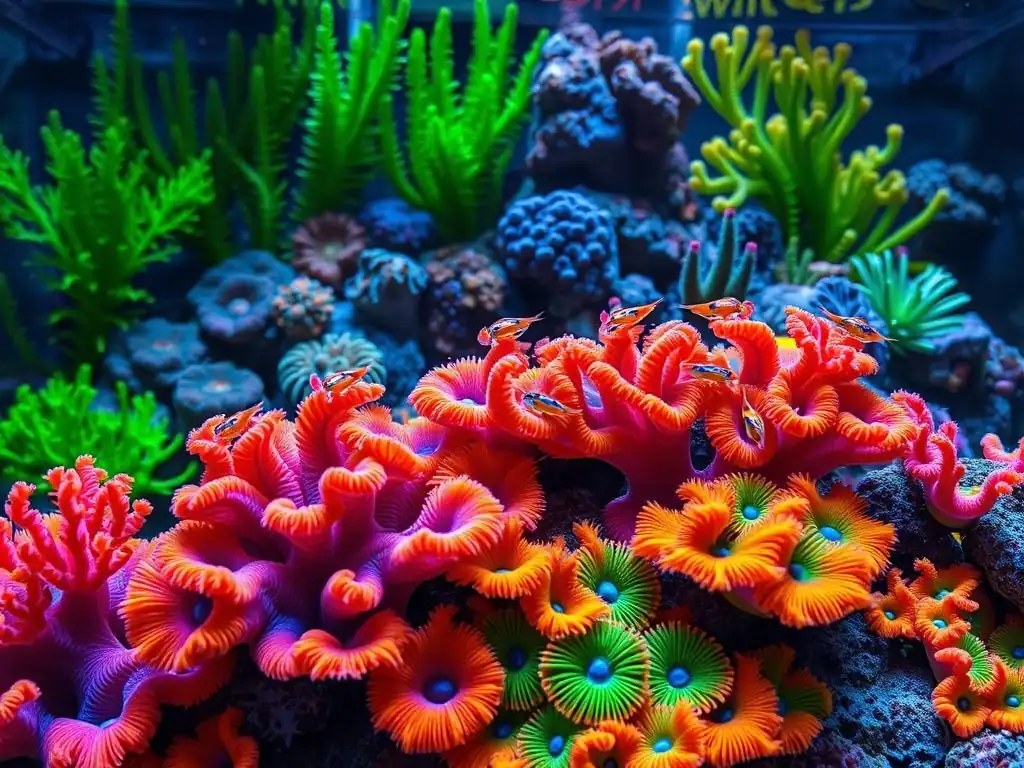
A thriving zoanthid colony exhibits fully extended polyps, often reaching lengths of 1 to 3 centimeters from their mat, depending on the specific species. Each polyp should display its characteristic vibrant coloration, with a clearly defined oral disc and, in many varieties, small, delicate tentacles extending outwards. The polyps should appear plump and turgid, swaying gently in the water flow rather than appearing shriveled or retracted.
Ideally, during the illuminated hours of the day, nearly all polyps within a healthy colony should be open and extended. A colony where only a few polyps are open, or where polyps are only partially extended, indicates a sub-optimal environment or an underlying issue. Consistent, full extension of the polyps is the hallmark of a contented and well-nourished zoanthid, signaling that all environmental factors are conducive to its growth and propagation.
Common Zoanthid Opening Problems: Identifying the Issue
Zoanthids Not Opening at All: A Critical Sign
When zoanthids remain completely closed for an extended period, it typically signals a severe and immediate threat to their health. This complete retraction can be a protective response to highly toxic water conditions, such as ammonia spikes, or a severe infestation of pests that are actively consuming the polyps. It can also indicate a drastic and rapid change in environmental parameters, causing profound shock to the colony.
Prolonged closure, lasting more than 24-48 hours, significantly jeopardizes the zoanthid's survival. Without access to light for photosynthesis or the ability to filter feed, the coral rapidly depletes its energy reserves. This state of starvation makes the zoanthid highly vulnerable to tissue necrosis, where the polyps begin to degrade and "melt" away, often leading to the complete loss of the colony if the root cause is not identified and addressed promptly.
Partially Open Zoanthids: Reduced Polyp Extension
Partially open zoanthids, characterized by polyps that are shrunken, appear less vibrant, or only extend halfway, are a common warning sign of sub-optimal conditions. This state suggests that the coral is under stress, but perhaps not yet facing an immediate life-threatening situation. It could be reacting to slightly elevated nutrient levels, mild irritation from water flow, or the early stages of a pest infestation where the irritation is intermittent or less severe.
This reduced polyp extension indicates that the zoanthid is struggling to fully engage in its essential biological functions, such as photosynthesis and feeding, but is still attempting to cope. While not as critical as complete closure, ignoring partially open polyps can lead to a gradual decline in the colony's health, making it more susceptible to further stress, disease, or more significant Zoanthid opening problems solutions down the line.
Zoanthids Opening and Closing Repeatedly: Erratic Behavior
Zoanthids that exhibit erratic behavior, such as opening fully for a few hours and then retracting, or opening and closing multiple times throughout the day, often point to fluctuating or inconsistent environmental conditions. This behavior can be triggered by unstable lighting cycles, where the intensity or spectrum changes unexpectedly, or by inconsistent water flow that intermittently blasts or deprives the polyps.
Another common cause for this erratic behavior is periodic irritation from within the tank. This could include a fish occasionally nipping at the polyps, detritus settling on the colony and then being dislodged, or even tiny micro-organisms periodically irritating the polyps. This stop-and-go behavior prevents the zoanthids from establishing a stable routine for photosynthesis and feeding, leading to chronic stress and hindering their overall growth and vitality.
Water Quality Issues: The #1 Culprit for Closed Zoanthids
Elevated Nitrate and Phosphate Levels: The Connection to Zoanthid Health
High concentrations of nitrates and phosphates are a primary cause of stress and closure in zoanthids, despite their reputation for hardiness. While soft corals are often more tolerant than SPS or LPS corals, prolonged exposure to elevated nutrients will undoubtedly inhibit their health. Nitrates exceeding 10-20 ppm and phosphates above 0.05-0.1 ppm can directly impact the efficiency of the zooxanthellae, leading to reduced photosynthesis and a dulling of the coral's vibrant coloration.
Moreover, high nutrient levels fuel the growth of undesirable nuisance algae, such as diatoms, hair algae, and cyanobacteria. These algae can rapidly colonize and smother zoanthid polyps, physically preventing them from opening and competing for light and nutrients. Even if the zoanthids manage to open partially, their ability to thrive is severely compromised by the constant battle against algal overgrowth and the systemic stress from poor water quality.
Unstable Salinity: How Fluctuations Impact Zoanthids
Maintaining a stable salinity is paramount for all reef inhabitants, including zoanthids. These corals are highly sensitive to rapid fluctuations in specific gravity, which ideally should be maintained within a narrow range of 1.024 to 1.026 (or 34-35 ppt). Even minor, sudden shifts, such as a change of 0.002 or 0.003 in specific gravity over a short period, can trigger an osmotic shock response in zoanthids, causing them to immediately retract and remain closed.
Zoanthids, like other marine invertebrates, expend significant energy regulating their internal fluid balance with the surrounding seawater. When salinity fluctuates rapidly, their cells struggle to adapt to the changing osmotic pressure, leading to stress, tissue damage, and a complete closure as a protective mechanism. Consistent top-off with freshwater to compensate for evaporation, and careful mixing of saltwater for changes, are crucial to prevent these common Zoanthid opening problems solutions.
Inadequate Alkalinity, Calcium, and Magnesium: Essential Elements for Polyp Extension
While zoanthids are soft corals and do not build calcified skeletons like LPS or SPS corals, the stability of alkalinity, calcium, and magnesium levels remains vital for their overall physiological processes and the health of their underlying basal mat. Optimal ranges for these parameters are typically 7-11 dKH for alkalinity, 400-450 ppm for calcium, and 1250-1350 ppm for magnesium. These elements are involved in numerous cellular functions, including enzyme activity, energy transfer, and the maintenance of cellular integrity.
Fluctuating or consistently low levels of these essential elements can lead to a general decline in coral vitality, even in soft corals. For instance, insufficient alkalinity can hinder the coral's ability to maintain its internal pH balance, while low magnesium can impair the uptake of other crucial ions. This systemic stress often manifests as reduced polyp extension, dull coloration, and a general reluctance for the zoanthids to fully open, indicating a need for comprehensive Zoanthid opening problems solutions.
Ammonia and Nitrite Spikes: Toxic Conditions for Zoanthids
Ammonia ( NH3/NH4+) and nitrite ( NO2-) are highly toxic compounds that are byproducts of the nitrogen cycle, primarily from fish waste and decaying organic matter. In a healthy, cycled reef aquarium, these compounds should always be undetectable, registering 0 ppm. Even trace amounts, such as 0.1 ppm of ammonia or nitrite, can be lethal to zoanthids and other marine invertebrates.
When an ammonia or nitrite spike occurs, zoanthids will typically react immediately by retracting completely and showing signs of severe distress, including tissue necrosis or "melting." These compounds directly burn coral tissue, causing irreparable damage. Spikes are most common in newly set up tanks that are not fully cycled, or in established tanks experiencing a system crash due to overfeeding, filter failure, or a large die-off. Addressing these toxic conditions with emergency water changes and identifying the source is critical for any hope of recovery.
Solutions for Improving Water Quality: Testing and Adjustments
Regular Water Testing: Essential for Monitoring Parameters
Consistent and accurate water testing is the cornerstone of preventing and resolving Zoanthid opening problems solutions related to water quality. Establish a routine of testing key parameters at least weekly, or bi-weekly, using reliable and recently calibrated test kits. Focus on ammonia, nitrite, nitrate, phosphate, salinity (specific gravity), alkalinity, calcium, and magnesium.
Maintaining a log of your test results allows you to identify trends and subtle shifts in parameters before they become critical issues. For example, a gradual increase in nitrates over several weeks might prompt you to increase water change frequency or evaluate your feeding habits before zoanthids show signs of closure. This proactive approach is far more effective than reacting to visible stress.
Performing Water Changes: Diluting Problematic Substances
Regular water changes are the most effective and fundamental method for diluting accumulated nitrates, phosphates, and other dissolved organic pollutants that can stress zoanthids. A routine of 10-20% weekly or bi-weekly water changes is generally recommended for most reef tanks. For tanks experiencing specific Zoanthid opening problems solutions due to high nutrients, more frequent or larger water changes (e.g., 25-30% every few days) may be necessary in the short term.
Ensure that the new saltwater is mixed to the correct specific gravity ( 1.024-1.026), temperature (within 1-2°F of tank water), and pH before adding it to the aquarium. Using high-quality salt mix and RO/DI water is crucial to avoid introducing new contaminants.
Utilizing Protein Skimmers: Removing Organic Waste
A properly sized and well-maintained protein skimmer is an invaluable tool for maintaining pristine water quality and preventing Zoanthid opening problems. Protein skimmers remove dissolved organic compounds (DOCs) from the water column before they can break down into nitrates and phosphates. By removing these precursors, skimmers significantly reduce the bioload on your biological filtration and help maintain consistently low nutrient levels.
Ensure your skimmer is producing dark, thick skimmate consistently, indicating efficient operation. Regular cleaning of the collection cup (daily to every few days) and the neck (weekly) is essential for optimal performance. An undersized or poorly maintained skimmer will be less effective in preventing the accumulation of organic waste that leads to zoanthid stress.
Implementing Phosphate Reactors: Controlling Phosphate Levels
For tanks struggling with persistent elevated phosphate levels, a dedicated phosphate reactor can be a highly effective solution. These reactors typically utilize granular ferric oxide (GFO) or other phosphate-adsorbing media, which chemically bind to and remove phosphates from the water column. This targeted approach can rapidly bring phosphate levels down to the desired range (ideally below 0.03 ppm).
When using a phosphate reactor, it's crucial to follow the manufacturer's instructions for media quantity and replacement frequency. Overdosing or leaving exhausted media in the reactor can sometimes lead to issues like iron leaching or phosphate release back into the water. Regular testing of phosphate levels will guide when the media needs to be refreshed, typically every 2-4 weeks.
Maintaining Proper Alkalinity, Calcium, and Magnesium Levels
While zoanthids are not heavy consumers of alkalinity, calcium, or magnesium, maintaining stable levels within their optimal ranges is essential for their overall metabolic health. For tanks with a significant coral bioload, regular dosing of a two-part solution (containing calcium and alkalinity) or the use of a calcium reactor is often necessary to replenish these elements as they are consumed. Magnesium levels tend to be more stable but should still be monitored and supplemented if they fall below the target range of 1250 ppm.
Aim for gradual adjustments to these parameters to avoid shocking your corals. For example, when adjusting alkalinity, do not increase or decrease by more than 0.5-1 dKH per day. Consistency in dosing and regular testing are key to preventing the subtle stress that can manifest as Zoanthid opening problems solutions.
Lighting Problems: Too Much or Too Little Light
Insufficient Light Intensity: Preventing Zoanthid Opening
Zoanthids, like most photosynthetic corals, rely heavily on light for their survival. If the light intensity is too low, their symbiotic zooxanthellae cannot perform photosynthesis efficiently, leading to insufficient energy production. While many zoanthid species can adapt to a wide range of lighting conditions, a PAR (Photosynthetically Active Radiation) level below 50-75 µmol·m⁻²·s⁻¹ in the area where they are placed is generally considered inadequate for sustained health.
In low light conditions, zoanthids may appear dull, lose their vibrant coloration, and gradually shrink. They might also exhibit a "stretching" behavior, where their polyps become elongated or leggy in an attempt to reach more light. Prolonged insufficient lighting will ultimately lead to starvation and a reluctance to open fully, as they are not receiving the necessary energy to maintain their metabolic functions.
Excessive Light Intensity: Causing Zoanthid Stress and Closure
Conversely, too much light can be just as detrimental, if not more so, than too little. When zoanthids are exposed to excessively high PAR levels (e.g., above 200-250 µmol·m⁻²·s⁻¹ for many species, especially if not properly acclimated), their zooxanthellae can become overstimulated. This leads to photoinhibition, where the photosynthetic machinery is damaged, or even bleaching, where the coral expels its zooxanthellae.
As a protective mechanism against excessive light, zoanthids will often retract their polyps tightly and remain closed. This closure helps shield the sensitive zooxanthellae from damaging radiation. Signs of too much light also include fading colors, a bleached appearance, or a general "crispy" look to the polyps. This is a common cause of Zoanthid opening problems, particularly when new, powerful lighting systems are introduced without proper acclimation.
Finding the Right Light Spectrum for Zoanthids
Beyond intensity, the spectrum of light plays a crucial role in zoanthid health and coloration. Zoanthids generally thrive under a full-spectrum light source that includes a strong blue component, typically in the 450-470nm range. Blue light penetrates deeper into the water column and is highly effective for stimulating zooxanthellae photosynthesis. A good spectrum will also incorporate white light (around 6500K to 10000K) and often small amounts of red and green to bring out the coral's natural pigments.
Many aquarists find that a "cool white" or "actinic blue" dominant spectrum (e.g., 12,000K to 20,000K appearance) provides optimal conditions for zoanthid growth and vibrant coloration. Experimentation within these ranges, while monitoring the coral's response, is often necessary to find the sweet spot for your specific colony and lighting setup.
Acclimation to New Lighting: Avoiding Shock
When introducing new zoanthids to an existing lighting setup, or upgrading your aquarium's lighting system, proper acclimation is critical to prevent light shock and subsequent closure. A sudden change in PAR levels can be highly stressful. For new corals, consider placing them lower in the tank initially, where light intensity is reduced, and gradually moving them up over several weeks.
If upgrading lights, start with a significantly reduced intensity (e.g., 50-70% of the intended final output) and a shorter photoperiod (e.g., 6-8 hours). Increase the intensity by 5-10% weekly, and gradually extend the photoperiod by 30-60 minutes per week, while closely observing your zoanthids for signs of stress or improved opening. This slow, controlled acclimation is a key Zoanthid opening problems solutions strategy.
Flow Rate Issues: Finding the Sweet Spot
Insufficient Water Flow: Leading to Detritus Buildup
Inadequate water flow is a common, yet often overlooked, contributor to Zoanthid opening problems. If the flow around a zoanthid colony is too low, detritus, uneaten food particles, and other organic waste can settle directly onto the polyps. This accumulation of debris physically irritates the zoanthids, causing them to retract as a protective measure to prevent smothering.
Furthermore, stagnant areas with detritus buildup can lead to localized pockets of elevated nutrients and anaerobic conditions, fostering the growth of nuisance algae or harmful bacteria directly on the coral. This unhealthy microenvironment will significantly stress the zoanthids, preventing them from fully extending and potentially leading to tissue recession or infection.
Excessive Water Flow: Irritating Zoanthids
While some flow is essential, too much direct or turbulent water movement can also be detrimental to zoanthids. If the flow is excessively strong and directly blasts the polyps, it can physically batter them, preventing them from fully extending and making it difficult for them to capture food particles. Zoanthids under constant, intense flow will often appear flattened, shriveled, or remain tightly closed in an attempt to protect their delicate tissues from mechanical damage.
This constant physical stress expends a significant amount of the coral's energy as it tries to resist the force of the water, diverting resources away from growth and overall health. The ideal flow for zoanthids is not a direct "firehose" effect but rather a gentle, oscillating movement.
Optimizing Water Flow for Zoanthid Health and Polyp Extension
The optimal water flow for zoanthids is moderate, indirect, and turbulent. This type of flow ensures that detritus is gently swept away from the polyps without physically damaging them, while also delivering fresh nutrients and oxygen to the colony. Aim for a general tank turnover rate of 20-30 times the tank volume per hour, distributed throughout the aquarium to create varied flow patterns.
Position powerheads or wavemakers to create broad, random flow that washes over the zoanthids rather than directly blasting them. Observe your zoanthids: their polyps should sway gently and gracefully in the current, indicating good flow. If they are flattened against the rockwork or appear to be struggling against the current, the flow is likely too strong. If detritus is visibly accumulating on them, the flow is insufficient. Adjusting flow is a direct path to many Zoanthid opening problems solutions.
Pests and Predators: Identifying and Eliminating Threats
Zoanthid Eating Nudibranchs: A Common Pest
Zoanthid-eating nudibranchs (often Aeolid nudibranchs) are one of the most notorious and destructive pests that can cause Zoanthid opening problems. These small, often cryptically colored sea slugs are specialized predators that feed exclusively on zoanthids. They are incredibly camouflaged, frequently mimicking the color and texture of the zoanthid polyps themselves, making them difficult to spot.
Signs of a nudibranch infestation include rapid zoanthid closure, polyps disappearing overnight, or visible bite marks and tissue damage on the zoanthid mat. Nudibranchs also lay distinctive white, spiral-shaped egg masses, usually on the zoanthid colony or nearby rockwork. A single nudibranch can decimate a small colony within days, making prompt identification and removal critical.
Sundial Snails: Another Potential Threat
Sundial snails ( Heliacus areola) are another common pest that preys on zoanthids. These small, often striped snails, typically 5-10mm in size, are nocturnal feeders that will slowly consume zoanthid polyps. While they may not cause the rapid devastation of nudibranchs, their presence will lead to chronic irritation, polyps remaining closed, and a gradual decline in the colony's health.
Like nudibranchs, sundial snails can be difficult to spot during the day as they often hide in crevices. Inspecting the zoanthid colony thoroughly at night with a flashlight is the best way to detect their presence. Look for missing polyps, irritation, or the snails themselves crawling on the colony.
Spider Crabs: Potential Irritants
While not always direct predators, certain species of small spider crabs can cause significant irritation and lead to Zoanthid opening problems. These crabs may climb over zoanthid colonies, steal food directly from the polyps, or even establish small burrows or nests within the zoanthid mat. This constant disturbance prevents the polyps from fully extending and can cause localized tissue damage or stress.
Observe your zoanthid colony for any small crustaceans moving among the polyps, especially after lights out. If you notice a crab consistently irritating a colony, it may need to be removed. While many crabs are harmless scavengers, some can be problematic for delicate corals.
Treating Pest Infestations: Dips and Quarantine Procedures
Iodine Dips: A Common Treatment for Zoanthid Pests
Iodine-based coral dips are a widely used and effective first line of defense against many common zoanthid pests, including nudibranchs and sundial snails. Products like Seachem Reef Dip or Tropic Marin Pro-Coral Cure, which contain povidone-iodine, are diluted with tank water according to manufacturer instructions. The affected zoanthid colony is then gently dipped in this solution for 5-10 minutes.
During the dip, gently agitate the coral or use a turkey baster to direct flow over it. This often encourages pests to detach and fall off. After the dip, rinse the coral thoroughly in clean tank water before returning it to the display tank. Repeat dips may be necessary every few days to target newly hatched eggs, which are often resistant to initial dips.
Freshwater Dips: A More Aggressive Approach (Use with Caution)
Freshwater dips are a more aggressive and potentially stressful treatment, generally reserved for severe infestations or pests that are resistant to other methods. This method involves dipping the zoanthid colony in RO/DI water that is temperature-matched ( +/- 1°F) and pH-matched to the aquarium water. The dip duration should be very brief, typically 30-60 seconds maximum.
The sudden osmotic shock causes pests to detach quickly. However, this method can also severely stress the zoanthid itself, potentially leading to tissue damage or even death if done incorrectly or for too long. It should be considered a last resort among Zoanthid opening problems solutions and performed with extreme caution, only on robust colonies.
Quarantine Tanks: Isolating Affected Colonies
The most effective proactive measure against pest infestations is to quarantine all new zoanthids (and other corals) in a separate, dedicated quarantine tank for at least 4-6 weeks before introducing them to the main display. This allows ample time to observe for any signs of pests, diseases, or other issues without risking the health of your established reef.
During quarantine, new corals can be prophylactically dipped. If pests are identified, they can be treated in the quarantine tank without exposing the entire display system to medications or the risk of widespread infestation. This preventative approach is invaluable for long-term reef health and prevents future Zoanthid opening problems.
Disease and Infection: Recognizing and Treating Zoanthid Ailments
Zoanthid Pox: Identifying and Addressing the Issue
Zoanthid Pox is a common ailment characterized by the appearance of small, white, raised bumps or lesions on the polyps, often resembling tiny blisters. These lesions can cause the affected polyps to retract, lose color, and eventually necrotize, leading to the gradual decline of the colony. While the exact pathogen is not always clear, it is often associated with stress, poor water quality, or bacterial infections.
If left untreated, Zoanthid Pox can spread throughout a colony and potentially to other zoanthid colonies in the tank. Treatment often involves improving water quality, ensuring stable parameters, and sometimes topical application of antibiotics or specific coral dip treatments designed for this condition, such as Furan-2 or similar broad-spectrum antibacterial compounds.
Bacterial Infections: Recognizing the Signs and Symptoms
Bacterial infections in zoanthids can manifest in several ways, often appearing as cloudy, slimy, or decaying tissue. Symptoms might include tissue recession starting from the base of the polyp, polyps "melting" away, or a general opaque appearance. These infections can be primary pathogens or secondary invaders taking advantage of a coral weakened by stress, poor water quality, or physical injury.
Unlike pest infestations which cause visible damage, bacterial infections often present as a progressive deterioration of the coral tissue. Rapid tissue necrosis (RTN) or slow tissue necrosis (STN) can occur, leading to significant loss of the colony. Prompt identification of these Zoanthid opening problems solutions is crucial for intervention.
Treating Diseased Zoanthids: Antibiotics and Supportive Care
Treating diseased zoanthids typically involves a multi-pronged approach. First, address any underlying environmental stressors such as poor water quality, inadequate flow, or improper lighting. Improving these conditions can significantly boost the coral's natural immune response. For Zoanthid Pox, targeted dips using antibacterial medications like Furan-2 (following manufacturer instructions for freshwater or saltwater dips) can be effective.
For more generalized bacterial infections, broad-spectrum antibiotic dips may be considered, but caution is advised as these can also affect beneficial bacteria. In all cases, supportive care is paramount: ensure optimal water parameters, provide moderate, clean flow, and maintain stable conditions to give the zoanthid the best chance of recovery. Severely affected polyps or sections of a colony may need to be fragged off to prevent further spread.
Placement Problems: Where You Put Your Zoanthids Matters
Competition from Other Corals: Allelopathy and Chemical Warfare
One of the most overlooked Zoanthid opening problems solutions relates to their placement near other corals. Many corals, particularly various SPS (Small Polyp Stony) and some LPS (Large Polyp Stony) species, engage in chemical warfare, releasing compounds called terpenes into the water to inhibit the growth of competing corals. This phenomenon, known as allelopathy, can severely stress zoanthids, causing them to retract, lose color, and slowly decline even if all other parameters are ideal.
Zoanthids are generally more sensitive to these chemical exudates than many other soft corals. It's crucial to provide adequate spacing, often 6-12 inches or more, between zoanthid colonies and potentially aggressive neighbors, especially fast-growing SPS corals like Acropora or certain LPS like Euphyllia or Goniopora. Good activated carbon use in the filtration system can help absorb these harmful chemicals.
Placement Too Close to the Sand Bed: Detritus Accumulation
Placing zoanthid colonies directly on or too close to the sand bed can lead to significant Zoanthid opening problems. The sand bed is a natural trap for detritus, uneaten food, and other organic waste. In areas of lower water flow, this detritus can accumulate on the zoanthid polyps, physically smothering them, irritating their tissues, and creating localized pockets of high nutrients and bacterial growth.
This constant irritation and potential for suffocation will cause the zoanthids to remain closed, preventing them from photosynthesizing and feeding. Over time, prolonged exposure to detritus can lead to tissue necrosis, especially if the detritus begins to decompose directly on the coral. It is generally advisable to place zoanthids on stable rockwork, elevated a few inches above the sand bed, to ensure proper water flow and prevent detritus accumulation.
Providing Adequate Space and Flow for Zoanthids
Beyond avoiding direct competition, providing adequate physical space and ensuring optimal flow are critical for zoanthid health. Zoanthids, while appearing small, can grow into large colonies over time, spreading across rockwork. Ensuring they have enough room to expand without impinging on other corals or being shaded is important.
Optimal placement involves finding a spot on the rockwork where they receive moderate, indirect water flow that gently washes over the colony, keeping it clean and delivering nutrients, without blasting the polyps. The lighting should also be appropriate for the specific zoanthid species, often in the mid-to-lower regions of the tank, depending on light intensity. Thoughtful placement is a proactive measure against many common Zoanthid opening problems.
Other Potential Causes for Zoanthid Closure
Sudden Changes in Tank Parameters: Stressing Zoanthids
Zoanthids, like most marine invertebrates, thrive on stability. Sudden or drastic changes in any major water parameter can induce significant stress, leading to immediate retraction and prolonged closure. This includes rapid shifts in temperature (e.g., more than 2-3°F in a few hours), pH (e.g., a drop of 0.2 units or more), or salinity (as discussed previously).
Even subtle, but quick, changes in trace elements or the introduction of new chemicals into the water can cause stress. For instance, dosing additives too quickly or introducing tap water instead of RO/DI water during top-offs can shock the system. Maintaining consistency through automated top-off systems, stable heating, and careful dosing practices is crucial for preventing these common Zoanthid opening problems.
Introduction of New Tank Mates: Potential for Harassment
The introduction of new fish or invertebrates into the aquarium can sometimes lead to zoanthid closure, even if the water parameters are stable. Certain fish species, such as some angelfish, butterflyfish, or even some blennies, are known to nip at or consume zoanthids. Even if a fish doesn't consume them, persistent nipping or irritation can cause the polyps to remain closed.
Beyond direct predation, new tank mates can also cause stress through general harassment or by stirring up detritus onto the zoanthids. For example, a new, highly active fish might consistently swim too close to the colony, causing the polyps to retract. Observe new additions closely for any interactions with your zoanthids to identify if they are contributing to Zoanthid opening problems.
Use of Copper-Based Medications: Toxicity to Zoanthids
A critical prohibition for any reef aquarium, especially one containing zoanthids, is the use of copper-based medications. Copper is highly toxic to all invertebrates, including corals, shrimp, crabs, and snails, even at very low concentrations (e.g., above 0.1-0.2 ppm). Introducing copper into a display tank will almost certainly lead to the rapid death of your zoanthids and other beneficial invertebrates.
If fish in a reef tank require copper treatment for parasitic infections like Ich or Velvet, they must be removed and treated in a separate hospital tank. Never treat the main display tank with copper. Even trace amounts of copper leached from equipment or rockwork can cause severe Zoanthid opening problems and eventual demise.
Troubleshooting Guide: Step-by-Step Approach to Zoanthid Opening Problems
When your zoanthids remain closed, a systematic approach to troubleshooting is the most effective way to identify and resolve the underlying issue. Follow these steps to diagnose and address common Zoanthid opening problems solutions:
Step 1: Test Your Water Parameters
- Action: Immediately test all critical water parameters.
- Ammonia (
NH3/NH4+): Should be0 ppm. - Nitrite (
NO2-): Should be0 ppm. - Nitrate (
NO3-): Aim for below10-20 ppm. - Phosphate (
PO43-): Aim for below0.05-0.1 ppm. - Salinity (Specific Gravity): Should be stable at
1.024-1.026. - Alkalinity (
dKH): Target7-11 dKH. - Calcium (
Ca): Target400-450 ppm. - Magnesium (
Mg): Target1250-1350 ppm. - Temperature: Stable within
76-79°F.
- Ammonia (
- Correction: Perform water changes (
10-25%) to dilute toxins or high nutrients. Adjust dosing or filtration to stabilize alkalinity, calcium, and magnesium. Address any ammonia/nitrite spikes with emergency water changes and identify the source.
Step 2: Inspect for Pests and Predators
- Action: Perform a thorough visual inspection of the zoanthid colony.
- Use a flashlight, especially after lights out, to look for nocturnal pests like zoanthid-eating nudibranchs or sundial snails.
- Look for physical damage, bite marks, or white, spiral egg masses (nudibranchs).
- Check for small crabs or other invertebrates hiding among the polyps.
- Correction: If pests are found, remove them manually if possible. Perform an iodine dip or, cautiously, a freshwater dip (as outlined previously). Consider quarantining the affected colony.
Step 3: Evaluate Your Lighting and Flow
- Action: Assess the light intensity and water flow around the zoanthids.
- Observe how the polyps respond to the current: are they flattened, or is detritus accumulating on them? They should sway gently.
- Consider the PAR levels at their placement, especially if you've recently changed lighting or moved the coral.
- Correction: Adjust powerhead placement or intensity to provide moderate, turbulent flow. If light is suspected, adjust intensity (dim or raise/lower coral) or photoperiod. Ensure proper acclimation if changes are significant.
Step 4: Consider Placement and Competition
- Action: Evaluate the zoanthid's position relative to other corals and the sand bed.
- Are there any aggressive corals nearby that could be engaging in chemical warfare (allelopathy)?
- Is the zoanthid too close to the sand bed, leading to detritus accumulation?
- Correction: Relocate the zoanthid to a spot with better spacing from aggressive corals (at least
6-12 inches). Elevate the colony if it's too close to the sand bed.
Step 5: Observe for Signs of Disease
- Action: Look for physical signs of disease on the polyps.
- Are there white, raised bumps (Zoanthid Pox)?
- Is there tissue recession, sliminess, or a "melting" appearance (bacterial infection)?
- Correction: If disease is suspected, research specific treatments for the identified ailment (e.g., Furan-2 dips for Pox). Isolate the affected colony if possible and maintain pristine water quality to support recovery.
Preventing Zoanthid Opening Problems: Proactive Measures
Preventing Zoanthid opening problems is far easier and less stressful than reacting to them. By implementing consistent proactive measures, you can create a stable and thriving environment that encourages your zoanthids to remain fully open and healthy.
Maintaining Stable Water Parameters
The single most important factor for zoanthid health is consistency in water parameters. Regular, consistent water testing (weekly) and routine water changes ( 10-20% bi-weekly) are fundamental. Use high-quality RO/DI water and a reputable salt mix. If dosing, ensure precise and consistent additions of alkalinity, calcium, and magnesium to prevent swings. Automated top-off systems help maintain stable salinity, which is crucial for zoanthid well-being.
Regular Pest Control and Quarantine
Prevention is key when it comes to pests. Always quarantine new zoanthids (and all new corals) in a separate tank for at least 4-6 weeks before introducing them to your main display. During quarantine, perform prophylactic dips using a coral-safe iodine or commercial dip product to dislodge any hidden pests. Regularly inspect your existing zoanthid colonies for any signs of nudibranchs, sundial snails, or other irritants, especially at night. Early detection is vital for effective Zoanthid opening problems solutions.
Proper Acclimation of New Zoanthids
When introducing new zoanthids to your aquarium, proper acclimation to both water parameters and lighting is crucial. Use a drip acclimation method for 30-60 minutes to slowly equalize temperature and salinity. For lighting, initially place new zoanthids in a lower-light area of your tank, or if you have dimmable lights, start them at a reduced intensity ( 50-70%) and gradually increase it over several weeks. This prevents light shock and allows the zoanthids to adjust without stress.
Providing Optimal Lighting and Flow
Research the specific light and flow requirements for the zoanthid species you keep, as needs can vary slightly. Generally, zoanthids thrive under moderate, indirect, and turbulent water flow that prevents detritus buildup without physically battering the polyps. For lighting, provide a full spectrum with a strong blue component and appropriate PAR levels (often 75-150 µmol·m⁻²·s⁻¹ for many species). Observe your zoanthids' response to their placement; they should appear plump, fully extended, and sway gently.
Conclusion: Restoring Your Zoanthids to Full Bloom
Witnessing your zoanthids retract and remain closed can be a disheartening experience for any aquarist. However, by understanding the common causes – from critical water quality issues and improper lighting to pest infestations and unsuitable placement – you are well-equipped to troubleshoot and implement effective Zoanthid opening problems solutions. The key lies in a systematic approach: first, rigorously test your water parameters, then meticulously inspect for pests, evaluate your lighting and flow, and finally, consider the coral's placement and any signs of disease.
Ultimately, the path to restoring your zoanthids to their full, vibrant bloom is paved with stability, diligent observation, and proactive care. Maintaining consistent water parameters, performing regular pest control through quarantine, and providing optimal lighting and flow will not only resolve current issues but also prevent future Zoanthid opening problems. With patience and attention to detail, your zoanthid colonies will once again flourish, adding dazzling color and life to your reef aquarium.
Frequently Asked Questions
What are the most common causes of Zoanthid opening problems?
The most common causes include poor water quality, inadequate lighting, and the presence of pests like Zoanthid-eating nudibranchs. These factors can stress the Zoanthids, preventing them from fully opening.
How can I test my water parameters to ensure they are suitable for Zoanthids?
You should regularly test for parameters such as ammonia, nitrite, nitrate, pH, alkalinity, calcium, and magnesium. Use a reliable test kit and compare the results to the recommended levels for reef aquariums.
What type of lighting is best for Zoanthids and how can I ensure they are getting enough light?
Zoanthids generally thrive under moderate to high lighting. Consider using LEDs, metal halides, or T5 fluorescent bulbs and gradually acclimate them to higher light intensities to avoid shocking them.
What are some common pests that can affect Zoanthids and how can I treat them?
Common pests include Zoanthid-eating nudibranchs, sea spiders, and sundial snails. Treatment options range from manual removal to dips in solutions like iodine or coral RX.
What are some general tips for maintaining healthy Zoanthids and preventing opening problems?
Maintain stable water parameters, provide adequate lighting and flow, and regularly inspect your Zoanthids for pests or signs of stress. Perform routine water changes to replenish trace elements.
Final Reflection: Unlocking the Secrets of Zoanthid Bliss
The challenges faced in maintaining a thriving reef aquarium, particularly when dealing with the delicate nature of zoanthids, are a microcosm of the larger complexities we encounter in nurturing life itself. Understanding the nuances of their environment and responding to their needs is not just about coral husbandry; it's about cultivating a deeper appreciation for the interconnectedness of all living things. The pursuit of vibrant, open zoanthids is a journey of observation, adaptation, and ultimately, a testament to the power of attentive care.
The subtle cues that zoanthids provide, from their vibrant colors to their willingness to open, serve as a constant reminder of the delicate balance within our aquariums and, by extension, within our own lives. This ongoing learning process, this constant refinement of our understanding, is what makes the reefing hobby so rewarding. It teaches us patience, resilience, and the importance of paying attention to the often-unseen factors that influence well-being. The best way to observe a fish is to become a fish.
- Jacques Cousteau. This sentiment applies equally to our zoanthids; understanding their needs requires empathy and a willingness to see the world from their perspective.
So, as you continue your journey in the captivating world of reef keeping, remember that the solutions to zoanthid opening problems are often found not just in the technical aspects of water chemistry and lighting, but also in the mindful observation of your reef's inhabitants. Embrace the challenges, celebrate the successes, and allow the vibrant beauty of your zoanthids to inspire a deeper connection with the natural world. Let the lessons learned in your aquarium ripple outwards, enriching your understanding of life's delicate balance and fostering a more compassionate approach to all living things.
Unleash the Vibrant Beauty of Your Zoanthids!
Thanks for diving into the world of Zoanthids with us! We hope this article has shed light on the mysteries behind their closed polyps and empowered you with the knowledge to bring them back to their full glory. Now, let's put that knowledge into action!
- Immediately test your water parameters! Pay special attention to alkalinity, nitrate, and phosphate levels, as these are often the culprits.
- Observe your Zoanthids closely for any signs of pests or disease. Consider a gentle iodine dip to promote healing and deter unwanted guests.
- Share your Zoanthid success (or struggles!) on your favorite reefing forum. Helping others is a great way to solidify your own understanding.
What specific change will you make today to improve your Zoanthids' health and happiness?