
Tiger Tail Sea Cucumber: Sand Sifting Powerhouse or Potential Reef Threat?

Welcome to Aquarium Mastery!
Ever wondered if that unassuming Sea Cucumber could be the unsung hero or silent saboteur of your reef aquarium? Dive into our latest article to uncover the secrets of Tiger Tail Sea Cucumber Reef Care. We'll explore their sand-sifting superpowers, potential pitfalls, and everything you need to know to make an informed decision about adding one of these fascinating creatures to your saltwater ecosystem. Ready to discover if a Tiger Tail Sea Cucumber is the right addition for your reef? Let's get started!
- Introduction to Tiger Tail Sea Cucumbers in Reef Aquariums
- The Benefits of Tiger Tail Sea Cucumbers for Reef Tanks
- Potential Risks of Tiger Tail Sea Cucumbers in Reef Environments
- Identifying a Healthy Tiger Tail Sea Cucumber
- Integrating a Tiger Tail Sea Cucumber into Your Reef Tank Ecosystem
- Tank Mate Compatibility: Ensuring a Peaceful Reef Environment
- Preventing and Addressing Common Problems
- Alternative Sand Sifting Invertebrates for Reef Tanks
- Conclusion: Is a Tiger Tail Sea Cucumber Right for Your Reef?
-
Frequently Asked Questions
- What is a Tiger Tail Sea Cucumber and why is it relevant to reef tanks?
- What are the benefits of keeping a Tiger Tail Sea Cucumber in a reef aquarium?
- What are the potential risks or drawbacks of introducing a Tiger Tail Sea Cucumber to a reef tank?
- How do I ensure a Tiger Tail Sea Cucumber has enough food in my reef aquarium?
- What are some important considerations for the long-term care of a Tiger Tail Sea Cucumber in a reef environment?
- Final Reflection: Balancing Ecosystem Needs
- Ignite Your Reef Tank's Potential!
Introduction to Tiger Tail Sea Cucumbers in Reef Aquariums
Understanding the Role of Detritivores in Reef Health
Detritivores are the unsung heroes of any healthy aquarium, especially a complex reef ecosystem. These organisms, which include various snails, crabs, worms, and sea cucumbers, play a crucial role in breaking down organic waste, commonly known as detritus. This waste can consist of uneaten food, fish waste, and decaying plant or algal matter. By consuming and processing this material, detritivores prevent the accumulation of excess nutrients like nitrates and phosphates, which can otherwise fuel nuisance algae blooms and negatively impact the health and vibrant coloration of corals. Their activity is fundamental to maintaining a balanced and stable reef environment.
Furthermore, detritivores contribute significantly to nutrient cycling within the tank. Their constant foraging and digestion support a diverse microbial community in the sand bed and live rock, which are essential for processes like denitrification, converting harmful nitrates into harmless nitrogen gas. Without an efficient cleanup crew, anaerobic pockets can form in deeper sand beds, potentially releasing toxic hydrogen sulfide gas, which is lethal to most reef inhabitants. Therefore, a robust and varied detritivore population is a cornerstone of successful reef sea cucumber reef care.
Tiger Tail Sea Cucumber: An Overview
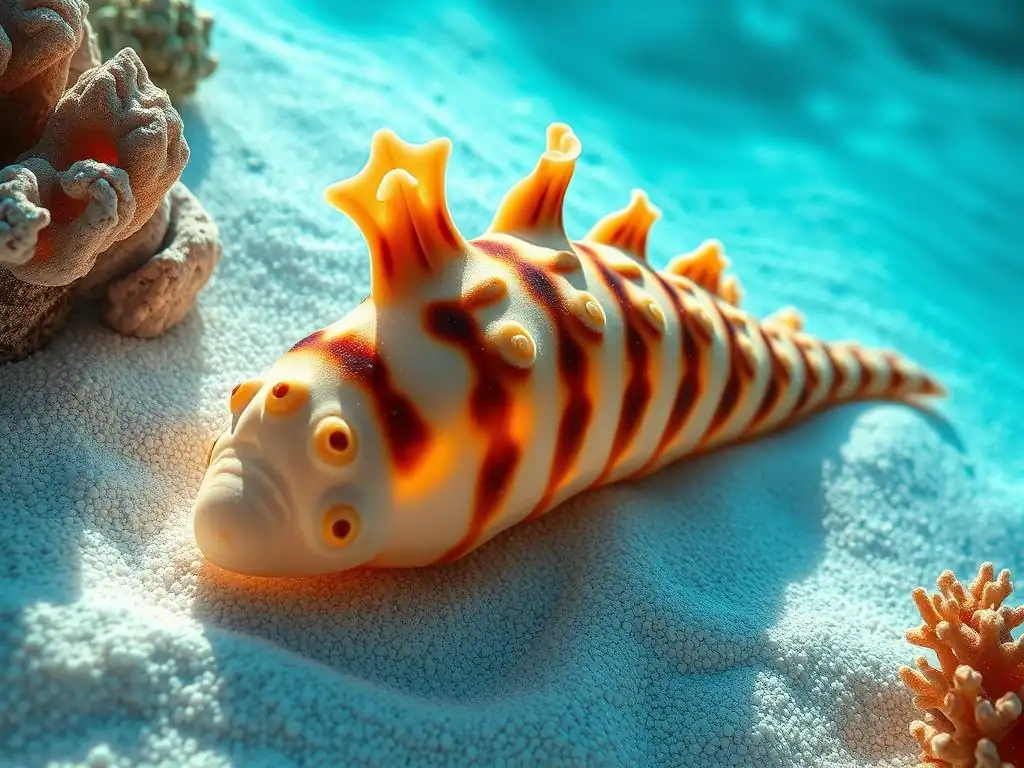
The Tiger Tail Sea Cucumber, scientifically known as Holothuria hilla, is a fascinating and often debated inhabitant of reef aquariums. Characterized by its distinctive elongated, flexible body, it typically displays a striking pattern of dark brown or black bands interspersed with vibrant yellow or orange stripes, giving it its common name. In captivity, these cucumbers can reach impressive lengths, often growing to between 10 and 20 inches, though some larger specimens have been observed. They possess numerous tube feet along their underside, which aid in their slow, deliberate movement across and through the substrate.
Native to the tropical Indo-Pacific regions, Holothuria hilla naturally inhabits sandy lagoons and rubble zones of coral reefs, where it functions primarily as a deposit feeder. In the aquarium, its main role is to ingest large quantities of sand, process it to extract organic detritus and microscopic organisms, and then expel clean, aerated sand in characteristic "casts." This continuous sifting action is what earns it the reputation of a "sand sifting powerhouse," making it a popular, albeit sometimes controversial, choice for advanced reef sea cucumber reef care.
The Benefits of Tiger Tail Sea Cucumbers for Reef Tanks
Natural Sand Bed Aeration and Detritus Removal
One of the most significant benefits of introducing a Holothuria hilla to a reef tank is its unparalleled ability to naturally aerate the sand bed. As it constantly burrows and moves through the substrate, ingesting sand and expelling it, the sea cucumber mechanically turns over vast quantities of the sand.
This continuous action prevents the sand from compacting and significantly reduces the formation of anaerobic zones, which are areas lacking oxygen and prone to producing toxic hydrogen sulfide gas. A single adult Tiger Tail Sea Cucumber can process several pounds of sand per day, contributing immensely to the overall health and stability of a deep sand bed.
Beyond aeration, their deposit-feeding behavior directly contributes to detritus removal. As the sea cucumber sifts through the sand, it consumes micro-detritus, uneaten food particles, and other organic waste that settles deep within the substrate.
This active consumption prevents the accumulation of decaying organic matter, which is a primary contributor to nuisance algae growth and elevated levels of nitrates and phosphates in the water column. By proactively cleaning the sand bed, the Tiger Tail Sea Cucumber aids in maintaining pristine water quality and reduces the overall organic load on the aquarium's filtration system, a key aspect of effective sea cucumber reef care.
Nutrient Cycling and Waste Reduction with Cucumbers
The ingestion and digestion of organic material by Holothuria hilla play a vital role in the complex nutrient cycling within a reef aquarium. By consuming detritus, these sea cucumbers effectively convert complex organic compounds into simpler forms, which are then more readily utilized by beneficial bacteria or can be more easily exported from the system through routine water changes. This process essentially "locks up" potential nutrients that would otherwise become available to undesirable organisms, such as nuisance algae, thereby helping to maintain a healthier and more balanced nutrient profile in the tank.
While sea cucumbers do produce waste, the waste they expel is typically more refined and less prone to breaking down into harmful compounds compared to the raw detritus they consume. Their continuous sifting activity ensures that organic material is constantly being processed, rather than left to decompose anaerobically in the substrate. This active management of organic waste contributes to a lower overall biological load on the aquarium system, complementing other filtration methods and making them a valuable, albeit specialized, component of a comprehensive sea cucumber reef care strategy.
Algae Control Assistance from Holothuria hilla
The indirect contribution of Holothuria hilla to algae control, particularly certain types of nuisance algae, is another notable benefit. By constantly turning over and cleaning the sand bed, they directly consume the organic material that often fuels the proliferation of diatoms and cyanobacteria (often referred to as red slime algae). These algae types frequently thrive in detritus-rich environments, and the sea cucumber's relentless foraging effectively starves them out by removing their primary food source. Their grazing action on the sand surface can also help to keep film algae in check.
Furthermore, the Tiger Tail Sea Cucumber's impact on overall nutrient reduction indirectly assists in controlling various forms of nuisance algae throughout the entire aquarium. By minimizing the availability of phosphates and nitrates in the sand bed through their digestive processes, they reduce the general nutrient pool that can support the growth of undesirable algae on rocks, glass, and corals. This makes them a complementary part of a multi-faceted approach to algae management in a reef tank, working in conjunction with other cleanup crew members and proper husbandry practices for successful sea cucumber reef care.
Potential Risks of Tiger Tail Sea Cucumbers in Reef Environments
Toxicity Concerns: Saponin Release and Reef Inhabitants
The most significant and widely discussed risk associated with keeping sea cucumbers, including Holothuria hilla, is their ability to release toxins when severely stressed, injured, or dying. These toxins are primarily saponins, also known as holothurin, which are highly potent and can be lethal to fish and many invertebrates, including corals, even in small concentrations. The release of these compounds can rapidly devastate an entire reef tank ecosystem, leading to mass mortalities if not addressed immediately. This potential for a catastrophic event makes toxicity a critical consideration in sea cucumber reef care.
Scenarios that can trigger saponin release include sudden and drastic changes in water parameters, harassment or predation by aggressive tank mates, physical damage (such as getting sucked into a pump intake or filter, or being handled roughly), or simply succumbing to old age or disease. While Holothuria hilla is generally considered to be one of the less potent species in terms of toxin release compared to some other sea cucumbers (e.g., Synapta maculata), the risk is always present. Aquarists must exercise extreme vigilance and be prepared for emergency measures should a release occur.
Predation Risks: Vulnerable Reef Creatures and the Cucumber
While Holothuria hilla is primarily a detritivore, its constant ingestion of sand can inadvertently lead to the consumption or disturbance of small, sessile invertebrates living within the substrate. This includes beneficial microfauna such as copepods, amphipods, and various worms, which are crucial for a healthy sand bed ecosystem and serve as a natural food source for certain fish species, like mandarin dragonets. Although not direct predation, their continuous sifting action can significantly reduce the biodiversity and population density of these vital micro-organisms in the sand bed.
Moreover, due to their sheer size and constant movement, larger Tiger Tail Sea Cucumbers can sometimes inadvertently dislodge or bury small, newly fragged corals or other delicate invertebrates if they are placed too close to the sand bed. While they do not actively prey on corals, their powerful sifting can physically disturb them. For example, a small coral frag placed on the sand bed could be completely covered by expelled sand or even dislodged from its mount. This subtle but disruptive aspect must be considered when planning aquascaping and practicing sea cucumber reef care.
Sand Sifting Overload: Impact on Beneficial Microfauna
The efficiency of the Tiger Tail Sea Cucumber in sifting sand, while generally beneficial, can paradoxically lead to a "sand sifting overload" in certain aquarium setups. If a tank is too small for the size of the sea cucumber, or if multiple large specimens are introduced, they can process the sand bed at an unsustainable rate.
This excessive sifting can deplete the populations of beneficial copepods, amphipods, and other micro-organisms that naturally inhabit the substrate. These tiny creatures are not only integral to the sand bed's health but also serve as a vital food source for specialized fish and other invertebrates.
A sand bed that has been aggressively over-sifted and stripped of its microfauna becomes less biologically active and less efficient at processing nutrients over the long term. This depletion removes a key link in the reef's natural food chain and can reduce the overall resilience of the ecosystem. Aquarists must carefully consider the tank size, the depth of the sand bed (ideally 3-4 inches or more), and the existing sand bed biodiversity before introducing a Holothuria hilla to ensure that their presence contributes positively without causing an imbalance, a critical aspect of sustainable sea cucumber reef care.
Identifying a Healthy Tiger Tail Sea Cucumber
Physical Characteristics of a Healthy Specimen
When selecting a Tiger Tail Sea Cucumber, observing its physical characteristics is paramount to ensuring you acquire a healthy specimen. A thriving Holothuria hilla should appear plump and firm, never deflated, shriveled, or excessively contracted. Its coloration should be vibrant and consistent with its species-specific patterns, typically displaying distinct black or dark brown bands alternating with bright yellow or orange stripes. Avoid any specimens that show signs of discoloration, fading, or unusual white patches, as these can indicate stress, disease, or injury.
Crucially, inspect the integrity of its skin for any visible lesions, tears, or open wounds. A healthy sea cucumber's skin should be smooth and intact. Pay close attention to its tube feet; a healthy specimen will actively extend and retract these small appendages, especially when gently handled or placed on a surface, demonstrating its ability to move and attach. Avoid any sea cucumbers that are lethargic, unresponsive to touch, or show any signs of evisceration (expelling internal organs), as these are often severe indicators of stress or impending death, making careful selection key to successful sea cucumber reef care.
Behavioral Signs of a Thriving Sea Cucumber
Beyond physical appearance, the behavior of a Tiger Tail Sea Cucumber provides significant clues about its health and well-being in a reef tank. A thriving Holothuria hilla will be actively moving across and through the sand bed, constantly sifting and leaving behind characteristic "casts" or trails of processed sand. This continuous sifting activity is the primary indicator of good health and successful acclimation to its new environment. It should also exhibit responsiveness to changes in light, often becoming more active during periods of lower light or darkness.
Healthy sea cucumbers maintain their elongated, tubular shape, occasionally contracting or expanding their bodies as they move. They should not remain stationary for extended periods in an unusual posture, such as curled up or in a strange contortion, nor should they appear to be struggling to move. Any sudden changes in typical behavior, such as prolonged inactivity, abnormal contractions, or attempts to climb tank walls and remain out of the sand bed, can be early warnings of severe stress, poor water quality, or illness, requiring immediate attention for effective sea cucumber reef care.
Integrating a Tiger Tail Sea Cucumber into Your Reef Tank Ecosystem
Acclimation Process for Holothuria hilla
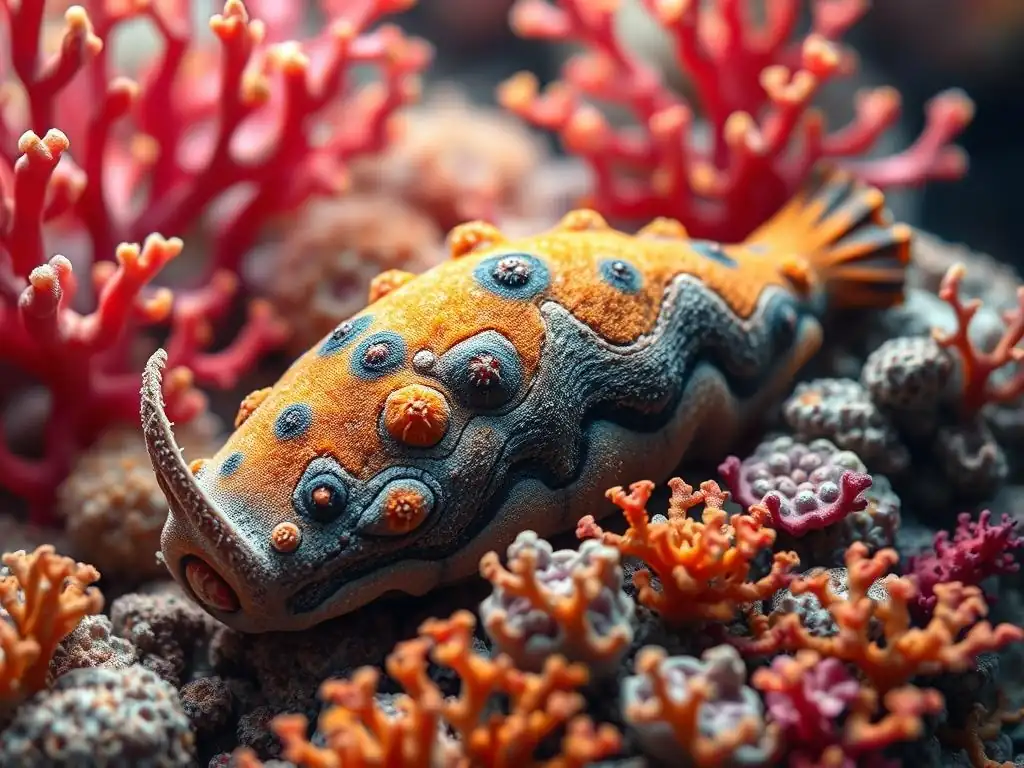
The acclimation process for Holothuria hilla is one of the most critical steps in ensuring its long-term survival and successful integration into your reef tank. Due to their extreme sensitivity to even minor fluctuations in salinity, pH, and temperature, a slow and gradual drip acclimation method is paramount.
It is highly recommended to drip acclimate a Tiger Tail Sea Cucumber over a period of at least 2-3 hours, or even longer (up to 4-5 hours) if the initial water parameters from the shipping bag are significantly different from your display tank. The goal is to slowly equalize the water parameters, minimizing osmotic shock.
During acclimation, it is crucial to minimize stress on the sea cucumber. Never expose it to air, as this can cause severe internal damage and lead to its demise. Once the acclimation process is complete, gently transfer the sea cucumber by hand, ideally wearing clean gloves, and carefully place it directly onto the sand bed in a low-flow area of your tank. Avoid simply dropping it in. This meticulous and gentle approach during acclimation is fundamental to successful sea cucumber reef care and significantly increases the chances of the specimen thriving.
Optimal Tank Parameters and Water Quality for Sea Cucumbers
Maintaining stable and pristine water quality is absolutely essential for the health of Holothuria hilla. They thrive in typical reef conditions: specific gravity should be kept between 1.023-1.026, pH between 8.1-8.4, and temperature within the range of 72-78°F (22-25.5°C). Alkalinity should be maintained at 8-12 dKH, calcium at 400-450 ppm, and magnesium at 1250-1350 ppm. Crucially, nitrates should be kept as low as possible, ideally below 5 ppm, and phosphates near undetectable levels, as high nutrient concentrations can severely stress sea cucumbers.
Beyond chemical parameters, a mature and well-established sand bed is indispensable for their well-being. A minimum sand bed depth of 3-4 inches is recommended to allow the Holothuria hilla to properly burrow and forage. While smaller specimens might temporarily fare in tanks as small as 30 gallons, a larger tank of 50 gallons or more is strongly recommended for adult individuals to provide ample substrate for their continuous sifting. Consistent water changes, robust filtration, and stable parameters are the pillars of successful sea cucumber reef care.
Diet and Feeding Habits of Tiger Tail Sea Cucumbers in Captivity
In a well-established reef aquarium with a healthy, mature sand bed, Holothuria hilla are primarily detritivores and deposit feeders. This means they will derive the majority of their nutritional needs by continuously sifting through the substrate, ingesting sand, and extracting the organic detritus, microscopic organisms (like copepods and amphipods), and various bacterial films found within it. In such an environment, supplemental feeding is often not strictly necessary, as the natural accumulation of waste provides sufficient sustenance.
However, in very clean or newly established tanks where detritus levels might be low, or if the sea cucumber appears to be losing weight, supplemental feeding can be considered. Fine particulate foods, such as marine snow, specialized invert foods designed for filter feeders, or high-quality phytoplankton suspensions, can be broadcast fed over the sand bed. It is often best to do this when the lights are dim or off, allowing the sea cucumber to ingest the particles as it sifts without competition from fish. Monitoring their body condition is key to ensuring proper nutritional sea cucumber reef care.
Tank Mate Compatibility: Ensuring a Peaceful Reef Environment
Reef Fish Compatibility with Tiger Tail Sea Cucumbers
When considering tank mates for a Tiger Tail Sea Cucumber, the primary concern is to select fish species that are peaceful and will not harass, nip at, or attempt to consume the sea cucumber. Generally, most peaceful reef fish are compatible. Good examples include various species of clownfish, many types of gobies (though watch out for sand-sifting gobies which might compete for food), blennies, anthias, and most smaller wrasses. These fish typically ignore the sea cucumber, allowing it to perform its essential sand-sifting duties without disturbance.
Conversely, there are several fish species that should be strictly avoided due to their predatory nature or tendency to pick at invertebrates. Pufferfish, triggerfish, large wrasses (such as certain hogfish or large Tusk Wrasses), and some larger angelfish species are known to pick at or consume sea cucumbers. Any physical damage or persistent harassment can lead to severe stress for the sea cucumber and, critically, trigger the release of highly toxic saponins, which can be devastating to the entire tank. Therefore, careful selection of tank mates is a non-negotiable aspect of responsible sea cucumber reef care.
Invertebrate Compatibility: Corals, Shrimp, and Other Invertebrates
Compatibility with corals is generally good, as Holothuria hilla primarily inhabits the sand bed and does not typically interact directly with corals. Most soft corals, LPS (Large Polyp Stony) corals, and SPS (Small Polyp Stony) corals are safe to keep with Tiger Tail Sea Cucumbers. However, it is important to ensure that small, newly fragged corals or those with delicate bases are not placed directly in the path of the sea cucumber's constant sifting, as its movements can potentially dislodge or bury them, especially if they are sitting directly on the sand.
Regarding other invertebrates, common reef inhabitants such as cleaner shrimp (e.g., Lysmata amboinensis), peppermint shrimp, and various types of snails (e.g., turbo snails, Nassarius snails) are typically compatible with sea cucumbers. Hermit crabs, particularly larger or more aggressive species, should be monitored, as they might occasionally bother a sea cucumber, though this is rare. Brittle stars are also compatible and can co-exist peacefully. The main consideration for other sand-dwelling invertebrates is potential competition for detritus, especially with sand-sifting starfish or other highly efficient detritivores. Balancing the sand bed cleanup crew is vital for comprehensive sea cucumber reef care.
Avoiding Aggressive Tank Mates that Could Harm the Cucumber
The paramount rule for sea cucumber reef care is to strictly avoid any tank mates that exhibit aggressive behavior or have a known propensity to injure or harass invertebrates. As previously noted, physical damage or persistent stress is the primary trigger for the release of highly toxic saponins from the sea cucumber, which can lead to a catastrophic loss of all other livestock in the tank. This includes not only overtly predatory fish but also overly boisterous or territorial fish that might accidentally bump into or stress the cucumber through their movements.
Even seemingly "reef-safe" fish can sometimes develop undesirable behaviors or simply be too large and active for a tank housing a delicate sea cucumber. Regular and diligent observation of all tank inhabitants is crucial to catch any signs of aggression or undue stress towards the sea cucumber early. If an aggressive tank mate is identified, it should be promptly removed and rehomed to protect the sea cucumber and, by extension, the entire reef ecosystem. Prioritizing the peaceful coexistence of all inhabitants is a fundamental principle of responsible sea cucumber reef care.
Preventing and Addressing Common Problems
Sea Cucumber Stress and Disease: Signs and Treatments
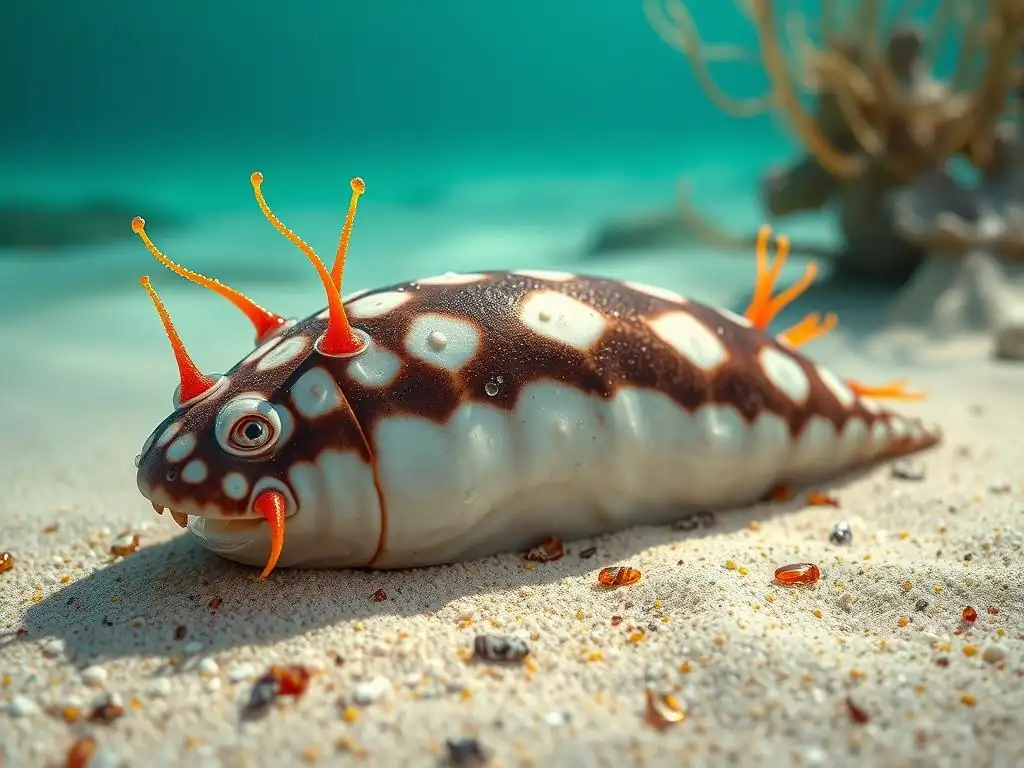
Recognizing the signs of stress or illness in a Tiger Tail Sea Cucumber is crucial, as early intervention can sometimes prevent a catastrophic outcome. Common indicators of an unhealthy Holothuria hilla include a loss of its vibrant coloration, shrinking or deflating of its body, prolonged inactivity, a refusal to burrow or sift sand, or attempting to climb out of the sand onto rocks or the aquarium glass. The most alarming and often fatal sign is evisceration, where the sea cucumber expels its internal organs as a severe stress response or due to overwhelming illness.
Unfortunately, once a sea cucumber is severely stressed or begins eviscerating, recovery is rare. The most effective "treatment" for sea cucumber health is prevention, achieved through maintaining stable water parameters, providing appropriate tank mates, ensuring a proper sand bed, and practicing careful handling. If evisceration occurs, the affected specimen should be immediately and carefully removed from the tank to prevent the potential release of toxins, which could harm other inhabitants. Maintaining pristine water quality and a stress-free environment are the best defenses in proactive sea cucumber reef care.
Addressing Saponin Release: Prevention and Mitigation Strategies
The most effective strategy for dealing with saponin release from a sea cucumber is prevention. This involves meticulously avoiding situations that could trigger such an event.
Key preventative measures include careful selection of tank mates to ensure no predatory or aggressive fish are present, gentle handling of the sea cucumber during all transfers, maintaining highly stable and optimal water parameters, and installing safeguards (e.g., pump screens, filter socks over overflows) to prevent the sea cucumber from being sucked into aquarium equipment, which can cause fatal injury. Always operate under the assumption that the risk of toxin release is present, even with seemingly benign species.
Should saponin release be suspected or confirmed (often indicated by fish gasping at the surface, rapid breathing, or sudden deaths), immediate and decisive action is crucial to mitigate the damage. Perform a large water change (50% or more, even up to 75% if possible), and simultaneously run fresh activated carbon in a high-flow filter sock or media reactor to absorb the toxins. Increase aeration in the tank significantly.
If feasible, remove the affected sea cucumber to a separate quarantine tank or, alternatively, move all other inhabitants to a safe holding tank if the main display is heavily contaminated. Rapid response is vital for saving the rest of your reef and is a critical, albeit emergency, aspect of sea cucumber reef care.
Managing Sand Bed Imbalances Caused by Sea Cucumbers
While Tiger Tail Sea Cucumbers are excellent sand sifters, their efficiency can sometimes lead to imbalances within the sand bed ecosystem. A large Holothuria hilla in a smaller tank, or the presence of multiple specimens, can over-process the sand, leading to a significant depletion of beneficial microfauna suchches as copepods and amphipods. This can reduce the sand bed's overall biological activity, diminish its ability to naturally process nutrients, and deprive certain fish species (like mandarins) of a vital food source, potentially leading to other issues like nutrient accumulation in the water column.
To manage potential sand bed imbalances, regularly monitor the appearance of your sand bed and the health of other sand-dwelling invertebrates. If microfauna populations appear visibly depleted or if the sand bed seems unusually sterile, consider reducing the frequency of supplemental feeding for the sea cucumber (if you are doing so) or, in extreme cases, relocate the sea cucumber to a larger system with a more extensive sand bed.
Regularly dosing beneficial bacteria or adding live copepod/amphipod cultures can help replenish sand bed diversity. Achieving a balanced cleanup crew, where each member contributes without over-competing, is a key aspect of long-term sea cucumber reef care.
Alternative Sand Sifting Invertebrates for Reef Tanks
Nassarius Snails: Efficient Detritus Cleaners
Nassarius snails, such as Nassarius vibex or Nassarius distortus, are a highly popular and effective alternative for sand bed cleanup, particularly for detritus removal. These small, active snails are primarily scavengers and detritivores. During the day, they typically bury themselves in the sand, emerging quickly when they detect the scent of food, such as uneaten fish flakes or decaying organic matter. They efficiently consume detritus on the sand surface and within the top layers of the substrate, preventing its accumulation.
The benefits of Nassarius snails are numerous: they are completely reef-safe, posing no toxicity risk to other inhabitants, and are relatively small, typically growing to less than an inch. Their constant movement through the top layer of the sand provides some level of aeration. They are also quite hardy and, in some tanks, can even reproduce, providing a continuous, self-sustaining cleanup crew. For aquarists seeking efficient detritus removal without the potential risks associated with sea cucumbers, Nassarius snails offer a safe and highly recommended option for basic sea cucumber reef care needs.
Brittle Starfish: A Safer Sand Sifting Option?
Various species of brittle starfish, including Green Brittle Stars, Red Brittle Stars, and Serpent Starfish, present another viable alternative for detritus removal in a reef tank. While not true sand sifters in the same manner as a sea cucumber or a sand-sifting goby, these starfish are highly efficient scavengers. They actively forage for detritus, uneaten food, and decaying organic matter within the rockwork and on the surface of the sand bed. Some larger species, like the Green Brittle Star, can be quite robust and effective at consuming larger food particles that other cleanup crew members might miss.
Most brittle stars are considered entirely reef-safe and pose no toxicity risk. They are known for their hardiness and adaptability to various tank conditions. While they don't ingest and expel sand like a sea cucumber, their movement across the substrate can help stir up the very top layer, preventing some detritus from settling too deeply.
A point of consideration is that very large species, if underfed, might occasionally snatch a small, slow-moving fish at night, though this is uncommon in a well-fed system. Overall, brittle stars offer a safer, robust alternative for contributing to tank cleanliness and are an excellent addition to a diverse cleanup crew, complementing other elements of sea cucumber reef care.
Sand Sifting Gobies: Fish-Based Sand Bed Maintenance
For aquarists seeking a fish-based solution for sand bed maintenance, various species of sand-sifting gobies, such as the Diamond Watchman Goby ( Valenciennea puellaris), Sleeper Goby ( Valenciennea strigata), or Orange Spotted Goby ( Amblygobius phalaena), are excellent choices. These fascinating fish exhibit a unique behavior where they take mouthfuls of sand, sift through it to extract detritus, small invertebrates, and other organic matter, and then expel the clean sand through their gills. This constant sifting action effectively aerates the sand bed and keeps it remarkably clean.
Sand-sifting gobies are highly effective at maintaining a pristine substrate. However, they require a deep sand bed (at least 2-3 inches) to properly carry out their sifting activities and to create burrows for shelter. Their continuous digging can sometimes create small "avalanches" of sand, which could potentially bury small corals or dislodge unsecured rockwork, necessitating careful aquascaping.
It's important to note that these gobies compete directly with sea cucumbers for sand bed organisms and detritus, so they are generally not recommended as tank mates for Holothuria hilla. They represent a viable, non-invertebrate option for addressing substrate health and are a different approach to sea cucumber reef care related to the sand bed.
Conclusion: Is a Tiger Tail Sea Cucumber Right for Your Reef?
Weighing the Pros and Cons of Holothuria hilla for Reef Aquariums
The decision to introduce a Tiger Tail Sea Cucumber ( Holothuria hilla) into a reef aquarium involves a careful weighing of its significant benefits against its potential risks. On the positive side, these invertebrates are unparalleled in their ability to mechanically aerate and clean the sand bed. Their continuous sifting efficiently removes detritus, prevents anaerobic zones, and indirectly helps control nuisance algae by reducing available nutrients. This makes them a powerful ally in maintaining a pristine substrate, which is a cornerstone of good sea cucumber reef care.
However, the primary drawback is the substantial risk of saponin release when the sea cucumber is stressed, injured, or dying. This toxin can be catastrophic for an entire reef tank, leading to rapid and widespread fatalities among fish and corals. Other considerations include their potential to deplete beneficial microfauna in the sand bed if the tank is too small or overstocked with sifters, and their capacity to inadvertently disturb delicate corals. Ultimately, the choice hinges on an aquarist's willingness to accept and diligently manage these inherent risks.
Responsible Sea Cucumber Reef Care: Best Practices
For those who choose to incorporate a Tiger Tail Sea Cucumber into their reef system, responsible sea cucumber reef care is paramount. This begins with ensuring highly stable water parameters, as these creatures are extremely sensitive to fluctuations. A deep, mature sand bed (at least 3-4 inches) is essential to provide ample foraging grounds and allow them to fully express their natural behaviors. Careful selection of tank mates is crucial; only peaceful, non-aggressive species should be housed with Holothuria hilla to prevent injury and stress.
Furthermore, always handle sea cucumbers with extreme gentleness, avoiding exposure to air. Installing protective screens over pump intakes and overflows can prevent them from being sucked into equipment. Regular observation for any signs of stress or unusual behavior is vital for early intervention. Finally, it is prudent to have activated carbon on hand and be prepared to execute large emergency water changes should a toxicity event occur. Prioritizing the overall health and safety of the entire reef ecosystem should always guide decisions regarding sea cucumber reef care.
Resources for Further Research on Sea Cucumbers in Reef Tanks
The world of sea cucumbers in reef tanks is complex, and continued learning is essential for successful sea cucumber reef care. Aquarists considering or already housing a Tiger Tail Sea Cucumber are strongly encouraged to delve deeper into specialized resources. Researching the nuances between Holothuria hilla and other sea cucumber species (such as Synapta maculata, which is often confused but carries different risks) can provide invaluable insights into their specific care requirements and potential impacts on the reef environment. Understanding the precise chemistry of saponins and their effects on various marine organisms can also enhance preparedness for emergencies.
Furthermore, exploring advanced sand bed management techniques and the intricate ecology of sand bed microfauna will contribute to a more holistic understanding of how these detritivores integrate into the reef ecosystem. Reputable online forums dedicated to reef aquariums, scientific databases, and specialized aquarium literature or books focusing on marine invertebrates offer a wealth of detailed information and practical advice. Learning from the collective experiences of other seasoned aquarists and scientific studies can provide invaluable insights into the complexities of sea cucumber reef care and maintaining a thriving, balanced reef environment.
Frequently Asked Questions
What is a Tiger Tail Sea Cucumber and why is it relevant to reef tanks?
A Tiger Tail Sea Cucumber (Holothuria hilla) is a sand-sifting invertebrate that consumes detritus and algae. Its relevance to reef tanks stems from its potential to improve substrate health and reduce nuisance algae, but also potential risks.
What are the benefits of keeping a Tiger Tail Sea Cucumber in a reef aquarium?
These sea cucumbers can significantly contribute to a cleaner substrate by consuming detritus. This helps reduce nutrient buildup, which can fuel unwanted algae growth. They also aerate the sand bed.
What are the potential risks or drawbacks of introducing a Tiger Tail Sea Cucumber to a reef tank?
One risk is that they can ingest and disturb corals or other invertebrates. Another concern is that if they die, they can release toxins into the water harming tank inhabitants. They also require a mature sand bed to thrive.
How do I ensure a Tiger Tail Sea Cucumber has enough food in my reef aquarium?
Ensure your tank has a sufficient amount of detritus and a well-established sand bed. Supplementing their diet with specialized sea cucumber food may be necessary, especially in newer or cleaner tanks.
What are some important considerations for the long-term care of a Tiger Tail Sea Cucumber in a reef environment?
Maintain stable water parameters and avoid sudden changes. Also, provide ample hiding places and ensure the tank is large enough to support their grazing habits. Regular monitoring of their health is crucial.
Final Reflection: Balancing Ecosystem Needs
The exploration of the Tiger Tail Sea Cucumber's role in reef ecosystems, as we've seen, highlights the delicate balance inherent in effective reef care. While their sand-sifting abilities offer undeniable benefits in nutrient cycling and substrate health, the potential for overpopulation and subsequent disruption cannot be ignored. Understanding this duality is crucial for responsible reef management and ensuring the long-term health of these vital environments.
This intricate dance between benefit and potential harm underscores the importance of informed decision-making in all aspects of reef keeping. We must move beyond simplistic solutions and embrace a holistic understanding of the interconnectedness within these ecosystems. In nature, nothing exists alone.
- Rachel Carson. This quote perfectly encapsulates the need to consider the wider implications of introducing or removing any element, even one seemingly as beneficial as the Tiger Tail Sea Cucumber.
Now, consider your own role in this delicate balance. How can you, as a reef enthusiast or simply as someone who cares about the ocean, contribute to a more sustainable and informed approach to reef care? Let the knowledge gained here inspire you to research, observe, and act responsibly, ensuring that the beauty and biodiversity of our reefs are preserved for generations to come.
Ignite Your Reef Tank's Potential!
Thank you for diving deep into the fascinating world of the Tiger Tail Sea Cucumber with us! We hope you’ve gained a new appreciation for these intriguing invertebrates and their role in the reef ecosystem. Now, let's put that knowledge into action!
Here are a few ways to further explore the world of Tiger Tail Sea Cucumbers:
- Decide if a Tiger Tail Sea Cucumber is right for your reef tank by carefully evaluating its needs against your tank's environment and your experience level.
- Delve deeper: Research compatible tank mates and optimal water parameters to ensure a thriving environment for all your reef inhabitants.
- Share your insights! Start a discussion in an aquarium forum or social media group to exchange experiences and learn from other reef enthusiasts.
What proactive steps will you take to enhance the balance of your reef tank ecosystem today?