
Fighting Conch (Strombus alatus): A Gentle Giant for Sand Bed Maintenance

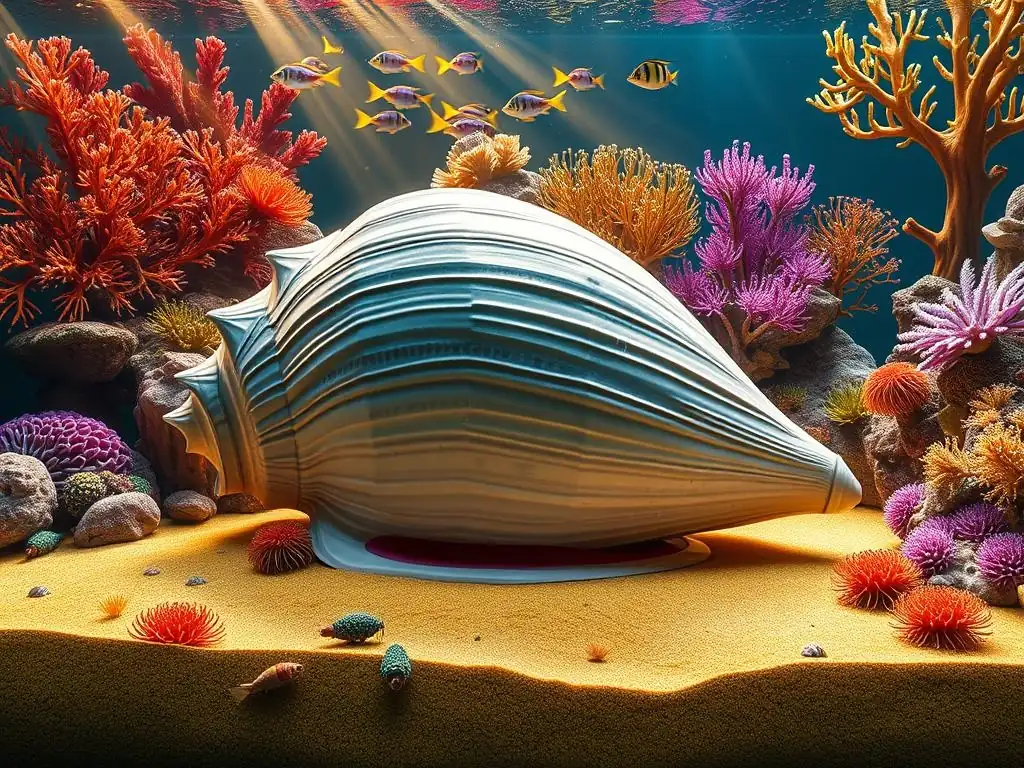
Welcome to Aquarium Mastery!
Ever wondered how to keep your saltwater aquarium's sand bed pristine and thriving? Discover the secrets to Fighting Conch sand bed care and unlock a whole new level of aquarium health! These gentle giants are more than just fascinating creatures; they're essential allies in maintaining a balanced ecosystem. Dive in and explore how these incredible invertebrates can revolutionize your tank!
- Introduction to the Fighting Conch for Reef Aquariums
- What is a Fighting Conch? Identifying Strombus alatus
- Benefits of Fighting Conchs for Sand Bed Maintenance in Saltwater Aquariums
- Fighting Conch Care: Ensuring a Healthy Environment in Your Reef Tank
- Are Fighting Conchs Reef Safe? Understanding Their Interactions with Corals and Other Invertebrates
- Choosing Healthy Fighting Conchs: What to Look for When Buying
- Common Issues and Troubleshooting for Fighting Conchs
- Breeding Fighting Conchs in Captivity: A Challenging Endeavor
- Fighting Conch Tank Mates: Compatible Species for a Balanced Ecosystem
- The Fighting Conch: A Valuable Addition to Your Reef Aquarium's Sand Bed Cleaning Crew
- Frequently Asked Questions
- Final Reflection: Embracing the Gentle Power of Nature
- Dive Deeper: Unleash the Power of the Fighting Conch!
Introduction to the Fighting Conch for Reef Aquariums
The Fighting Conch, scientifically known as Strombus alatus, stands out as a highly beneficial and captivating invertebrate for saltwater reef aquariums. Renowned for its diligent sand-sifting capabilities and unique locomotion, this mollusk offers an effective natural solution for maintaining pristine substrate conditions. Its popularity among aquarists stems not only from its functional role in the clean-up crew but also from its distinctive appearance and generally peaceful demeanor within a diverse marine environment.
Integrating a Fighting Conch into your reef tank can significantly enhance the overall health and aesthetic appeal of your sand bed. Unlike some other sand-dwelling invertebrates, the Strombus alatus is a continuous worker, constantly turning over the substrate and consuming detritus, which is crucial for preventing the buildup of harmful organic matter. This gentle giant is an invaluable asset for any aquarist focused on comprehensive fighting conch sand bed care.
What is a Fighting Conch? Identifying Strombus alatus
Distinguishing Features of the Florida Fighting Conch
The Florida Fighting Conch, Strombus alatus, is immediately recognizable by its robust, spiraled shell, which typically reaches lengths of 3 to 4 inches (approximately 7.5 to 10 cm) in mature specimens. The shell coloration can vary widely, often displaying mottled patterns of brown, tan, grey, and sometimes even vibrant orange or reddish hues, allowing it to camouflage effectively against sandy substrates. A defining characteristic is its unique, claw-like operculum – a hard plate attached to its foot – which it uses for its distinctive "leaping" movement, pushing itself across the sand rather than gliding.
Beyond its shell, the Fighting Conch possesses two prominent eye stalks, each tipped with a surprisingly complex eye, allowing it to survey its surroundings. A long, flexible proboscis, or snout, extends from its head, which it uses to forage for food particles within the sand. This combination of a sturdy shell, active visual perception, and specialized feeding apparatus makes the Strombus alatus an efficient and fascinating inhabitant of the marine aquarium, constantly engaged in its essential work of fighting conch sand bed care.
The Fighting Conch's Natural Habitat: Understanding Their Role in Reef Ecosystems
In its natural environment, Strombus alatus thrives in the shallow, warm waters of the Western Atlantic, predominantly found along the coast of Florida, throughout the Caribbean, and in the Gulf of Mexico. These conchs typically inhabit sandy bottoms, seagrass beds, and shallow reef flats at depths ranging from 1 to 30 meters (approximately 3 to 100 feet). Here, they play a crucial ecological role as detritivores and herbivores, constantly sifting through the substrate.
Their continuous foraging activities in the wild contribute significantly to the health of marine ecosystems by aerating the sand and consuming decaying organic matter, preventing nutrient buildup and supporting the growth of beneficial microorganisms. This natural behavior directly translates to their immense value in a home aquarium, where their diligent sand sifting mirrors their contribution to nutrient cycling and overall substrate health in their native habitats, making them ideal for fighting conch sand bed care.
Benefits of Fighting Conchs for Sand Bed Maintenance in Saltwater Aquariums
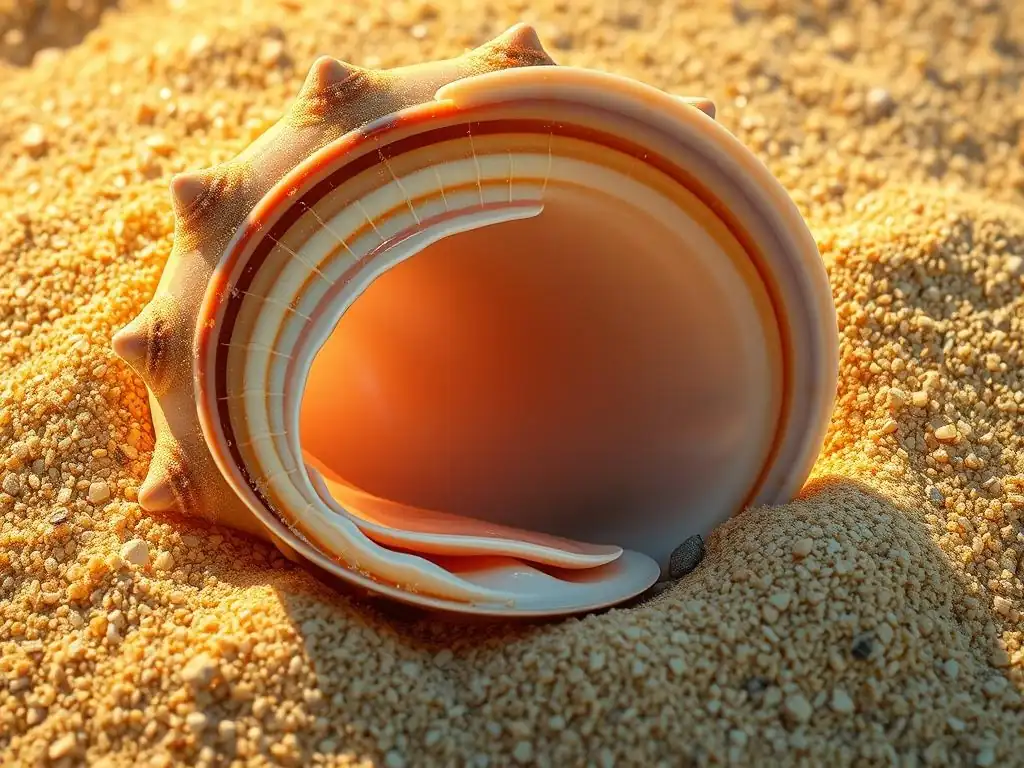
Efficient Sand Bed Cleaning: How Fighting Conchs Consume Detritus
Fighting Conchs are exceptional detritivores, making them paramount for effective fighting conch sand bed care. Their unique feeding mechanism involves burrowing into the sand, constantly sifting through the grains with their proboscis to ingest microscopic detritus, uneaten food, and decaying organic matter. This continuous churning of the sand bed prevents the formation of anaerobic pockets, which can release toxic hydrogen sulfide gas, a significant threat to aquarium inhabitants. A single adult Fighting Conch can effectively clean an area of approximately 1 to 2 square feet of sand bed surface, depending on the detritus load and depth.
By actively consuming this organic debris, Strombus alatus significantly reduces the biological load within the aquarium. This process helps to mitigate the accumulation of nitrates and phosphates, common culprits behind nuisance algae and poor water quality. Their methodical approach to sand sifting ensures that even deeply settled detritus is brought to the surface and processed, contributing to a cleaner, healthier, and more stable reef environment.
Reducing Algae Growth: The Fighting Conch's Diet and Impact
Beyond detritus, Fighting Conchs also graze on various forms of microalgae and diatoms that colonize the sand grains and tank surfaces. This herbivorous aspect of their diet directly contributes to controlling unsightly nuisance algae, particularly the brown diatom films and green film algae that frequently appear on sand beds, especially in newer or nutrient-rich systems. Their constant movement across the substrate disrupts algal mats, preventing them from establishing a firm foothold.
While they may not be the primary solution for severe macroalgae outbreaks, their consistent grazing on the sand surface plays a vital role in keeping the substrate visually clean and free of minor algal growths. This continuous surface agitation and consumption reduce the food source for other algae, complementing the work of other clean-up crew members. The Fighting Conch's contribution to algae control on the sand bed is an integral part of comprehensive fighting conch sand bed care.
Preventing Cyanobacteria Blooms with Fighting Conch Sand Sifting
Cyanobacteria, often referred to as "red slime algae," are a common and frustrating problem in many reef aquariums, often thriving in areas with high nutrient accumulation and low water flow, particularly on undisturbed sand beds. The active sand-sifting behavior of the Fighting Conch directly addresses the root causes of these unsightly blooms. By constantly turning over the substrate and consuming organic detritus, they significantly reduce the available nutrients (especially phosphates and nitrates) that fuel cyanobacteria growth.
Furthermore, their continuous movement and burrowing aerate the sand bed, preventing the stagnant, anoxic conditions that cyanobacteria prefer. This physical disruption makes the sand bed a less hospitable environment for these problematic organisms. While Fighting Conchs may not directly consume cyanobacteria, their indirect impact through nutrient reduction and substrate aeration makes them a powerful ally in the battle against red slime, solidifying their role in effective fighting conch sand bed care.
Fighting Conch Care: Ensuring a Healthy Environment in Your Reef Tank
Aquarium Size and Tank Setup for Fighting Conchs
When considering a Fighting Conch for your reef aquarium, tank size and setup are crucial for its well-being and effective sand bed care. A minimum aquarium size of 20-30 gallons (approximately 75-115 liters) is generally recommended for a single adult Strombus alatus, with larger tanks preferred for multiple individuals or a diverse clean-up crew.
The most critical aspect of the setup is the sand bed itself: it must be sufficiently deep, ideally at least 2-3 inches (5-7.5 cm), but preferably 4 inches (10 cm) or more. This depth allows the conch to burrow, sift, and forage naturally, mimicking its wild behavior.
The type of substrate is equally important. Fine to medium-grained aragonite sand, with a grain size typically ranging from 0.5 mm to 2 mm, is ideal. Coarse gravel or crushed coral can impede their movement and make it difficult for them to sift effectively, potentially leading to starvation or injury. Ensure that any rockwork is stable and securely placed on the bottom glass before adding sand, preventing shifts that could trap or crush the conch.
Optimal Water Parameters for Strombus alatus
Maintaining stable and optimal water parameters is vital for the long-term health and activity of Fighting Conchs. They thrive in conditions typical of a healthy reef aquarium. Key parameters to monitor include: Salinity between 1.023 and 1.026 specific gravity (or 32-35 parts per thousand), a stable temperature range of 72-78°F (22-26°C), and a pH level of 8.1-8.4. Sudden fluctuations in these parameters can cause significant stress to these mollusks.
While not as demanding as corals regarding calcification, maintaining stable levels of alkalinity, calcium, and magnesium is beneficial for the conch's shell health and overall metabolic functions. Aim for Alkalinity between 7-12 dKH, Calcium levels of 400-450 ppm, and Magnesium levels of 1250-1350 ppm. Regular water changes and consistent monitoring with reliable test kits are essential to ensure these parameters remain within optimal ranges, supporting robust fighting conch sand bed care.
Fighting Conch Diet: Supplementing Their Natural Grazing
The primary diet of Fighting Conchs in a reef aquarium consists of detritus, diatoms, and microalgae naturally present within the sand bed. In a well-established, mature reef tank with a sufficiently deep and active sand bed, these conchs can often find enough food to sustain themselves. Their constant sifting ensures they access a continuous supply of these essential nutrients, making them highly efficient members of the clean-up crew for effective fighting conch sand bed care.
However, in newer aquariums, very clean tanks with minimal detritus, or systems with a high density of other sand-sifting invertebrates, supplemental feeding may become necessary. If you notice your conch becoming less active, remaining retracted for extended periods, or appearing thin, consider offering small sinking pellets, high-quality flake food, or even a small piece of dried nori. Ensure these supplements reach the sand bed where the conch can access them, as they are not adept at feeding from the water column.
Acclimation Process for Introducing Fighting Conchs to Your Aquarium
Proper acclimation is a critical step when introducing any new invertebrate, including the Fighting Conch, to your aquarium. A slow drip acclimation process is highly recommended to minimize osmotic shock, which can occur due to rapid changes in salinity, temperature, and pH between the transport water and your tank water. Set up a drip acclimation system, allowing tank water to slowly drip into the conch's transport container over a period of at least 1-2 hours. If the salinity difference is significant (more than 0.002 SG), extend the drip time accordingly.
Once acclimated, gently transfer the Fighting Conch from the acclimation container directly onto the sand bed in your display tank. Avoid simply dropping it in or placing it on rocks, as it needs to orient itself and burrow naturally. Monitor the conch for the first few hours; a healthy specimen should begin to move and eventually burrow into the sand within a short period. Initial stress might cause it to remain retracted, but persistent inactivity for more than 24 hours could indicate a problem.
Are Fighting Conchs Reef Safe? Understanding Their Interactions with Corals and Other Invertebrates
Fighting Conchs and Coral Compatibility: Avoiding Damage
Fighting Conchs are widely regarded as a highly reef-safe addition to saltwater aquariums, a significant advantage for those maintaining delicate coral ecosystems. Their primary activities revolve around sifting sand and grazing on detritus and microalgae, not actively consuming live coral polyps. Their movement is slow, deliberate, and generally confined to the sand bed, posing minimal direct risk to established corals. Unlike some other snails that might climb onto corals, Strombus alatus typically remains on the substrate.
While generally safe, there are minor considerations. A large conch, particularly if it's new to the tank or if corals are precariously placed, might accidentally knock over small, unstable coral frags as it burrows or moves. Similarly, very delicate, low-lying corals could experience minor irritation if a conch repeatedly burrows directly underneath or brushes against them. These instances are rare and usually easily mitigated by ensuring corals are securely attached to rockwork and allowing adequate space between the sand bed and sensitive coral colonies.
Potential Conflicts with Other Invertebrates in the Reef Tank
Compatibility with most common reef invertebrates is generally high for the Fighting Conch. They occupy a distinct ecological niche, primarily as sand sifters, which minimizes direct competition for food and space with other popular clean-up crew members such as hermit crabs, various snail species (e.g., Nassarius, Trochus, Turbo), shrimp, and starfish. This allows for a diverse and effective clean-up crew without significant inter-species aggression.
However, certain invertebrates can pose a threat to Fighting Conchs. Predatory snails, such as large Murex snails or certain cone snails, could potentially prey on them. More significantly, large or aggressive predatory crabs (e.g., certain emerald crabs, decorator crabs, or particularly large hermit crabs) might attempt to predate on smaller conchs or even try to steal their shells. While Fighting Conchs possess a strong operculum for defense, smaller or stressed individuals can be vulnerable. It is advisable to research the compatibility of all intended tank mates to ensure a peaceful and balanced ecosystem.
Choosing Healthy Fighting Conchs: What to Look for When Buying
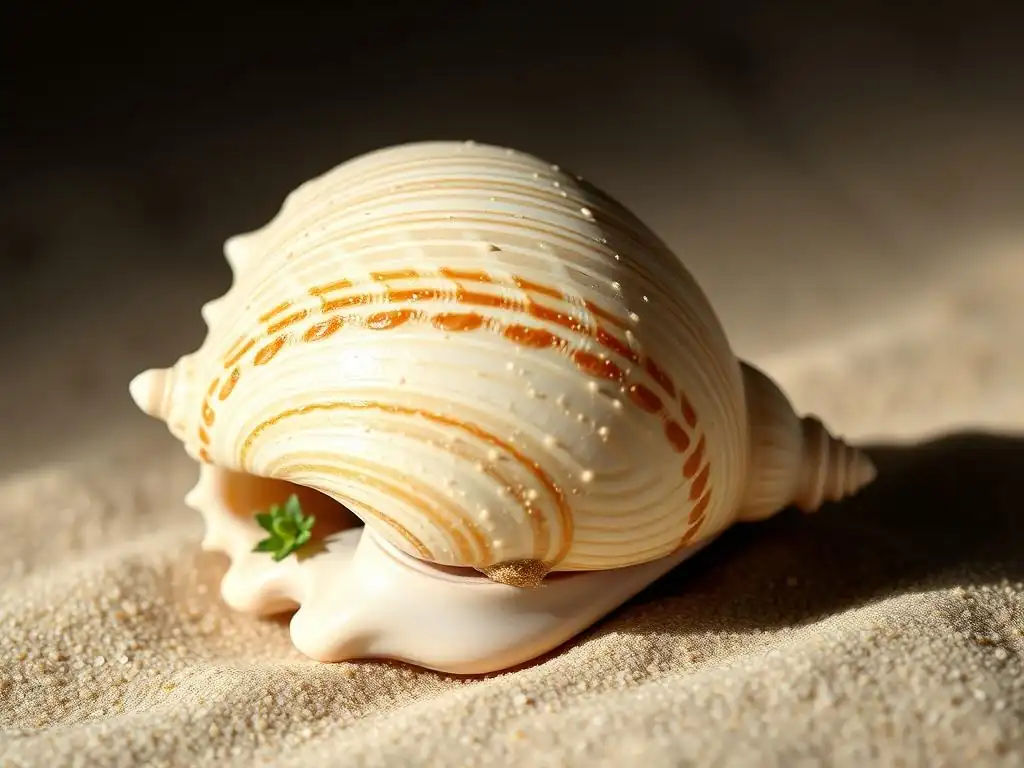
Identifying Healthy Specimens: Signs of a Thriving Fighting Conch
When selecting a Fighting Conch for your aquarium, observing key indicators of health is crucial for ensuring a thriving addition to your sand bed cleaning crew. A healthy Strombus alatus should be active and responsive. Look for conchs that are either actively moving around the holding tank, using their unique leaping motion, or at least reacting to disturbances by attempting to move or retract. Their proboscis (snout) should be extended and visibly moving, indicating active foraging.
Examine the conch's shell carefully. It should appear intact, free of significant cracks, chips, or excessive erosion. While minor imperfections are common, large areas of damage can compromise the conch's health. The operculum (the claw-like foot) should be visible and appear firm, not shriveled or damaged. When gently handled, a healthy conch will quickly and fully retract into its shell, demonstrating good muscle tone and responsiveness. Avoid conchs that remain open or show no reaction when touched.
Avoiding Diseased or Injured Fighting Conchs
To prevent introducing problems into your established aquarium, it's equally important to identify and avoid diseased or injured Fighting Conchs. Steer clear of specimens that exhibit prolonged lethargy or inactivity, remaining retracted for extended periods even after being left undisturbed. A strong, foul odor emanating from the conch is a definitive sign that it is deceased or severely ill and should be avoided at all costs.
Inspect the shell for unusual discoloration, fuzzy growths, or significant areas of pitting or erosion that might suggest long-term stress or disease. While rare, also check for any visible external parasites or unusual growths on the conch's body. Furthermore, avoid conchs that are heavily covered in algae or diatoms, as this can sometimes indicate that the conch has been inactive for a prolonged period in the dealer's tank, suggesting underlying health issues or insufficient care. Always choose specimens from reputable suppliers who maintain clean and well-kept holding tanks.
Common Issues and Troubleshooting for Fighting Conchs
Fighting Conch Not Moving: Potential Causes and Solutions
A Fighting Conch that is not moving can be a cause for concern, but it doesn't always signify immediate death. Several factors can lead to inactivity. Common causes include stress from improper acclimation, poor water quality (e.g., sudden swings in salinity or pH, elevated nitrates), lack of adequate food, or simply being flipped upside down and unable to right itself. The first step in troubleshooting should always be to check your aquarium's water parameters immediately to ensure they are within optimal ranges for Strombus alatus.
If water parameters are off, perform a small water change to gradually correct them. If the conch is upside down, gently right it and place it back on the sand bed. If the tank is exceptionally clean or has many sand-sifting competitors, consider offering supplemental sinking food. If the conch remains inactive for more than 24-48 hours, shows no reaction to gentle prodding, and especially if it emits a foul odor, it is likely deceased. Promptly remove any deceased invertebrates to prevent ammonia spikes in your system, crucial for overall fighting conch sand bed care.
Shell Damage in Fighting Conchs: Addressing the Problem
Shell damage in Fighting Conchs can range from minor chips to severe cracks, impacting their health and longevity. The primary causes of shell damage are physical trauma, such as falling rockwork, aggression from tank mates (e.g., predatory crabs or fish), or accidental rough handling during maintenance. Long-term deficiencies in calcium and alkalinity in the aquarium water can also lead to shell erosion, making the shell brittle and more susceptible to damage.
For minor chips, the conch can often repair its shell over time, provided water parameters are stable and optimal. For more significant cracks, the prognosis can be poor, particularly if the conch's mantle (the soft tissue that produces the shell) is exposed. To prevent shell damage, ensure all rockwork is stable and securely placed. Maintain consistent and optimal levels of calcium (400-450 ppm) and alkalinity (7-12 dKH) to support healthy shell growth and repair. If aggression from tank mates is suspected, consider relocating the conch or the aggressor.
Parasites and Diseases Affecting Fighting Conchs: Prevention and Treatment
Fighting Conchs are generally robust invertebrates and are not typically susceptible to the common parasitic diseases that affect marine fish, nor are they prone to specific conch diseases in a well-maintained home aquarium. However, like any invertebrate, they can occasionally be affected by opportunistic external parasites, such as certain parasitic flatworms or copepods, particularly if introduced with new, unquarantined livestock or if water quality is consistently poor.
Prevention is the best approach. Always quarantine new invertebrates, if possible, for several weeks in a separate tank before introducing them to your main display. This allows you to observe them for any signs of illness or parasites without risking your established system.
Maintaining pristine water quality, stable parameters, and a nutrient-rich environment for the conch (through detritus and occasional supplementation) will bolster its natural immunity. In very rare cases of suspected external parasites, a brief (5-10 minute) freshwater dip using temperature-matched, dechlorinated freshwater might dislodge them, but this is a highly stressful procedure and should only be considered as a last resort under expert guidance.
Breeding Fighting Conchs in Captivity: A Challenging Endeavor
Understanding the Breeding Cycle of Strombus alatus
The breeding cycle of Strombus alatus in captivity is complex and rarely observed in home aquariums. Fighting Conchs are gonochoristic, meaning they have separate sexes (male and female). During spawning, the female typically lays long, gelatinous egg strings, often several inches in length, which are carefully embedded in the sand bed. These strings can contain thousands of microscopic eggs, which are internally fertilized.
Upon hatching, the eggs release into the water column as planktonic veliger larvae. These larvae are microscopic, free-swimming organisms that drift for an extended period, typically several weeks (ranging from 2 to 4 weeks or more, depending on conditions). During this pelagic stage, they feed on phytoplankton. After this larval phase, if conditions are suitable, they will settle onto the substrate and undergo metamorphosis into tiny, benthic juvenile conchs. This prolonged and delicate planktonic stage is the primary reason why captive breeding of Fighting Conchs is exceedingly challenging for the average aquarist.
Creating a Suitable Breeding Environment for Fighting Conchs
Creating an environment conducive to breeding Fighting Conchs in captivity requires specific conditions that are difficult to replicate in a typical home reef tank. A mature, highly stable system with a very large and deep sand bed is essential, as is the presence of multiple individuals to increase the likelihood of having both sexes. Tanks of 100 gallons (approximately 380 liters) or more are often recommended to provide ample space and stability, along with a significant amount of fine sand for egg laying.
Maintaining pristine water quality with consistent parameters, coupled with an abundant and continuous supply of their natural food sources (detritus, microalgae, diatoms), is crucial for encouraging spawning behavior. While adult conchs may occasionally lay egg strings in a well-established reef tank, the subsequent successful development of larvae into juvenile conchs is the true hurdle.
Raising Fighting Conch Larvae
Raising Fighting Conch larvae, the veliger stage, is the most formidable aspect of captive breeding and represents a significant bottleneck for successful propagation. These larvae are extremely sensitive and require specific phytoplankton species as a food source, which must be continuously cultured in a dedicated setup. They are also highly vulnerable to water quality fluctuations, predation by other tank inhabitants, and mechanical damage from filtration systems.
Successful larval rearing typically necessitates specialized equipment, including dedicated larval rearing tanks with gentle water circulation, precise control over water parameters (temperature, salinity, pH), and a rigorous regimen of culturing and delivering appropriate microscopic food. Because of these demanding requirements, successful captive breeding of Strombus alatus is exceedingly rare in hobbyist settings and is generally limited to specialized aquaculture facilities or research institutions.
Fighting Conch Tank Mates: Compatible Species for a Balanced Ecosystem
Suitable Fish Tank Mates for Fighting Conchs
Choosing compatible fish tank mates is essential to ensure the well-being and longevity of your Fighting Conch, allowing it to perform its vital fighting conch sand bed care duties without harassment. Peaceful, non-aggressive fish species are ideal companions. Excellent choices include various species of clownfish, many types of gobies (such as watchman gobies, which also sift sand but in a different manner, reducing direct competition), blennies, chromis, and smaller wrasses (e.g., fairy wrasses, flasher wrasses).
These fish typically ignore the conchs, as they do not view them as a food source or a threat. Ensure that any fish you introduce are known to be reef-safe and do not have a history of nipping at invertebrates or consuming bottom-dwelling mollusks. A harmonious community allows the Fighting Conch to move freely and forage effectively across the sand bed.
Incompatible Tank Mates: Species to Avoid
While Fighting Conchs are generally peaceful, certain fish and invertebrate species can pose a significant threat and should be avoided as tank mates. Predatory fish, such as triggerfish, puffers, large hawkfish, and some larger wrasses (e.g., hogfish, large Tuskfish), will likely view the conch as a meal and attempt to eat it, despite its robust shell. Even some larger angelfish species might occasionally nip at the conch's soft parts.
Aggressive crustaceans are another category to be wary of. Large hermit crabs, particularly aggressive species like the Halloween Hermit Crab, or true predatory crabs such as Mantis Shrimp, can pose a direct threat to conchs. They may attempt to predate on them or even try to steal their shells, especially if a conch is stressed or molting. Always research the compatibility of all potential tank mates thoroughly to prevent harm to your Fighting Conch and maintain a balanced and safe reef environment.
The Fighting Conch: A Valuable Addition to Your Reef Aquarium's Sand Bed Cleaning Crew
Summary of Benefits: Why Choose a Fighting Conch?
The Fighting Conch ( Strombus alatus) stands as an exceptionally valuable and often underestimated invertebrate for any saltwater reef aquarium, especially for those prioritizing meticulous sand bed care. Its primary and most significant benefit lies in its role as a highly efficient sand sifter. By constantly burrowing and sifting through the substrate, it actively consumes detritus, uneaten food, and decaying organic matter, preventing the buildup of harmful anaerobic pockets and reducing overall nutrient levels in the tank. This continuous activity directly contributes to a healthier and more stable aquatic environment.
Beyond detritus consumption, the Fighting Conch also helps control nuisance microalgae and diatoms on the sand surface, contributing to a cleaner aesthetic. Its peaceful nature, reef-safe status, and unique, engaging locomotion make it not only a functional workhorse but also a captivating inhabitant. For aquarists seeking a natural, low-maintenance solution for comprehensive fighting conch sand bed care, Strombus alatus is an outstanding choice, offering both practical benefits and an interesting visual dynamic to the reef ecosystem.
Responsible Fighting Conch Ownership: Contributing to Sustainable Practices
Responsible ownership of Fighting Conchs is paramount, contributing to both the health of your aquarium and the broader sustainability of the marine ornamental trade. When acquiring a Fighting Conch, prioritize purchasing from reputable suppliers who practice sustainable collection methods or, ideally, source aquaculture-bred specimens. While captive breeding is challenging for hobbyists, supporting sustainable practices helps reduce pressure on wild populations and promotes ethical sourcing within the industry.
Once introduced to your aquarium, providing optimal fighting conch sand bed care, maintaining stable water parameters, and ensuring a sufficient food supply are crucial for their long-term health and survival. A well-cared-for conch can live for several years in a home aquarium, reducing the need for frequent replacements. By committing to responsible care and informed purchasing decisions, aquarists play an active role in fostering a sustainable hobby and contributing to the conservation of these fascinating and beneficial marine creatures.
Frequently Asked Questions
How effective are Fighting Conchs at cleaning a sand bed?
Fighting Conchs are highly effective at keeping your sand bed clean. They constantly sift through the substrate, consuming detritus and uneaten food, preventing the buildup of harmful nitrates.
What size aquarium is suitable for a Fighting Conch?
A minimum of 30 gallons is generally recommended for a single Fighting Conch. This provides enough space for them to roam and find sufficient food within the sand bed.
What type of sand substrate is best for Fighting Conchs?
Fine to medium-grain aragonite sand is ideal. This allows them to easily burrow and sift without damaging their shells or hindering their natural feeding behavior.
Are Fighting Conchs reef safe?
Generally, yes, Fighting Conchs are considered reef safe. They primarily focus on cleaning the sand bed and do not typically bother corals. However, they may occasionally knock over loosely placed frags.
What should I do if my Fighting Conch isn't actively sifting the sand?
Ensure there is sufficient detritus and uneaten food available in the tank. If not, supplement their diet with algae wafers or sinking pellets to encourage their natural scavenging behavior.
Final Reflection: Embracing the Gentle Power of Nature
The insights shared throughout this article highlight the remarkable role of the Fighting Conch in maintaining healthy sand beds, a crucial element often overlooked in aquarium ecosystems. Understanding and implementing proper Fighting conch sand bed care is not merely a technical exercise; it's an active participation in fostering a balanced and thriving aquatic environment, mirroring the delicate ecosystems found in nature.
This appreciation for the Fighting Conch extends beyond the aquarium, influencing our broader understanding of ecological balance and responsible stewardship. The gentle power of these creatures to naturally aerate and clean sand beds serves as a potent reminder of the interconnectedness of all living things. In nature, nothing exists alone.
- Rachel Carson. This quote encapsulates the essence of our responsibility to understand and protect the delicate balance within our ecosystems, both large and small.
Now, consider the lessons learned about the Fighting Conch and its role in sand bed maintenance. How can you apply this understanding of natural balance and responsible care to other aspects of your life? Perhaps it's in your garden, your community, or even your own well-being. Let us all strive to cultivate a deeper appreciation for the gentle power of nature and embrace our role as stewards of this planet, one sand bed – and one action – at a time.
Dive Deeper: Unleash the Power of the Fighting Conch!
Thank you for exploring the fascinating world of the Fighting Conch with us! We hope this article has equipped you with valuable insights into how this gentle giant can revolutionize your sand bed maintenance. Now, it's time to take action and see the benefits firsthand.
Here's how you can continue your journey:
- Prioritize your sand bed's health: Carefully evaluate your tank's ecosystem and consider introducing a Fighting Conch to naturally maintain substrate quality and prevent harmful buildup.
- Share this article with your fellow aquarists to spread the word about this amazing creature and inspire a community dedicated to healthy aquarium ecosystems.
- Observe and document your Fighting Conch's behavior – you might uncover unique insights into its preferences and needs, contributing to a deeper understanding of this species!
What specific changes will you make to your aquarium setup to optimize your Fighting Conch's environment and overall health?