
The Impact of Water Quality on Leather Coral Polyp Extension

Welcome to Aquarium Mastery!
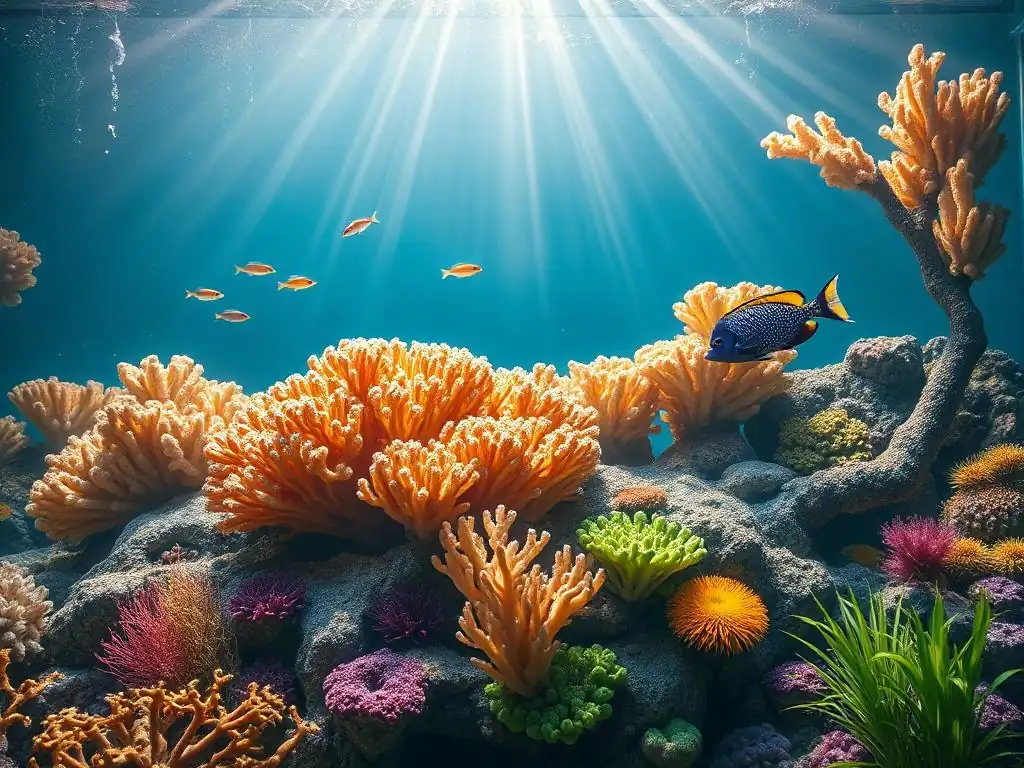
Ever wondered if the vibrant display of your leather coral is truly thriving? Unlock the secrets to achieving peak polyp extension and vibrant health in your prized soft corals. Dive into our comprehensive guide on Leather Coral Polyp Extension Quality and discover how mastering water quality can transform your reef aquarium. Let's explore the nuances of creating the perfect environment for these fascinating creatures and uncover the key to unlocking their full potential!
- Understanding Leather Coral Polyp Extension
- The Critical Role of Water Quality in Leather Coral Health
- Specific Water Quality Issues Affecting Leather Coral Polyp Extension
- Maintaining Ideal Water Quality for Optimal Leather Coral Polyp Extension
- Troubleshooting Poor Leather Coral Polyp Extension: A Water Quality Focus
- The Relationship Between Lighting and Water Quality on Polyp Extension
- Case Studies: Water Quality and Leather Coral Polyp Extension
- Advanced Techniques for Maintaining Water Quality
-
Frequently Asked Questions
- How does poor water quality affect Leather Coral polyp extension?
- What specific water parameters are most crucial for healthy Leather Coral polyp extension?
- Can lighting impact Leather Coral polyp extension quality, and how?
- What are some signs of poor polyp extension in Leather Corals, besides retraction?
- How often should I perform water changes to promote Leather Coral polyp extension?
- Final Reflection: Nurturing Leather Coral Vitality
- Dive Deeper: Cultivate a Thriving Reef!
Understanding Leather Coral Polyp Extension
What is Leather Coral Polyp Extension and Why is it Important?
Leather coral polyp extension refers to the outward projection of the small, tentacle-like structures from the coral's main body. These polyps are crucial for the coral's survival, serving as primary tools for feeding and photosynthesis. Through their extended polyps, leather corals capture microscopic food particles from the water column and absorb light for their symbiotic zooxanthellae algae, which produce energy vital for the coral's growth and overall health.
The degree and consistency of polyp extension are direct indicators of a leather coral's well-being and its adaptation to the aquarium environment. A healthy leather coral will typically display full, consistent polyp extension throughout the day, indicating it is thriving and efficiently performing its biological functions. Conversely, reduced or inconsistent leather coral polyp extension quality often signals stress, poor water parameters, or other environmental issues that require immediate attention to prevent further decline.
Different Types of Leather Corals and Their Polyp Extension Characteristics
Leather corals encompass a diverse group, including popular genera like Sarcophyton (Toadstool Leather), Sinularia (Finger, Cabbage, or Knobby Leather), and Lobophytum (Devil's Hand or Lobed Leather). Each type exhibits unique polyp extension characteristics. Sarcophyton corals, for instance, are renowned for their long, flowing polyps that can create a lush, carpet-like appearance when fully extended, often reaching several millimeters in length.
Sinularia species display a wider range of polyp sizes and extension patterns; some may have prominent, feathery polyps, while others have much smaller, almost granular polyps that provide a textured appearance rather than distinct individual projections. Lobophytum corals typically have smaller, more embedded polyps, often giving them a smoother or more leathery texture even when extended. Understanding these species-specific traits is vital for assessing normal leather coral polyp extension quality, as what is considered "full" extension for a Sarcophyton would be significantly different from a Lobophytum.
Leather Coral Health Indicators Beyond Polyp Extension
While leather coral polyp extension is a primary indicator, a comprehensive assessment of coral health requires observing several other factors. Tissue turgidity is crucial; a healthy leather coral should appear firm and plump, not deflated or shriveled. Vibrant coloration, consistent with the species, and the absence of any necrotic (dead) tissue are also strong signs of vitality.
Leather corals also undergo a natural process called "sloughing" or "shedding," where they shed a waxy layer to remove accumulated detritus and algae. While this temporary retraction is normal and usually resolves within a day or two, prolonged or excessive sloughing without recovery can indicate chronic stress. Any persistent signs of tissue recession, unusual discoloration, or failure to recover from retraction are significant red flags that suggest underlying environmental issues impacting the overall leather coral health and, consequently, its leather coral polyp extension quality.
The Critical Role of Water Quality in Leather Coral Health
Defining Optimal Water Quality Parameters for Leather Corals
Maintaining stable and optimal water quality parameters is the cornerstone of successful leather coral husbandry and directly influences their polyp extension. Soft corals, including leathers, are generally more tolerant of slight fluctuations than their SPS counterparts, but prolonged deviations or rapid swings can cause significant stress, leading to polyp retraction and potential tissue damage. Consistency is often more critical than hitting exact numbers, as corals adapt better to stable, even if slightly imperfect, conditions.
Achieving excellent leather coral polyp extension quality hinges on providing a pristine and consistent aquatic environment. This involves regular monitoring and adjustment of key parameters to prevent stress and support the coral's metabolic functions. Any deviation from these optimal ranges can compromise the coral's energy reserves, leading to a noticeable decline in its ability to fully extend its polyps and thrive.
Temperature Requirements for Healthy Polyp Extension
Temperature plays a fundamental role in the metabolic rate of leather corals and their symbiotic zooxanthellae. The optimal temperature range for most leather corals is between 76°F and 82°F (24.4°C to 27.8°C). Within this range, their enzymatic reactions and photosynthetic processes function most efficiently, providing the energy needed for robust growth and full polyp extension.
Deviations outside this range, particularly sudden drops or spikes of even 2-3°F (1-1.5°C), can induce thermal stress. When stressed by inappropriate temperatures, leather corals will often retract their polyps, appear deflated, and may even begin to "sweat" a waxy film as a protective measure. Sustained periods outside the optimal range can lead to bleaching, tissue necrosis, and a complete loss of leather coral polyp extension quality as the coral expends energy on survival rather than growth or feeding.
Salinity Levels and Leather Coral Polyp Activity
Salinity, or the concentration of dissolved salts in the water, is a critical parameter that directly affects the osmotic balance of marine organisms. For leather corals, an optimal specific gravity range is 1.024-1.026 (equivalent to 35 ppt, or parts per thousand). Maintaining salinity within this narrow window is essential for the proper functioning of their cellular processes and fluid regulation.
If salinity levels deviate significantly—for example, dropping below 1.020 or rising above 1.028—leather corals experience osmotic stress. This stress forces the coral to expend considerable energy trying to equalize internal and external solute concentrations, diverting resources away from vital functions like polyp extension and growth. Within hours of a significant salinity change, polyps may retract completely, and the coral tissue can appear swollen or shriveled, demonstrating a marked decline in leather coral polyp extension quality.
pH and Alkalinity's Influence on Leather Coral Vigor
pH, a measure of acidity or alkalinity, and alkalinity itself (the water's buffering capacity) are intrinsically linked and crucial for marine life. For leather corals, an ideal pH range is 8.0-8.4, and alkalinity should be maintained between 7-11 dKH (degrees of carbonate hardness), or 2.5-4 meq/L. While soft corals do not build large calcium carbonate skeletons like stony corals, they still require stable alkalinity for various metabolic processes and to maintain overall water chemistry stability.
Fluctuations in pH and alkalinity can stress the coral's internal systems, affecting enzyme function and potentially hindering the efficiency of zooxanthellae. A sudden drop in alkalinity below 6 dKH can lead to a rapid decline in coral health, causing immediate polyp retraction and a "deflated" appearance. Consistent, stable alkalinity and pH are vital for the coral's energy budget, directly influencing the vitality and the ability of the polyps to fully extend and maintain robust leather coral polyp extension quality.
The Nitrogen Cycle and Its Impact on Leather Coral Polyp Extension Quality
The nitrogen cycle is the fundamental biological process that converts toxic nitrogenous waste products into less harmful forms within an aquarium. It involves the breakdown of ammonia (from fish waste, uneaten food, decaying matter) into nitrite, and then into nitrate, by beneficial bacteria. For all marine organisms, including leather corals, the efficient functioning of this cycle is paramount. Even low levels of toxic nitrogen compounds can have a profound negative impact on soft corals.
A properly cycled aquarium with a robust biological filter is essential to ensure that ammonia and nitrite are rapidly converted. Any disruption to this cycle, such as an overcrowded tank or insufficient biological filtration, can lead to dangerous spikes that immediately compromise the health and vigor of leather corals, directly impacting their ability to extend polyps.
Ammonia, Nitrite, and Nitrate Levels: Acceptable Ranges
Ammonia (NH3) and nitrite (NO2-) are highly toxic to marine invertebrates, including leather corals. In a healthy, established reef tank, both ammonia and nitrite levels must be undetectable (0 ppm). Even concentrations as low as 0.1 ppm ammonia can cause significant stress, tissue damage, and immediate, prolonged polyp retraction in sensitive leather coral species. Nitrite, while slightly less toxic than ammonia, also severely impairs oxygen uptake and can lead to rapid decline if present.
Nitrate (NO3-), the end product of the nitrogen cycle, is less toxic than ammonia or nitrite but can still be detrimental in higher concentrations. For soft corals like leathers, nitrate levels should ideally be kept below 10-20 ppm. While some hardy leathers might tolerate levels up to 40 ppm for short periods, sustained nitrate concentrations above 20 ppm can inhibit polyp extension, reduce growth rates, and lead to a general decline in vibrancy and overall leather coral polyp extension quality, as they act as a chronic irritant and can fuel undesirable algae growth.
The Importance of Regular Water Changes
Regular water changes are one of the most effective and fundamental practices for maintaining pristine water quality in a reef aquarium. They serve multiple critical purposes: diluting accumulated pollutants suchates, phosphates, and dissolved organic compounds (DOCs), and replenishing essential trace elements and minerals that are consumed by corals and other inhabitants. Without regular water changes, these undesirable compounds can build up, creating an unhealthy environment for leather corals.
A typical guideline for reef tanks is a 10-20% water change weekly or bi-weekly, depending on the bioload and tank parameters. Consistent water changes prevent the gradual degradation of water quality that can lead to chronic stress and poor leather coral polyp extension. By removing waste products and refreshing the water's mineral content, water changes directly contribute to a stable and healthy environment, promoting robust polyp extension and overall coral vitality.
Water Quality Testing: Essential Tools and Practices
Accurate and regular water quality testing is non-negotiable for successful reef keeping and is essential for maintaining optimal leather coral polyp extension quality. Essential testing tools include a calibrated refractometer for salinity, a reliable thermometer for temperature, and high-quality test kits for pH, alkalinity, ammonia, nitrite, nitrate, and phosphate. Some aquarists also test for calcium and magnesium, though these are less critical for soft corals than for stony corals.
Frequency of testing varies: temperature and salinity should be checked daily or every few days, while ammonia and nitrite are critical during tank cycling or if problems arise. Once the tank is established, nitrate, phosphate, pH, and alkalinity can be tested weekly or bi-weekly. Consistent monitoring provides invaluable data, allowing aquarists to identify deviations early and take corrective action before water quality issues significantly impact the leather coral polyp extension or overall health of the inhabitants. Relying on accurate data rather than guesswork is key to proactive husbandry.
Specific Water Quality Issues Affecting Leather Coral Polyp Extension
High Nitrate Levels and Reduced Polyp Extension
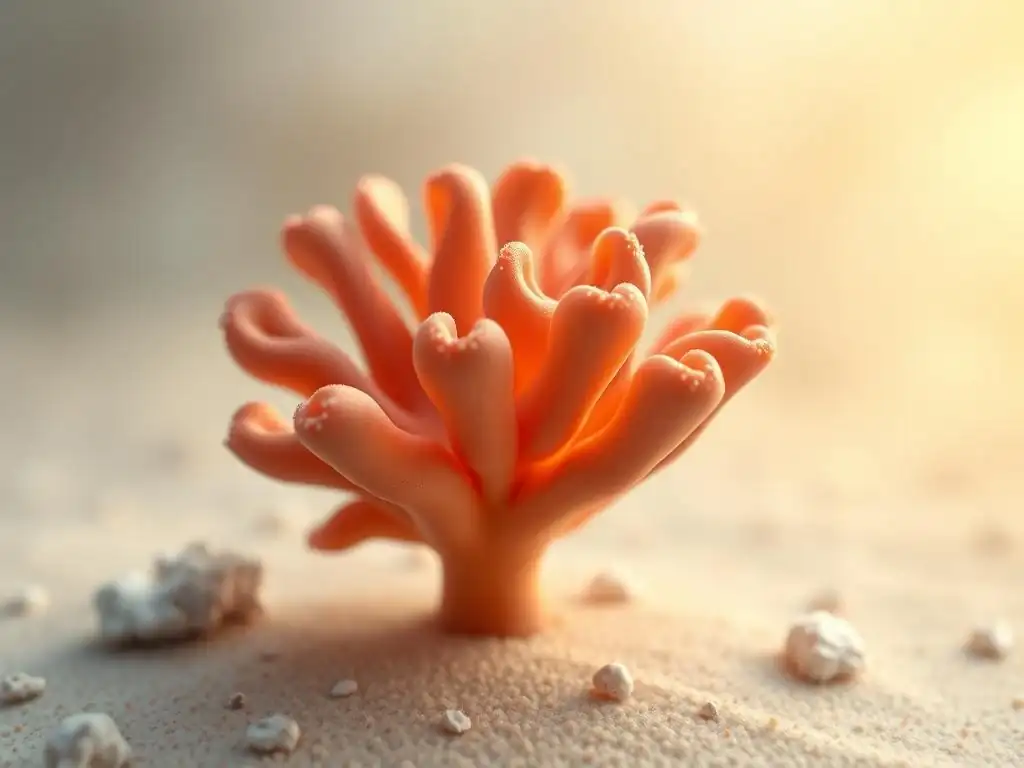
Elevated nitrate levels are a common water quality issue that significantly impacts leather coral polyp extension. While less acutely toxic than ammonia or nitrite, nitrates act as a chronic irritant and can inhibit the proper function of zooxanthellae within the coral tissue. When nitrate concentrations consistently exceed 20 ppm, leather corals often exhibit a noticeable reduction in polyp extension; their polyps may appear shorter, less numerous, or remain retracted for extended periods.
Beyond direct irritation, high nitrates can also lead to nutrient imbalances that favor the growth of nuisance algae, which can compete with and even smother the coral. For instance, a Sarcophyton leather coral in a tank with nitrates consistently above 30 ppm might show polyps that are only half their normal length, appearing pale or "pinched" compared to their vibrant, fully extended counterparts in a low-nitrate environment (below 10 ppm). This directly compromises the coral's ability to photosynthesize and feed, leading to a decline in its overall health and a visibly poor leather coral polyp extension quality.
Phosphate Buildup and Its Negative Effects
Phosphate buildup is another insidious water quality problem that severely hinders leather coral health and polyp extension. Phosphates (PO4-) can enter the aquarium through fish food, decaying organic matter, and even some tap water sources if not adequately filtered. Levels as low as 0.03 ppm can begin to have negative impacts, while concentrations above 0.1 ppm are particularly problematic for corals.
High phosphates compete with carbonates, hindering the coral's ability to uptake essential elements and potentially affecting the efficiency of their zooxanthellae. This can lead to a browning or dulling of the coral's tissue due to an overgrowth of zooxanthellae or, conversely, a form of bleaching if the symbiotic relationship is severely disrupted. A Sinularia coral exposed to phosphates consistently at 0.2 ppm might exhibit significantly reduced polyp extension, appearing "slimy" or covered in green film algae, indicating nutrient stress and a severe decline in its leather coral polyp extension quality.
The Impact of Dissolved Organic Compounds (DOCs)
Dissolved Organic Compounds (DOCs) are complex organic molecules that accumulate in aquarium water from fish waste, uneaten food, and the breakdown of other organic matter. High levels of DOCs can significantly degrade water quality by lowering the water's redox potential, increasing the bacterial load, and causing a yellowish tint that reduces light penetration. While not directly toxic in the same way as ammonia, DOCs create an overall unhealthy environment that stresses corals.
For leather corals, high DOCs can act as irritants, leading to increased mucus production and reduced polyp extension as the coral tries to protect itself. The reduced light penetration also negatively impacts the zooxanthellae's photosynthetic efficiency, thereby reducing the energy available for the coral. A tank with an obvious yellow tint due to high DOCs will often have leather corals that appear less vibrant and display consistently poor leather coral polyp extension, struggling to thrive in the murky, nutrient-rich water.
Heavy Metals and Their Toxicity to Leather Corals
Heavy metals, even in trace amounts, are extremely toxic to marine invertebrates, including leather corals. Common sources include unfiltered tap water (especially if containing copper from plumbing), some low-quality aquarium supplements, or corrosion from incompatible equipment within the tank. Copper, for instance, is a common medication for fish parasites but is lethal to corals at concentrations as low as 0.05 ppm.
Exposure to heavy metals causes immediate and severe stress to leather corals. Polyps will rapidly retract, the coral tissue may begin to recede or turn necrotic, and in many cases, death can occur within hours or days depending on the concentration and duration of exposure. A Lobophytum coral inadvertently exposed to even trace amounts of copper will show complete and prolonged polyp retraction, followed by tissue sloughing and eventual disintegration, demonstrating the extreme sensitivity of leather corals to such pollutants and the complete loss of leather coral polyp extension quality.
Maintaining Ideal Water Quality for Optimal Leather Coral Polyp Extension
Effective Filtration Methods for Leather Coral Tanks
Effective filtration is the backbone of maintaining the pristine water quality necessary for optimal leather coral polyp extension. A combination of mechanical, chemical, and biological filtration works synergistically to remove pollutants, clarify the water, and process harmful nitrogenous waste products. Each type of filtration plays a distinct yet equally important role in creating a stable and healthy environment where leather corals can thrive.
Understanding and properly implementing these filtration methods is crucial for any aquarist aiming for robust leather coral polyp extension and overall coral health. Neglecting any one aspect of filtration can lead to a domino effect of water quality issues, ultimately stressing the corals and compromising their vitality.
Mechanical Filtration: Removing Particulate Matter
Mechanical filtration involves the physical removal of suspended particles from the water column. This is typically achieved using filter socks, sponges, or filter floss placed in high-flow areas of the sump or hang-on-back filters. These media trap detritus, uneaten food, fish waste, and other particulate matter before they can break down and contribute to the nutrient load.
The importance of mechanical filtration cannot be overstated; by physically removing waste, it directly prevents the formation of nitrates and phosphates, which negatively impact leather coral polyp extension. For example, replacing a dirty filter sock daily or every other day in a 100-gallon tank can significantly reduce the organic load by trapping several grams of detritus before it decomposes. Failure to regularly clean or replace these media turns them into "nitrate factories," releasing trapped pollutants back into the water and compromising leather coral polyp extension quality.
Chemical Filtration: Activated Carbon and GFO
Chemical filtration utilizes specialized media to remove dissolved pollutants that mechanical filtration cannot. Activated carbon is highly effective at adsorbing dissolved organic compounds (DOCs), yellowing pigments, and various toxins, improving water clarity and light penetration. This directly benefits photosynthetic leather corals by ensuring their zooxanthellae receive optimal light for energy production, which contributes to robust polyp extension. Replacing activated carbon every 2-4 weeks is recommended to maintain its efficacy.
Granular Ferric Oxide (GFO) is another powerful chemical filtration media specifically designed to remove phosphates from the water. Phosphates, even at low levels (e.g., above 0.03 ppm), can inhibit coral growth and fuel nuisance algae. By effectively binding phosphates, GFO helps maintain critically low levels, preventing issues like browning or reduced polyp extension in leather corals. Regularly monitoring phosphate levels and replacing GFO as needed (typically every 4-8 weeks) is essential for sustaining optimal leather coral polyp extension quality.
Biological Filtration: Establishing a Healthy Bacteria Colony
Biological filtration is the most critical component of a healthy marine aquarium, as it is responsible for the nitrogen cycle – the conversion of toxic ammonia into less harmful nitrates. This process is carried out by beneficial nitrifying bacteria that colonize porous surfaces throughout the tank, primarily live rock, sand beds, and dedicated bio-media (e.g., bio-balls, ceramic rings). A well-established biological filter is the first line of defense against lethal ammonia and nitrite spikes.
For leather corals, a robust biological filter ensures that their environment remains free of these highly toxic compounds, which would otherwise cause immediate and severe polyp retraction, tissue damage, and ultimately death. A mature 75-gallon reef tank, for example, typically hosts trillions of nitrifying bacteria on its live rock and substrate, capable of converting several milligrams of ammonia per hour. This stable biological foundation is indispensable for consistent leather coral polyp extension and the overall long-term success of the aquarium.
Proper Water Circulation and Gas Exchange
Proper water circulation is vital for leather corals, as it performs multiple critical functions beyond just moving water. Adequate flow ensures that essential nutrients, including food particles and trace elements, are delivered directly to the coral polyps, supporting their feeding mechanisms and overall metabolism. Simultaneously, it prevents the accumulation of waste products and detritus around the coral's base, which could otherwise lead to tissue necrosis or bacterial infections.
Moreover, good water movement facilitates crucial gas exchange at the water's surface, ensuring sufficient oxygenation for all inhabitants and the efficient removal of carbon dioxide. For leather corals, moderate, indirect flow (e.g., 10-20 times the tank volume per hour) is generally preferred. Too little flow can lead to "dead spots" and detritus buildup, while excessively strong, direct flow can physically stress the polyps, causing them to retract or even damage the coral tissue. Optimal flow ensures the polyps can extend fully, sway naturally, and efficiently perform their functions, directly contributing to excellent leather coral polyp extension quality.
Regular Water Changes: Frequency and Volume
Regular water changes are the most effective way to maintain stable water parameters and ensure optimal leather coral polyp extension. They serve as a crucial mechanism for diluting and removing accumulated pollutants like nitrates, phosphates, and dissolved organic compounds, which can build up over time despite other filtration methods. Simultaneously, water changes replenish essential trace elements and minerals (e.g., calcium, magnesium, strontium, iodine) that are consumed by corals and other tank inhabitants, supporting their metabolic processes and overall health.
For most established reef tanks with leather corals, a general guideline is to perform a 10-20% water change bi-weekly or, ideally, weekly, depending on the bioload and nutrient export methods. For instance, in a 50-gallon tank, a 10-gallon weekly water change consistently removes 20% of the accumulated nitrates and phosphates, while replenishing consumed elements. This consistent replenishment and dilution directly contribute to a stable and pristine environment, which is paramount for promoting robust and sustained leather coral polyp extension quality.
Choosing the Right Salt Mix for Leather Corals
The choice of salt mix is a fundamental decision that directly impacts the overall water quality and, consequently, the health and leather coral polyp extension of your corals. A high-quality marine salt mix designed specifically for reef aquariums is essential. These mixes are formulated to replicate the natural trace element profile of ocean water and are free from undesirable contaminants like heavy metals or excess nitrates and phosphates.
A good salt mix will dissolve clearly and quickly, providing consistent levels of major parameters such as salinity, alkalinity, calcium, and magnesium. Using a reputable brand ensures that each water change not only dilutes pollutants but also introduces clean, balanced water with all the necessary building blocks for coral vitality. For example, using a salt mix that consistently provides 8-9 dKH alkalinity and 400-450 ppm calcium ensures that the new water supports the coral's metabolic demands, directly contributing to stable parameters and robust leather coral polyp extension.
Troubleshooting Poor Leather Coral Polyp Extension: A Water Quality Focus
Step-by-Step Guide to Diagnosing Water Quality Problems
When a leather coral exhibits poor polyp extension, a systematic approach focused on water quality is crucial for diagnosis. First, immediately test all essential water parameters: Ammonia, Nitrite, Nitrate, pH, Alkalinity, Salinity, and Temperature. Compare these readings to the optimal ranges for leather corals (e.g., Ammonia/Nitrite 0 ppm, Nitrates <20 ppm, Salinity 1.024-1.026, pH 8.0-8.4, Alkalinity 7-11 dKH, Temp 76-82°F).
Next, physically inspect your equipment. Check that heaters are functioning correctly, powerheads are providing adequate flow without directly blasting the coral, and the protein skimmer is producing skimmate. Review your husbandry practices: have you recently overfed, missed water changes, or introduced new livestock? Finally, observe other tank inhabitants for signs of stress, which could indicate a broader water quality issue. This comprehensive checklist helps pinpoint the specific water quality deviation impacting leather coral polyp extension.
Corrective Actions for Common Water Quality Issues
Lowering Nitrate Levels
High nitrate levels are a frequent culprit behind reduced leather coral polyp extension. If tests reveal nitrates above 20 ppm, immediate action is required. Begin with a series of large water changes; for example, a 30-50% water change to rapidly dilute the existing nitrates, followed by several smaller (e.g., 15-20%) daily or bi-daily water changes until levels drop below 10 ppm.
Concurrently, identify and address the source of excess nitrates. Reduce feeding amounts, ensure all uneaten food is promptly removed, and increase the frequency of mechanical filter media cleaning or replacement (e.g., changing filter socks daily). Consider implementing or upgrading a protein skimmer, adding macroalgae (like Chaetomorpha) in a refugium, or utilizing nitrate-reducing media such as bio-pellets or specialized resins. Consistent efforts to lower nitrates will visibly improve leather coral polyp extension quality.
Reducing Phosphate Levels
Elevated phosphate levels (above 0.03 ppm) are detrimental to leather corals, leading to poor polyp extension and often promoting nuisance algae growth. To reduce phosphates, start with water changes using RODI water and a low-phosphate salt mix. The most effective method is often the use of Granular Ferric Oxide (GFO) or other phosphate-removing media in a dedicated reactor or filter bag.
Reduce the amount of food fed, especially frozen foods that are not thoroughly rinsed, as these can be significant phosphate sources. Ensure that any decaying organic matter (e.g., dead snails, plant matter) is promptly removed from the tank. Regularly cleaning mechanical filtration and ensuring your protein skimmer is working efficiently will also help prevent phosphate buildup. Consistently maintaining phosphate levels below 0.03 ppm will significantly enhance leather coral polyp extension and overall health.
Addressing Alkalinity Imbalances
Alkalinity imbalances, particularly low alkalinity (below 7 dKH), can severely impact leather coral vigor and polyp extension. If alkalinity is low, it should be raised slowly and carefully using a balanced alkalinity supplement (e.g., sodium bicarbonate or a commercial two-part solution).
Do not attempt to raise alkalinity by more than 0.5-1.0 dKH per day to avoid shocking corals. For instance, in a 100-gallon tank with alkalinity at 6.0 dKH, you might add a calculated dose to raise it to 6.5 dKH on day one, then 7.0 dKH on day two, and so on, until the target range of 8-10 dKH is reached.
If alkalinity is too high (above 11 dKH), it usually resolves with regular water changes and by discontinuing any alkalinity dosing. Always test the alkalinity of your source water (RODI and mixed saltwater) to ensure it's not the cause of persistent high levels. Maintaining stable alkalinity is more crucial than hitting an exact number; rapid swings are often more detrimental to leather coral polyp extension than slightly off but consistent levels.
The Importance of Gradual Adjustments
When correcting water quality issues that affect leather coral polyp extension, the importance of gradual adjustments cannot be overstressed. Marine organisms, including leather corals, are highly sensitive to sudden changes in their environment. Rapid shifts in parameters such as salinity, pH, or alkalinity can induce severe osmotic shock, pH shock, or other forms of physiological stress, often causing more harm than the initial water quality problem.
For instance, if salinity is low at 1.020, do not attempt to raise it to 1.025 in a single day; instead, increase it by no more than 0.001-0.002 specific gravity per day through careful top-offs with higher salinity water or minor water changes. Similarly, when adjusting alkalinity, aim for increments of 0.5-1.0 dKH per day. Patience is key; corals recover slowly, and a measured, gradual approach minimizes stress, allowing the coral to adapt and progressively regain its full leather coral polyp extension quality.
The Relationship Between Lighting and Water Quality on Polyp Extension
How Lighting Affects Photosynthesis and Nutrient Uptake
Leather corals, like many other corals, host symbiotic dinoflagellates called zooxanthellae within their tissues. These zooxanthellae perform photosynthesis, converting light energy into sugars that provide a significant portion (up to 90%) of the coral's nutritional requirements. Proper lighting intensity and spectrum are therefore crucial for the health and energy budget of the coral, directly impacting its ability to extend polyps, grow, and thrive.
When lighting is insufficient or inappropriate (e.g., wrong spectrum, too weak), the zooxanthellae cannot photosynthesize efficiently, leading to a nutrient deficit for the coral. This energy deprivation reduces the coral's vitality, causing it to retract polyps as it conserves energy, leading to poor leather coral polyp extension. Conversely, excessively strong lighting can also stress the coral, leading to bleaching or retraction as a protective mechanism, demonstrating the delicate balance required.
Balancing Lighting Intensity with Water Quality
The effectiveness of your aquarium lighting is intrinsically linked to water quality, particularly water clarity. Even if you have high-quality, powerful light fixtures, their beneficial effects on leather coral polyp extension can be significantly diminished if the water is cloudy, yellowed by dissolved organic compounds (DOCs), or plagued by nuisance algae. These factors reduce light penetration, meaning the coral receives less effective photosynthetically active radiation (PAR), even if the light source itself is strong.
Therefore, maintaining pristine water quality by keeping DOCs low (through protein skimming and activated carbon) and controlling algae (by managing nitrates and phosphates) ensures that the maximum amount of light reaches your leather corals. This synergy allows the zooxanthellae to photosynthesize optimally, providing the coral with ample energy for robust growth and full leather coral polyp extension. If water quality is compromised, adjusting lighting intensity (often reducing it) can help mitigate stress until the underlying water quality issues are resolved.
Case Studies: Water Quality and Leather Coral Polyp Extension
Case Study 1: High Nitrates and Sarcophyton Polyp Retraction
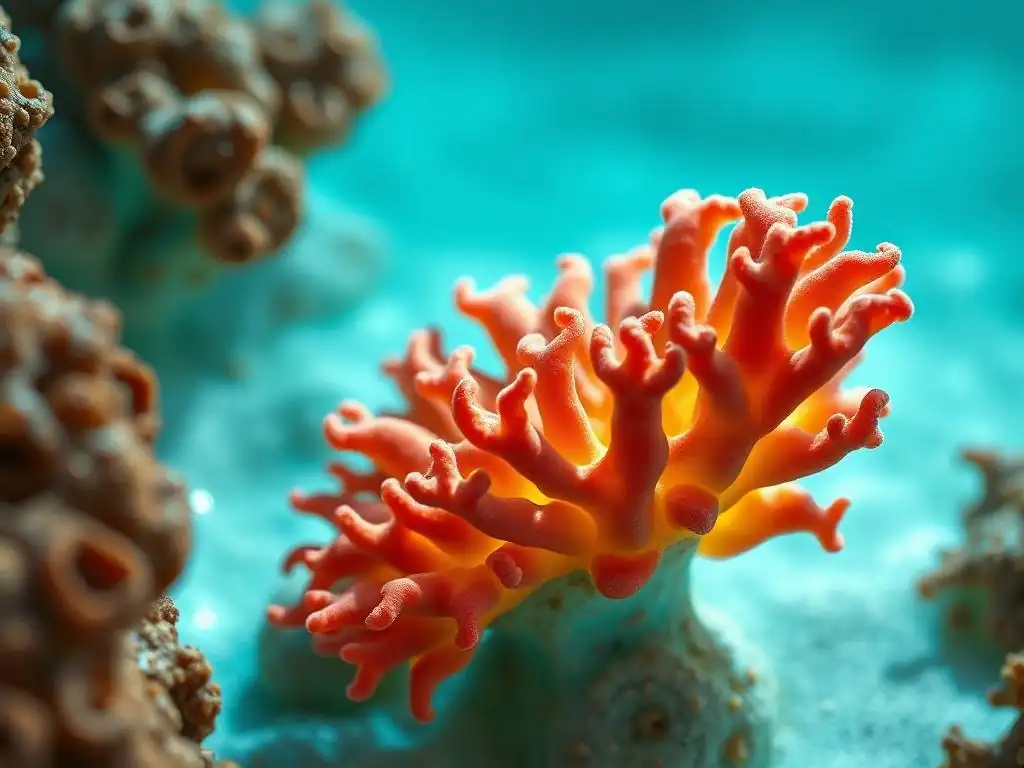
In a 90-gallon reef tank established for over a year, a large Sarcophyton toadstool leather coral had been thriving with consistent, full polyp extension. Over a two-week period, the owner noticed the Sarcophyton's polyps became increasingly retracted, and the coral developed a "deflated" appearance. Water tests revealed a nitrate level of 50 ppm and phosphates at 0.2 ppm. Other parameters (temperature, salinity, pH, alkalinity) were stable within acceptable ranges. The owner admitted to increased fish feeding and had extended water changes from bi-weekly to monthly, only performing 10% volume.
To address this, the owner initiated immediate corrective actions: a 30% water change was performed, followed by daily 15% water changes for the next seven days. Fish feeding was reduced by 50%, and filter socks were changed every other day instead of weekly. A GFO reactor was also installed.
Within three days, the Sarcophyton began to show initial signs of polyp extension, and by the end of two weeks, nitrates were down to 8 ppm, phosphates to 0.04 ppm. The Sarcophyton fully recovered, displaying robust and vibrant leather coral polyp extension, illustrating the direct impact of nutrient control on coral health.
Case Study 2: Optimal Water Parameters and Sinularia Extension
Consider a 60-gallon soft coral-dominated tank that consistently boasts a thriving Sinularia finger leather coral with exceptional, full polyp extension. This tank adheres to a strict maintenance regimen: weekly 15% water changes using RODI water and a high-quality, balanced reef salt mix. Water parameters are meticulously maintained: temperature consistently at 78°F (25.5°C), salinity at 1.025 specific gravity, pH stable at 8.2, alkalinity at 8.5 dKH, nitrates consistently below 5 ppm, and phosphates undetectable at <0.02 ppm. The tank also utilizes a well-tuned protein skimmer, activated carbon changed monthly, and robust mechanical filtration.
Under these optimal and consistent water quality conditions, the Sinularia coral exhibits near-constant, full leather coral polyp extension throughout the day. Its polyps are long, feathery, and actively sway in the moderate water flow, demonstrating efficient nutrient capture and photosynthesis. This case study serves as a prime example of how diligent adherence to ideal water parameters directly translates into a vibrant, healthy Sinularia coral with exemplary leather coral polyp extension quality, showcasing the benefits of proactive and consistent husbandry.
Advanced Techniques for Maintaining Water Quality
The Benefits of Using a Refugium
A refugium is a separate sump compartment designed to cultivate beneficial organisms, most commonly macroalgae like Chaetomorpha or Caulerpa, and a deep sand bed. Its primary benefit is nutrient export: macroalgae efficiently absorb nitrates and phosphates from the water column as they grow, effectively competing with undesirable nuisance algae in the display tank. This natural nutrient removal significantly contributes to maintaining low nutrient levels, which are critical for optimal leather coral polyp extension.
Beyond nutrient export, a refugium also enhances biodiversity by providing a safe haven for beneficial microfauna such as copepods and amphipods, which serve as a natural food source for corals and fish. Furthermore, if lit on a reverse daylight cycle (lights on when display tank lights are off), macroalgae can help stabilize pH by performing photosynthesis during the night, counteracting the pH drop caused by respiration in the main tank. This added stability and nutrient control directly support a healthier environment, fostering consistent and robust leather coral polyp extension.
The Role of Protein Skimmers
Protein skimmers are highly effective filtration devices that remove dissolved organic compounds (DOCs) and particulate matter from the water before they can break down into nitrates and phosphates. They work by creating a large volume of fine air bubbles that attract and bind to organic waste molecules. These waste-laden bubbles then rise into a collection cup, removing pollutants from the system. A well-tuned protein skimmer can remove a significant portion (e.g., 20-30%) of the daily organic waste produced in a tank.
For leather corals, a protein skimmer is invaluable for maintaining low nutrient levels and high water clarity. By removing DOCs, skimmers reduce the organic load that can irritate corals and contribute to yellowing of the water, which impedes light penetration. This leads to a cleaner, healthier environment, directly promoting vibrant and consistent leather coral polyp extension. The visual improvement in water clarity and the reduction in nutrient buildup are tangible benefits that contribute significantly to excellent leather coral polyp extension quality.
The Use of Ozone and UV Sterilization
Ozone (O3) and UV (Ultraviolet) sterilization are advanced water purification techniques used to enhance water quality in reef aquariums, indirectly benefiting leather coral polyp extension. Ozone is a powerful oxidizer that breaks down dissolved organic compounds, removes yellowing, increases the water's redox potential, and acts as a sterilizing agent, killing bacteria and viruses. When used with an ORP (Oxidation-Reduction Potential) controller, ozone can significantly improve water clarity and reduce pathogen load, but requires careful dosing due to its potent nature.
UV sterilizers, on the other hand, use ultraviolet light to kill free-floating algae, bacteria, and parasites as water passes through a chamber. This reduces the overall pathogen count in the water column, minimizing the risk of disease and improving water clarity. While neither ozone nor UV directly impacts water parameters like alkalinity or nitrates, by reducing disease pressure and improving water clarity, they contribute to a cleaner, healthier environment. This reduced stress and enhanced light penetration indirectly support the overall vitality of leather corals, fostering their ability to maintain optimal leather coral polyp extension quality.
Frequently Asked Questions
How does poor water quality affect Leather Coral polyp extension?
Poor water quality, particularly elevated nitrates and phosphates, can inhibit polyp extension. This leads to a retracted appearance, indicating stress.
What specific water parameters are most crucial for healthy Leather Coral polyp extension?
Maintaining stable salinity, pH, and temperature are vital. Also, keeping nitrate and phosphate levels low encourages optimal polyp extension.
Can lighting impact Leather Coral polyp extension quality, and how?
Yes, inadequate or excessive lighting can stress corals. Proper lighting is essential for photosynthesis and overall health, indirectly influencing polyp extension.
What are some signs of poor polyp extension in Leather Corals, besides retraction?
Look for discoloration, excessive mucus production, or a generally deflated appearance. These symptoms often accompany reduced polyp extension.
How often should I perform water changes to promote Leather Coral polyp extension?
Regular water changes, typically 10-20% weekly or bi-weekly, help maintain optimal water quality and promote healthy polyp extension.
Okay, here's a final reflection designed to conclude your article, "The Impact of Water Quality on Leather Coral Polyp Extension," optimized for the keyword "Leather coral polyp extension quality" and following the structure you provided:
Final Reflection: Nurturing Leather Coral Vitality
The data presented throughout this article underscores a crucial truth: leather coral polyp extension quality is inextricably linked to the health and stability of its aquatic environment. The subtle nuances of water parameters, from alkalinity to nutrient levels, exert a profound influence on these delicate organisms, directly impacting their ability to thrive and contribute to the vibrant tapestry of reef ecosystems. Ignoring these interconnected factors risks not only the health of individual corals but also the long-term resilience of entire reef systems.
This intricate relationship between water quality and coral health highlights the ongoing responsibility we have as aquarists and conservationists to meticulously monitor and manage the environments we create and protect. The health of our reefs, both in our tanks and in the wild, depends on our understanding and application of these principles. The fate of coral reefs lies in our hands. We must act now to protect them from the threats they face, including pollution and climate change.
- Dr. Ruth Gates, Coral Reef Biologist. This quote serves as a potent reminder that our actions, however small, can collectively make a significant difference.
As you consider the findings presented here, I invite you to reflect on your own role in promoting optimal "leather coral polyp extension quality." Whether you are a seasoned reef keeper or a newcomer to the hobby, commit to deepening your understanding of water chemistry and its impact on coral health. By embracing responsible practices and advocating for cleaner oceans, you can contribute to a future where these magnificent creatures continue to flourish, enriching our world with their beauty and ecological significance.
Dive Deeper: Cultivate a Thriving Reef!
Thank you for exploring the critical role of water quality in your leather coral's health. You've gained valuable insights into nurturing these fascinating creatures. Now, let's put that knowledge into action!
Here are a few ways to ensure your leather corals flourish:
- Routinely test your aquarium water parameters to maintain optimal levels of alkalinity, calcium, and magnesium. This is the single most impactful action you can take!
- Share this article with fellow reef keepers on your favorite forum or social media group to spread the word about leather coral care.
- Consider documenting your coral's growth journey with before-and-after photos to monitor their adaptation to changes in water quality.
What specific water testing methods will you implement this week to ensure your leather corals are thriving?