
The Truth About Starfish in Reef Tanks: A Guide to Safe Species

Welcome to Aquarium Mastery!
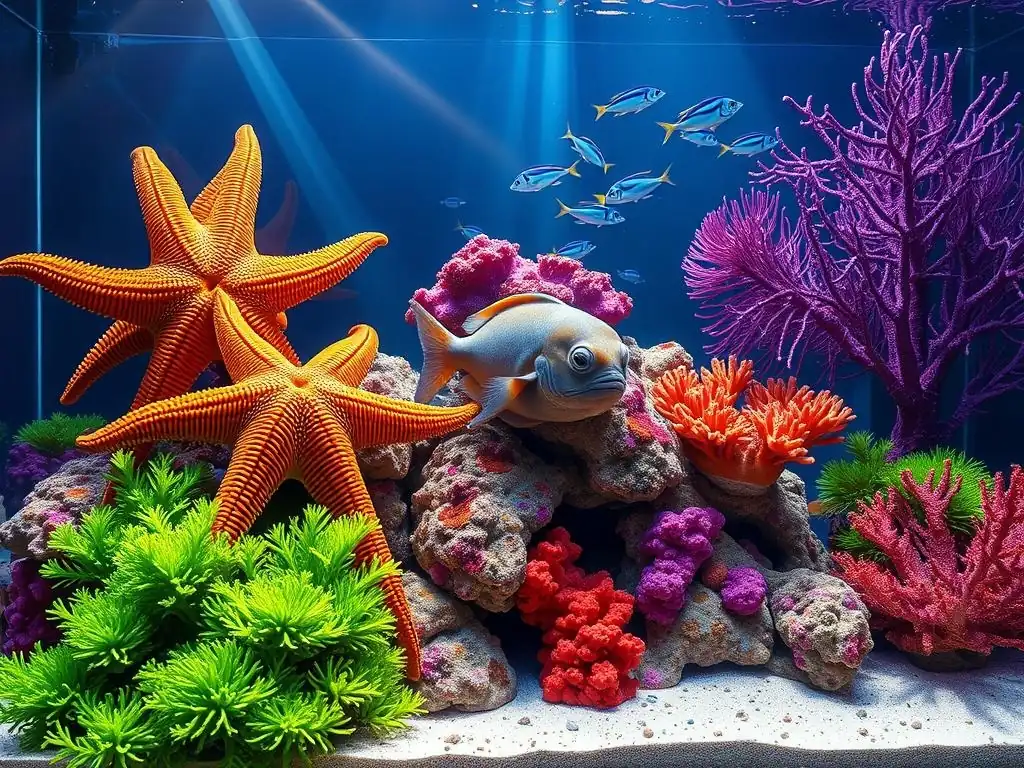
Ever wondered if those captivating starfish you see in reef tanks are actually reef-safe? Dive into our comprehensive guide, "The Truth About Starfish in Reef Tanks: A Guide to Safe Species," and unlock the secrets to successful reef tank starfish care. Discover which species thrive and which pose a hidden threat to your delicate ecosystem. Ready to unravel the mysteries and ensure a vibrant, balanced reef? Let's explore!
- Reef-Safe Starfish: A Guide to Selecting and Caring for Beneficial Species
- Introduction to Reef-Safe Starfish
- Reef-Safe Starfish Species
- Starfish Species to Avoid in Reef Tanks
- Essential Reef Tank Starfish Care
- Selecting the Right Starfish for Your Reef Tank
- Conclusion: Responsible Reef Tank Starfish Keeping
-
Frequently Asked Questions
- What are the key considerations when choosing a starfish for a reef tank?
- How important is water quality for the health of reef tank starfish?
- What should I feed my reef tank starfish and how often?
- What are some common signs of illness in reef tank starfish?
- Are all starfish reef-safe, and which species should I avoid?
- Final Reflection: Embracing Reef Ecosystem Harmony
- Unveil the Secret to a Thriving Reef: Take Action Now!
Reef-Safe Starfish: A Guide to Selecting and Caring for Beneficial Species
Introduction to Reef-Safe Starfish
Understanding Starfish Compatibility in Reef Aquariums
Integrating starfish into a reef aquarium can be a rewarding experience, but it requires a thorough understanding of their compatibility with corals, fish, and other invertebrates. Not all starfish species are suitable for a mixed reef environment; many are predatory or have highly specialized dietary needs that cannot be met in a typical home aquarium, leading to their eventual demise or significant damage to the tank's ecosystem. Proper research is paramount for successful reef tank starfish care, ensuring the well-being of all inhabitants.
For instance, species like the Chocolate Chip Starfish ( Protoreaster nodosus), while visually appealing, are notorious for preying on corals, anemones, and other sessile invertebrates. Conversely, smaller, more delicate species like the Blue Linckia Starfish ( Linckia laevigata) often starve in captivity due to their reliance on specific microscopic organisms and biofilm found abundantly only in vast, mature natural reefs, making their long-term reef tank starfish care challenging and often unsuccessful.
Benefits of Keeping Reef-Safe Starfish
When chosen carefully, certain reef-safe starfish can become invaluable members of a reef tank's clean-up crew, contributing significantly to the overall health and stability of the ecosystem. Many species are excellent detritivores, tirelessly scavenging for uneaten food, decaying organic matter, and algae, thereby helping to reduce nutrient buildup and maintain pristine water quality. Their presence can mimic natural reef processes, enhancing the biological diversity and resilience of the aquarium.
For example, various species of brittle and serpent starfish are highly efficient scavengers, capable of reaching into tight crevices to extract detritus that might otherwise accumulate and degrade water parameters. A single medium-sized serpent star can process the equivalent of several small pieces of uneaten food daily in a 75-gallon reef tank, significantly reducing the organic load. This active foraging not only keeps the substrate clean but also contributes to a balanced nutrient cycle, which is a cornerstone of effective reef tank starfish care.
Reef-Safe Starfish Species
Asterina Starfish: Population Management in Reef Tanks
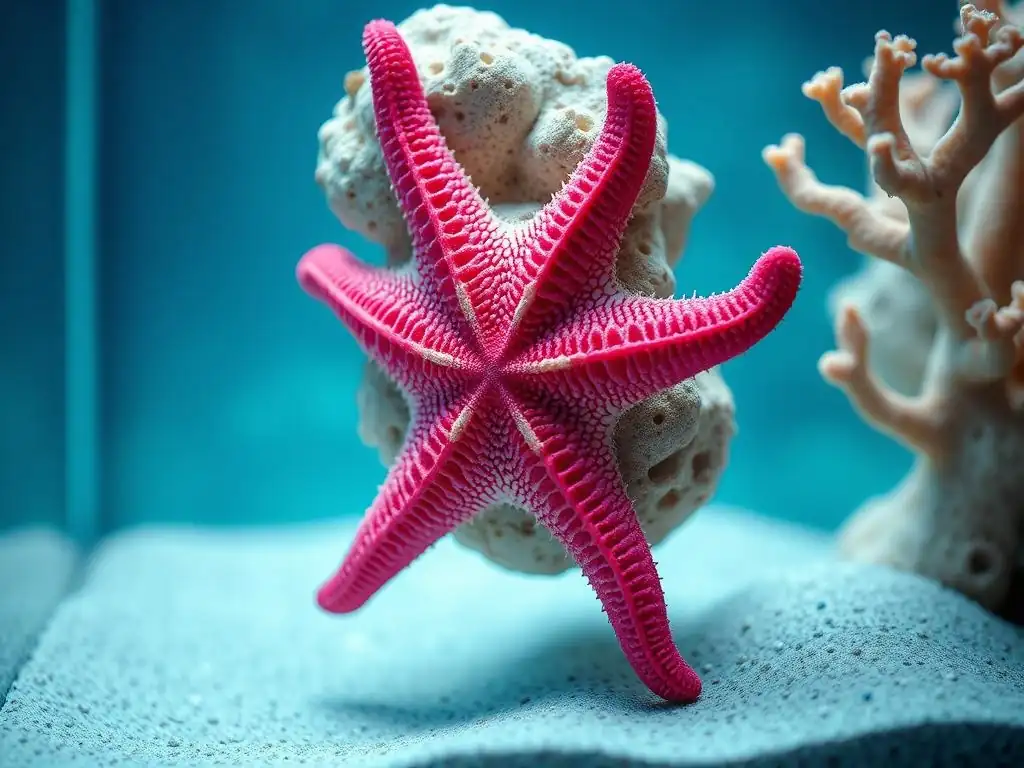
Asterina starfish are tiny, often unnoticed inhabitants of many reef aquariums, typically arriving as hitchhikers on live rock. Most species are small, usually less than an inch in diameter, and vary in color from translucent white to grey or brown. While the majority of Asterina species are considered benign detritivores and algae grazers, consuming biofilm and microscopic debris from rocks and glass, a small percentage of strains have developed a taste for certain soft corals, particularly zoanthids and palythoa, making their presence a subject of debate in reef tank starfish care.
Identifying these problematic strains can be challenging as their appearance does not always correlate with their diet. However, if you notice unexplained tissue recession or "holes" appearing in your zoanthid colonies, especially overnight, Asterina starfish should be considered a prime suspect. It's estimated that approximately 5-10% of Asterina populations might exhibit coral-eating behaviors, indicating the need for careful observation rather than immediate eradication of all individuals.
Identifying Asterina Starfish and Their Potential Impact
Asterina starfish are typically identified by their small size, flat body, and five to eight arms, though some variations exist. They often appear suddenly in a tank, multiplying rapidly through fission, where an arm breaks off and regenerates into a new individual. While their primary diet consists of diatoms, cyanobacteria, and detritus, certain strains will actively graze on zoanthids, palythoa, and occasionally even montipora corals, leading to significant tissue loss over time.
Observing their behavior directly is the most reliable method for confirming a problematic strain. If you see them congregated on corals with retracted polyps, or notice tissue damage where they were recently present, they are likely the culprit. Their rapid asexual reproduction means that a few problematic individuals can quickly become a widespread issue, necessitating prompt intervention in diligent reef tank starfish care.
Controlling Asterina Starfish Reproduction
Controlling Asterina starfish populations, especially the problematic strains, requires a multi-faceted approach. Manual removal is the most straightforward method; they can be easily picked off the glass or rocks using tweezers or a small net. However, given their prolific reproduction, this often becomes a daily chore. Consistency is key to keeping their numbers manageable.
For more severe infestations, introducing a natural predator like the Harlequin Shrimp ( Hymenocera picta) is highly effective. Harlequin Shrimp exclusively feed on starfish and will systematically clear an Asterina population within weeks. However, a significant consideration for long-term reef tank starfish care is that once the Asterina are gone, the Harlequin Shrimp will require an alternative starfish food source (e.g., small chocolate chip starfish purchased specifically as food) or they will starve. This makes them a commitment rather than a temporary solution.
Brittle Starfish: Reef Tank Detritivores
Brittle stars are among the most popular and beneficial invertebrates for reef aquariums, prized for their efficiency as scavengers. Characterized by their long, slender, often spiny arms and a distinct central disc, they are primarily nocturnal, emerging from the live rock at night to forage for detritus and uneaten food. Their ability to navigate tight spaces and consume decaying matter makes them excellent contributors to the tank's nutrient export, playing a vital role in comprehensive reef tank starfish care.
These resilient creatures are generally peaceful and pose no threat to corals, fish, or other invertebrates, provided they are kept well-fed. Their varied colors and patterns, from deep reds to mottled greens and browns, also add a subtle aesthetic appeal to the reef environment, making them a functional and attractive choice for many aquarists.
Different Types of Reef-Safe Brittle Starfish
Several species of brittle stars are commonly available and considered reef-safe. The Green Brittle Star ( Ophiarachna incrassata) is a popular choice, though larger specimens (with arm spans exceeding 8-10 inches) can occasionally become opportunistic predators of small fish if underfed. Smaller species, often referred to as Micro Brittle Stars, are excellent hitchhikers that remain tiny, usually under an inch in arm span, and reproduce readily, forming a thriving unseen clean-up crew within the live rock.
Red Brittle Stars ( Ophiarachnella gorgonia) are another common and generally harmless variety, typically reaching arm spans of 4-6 inches. These species primarily consume detritus, uneaten fish food, and decaying organic matter. Their secretive nature means they are often glimpsed only during nighttime foraging, making them fascinating additions to dedicated reef tank starfish care efforts.
Brittle Starfish Care: Feeding and Habitat
Brittle starfish are remarkably low-maintenance in terms of feeding, as they primarily subsist on detritus and leftover food particles in the aquarium. In a well-fed reef tank with fish, they often find sufficient sustenance without direct intervention. However, in very clean tanks or those with minimal fish waste, supplemental feeding may be beneficial. Small pieces of frozen mysis shrimp, chopped clam, or sinking pellet food can be target-fed near their hiding spots once or twice a week.
Their ideal habitat includes plenty of live rock with crevices and caves for hiding during the day. They are highly sensitive to sudden changes in water parameters, particularly salinity, so stable conditions are crucial for their long-term survival. Maintaining a stable salinity of 1.024-1.026 specific gravity and a temperature range of 75-80°F is essential for optimal reef tank starfish care for brittle stars.
Serpent Starfish: Efficient Cleaners for Reef Environments
Serpent starfish are closely related to brittle stars but are distinguished by their smoother, less spiny arms and a smaller, more prominent central disc. Like brittle stars, they are highly effective scavengers and detritivores, making them an excellent choice for the clean-up crew in a reef aquarium. They are generally peaceful and pose no threat to corals or other tank inhabitants, contributing significantly to a healthy and balanced ecosystem.
Their ability to move quickly and efficiently across the substrate and live rock allows them to thoroughly clean the tank of uneaten food and decaying organic matter. They are often more visible than their brittle star counterparts, especially during feeding times, adding an active and interesting element to the reef environment and simplifying aspects of reef tank starfish care.
Selecting Reef-Safe Serpent Starfish
When selecting a serpent starfish, it's important to choose species known for their reef-safety. The Green Serpent Star ( Ophioderma squamosissimum) and Red Serpent Star ( Ophioderma rubicundum) are two of the most common and reliable choices. These species can grow quite large, with arm spans reaching up to 12 inches, but they remain non-predatory towards corals, clams, or fish. Avoid very large, robust serpent stars whose specific identification is uncertain, as a few species can be opportunistic predators of small fish if not adequately fed.
Always purchase from reputable dealers who can guarantee the species' identification and health. Healthy serpent starfish should have all their arms intact, with no signs of lesions or tissue decay. Proper selection is the first step in successful reef tank starfish care for these beneficial invertebrates.
Serpent Starfish: Diet and Compatibility
Serpent starfish are omnivorous scavengers, thriving on a diet of detritus, uneaten fish food, and any decaying organic matter present in the aquarium. They are highly efficient at consuming leftover food, reducing the buildup of nitrates and phosphates. In a well-stocked and fed reef tank, supplemental feeding may not be necessary as they can sustain themselves on the tank's natural food sources.
However, if your tank is very clean or lightly stocked, target-feeding a small piece of frozen mysis shrimp, chopped clam, or a sinking pellet near their location once or twice a week will ensure they receive adequate nutrition. They are compatible with nearly all reef inhabitants, including most corals, fish, and other invertebrates. Their peaceful nature and effective cleaning abilities make them a cornerstone of responsible reef tank starfish care.
Sand Sifting Starfish: Substrate Maintenance
Sand sifting starfish, most notably the Tiger-striped Sand Sifting Star ( Archaster typicus), are specialized invertebrates that play a crucial role in maintaining the health of a deep sand bed in a reef aquarium. They burrow through the sand, consuming detritus, uneaten food, and microscopic organisms, which helps to aerate the substrate and prevent the formation of anaerobic pockets. This activity is vital for the long-term stability of the sand bed and the overall ecosystem.
Despite their beneficial sifting activity, these starfish are notoriously difficult to keep long-term in most home aquariums due to their voracious appetite for the specific microfauna found within mature sand beds. Many aquarists underestimate the sheer volume of sand and the maturity required to sustain these animals, leading to their eventual starvation.
The Role of Sand Sifting Starfish in a Healthy Reef
A healthy sand sifting starfish continuously burrows through the substrate, ingesting sand particles and extracting the organic matter and microorganisms within. This constant turning of the sand prevents compaction, allows for better oxygen penetration, and helps to release trapped gasses. It also prevents the accumulation of detritus on the surface of the sand, which can otherwise lead to unsightly patches of cyanobacteria or diatoms.
In a large, mature reef tank with a deep sand bed (at least 3-4 inches), a sand sifting starfish can process a significant volume of substrate daily. For example, a single Archaster typicus can sift the top inch of a 20-gallon tank's sand bed in approximately 2-3 days, highlighting their efficiency in substrate maintenance. This continuous activity is a key component of effective reef tank starfish care for sand-based systems.
Sand Sifting Starfish: Specialized Care
The primary challenge in keeping sand sifting starfish is providing an adequately large and mature sand bed to meet their dietary needs. A minimum tank size of 75-100 gallons with at least 3-4 inches of live sand is often recommended, but even then, long-term survival without supplemental feeding is rare. A 150-gallon tank with 200 lbs of live sand might barely sustain one medium-sized sand sifting star.
Supplemental feeding is almost always necessary for long-term reef tank starfish care of these species. They can be target-fed small, meaty foods like finely chopped shrimp, clam, or sinking pellets, which should be placed directly on the sand near the starfish. However, this method is often insufficient to fully replicate their natural diet of microscopic life. Due to their high mortality rate in captivity, it is often recommended to avoid these species unless you have a very large, established system with a thriving sand bed microfauna.
Starfish Species to Avoid in Reef Tanks
Predatory Starfish: A Threat to Reef Inhabitants
While many starfish are harmless or beneficial scavengers, a significant number of species are highly predatory and pose a severe threat to corals, clams, and other invertebrates in a reef aquarium. Introducing these species, often unwittingly due to their attractive appearance, can quickly lead to widespread devastation in a carefully cultivated reef environment. Understanding which species to avoid is as crucial as knowing which ones are safe for comprehensive reef tank starfish care.
These predatory starfish typically have specialized feeding mechanisms that allow them to consume sessile invertebrates. Their presence can turn a thriving reef into a barren landscape within a matter of days or weeks, making their identification and avoidance paramount for any aquarist.
Identifying Predatory Starfish
The most infamous predatory starfish to avoid in reef tanks is the Crown of Thorns Starfish ( Acanthaster planci). While rarely available in the aquarium trade, its reputation as a voracious coral predator (consuming an area of coral tissue roughly the size of its disc diameter, up to 20 inches, in a single day) on natural reefs highlights the destructive potential of such species.
More commonly encountered in the hobby is the Chocolate Chip Starfish ( Protoreaster nodosus), easily identified by its knobby, chocolate-chip-like protrusions. Despite its appealing appearance, it will actively consume soft corals, LPS (Large Polyp Stony) corals, SPS (Small Polyp Stony) corals, anemones, and even clams.
Other species like the Red Knob Starfish ( Protoreaster linckii) share similar predatory tendencies. Generally, any large, robust starfish with prominent spines or knobs should be viewed with suspicion and thoroughly researched before introduction into a reef tank. Prioritizing research over aesthetics is key to responsible reef tank starfish care.
Other Problematic Starfish for Reef Aquariums
Beyond outright predators, there are other starfish species that, while not directly consuming corals, are problematic for reef aquariums due to their highly specialized and often unmet dietary needs, leading to their eventual starvation. These species are often imported in large numbers due to their striking colors and unique forms, but their long-term survival in captivity is exceptionally low.
Their slow decline can also contribute to water quality issues as they decompose, further stressing the reef environment. Therefore, understanding these challenges is an integral part of responsible reef tank starfish care.
- Blue Linckia Starfish (Linckia laevigata): These iconic blue starfish are highly sought after but rarely thrive long-term. Their diet consists of specific microscopic organisms, diatoms, and detritus found in vast quantities on natural reef surfaces. A typical home aquarium simply cannot provide the consistent, abundant food source required. Over 80% of imported Blue Linckia Starfish do not survive beyond six months in home aquariums, making them a poor choice for most hobbyists.
- Red Fromia Starfish (Fromia milleporella): Similar to Linckia starfish, Fromia species are often visually appealing but have very specific dietary requirements for micro-algae and biofilm that are difficult to replicate in captivity. While some individuals may survive for a short period, their long-term prognosis is generally poor, contributing to the list of starfish to avoid for sustainable reef tank starfish care.
Essential Reef Tank Starfish Care
Maintaining Water Quality for Starfish Health
Maintaining pristine and stable water quality is arguably the most critical aspect of successful reef tank starfish care. Starfish, being echinoderms, are highly sensitive to fluctuations in water parameters, particularly salinity and nitrates. Unlike many fish or corals, they have limited ability to cope with rapid changes or prolonged exposure to suboptimal conditions, making stability paramount for their survival and health.
Regular testing and consistent maintenance routines are non-negotiable. Any sudden shifts in temperature, pH, or salinity can induce osmotic shock, leading to stress, tissue damage, or even death. A well-maintained filtration system, appropriate stocking levels, and diligent feeding practices are all essential components for ensuring the stable water conditions starfish require.
Water Parameters: Salinity, Temperature, and pH
For optimal reef tank starfish care, specific water parameters must be consistently maintained within tight ranges. Salinity is perhaps the most critical, ideally kept between 1.024 and 1.026 specific gravity (or 33-35 ppt). Starfish are particularly vulnerable to rapid drops or rises in salinity; a sudden change of even 0.002 SG can cause severe stress within hours. Temperature should be stable between 75-80°F (24-27°C), and pH maintained between 8.1 and 8.4.
Beyond these primary parameters, nitrates should be kept as low as possible, ideally below 10 ppm, and ammonia and nitrites at undetectable levels (0 ppm). Regular small water changes (e.g., 10-20% bi-weekly) using high-quality RO/DI water and a reputable marine salt mix are essential for replenishing trace elements and preventing the accumulation of undesirable compounds, directly supporting long-term starfish health.
Acclimation Techniques for New Starfish
Proper acclimation is a non-negotiable step for any new marine invertebrate, and it is especially crucial for starfish due to their extreme sensitivity to changes in water chemistry. Rushing the acclimation process is a common cause of starfish mortality, even for hardy species. The goal is to slowly introduce the starfish to the new aquarium's water parameters, minimizing osmotic shock and stress.
A gradual, patient approach significantly increases the chances of successful integration and long-term survival. This careful introduction is a cornerstone of responsible reef tank starfish care, ensuring the delicate balance of their internal systems is not overwhelmed.
Gradual Acclimation for Starfish Survival
The drip acclimation method is highly recommended for all starfish species. Begin by floating the bag in the sump or tank for 15-20 minutes to equalize temperature. Then, open the bag and secure it in a container (like a clean bucket or separate plastic container) that allows the starfish to remain submerged. Using airline tubing and an air valve, start a slow drip from the display tank into the container, aiming for 1-2 drops per second.
Allow this drip to continue for at least 60-90 minutes, or until the volume of water in the container has at least quadrupled. This slow introduction allows the starfish's internal systems to gradually adjust to the new salinity, pH, and temperature. Once acclimated, gently net the starfish (avoiding exposure to air if possible, though some species tolerate brief exposure better than others) and place it directly into the display tank. Avoid adding the bag water to your display tank to prevent the introduction of pathogens or unwanted nutrients, which is a critical detail in meticulous reef tank starfish care.
Feeding Reef Tank Starfish
The dietary needs of starfish vary significantly by species, ranging from dedicated detritivores to specialized microfauna grazers. Understanding the specific feeding requirements of your chosen starfish is vital for their long-term health and for preventing nutrient imbalances in your reef tank. While some species will thrive on the natural food sources available in a mature aquarium, others require direct supplementation.
Overfeeding should be avoided, as it can lead to elevated nutrient levels (nitrates and phosphates) that negatively impact water quality and promote nuisance algae growth. Balancing the nutritional needs of your starfish with the overall health of your reef ecosystem is a key aspect of effective reef tank starfish care.
Natural Food Sources and Supplementation
Many reef-safe starfish, such as brittle stars and serpent stars, are efficient scavengers that primarily consume detritus, uneaten fish food, and decaying organic matter. In a well-fed reef tank with fish, these species often find sufficient sustenance without direct intervention. Their nocturnal foraging habits allow them to clean up remnants that might otherwise foul the water.
For species that require more direct feeding, such as larger brittle or serpent stars in very clean tanks, small pieces of frozen mysis shrimp, chopped clam, or sinking pellet food can be target-fed once or twice a week. These food items should be placed near the starfish's location, allowing them to detect and consume it at their leisure. For sand-sifting starfish, the challenge is greater; they rely on microorganisms within the sand bed, and supplemental feeding with finely chopped meaty foods is often necessary, though rarely fully sufficient, for long-term reef tank starfish care.
Preventing Overfeeding and Nutrient Issues
While feeding your starfish is important, overfeeding can quickly lead to undesirable consequences for your entire reef tank. Excess food breaks down, contributing to elevated nitrate and phosphate levels, which can fuel nuisance algae blooms (like diatoms, cyanobacteria, and hair algae) and stress sensitive corals. For example, overfeeding can cause nitrate levels to rise by 5-10 ppm weekly in a moderately stocked 75-gallon tank, impacting sensitive starfish and corals.
Monitor your water parameters regularly to gauge the effectiveness of your feeding regimen. If nitrates or phosphates begin to climb, reduce the amount of food offered or increase water change frequency. Observe your starfish's behavior; a healthy starfish will be active and show no signs of wasting. A balanced approach to feeding ensures your starfish are nourished without compromising the overall water quality and stability of your reef system, which is a core principle of advanced reef tank starfish care.
Recognizing and Treating Starfish Diseases
Starfish are generally robust invertebrates when kept in optimal conditions, but they can be susceptible to certain ailments, often brought on by poor water quality, physical injury, or stress during acclimation. Recognizing the early signs of distress or disease is crucial for intervention, though successful treatment can be challenging. Prevention through maintaining stable and pristine water parameters is always the best approach.
Prompt action, primarily focused on improving environmental conditions, can sometimes help a struggling starfish recover. However, due to their delicate physiology, advanced diseases can be difficult to cure, emphasizing the importance of proactive reef tank starfish care.
Common Starfish Ailments and Prevention
One of the most common issues affecting starfish is tissue necrosis or "starfish wasting disease," characterized by lesions, loss of tissue, and arm detachment. This is often linked to bacterial infections exacerbated by stress, poor water quality (especially high nitrates or sudden salinity swings), or physical injury during handling or transport. Prevention primarily revolves around maintaining stable and pristine water parameters (zero ammonia/nitrite, low nitrate <10 ppm, stable salinity 1.024-1.026 SG).
Avoid exposing starfish to air during transfer as much as possible, as this can trap air bubbles internally that are difficult for them to expel and can lead to tissue damage. Ensure their habitat provides adequate hiding spots and that they are not harassed by tank mates. Proper acclimation, as detailed earlier, significantly reduces initial stress and subsequent vulnerability to disease, reducing incidence by over 90%.
Quarantine and Treatment Procedures
Quarantining new starfish arrivals for at least 2-4 weeks in a separate tank is highly recommended. This allows for observation for any signs of disease or parasites before introduction to the main display. The quarantine tank should have stable, ideal water parameters, but no substrate or elaborate decor to facilitate observation and cleaning.
Treatment options for starfish diseases are limited. If a starfish shows signs of wasting, the primary course of action is to isolate it in a clean quarantine tank with pristine water quality. Increasing aeration and ensuring stable parameters can sometimes allow the starfish to recover naturally if the underlying cause was stress-related.
Antibiotics are generally not recommended in the main display tank and are difficult to administer effectively to starfish. In severe cases of tissue necrosis, euthanasia may be the most humane option to prevent further suffering and potential spread of pathogens, highlighting the complexities of advanced reef tank starfish care.
Selecting the Right Starfish for Your Reef Tank
Matching Starfish to Your Reef Ecosystem
Selecting the appropriate starfish for your reef tank involves more than just picking a visually appealing specimen; it requires a careful assessment of your existing ecosystem. Consider your tank's size, maturity, the type and quantity of corals, fish, and other invertebrates already present. A starfish that thrives in one reef setup might struggle or even cause harm in another, making informed selection a cornerstone of successful reef tank starfish care.
For instance, a smaller, newer tank with limited live rock and a shallow sand bed will not be able to support a sand-sifting starfish, which requires vast amounts of substrate and established microfauna. Similarly, a tank heavily stocked with delicate SPS corals would be a poor choice for any potentially predatory or opportunistic starfish.
Starfish Selection Guide: Size, Temperament, and Diet
Before purchasing, thoroughly research the adult size of any potential starfish. Many species start small but can grow surprisingly large; a brittle star that is 2 inches across at purchase can easily reach a 10-inch arm span within 1-2 years. Ensure your tank can comfortably accommodate its full-grown size. Temperament is equally important; verify that the species is indeed reef-safe and non-predatory towards corals, clams, and small fish. Avoid any species with known predatory tendencies or those that are opportunistic feeders.
Finally, understand the specific dietary needs. Are they detritivores, requiring only uneaten food, or do they have specialized diets that are difficult to provide in captivity? For example, the need for a vast, mature sand bed for sand-sifting starfish cannot be overstated; a general guideline suggests at least 1 square foot of mature sand bed per inch of starfish diameter, meaning a typical 4-inch Archaster typicus requires roughly 16 square feet of sand, a volume rarely met in home aquariums. Prioritizing these factors will lead to healthier starfish and a more stable reef, embodying responsible reef tank starfish care.
Conclusion: Responsible Reef Tank Starfish Keeping
Frequently Asked Questions
What are the key considerations when choosing a starfish for a reef tank?
When selecting a starfish, prioritize species compatibility with your existing reef inhabitants and ensure the starfish's dietary needs can be met within your tank. Avoid species known to prey on corals or other invertebrates.
How important is water quality for the health of reef tank starfish?
Maintaining pristine water quality is crucial. Starfish are highly sensitive to fluctuations in water parameters like salinity, pH, and nitrate levels. Regular testing and water changes are essential.
What should I feed my reef tank starfish and how often?
Starfish feeding depends on the species. Some are detritivores, while others require specific diets. Offer supplemental feedings appropriate for your chosen species, researching their specific needs for optimal health.
What are some common signs of illness in reef tank starfish?
Signs of illness include tissue necrosis, lethargy, and loss of color. These symptoms often indicate poor water quality, starvation, or infection. Immediate action is needed if these are observed.
Are all starfish reef-safe, and which species should I avoid?
No, not all starfish are reef-safe. Avoid species like the Chocolate Chip Starfish as they can damage corals. Opt for reef-safe choices like the Brittle Star or Serpent Star, carefully researching their specific needs.
Final Reflection: Embracing Reef Ecosystem Harmony
The delicate balance of a reef tank, as we've explored, hinges on understanding the intricate roles of its inhabitants. The survival and thriving of starfish within these artificial ecosystems are not just about aesthetics, but about responsible stewardship of miniature marine environments. Ignoring the specific needs of these fascinating creatures can lead to devastating consequences, underscoring the importance of informed decision-making in reef keeping.
The journey of understanding reef tank starfish care is an ongoing one, constantly evolving with new research and practical experience. My own fascination with these echinoderms stems from a deep respect for the interconnectedness of life within the ocean, a connection that's mirrored, albeit on a smaller scale, within our tanks. In the end, we will conserve only what we love; we will love only what we understand; and we will understand only what we are taught.
- Baba Dioum. This quote perfectly encapsulates the responsibility we bear as reef keepers: to learn, to understand, and ultimately, to protect.
As you embark on, or continue, your reef keeping journey, I urge you to reflect on the information presented here. Consider the impact of your choices on the delicate ecosystem you're creating. Choose wisely, research thoroughly, and above all, prioritize the well-being of the creatures under your care. By doing so, you contribute to a more sustainable and ethical approach to reef keeping, ensuring the beauty and wonder of these miniature oceans can be enjoyed for generations to come.
Unveil the Secret to a Thriving Reef: Take Action Now!
Thank you for exploring the world of starfish in reef tanks! We hope this guide has empowered you with the knowledge to choose safe species and ensure a healthy aquarium ecosystem. Now, it's time to put that knowledge into action.
Here's how you can continue your reef-keeping journey:
- Carefully consider the needs of any starfish before introducing it to your reef tank. Research its diet, compatibility, and potential impact on your established ecosystem.
- Share this guide with fellow reef enthusiasts! Help others make informed decisions and contribute to responsible aquarium keeping.
- Consider a dedicated quarantine tank! It will allow you to carefully observe new arrivals before introducing them to the main reef.
What starfish species are you most excited to research further for your reef tank, and what precautions will you take to ensure its well-being?