
Seriatopora Sensation: Mastering the Intricate "Birdsnest" Coral in Your Advanced Reef

Welcome to Aquarium Mastery!
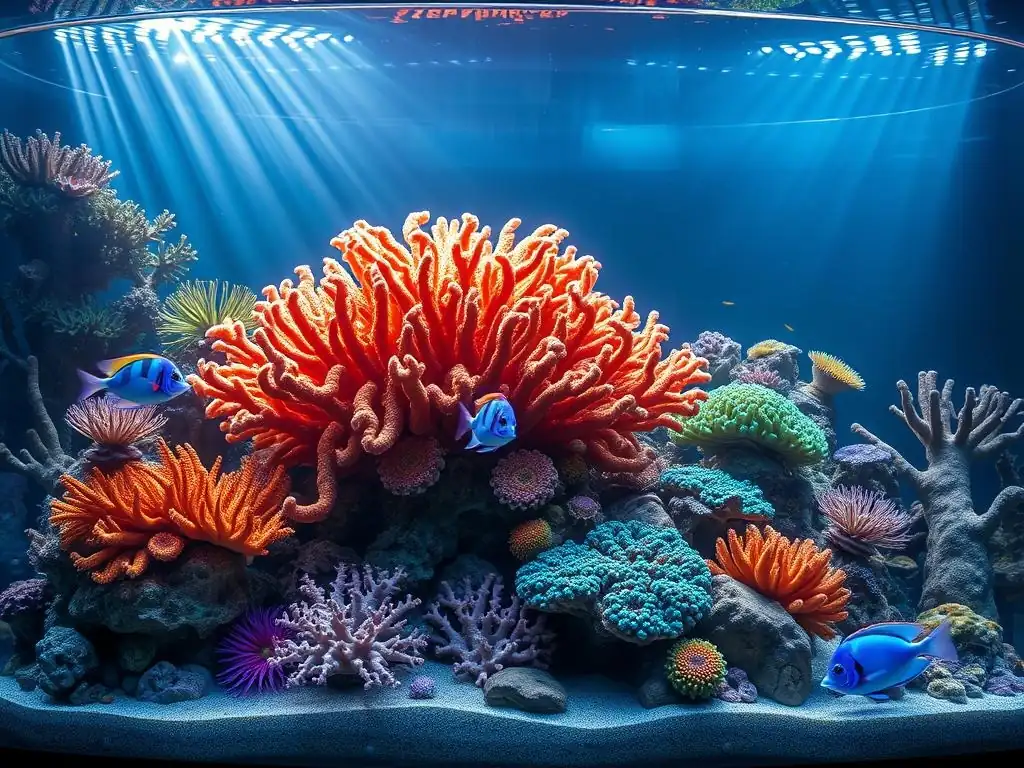
Ever been mesmerized by the delicate beauty of a Birdsnest coral? Seriatopora corals, with their intricate branching structures, can be the centerpiece of any reef tank. But mastering their care can be tricky. Dive into our guide for essential Birdsnest Seriatopora care tips and unlock the secrets to keeping these stunning SPS corals thriving in your aquarium. Ready to transform your reef into a vibrant underwater masterpiece? Let's get started!
- Understanding Seriatopora: An Introduction to Birdsnest Corals
-
Essential Birdsnest Seriatopora Care Tips for Thriving Growth
- Optimal Water Parameters for Seriatopora Health: Achieving SPS Stability
- Lighting Requirements for Seriatopora Corals: Ensuring Proper Zooxanthellae Function
- Water Flow is Critical: Providing the Right Current for Seriatopora
- Maintaining Alkalinity, Calcium, and Magnesium: The Foundation of SPS Health
- Feeding Your Seriatopora: Supplementing Nutrients for Enhanced Growth
- Troubleshooting Common Seriatopora Issues: Identifying and Resolving Problems
- Propagating Seriatopora: Fragging and Growing Birdsnest Corals
- Choosing the Right Tank Mates for Seriatopora: Avoiding Aggression and Competition
- Advanced Seriatopora Care: Taking Your Reef to the Next Level
-
Frequently Asked Questions
- How difficult is it to care for Seriatopora coral, commonly known as Birdsnest coral?
- What are the ideal water parameters for optimal Seriatopora (Birdsnest) coral growth?
- What kind of lighting and water flow does Seriatopora (Birdsnest) coral need?
- What are some common problems encountered when keeping Seriatopora (Birdsnest) coral?
- What should I feed my Seriatopora (Birdsnest) coral, and how often?
- Final Reflection: Appreciating the Delicate Balance
- Unlock the Secrets of Seriatopora Success!
Understanding Seriatopora: An Introduction to Birdsnest Corals
What is Seriatopora? Identifying the Birdsnest Coral Genus
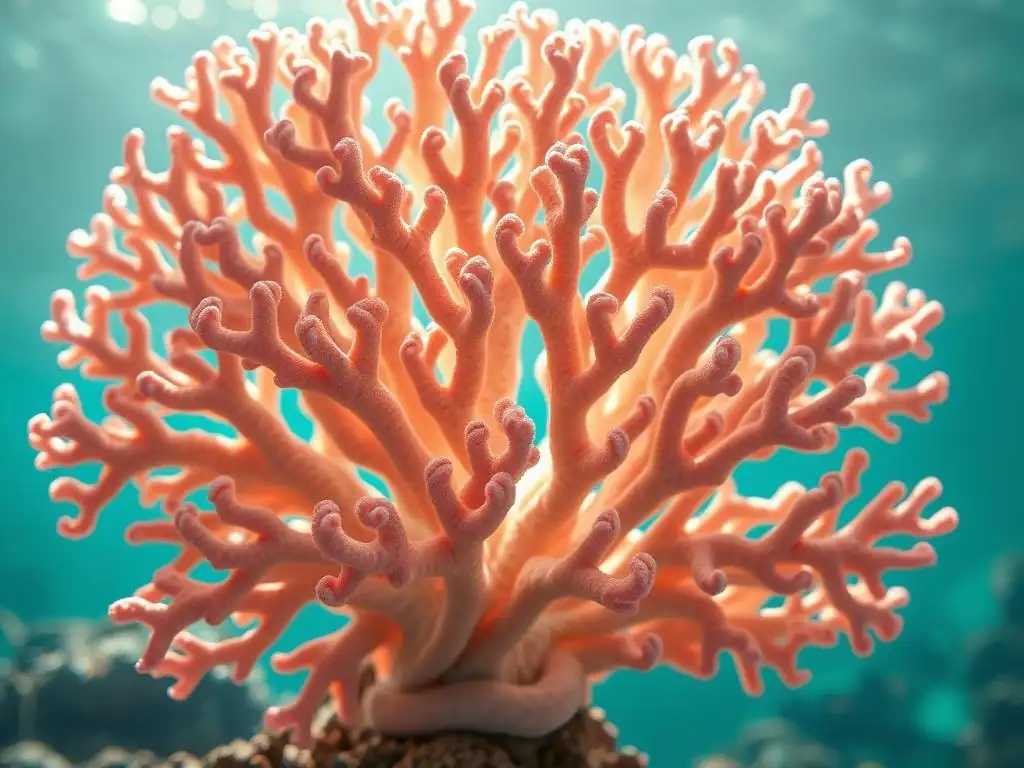
Seriatopora, commonly known as Birdsnest coral, belongs to the family Pocilloporidae and is a Small Polyp Stony (SPS) coral highly prized in the reef aquarium hobby for its delicate, branching structures. These corals are characterized by their thin, intricate branches that often resemble a bird's nest, hence their common name.
Found naturally across the Indo-Pacific region, from the Red Sea to the central Pacific, Seriatopora typically thrives in shallow, clear waters with strong currents, often forming extensive colonies on reef crests and upper reef slopes. Their growth forms can vary from bushy to arborescent, with colors ranging from vibrant pinks, greens, and purples to more muted creams and browns, largely dependent on the specific species and lighting conditions.
The polyps of Seriatopora are minute, usually less than 1 mm in diameter, and are typically extended during both day and night, contributing to the coral's overall fuzzy appearance. Like many other SPS corals, Seriatopora relies heavily on a symbiotic relationship with zooxanthellae algae, which reside within its tissues and perform photosynthesis to provide the coral with the majority of its nutritional needs. Their relatively fast growth rate, especially under optimal conditions, makes them a rewarding addition for aquarists looking to rapidly fill out their reef landscapes with beautiful, intricate structures.
Why Choose Seriatopora for Your SPS Reef Tank?
Choosing Seriatopora for an SPS reef tank offers several compelling advantages, making it a popular choice for both intermediate and advanced aquarists. One of the primary reasons is their relatively robust nature compared to some other SPS genera like Acropora, which can be more demanding regarding water stability.
While still requiring pristine water quality, Birdsnest corals tend to be more forgiving of minor fluctuations, making them an excellent stepping stone for those transitioning into advanced SPS keeping. Furthermore, their rapid growth rate allows aquarists to quickly establish a mature-looking reef, with some colonies growing several inches per year under ideal conditions, providing a dynamic and evolving aquascape.
Beyond their resilience and growth, Seriatopora corals contribute significantly to the aesthetic appeal of a reef tank. Their unique branching patterns create intricate visual textures and provide ample hiding spots for small fish and invertebrates. The diverse range of colors available, particularly the popular pink and green varieties of Seriatopora hystrix, allows for striking contrasts and vibrant displays. For enthusiasts seeking practical Birdsnest Seriatopora care tips, understanding these inherent benefits helps appreciate why this genus is a staple for creating a thriving and visually stunning SPS-dominated environment.
Different Seriatopora Species: Identifying Key Variations (e.g., Seriatopora hystrix, Seriatopora caliendrum)
The genus Seriatopora encompasses several distinct species, each with unique characteristics that appeal to different aquarists. Two of the most commonly encountered species in the hobby are Seriatopora hystrix and Seriatopora caliendrum. Seriatopora hystrix, often referred to simply as "Pink Birdsnest" or "Green Birdsnest," is perhaps the most iconic.
It is characterized by its very thin, delicate, and often spiny branches that grow in a dense, bushy formation. These branches can be extremely brittle, requiring careful handling, but their fast growth and vibrant coloration, particularly brilliant pinks and electric greens, make them highly sought after. Under strong blue lighting, the fluorescent proteins within S. hystrix polyps can truly pop, creating a spectacular display.
In contrast, Seriatopora caliendrum, also known as "Green Birdsnest" or "Pistol Coral," typically exhibits thicker, more robust branches that often have blunt, rounded tips. Its growth form is generally more arborescent or columnar compared to the bushier hystrix. While S. caliendrum is most commonly found in shades of green, variations with brown or even bluish hues exist.
Its sturdier structure makes it slightly less prone to breakage than S. hystrix, which can be an advantage in tanks with active fish. Understanding these morphological differences is key when selecting species for your reef and refining your Birdsnest Seriatopora care tips, as slight variations in flow or placement might be beneficial for each type.
Essential Birdsnest Seriatopora Care Tips for Thriving Growth
Optimal Water Parameters for Seriatopora Health: Achieving SPS Stability
Maintaining stable and precise water parameters is paramount for the health and vibrant coloration of Seriatopora corals. Fluctuations in key parameters can lead to stress, tissue loss, and stunted growth. Ideal salinity levels should be maintained at 1.025-1.026 specific gravity, or 35 ppt, using a high-quality salt mix that replenishes essential elements. Temperature stability is equally critical; a consistent range of 76-78°F (24-25.5°C) is generally recommended, with daily fluctuations kept to a minimum, ideally less than 1°F. Sudden temperature swings, even a drop of 2-3°F, can induce stress responses in sensitive SPS corals like Seriatopora.
Beyond salinity and temperature, nitrate and phosphate levels must be kept exceptionally low. Nitrates should ideally be below 5 ppm, with many advanced hobbyists aiming for undetectable levels (0-0.2 ppm) to promote optimal coloration and prevent nuisance algae growth. Phosphates should be maintained at less than 0.03 ppm, with 0.01 ppm being a common target for thriving SPS systems.
Regular testing with reliable test kits is indispensable to monitor these parameters. Incorporating a robust filtration system, such as a protein skimmer, refugium, and potentially a biopellet reactor or GFO (Granular Ferric Oxide) reactor, is crucial for achieving and maintaining these ultra-low nutrient levels, which are fundamental for effective Birdsnest Seriatopora care tips.
Lighting Requirements for Seriatopora Corals: Ensuring Proper Zooxanthellae Function
Seriatopora corals, like most SPS, are highly dependent on strong lighting for their photosynthetic zooxanthellae to thrive. They require high PAR (Photosynthetically Active Radiation) levels to perform photosynthesis efficiently, which provides the bulk of their energy. Recommended PAR values for Seriatopora typically range from 250-450 PAR, depending on the specific species and the desired growth/coloration.
Placing them in the upper to middle sections of the reef aquarium, directly under the light source, is often ideal. However, it's crucial to acclimate new corals gradually to intense lighting to prevent bleaching. Starting them lower in the tank or in a shaded area and slowly moving them up over several weeks can prevent shock.
Insufficient lighting will lead to browning, reduced growth, and eventually tissue recession, as the zooxanthellae cannot produce enough energy. Conversely, excessive or sudden intense lighting can cause photoinhibition and bleaching, where the coral expels its zooxanthellae. Monitoring the coral's response is key: healthy Seriatopora will have extended polyps and vibrant coloration. Investing in a high-quality LED fixture, T5 fluorescent, or Metal Halide system that offers both intensity and a broad spectrum is essential for meeting these demands.
Best Lighting Spectrum and Intensity for Seriatopora Coloration
Achieving optimal coloration in Seriatopora corals goes beyond mere intensity; the spectral composition of the light plays a critical role. A balanced spectrum that includes a significant blue component (450-470nm) is highly beneficial for enhancing the coral's natural fluorescence and promoting vibrant hues.
Many successful SPS tanks utilize a combination of blue, royal blue, and violet LEDs, often supplemented with white LEDs (cool white or neutral white) to provide a full spectrum. For example, a common LED setup might feature a blue-to-white ratio of 3:1 or 4:1, ensuring strong blue peaks for fluorescence while still providing adequate white light for visual appeal and coral health.
Intensity, measured in PAR, needs to be sufficient but not overwhelming. For Seriatopora hystrix, a PAR of 300-400 at the coral's location is often ideal for vibrant pinks and greens. Seriatopora caliendrum might tolerate slightly lower PAR but still benefits from strong light.
Overly intense light, especially with a high white component, can lead to duller colors or even bleaching. Dimmable fixtures or controllers that allow for custom spectral tuning and intensity adjustments throughout the day are invaluable tools for fine-tuning the lighting environment to bring out the best in your Birdsnest Seriatopora, allowing for precise control over the Birdsnest Seriatopora care tips related to light.
Water Flow is Critical: Providing the Right Current for Seriatopora
Adequate and varied water flow is a non-negotiable requirement for the long-term health and growth of Seriatopora corals. These corals thrive in areas with strong, turbulent, and indirect flow in their natural habitats. In the aquarium, this translates to ensuring that all parts of the coral receive consistent water movement, preventing the buildup of detritus and ensuring efficient nutrient and waste exchange at the coral's surface.
High flow helps deliver essential elements like calcium, alkalinity, and magnesium to the coral polyps, while simultaneously flushing away metabolic waste products. Without sufficient flow, polyps may retract, growth will slow, and tissue necrosis can occur due to starvation or localized pollution.
Aim for random, turbulent flow rather than a direct, laminar stream. This can be achieved using multiple powerheads positioned to create opposing or oscillating currents, or by employing wavemakers that simulate natural surge. For a typical 4-foot SPS tank (e.g., 90 gallons), two or more powerheads each rated for 1500-2500 GPH, strategically placed, might be necessary. The goal is to see the coral polyps gently swaying, not flattened against the skeleton or violently thrashed around. Observing the coral's polyps and ensuring no dead spots exist within the colony is a key aspect of effective Birdsnest Seriatopora care tips.
Preventing Detritus Buildup on Seriatopora Branches
One of the significant challenges with highly branched SPS corals like Seriatopora is preventing detritus from settling and accumulating within their intricate structures. Detritus, composed of uneaten food, fish waste, and decaying organic matter, can smother coral polyps, leading to localized tissue necrosis (STN - Slow Tissue Necrosis) and promoting nuisance algae growth. The delicate branches of Seriatopora hystrix are particularly susceptible to detritus buildup due to their dense growth pattern. This issue is exacerbated in tanks with lower flow or those that are overfed.
To combat detritus accumulation, ensuring optimal water flow, as discussed, is the primary defense. The turbulent flow should gently agitate the coral branches, dislodging any settling particles before they can become problematic. Regular maintenance, including gravel vacuuming (if applicable to your substrate), siphoning detritus from rockwork, and cleaning filtration media, also plays a crucial role.
Some aquarists use small, targeted powerheads or even turkey basters to gently blast detritus off corals during water changes. Keeping feeding levels appropriate for your tank's bioload also minimizes the amount of excess organic matter available to settle on your Seriatopora branches, contributing to overall better Birdsnest Seriatopora care tips.
Maintaining Alkalinity, Calcium, and Magnesium: The Foundation of SPS Health
The consistent maintenance of alkalinity, calcium, and magnesium is absolutely critical for all SPS corals, and Seriatopora is no exception. These three parameters are the building blocks for skeletal growth and are consumed by corals as they grow. Alkalinity (dKH) should be maintained within a tight range of 7.5-8.5 dKH for optimal Seriatopora health and growth. Fluctuations outside this range, especially rapid drops, can lead to significant stress and even RTN (Rapid Tissue Necrosis). Calcium levels should be kept between 400-450 ppm, and magnesium between 1250-1350 ppm. Magnesium helps regulate the uptake of calcium and alkalinity, preventing their precipitation.
Regular testing, ideally daily or every other day for alkalinity and weekly for calcium and magnesium, is essential. Dosing methods typically include two-part solutions, calcium reactors, or kalkwasser, chosen based on tank size, coral consumption rates, and personal preference. For a moderately stocked SPS tank, a two-part solution might be sufficient, adding 50-100 ml daily to maintain stability.
For larger, densely populated SPS systems, a calcium reactor often provides a more stable and automated solution. Consistency is key; maintaining these parameters within their ideal ranges with minimal daily swings is far more important than hitting specific numbers, as stability reduces stress and promotes robust growth in your Seriatopora colonies.
Feeding Your Seriatopora: Supplementing Nutrients for Enhanced Growth
Understanding the Nutritional Needs of Seriatopora Corals
While Seriatopora corals primarily derive their energy from photosynthesis by their symbiotic zooxanthellae, they are not entirely self-sufficient. They are heterotrophic to some extent, meaning they can capture and consume small particulate matter from the water column. This supplemental feeding provides essential nutrients, such as amino acids, fatty acids, and trace elements, that may not be fully supplied by photosynthesis alone. Supplementing their diet can lead to enhanced growth rates, improved coloration, and overall better health, especially in ultra-low nutrient (ULN) systems where natural food sources might be scarce.
The polyps of Seriatopora are quite small, indicating their preference for very fine particulate foods. They actively filter feed, capturing microscopic plankton and dissolved organic matter from the water. Research suggests that while zooxanthellae provide up to 90% of their energy, the remaining 10% from heterotrophic feeding is crucial for optimal physiological processes, particularly calcification and tissue repair. Understanding this dual energy pathway is a vital component of advanced Birdsnest Seriatopora care tips, ensuring that both light and supplemental feeding strategies are appropriately balanced.
Target Feeding Seriatopora: Methods and Best Practices (Amino Acids)
Target feeding Seriatopora can be challenging due to their small polyps and the need for very fine food particles, but it can yield noticeable benefits in growth and vitality. While broadcasting liquid coral foods into the water column is common, some aquarists opt for more direct methods.
Using a coral feeder or pipette to gently squirt a diluted coral food mixture near the Seriatopora colony allows for higher concentrations of food to be available to the polyps before being swept away by flow. This is typically done with return pumps turned off for 15-30 minutes to allow the corals to capture the food.
Amino acids are particularly beneficial supplements for SPS corals like Seriatopora. These organic compounds serve as building blocks for proteins and are vital for tissue growth and repair. Dosing liquid amino acid solutions, such as those from reputable aquarium brands, directly into the water column or as part of a target feeding regimen 2-3 times a week can significantly boost coral health and enhance coloration.
For instance, a 100-gallon system might receive 2-3 ml of a concentrated amino acid solution several times a week. Observing increased polyp extension after dosing is a good indicator of uptake and benefit, further refining your Birdsnest Seriatopora care tips.
Choosing the Right Coral Foods and Supplements for Seriatopora (Phytoplankton)
Selecting appropriate coral foods and supplements is key to providing comprehensive nutrition for Seriatopora. Due to their small polyp size, foods designed for filter feeders and small-polyp corals are ideal. Live or preserved phytoplankton products are excellent choices, as they mimic the natural food sources of these corals. Phytoplankton provides a broad spectrum of fatty acids, proteins, and carbohydrates. Dosing phytoplankton several times a week, typically in the evening when polyps are often more extended, can significantly contribute to the coral's diet. For example, a 100-gallon tank might receive 5-10 ml of a concentrated phytoplankton solution every other day.
Beyond phytoplankton, various liquid coral foods containing a blend of zooplankton, marine snow, and other dissolved organics are available. It's important to choose products with particle sizes less than 100 microns for effective capture by Seriatopora polyps. Some aquarists also report success with specialized SPS-specific dry foods that are finely ground.
When introducing any new food or supplement, start with a lower dose and observe your coral's response and water quality, as overfeeding can lead to nutrient spikes and nuisance algae. A balanced approach to nutrition, combining strong lighting with judicious supplemental feeding, forms a cornerstone of successful Birdsnest Seriatopora care tips.
Troubleshooting Common Seriatopora Issues: Identifying and Resolving Problems
Recognizing and Treating Seriatopora Tissue Necrosis (STN)
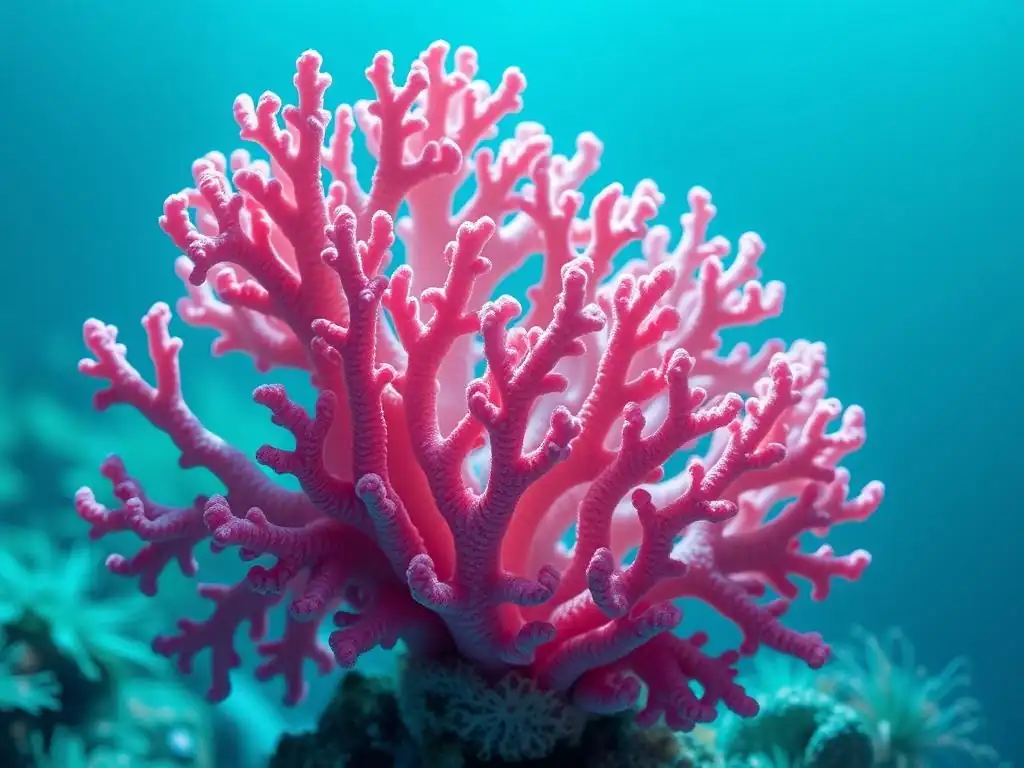
Slow Tissue Necrosis (STN) is a common and concerning issue in SPS corals, including Seriatopora. It manifests as a gradual recession of coral tissue, typically starting from the base of the colony and slowly moving upwards along the branches, exposing the white skeleton underneath. The tissue often appears to peel away, leaving a stark contrast between healthy tissue and bare skeleton.
STN is usually a symptom of chronic stress, often caused by persistent adverse conditions rather than a sudden event. Common culprits include prolonged low alkalinity (e.g., below 7.0 dKH for several days), consistent high nitrates or phosphates (e.g., nitrates consistently above 10 ppm, phosphates above 0.05 ppm), insufficient or unstable flow, or even prolonged periods of insufficient lighting.
To treat STN, immediate action is required to identify and rectify the underlying stressor. First, meticulously test all critical water parameters (alkalinity, calcium, magnesium, salinity, temperature, nitrates, phosphates) to pinpoint any deviations. Adjust parameters slowly and steadily to bring them back within optimal ranges.
Increasing water flow around the affected coral can sometimes help, as can reducing light intensity if the coral appears bleached or stressed from excessive light. If the STN is progressing rapidly, fragging the healthy tips of the coral, well above the receding tissue line, can save parts of the colony. Dipping the affected coral in an iodine-based dip or a coral dip solution, following product instructions, can also sometimes help if a bacterial component is suspected, but addressing the environmental stressor is paramount for long-term recovery and is a key Birdsnest Seriatopora care tip.
Addressing Rapid Tissue Loss (RTN) in Seriatopora Corals
Rapid Tissue Necrosis (RTN) is a far more aggressive and often devastating form of tissue loss that can affect Seriatopora corals. Unlike STN, RTN involves the sudden and complete sloughing off of coral tissue, often occurring within hours or overnight, leaving behind a stark white skeleton. The speed and severity of RTN make it particularly alarming for aquarists.
While the exact causes can sometimes be elusive, RTN is typically triggered by acute, severe stress events. These can include drastic and sudden swings in water parameters (e.g., a sudden 2 dKH drop in alkalinity), significant temperature fluctuations (e.g., a 4-5°F drop or spike), exposure to toxins (e.g., heavy metals from equipment, accidental chemical spills), or severe bacterial infections.
When RTN is observed, immediate isolation of the affected coral is recommended to prevent potential spread to other corals, especially if an infectious agent is suspected. Check all water parameters immediately for any anomalies and correct them slowly. If the tissue loss is not complete, fragging healthy sections of the coral that show no signs of recession can be a last resort to save genetic material.
Dipping the coral in a broad-spectrum coral dip or antibiotic solution (if a bacterial infection is strongly suspected and diagnosed) might be attempted, but success rates are often low once RTN has truly set in. Prevention through rigorous parameter stability and avoiding any sudden changes to the reef environment is the best defense against this devastating condition.
Dealing with Pests and Predators Affecting Seriatopora Health (Acropora Eating Flatworms)
While Seriatopora are generally less prone to specialized pests than Acropora, they can still be susceptible to common coral predators and generalist pests. One notable concern is the Acropora Eating Flatworm (AEFW), Amakusaplana acroporae, which, despite its name, can occasionally target other SPS corals, including Seriatopora, especially if Acropora are scarce. These small, brownish, oval-shaped flatworms camouflage well on coral tissue and feed by sucking the coral's zooxanthellae. Signs of AEFW infestation on Seriatopora include small bite marks, tissue recession, and the presence of their small, clear egg masses.
Other generalist predators that may affect Seriatopora include various nudibranchs (though less specific than AEFW), pyramid snails (which often target zoanthids but can be opportunistic), and certain types of crabs. Early detection is crucial. Regular visual inspections of your Seriatopora colonies, particularly during feeding or when polyps are extended, can help spot pests. If pests are identified, various treatments are available, including coral dips specifically formulated to kill flatworms and other external parasites (e.g., Revive Coral Cleaner, Coral RX).
Manual removal with tweezers or a siphon can also be effective for larger pests. For severe infestations, some aquarists resort to prophylactic dips for all new corals entering the tank, or even a full tank treatment with specific medications, always following manufacturer instructions meticulously. Maintaining excellent water quality and providing optimal Birdsnest Seriatopora care tips generally helps corals better resist pest infestations.
Algae Control and Seriatopora: Maintaining a Clean Reef Environment
Nuisance algae can pose a significant threat to Seriatopora corals and the overall health of an SPS-dominated reef tank. Filamentous algae, bryopsis, or even dinoflagellates can grow over and smother delicate Seriatopora branches, blocking light and causing tissue necrosis. Algae outbreaks are almost always indicative of elevated nutrient levels (nitrates and phosphates) in the water column or trapped detritus within the aquascape. Even seemingly low levels can fuel aggressive algae growth if not consistently managed.
Effective algae control for Seriatopora tanks relies on a multi-pronged approach. Firstly, maintaining ultra-low nutrient levels through robust filtration (protein skimming, refugium, GFO/carbon reactors) and regular water changes (e.g., 10-15% weekly) is paramount. Secondly, ensuring strong, turbulent water flow throughout the tank prevents detritus from settling, which is a primary food source for algae.
Thirdly, a diverse clean-up crew (snails, hermit crabs, tangs, blennies) can help graze on developing algae. Manual removal of algae from rockwork and coral skeletons, especially around the base of Seriatopora colonies, should be performed regularly. Addressing the root cause of the algae – excess nutrients – rather than just treating the symptoms, is the most effective long-term strategy for protecting your Seriatopora and maintaining a pristine reef environment.
Propagating Seriatopora: Fragging and Growing Birdsnest Corals
How to Frag Seriatopora: A Step-by-Step Guide to Coral Propagation
Propagating Seriatopora is a relatively straightforward process, making it a popular coral for fragging and sharing among hobbyists. Due to their brittle branches, Seriatopora hystrix can sometimes even frag themselves during handling or strong flow. The general method involves carefully selecting a healthy branch that is at least 1-2 inches long, ensuring it has good polyp extension.
Using sharp, clean bone cutters or coral cutters, make a quick, decisive cut through the branch. A clean cut minimizes stress to the mother colony and the frag. For Seriatopora hystrix, aiming for a cut near a branching point can sometimes yield a more aesthetically pleasing frag.
After cutting, the frag should be mounted securely to a frag plug or a small piece of live rock using cyanoacrylate gel glue (super glue). Apply a generous amount of glue to the base of the frag and firmly press it onto the plug, holding it in place for 30-60 seconds until the glue sets. It's crucial to avoid getting glue on the coral tissue.
Some aquarists prefer to dip the frag in a coral dip solution for 5-10 minutes post-cutting to prevent potential bacterial infections and clean any residue. Allow the frag to fully cure (e.g., 24 hours) in a separate container of tank water before introducing it back into the main display, where it can be placed in a lower-flow, moderate-light area for initial healing.
Mounting Seriatopora Frags: Ensuring Secure Attachment and Growth
Properly mounting Seriatopora frags is critical for their survival and successful integration into the reef. A secure attachment prevents the frag from being dislodged by water flow or tank inhabitants, which can cause damage or prevent proper healing. The most common method involves using standard ceramic frag plugs or small rubble pieces of live rock.
Ensure the surface where the frag will be attached is clean and dry to allow for optimal adhesion of the cyanoacrylate gel glue. Some hobbyists prefer to use a two-part epoxy putty, especially for larger frags or when attaching directly to the main rockwork, as it provides a stronger, more permanent bond.
When mounting, position the frag so that its branches are oriented upwards and it receives appropriate light and flow. Avoid placing it in a direct, harsh current that could cause tissue damage. For Seriatopora hystrix, which grows into a dense bush, consider giving it space to expand without shading other corals.
For Seriatopora caliendrum, which grows more upright, ensure it has vertical clearance. Once the frag is securely attached and cured, it can be placed in a suitable location within the display tank, often starting in an area with slightly lower light and flow than the mature colony to allow for acclimation and healing before gradually moving it to its final, higher-intensity spot.
Optimizing Conditions for Seriatopora Frag Survival and Growth
Optimizing conditions for Seriatopora frag survival and growth is essential to ensure a high success rate in propagation. Immediately after fragging, the coral is stressed and vulnerable. Placing newly mounted frags in a dedicated frag tank or a specific, stable area of the main display with slightly reduced light and flow for a healing period of 1-2 weeks can significantly improve survival rates.
A PAR range of 150-250 for new frags is generally a good starting point. During this time, maintaining pristine water parameters—stable alkalinity (e.g., 8.0-8.3 dKH), calcium (420-440 ppm), and magnesium (1300-1350 ppm)—is even more crucial than for established colonies.
Consistent, small feedings of phytoplankton or amino acids can also aid in recovery and initiate new growth. Once the frag shows signs of healing, such as good polyp extension and no tissue recession, it can gradually be moved to its permanent location in the main display, where it will receive the higher light (300-450 PAR) and strong, turbulent flow that mature Seriatopora thrive on.
Monitoring new growth tips, which often appear lighter in color, is a positive sign of successful acclimation. By providing these ideal conditions, aquarists can expect their Seriatopora frags to encrust their plugs and begin rapid vertical growth within a few weeks to months, adding more vibrant "Birdsnest" to their reef.
Choosing the Right Tank Mates for Seriatopora: Avoiding Aggression and Competition
Compatible Fish and Invertebrates for a Seriatopora-Dominant Reef
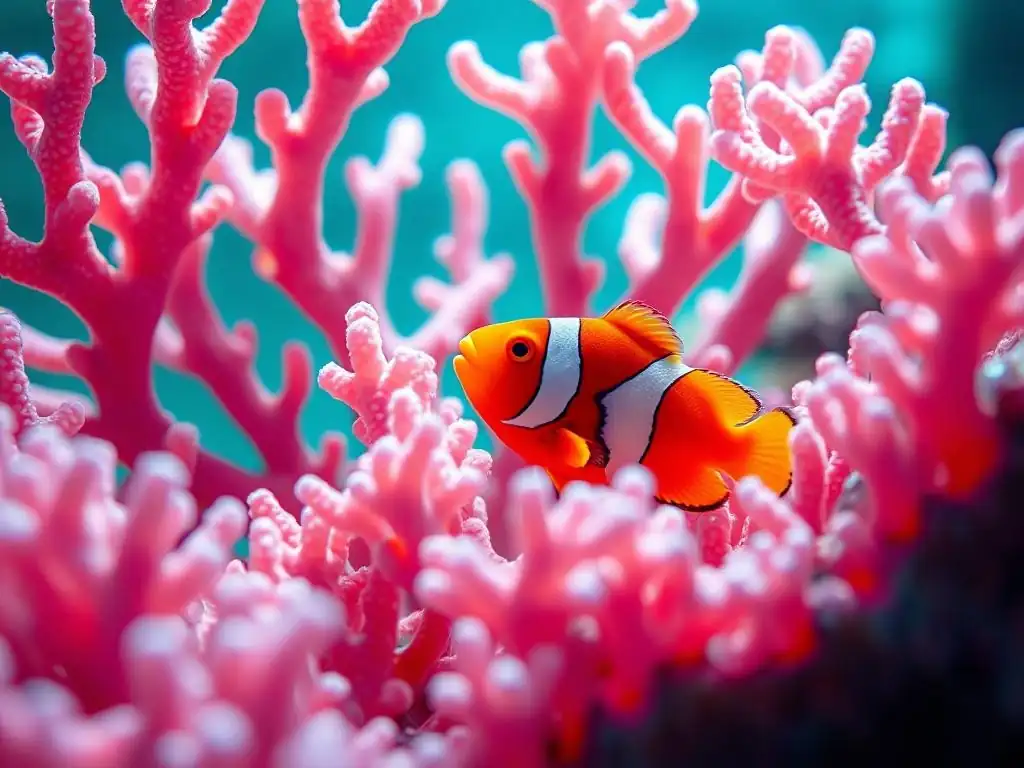
Selecting appropriate tank mates is crucial for the long-term success of a Seriatopora-dominant reef. The ideal inhabitants are peaceful, reef-safe species that will not nip at or disturb the delicate coral polyps. Small, active fish like various species of Damselfish (e.g., Chromis viridis), Cardinalfish (e.g., Banggai Cardinals), and Gobies (e.g., Watchman Goby, various Nano Gobies) are excellent choices as they add movement and personality without posing a threat to the corals.
Blennies, such as the Lawnmower Blenny, can also be beneficial algae grazers. For a 90-gallon tank, a school of 5-7 Green Chromis can add a dynamic element without overcrowding.
In terms of invertebrates, a robust clean-up crew is essential for maintaining a pristine environment. Snails (e.g., Trochus, Nassarius, Turbo), hermit crabs (e.g., Blue Leg, Scarlet), and various shrimp (e.g., Peppermint Shrimp for Aiptasia control, Skunk Cleaner Shrimp for parasite removal) are highly compatible. Other reef-safe invertebrates like clams (e.g., Crocea Clams) can also coexist peacefully, adding to the biodiversity. The key is to research each potential tank mate thoroughly to ensure they are genuinely reef-safe and compatible with the specific needs of an SPS-dominated system, particularly when considering specific Birdsnest Seriatopora care tips.
Avoiding Fish and Invertebrates That May Nip or Damage Seriatopora
To ensure the safety and thriving growth of your Seriatopora corals, it is vital to avoid introducing fish and invertebrates known for nipping at or consuming SPS corals. Foremost among these are many species of Angelfish (e.g., Large Angelfish like Emperor, Queen), which, while beautiful, are often not reef-safe and can nip at coral polyps. Similarly, certain Butterflyfish species are obligate corallivores or known coral nippers and should be avoided entirely in an SPS tank. Some Tangs, particularly those known for picking at rockwork, can sometimes irritate corals, though many are generally safe if well-fed.
Invertebrates that pose a threat include certain types of crabs, beyond the commonly safe hermits. For example, Gorilla crabs or various predatory crabs can actively damage or consume corals. Certain species of nudibranchs, if not specific coral predators, might still irritate Seriatopora.
Even seemingly innocuous species like some large Emerald Crabs, while often good for bubble algae, can sometimes become opportunistic coral nippers if not well-fed or if their preferred food sources are scarce. Always err on the side of caution and conduct thorough research on any potential tank mate. If there's any doubt about their reef-safeness, especially concerning delicate SPS like Seriatopora, it's best to avoid them entirely to protect your investment and maintain a harmonious reef environment.
Advanced Seriatopora Care: Taking Your Reef to the Next Level
Implementing Advanced Filtration Techniques for Seriatopora Corals (GFO, Carbon)
For Seriatopora corals to truly flourish and exhibit their best coloration, advanced filtration techniques often become indispensable, particularly in densely stocked SPS systems. Granular Ferric Oxide (GFO) is a highly effective media for removing phosphates, which are notorious for fueling nuisance algae and inhibiting coral calcification. Running GFO in a fluidized reactor, where the media tumbles gently, allows for maximum contact time and efficiency.
A typical dosage might involve 0.5-1 gram of GFO per gallon of tank water, exchanged every 2-4 weeks or when phosphate levels begin to rise. Activated carbon, also typically run in a reactor or media bag, is crucial for removing dissolved organic compounds, odors, and yellowing agents from the water, maintaining crystal clarity and improving light penetration.
Combining these two media in separate reactors or a dual reactor setup ensures comprehensive chemical filtration. For instance, a 100-gallon tank might employ two small reactors, one for GFO and one for carbon, running continuously. These advanced filtration methods help maintain the ultra-low nutrient environment that Seriatopora and other SPS corals demand, preventing the accumulation of substances that can stress corals or promote undesirable algae growth. Integrating these into your routine is a key step in mastering Birdsnest Seriatopora care tips for long-term success.
Fine-Tuning Water Chemistry for Optimal Seriatopora Growth and Coloration (Trace Elements)
Beyond the major parameters of alkalinity, calcium, and magnesium, fine-tuning trace elements plays a significant role in optimizing Seriatopora growth and coloration. While most trace elements are present in high-quality salt mixes and are replenished during water changes, heavily stocked SPS tanks can deplete certain elements faster than others. Key trace elements for SPS health include Potassium (K), Iodine (I), Boron (B), and Strontium (Sr). Potassium, for example, is often linked to enhanced pink and red coloration in SPS corals, including certain Seriatopora hystrix strains. Maintaining Potassium levels around 380-410 ppm can noticeably improve vibrancy.
Dosing trace elements should be done cautiously and ideally based on ICP-OES (Inductively Coupled Plasma Optical Emission Spectrometry) water analysis results, which provide a precise breakdown of your tank's elemental composition. This allows for targeted dosing to correct specific deficiencies rather than blindly adding a broad-spectrum supplement. Many advanced hobbyists send water samples for ICP testing every 1-3 months.
For instance, if an ICP test reveals low Potassium, a specific Potassium supplement can be dosed to bring it back into range. This precise approach to water chemistry, moving beyond just the big three, unlocks the full potential for growth and the most stunning coloration in your Seriatopora corals.
Monitoring and Adjusting Your Reef System for Long-Term Seriatopora Health
Long-term success with Seriatopora and other SPS corals hinges on continuous monitoring and proactive adjustments to your reef system. This involves more than just daily visual checks; it requires consistent data collection and analysis. Regular testing of all critical water parameters (salinity, temperature, alkalinity, calcium, magnesium, nitrates, phosphates) should become a routine.
Keeping a log of these parameters, along with any dosing adjustments or changes to equipment, allows you to identify trends and react before problems escalate. For example, if alkalinity consistently drops by 0.5 dKH per day, it indicates increasing coral consumption and a need to increase your dosing regimen.
Observing the corals themselves is paramount. Healthy Seriatopora will exhibit full polyp extension, vibrant coloration, and visible growth tips. Any changes in polyp extension, color dulling, or tissue recession should prompt immediate investigation.
Adjustments might include tweaking light intensity or spectrum, modifying water flow patterns, or fine-tuning dosing schedules. Automation, such as auto-dosers for alkalinity, calcium, and magnesium, and smart power strips for controlling lights and pumps, can significantly contribute to stability by minimizing human error and ensuring consistent conditions. By embracing a systematic approach to monitoring and adjustment, you can ensure your Seriatopora thrive for years, embodying the pinnacle of advanced Birdsnest Seriatopora care tips.
Frequently Asked Questions
How difficult is it to care for Seriatopora coral, commonly known as Birdsnest coral?
Birdsnest coral is considered moderately difficult to care for. It requires stable water parameters and good water flow, making it more suitable for experienced reef keepers.
What are the ideal water parameters for optimal Seriatopora (Birdsnest) coral growth?
Ideal parameters include a temperature of 72-78°F, salinity of 1.024-1.026, alkalinity between 8-11 dKH, calcium levels around 400-450 ppm, and magnesium levels around 1250-1350 ppm. Consistent monitoring is crucial.
What kind of lighting and water flow does Seriatopora (Birdsnest) coral need?
Birdsnest coral thrives under moderate to high lighting such as LED or metal halide. It also requires strong, turbulent water flow to prevent detritus buildup and deliver nutrients.
What are some common problems encountered when keeping Seriatopora (Birdsnest) coral?
Common problems include rapid tissue necrosis (RTN), which can be caused by stress or unstable water parameters, and coral bleaching due to inadequate lighting or elevated temperatures.
What should I feed my Seriatopora (Birdsnest) coral, and how often?
While Seriatopora relies heavily on photosynthesis, supplemental feeding with small particle foods like phytoplankton or coral foods 1-2 times per week can promote growth and coloration.
Final Reflection: Appreciating the Delicate Balance
The journey into the world of Seriatopora corals, as we've explored, is more than just mastering water parameters and lighting schedules; it's about understanding the delicate balance required to nurture these intricate ecosystems within our own homes. The current surge in reef-keeping popularity underscores the importance of responsible practices and informed decisions, ensuring the longevity of both our aquariums and the wild reefs they mirror.
This exploration has undoubtedly deepened our appreciation for the fragility and resilience of these "Birdsnest" corals. Witnessing their vibrant colors and intricate structures thrive under our care is a deeply rewarding experience, a testament to the power of knowledge and dedication. In the end, we will conserve only what we love; we will love only what we understand; and we will understand only what we are taught.
- Baba Dioum's words resonate deeply, reminding us that education is the cornerstone of conservation.
Now, armed with these Birdsnest Seriatopora care tips, I encourage you to reflect on your own role in the reef-keeping community. Consider how you can contribute to a more sustainable and informed future for this captivating hobby. Embrace the challenge, share your knowledge, and let the beauty of Seriatopora inspire you to become a steward of the ocean's wonders, one carefully cultivated reef at a time.
Unlock the Secrets of Seriatopora Success!
Thank you for diving deep into the world of Seriatopora corals with us! We hope you’ve gained valuable insights into nurturing these delicate beauties in your advanced reef aquarium. Now it's time to put that knowledge into action.
Here's how you can take your Seriatopora care to the next level:
- Commit to a 3-day parameter check: Dedicate the next three days to meticulously monitoring your alkalinity, calcium, and magnesium levels to ensure they are perfectly aligned for optimal Seriatopora growth.
- Share your Seriatopora journey! Post photos of your "birdsnest" coral on social media using #AquariumMasterySeriatopora and tag us to inspire fellow reef keepers.
- Dive deeper by researching less common trace elements like strontium and iodine, and consider how they might further enhance your Seriatopora's vibrant coloration.
What unique Seriatopora color morph are you most excited to add to your collection and how will you tailor your reef environment to showcase its beauty?