
Managing Tang Aggression: Keeping Peace in Your Reef with Surgeonfish

Welcome to Aquarium Mastery!
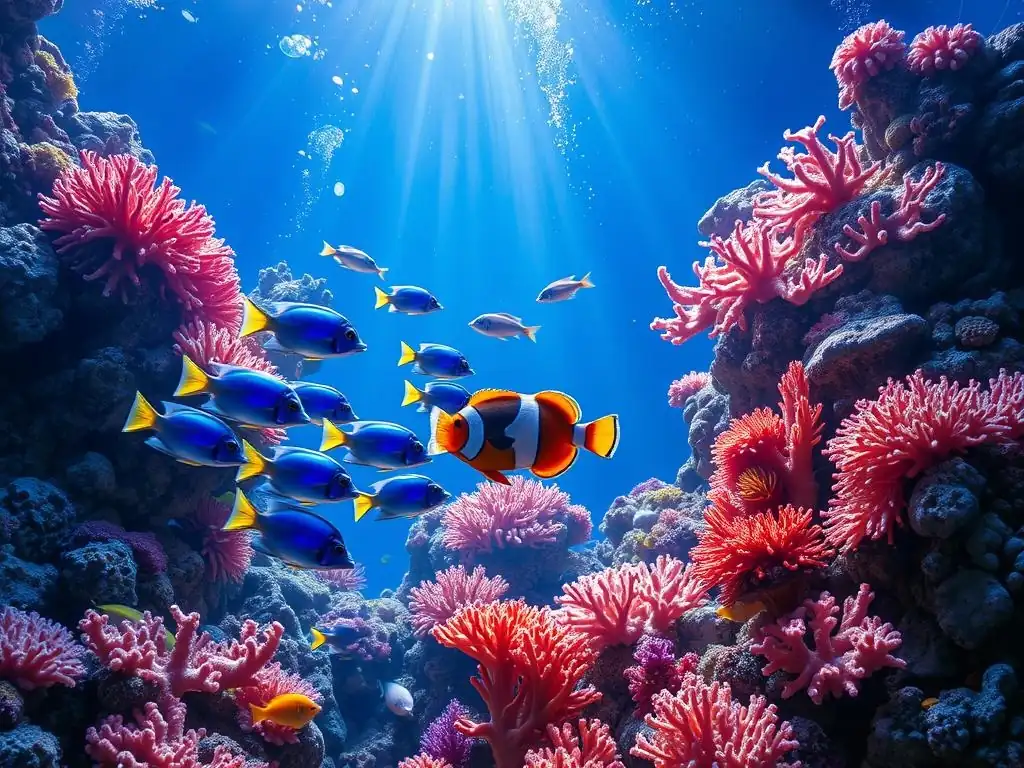
Ever wondered why your Reef Tank Surgeonfish are suddenly acting like tiny, finned bullies? Understanding and managing aggression in these beautiful creatures is crucial for a thriving reef ecosystem. Dive in to explore proven strategies and expert tips for keeping the peace in your reef with surgeonfish, and unlock the secrets to a harmonious underwater world!
- Understanding Tang Aggression in Reef Aquariums
-
Frequently Asked Questions
- How aggressive are surgeonfish, and why is it a concern for reef tanks?
- What factors contribute to increased aggression in surgeonfish?
- Can I keep multiple surgeonfish together in a reef tank? If so, how?
- What are some signs that my surgeonfish is displaying excessive aggression?
- What steps can I take to reduce aggression among surgeonfish in my reef tank?
- Final Reflection: Harmonizing the Reef
- Unleash Harmony: Transform Your Reef into a Peaceful Paradise!
Understanding Tang Aggression in Reef Aquariums
Why is My Reef Surgeonfish Aggression? Exploring the Root Causes
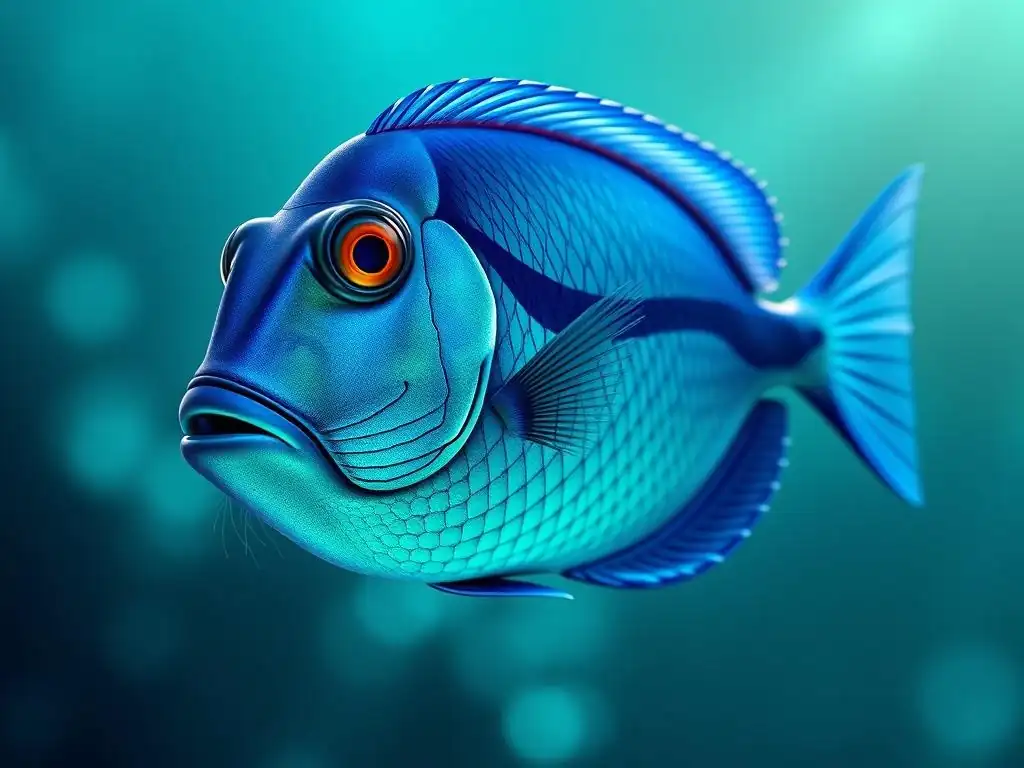
The inherent territorial nature of surgeonfish, commonly known as tangs, is a primary driver of aggression within the confines of a reef aquarium. In their natural habitats, these fish inhabit vast reef systems, allowing them to establish expansive territories and avoid direct competition. However, when placed in a closed system, even a large one, the limited space intensifies their instinct to defend perceived personal boundaries and resources. This leads to heightened stress and a predisposition towards reef tank surgeonfish aggression, particularly when multiple tangs or other similarly shaped fish are present.
Beyond territoriality, resource competition plays a significant role. Tangs are primarily herbivores that graze continuously on algae. If the available algae are insufficient, or if feeding opportunities are limited, tangs may compete aggressively for food sources. Stressors such as poor water quality, inadequate diet, or a lack of suitable hiding spots can also exacerbate their aggressive tendencies. For instance, a Tang that feels constantly exposed or threatened is more likely to lash out at tank mates. Understanding these underlying causes is crucial for preventing and managing reef tank surgeonfish aggression.
Identifying Different Types of Aggression in Tangs
Tang aggression can manifest in various forms, ranging from subtle displays to overt physical attacks. One common type is chasing, where a dominant tang pursues a subordinate fish around the tank, often preventing it from accessing food or prime swimming areas.
Fin nipping is another direct form of aggression, where a tang bites the fins of another fish, which can lead to stress, secondary infections, and even death if severe. Body ramming, where a tang uses its body or caudal spine (scalpel) to strike another fish, is a more dangerous manifestation and often indicates high levels of stress or territoriality.
More subtle forms of aggression include posturing, where a tang flares its fins, darkens its coloration, or swims in a specific, intimidating manner to assert dominance without making physical contact. Resource guarding is also prevalent, with a tang actively defending a specific rock, hiding spot, or feeding area from other fish. For example, a Powder Blue Tang (Acanthurus leucosternon) might consistently block access to a prime algae-covered rock. Recognizing these varied behaviors is key to early intervention and effective management of reef tank surgeonfish aggression.
The Role of Tank Size in Tang Aggression
Tank size is arguably one of the most critical factors influencing reef tank surgeonfish aggression. Tangs are active swimmers that require ample space to thrive and exhibit natural behaviors. Housing them in tanks that are too small directly contributes to stress and territorial disputes. For instance, a common Yellow Tang (Zebrasoma flavescens), while relatively smaller than other tangs, still requires a minimum of 75-100 gallons to reduce aggression. Housing multiple tangs, even if compatible, necessitates significantly larger aquariums to provide sufficient swimming lanes and distinct territories.
Consider a Blue Tang (Paracanthurus hepatus), which can grow to 10-12 inches in length. While often sold as juveniles suitable for smaller tanks, an adult Blue Tang requires a minimum of 180 gallons, and ideally 250 gallons or more, to prevent severe stress and aggression towards tank mates. Similarly, larger species like the Naso Tang (Naso lituratus), which can reach up to 18 inches, demand tanks of 300 gallons or more. Inadequate space intensifies competition for resources, restricts natural grazing behaviors, and magnifies territorial instincts, inevitably leading to increased reef tank surgeonfish aggression and a less peaceful reef environment.
Frequently Asked Questions
How aggressive are surgeonfish, and why is it a concern for reef tanks?
Surgeonfish, especially tangs, can be highly aggressive, particularly towards tankmates with similar body shapes or colors. This aggression can lead to stress, injury, or even death within a reef environment.
What factors contribute to increased aggression in surgeonfish?
Several factors can exacerbate aggression, including insufficient tank size, overcrowding, and inadequate feeding. A lack of hiding places can also heighten stress and contribute to aggressive behaviors.
Can I keep multiple surgeonfish together in a reef tank? If so, how?
Keeping multiple surgeonfish is possible, but requires careful planning. A large tank is essential, along with introducing them simultaneously as juveniles. Providing ample rockwork and varied feeding are also crucial.
What are some signs that my surgeonfish is displaying excessive aggression?
Signs include constant chasing, nipping at fins, and cornering other fish. You might also observe other fish hiding excessively or displaying signs of stress, such as rapid breathing.
What steps can I take to reduce aggression among surgeonfish in my reef tank?
Increasing tank size, adding more hiding places, providing a varied and abundant diet, and potentially using a tank divider to re-introduce aggressive individuals can help. Consider rehoming the most aggressive fish if necessary.
Final Reflection: Harmonizing the Reef
The complexities of reef tank ecosystems, as we've explored, mirror the delicate balance found in nature itself. Understanding and mitigating reef tank surgeonfish aggression isn't just about keeping fish alive; it's about fostering a thriving, harmonious environment where each creature can flourish. The principles of careful species selection, ample space, and strategic feeding, outlined in this article, are more relevant than ever as reef keeping grows in popularity and responsibility.
This journey into the world of tangs has underscored the profound impact we, as aquarists, have on the lives of these magnificent creatures. It's a responsibility that demands constant learning, adaptation, and a deep respect for the natural world. The ultimate goal of farming isn't the growing of crops, but the cultivation and perfection of human beings.
- Masanobu Fukuoka. This quote, while about agriculture, resonates deeply with the ethos of responsible reef keeping; our tanks are not just displays, but living ecosystems we are tasked with nurturing.
As you contemplate the vibrant world within your own reef tank, remember the lessons learned here. Consider how you can further refine your approach to managing aggression, not just for the sake of your surgeonfish, but for the overall health and beauty of your underwater paradise. Let this knowledge inspire you to become a more conscientious and informed reef keeper, contributing to the long-term well-being of these incredible animals.
Unleash Harmony: Transform Your Reef into a Peaceful Paradise!
Thank you for diving deep into the world of tang aggression with us! We hope you found valuable insights to help maintain a thriving and peaceful reef environment. Now, it's time to put that knowledge into action.
Here are some next steps to consider:
- Take immediate action and re-evaluate your tank's stocking density. Providing adequate space is the most effective way to mitigate aggression.
- Share this article with fellow reef keepers who might be struggling with tang aggression. Helping others is part of creating a healthier reef community.
- Consider introducing a "dither fish" – a peaceful, schooling species – to help reduce overall tension in your tank. This unexpected trick can work wonders!
What specific strategies will you implement this week to minimize aggression in your reef and promote a more peaceful aquatic ecosystem?