
Kribensis Color Variations: From Albino to Super Red

Welcome to Aquarium Mastery!
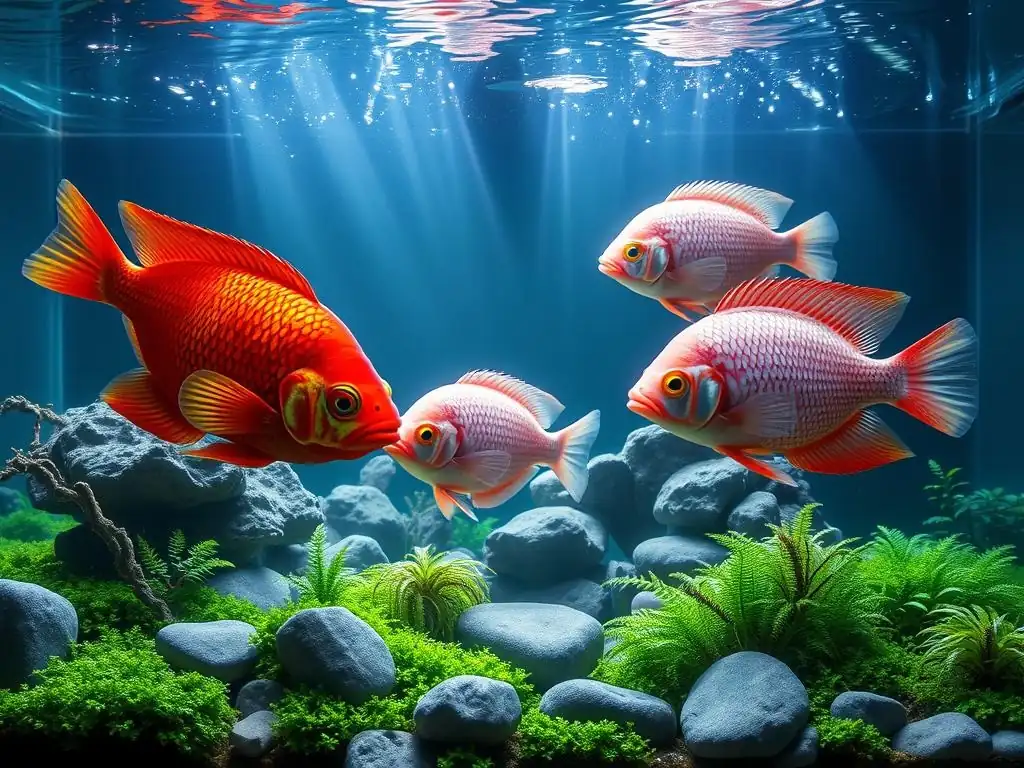
Ever been mesmerized by the vibrant hues of a Kribensis? Prepare to dive deep into a world of color you never knew existed! From the subtle elegance of Albino Kribs to the fiery brilliance of Super Reds, their captivating variations are truly something special. Get ready to explore the spectrum and discover the secrets behind these stunning Kribensis fish color variations. Let's unlock the beauty within – read on!
- Understanding Kribensis Fish Coloration
- Common Kribensis Color Variations Explained
- Rare and Unique Kribensis Color Morphs
- Factors Influencing Kribensis Color Intensity
- Breeding Kribensis for Specific Colors
- Maintaining Vibrant Kribensis Colors in Your Aquarium
- Kribensis Color Variations: A Visual Guide
- Conclusion: Appreciating the Diversity of Kribensis Colors
- Frequently Asked Questions
- Final Reflection: A Kaleidoscope of Kribensis Beauty
- Unleash the Kribensis Rainbow in Your Tank!
Understanding Kribensis Fish Coloration
Introduction to Kribensis Cichlids and Their Appeal
Kribensis cichlids, scientifically known as Pelvicachromis pulcher, are among the most popular and appealing dwarf cichlids in the freshwater aquarium hobby. Originating from West Africa, specifically the Niger Delta and Cross River basin, these vibrant fish are prized for their relatively small size, with males typically reaching 3-4 inches (7.5-10 cm) and females slightly smaller at 2.5-3 inches (6-7.5 cm). Their generally peaceful temperament, coupled with their striking Kribensis fish color variations, makes them an excellent choice for well-maintained community tanks, offering both beauty and engaging behavior.
The allure of Kribensis fish color variations lies in their dynamic and often intense hues, which become particularly pronounced during breeding periods. Females, in particular, are renowned for their vivid purplish-red bellies, a display that intensifies dramatically when they are gravid or actively guarding eggs. This distinct sexual dimorphism, where males exhibit more elongated fins and a more subdued, yet still attractive, coloration, adds another layer of fascination for aquarists. Their ease of care and fascinating breeding behaviors further cement their status as a beloved aquarium inhabitant.
The Genetics Behind Kribensis Color Morphs
Kribensis fish color variations are primarily the result of natural genetic mutations and subsequent selective breeding efforts by aquarists. The underlying mechanism involves specific genes that control the production and distribution of various pigments within the fish's skin and scales. For instance, melanin is responsible for black and dark brown coloration, pteridines contribute to yellow and red hues, and guanines create iridescent and blue reflections. An albino Kribensis, for example, is a classic demonstration of a recessive genetic mutation that inhibits the production of melanin, leading to a complete lack of dark pigment.
Breeders meticulously select individuals exhibiting desirable Kribensis fish color variations, such as an exceptionally vibrant red or a distinct yellow banding, and pair them over successive generations. This careful process of selective breeding aims to concentrate and fix these genetic traits within a bloodline. For example, achieving the "Super Red" Kribensis often involves multiple generations of dedicated selection, where only the fish displaying the most intense and widespread red pigmentation are chosen to reproduce, thereby strengthening the genetic predisposition for that specific Kribensis coloration.
Common Kribensis Color Variations Explained
The Classic Kribensis (Pelvicachromis pulcher) Color Pattern
The classic, or wild-type, Kribensis Pelvicachromis pulcher displays a captivating yet understated beauty. Males typically feature a greenish-brown body that shimmers with subtle iridescence, often accented by a dark lateral stripe running from the gill plate to the caudal fin. Their dorsal, caudal, and anal fins are usually edged in yellow or red, frequently adorned with distinctive black spots, known as ocelli, particularly on the caudal fin, which can range from 1 to 5 in number. This natural Kribensis coloration allows them to blend seamlessly into their native habitats of slow-moving rivers and streams with dense vegetation.
Females of the classic Kribensis pattern are generally smaller but often more vividly colored, especially when ready to breed. Their most striking feature is a pronounced purplish-red belly, which becomes intensely saturated during spawning. Their dorsal fins also tend to exhibit more intense yellow or orange hues than those of the males. The exact intensity of red and yellow in these Kribensis fish color variations can differ slightly based on their geographical origin, with strains from Nigeria and Cameroon sometimes exhibiting subtle distinctions in fin coloration or body shape, adding to the natural diversity within the species.
Albino Kribensis: A Pale and Peaceful Variation
The Albino Kribensis is a striking Kribensis fish color variation characterized by a complete absence of melanin, the pigment responsible for dark coloration. This genetic mutation results in a pale, often pinkish-white body, and most notably, distinctive red eyes. Despite their lack of dark pigmentation, healthy Albino Kribensis can still display subtle hints of yellow, orange, or even a faint pinkish blush, particularly on their fins or bellies, which can intensify when they are in optimal health or during breeding. This unique Kribensis coloration makes them stand out in an aquarium.
In terms of temperament and care, Albino Kribensis are largely identical to their wild-type counterparts, generally exhibiting the same peaceful disposition suitable for community tanks. However, their red eyes, which lack protective pigment, might make them slightly more sensitive to very bright lighting. Aquarists often observe that providing ample hiding places and subdued lighting encourages these Kribensis fish color variations to be more active and display their subtle colors more readily. With proper care, including stable water parameters and a nutritious diet, Albino Kribensis typically enjoy a lifespan of 3-5 years, comparable to other Kribensis morphs.
Red Kribensis: Enhancing the Natural Red Hues
The "Red Kribensis" represents a selectively bred Kribensis fish color variation where the natural red and purplish hues, particularly on the belly and fins, are significantly enhanced and expanded. Unlike the classic Kribensis where the red might be concentrated on the lower belly during breeding, the Red Kribensis often exhibits a broader area of red pigmentation that extends further up the flanks, sometimes reaching towards the lateral line even when not actively spawning. This intensification makes them a more visually impactful presence in the aquarium.
This enhanced Kribensis coloration is the result of dedicated breeding programs focused on amplifying the genes responsible for red pigment production. Breeders meticulously choose individuals with the most vibrant and expansive red markings across successive generations. While not as intensely red as the "Super Red" morph, the Red Kribensis offers a strong and consistent red presence, making them a popular choice for aquarists who appreciate a more colorful dwarf cichlid without the extreme, full-body saturation of the Super Red Kribensis fish color variations. Their robust nature and ease of care remain consistent with the species.
Super Red Kribensis: Achieving Maximum Red Pigmentation
The "Super Red Kribensis" is perhaps the most visually stunning of all Kribensis fish color variations, representing the pinnacle of selective breeding for red pigmentation. These magnificent fish exhibit an almost entirely red body, with the deep, saturated crimson often extending from the lower half of the body upwards, encompassing a significant portion of the dorsal and caudal fins. The intensity of the red is profound, making them a truly eye-catching addition to any freshwater aquarium. This consistent, widespread Kribensis coloration is a testament to years of dedicated breeding.
Achieving the Super Red Kribensis fish color variation requires rigorous and highly selective breeding over numerous generations. Breeders focus intently on individuals that display the deepest and most expansive red pigmentation, often employing techniques like pairing siblings or closely related fish to concentrate these specific genes. While this intensive breeding can sometimes lead to slight variations in size or fertility in certain lines, well-maintained Super Red Kribensis lines are generally robust and healthy, providing aquarists with a truly spectacular example of vibrant Kribensis coloration.
Rare and Unique Kribensis Color Morphs
Yellow Kribensis: A Less Common Color Mutation
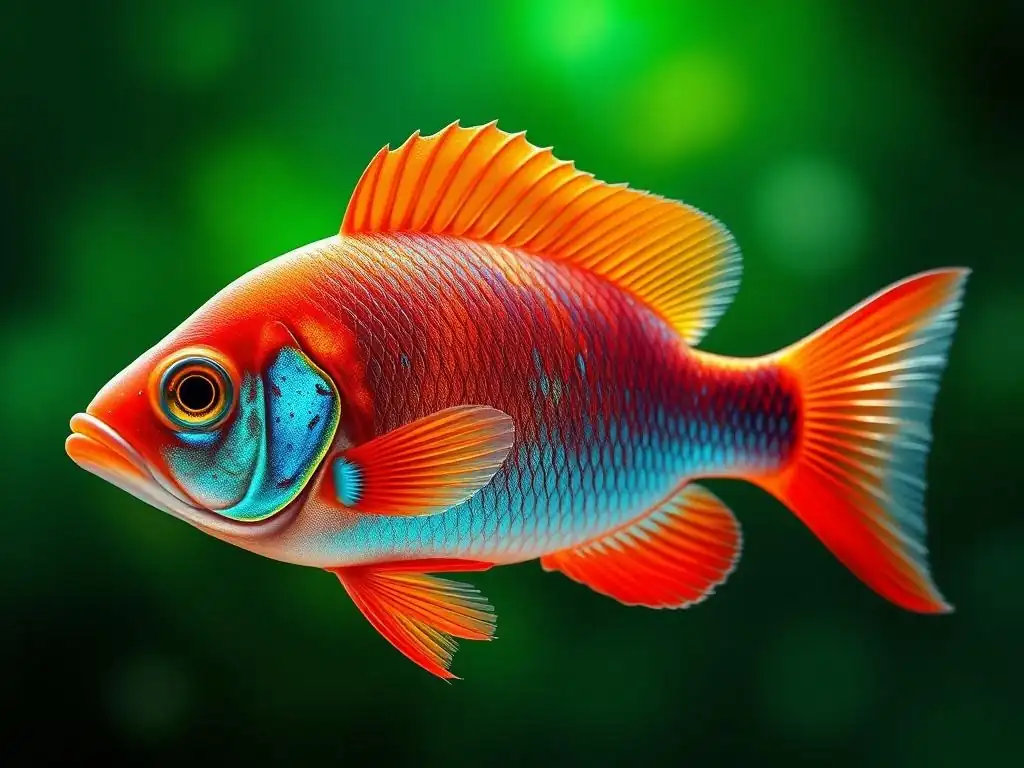
The Yellow Kribensis is a distinctive, though less commonly encountered, Kribensis fish color variation where yellow pigments are amplified and spread across the body, often replacing the typical greenish-brown base coloration seen in wild types. While the belly might still exhibit hints of red or orange, the dominant hue is a sunny, bright yellow, particularly noticeable on the upper body and fins. This unique Kribensis coloration offers a refreshing alternative to the more prevalent red and classic variations, providing a cheerful splash of color in the aquarium.
This specific Kribensis fish color variation is believed to be the result of a particular genetic mutation that affects the production or distribution of pteridine pigments. Yellow Kribensis maintain the characteristic body shape and peaceful temperament of their species, but their coloration provides a unique aesthetic. They are sometimes mistakenly identified as certain Apistogramma species due to their dominant yellow hue, yet their distinct Kribensis features and behaviors set them apart. Their rarity makes them a sought-after addition for collectors looking for unusual Kribensis coloration.
Blue Kribensis: Exploring the Subtle Blue Sheen
The "Blue Kribensis" refers to a captivating Kribensis fish color variation where an iridescent blue sheen is significantly more pronounced than in other morphs, particularly on the flanks and fins. This is not a solid, opaque blue, but rather an enhanced metallic iridescence that catches the light, giving the fish a shimmering, almost ethereal blue glow over its base coloration. This subtle yet striking Kribensis coloration is best appreciated under optimal lighting conditions, where the reflective scales can truly shine.
This unique Kribensis fish color variation is attributed to an increased concentration or arrangement of guanine crystals within the scales, which are responsible for reflecting light in blue wavelengths. While less overtly different than the Albino or Super Red morphs, the Blue Kribensis offers a nuanced and sophisticated beauty. Males, especially when displaying to females, will showcase their shimmering blue flanks with remarkable intensity. These fish are typically selectively bred from wild-type Kribensis that naturally exhibit stronger blue reflections, gradually enhancing this specific Kribensis coloration over generations.
Gold Kribensis: A Metallic and Shimmering Variety
The "Gold Kribensis" is a captivating Kribensis fish color variation characterized by a strong golden or bronze metallic sheen that covers a significant portion of its body. This radiant Kribensis coloration is often a harmonious combination of enhanced yellow and orange pigments interacting with iridescent guanine crystals, resulting in a luxurious, shimmering appearance that seems to glow in the aquarium. Their scales often reflect light in a way that gives them a truly opulent and distinct look.
This Kribensis fish color variation is less common than the more widely available red or classic morphs, making it a unique find for aquarists. The "Gold" designation typically refers to a Kribensis that possesses an overall warmer, more reflective tone, distinguishing it from a purely yellow morph by its increased metallic luster. Their shimmering quality makes them particularly eye-catching, and they bring a unique visual texture to a community tank, showcasing another beautiful facet of Kribensis coloration diversity.
Factors Influencing Kribensis Color Intensity
Diet and its Impact on Kribensis Colors
A high-quality, varied diet is paramount for maintaining the vibrant Kribensis fish color variations. Foods rich in natural color enhancers, particularly carotenoids like astaxanthin and spirulina, play a crucial role in intensifying reds, oranges, and yellows. Excellent dietary sources include spirulina-enriched flakes, premium cichlid pellets, and frozen foods such as bloodworms, brine shrimp, and daphnia. It is recommended to feed small amounts once or twice daily, ensuring the fish consume everything within 2-3 minutes to prevent overfeeding and water quality issues.
To truly boost Kribensis coloration, consider a diet where at least 30-40% of the protein content comes from high-quality marine or insect sources. For example, incorporating freeze-dried krill or insect-based pellets can significantly enhance their natural hues. Supplementing with live foods, even just once or twice a week, provides essential enzymes and nutrients that are often lost in processed foods, further promoting robust health and the most intense Kribensis fish color variations. Conversely, a diet lacking in these key nutrients can lead to dull, faded coloration over time.
Water Parameters and Kribensis Color Development
Stable and appropriate water parameters are absolutely critical for the health and vibrant Kribensis fish color variations. Kribensis thrive in soft, acidic to neutral water conditions, ideally with a pH range of 6.0-7.5 and a general hardness (GH) between 5-15 dGH. Consistent water changes, typically 20-30% weekly, are essential to keep nitrate levels below 20 ppm and maintain overall water quality. Poor water conditions are a primary stressor for fish, directly leading to faded colors and increased susceptibility to disease.
Optimal temperatures for Kribensis metabolism and color expression range from 75-82°F (24-28°C). It is imperative that ammonia and nitrite levels remain at zero, as even trace amounts can cause severe stress and dull Kribensis coloration. A well-established aquarium with a mature biological filter is fundamental to achieving these stable parameters. When Kribensis are kept in their preferred environment, free from the physiological stress of poor water quality, they are far more likely to display their full genetic potential for dazzling Kribensis fish color variations.
Lighting and its Role in Displaying Kribensis Colors
While lighting doesn't directly create Kribensis fish color variations, it plays a significant role in how those colors are perceived and displayed. Full-spectrum LED lights with adjustable color temperatures can remarkably enhance specific hues. For example, lighting with a higher red spectrum (e.g., around 6500K) can make the red and orange Kribensis colors appear more vivid and saturated. Conversely, lights with a slightly bluer spectrum can highlight the subtle iridescent blue Kribensis fish color variations, making them shimmer more noticeably.
It is important to manage both the intensity and duration of aquarium lighting. Moderate lighting, typically set for 10-12 hours per day, is generally suitable for Kribensis. Overly bright or harsh lighting can stress these fish, causing them to hide more frequently and display duller Kribensis coloration, particularly true for the Albino morphs which are more light-sensitive due to their red eyes. Providing a planted tank with shaded areas or using floating plants allows Kribensis to feel secure, encouraging them to be more active and proudly exhibit their best Kribensis coloration.
Breeding Kribensis for Specific Colors
Selective Breeding Techniques for Enhanced Coloration
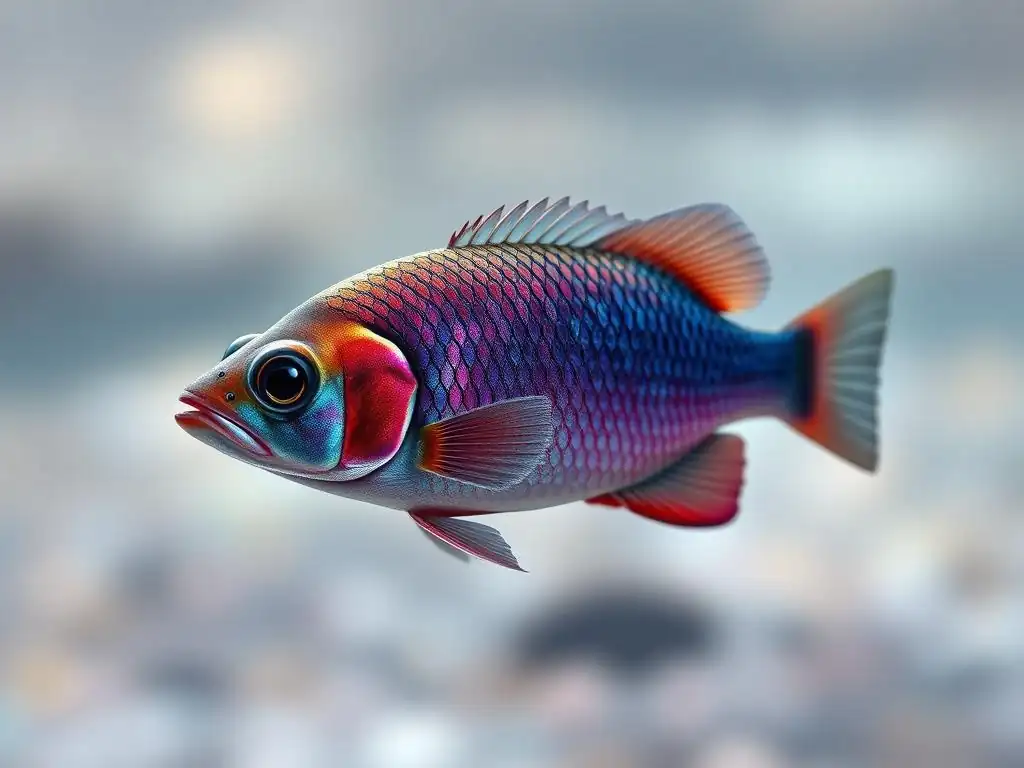
To enhance specific Kribensis fish color variations, breeders employ meticulous selective breeding techniques. The process begins by identifying individuals that exhibit the desired traits most strongly—for example, a male with exceptionally intense red fins and a female with a deep, widespread purplish belly. These carefully chosen individuals are then paired, and their offspring are closely monitored. Only the fry that display the most pronounced expression of the desired Kribensis coloration are selected for the next breeding generation, a process that can take 5-10 generations to effectively fix a trait within a line.
This rigorous selection often involves both line breeding and judicious outcrossing. Line breeding, which involves pairing related individuals, can quickly concentrate desirable Kribensis fish color variations within a group, but it carries the risk of reducing genetic diversity and potentially leading to inbreeding depression over time. To counteract this, outcrossing—introducing unrelated individuals with similar desired traits—can infuse new genetic vigor into the line while still working towards the target Kribensis coloration. Maintaining detailed breeding records is paramount for tracking genetic lines and ensuring successful, healthy development of specific Kribensis fish color variations.
Identifying Potential Breeders with Desired Color Traits
Identifying the best potential breeders for specific Kribensis fish color variations requires careful observation and a keen eye. Look for Kribensis that consistently exhibit the target coloration vividly, even when they are not actively breeding or under stress. For instance, if aiming for "Super Red," select fish that show extensive, deep red coverage across their bodies, not just a temporary flush. For "Albino," ensure the red eyes are clear and bright, and the body is uniformly pale without any dark spots. Beyond color, observe their overall health, activity levels, and appetite; healthy, robust fish make better breeding candidates.
It is also crucial to assess the stability of their Kribensis coloration. A fish whose color dramatically fades or intensifies with minor environmental changes or excitement might not be ideal for breeding stable Kribensis fish color variations. Instead, prioritize individuals that maintain strong, consistent coloration across various conditions. If possible, understanding the color history of the parents and even grandparents provides valuable insight into the genetic potential of a fish to pass on desired Kribensis coloration traits to its offspring, increasing the likelihood of successful selective breeding.
Managing Fry Color Development Through Diet and Environment
Once Kribensis fry are free-swimming, typically around 5-7 days after hatching, providing a high-quality diet rich in color-enhancing nutrients is essential for promoting vibrant Kribensis fish color variations. Newly hatched brine shrimp nauplii are an excellent first food, providing vital proteins and carotenoids. Supplementing with micro-worms and finely crushed, high-quality flake food (especially those enhanced with spirulina or other color boosters) multiple times a day—ideally 3-5 small feedings—will promote rapid growth and robust color development. A varied diet ensures they receive all necessary building blocks for vivid Kribensis coloration.
Environmental factors also play a significant role in the color development of Kribensis fry. Maintaining pristine water conditions is paramount; daily small water changes of 10-15% will keep nitrate levels low and prevent the buildup of waste products that can stress delicate fry. Consistent temperatures, ideally between 78-80°F (25.5-26.5°C), support optimal metabolism and growth. Providing appropriate cover, such as small caves or dense plant thickets, and a calm, quiet environment will reduce stress, allowing the fry to confidently express their genetic potential for stunning Kribensis fish color variations as they mature.
Maintaining Vibrant Kribensis Colors in Your Aquarium
Choosing the Right Substrate and Decor for Optimal Color Display
The choice of substrate and decor can significantly influence how vibrant Kribensis fish color variations appear in your aquarium. Darker substrates, such as fine black gravel or sand, are generally recommended as they provide a strong contrast that makes the Kribensis's natural hues, especially reds, yellows, and iridescent blues, truly pop. Conversely, light-colored substrates can sometimes cause fish to appear washed out as they instinctively try to blend into their environment. Incorporating natural decor like driftwood, root structures, and smooth rocks (e.g., slate, lava rock) not only enhances the aesthetic but also provides security and encourages natural behavior.
Beyond aesthetic appeal, providing ample hiding places is crucial for maintaining vibrant Kribensis fish color variations. Kribensis are cave-dwellers by nature, and feeling secure directly translates to less stress and more intense Kribensis coloration. Offer plenty of caves, terracotta pots, coconut shells, or dense plant cover (e.g., Java Fern, Anubias, Amazon Swords). Aim for at least one cave per fish, or more, to provide ample territory and refuge. When Kribensis feel safe and comfortable in their environment, they are far more likely to display their full spectrum of beautiful Kribensis coloration.
Tank Mates That Complement Kribensis Colors
Choosing appropriate tank mates is essential for the well-being and vibrant Kribensis fish color variations. Ideal companions are peaceful, similarly sized community fish that occupy different levels of the water column, minimizing direct competition for space and resources. Excellent examples include small schooling tetras like Neon Tetras, Rummy Nose Tetras, or Cardinal Tetras, which add a contrasting flash of color without stressing the Kribensis. Peaceful mid-water dwellers such as Harlequin Rasboras or small species of rainbowfish are also good choices. For bottom dwellers, Corydoras catfish or Otocinclus catfish are non-aggressive and will not interfere with Kribensis territories.
It is crucial to avoid larger, aggressive cichlids, known fin-nipping species like certain barbs, or very fast-moving, boisterous fish that might outcompete Kribensis for food or cause undue stress. Stress from inappropriate tank mates is a significant factor that can cause Kribensis to lose their vibrant Kribensis coloration, become shy, and even lead to health issues.
Ensure the tank is adequately sized; a 20-gallon long tank is generally considered the minimum for a pair, with larger tanks (e.g., 30-40 gallons) better suited for a community setup, providing ample space for all inhabitants to thrive and display their best Kribensis fish color variations.
Avoiding Stressors That Can Dull Kribensis Colors
Avoiding stressors is paramount for maintaining the brilliant Kribensis fish color variations and overall health. The most common stressors include poor water quality (characterized by high levels of nitrates, ammonia, or nitrites), fluctuating water parameters (such as sudden changes in temperature or pH), overcrowding within the aquarium, and the presence of aggressive or incompatible tank mates. Even constant loud noises or vibrations near the tank, or excessive foot traffic, can cause chronic stress in fish, leading to faded Kribensis coloration and a weakened immune system.
To prevent these issues, consistent and diligent tank maintenance is absolutely essential. This includes performing regular weekly water changes (e.g., 20-30%) and ensuring the filtration system is clean and functioning efficiently. Maintaining stable water parameters within the optimal range for Kribensis is non-negotiable. Ensure the tank is appropriately sized for its inhabitants, providing ample swimming space and territories. Finally, placing the aquarium in a calm, quiet environment away from high-traffic areas will significantly contribute to the Kribensis remaining relaxed, healthy, and showcasing their most beautiful Kribensis coloration.
Kribensis Color Variations: A Visual Guide
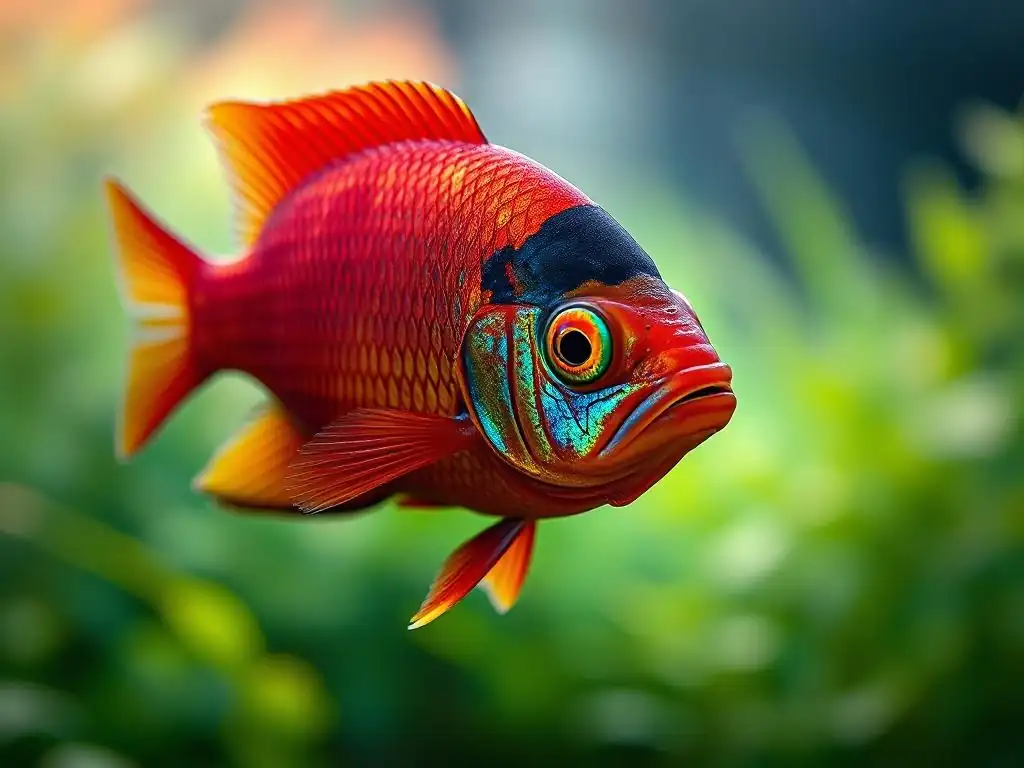
The spectrum of Kribensis fish color variations offers a captivating display of natural beauty and selective breeding artistry. From the subtle, earthy tones of the wild-type Kribensis to the intense, almost unbelievable saturation of the "Super Red" morph, each variation presents a unique aesthetic. The classic Kribensis typically features a greenish-brown body with hints of yellow and red in the fins, often highlighted by a distinct lateral stripe and caudal ocelli. In stark contrast, the Albino Kribensis lacks all dark pigmentation, presenting a soft, translucent pinkish-white body with characteristic red eyes, a serene and delicate appearance.
Further along the spectrum, the "Red Kribensis" showcases an enhanced version of the species' natural red, with broader and more consistent crimson hues across the belly and fins, a testament to focused breeding. The "Super Red Kribensis" takes this to an extreme, with an almost full-body, deep red that commands attention.
Beyond these, the "Yellow Kribensis" offers a bright, sunny alternative, where yellow pigments dominate the body. The "Blue Kribensis" provides a more nuanced beauty, exhibiting an iridescent blue sheen that shimmers under light, while the "Gold Kribensis" dazzles with a metallic, golden luster, combining yellow and iridescent qualities for a truly shimmering effect, illustrating the rich diversity of Kribensis fish color variations available to aquarists.
Conclusion: Appreciating the Diversity of Kribensis Colors
The Future of Kribensis Color Breeding
The future of Kribensis color breeding holds exciting possibilities as aquarists continue to explore and refine the genetic potential of these remarkable dwarf cichlids. Breeders are consistently working to stabilize and intensify existing Kribensis fish color variations, aiming for even more vibrant and consistent expressions of reds, yellows, and iridescent blues across generations. Beyond refining current morphs, there is always the potential for new, unique genetic mutations to spontaneously emerge, which could lead to the development of entirely novel and previously unseen Kribensis coloration patterns, further diversifying the species' aesthetic range.
However, the emphasis in future breeding efforts extends beyond mere aesthetics. Responsible breeding practices will increasingly focus on maintaining broad genetic diversity and robust health within Kribensis lines. This proactive approach ensures that any new or enhanced Kribensis fish color variations are not only visually stunning but also represent hardy, long-lived, and resilient fish. By prioritizing both beauty and vitality, breeders can contribute positively to the long-term sustainability and enjoyment of Kribensis in the aquarium hobby.
Choosing the Right Kribensis Color Variation for Your Aquarium
When selecting a Kribensis fish color variation for your aquarium, aquarists are encouraged to consider both their personal aesthetic preferences and the overall health and temperament of the individual fish. Regardless of the specific Kribensis coloration, all Pelvicachromis pulcher share similar fundamental care requirements, making the choice largely one of visual appeal. Whether you are drawn to the classic, understated elegance of the wild-type, the striking contrast of the Albino, or the fiery intensity of the Super Red, each Kribensis morph offers a rewarding and engaging experience for the dedicated aquarist.
The wide array of Kribensis fish color variations makes them a truly fascinating and versatile subject for any freshwater aquarist. Their engaging personalities, relatively straightforward care, and the stunning visual impact of their diverse Kribensis coloration ensure their continued popularity and status as a beloved staple in the aquarium hobby. By understanding the factors that influence their colors and appreciating the dedicated efforts behind their development, aquarists can fully enjoy the vibrant beauty these dwarf cichlids bring to their aquatic environments.
Frequently Asked Questions
What are the most common Kribensis fish color variations?
The most common variations include the standard wild-type, albino, and red Kribensis. Breeders have also developed variations with more intense colors, like the Super Red and Yellow varieties.
Does the color of a Kribensis fish affect its behavior?
While general Kribensis behavior remains consistent across color variations, breeding behavior and territorial displays can be more pronounced in some variations, particularly those with intense coloration.
How does diet affect the color of Kribensis fish?
A varied diet rich in carotenoids can enhance the red and orange pigments in Kribensis. High-quality flake food supplemented with live or frozen foods is recommended for optimal color.
Are Kribensis color variations more difficult to care for than the standard type?
Generally, Kribensis color variations have similar care requirements to the standard type. However, some inbred lines may be more susceptible to disease or have lower fertility, so researching the source is important.
How can I encourage vibrant colors in my Kribensis?
Provide a stress-free environment with stable water parameters and suitable tankmates. A balanced diet and appropriate lighting will also contribute to vibrant coloration.
Okay, here's a final reflection designed to close your article on Kribensis color variations, optimized for emotional impact and reader engagement, while also subtly reinforcing the keyword:
Final Reflection: A Kaleidoscope of Kribensis Beauty
The journey through the vibrant spectrum of Kribensis fish color variations reveals more than just genetic mutations; it showcases the boundless artistry of nature and the dedication of aquarists who nurture these living jewels. In a world often painted in shades of gray, the Kribensis, in its myriad forms, offers a splash of pure, unadulterated joy, reminding us of the beauty that exists even in the smallest corners of our planet.
This exploration of Kribensis colors has undoubtedly deepened our appreciation for these captivating creatures. It's a reminder that diversity isn't just a biological imperative, but a source of endless fascination and wonder. The beauty of the natural world lies in the details, and the Kribensis, in its varied hues, is a testament to that truth.
This enduring appeal ensures the Kribensis will continue to captivate hobbyists for generations to come.
Now, as you close this article, take a moment to reflect on the sheer variety and beauty we've uncovered. Consider how you might incorporate this newfound knowledge into your own aquascaping endeavors. Perhaps you'll be inspired to seek out a specific color morph, or simply appreciate the unique charm of each individual Kribensis. Whatever your path, let the vibrant colors of these remarkable fish inspire you to cultivate beauty and diversity in your own life, both within and beyond the aquarium.
Unleash the Kribensis Rainbow in Your Tank!
Thanks for diving deep into the vibrant world of Kribensis color variations! Hopefully, you’re now brimming with inspiration to enhance your aquarium's beauty. It's time to translate that knowledge into action.
Here's how you can take your Kribensis keeping to the next level:
- Begin planning your dream Kribensis biotope! Research compatible tankmates and create a stunning display that showcases their unique colors.
- Explore the fascinating world of Kribensis breeding. Consider trying to breed your Kribensis to discover even more genetic variations.
- Share your newfound knowledge! Post your favorite Kribensis color variation on social media and tag #AquariumMastery to inspire others.
What Kribensis color morph are you most excited to add to your aquarium, and why?