
The Gentle Jewel: Understanding Cherry Barb Temperament and Ideal Habitat

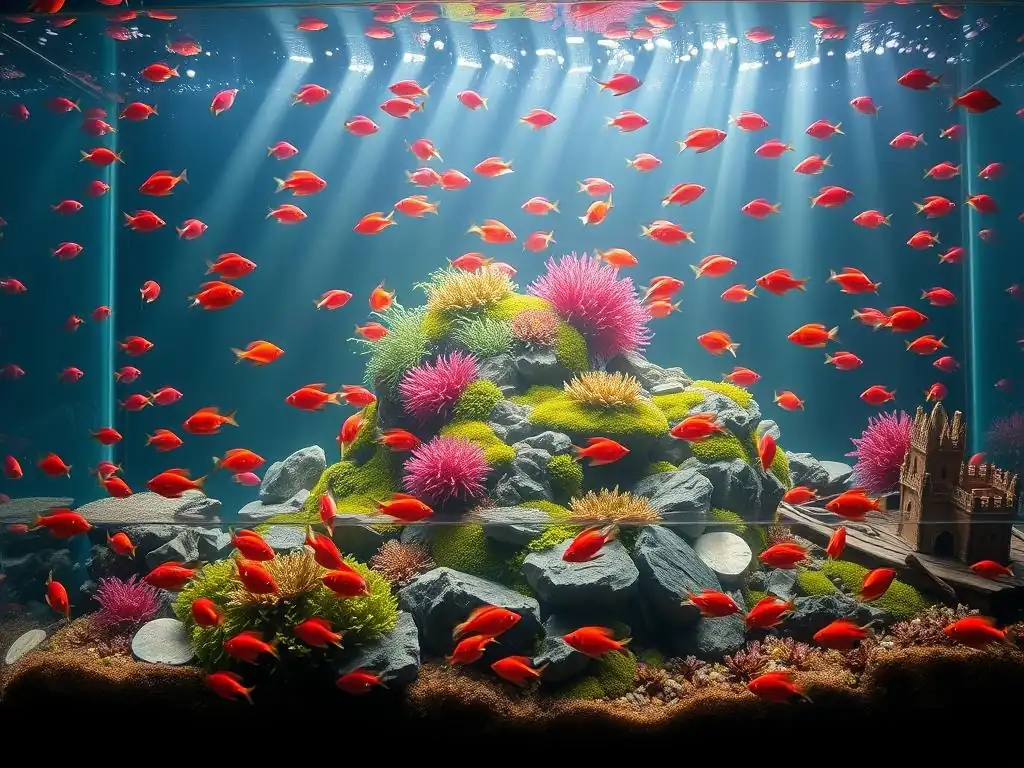
Welcome to Aquarium Mastery!
Dive into the fascinating world of freshwater aquariums and discover the secrets to creating a thriving ecosystem. Are you captivated by the vibrant colors and peaceful nature of the Cherry Barb? Unravel the mysteries of their temperament and learn how to create the perfect habitat to ensure these gentle jewels flourish. Intrigued? Keep reading to unlock the secrets to a happy and healthy Cherry Barb community!
- Introduction to Cherry Barbs: A Peaceful Addition to Your Aquarium
- Decoding Cherry Barb Temperament: Peaceful or Problematic?
-
Frequently Asked Questions
- What is the typical temperament of cherry barbs in a community aquarium?
- What is the ideal habitat for cherry barbs in an aquarium setting?
- What water parameters are most important for maintaining healthy cherry barbs?
- How does the size of the tank affect the cherry barb's behavior and well-being?
- What type of tank mates are best suited for cherry barbs, considering their temperament?
- Final Reflection: Embracing Harmony in the Aquarium
- Nurture Your Cherry Barbs' Happy Home!
Introduction to Cherry Barbs: A Peaceful Addition to Your Aquarium
Discovering the Allure of Cherry Barbs: Appearance and Behavior
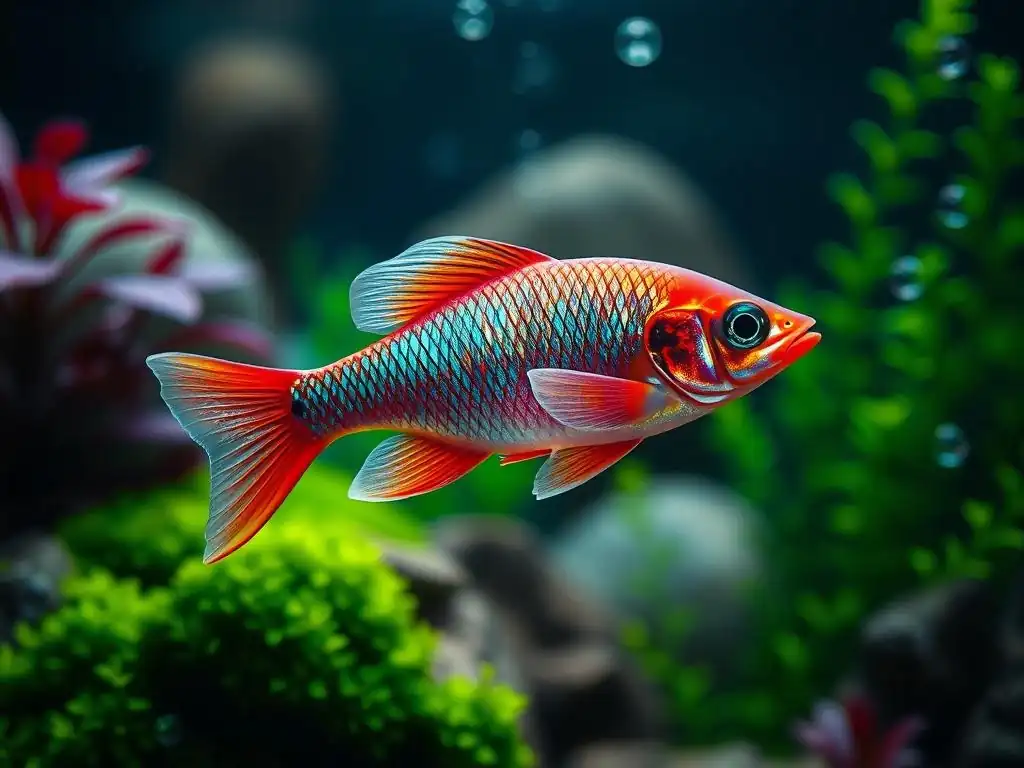
Cherry barbs, scientifically known as Puntius titteya, are renowned for their striking appearance and active, yet peaceful, demeanor, making them a captivating addition to many freshwater aquariums. Males, especially during breeding or when displaying, exhibit a vibrant, deep cherry-red coloration that intensifies with optimal water conditions and a balanced diet.
Females, while generally larger and rounder in body shape, display a more subdued, orange-brown hue, often with a subtle horizontal stripe, contrasting beautifully with the males. These small cyprinids typically reach an adult size of about 1.5 to 2 inches (3.8 to 5 cm), making them suitable for a variety of tank sizes.
Beyond their aesthetic appeal, the behavior of cherry barbs is equally fascinating. They are active swimmers, constantly exploring their environment and interacting within their school. While they are generally peaceful, males may engage in elaborate, non-harmful displays of dominance, flaring their fins and intensifying their color to impress females or establish hierarchy within the group. This dynamic yet calm activity contributes significantly to the visual interest of an aquarium, showcasing their natural cherry barb temperament habitat traits.
Why Cherry Barbs Make Excellent Community Fish
Cherry barbs are highly regarded by aquarists for their exceptional compatibility, positioning them as prime candidates for a diverse community aquarium. Their inherently peaceful nature means they rarely harass or nip the fins of other fish, a common concern with some other barb species. This low aggression level allows them to coexist harmoniously with a wide array of non-aggressive tank mates, from small tetras and rasboras to corydoras catfish and even some dwarf cichlids, provided the tank environment is spacious and well-structured.
Their adaptability to various water conditions, within reasonable parameters, also contributes to their suitability as community fish. They are not overly sensitive to minor fluctuations once acclimated, making them forgiving for novice aquarists. Furthermore, their relatively small size ensures they do not overcrowd tanks and are unlikely to pose a threat to smaller or slower-moving species. This robust and gentle cherry barb temperament makes them a cornerstone species for establishing a serene and balanced aquatic ecosystem.
Decoding Cherry Barb Temperament: Peaceful or Problematic?
Understanding the Cherry Barb's Natural Disposition
The natural disposition of the cherry barb is overwhelmingly peaceful, a characteristic that is strongly influenced by their schooling instinct and their origins in the slow-moving, shaded waters of Sri Lanka. In their native cherry barb temperament habitat, they form cohesive groups, which provides a sense of security and reduces individual stress. This inherent group behavior translates directly into a calm demeanor in the aquarium. When kept in appropriate numbers, typically a school of six or more, their natural shyness diminishes, and they exhibit more confident and natural behaviors.
Instances of aggression or fin-nipping are exceedingly rare with cherry barbs and are almost always a symptom of environmental stress rather than an inherent trait. A well-maintained tank that mimics their natural conditions, coupled with a sufficient school size, will typically result in a tranquil and active group of fish. Their gentle nature makes them an ideal choice for aquarists seeking to avoid conflict within their community tank, solidifying their reputation as one of the most amiable barb species available.
Factors Influencing Cherry Barb Behavior in Captivity
The behavior of cherry barbs in a captive environment is highly contingent upon several key factors, including tank size, schooling dynamics, and water parameters. While their innate cherry barb temperament is peaceful, deviations from optimal conditions can induce stress, leading to behaviors that might be misinterpreted as aggression, such as excessive hiding, lethargy, or, in very rare cases, mild territorial disputes among males if space is severely limited. Understanding and managing these environmental variables is crucial for maintaining their characteristic calm and vibrant nature.
Ensuring the aquarium closely replicates the ideal cherry barb temperament habitat is paramount for their well-being. This involves not only physical aspects like space and decor but also the social environment provided by a suitable school and stable water chemistry. When these elements are properly addressed, cherry barbs thrive, displaying their full range of natural behaviors, including playful chases and coordinated schooling, without exhibiting any problematic tendencies.
Tank Size and Its Impact on Cherry Barb Temperament
The size of the aquarium plays a critical role in shaping the cherry barb temperament. While often considered small, these active fish require ample swimming space to thrive and exhibit their natural schooling behaviors. For a small school of 6-8 cherry barbs, a minimum tank size of 20 gallons (approximately 75 liters) is generally recommended. This provides sufficient room for them to establish territories, if necessary, and to perform their characteristic darting movements without feeling confined, which can significantly reduce stress levels.
Inadequate tank size, such as keeping a school in a 10-gallon tank, can lead to increased stress, inhibited growth, and a heightened likelihood of timid or even slightly aggressive behavior among males due to perceived overcrowding. When space is limited, the natural hierarchy within the school can become more pronounced, and individuals may become more susceptible to disease due to chronic stress.
Providing a larger tank, even up to 30 gallons or more for a larger school, allows for a more relaxed and natural cherry barb temperament habitat, promoting overall health and a more vibrant display of their peaceful nature.
The Role of Schooling in Maintaining Peaceful Barb Behavior
Cherry barbs are quintessential schooling fish, and maintaining them in appropriate numbers is fundamental to preserving their peaceful cherry barb temperament. A minimum group of six individuals is highly recommended, though a larger school of eight to twelve or more will allow them to feel more secure and display their most natural behaviors. In a robust school, their inherent shyness is mitigated, and they become more confident and outgoing, actively exploring the entire tank rather than hiding.
When cherry barbs are kept in insufficient numbers (e.g., only two or three), they can become stressed, timid, and withdrawn. This lack of security can also, paradoxically, lead to increased aggression towards other tank inhabitants, or even within the small group, as individuals lack the safety in numbers provided by a proper school. A well-established school dilutes any potential aggression, channeling their social interactions internally within the group, and ensures that their interaction with other species remains consistently gentle, aligning perfectly with their ideal cherry barb temperament habitat.
Water Parameters and Stress Reduction for Cherry Barbs
Maintaining stable and appropriate water parameters is paramount for the health and peaceful cherry barb temperament. These fish originate from tropical, slightly acidic to neutral waters, and replicating these conditions is key to their well-being. Ideal water temperature ranges from 72°F to 79°F (22°C to 26°C), with a pH between 6.0 and 7.5, and soft to moderately hard water (dH 5-19). Consistent parameters prevent stress, which can manifest as dull coloration, lethargy, or susceptibility to disease, all of which negatively impact their natural behavior.
Sudden fluctuations in temperature, pH, or ammonia/nitrite levels are significant stressors for cherry barbs. A properly cycled aquarium with consistent water changes is essential to keep nitrates low and maintain overall water quality. For instance, a weekly 25% water change is a common recommendation to prevent the buildup of toxins. When water quality is pristine and parameters are stable, cherry barbs are more active, display brighter colors, and exhibit their characteristic calm and playful cherry barb temperament, making them a joy to observe in their ideal habitat.
Frequently Asked Questions
What is the typical temperament of cherry barbs in a community aquarium?
Cherry barbs are generally known for their peaceful temperament, making them suitable for community tanks. They are active and social fish, but rarely aggressive towards other species. However, keeping them in groups of six or more is crucial to minimize potential shyness or fin-nipping.
What is the ideal habitat for cherry barbs in an aquarium setting?
Cherry barbs thrive in a well-planted aquarium mimicking their natural habitat. This includes soft, slightly acidic water with plenty of hiding places created by plants and driftwood. A dimly lit tank with a dark substrate also contributes to their well-being.
What water parameters are most important for maintaining healthy cherry barbs?
Maintaining stable water parameters is crucial for cherry barb health. Ideal conditions include a temperature between 72-79°F (22-26°C), a pH level of 6.0-7.0, and low levels of ammonia and nitrite. Regular water changes are essential to achieve this.
How does the size of the tank affect the cherry barb's behavior and well-being?
A larger tank is always preferable, as it provides more space for swimming and reduces stress. A minimum of 20 gallons is recommended for a group of six cherry barbs to ensure they have ample room to establish their own territories and exhibit natural behaviors.
What type of tank mates are best suited for cherry barbs, considering their temperament?
Cherry barbs are best kept with other peaceful and similarly sized fish. Good tank mates include small tetras, rasboras, corydoras catfish, and peaceful invertebrates like snails and shrimp. Avoid aggressive or fin-nipping species that could stress or harm them.
Final Reflection: Embracing Harmony in the Aquarium
The delicate dance of life within an aquarium, as we've explored through the lens of the Cherry Barb, underscores a profound truth: understanding temperament and habitat is paramount to fostering thriving ecosystems. Just as a misplaced note can disrupt a symphony, an unsuitable environment can shatter the delicate balance of an aquatic community. The Cherry Barb, with its gentle nature and vibrant hues, serves as a potent reminder of the interconnectedness of all living things within a confined space.
This exploration has illuminated not just the specific needs of the Cherry Barb, but also the broader implications of responsible fishkeeping. It's a journey that resonates deeply, reminding us that our actions, however small, ripple outwards, shaping the lives of the creatures under our care. The greatness of a nation and its moral progress can be judged by the way its animals are treated.
- Mahatma Gandhi. This quote, though often applied to larger animals, holds equal weight when considering the miniature worlds we create within our aquariums. The well-being of these creatures reflects our own capacity for empathy and understanding.
As you consider the insights shared about the Cherry Barb's temperament and habitat, I invite you to reflect on your own role in creating harmonious environments, both within your aquarium and beyond. Let the lessons learned from this gentle jewel inspire you to cultivate spaces where every creature, great and small, can thrive. Embrace the responsibility, nurture the balance, and witness the beauty that unfolds when understanding and compassion guide your actions.
Nurture Your Cherry Barbs' Happy Home!
Thanks for diving into the world of Cherry Barbs with us! We hope you’ve gained valuable insights into their temperament and how to create the perfect environment for them to thrive. Now, let’s put that knowledge into action!
- Set up a dedicated quarantine tank for newly arrived Cherry Barbs to observe them before introducing them to your main aquarium.
- Share this article with fellow fish enthusiasts to spread the joy of responsible Cherry Barb keeping.
- Consider adding floating plants to your Cherry Barb's aquarium to diffuse light and provide hiding spots, mimicking their natural habitat more closely.
What innovative tank décor have you found that your Cherry Barbs particularly love?