
Hygrophila Polysperma Profile: The Indestructible Beginner's Stem Plant?

Welcome to Aquarium Mastery, fellow aquarist!
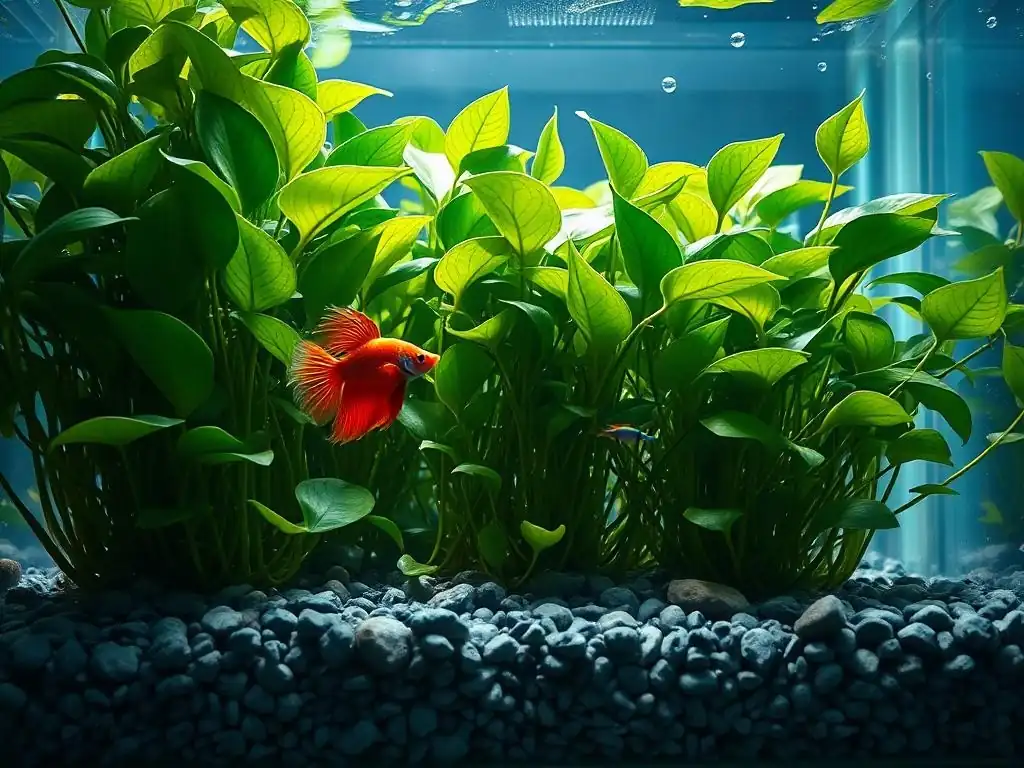
Ever wished for a bulletproof plant that could thrive in your aquarium, even with the most basic care? Dive into our profile of Hygrophila polysperma, often hailed as the indestructible beginner's stem plant. Could this be the secret to a lush, vibrant underwater garden, even if you're just starting out? Let's unravel its secrets and see if it lives up to the hype!
- Introduction to Hygrophila Polysperma: A Hardy Aquarium Plant
- Understanding Hygrophila Polysperma: Origins and Appearance
- Hygrophila Polysperma Care Guide: Optimal Conditions for Growth
- Planting and Propagating Hygrophila Polysperma in Your Aquarium
- Hygrophila Polysperma Placement and Tank Mates
- Common Problems and Solutions with Hygrophila Polysperma
- Hygrophila Polysperma vs. Other Beginner Aquarium Plants
- Hygrophila Polysperma: A Beginner's Guide to a Thriving Stem Plant
-
Frequently Asked Questions
- How easy is Hygrophila polysperma to care for, especially for beginners?
- What are the ideal water parameters for growing Hygrophila polysperma?
- Does Hygrophila polysperma need CO2 injection to thrive?
- How fast does Hygrophila polysperma grow and how often should I trim it?
- What common problems might beginners encounter with Hygrophila polysperma?
- Final Reflection: The Enduring Appeal of Simplicity
- Ignite Your Aquarium Journey: Propagate and Prosper!
Introduction to Hygrophila Polysperma: A Hardy Aquarium Plant
What Makes Hygrophila Polysperma a Great Choice for Beginners?
Hygrophila polysperma stands out as an exceptional choice for novice aquarists due to its remarkable adaptability and resilience. This fast-growing stem plant can thrive in a wide spectrum of water parameters, from slightly acidic to moderately alkaline pH levels (6.0-8.0) and varying water hardness (2-15 dGH), making it forgiving of typical beginner fluctuations. Its rapid growth rate, often reaching several inches per week under good conditions, is particularly beneficial as it quickly absorbs excess nutrients like nitrates, thereby helping to prevent algae outbreaks, a common frustration for new tank owners.
Furthermore, its robust nature means it tolerates a broad range of lighting conditions, from low-tech setups with minimal illumination (e.g., 0.5 watts per gallon or 10-20 PAR) to high-tech tanks with intense light and CO2 injection. This flexibility allows beginners to achieve success without investing heavily in specialized equipment. The ease with which this Hygrophila polysperma beginner stem plant can be propagated, simply by cutting and replanting stems, also makes it an economical and rewarding option for filling out an aquascape quickly.
Quick Stats: Hygrophila Polysperma Care Sheet
- Scientific Name: Hygrophila polysperma
- Common Names: Indian Waterweed, Dwarf Hygrophila, Dwarf Ambulia
- Family: Acanthaceae
- Origin: Southeast Asia (India, Bangladesh, Malaysia)
- Growth Rate: Fast
- Max Size: Typically 12-24 inches (30-60 cm)
- Placement: Midground to Background
- Temperature Range: 68-82°F (20-28°C)
- pH Range: 6.0-8.0
- GH Range: 2-15 dGH (Soft to Hard)
- Lighting: Low to High (10-50+ PAR)
- CO2: Not required, but beneficial for accelerated growth and coloration.
- Propagation: Stem Cuttings
- Substrate: Sand, gravel, or nutrient-rich substrate; benefits from root tabs.
- Fertilization: Benefits from liquid fertilizers and iron supplementation.
Understanding Hygrophila Polysperma: Origins and Appearance
Natural Habitat of Hygrophila Polysperma
Hygrophila polysperma originates from the tropical and subtropical regions of Southeast Asia, particularly India, Bangladesh, and Malaysia. In its natural environment, this highly adaptable plant is commonly found in slow-moving or stagnant bodies of water, such as ditches, ponds, rice paddies, and the margins of rivers. It frequently grows both fully submerged (submersed) and partially emerged (emersed), with its stems and leaves breaking the water surface. This ability to thrive in fluctuating water levels and varying nutrient availability in its native habitat is a key factor contributing to its hardiness in an aquarium setting.
The species' wide distribution and ability to adapt to diverse conditions, from soft, slightly acidic waters to harder, more alkaline environments, underscore its robust nature. This inherent flexibility, honed in its varied natural homes, translates directly to its success as a highly forgiving and adaptable Hygrophila polysperma beginner stem plant in a wide array of home aquariums. Its capacity to pull nutrients from both the water column and the substrate further contributes to its vigorous growth and ease of care.
Identifying Hygrophila Polysperma: Leaf Shape and Color Variations
Hygrophila polysperma is characterized by its relatively small, lance-shaped to oval leaves, typically measuring 1 to 2 inches (2.5-5 cm) in length and about 0.5 inches (1.2 cm) in width. These leaves are arranged oppositely along a relatively slender, green stem. The standard variety usually displays a vibrant green coloration, providing a lush backdrop in any planted tank. Under optimal conditions, particularly with moderate to high light intensity, the tips of the leaves or even entire stems can develop attractive reddish or bronzy hues, adding visual interest.
Several cultivated varieties exist, further enhancing its appeal. The 'Rosanervig' or 'Sunset' variant, for instance, is renowned for its striking pink or reddish veins that become more pronounced under strong lighting, creating a beautiful contrast against the green leaf blade. Another popular variation, often simply called 'Red', exhibits a more uniform reddish-brown coloration throughout the leaves and stem when provided with intense light and adequate iron. These variations, combined with its consistent growth pattern, make Hygrophila polysperma a versatile and aesthetically pleasing beginner stem plant for aquascaping.
Hygrophila Polysperma Care Guide: Optimal Conditions for Growth
Ideal Water Parameters for Hygrophila Polysperma: Temperature, pH, and Hardness
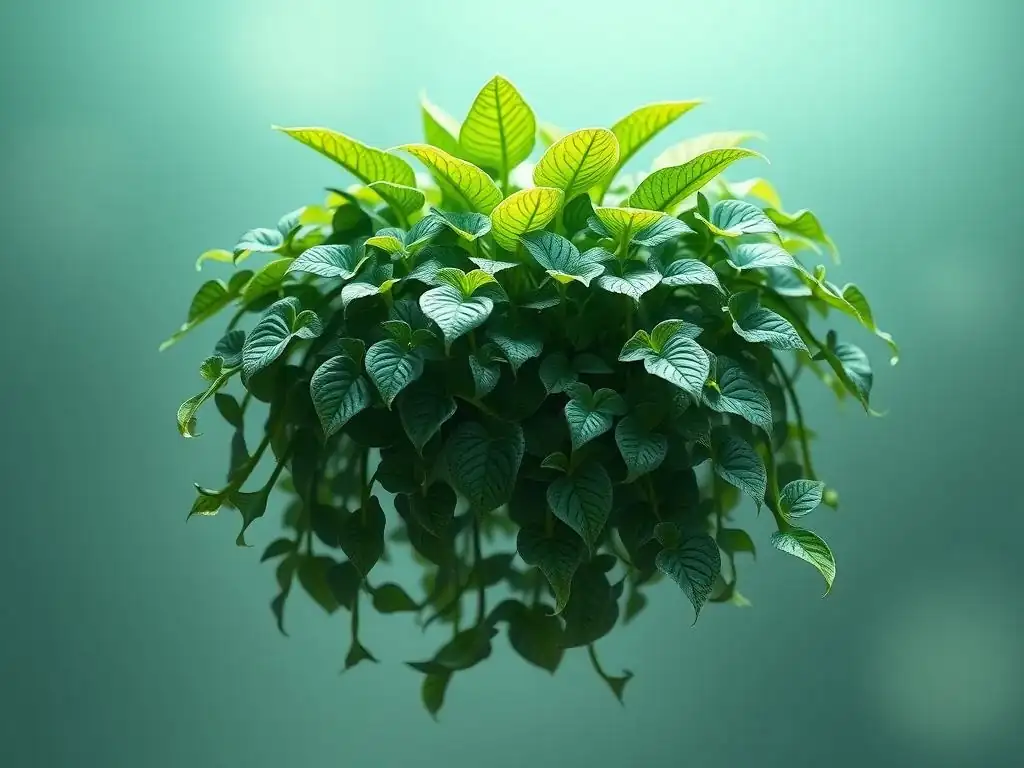
Hygrophila polysperma exhibits remarkable tolerance across a broad range of water parameters, making it incredibly forgiving for new aquarists. For optimal growth, a temperature range of 68-82°F (20-28°C) is ideal, aligning well with most tropical community fish tanks. While it can survive outside this range for short periods, consistent temperatures within these boundaries will ensure vigorous and healthy growth. The plant is also highly adaptable to varying pH levels, thriving anywhere from acidic 6.0 to slightly alkaline 8.0, which means it rarely requires specific pH adjustments in a typical freshwater setup.
Regarding water hardness, Hygrophila polysperma is equally flexible. It performs well in soft to moderately hard water, with a general hardness (GH) range of 2-15 dGH. This wide tolerance means that whether your tap water is naturally soft or on the harder side, this plant is likely to adapt without issue. Its ability to flourish across such diverse water conditions truly solidifies its reputation as a resilient and easy-to-care-for Hygrophila polysperma beginner stem plant, reducing the need for complex water chemistry management.
Lighting Requirements for Hygrophila Polysperma: From Low to High Light Tanks
One of the most appealing aspects of Hygrophila polysperma for beginners is its adaptability to a wide spectrum of lighting conditions. In low-light setups, typically characterized by less than 1 watt per gallon or 10-20 PAR (Photosynthetically Active Radiation), the plant will grow steadily, maintaining its green coloration and providing excellent cover. While growth may be slower and less dense than in brighter conditions, it will still thrive, making it an ideal choice for tanks with standard hood lighting or lower-output LED fixtures.
Conversely, when exposed to moderate to high light levels (e.g., 2-3 watts per gallon or 30-50+ PAR), Hygrophila polysperma truly flourishes. Under these conditions, its growth rate significantly accelerates, producing denser foliage and often exhibiting beautiful reddish or bronzy hues, especially in the 'Rosanervig' variety, as mentioned earlier. While CO2 injection is not mandatory, combining high light with supplemental CO2 will result in explosive growth and intensified coloration. This versatility ensures that whether you have a basic or advanced planted tank, Hygrophila polysperma can be a thriving beginner stem plant.
Substrate and Fertilization for Hygrophila Polysperma: Nutrient Needs
While Hygrophila polysperma can survive in inert substrates like sand or fine gravel, its growth will be significantly enhanced by a nutrient-rich substrate or the strategic placement of root tabs. As a stem plant, it primarily absorbs nutrients from the water column through its leaves, but its roots also play a crucial role in nutrient uptake, especially for macronutrients like nitrogen and phosphorus. An active substrate, such as aquasoil, provides a steady supply of these essential elements, promoting vigorous root development and robust growth.
Beyond substrate, regular liquid fertilization is highly recommended for optimal health and coloration. Hygrophila polysperma is a relatively heavy feeder, particularly requiring nitrates and iron. In tanks with a low fish bioload or without supplemental feeding, liquid fertilizers containing a balanced profile of macro and micronutrients should be dosed weekly according to product instructions. Iron supplementation is especially important to prevent chlorosis (yellowing of leaves) and to bring out the desirable reddish tones in varieties like 'Rosanervig', ensuring your Hygrophila polysperma beginner stem plant remains vibrant and healthy.
Planting and Propagating Hygrophila Polysperma in Your Aquarium
Step-by-Step Guide to Planting Hygrophila Polysperma
Planting Hygrophila polysperma is a straightforward process, contributing to its reputation as an ideal beginner stem plant. First, gently remove the plant from its packaging or pot, carefully separating individual stems if they are bundled. Inspect each stem and trim any damaged or yellowing leaves. To prepare for planting, remove the lower 1-2 inches (2.5-5 cm) of leaves from the bottom of each stem, exposing a bare section that will be inserted into the substrate. This bare stem section is where new roots will emerge.
Once prepared, you can plant individual stems or group 2-3 stems together for a bushier appearance. Using long-handled tweezers, carefully insert the bare end of the stem into the substrate, pushing it down deep enough to anchor it firmly, typically about 1-2 inches. Ensure that the stem is secure and won't float up. Space individual plantings or groups about 1-2 inches (2.5-5 cm) apart to allow for adequate water circulation and light penetration to the lower leaves, promoting healthy growth and preventing shading as your Hygrophila polysperma beginner stem plant matures.
Propagating Hygrophila Polysperma: Simple Stem Cuttings
Propagating Hygrophila polysperma is incredibly simple, making it easy for aquarists to quickly expand their plant collection or fill out their aquascape. The most common and effective method is through stem cuttings. To propagate, simply identify a healthy, vigorous stem and use sharp aquascaping scissors to cut a section at least 4-6 inches (10-15 cm) long. Make the cut just below a node (the point where leaves emerge from the stem), as this is where new roots are most likely to develop.
Once you have your cuttings, remove the leaves from the bottom 1-2 inches of each cut stem. These prepared cuttings can then be replanted directly into the substrate, following the same steps as initial planting. Within a few days to a week, new roots will begin to emerge from the buried nodes, and the cuttings will start to grow as independent plants. This rapid and effortless propagation technique allows aquarists to create a dense, lush environment in their tank without needing to purchase additional plants, further cementing its status as a top Hygrophila polysperma beginner stem plant.
Hygrophila Polysperma Placement and Tank Mates
Where to Plant Hygrophila Polysperma in Your Aquascape
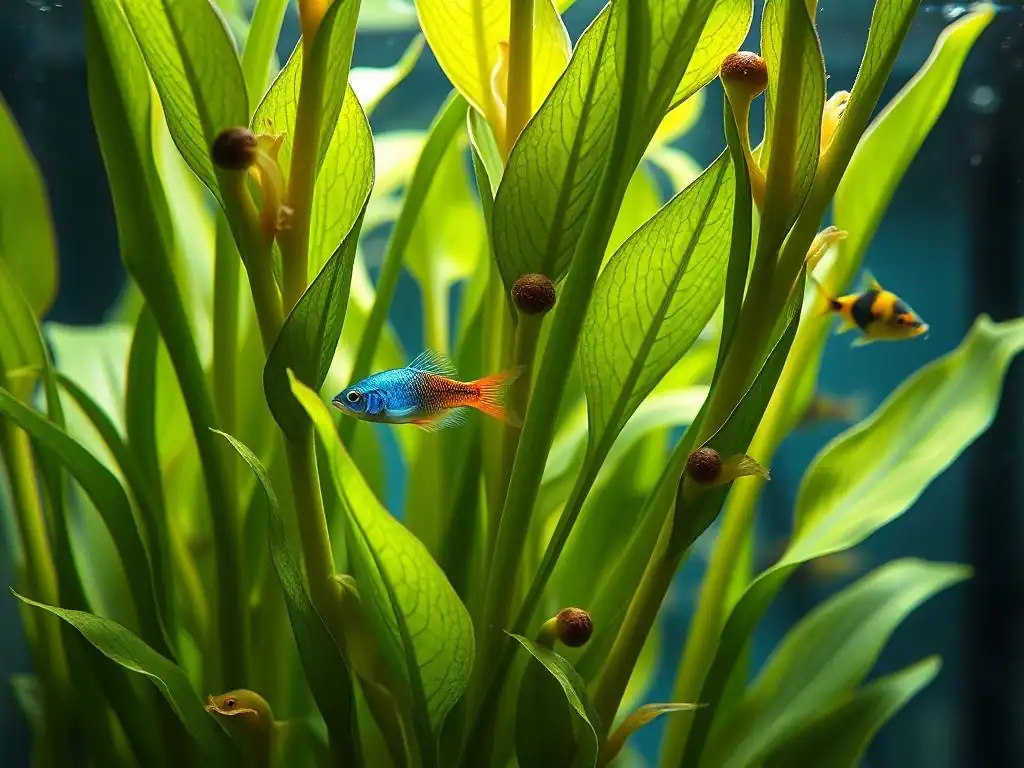
Due to its rapid growth and potential to reach considerable heights, Hygrophila polysperma is best suited for the midground to background of most aquarium layouts. When planted in the midground, regular trimming will be necessary to maintain a desired bushier, more compact form. In the background, it can be allowed to grow taller, forming a dense wall of foliage that provides excellent cover and a sense of depth to the aquascape. Its quick growth also makes it ideal for quickly filling empty spaces in a new tank setup.
For a visually appealing effect, plant Hygrophila polysperma in groups of 3-5 stems rather than as single stems. This creates a fuller, more natural bush-like appearance. Ensure sufficient space between groups to allow for light penetration and water flow, which is crucial for preventing detritus buildup and ensuring the health of the lower leaves. Its adaptability in terms of light and water conditions, combined with its vertical growth, makes it a versatile Hygrophila polysperma beginner stem plant that can be utilized in various aquascaping styles, from Dutch-style planted tanks to naturalistic jungle setups.
Compatible Tank Mates for Hygrophila Polysperma: Fish and Invertebrates
Hygrophila polysperma is generally compatible with a wide array of peaceful community fish and invertebrates, as it is not typically grazed upon by most common aquarium inhabitants. Ideal fish tank mates include small schooling fish such as Neon Tetras, Cardinal Tetras, Harlequin Rasboras, and various species of Danios. Livebearers like Guppies, Mollies, and Platies also do well with Hygrophila polysperma, often enjoying the dense foliage for hiding and exploring. Smaller gouramis and peaceful bottom dwellers like Corydoras catfish are also excellent companions.
When considering invertebrates, peaceful shrimp species such as Amano Shrimp, Cherry Shrimp, and other Neocaridina varieties are highly compatible. They will not damage the plant and will actively help keep its leaves free of algae. Snails like Nerite Snails and Mystery Snails are also excellent additions, contributing to tank cleanliness without harming the plant. It is advisable to avoid notorious plant-eating fish such as Silver Dollars, large Cichlids (e.g., Oscar, Jack Dempsey), or goldfish, as they are likely to uproot or consume this otherwise hardy Hygrophila polysperma beginner stem plant.
Common Problems and Solutions with Hygrophila Polysperma
Hygrophila Polysperma Melting: Causes and Prevention
"Melting" in Hygrophila polysperma refers to the sudden deterioration of leaves, often turning translucent, mushy, or disintegrating. This phenomenon commonly occurs when the plant is transitioning from emersed (grown out of water) to submerged (grown under water) conditions, a common state for plants purchased from many aquatic stores. The old emersed leaves are not adapted to submerged life and will die back, allowing new submerged-adapted leaves to grow. This is a natural process and not a cause for alarm if new growth is visible.
Beyond adaptation, melting can also be caused by sudden and drastic changes in water parameters (temperature, pH, hardness), severe nutrient deficiencies (particularly potassium), or extreme stress from poor water quality. To prevent excessive melting, ensure stable water conditions and introduce the plant to the aquarium gradually if possible. If nutrient deficiency is suspected, ensure a balanced fertilization regimen, including potassium. Providing consistent care and allowing sufficient time for adaptation will ensure your Hygrophila polysperma beginner stem plant quickly recovers and thrives.
Dealing with Algae on Hygrophila Polysperma Leaves
While Hygrophila polysperma is an excellent algae competitor due to its fast nutrient uptake, its leaves can sometimes become a target for various types of algae, especially if there's an imbalance in the tank. Common culprits include excessive light duration (more than 8-10 hours), high nutrient levels (nitrates and phosphates) without sufficient plant mass or CO2, or inadequate water flow. Green spot algae, hair algae, or even black beard algae can appear as unsightly growths on the leaves.
To combat algae, first evaluate your lighting schedule; reducing it to 7-8 hours per day can often make a significant difference. Perform regular and consistent water changes (e.g., 25-30% weekly) to control nutrient levels. Ensure your filtration system is adequate and that there's good water circulation around the plants. Introducing algae-eating invertebrates like Amano shrimp (Caridina multidentata), which are highly efficient algae grazers, or Otocinclus catfish can also be very effective. For severe cases, manual removal of heavily affected leaves can help, protecting your otherwise resilient Hygrophila polysperma beginner stem plant.
Slow Growth in Hygrophila Polysperma: Troubleshooting Tips
Despite its reputation as a fast-growing plant, Hygrophila polysperma can sometimes exhibit slow or stunted growth. The primary reasons for this typically revolve around a lack of essential nutrients, insufficient lighting, or inadequate carbon dioxide (CO2) availability. If your plant is not growing several inches per week under moderate light, it's time to troubleshoot. Yellowing or pale leaves, particularly on older growth, often point to a nitrogen deficiency, while overall pallor can indicate a lack of iron or other micronutrients.
To address slow growth, first, ensure your lighting is appropriate for the desired growth rate; while it tolerates low light, faster growth requires more intensity (e.g., 20-30 PAR minimum). Second, review your fertilization routine. Increase the dosing of a comprehensive liquid fertilizer, paying close attention to nitrates, phosphates, and especially iron. If your tank has moderate to high lighting, consider supplementing with liquid carbon or, for truly explosive growth, a pressurized CO2 system. Optimizing these factors will quickly transform a struggling plant into a thriving, lush Hygrophila polysperma beginner stem plant.
Hygrophila Polysperma vs. Other Beginner Aquarium Plants
Hygrophila Polysperma vs. Anacharis (Egeria densa): A Comparison
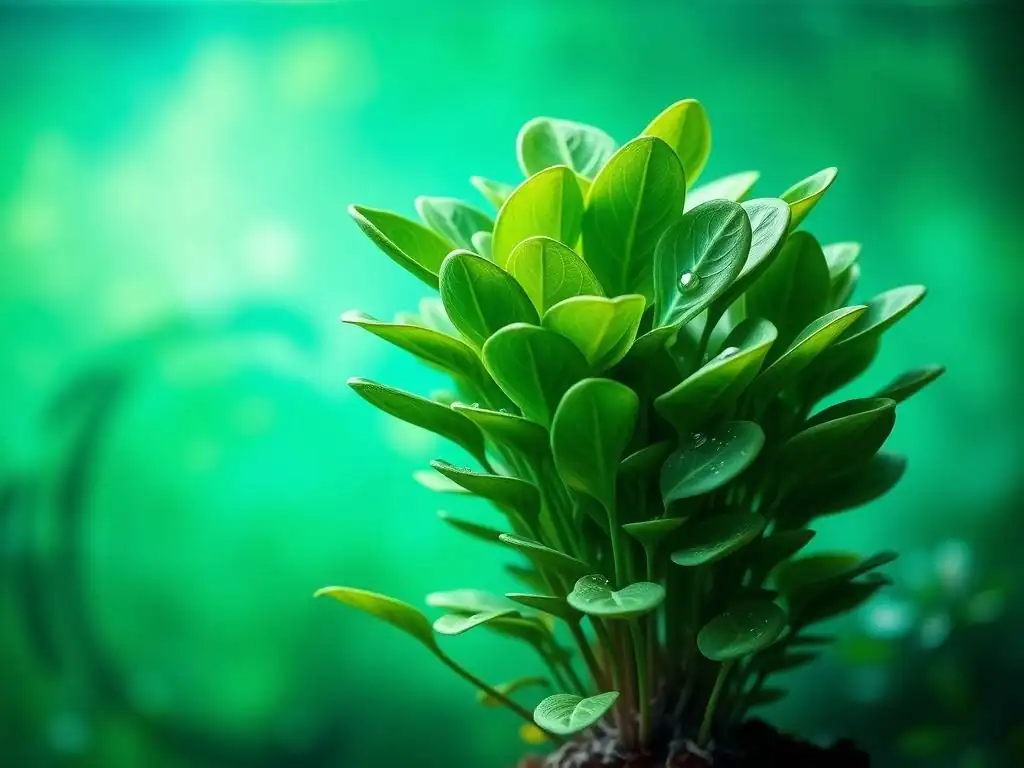
Both Hygrophila polysperma and Anacharis ( Egeria densa) are highly recommended as beginner stem plant options due to their robust nature and ease of care. Anacharis is known for its dense, whorled leaves along a thicker stem, often growing quite tall and sometimes preferred as a floating plant. It is exceptionally hardy, tolerates a wide range of temperatures, and thrives even in very low light conditions, making it an excellent choice for cold-water setups or unheated tanks.
In comparison, Hygrophila polysperma typically has thinner stems and more lance-shaped leaves arranged oppositely. While Anacharis can sometimes appear unruly, Hygrophila polysperma tends to grow more upright and can be easily trimmed to create a more structured appearance. Both are excellent at absorbing nitrates, but Hygrophila polysperma generally exhibits a faster growth rate under optimal conditions and can develop attractive reddish hues, which Anacharis typically does not. For aquarists looking for rapid growth and versatile aesthetic appeal, Hygrophila polysperma often edges out Anacharis, though both are fantastic choices.
Hygrophila Polysperma vs. Java Fern: Ease of Care and Appearance
When comparing Hygrophila polysperma to Java Fern ( Microsorum pteropus), we look at two distinct types of beginner-friendly plants. Java Fern is a rhizome plant, meaning it grows from a creeping stem (rhizome) that should not be buried in the substrate. Instead, it is typically attached to rocks or driftwood, absorbing nutrients primarily from the water column. It is incredibly low-maintenance, thriving in very low light and requiring minimal fertilization, making it nearly "indestructible." Its appearance is characterized by broad, dark green, often somewhat leathery leaves that grow slowly.
In contrast, Hygrophila polysperma is a true stem plant that roots in the substrate. While also hardy, it grows significantly faster than Java Fern and benefits more from adequate lighting and nutrient supplementation. Its growth habit is vertical and bushy, providing excellent background or midground coverage, whereas Java Fern offers a more unique, clump-forming texture. Both are excellent for beginners, but Hygrophila polysperma offers a dynamic, fast-growing solution for nutrient export and creating lush vertical landscapes, while Java Fern provides a stable, low-maintenance, and long-lasting aesthetic element.
Hygrophila Polysperma: A Beginner's Guide to a Thriving Stem Plant
Recap: Why Hygrophila Polysperma is a Top Choice for New Aquarists
Hygrophila polysperma truly embodies the ideal beginner stem plant for freshwater aquariums. Its unparalleled hardiness allows it to adapt to a remarkably broad spectrum of water parameters, including varying temperatures (68-82°F), pH levels (6.0-8.0), and water hardness (2-15 dGH), making it forgiving of typical beginner fluctuations and suitable for most community tank setups. This adaptability significantly reduces the complexity often associated with maintaining live aquatic plants, fostering confidence in new aquarists.
Furthermore, its exceptionally fast growth rate is a tremendous asset. Under proper conditions, it can grow several inches per week, quickly filling out an aquascape and, crucially, acting as a highly efficient nutrient sponge.
This rapid uptake of excess nitrates and phosphates directly contributes to improved water quality and helps to outcompete nuisance algae, providing a natural and effective solution to common beginner challenges. The ease of propagation via simple stem cuttings also means aquarists can easily expand their plant mass, making Hygrophila polysperma not just a resilient plant, but a truly rewarding and indispensable foundation for any aspiring planted tank enthusiast.
Frequently Asked Questions
How easy is Hygrophila polysperma to care for, especially for beginners?
Hygrophila polysperma is known for its hardiness and rapid growth, making it an excellent choice for beginners. It tolerates a wide range of water parameters and doesn't require CO2 injection.
What are the ideal water parameters for growing Hygrophila polysperma?
While adaptable, Hygrophila polysperma thrives in temperatures between 68-82°F, a pH of 6.5-7.5, and moderate lighting. It can adapt to less than ideal water parameters, but for optimal growth, these are recommended.
Does Hygrophila polysperma need CO2 injection to thrive?
No, Hygrophila polysperma does not require CO2 injection to thrive. However, supplemental CO2 can enhance its growth rate and coloration, especially under high lighting.
How fast does Hygrophila polysperma grow and how often should I trim it?
Hygrophila polysperma is a fast-growing plant. Regular trimming is necessary to prevent it from overshadowing other plants and to maintain the desired shape. Trim when it reaches the desired height or starts to look leggy.
What common problems might beginners encounter with Hygrophila polysperma?
The most common issue is nutrient deficiency, which can lead to yellowing or stunted growth. Regular fertilization with a liquid fertilizer can easily address this. Overcrowding can also limit light to lower leaves.
Final Reflection: The Enduring Appeal of Simplicity
The journey through the world of Hygrophila polysperma reveals more than just the profile of an easy-to-grow aquarium plant; it highlights the enduring appeal of simplicity and accessibility in a hobby often perceived as complex and demanding. In a world saturated with intricate setups and high-tech equipment, the humble Hygrophila polysperma stands as a testament to the beauty and satisfaction that can be found in the fundamentals, offering a welcoming entry point for aspiring aquascapers.
This seemingly simple plant has quietly shaped the landscape of the aquarium hobby, democratizing access to lush, vibrant planted tanks for countless beginners. Its resilience and adaptability have fostered confidence and nurtured a love for aquatic ecosystems, proving that success doesn't always require advanced knowledge or expensive resources. The best things in life are often the simplest.
This sentiment resonates deeply with the story of Hygrophila polysperma, reminding us that the most impactful contributions are often those that empower and inspire others to begin their own journey.
Now, as you consider the potential of your own aquarium, remember the lessons learned from the Hygrophila polysperma. Embrace the power of simplicity, nurture the seeds of your passion, and allow the enduring appeal of the fundamentals to guide you towards creating a thriving and beautiful underwater world. Let this plant serve as a reminder that even the smallest beginnings can blossom into something truly extraordinary.
Ignite Your Aquarium Journey: Propagate and Prosper!
Thanks for diving into the world of Hygrophila polysperma! We hope you’ve discovered just how rewarding (and easy!) this plant can be. Ready to take the plunge and truly make this plant thrive?
Here are some ways to continue your journey:
- Take the first step and propagate your Hygrophila polysperma. Seeing new plants sprout from your cuttings is incredibly satisfying!
- Share your success (or struggles! )! Post a picture of your Hygrophila polysperma in your aquarium on social media, and tag us @AquariumMastery. Let’s inspire others!
- Experiment with different lighting levels to see how it affects your plant's growth and color. You might be surprised by the results!
What's one new thing you'll try with your Hygrophila polysperma this week? Share your plans in the comments below!