
Sourcing Healthy Anthias: Reputable Dealers and What to Look For in Specimens

Welcome to Aquarium Mastery!
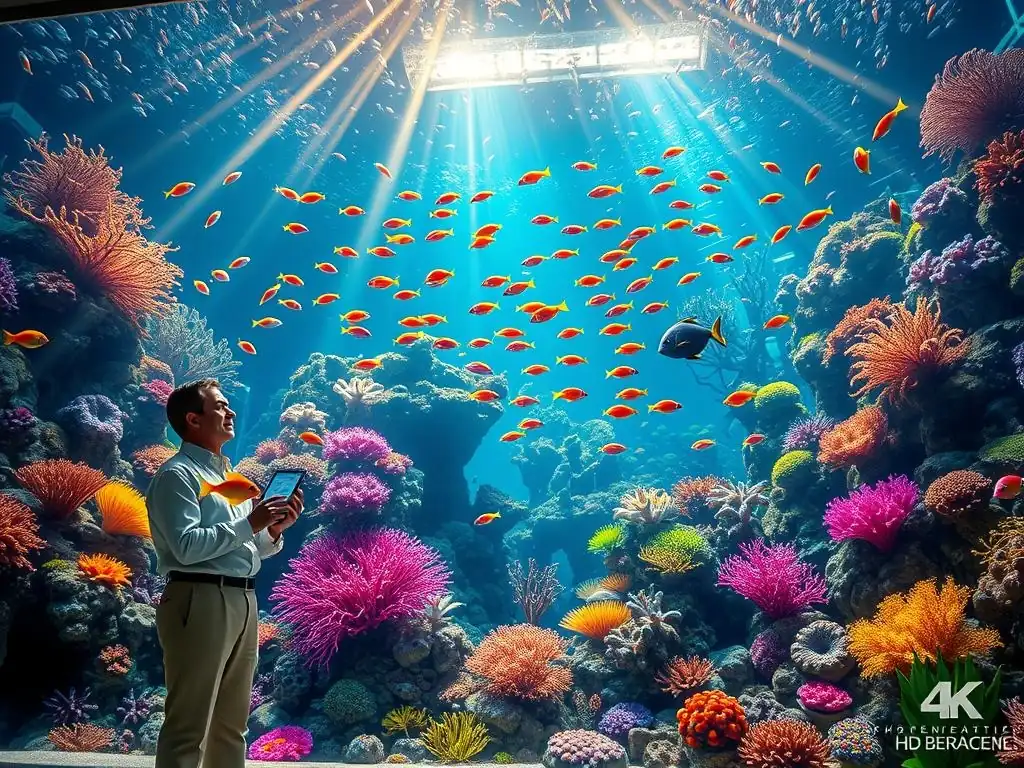
Ever dreamt of adding the vibrant hues of anthias to your saltwater reef? Unlocking the secret to sourcing healthy anthias starts here. Dive into our guide to finding reputable dealers and identifying thriving specimens. But what crucial signs should you look for before bringing these beauties home? Let's explore the world of anthias, ensuring your reef tank becomes a kaleidoscope of color and vitality.
- Introduction: The Allure of Anthias and the Importance of Reputable Sourcing
- Why Choosing a Reputable Anthias Dealer Matters
- Finding Reputable Anthias Dealers: A Buying Guide
-
What to Look For in Healthy Anthias Specimens: A Visual Inspection Checklist
- Observing Anthias Behavior: Signs of a Healthy School
- Examining Anthias Body Condition: Avoiding Thin or Emaciated Fish
- Checking Anthias Coloration: Vibrant Hues vs. Dull Appearance
- Inspecting Fins and Scales: Identifying Potential Injuries or Infections
- Looking for Signs of Disease: Parasites, Cloudy Eyes, and Respiration Issues
-
Key Questions to Ask Potential Anthias Dealers Before Buying
- "Where are your Anthias sourced from?" (Collection Location and Methods)
- "What is your acclimation process for Anthias?" (Reducing Shipping Stress)
- "What are your Anthias eating?" (Ensuring Proper Nutrition)
- "What is your quarantine protocol for new Anthias?" (Preventing Disease Introduction)
- "Do you offer a guarantee on live Anthias?" (Protecting Your Investment)
- Understanding Anthias Species and Their Specific Needs
- Quarantine Procedures for New Anthias: A Crucial Step
- Acclimating Anthias to Your Main Reef Tank: A Gradual Transition
- Long-Term Care and Maintaining Anthias Health
- Conclusion: Investing in Healthy Anthias and a Thriving Reef Aquarium
-
Frequently Asked Questions
- What makes an Anthias dealer "reputable"?
- Why is it so important to buy Anthias from a reputable source?
- What are some key signs of a healthy Anthias to look for when purchasing?
- What questions should I ask a potential Anthias dealer before making a purchase?
- How does the dealer's approach to sustainability impact my purchase of Anthias?
- Final Reflection: Sustaining Beauty, Ensuring Responsibility
- Dive Deeper: Start Your Anthias Reef Journey Today!
Introduction: The Allure of Anthias and the Importance of Reputable Sourcing
Anthias, with their dazzling colors and energetic schooling behavior, are among the most sought-after inhabitants for saltwater reef aquariums. Species like the Lyretail Anthias ( Pseudanthias squamipinnis) and Dispar Anthias ( Pseudanthias dispar) add dynamic movement and a vibrant splash of life to any established reef system. Their characteristic habit of swimming in the water column, often amongst live rock structures, creates an impressive visual spectacle that captivates aquarists.
However, the delicate nature of many Anthias species means that their successful introduction and long-term health in a home aquarium depend heavily on their initial sourcing. These fish are particularly susceptible to stress from collection, shipping, and poor handling. Therefore, identifying and purchasing from a reputable anthias dealer is not merely a recommendation but a critical step to ensure the well-being of the fish and the stability of your reef ecosystem, saving both frustration and potential financial loss.
Why Choosing a Reputable Anthias Dealer Matters
Minimizing Stress and Mortality in Anthias
Anthias are known for being sensitive to environmental changes and stress, which can severely compromise their immune systems and lead to high mortality rates. When fish are collected using destructive methods, inadequately conditioned before shipping, or subjected to prolonged transit times with improper packaging, they arrive in a weakened state. It's not uncommon for poorly sourced Anthias to experience mortality rates exceeding 50% within the first few weeks of introduction to a new tank, even with diligent care from the aquarist.
A reputable anthias dealer prioritizes the health of their livestock by employing careful collection practices, providing optimal holding conditions, and utilizing professional shipping methods. This includes proper acclimation upon arrival at their facility, feeding nutritious diets, and ensuring minimal stress during the entire chain of custody. Such meticulous care significantly reduces the initial stress load on the fish, allowing them to acclimate more smoothly to your aquarium environment and increasing their chances of long-term survival.
Ensuring Accurate Species Identification and Information
The genus Pseudanthias alone comprises over 50 recognized species, many of which share similar appearances but have distinct care requirements regarding diet, social structure, and maximum size. Misidentification by a dealer can lead to an aquarist inadvertently purchasing a species that is not suitable for their tank size, existing inhabitants, or feeding schedule. For instance, a species requiring multiple daily feedings of small planktonic foods might struggle if mistaken for one that can thrive on less frequent, larger meals.
A reputable anthias dealer invests in staff training and maintains accurate records, ensuring that each fish is correctly identified by its scientific and common names. They will provide precise information about the species' origin, typical adult size, specific dietary needs, and social behaviors. This transparency empowers the aquarist to make informed decisions, ensuring the purchased Anthias species is a perfect match for their established reef system and that they can meet its specific care requirements.
Supporting Ethical and Sustainable Collection Practices
The global demand for marine ornamental fish has unfortunately led to some unsustainable and harmful collection practices, such as the use of cyanide fishing. This method, while efficient for collectors, severely harms the fish, often leading to internal organ damage and eventual death, and also devastates coral reefs. Purchasing from sources that engage in such practices contributes to a destructive cycle that depletes natural populations and damages fragile marine ecosystems.
Reputable anthias dealers often partner with certified collectors who employ sustainable, net-based collection methods or actively support aquaculture efforts. By choosing such a dealer, you are not only acquiring healthier fish but also contributing to the conservation of coral reefs and the long-term viability of the marine aquarium hobby. Many ethical dealers proudly highlight their sourcing practices, sometimes even detailing the specific regions or diver groups they work with, fostering a more transparent and responsible supply chain for these beautiful fish.
Finding Reputable Anthias Dealers: A Buying Guide
Online Anthias Retailers: Research and Reviews
The convenience of online shopping makes online anthias retailers a popular choice for many aquarists. However, the lack of immediate physical inspection necessitates thorough research into the dealer's reputation. Begin by searching prominent reef-keeping forums and communities, such as Reef2Reef or local reef club forums, for extensive reviews and testimonials. Pay close attention to consistent feedback regarding the health of their fish, the quality of their packaging, their live arrival guarantee policies, and the responsiveness of their customer service.
Look for online retailers who provide high-quality, clear photos of the actual fish you will receive, rather than generic stock photos. Detailed descriptions regarding the fish's size, origin, and whether it is eating prepared foods are also strong indicators of a reputable anthias dealer. Prioritize those with robust live arrival guarantees, typically covering 24 to 48 hours post-delivery, as this reflects their confidence in the health and proper packaging of their specimens.
Local Fish Stores (LFS): Building Relationships and Inspecting Stock
Visiting a local fish store (LFS) offers the distinct advantage of allowing you to personally inspect the Anthias specimens before purchase. Take the time to observe the fish in their holding tanks for at least 10-15 minutes. Note their behavior, coloration, and overall activity. Also, critically evaluate the general cleanliness and health of all the tanks in the store; a well-maintained facility with healthy-looking fish across the board is a positive sign.
Beyond visual inspection, engaging with the staff can provide invaluable insights. Ask about their sourcing practices for Anthias, how long the fish have been in their care, and what they are currently eating. A knowledgeable and transparent LFS will be happy to answer these questions and may even offer advice specific to your tank setup. Building a relationship with a reputable LFS can also lead to priority access to new arrivals and personalized recommendations for your reef aquarium.
Asking for Referrals: Connecting with Experienced Reef Keepers
One of the most reliable ways to find a reputable anthias dealer is through referrals from experienced reef keepers. Members of local aquarium clubs, online reef communities, or even friends with established reef tanks often have direct, long-term experience with various dealers, both online and brick-and-mortar. Their insights can be incredibly valuable, highlighting dealers known for consistently healthy livestock and excellent customer support.
When seeking referrals, be specific about your needs, such as the Anthias species you are interested in and your location. Experienced hobbyists can often provide nuanced advice, distinguishing between dealers who might be good for hardy fish versus those specializing in more delicate species like Anthias. Leveraging these networks not only helps you find a trustworthy source but also connects you with a community that can offer ongoing support and advice for your reef-keeping journey.
What to Look For in Healthy Anthias Specimens: A Visual Inspection Checklist
Observing Anthias Behavior: Signs of a Healthy School
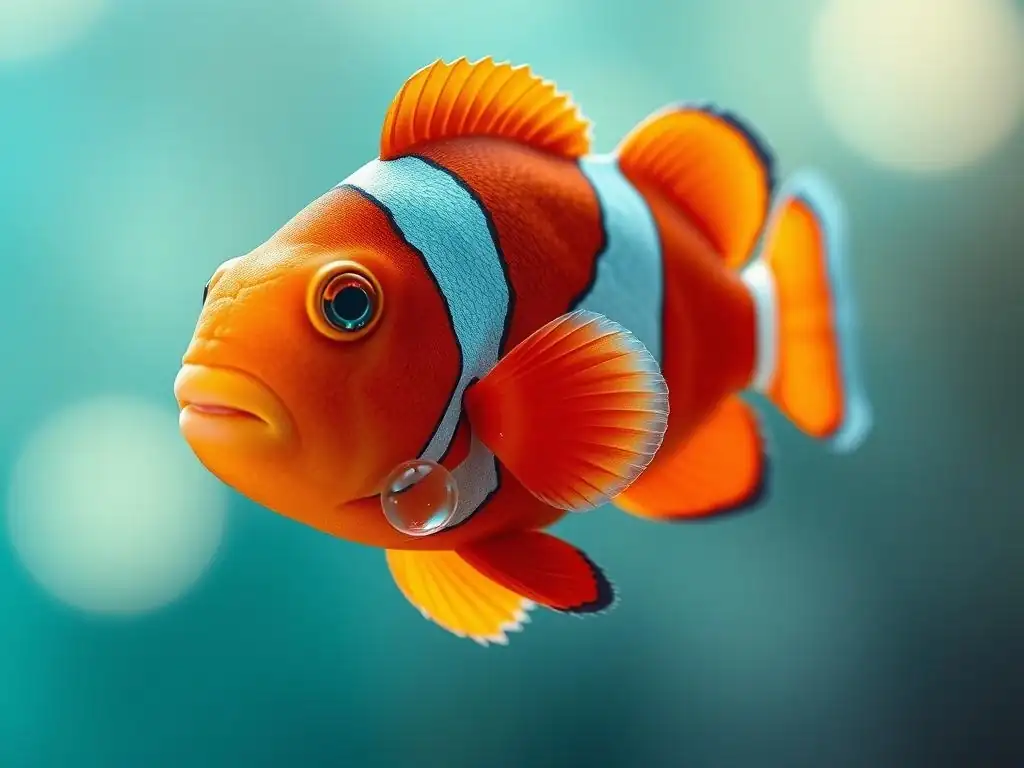
Healthy Anthias are typically active and alert, swimming freely in the water column, often forming a loose school or displaying their characteristic darting movements among rockwork. They should show curiosity towards their surroundings and respond to movement outside the tank. Observe their swimming patterns; they should be smooth and controlled, without erratic darting, listing, or rubbing against tank decor.
Conversely, avoid Anthias that are lethargic, hovering motionless at the bottom or surface, or exhibiting clamped fins (fins held tightly against the body). Rapid, labored breathing (gasping) or constant hiding, especially when other fish are active, are also significant red flags indicating stress, poor health, or potential disease. A truly healthy Anthias group will appear vibrant and engaged with their environment.
Examining Anthias Body Condition: Avoiding Thin or Emaciated Fish
A crucial aspect of selecting healthy Anthias is assessing their body condition. Look for fish that appear full-bodied and robust, particularly around the belly and across the back, near the dorsal fin. Their bellies should be rounded, indicating they are well-fed and free from severe internal parasites. A healthy Anthias will have a natural, streamlined appearance without any obvious skeletal protrusions.
Steer clear of specimens that appear thin, emaciated, or "knife-edged," meaning their back or belly looks severely sunken or pinched. This "knife-edge" appearance is a strong indicator of prolonged starvation, severe internal parasitic infection, or chronic stress, making them extremely difficult to rehabilitate and prone to succumbing to secondary infections. Such fish often have significantly compromised immune systems.
Checking Anthias Coloration: Vibrant Hues vs. Dull Appearance
Anthias are renowned for their brilliant and often iridescent coloration. Healthy specimens will display their species-specific colors vividly and vibrantly. For example, a healthy Lyretail Anthias male will exhibit deep orange-reds and purples, while a Dispar Anthias will show clear orange and yellow tones. Their colors should appear rich and consistent across their body.
Dull, faded, or patchy coloration is a common sign of stress, poor water quality, or underlying disease. While some color fading can occur during shipping due to stress, it should resolve quickly once the fish settles. Persistent dullness, blotchy patches, or a washed-out look suggests a compromised fish that may struggle to thrive. A reputable anthias dealer will typically have fish exhibiting their true, vibrant potential.
Inspecting Fins and Scales: Identifying Potential Injuries or Infections
A close inspection of the fins and scales can reveal much about a fish's health. All fins (dorsal, caudal, anal, pectoral, and pelvic) should be fully intact, erect, and free from tears, nips, fraying, or cloudiness. The edges should be smooth and clean, not ragged. Scales should lie flat against the body, appearing smooth and undamaged, with no raised or missing patches.
Any signs of fin rot (eroded or milky-white fin edges), frayed fins, or missing scales indicate recent injury, bacterial infection, or poor water quality. Small nips might be from tank aggression but extensive damage is a concern. The presence of small, fuzzy white growths or cotton-like patches on the body or fins could indicate a fungal infection, which requires immediate attention and can be difficult to treat.
Looking for Signs of Disease: Parasites, Cloudy Eyes, and Respiration Issues
Beyond general body condition, actively look for specific indicators of disease. The most common external parasites include marine Ich (Cryptocaryon irritans), appearing as tiny white spots resembling salt grains on the body and fins. Velvet (Amyloodinium ocellatum) manifests as a fine, dusty, gold or brownish coating, often best seen with a flashlight. Both can cause rapid breathing, flashing (rubbing against objects), and lethargy.
Also, inspect the eyes for clarity; cloudy, bulging, or sunken eyes are severe red flags. The gills should be clean, not swollen or red, and breathing should be regular, not rapid or labored (gasping at the surface). Any visible lesions, sores, abnormal growths, or excessive mucus production on the body are clear signs of a sick fish. A reputable anthias dealer will have a robust quarantine process to minimize the presence of these issues in their sale tanks.
Key Questions to Ask Potential Anthias Dealers Before Buying
"Where are your Anthias sourced from?" (Collection Location and Methods)
Asking about the origin of their Anthias is a crucial question that can reveal a dealer's commitment to ethical and sustainable practices. A reputable anthias dealer will be transparent about their sourcing, often specifying the collection location (e.g., Fiji, Maldives, Indonesia) and, ideally, the collection methods employed. They may even mention specific diver networks or aquaculture facilities they work with.
This question helps you determine if the fish are wild-caught or aquacultured, and if wild-caught, whether they come from regions known for responsible collection. Dealers who are vague or unwilling to provide this information might be receiving fish from less ethical or sustainable sources, potentially involving destructive practices like cyanide fishing. Prioritizing dealers with clear, responsible sourcing helps support the health of both the fish and the reefs.
"What is your acclimation process for Anthias?" (Reducing Shipping Stress)
The period immediately following shipment is highly stressful for fish, especially delicate species like Anthias. Inquiring about the dealer's internal acclimation process demonstrates their attention to detail and fish welfare. A reputable anthias dealer will have a well-defined protocol for receiving new arrivals, which typically includes temperature matching, careful drip acclimation, and potentially the use of stress-reducing additives.
A thorough acclimation process at the dealer's facility minimizes the physiological shock to the fish after transit, allowing them to recover more quickly. This preparation significantly improves the fish's resilience before they even reach your home. If a dealer describes a quick or haphazard acclimation, it could indicate a lack of proper care that might lead to weakened fish.
"What are your Anthias eating?" (Ensuring Proper Nutrition)
Understanding what the Anthias are currently eating at the dealer's facility is vital for their continued health in your aquarium. Anthias are generally planktivores, requiring multiple small feedings throughout the day. A reputable anthias dealer will typically feed a varied diet of high-quality frozen foods, such as enriched mysis shrimp, cyclop-eeze, and copepods, possibly supplemented with marine-specific pellets or flakes.
If the dealer's Anthias are actively eating a varied, prepared diet, it indicates they are well-conditioned and more likely to readily accept food in your tank. Fish that are not eating, or only consuming live foods, will be much more challenging to transition to a sustainable diet in a home aquarium, increasing the risk of starvation or malnourishment. This question helps confirm the fish's feeding response and dietary adaptability.
"What is your quarantine protocol for new Anthias?" (Preventing Disease Introduction)
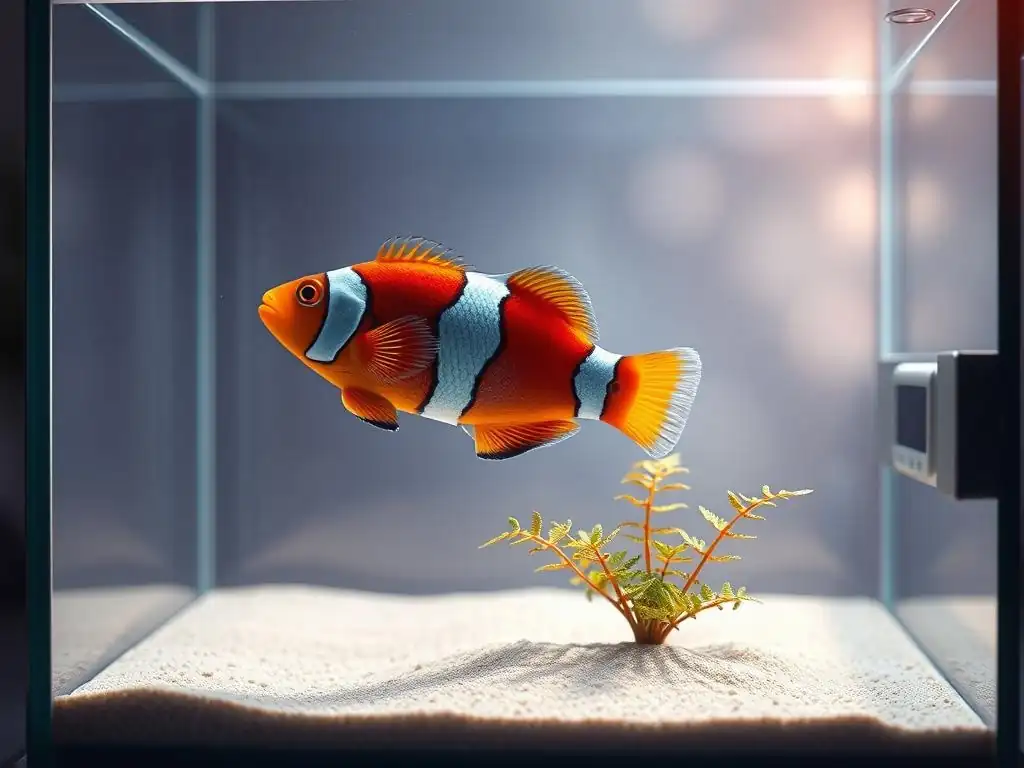
A robust quarantine (QT) protocol is perhaps the most critical indicator of a reputable anthias dealer. Asking if they quarantine new arrivals, for how long (e.g., 2-4 weeks minimum), and if they use any prophylactic treatments (e.g., copper, praziquantel) reveals their commitment to disease prevention. A dealer who quarantines all new fish significantly reduces the risk of introducing common marine diseases like Ich, Velvet, or flukes into their display tanks and, subsequently, into your home aquarium.
While no system is foolproof, a comprehensive quarantine program at the dealer level provides an invaluable layer of protection. If a dealer states they do not quarantine, or only hold fish for a few days, it significantly increases the risk of purchasing diseased fish that could devastate your established reef tank. This question helps you assess the inherent health risks associated with a particular source.
"Do you offer a guarantee on live Anthias?" (Protecting Your Investment)
Most reputable online anthias dealers offer a Live Arrival Guarantee (LAG), typically covering the fish for 24 to 48 hours after delivery. Some local fish stores may also offer a short-term guarantee, perhaps 3 to 7 days, though this is less common due to the variables of home aquarium environments. This guarantee demonstrates the dealer's confidence in the health of their livestock and their packaging methods.
Understanding the terms of any guarantee is important. Clarify what steps are required to file a claim (e.g., photos or videos of the deceased fish in the bag), and what form the compensation takes (e.g., store credit, refund, replacement). While a guarantee doesn't replace careful selection, it provides a layer of protection for your investment, especially when purchasing delicate species like Anthias.
Understanding Anthias Species and Their Specific Needs
Popular Anthias Species: Lyretail Anthias ( Pseudanthias squamipinnis), Dispar Anthias ( Pseudanthias dispar), and Others
Among the diverse Anthias family, a few species stand out due to their availability, beauty, and adaptability to home aquariums. The Lyretail Anthias ( Pseudanthias squamipinnis) is arguably the most common, known for its distinct sexual dimorphism where males develop elongated caudal fins and vibrant coloration. They are relatively hardy but require ample swimming space and frequent feeding. Another popular choice is the Dispar Anthias ( Pseudanthias dispar), prized for its smaller size, making it suitable for slightly smaller reef tanks, and its striking orange-yellow hues.
Beyond these, aquarists might encounter species like the Bartlett's Anthias ( Pseudanthias bartlettorum), known for its distinct purple and yellow coloration, or the Squareback Anthias ( Pseudanthias pleurotaenia), which exhibits unique color patterns and a more robust body. Each Pseudanthias species, while sharing general characteristics, possesses subtle differences in temperament, adult size, and specific dietary preferences. Thoroughly researching these distinctions is key to long-term success.
Matching Anthias Species to Your Tank Size and Experience Level
Selecting the appropriate Anthias species is paramount, and it heavily depends on the size of your aquarium and your experience level as a reef keeper. For instance, a small group of Dispar Anthias might comfortably inhabit a well-established 75-gallon reef tank, given their smaller adult size (around 3 inches). In contrast, Lyretail Anthias, reaching up to 6 inches, would require a minimum of 120 gallons, and ideally larger, to accommodate a healthy school. Overcrowding can lead to stress, aggression, and compromised water quality.
Furthermore, Anthias are not beginner fish due to their demanding feeding schedules and sensitivity to water parameters. An experienced aquarist who can commit to feeding 3-5 times daily and maintain pristine water quality will have greater success. Some species are hardier than others; for example, the Lyretail is generally more forgiving than the more delicate Sunburst Anthias ( Serranocirrhitus latus). Matching the fish's needs to your capacity is a critical part of a responsible anthias dealer's advice.
While Anthias are generally planktivores, their specific dietary preferences can vary significantly between species. Some thrive primarily on zooplankton, such as copepods and mysis shrimp, while others might accept larger meaty foods or even high-quality flakes and pellets. It's crucial to research the exact dietary needs of the species you intend to keep and ensure you can provide a consistent supply of appropriate, nutritious foods, often multiple times a day.
Equally important are their social requirements. Most Anthias are schooling fish and should be kept in groups, typically with one dominant male and several females, or as a harem. The exact male-to-female ratio and the minimum group size can vary by species. For instance, Lyretails form harems where one male oversees multiple females, while Dispar Anthias often do well in larger, mixed-sex schools. Understanding these dynamics prevents aggression, ensures natural behavior, and reduces stress within the group.
Quarantine Procedures for New Anthias: A Crucial Step
Setting Up a Quarantine Tank for Anthias
Establishing a dedicated quarantine tank (QT) is a non-negotiable step for any new marine fish, especially delicate species like Anthias. A typical QT for a small group of Anthias can be a simple 10 to 20-gallon aquarium, bare-bottomed to facilitate cleaning and observation. It should be equipped with a reliable heater to maintain stable temperatures (e.g., 76-78°F), an air stone for oxygenation, and a mature sponge filter or hang-on-back filter with biomedia from an established tank to provide biological filtration.
Include PVC pipes or other inert hiding spots to provide security for the new arrivals, reducing stress during their acclimation and observation period. Do not add substrate or live rock, as these can harbor parasites and absorb medications. The QT allows you to observe the fish for signs of disease, treat them proactively if necessary, and ensure they are eating well before introducing them to your display tank, thereby safeguarding your main system from potential pathogens.
Monitoring Anthias for Disease During Quarantine
The quarantine period for Anthias should ideally last a minimum of 4 to 6 weeks, even if the fish appear healthy upon arrival. During this time, meticulous daily observation is paramount. Look for any changes in behavior such as flashing (rubbing against tank objects), clamped fins, labored breathing, or unusual swimming patterns. Closely inspect their bodies for external parasites like white spots (Ich), a dusty coating (Velvet), or visible worms (flukes).
Also, monitor their appetite and feeding response. Healthy Anthias should be actively eating and exhibiting their natural curiosity. Any refusal to eat or a significant decrease in appetite is a serious warning sign. Early detection of disease during quarantine allows for targeted treatment without risking the entire ecosystem of your main reef tank, which often contains sensitive corals and invertebrates.
Treating Potential Anthias Diseases: Medications and Best Practices
If disease symptoms appear during quarantine, prompt and appropriate treatment is essential. Common marine diseases affecting Anthias include marine Ich and Velvet, often treated with copper-based medications (e.g., Copper Power, Cupramine) administered at precise dosages. For parasitic flukes, a praziquantel-based medication can be effective. Bacterial infections, often secondary to stress or parasitic infestations, may require broad-spectrum antibiotics.
Always follow medication instructions meticulously, paying close attention to dosage, duration of treatment, and whether water changes are required. Remove activated carbon or other chemical filtration media during treatment, as they can absorb medications. After treatment, ensure the fish are fully recovered and eating well before considering their transfer to the main display tank. A full water change and potentially a period of observation without medication are often recommended post-treatment.
Acclimating Anthias to Your Main Reef Tank: A Gradual Transition
Drip Acclimation: Slowly Adjusting Anthias to Your Tank's Water Parameters
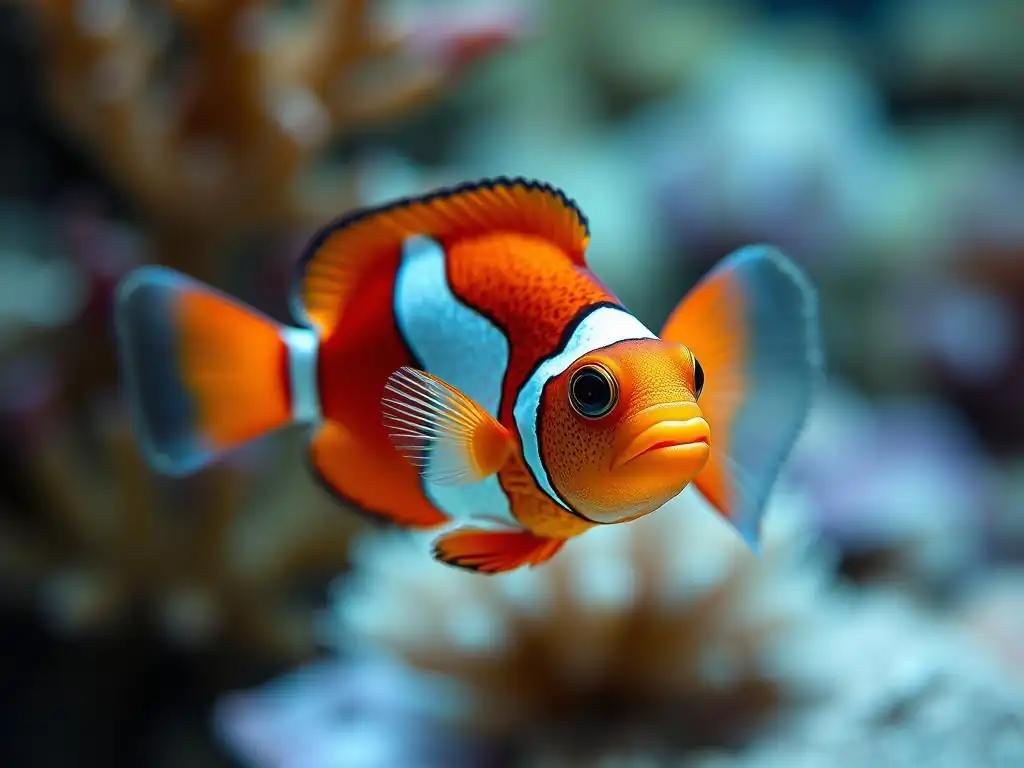
Once Anthias have successfully completed their quarantine period and are deemed healthy, a careful acclimation process to the main reef tank is crucial. Drip acclimation is the preferred method for delicate marine fish, as it slowly equalizes the water parameters (salinity, pH, temperature) between the fish's temporary container and your display tank. This gradual change minimizes osmotic shock and reduces stress.
To drip acclimate, place the fish in a clean container with their original water. Use airline tubing with a knot or a control valve to create a slow drip from your main tank into the container. Aim for a drip rate that doubles the volume of water in the container over 30 to 60 minutes. Once the salinity and temperature are matched, gently net the Anthias and transfer them to your display tank, discarding the water from the container to avoid introducing any remaining pathogens or undesirable elements.
Minimizing Stress During Introduction: Dimming Lights and Reducing Flow
The initial introduction of new Anthias to your main reef tank can be a highly stressful event, both for the new fish and existing inhabitants. To minimize this stress, consider dimming or turning off your aquarium lights for several hours after introducing the Anthias. This reduced lighting provides a sense of security for the new fish, allowing them to explore their new environment without being overly exposed or feeling threatened.
Additionally, temporarily reducing strong water flow in the tank can help Anthias adjust more easily, especially if they are still recovering from the stress of transit and quarantine. Ensure there are plenty of hiding spots within your live rock structure where the new Anthias can retreat if they feel intimidated by existing tank mates. Observing the interactions between the new Anthias and established fish is important; provide plenty of food to distract existing fish and reduce potential aggression during this critical adjustment phase.
Long-Term Care and Maintaining Anthias Health
Providing a Varied and Nutritious Diet for Anthias
Long-term health for Anthias hinges significantly on providing a varied and highly nutritious diet. As planktivores, Anthias typically require multiple small feedings throughout the day, often 3 to 5 times, to replicate their natural feeding behavior in the wild. A single large feeding once a day is generally insufficient and can lead to malnourishment or "wasting away."
Offer a diverse range of high-quality frozen foods, such as enriched mysis shrimp, copepods, enriched brine shrimp, and finely chopped marine-based meaty foods. Supplement their diet with high-quality marine pellets or flakes designed for planktivores. Live foods like copepods or rotifers can also be excellent for conditioning and stimulating feeding responses, especially for newly introduced or finicky specimens. Ensuring a consistent, nutrient-rich food supply is fundamental to their vibrant coloration and robust health.
Maintaining Optimal Water Quality for Anthias
Anthias, like most reef inhabitants, are highly sensitive to water quality. Maintaining stable and optimal parameters is crucial for their well-being. Aim for a stable salinity between 1.024 and 1.026 specific gravity, a consistent temperature range of 76-78°F (24.4-25.6°C), and balanced alkalinity (8-12 dKH), calcium (400-450 ppm), and magnesium (1250-1350 ppm) levels. Ammonia and nitrite must always be undetectable, and nitrates should be kept as low as possible, ideally below 10 ppm.
Regular water changes, typically 10-20% bi-weekly, are essential to replenish trace elements and remove accumulated nitrates and other pollutants. Robust filtration, including a high-quality protein skimmer and ample live rock, is necessary to process the bioload from frequent feedings. Consistent monitoring with reliable test kits allows for prompt adjustments, preventing stress and disease outbreaks in your Anthias population.
Ensuring Adequate Tank Flow and Filtration for Anthias
Anthias naturally inhabit areas of moderate to strong water flow on coral reefs, where they feed on plankton carried by currents. Replicating this environment in the home aquarium is important for their comfort and health. Ensure your tank has adequate water movement, provided by powerheads or return pumps, to prevent dead spots and ensure proper gas exchange. This flow helps keep detritus suspended for removal by filtration and provides exercise for the fish.
Beyond flow, a robust filtration system is critical, especially given the frequent feeding requirements of Anthias. A well-designed sump with a high-efficiency protein skimmer will remove organic waste before it can break down into harmful nitrates. Ample quantities of mature live rock provide biological filtration, converting ammonia and nitrite into less harmful substances. Good filtration is paramount for maintaining the pristine water quality Anthias demand.
Monitoring Anthias Behavior for Signs of Stress or Illness
Consistent daily observation of your Anthias is perhaps the most effective tool for long-term health management. Familiarize yourself with their normal behavior, coloration, and feeding habits. Any deviation from these norms can be an early indicator of stress, illness, or environmental issues. Look for changes such as reduced appetite, fading colors, unusual swimming patterns (e.g., darting, scratching, gasping), or increased aggression or reclusiveness within the group.
Early detection allows for prompt intervention, whether it's addressing a water parameter imbalance, adjusting feeding, or initiating disease treatment. A proactive approach, rather than a reactive one, significantly increases the chances of successful resolution and prevents minor issues from escalating into major problems that could jeopardize the entire Anthias school or even the broader reef system.
Conclusion: Investing in Healthy Anthias and a Thriving Reef Aquarium
Sourcing healthy Anthias is a foundational step for any aquarist aspiring to keep these magnificent schooling fish in their reef aquarium. By prioritizing a reputable anthias dealer, you not only minimize the risks of introducing disease and stress but also support ethical and sustainable practices within the marine aquarium trade. Diligent visual inspection, asking key questions about their sourcing and care protocols, and understanding the specific needs of your chosen Anthias species are all integral parts of a responsible buying guide.
Beyond the initial purchase, consistent long-term care, including a varied and frequent feeding regimen, impeccable water quality, and a well-designed tank environment, will ensure your Anthias thrive. While Anthias require a dedicated approach, the reward of witnessing their vibrant colors and dynamic schooling behavior transform your reef tank into a living, breathing masterpiece is immeasurable. Investing the time and effort into proper sourcing and care ensures these delicate beauties not only survive but truly flourish in your aquatic haven.
Frequently Asked Questions
What makes an Anthias dealer "reputable"?
A reputable Anthias dealer prioritizes the health and well-being of their fish. This includes proper quarantine procedures, transparent information about the fish's origins, and a commitment to sustainable collection practices.
Why is it so important to buy Anthias from a reputable source?
Anthias are sensitive fish, and buying from an unreliable source can lead to disease, stress, and ultimately, death. Reputable dealers ensure healthy specimens that are more likely to thrive in your aquarium.
What are some key signs of a healthy Anthias to look for when purchasing?
Look for bright colors, active swimming behavior, and a healthy appetite. Avoid Anthias that are thin, listless, or show signs of disease or injury.
What questions should I ask a potential Anthias dealer before making a purchase?
Enquire about the fish's quarantine procedures, feeding habits, and origin. A reputable dealer should be forthcoming with information and willing to answer your questions honestly.
How does the dealer's approach to sustainability impact my purchase of Anthias?
Dealers who prioritize sustainability support responsible collection methods, which helps to protect Anthias populations in the wild. This ensures the long-term health of the species and the reef ecosystem.
Final Reflection: Sustaining Beauty, Ensuring Responsibility
The journey of acquiring vibrant Anthias for our aquariums, as explored throughout this guide, is inextricably linked to the health of our oceans and the integrity of the trade. Understanding the importance of reputable dealers and healthy specimens isn't just about aesthetics; it's about actively participating in a sustainable and ethical practice that safeguards these delicate creatures and their natural habitats.
This pursuit of beauty should never come at the cost of environmental responsibility. My own journey into reef keeping has taught me that the most rewarding experiences stem from informed choices and a deep respect for the marine ecosystem. We are tied to the ocean. And when we go back to the sea, whether it is to sail or to watch it, we are going back from whence we came.
- John F. Kennedy. This quote resonates deeply, reminding us that our connection to the ocean demands stewardship, not exploitation.
As you embark on your own quest to find the perfect Anthias, remember that your choices matter. Let this guide serve as a constant reminder to prioritize reputable dealers, scrutinize specimens for signs of health, and champion sustainable practices. By doing so, you not only enrich your own aquarium but also contribute to a future where the beauty of Anthias thrives, both in our homes and in the vast, interconnected ocean.
Dive Deeper: Start Your Anthias Reef Journey Today!
Thank you for exploring the captivating world of Anthias with us! We hope this guide has equipped you with the knowledge to confidently select healthy specimens and reputable dealers. Now, let's put that knowledge into action!
Here's how you can take the next step:
- Find a reputable local or online dealer specializing in saltwater fish and inquire about their Anthias sourcing practices. Ask about quarantine procedures and guarantees.
- Share this article with fellow reefing enthusiasts to spread awareness about responsible Anthias acquisition.
- Research compatible tank mates and begin planning your dream Anthias reef community.
What specific questions do you have for potential dealers before purchasing your Anthias?