
Clownfish Breeding Log Template: Track Your Spawns Like a Pro

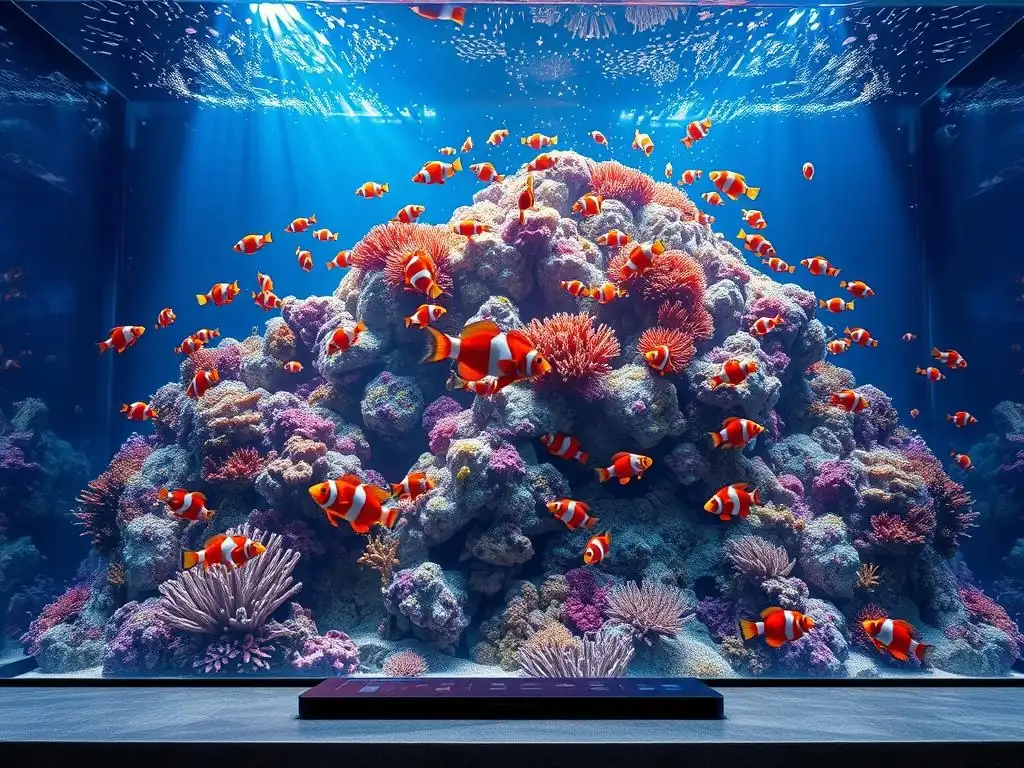
Welcome to Aquarium Mastery!
Ever dreamt of nurturing your own tiny Nemo at home? This Clownfish Breeding Log Template is your secret weapon! Unlock the mysteries of successful clownfish breeding and meticulously track every fascinating stage, from courtship rituals to those precious first swims. Dive in and let's transform your aquarium into a thriving clownfish nursery!
- Clownfish Breeding Log: A Comprehensive Guide
- Understanding the Importance of Accurate Breeding Records
- Key Elements of a Clownfish Breeding Log
- Using the Breeding Log: A Step-by-Step Approach
- Addressing Common Issues
- Advanced Techniques for Breeding Success
- Enhancing the Breeding Log
- Conclusion: Optimizing Clownfish Breeding Through Detailed Records
-
Frequently Asked Questions
- ### Why is a Clownfish Breeding Log Template important for breeders?
- ### What kind of information should I include in my Clownfish Breeding Log Template?
- ### Where can I find a reliable Clownfish Breeding Log Template?
- ### How can I use the data from my Clownfish Breeding Log Template to improve my breeding success?
- ### What are some common issues that a Clownfish Breeding Log Template can help me identify?
- Final Reflection: The Symphony of Saltwater Reproduction
- Ignite Your Reef: Begin Your Clownfish Breeding Journey Today!
Clownfish Breeding Log: A Comprehensive Guide
Understanding the Importance of Accurate Breeding Records
Benefits of Detailed Record Keeping for Clownfish Breeding Success
Maintaining meticulous records is paramount for any aspiring or experienced clownfish breeder. A comprehensive Clownfish breeding log template serves as a vital tool, allowing aquarists to systematically track and analyze every aspect of their breeding efforts. This detailed documentation helps identify optimal environmental conditions, dietary regimens, and parental behaviors that lead to successful spawns, enabling breeders to replicate positive outcomes consistently. For instance, a log might reveal that increasing the water temperature by 1-2°F a week before spawning consistently results in larger egg clutches, or that a specific protein-rich food supplement enhances egg viability.
Beyond replicating success, a well-kept breeding log is invaluable for troubleshooting and improving future attempts. By documenting failures, such as infertile clutches or low hatch rates, breeders can pinpoint potential causes, whether they relate to water chemistry fluctuations, nutritional deficiencies, or specific parental issues. This data-driven approach allows for targeted adjustments, reducing trial-and-error. Furthermore, for those interested in selective breeding, the Clownfish breeding log template provides a lineage record, helping track genetic traits, health, and productivity across generations, contributing valuable knowledge to the broader aquarist community.
Key Elements of a Clownfish Breeding Log
Spawn Date and Time
Accurately recording the spawn date and time is fundamental to predicting hatching and understanding the breeding cycle. Clownfish eggs typically hatch within 7 to 10 days post-spawn, often occurring in the evening or early morning hours. Precise timing allows the breeder to prepare for fry collection and the immediate provision of appropriate first foods, which is crucial for their survival. For example, knowing a spawn occurred at 8:00 PM on May 1st helps anticipate a hatch around 8:00 PM on May 8th or 9th.
This data point also helps correlate spawning events with tank maintenance schedules or specific environmental changes. If spawns consistently occur within 24-48 hours after a large water change, it might indicate that the fresh water acts as a spawning trigger. Conversely, a sudden delay or absence of spawns, when compared to the established frequency (e.g., every 12-14 days for a mature Ocellaris pair), can signal underlying issues with the breeding pair or the tank environment, prompting a closer inspection.
Pair Identification (e.g., Male ID, Female ID)
Identifying individual breeding pairs is critical for long-term genetic tracking and assessing productivity. Assigning unique identifiers, such as "Perc-01 Male" and "Perc-02 Female," or using physical markers like fin nips (if benign and healed) or distinct color patterns, allows breeders to track the performance of specific individuals. This information is vital for understanding which pairs are most compatible, productive, or prone to specific issues, guiding future breeding decisions.
By meticulously logging the performance of each pair within your Clownfish breeding log template, you can discern patterns such as a particular female consistently laying larger clutches or a male demonstrating superior fanning behavior. This granular data supports selective breeding programs aimed at enhancing desirable traits like vigor, coloration, or disease resistance. It also helps in quickly isolating and addressing problems if one pair consistently produces non-viable eggs or struggles with parental care, preventing wasted resources and time.
Egg Clutch Size
Estimating or counting the egg clutch size provides a direct measure of the breeding pair's productivity and health. While an exact count can be challenging, an approximation (e.g., "approx. 300-400 eggs") is sufficient for tracking trends. For established Ocellaris clownfish pairs, clutch sizes can range from 200-500 eggs initially, often increasing to 800-1000 or more as the pair matures and optimizes its breeding. Logging this metric helps establish a baseline for your specific pair.
Monitoring clutch size over time allows breeders to detect subtle changes that might indicate stress, nutritional deficiencies, or aging of the pair. A sudden, significant drop in egg count, for example, could signal a need to review the pair's diet, water quality, or overall health. Conversely, a steady increase in clutch size over successive spawns confirms that the breeding pair is thriving and becoming more proficient, providing valuable feedback on your husbandry practices.
Egg Color and Development Stage
Observing and documenting the color and developmental stage of the eggs provides crucial insights into their viability and predicted hatching time. Clownfish eggs typically start as a vibrant orange-yellow, gradually transitioning to a darker, more silvery appearance as the embryos develop and their eyes become visible. This progression, often culminating in transparent eggs just before hatching, indicates healthy development. Recording these visual cues helps confirm fertility and predict the hatch window with greater accuracy.
Any deviations from the expected color progression, such as eggs remaining opaque or developing fungal growth, should be noted in the Clownfish breeding log template. This can indicate issues like infertile eggs, poor water quality leading to fungal infections, or insufficient parental fanning. For instance, if a clutch remains orange-yellow for longer than expected and fails to darken, it might suggest infertility, prompting a review of the male's health or environmental factors.
Water Parameters
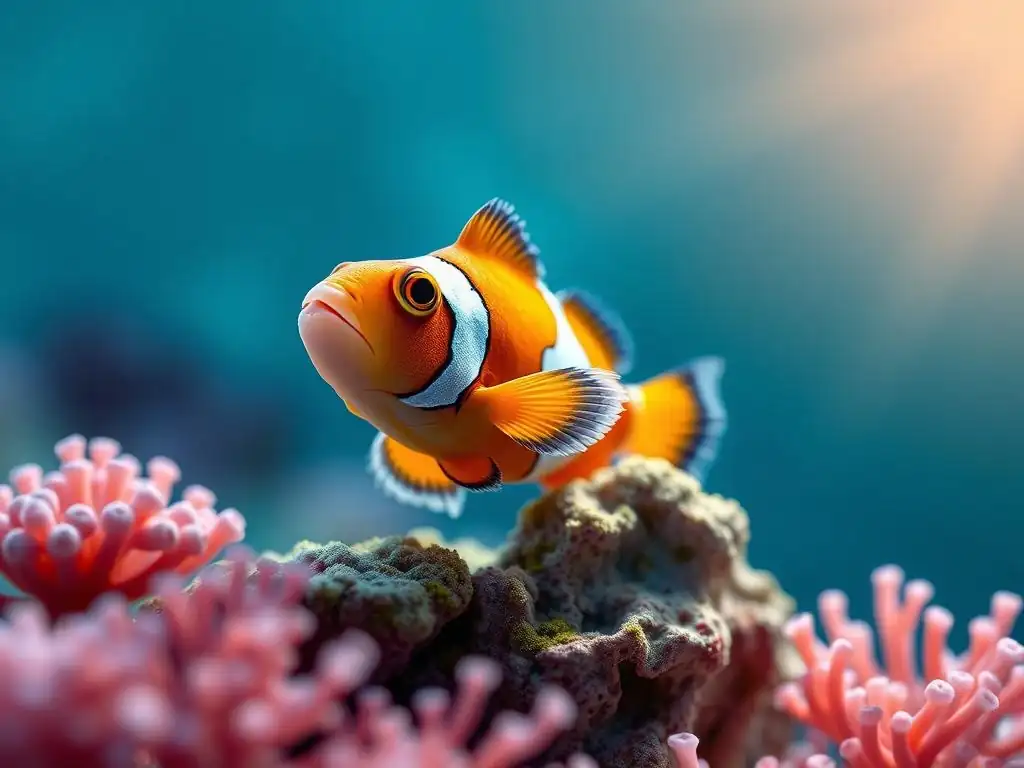
Maintaining stable and optimal water parameters is non-negotiable for successful clownfish breeding. Consistent logging of these parameters helps identify correlations between water quality and spawning success or failure.
Salinity
The ideal salinity for breeding clownfish typically ranges from 1.023 to 1.026 specific gravity, or approximately 32-35 ppt. Fluctuations outside this range can stress the breeding pair, reduce egg viability, and negatively impact fry development. By logging salinity daily or every few days, you can ensure consistency and identify any trends that might be affecting your spawns.
Recording salinity in your Clownfish breeding log template allows you to correlate successful spawns with specific salinity levels. For example, if you observe consistently higher hatch rates when salinity is maintained precisely at 1.025, it provides a clear target for future breeding efforts. Conversely, a drop in spawning frequency or egg quality might be linked to a deviation in salinity, prompting immediate corrective action.
Temperature
Clownfish typically breed most successfully in stable water temperatures between 78-82°F (25.5-27.8°C). While a slight temperature increase (e.g., 1-2°F) can sometimes trigger spawning, consistency is key for egg development and fry survival. Rapid temperature swings can be detrimental to both the parents and the delicate eggs.
Regularly logging the temperature in your Clownfish breeding log template helps ensure it remains within the optimal range. If a spawn fails to develop or hatch, reviewing the temperature log might reveal a period of instability. For instance, a dip to 75°F for several hours during critical egg development could explain a low hatch count, guiding you to check your heater's reliability.
pH
The recommended pH range for clownfish breeding is generally between 7.8 and 8.4. While clownfish are relatively tolerant of slight pH variations, maintaining stability within this range is crucial for overall health and reproductive success. Extreme or fluctuating pH levels can stress the fish, impact egg development, and reduce the viability of fry.
By consistently recording pH in your Clownfish breeding log template, you can track its stability and identify any trends that might be affecting your breeding efforts. For example, if your pH consistently drops below 7.8 just before a spawn, it could be inhibiting the fish. This data can prompt investigations into alkalinity levels or the effectiveness of your buffering system, ensuring a more conducive breeding environment.
Parental Behavior Observations
Detailed observations of parental behavior are a critical, yet often overlooked, component of a comprehensive breeding log. Note specific actions such as the male fanning the eggs, nipping at infertile eggs, aggression towards other tank inhabitants, or signs of stress like hiding or refusing food. Documenting the frequency and intensity of egg fanning, for instance, provides direct insight into the male's commitment and health.
These behavioral notes, recorded in your Clownfish breeding log template, can offer early warnings or explanations for breeding outcomes. If the male is observed fanning the eggs for less than 60% of the time, it might lead to fungal growth on the clutch and a reduced hatch rate. Conversely, consistent and vigorous fanning is a strong indicator of dedicated parental care. Tracking these behaviors over time helps assess the overall health and compatibility of the breeding pair, allowing for interventions if behavioral issues arise.
Hatching Details
The moment of hatching is a critical milestone, and precise documentation is essential for optimizing fry survival.
Hatching Date and Time
Recording the exact hatching date and time is crucial for preparing the fry rearing system and ensuring immediate access to appropriate first foods. Clownfish fry are incredibly small and require specific live foods (e.g., rotifers) within hours of hatching. Knowing the precise hatch time, often occurring at dusk or in the dark, allows for timely collection and transfer to a dedicated rearing tank.
This entry in the Clownfish breeding log template helps establish the typical incubation period for your specific pair and conditions. If a clutch consistently hatches on day 9 at 7:30 PM, you can accurately schedule your rotifer cultures and prepare your nursery tank. Deviations from this pattern, such as premature or delayed hatching, might indicate issues with egg development or environmental stressors.
Fry Hatch Count
While counting individual fry can be challenging, especially for large spawns, estimating the number provides a vital metric for assessing breeding success. Methods like volumetric estimation (e.g., "approximately 150-200 fry collected") or counting small aliquots can yield a reasonable approximation. This number, even if not exact, offers a baseline for evaluating the overall productivity of a spawn and the viability of the eggs.
Tracking the fry hatch count in your Clownfish breeding log template over multiple spawns allows you to identify trends in productivity. A consistent decline in the number of hatched fry, despite a healthy egg clutch, could point to issues with water quality in the days leading up to hatching, insufficient parental fanning, or the presence of predators. This data helps in refining your methods to maximize the number of viable fry produced.
Fry Care
The initial days and weeks of fry care are highly delicate and require meticulous attention, making detailed logging indispensable.
First Food
The type and quantity of the first food provided to newly hatched clownfish fry are paramount for their survival. Typically, this involves live rotifers ( Brachionus plicatilis) for the first 5-7 days, followed by copepods or newly hatched artemia nauplii as they grow. Documenting the specific food type, the volume or density offered, and the feeding frequency is critical. For example, "Day 1-7: Rotifers, 10-15 rotifers/mL, fed 3x daily."
Logging the first food and subsequent feeding regimen in your Clownfish breeding log template allows you to correlate feeding practices with fry growth rates and survival percentages. If you notice high mortality rates, reviewing the feeding log might reveal insufficient food density or an inappropriate food size for the fry's mouthparts. This data is invaluable for refining your feeding protocols to optimize fry development.
Water Change Schedule
Maintaining pristine water quality in fry rearing tanks is essential, as fry are highly sensitive to ammonia and nitrite. Frequent, small water changes (e.g., 10-20% daily) are often necessary. Documenting the volume of water changed, the frequency, and the source of the new water provides a clear record of husbandry practices.
Recording the water change schedule in your Clownfish breeding log template helps prevent water quality issues that can devastate a batch of fry. If fry mortality suddenly spikes, you can review the water change log to see if there were any missed changes or insufficient volumes. This information is crucial for establishing and adhering to a consistent maintenance routine that supports healthy fry development and survival.
Medications (if applicable)
Any medications administered to either the breeding pair or the fry must be meticulously recorded. This includes the name of the medication, the active ingredient, the dosage used (e.g., "Metronidazole, 5mg/L"), the duration of treatment, and the reason for administration. This record is vital for understanding the impact of treatments on breeding cycles, egg viability, or fry health.
Logging medication use in your Clownfish breeding log template provides a historical reference for future health issues. If a particular fish or batch of fry develops a recurring problem, you can review past treatments to assess their effectiveness or identify potential side effects. This detailed record is indispensable for making informed decisions about disease management and ensuring the long-term health of your breeding program.
Using the Breeding Log: A Step-by-Step Approach
Initial Setup
The initial setup of your Clownfish breeding log template is crucial for its long-term effectiveness. Whether you choose a digital spreadsheet (like Google Sheets or Excel) or a physical notebook, standardize your categories and units of measurement from the outset. Create dedicated sections for each breeding pair, ensuring you have fields for all the key elements discussed, such as Pair ID, Tank ID, and baseline water parameters. It's often helpful to begin by inputting basic information about your breeding stock and their established tank conditions before any spawning occurs.
Establishing a clear structure at this stage prevents future data inconsistencies and makes the log easier to navigate. Consider using drop-down menus in digital templates for common entries (e.g., "Egg Color: Orange-Yellow, Silver, Clear") to maintain uniformity. Familiarize yourself with the template before the first spawn to ensure you know where each piece of information should be recorded, minimizing rushed or incomplete entries during critical moments.
Daily Monitoring and Data Entry
Consistency and discipline are paramount when it comes to daily monitoring and data entry into your Clownfish breeding log template. Schedule specific times each day for observations, such as morning and evening checks, to capture changes in egg development, parental behavior, and water parameters. Even on days without a spawn, recording routine water parameter checks and general observations about the breeding pair's health keeps the log current and allows for long-term trend analysis.
Focus on accurate, concise entries, avoiding unnecessary prose. For example, instead of "The male seemed to be fanning a lot," write "Male fanning eggs vigorously, approx. 90% of time observed." Regular, incremental data input prevents the overwhelming task of trying to recall information later. This daily commitment ensures that your log is a living document, providing real-time insights and a comprehensive historical record of your clownfish breeding efforts.
Data Analysis for Insights
The true power of a detailed Clownfish breeding log template lies in its ability to facilitate data analysis, transforming raw observations into actionable insights. Regularly review your accumulated data to identify patterns, correlations, and anomalies. For example, you might notice that spawns consistently result in higher hatch rates when the water temperature is maintained at 80°F, or that a specific dietary supplement given two weeks prior to spawning leads to larger clutch sizes.
This analytical step allows you to make informed decisions about refining your husbandry practices. If you observe a recurring issue, such as a drop in fry survival after a particular stage, you can cross-reference with your water parameter logs, feeding schedules, or medication records to pinpoint potential causes. Leveraging these insights helps optimize your breeding protocols, leading to more consistent success and a deeper understanding of your clownfish's reproductive biology.
Addressing Common Issues
Maintaining Data Consistency
Maintaining data consistency across all entries in your Clownfish breeding log template is crucial for accurate analysis. Standardize your units of measurement (e.g., always use Fahrenheit or Celsius for temperature, ppm or mg/L for nitrates) and observation methods. For instance, if you're estimating egg clutch size, use the same visual reference points each time. Inconsistent data makes it difficult to compare spawns or identify reliable trends.
To enforce consistency, consider using pre-defined fields or checklists within your template. For digital logs, dropdown menus can limit entry options to standardized values. For paper logs, create clear guidelines for each section. Regularly review past entries to ensure uniformity and correct any deviations. This disciplined approach ensures that your data is reliable, allowing for meaningful comparisons and accurate conclusions about your breeding program.
Preventing Template Overload
While detailed records are beneficial, an overly complex Clownfish breeding log template can become cumbersome and lead to burnout. The key is to balance detail with practicality. Start with the essential data points and gradually add more specific observations only if they prove relevant to your breeding goals. Avoid recording data that doesn't directly contribute to understanding or improving your breeding efforts.
To prevent overload, organize your template logically. For digital spreadsheets, use separate tabs for different breeding pairs, or distinct sheets for egg development and fry rearing. For paper logs, use dividers or color-coded sections. Regularly prune irrelevant fields or simplify entry methods if you find yourself skipping sections. The goal is a template that is comprehensive enough to provide insights without becoming a chore to maintain, ensuring long-term usability.
Ensuring Data Backup
The data compiled in your Clownfish breeding log template represents a significant investment of time and observation, making data backup an absolute imperative. For digital logs, implement a routine backup schedule: daily or weekly to a cloud service (e.g., Google Drive, Dropbox) and/or an external hard drive. This protects your valuable information from hardware failure, accidental deletion, or software corruption.
For physical paper logs, consider making periodic photocopies or scanning pages to create digital archives. Store these backups in a separate, secure location away from the primary log. Losing your breeding records due to a forgotten backup can be an irreversible setback, erasing years of accumulated knowledge and preventing you from analyzing long-term trends or troubleshooting past issues. Prioritize data security to safeguard your breeding insights.
Advanced Techniques for Breeding Success
Refining Techniques Based on Data
The true value of a detailed Clownfish breeding log template becomes apparent when you use its data to refine your breeding techniques. By analyzing trends and correlations, you can make targeted adjustments to your husbandry practices. For example, your log might reveal that increasing the protein content of the parent's diet by 10% in the two weeks leading up to a spawn consistently results in a 15% increase in clutch size.
This iterative process of observation, data analysis, and adjustment, guided by your log, allows for continuous improvement. If you notice a consistent issue, such as low fry survival, your log can help you isolate variables like specific water parameters, feeding regimens, or even the type of live food used. This data-driven approach moves beyond guesswork, enabling precise modifications that optimize your breeding protocols and enhance overall success rates.
Identifying Spawn Patterns
A well-maintained Clownfish breeding log template is an invaluable tool for identifying predictable spawn patterns. By meticulously recording spawn dates, you can often discern a regular cycle for your breeding pair, such as Ocellaris clownfish spawning every 12-14 days. Recognizing these patterns allows you to anticipate future spawns, enabling you to prepare fry rearing systems, culture live foods, and adjust your schedule accordingly.
Beyond simple frequency, the log can help identify environmental triggers or seasonal influences. Perhaps your pair consistently spawns more frequently or with larger clutches during periods of higher ambient room temperature, or after specific tank maintenance activities. Identifying these patterns allows you to fine-tune your environment to encourage more consistent and productive breeding, maximizing your yield of clownfish fry.
Improving Hatch Rates
The data within your Clownfish breeding log template is instrumental in improving your hatch rates. By correlating specific parameters or parental behaviors with successful hatching percentages, you can pinpoint factors that contribute to egg viability. For instance, your log might show that clutches where the male consistently fanned the eggs for at least 80% of the time yielded a 90% hatch rate, compared to only 60% when fanning was sporadic.
This analysis can inform targeted interventions. If a particular pair consistently produces low hatch rates, reviewing the log might highlight issues such as inadequate water flow near the nest, which can lead to fungal growth, or insufficient parental care. Such insights empower you to make precise adjustments, like adding a gentle powerhead near the nest or, in extreme cases, attempting artificial incubation, ultimately leading to a higher number of viable fry.
Enhancing the Breeding Log

Incorporating Visual Documentation
While the article output does not include images, incorporating visual documentation into your personal Clownfish breeding log template can significantly enhance its value. Taking regular photos or even making simple sketches of egg clutches at different developmental stages can provide a powerful visual reference. For example, a photo of a clutch just before hatching, clearly showing the eyes of the developing fry, can serve as a benchmark for future spawns.
These visual aids complement numerical data by offering a richer context for analysis. You can note specific observations directly on the photos (e.g., "Day 5: Eyes visible, slight fungal growth at edges"). This visual history helps in quickly assessing the health and progression of a clutch, identifying subtle changes that might be missed by text alone, and serves as an excellent educational tool for reviewing past breeding attempts.
Integrating with Monitoring Systems
For advanced breeders, integrating the Clownfish breeding log template with automated aquarium monitoring systems can streamline data collection and enhance accuracy. Many modern systems can automatically log parameters such as temperature, salinity, and pH, reducing the need for manual entry. This automated data can then be directly imported or referenced in your breeding log, saving time and minimizing human error.
This integration provides real-time insights and a continuous stream of environmental data, allowing for more precise correlations between tank conditions and breeding outcomes. For example, if a spawn fails, you can cross-reference the exact water parameter fluctuations recorded by the monitoring system with the breeding log's notes on egg development. This level of detail offers an unparalleled ability to analyze and optimize your breeding environment.
Beyond personal benefits, sharing aggregated or anonymized data from your Clownfish breeding log template with the broader aquarist community can foster collective learning and advance the understanding of clownfish breeding. Many online forums, hobbyist groups, and even some scientific initiatives welcome contributions of breeding data. This can involve sharing successful protocols, troubleshooting common issues, or reporting unusual observations.
Contributing your data helps validate findings, identify species-specific nuances, and collectively overcome common breeding challenges. For instance, if multiple breeders report similar issues with a particular clownfish species under certain conditions, it can lead to a more robust understanding of its specific requirements. This collaborative approach enriches the hobby, accelerating advancements in captive breeding and reducing the reliance on wild-caught specimens.
Conclusion: Optimizing Clownfish Breeding Through Detailed Records
Frequently Asked Questions
### Why is a Clownfish Breeding Log Template important for breeders?
A Clownfish Breeding Log Template is vital because it helps you track important data like spawning dates, clutch sizes, and fry survival rates. This allows for better analysis of breeding success and identification of potential problems. It ultimately improves your clownfish breeding program.
### What kind of information should I include in my Clownfish Breeding Log Template?
Your template should include dates of spawning, number of eggs laid (clutch size), water parameters (temperature, salinity, pH), parent fish ID, and fry development notes. Also, document any problems or interventions during the breeding process.
### Where can I find a reliable Clownfish Breeding Log Template?
AquariumMastery.com offers a downloadable Clownfish Breeding Log Template designed specifically for tracking clownfish spawns. Many other aquarium resources and online forums may also offer templates.
### How can I use the data from my Clownfish Breeding Log Template to improve my breeding success?
Analyzing the data reveals patterns and correlations. For instance, you might discover that certain water parameters result in higher hatch rates or that a specific pair produces more viable offspring. Use this information to adjust your practices for better outcomes.
### What are some common issues that a Clownfish Breeding Log Template can help me identify?
The log can highlight recurring problems such as low egg fertilization rates, fry mortality, or disease outbreaks. Identifying these patterns quickly allows you to take corrective action, improving the overall health and success of your clownfish breeding efforts.
Final Reflection: The Symphony of Saltwater Reproduction
The meticulous tracking of clownfish breeding, as detailed throughout this article, isn't just about data; it's about understanding the delicate dance of life within our aquariums. This dedication to observation and record-keeping transforms a hobby into a deeper appreciation for the complexities of marine ecosystems. By embracing tools like the clownfish breeding log template, we move beyond mere ownership and become active participants in the preservation and understanding of these captivating creatures.
The journey of raising clownfish from egg to adulthood is a testament to patience and dedication, mirroring the challenges and rewards found in nurturing any life form. This connection to the natural world, fostered through responsible breeding practices, is profoundly enriching. In the end, we will conserve only what we love; we will love only what we understand; and we will understand only what we are taught.
- Baba Dioum. This quote perfectly encapsulates the power of knowledge and experience in driving conservation efforts, starting right in our own homes.
Now, armed with the knowledge and tools presented here, I urge you to embrace the challenge and joy of clownfish breeding. Let the meticulous records you keep not only guide your success but also inspire a deeper connection to the ocean and its inhabitants. Share your experiences, learn from your mistakes, and contribute to the growing body of knowledge surrounding these fascinating fish. The future of clownfish conservation, in part, rests on the shoulders of dedicated hobbyists like you.
Ignite Your Reef: Begin Your Clownfish Breeding Journey Today!
Thank you for diving into the world of clownfish breeding with us! We hope you've gained valuable insights to help you on your aquatic adventure. Now it's time to take action and transform your aquarium dreams into reality.
Here’s how to get started:
- Download our free Clownfish Breeding Log Template and start documenting your spawns like a seasoned pro. It’s the easiest way to track progress and identify crucial patterns!
- Join our Aquarium Mastery community forum to share your experiences, ask questions, and connect with fellow breeders.
- Experiment with a new feeding schedule based on what you've learned and observe the impact on your clownfish pair’s breeding behavior.
Ready to witness the magic of clownfish breeding in your own home?