
Are Anemones Reef Safe? Considerations for Your Mixed Reef & Clownfish Tank

Welcome to Aquarium Mastery!
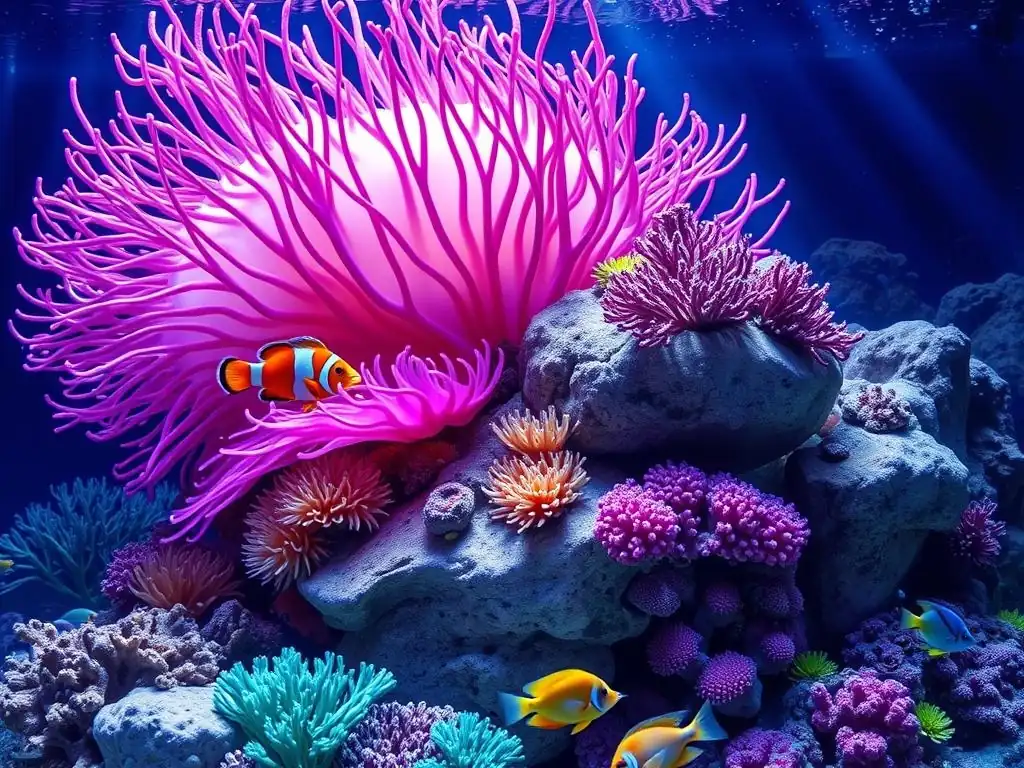
Ever wondered if those mesmerizing anemones are truly reef safe? Dive into our comprehensive guide, " Are Anemones Reef Safe? Considerations for Your Mixed Reef & Clownfish Tank," where we unravel the complexities of integrating these stunning creatures into your saltwater aquarium. Discover the secrets to successful anemone care and learn how to ensure a thriving ecosystem for all your aquatic inhabitants. Intrigued? Let's explore the captivating world of reef-safe anemones together!
- Understanding Anemones in a Reef Environment: Reef Safe Anemone Care
- Assessing Anemone Reef Compatibility: Potential Risks & Benefits
- Choosing Reef Safe Anemone Species: Options for a Mixed Reef
- Maintaining a Reef Tank with Anemones: Essential Considerations
- Monitoring Anemone Health in a Reef Setting: Identifying Potential Problems
- Tank Mates: Selecting Compatible Species for Your Anemone Reef
- Ensuring Clownfish and Anemone Symbiosis: A Healthy Relationship
- Troubleshooting Common Issues: Anemone Movement and Coral Irritation
- Conclusion: Creating a Thriving Anemone Reef
- Frequently Asked Questions
- Final Reflection: Embracing Harmony in Reef Aquariums
- Ignite Your Reef Tank's Potential!
Understanding Anemones in a Reef Environment: Reef Safe Anemone Care
What are Anemones and Why Keep Them?
Anemones are captivating marine invertebrates belonging to the phylum Cnidaria, closely related to corals and jellyfish. They are primarily sessile polyps, meaning they attach themselves to substrates like rocks or sand, though some species can move slowly. Their most striking feature is a crown of stinging tentacles, equipped with nematocysts, which they use to capture prey and defend themselves.
Beyond their predatory role, anemones are vital components of many marine ecosystems, providing shelter and a food source for various organisms. Their vibrant colors and graceful, flowing movements make them highly sought-after additions to home aquariums, offering a dynamic and engaging focal point for any reef tank.
The primary allure of keeping anemones in a home aquarium often stems from their potential to host clownfish. This iconic symbiotic relationship, where clownfish find protection within the anemone's stinging tentacles and, in return, may clean the anemone or deter predators, is a marvel to observe. For many aquarists, recreating this natural partnership is a significant goal, aiming to mimic a miniature slice of the ocean's biodiversity. Successful reef safe anemone care is crucial for maintaining the health of both the anemone and its clownfish inhabitants, ensuring a thriving and visually stunning display.
The Appeal of Anemones for Clownfish Symbiosis
The undeniable appeal of anemones in a reef tank is largely centered around their symbiotic relationship with clownfish. Observing a pair of Ocellaris clownfish nestled within the tentacles of a Bubble Tip Anemone (BTA) or a Maroon clownfish protecting its host Magnificent Anemone is a highlight for many hobbyists.
This natural behavior showcases the intricate interdependencies found in marine environments and adds a layer of authenticity and fascination to the aquarium. Beyond the visual spectacle, hosted clownfish often exhibit more natural behaviors, appear less stressed, and can even show enhanced coloration due to the security and comfort provided by their host.
This unique partnership transforms a simple fish tank into a living, interactive ecosystem. For instance, a healthy, established BTA can host several clownfish, provided the tank size is adequate, creating a bustling hub of activity.
The success of this symbiosis hinges on diligent reef safe anemone care, including stable water parameters and appropriate lighting. When properly maintained, the anemone provides a secure home, offering protection from potential predators and a place for the clownfish to rest, while the clownfish may bring food scraps to the anemone and help keep its tentacles clean, illustrating a mutually beneficial arrangement that captivates observers.
Assessing Anemone Reef Compatibility: Potential Risks & Benefits
Anemone Stinging Cells: A Threat to Corals and Other Invertebrates?
The primary concern when introducing anemones into a mixed reef tank is their potent stinging cells, known as nematocysts. These specialized cells, located on their tentacles, are used for defense and prey capture. While clownfish have a protective mucus layer that prevents them from being stung, most other corals, fish, and invertebrates lack this immunity.
When an anemone's tentacles come into contact with a coral, the nematocysts can fire, causing tissue recession, bleaching, and even necrosis in the coral. This can lead to significant damage or even death for sensitive coral species like Acropora or Montipora, which are particularly vulnerable.
The intensity of the sting varies greatly among anemone species. For example, a Bubble Tip Anemone (Entacmaea quadricolor) has a relatively mild sting compared to a Carpet Anemone (Stichodactyla gigantea), which possesses a much stronger and more damaging sting. This difference is critical for reef safe anemone care.
Aquarists must carefully consider the potential impact on their existing coral collection. Even a mild sting can stress a coral, making it more susceptible to disease or further decline. Therefore, strategic placement and understanding the specific stinging potential of your chosen anemone species are paramount to preventing widespread damage in a mixed reef environment.
Wandering Anemones: Preventing Damage to Your Reef Tank
One of the most unpredictable and potentially damaging behaviors of anemones is their tendency to wander. Unlike corals, which are permanently affixed, many anemone species can detach their foot and move across the rockwork and sandbed in search of optimal lighting, flow, or food.
This movement is a significant risk in a mixed reef tank because as the anemone moves, its stinging tentacles can come into contact with any coral or invertebrate in its path, causing extensive damage. A large anemone, for instance, could easily wipe out an entire coral colony if it decides to settle on or near it for an extended period.
Preventing or minimizing this wandering is a crucial aspect of reef safe anemone care. Anemones often move when they are stressed, unhappy with their current conditions, or seeking better parameters. This could be due to insufficient lighting, inadequate flow, poor water quality, or a lack of suitable anchoring points. Providing an ideal environment from the outset—such as a stable rock crevice for a Bubble Tip Anemone or a deep sand bed for a Magnificent Anemone—can reduce the likelihood of wandering. However, even in optimal conditions, some movement is natural, necessitating constant vigilance and proactive measures to protect vulnerable corals.
Anemone Size and Growth: Planning for the Future of Your Reef
Anemones, particularly popular species like Bubble Tip Anemones, can grow surprisingly large in a well-maintained reef tank. A small BTA purchased at 3-4 inches in diameter can easily expand to 12-18 inches (30-45 cm) or more within a year or two, given proper feeding and stable water parameters.
This significant growth poses a challenge in a confined aquarium space, as a larger anemone will require more territory and its stinging tentacles will have a wider reach, increasing the risk of contact with nearby corals. Failing to account for this potential growth can quickly lead to an overcrowded and damaged reef.
Proper planning for anemone size and growth is integral to effective reef safe anemone care. Aquarists must select a tank size that can comfortably accommodate the mature size of their chosen anemone species, ensuring ample clearance from corals. For example, a 75-gallon tank might be suitable for a single medium-sized BTA, but a 150-gallon tank or larger would be more appropriate for multiple large anemones or a very expansive specimen. Consideration should also be given to the potential for anemone splitting, where one anemone divides into two or more, further increasing the bioload and spatial demands within the aquarium.
Choosing Reef Safe Anemone Species: Options for a Mixed Reef
Bubble Tip Anemones (BTAs): A Popular and Relatively Reef-Safe Choice
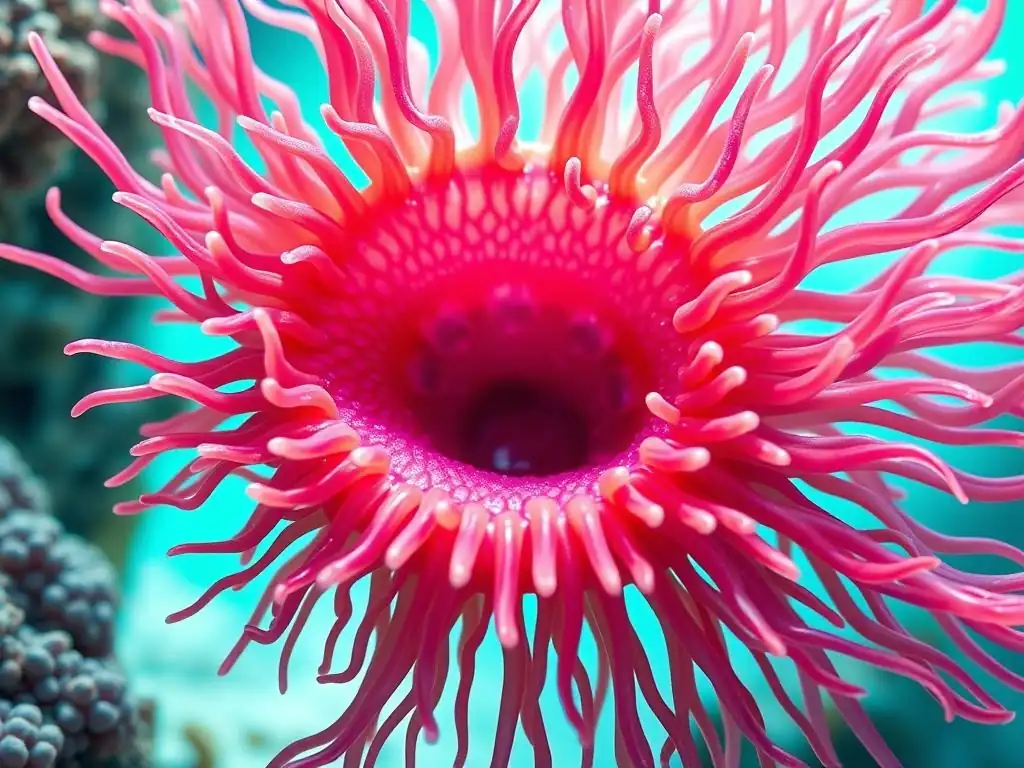
Bubble Tip Anemones (Entacmaea quadricolor), often referred to as BTAs, are arguably the most popular choice for aquarists looking to host clownfish due to their relatively mild sting and striking appearance. They come in a wide array of colors, including rose, green, red, and even rainbow variations, with their distinctive bulbous tips often appearing when happy and well-fed. BTAs are known to host a broad range of clownfish species, including Ocellaris, Percula, and Maroon clownfish, making them a versatile option for many setups. Their adaptability to various lighting and flow conditions also contributes to their widespread appeal.
While considered more "reef-safe" than some other species, reef safe anemone care for BTAs still requires careful consideration. They can grow quite large, often reaching 12-18 inches in diameter, and their stinging tentacles can still harm corals upon contact.
To mitigate this, it's crucial to provide them with ample space, ideally isolated rockwork where they can attach their foot without encroaching on coral colonies. Maintaining stable water parameters (e.g., salinity 1.025-1.026, alkalinity 8-12 dKH, calcium 400-450 ppm) and moderate to high lighting (e.g., PAR levels of 200-400 at their location) will encourage them to settle and reduce wandering, minimizing risks to other inhabitants.
Rock Flower Anemones: Colorful Additions with Specific Needs
Rock Flower Anemones (Epicystis crucifer) offer a vibrant, lower-risk alternative for mixed reef tanks, particularly for those concerned about the wandering and potent sting of larger host anemones. These smaller, often solitary anemones typically grow to only 2-4 inches in diameter and possess a much milder sting, posing less threat to most corals. Their appeal lies in their incredible diversity of colors and patterns, ranging from iridescent blues and greens to fiery reds and oranges, often with contrasting tentacles and mouths. They are sessile, preferring to wedge their foot into rock crevices or holes, which significantly limits their movement.
Despite their relatively "reef-safe" nature, reef safe anemone care for Rock Flower Anemones involves understanding their specific requirements. They thrive in moderate to low flow areas and prefer moderate lighting, with PAR levels typically ranging from 100-200. While they don't host clownfish in the traditional sense, some clownfish may occasionally "host" them in the absence of larger anemones, though this is not a true symbiosis. Their diet consists primarily of meaty foods, such as mysis shrimp, brine shrimp, or small pieces of silverside, which should be target-fed a few times a week to ensure their health and vibrant coloration.
Carpet Anemones (Stichodactyla): Proceed with Caution
Carpet Anemones, primarily species from the genus Stichodactyla (e.g., S. gigantea, S. haddoni, S. mertensii), are undeniably stunning and classic hosts for many clownfish species, including the popular Ocellaris and Percula clownfish. However, their inclusion in a mixed reef tank demands extreme caution due to their aggressive nature, potent sting, and immense size potential.
Stichodactyla gigantea, for instance, can reach diameters of 2-3 feet (60-90 cm) or more, dominating a significant portion of even large aquariums. Their sticky tentacles are very effective at capturing prey and delivering a powerful sting that can easily kill most corals and even small fish upon contact.
Given their aggressive nature, reef safe anemone care for Carpet Anemones often means dedicating a species-specific tank or a very large aquarium where they can be isolated from all corals. They require very strong lighting (PAR values often exceeding 400-500) and moderate to high water flow.
Their massive size means they produce a substantial amount of waste, necessitating robust filtration and consistent water changes (e.g., 10-20% weekly). While they offer a truly spectacular display with hosted clownfish, their potential for widespread damage to a mixed reef makes them unsuitable for all but the most experienced aquarists with dedicated, large setups.
Maintaining a Reef Tank with Anemones: Essential Considerations
Water Parameters: Achieving Stability for Anemones and Corals
Maintaining stable water parameters is paramount for the health of both anemones and corals in a mixed reef tank. Fluctuations in salinity, temperature, pH, alkalinity, calcium, and magnesium can stress these sensitive invertebrates, leading to poor health, tissue recession, or even death. For anemones, consistent salinity (1.025-1.026 specific gravity) and temperature (76-78°F or 24-26°C) are critical. Alkalinity should be maintained between 8-12 dKH, calcium between 400-450 ppm, and magnesium between 1300-1350 ppm, as these elements are vital for calcification in corals and overall invertebrate health.
Regular testing is an indispensable part of reef safe anemone care. Weekly testing of key parameters using reliable test kits helps identify any deviations quickly, allowing for prompt corrective action. For instance, if alkalinity drops, dosing a balanced two-part solution can restore it, preventing stress for both anemones and corals. Unstable parameters are a common reason for anemones to wander or decline, increasing the risk of coral stings. A stable environment encourages anemones to settle and thrive, minimizing their movement and ensuring the well-being of the entire reef ecosystem.
Lighting Requirements: Providing Adequate Illumination for Anemones
Anemones, like corals, rely heavily on symbiotic zooxanthellae algae living within their tissues for a significant portion of their nutritional needs. These algae perform photosynthesis, converting light energy into sugars that the anemone uses. Therefore, providing adequate and appropriate lighting is a fundamental aspect of reef safe anemone care. Different anemone species have varying light requirements, ranging from moderate PAR (Photosynthetically Active Radiation) levels of 100-200 for Rock Flower Anemones to intense PAR levels of 300-500+ for species like Bubble Tip Anemones and Carpet Anemones.
Choosing the right type and intensity of lighting is crucial. High-quality LED fixtures, T5 fluorescents, or metal halides can all be effective. It is important to acclimate new anemones slowly to intense lighting, gradually increasing the photoperiod or intensity over several weeks to prevent bleaching.
Insufficient lighting can lead to an anemone shrinking, losing color, or wandering in search of a brighter spot, which increases the risk of it stinging corals. Conversely, too much light too quickly can also cause stress. Monitoring the anemone's response and adjusting lighting as needed is key to its long-term health and stability in the reef tank.
Feeding Anemones in a Reef Tank: Target Feeding Strategies
While anemones derive significant nutrition from their symbiotic zooxanthellae, supplemental target feeding is essential for their long-term health, growth, and vibrancy, especially in a mixed reef environment. A varied diet helps ensure they receive all necessary nutrients. Suitable foods include small pieces of fresh or frozen seafood like shrimp, silversides, krill, or mysis shrimp. The frequency of feeding depends on the anemone's size and species, but typically once or twice a week is sufficient for larger host anemones, while smaller species like Rock Flowers may benefit from feeding every few days.
Target feeding is the most effective method, as it ensures the food reaches the anemone directly and minimizes nutrient pollution in the tank. Using a turkey baster or long tongs, carefully place the food onto the anemone's oral disc (mouth). The anemone's tentacles will typically grab the food and pull it towards its mouth.
Overfeeding should be avoided, as it can lead to water quality issues. Proper reef safe anemone care through targeted nutrition not only promotes robust growth and resilience but also helps prevent the anemone from becoming overly reliant on its zooxanthellae, making it more resilient to potential shifts in lighting or water parameters.
Preventing Anemone Stings: Placement and Tank Flow
Preventing anemone stings to corals and other invertebrates is a continuous challenge in a mixed reef tank and requires strategic planning regarding placement and tank flow. The most effective method is to provide ample physical separation between the anemone and any corals. For a host anemone like a BTA, choosing an isolated rock island or a specific, dedicated section of the rockwork where it can attach without touching corals is ideal. This isolation should account for the anemone's potential mature size and its ability to expand its tentacles, often extending 6-12 inches beyond its base.
Tank flow also plays a critical role in reef safe anemone care and sting prevention. Anemones thrive in moderate to high, turbulent flow which helps bring food to them and keeps their tentacles clean. However, excessive or direct laminar flow can cause them to detach and wander.
Strategic placement of powerheads can help direct flow away from corals and towards the anemone, encouraging it to stay in its desired location. If an anemone does begin to wander, gently redirecting flow or even temporarily reducing overall flow in the tank can sometimes encourage it to settle, but extreme caution must be exercised to avoid stressing the anemone or other tank inhabitants.
Monitoring Anemone Health in a Reef Setting: Identifying Potential Problems
Signs of Anemone Stress: Recognizing Early Warning Signs
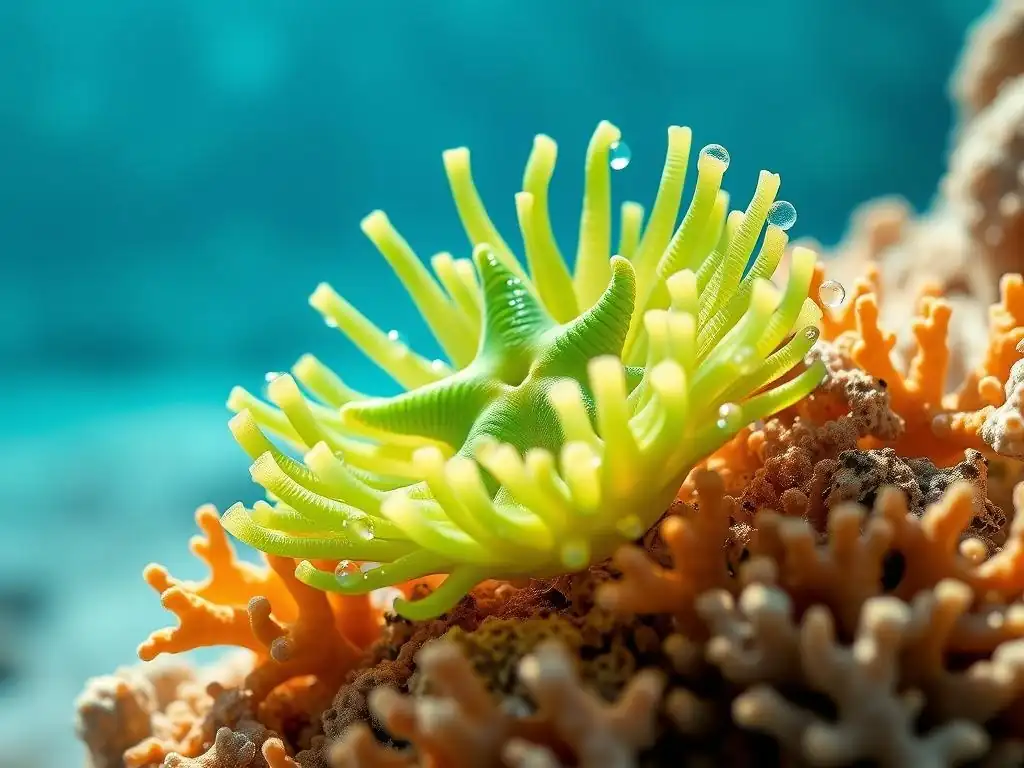
Recognizing the early warning signs of stress in an anemone is crucial for prompt intervention and successful reef safe anemone care. A healthy anemone will typically appear plump, with fully inflated tentacles, vibrant coloration, and a sticky foot firmly attached to its substrate.
Conversely, signs of stress include deflated or shrunken tentacles, a pale or bleached appearance (loss of color), a gaping mouth that remains open, or a tendency to detach and wander excessively. If an anemone's foot is not firmly attached or it's constantly moving, it's often an indication that it's unhappy with its current location or water parameters.
Other indicators of stress might involve the anemone expelling zooxanthellae (appearing white or translucent), refusing food, or developing lesions on its oral disc or column. For example, a BTA that appears shriveled for more than a few hours or exhibits a consistently open mouth is likely in distress. These symptoms warrant immediate investigation of water parameters, lighting, and flow to identify and rectify the underlying issue. Addressing problems early can prevent further decline and increase the chances of recovery, safeguarding both the anemone and the overall health of the reef tank.
Anemone Diseases and Pests: Identification and Treatment
While anemones are generally hardy, they can be susceptible to certain diseases and pests, particularly when stressed or kept in suboptimal conditions. Bacterial infections can manifest as white patches, lesions, or a general deterioration of tissue, often requiring the use of broad-spectrum antibiotics, though this should be approached with extreme caution in a reef tank due to potential harm to beneficial bacteria. Fungal infections are less common but can appear as fuzzy growths. In such cases, improving water quality and flow is often the first step, followed by targeted treatments if the issue persists.
Pests are another concern. Nudibranchs, particularly Berghia nudibranchs, are known to prey on Aiptasia (pest anemones), but some specialized nudibranchs can target ornamental anemones. Pycnogonids, or sea spiders, can also occasionally infest and feed on anemones. Identification of these pests is key; they are often small and camouflaged. Treatment typically involves manual removal using tweezers or a siphon, repeated diligently. Maintaining pristine water quality, ensuring proper flow, and providing consistent reef safe anemone care through appropriate feeding and lighting are the best preventative measures against most anemone ailments and infestations.
Tank Mates: Selecting Compatible Species for Your Anemone Reef
Fish Compatibility: Avoiding Anemone Nippers and Predators
Selecting compatible fish species is crucial for the success of an anemone reef tank. While clownfish are the ideal symbiotic partners, many other fish can pose a threat to anemones, either by nipping at their tentacles or by being outright predators. Butterflyfish, for example, are known coral and anemone nippers and are generally not suitable for tanks with valuable anemones. Certain angelfish species, particularly larger ones, may also occasionally nip at anemones, causing stress or damage. Even some blennies or gobies might irritate anemones if they constantly perch on them.
Therefore, when planning your fish stocking, it's essential to research each species' compatibility with anemones. Peaceful, non-nipping fish are the best choices. Examples of generally safe tank mates include:
- Gobies: Many species like Watchman Gobies or Clown Gobies.
- Blennies: Such as Tailspot Blennies or Lawnmower Blennies.
- Damsels: While some can be aggressive, many, like Chromis, are safe.
- Wrasses: Most wrasse species are excellent choices, such as Fairy Wrasses or Flasher Wrasses.
- Tang/Surgeonfish: Most are herbivorous and pose no threat to anemones.
By carefully choosing fish that do not exhibit predatory or nipping behaviors towards anemones, aquarists can significantly reduce stress on their anemones and minimize the risk of damage, ensuring effective reef safe anemone care.
Invertebrate Compatibility: Protecting Corals and Other Sensitive Species
Beyond fish, the compatibility of other invertebrates with anemones is a critical consideration in a mixed reef. The primary concern, as discussed, is the anemone's stinging tentacles, which can severely damage or kill corals. Therefore, maintaining adequate distance between the anemone and all coral colonies is paramount. This includes both soft corals (like leathers and zoanthids) and stony corals (like LPS and SPS), as all are vulnerable to varying degrees. For instance, a Bubble Tip Anemone's tentacles can stretch up to 12 inches or more, requiring a substantial buffer zone.
Other invertebrates also need consideration. Cleaner shrimp (e.g., Peppermint Shrimp, Skunk Cleaner Shrimp) are generally safe, as they are agile enough to avoid contact. Snails and hermit crabs are also typically safe, but large hermit crabs might occasionally irritate an anemone if they attempt to climb over it.
Sea urchins, while mostly herbivorous, can sometimes dislodge an anemone if they crawl over its base. The cornerstone of reef safe anemone care regarding invertebrates is proactive placement and observation. If an anemone begins to wander too close to a prized coral, immediate intervention, such as gently moving the coral or attempting to coax the anemone, may be necessary to prevent irreparable damage.
Ensuring Clownfish and Anemone Symbiosis: A Healthy Relationship
Introducing Clownfish to Anemones: Encouraging a Bond
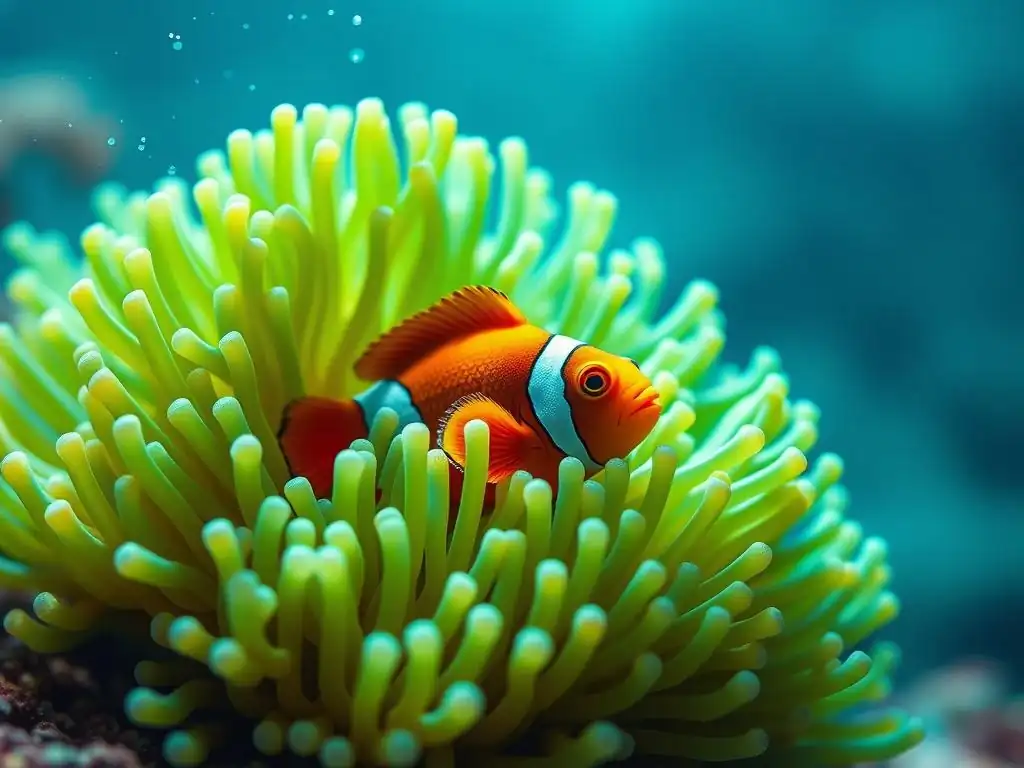
Encouraging a clownfish to host an anemone can be a rewarding experience, though it requires patience and a suitable environment. When introducing clownfish to an anemone, it's often best to add the anemone first and allow it to settle for several weeks, ensuring it is healthy and stable before introducing the clownfish. Once the anemone is established, introduce the clownfish. Initially, the clownfish may ignore the anemone or even seem fearful. This is normal, as the bond is not instantaneous.
Several methods can encourage hosting:
- Patience: This is the most important factor. Many clownfish will eventually host on their own, sometimes taking days, weeks, or even months.
- Dimming Lights: Temporarily dimming the aquarium lights or even turning them off for a few hours can reduce stress and encourage the clownfish to seek shelter, potentially in the anemone.
- Food Placement: Placing small amounts of food near the anemone, enticing the clownfish to approach, can sometimes help.
- Target Feeding Anemone: Feeding the anemone while the clownfish watches can also pique their interest.
It's important to note that not all clownfish, especially tank-bred ones, will host an anemone. Approximately 70-80% of Ocellaris and Percula clownfish eventually host, but there are no guarantees. Providing a stable environment through diligent reef safe anemone care significantly increases the likelihood of a successful bond.
Clownfish Aggression: Monitoring Tank Dynamics
While clownfish are famous for their symbiotic relationship with anemones, they can also exhibit surprising levels of aggression, particularly towards other clownfish or tank mates once they establish a territory around their host anemone. This aggression is especially pronounced in bonded pairs, where the female (larger fish) often becomes very territorial and protective of her anemone and mate. For instance, a pair of Maroon clownfish can become highly aggressive, chasing or even nipping at fish that venture too close to their host.
Monitoring tank dynamics is a vital part of reef safe anemone care when housing clownfish. If you plan to keep more than one clownfish in the tank, it's generally recommended to introduce them as a bonded pair or two very small juveniles simultaneously to allow them to establish a pecking order. Introducing a new clownfish to an already established pair is rarely successful and often leads to severe aggression.
Additionally, ensure there is enough space and alternative hiding spots for other tank inhabitants to escape the clownfish's territory. Observing interactions closely and being prepared to intervene if aggression becomes a serious threat to other fish is essential for maintaining a harmonious reef environment.
Troubleshooting Common Issues: Anemone Movement and Coral Irritation
Dealing with Wandering Anemones: Safe Relocation Techniques
A wandering anemone is one of the most frustrating and potentially damaging issues in a mixed reef tank. Anemones move for various reasons: searching for better light, flow, food, or simply because they are stressed by poor water quality. If an anemone is moving dangerously close to corals or equipment, safe relocation techniques become essential. Never forcibly pull an anemone from its attached foot, as this can cause severe, often fatal, internal damage.
Instead, try these gentle methods:
- Ice Cube Method: Place an ice cube at the base of the anemone's foot. The cold often irritates the anemone, causing it to detach naturally within minutes or a few hours.
- Flow Adjustment: Direct a small powerhead to create a gentle, consistent flow under the anemone's foot, which can sometimes encourage it to release.
- Darkness/Light: If the anemone is moving away from light, try shading it. If it's moving towards light, ensure adequate lighting at its desired location.
- Target Feeding: Sometimes, a hungry anemone will move. Target feeding it in its desired spot might encourage it to settle.
Once detached, gently guide the anemone to its new, isolated location. Providing a suitable crevice or depression in the rockwork can encourage it to reattach. Consistent reef safe anemone care through stable parameters and optimal conditions is the best long-term strategy to minimize wandering.
Minimizing Coral Stings: Strategic Placement and Flow Management
Minimizing coral stings from anemones is a continuous effort in a mixed reef. The most effective strategy is proactive, strategic placement. As previously mentioned, allow ample space—at least 12-18 inches (30-45 cm) or more—between the anemone's potential maximum reach and any sensitive corals. This often means dedicating an isolated rock island or a distinct section of the aquarium specifically for the anemone, far from valuable coral colonies.
Beyond physical distance, managing tank flow is crucial. Anemones prefer moderate to high, turbulent flow, which helps them stay in place and brings food. However, overly strong or direct laminar flow can cause an anemone to detach and "roll" across the tank, stinging everything in its path.
Adjusting powerhead placement to create indirect, chaotic flow around the anemone's intended location can encourage it to settle and stay put. Regularly observe your tank for any signs of anemone movement or coral irritation (e.g., shrunken polyps, tissue recession) and be prepared to intervene by gently nudging the anemone or moving the affected coral to a safer spot. Diligent reef safe anemone care through thoughtful aquascaping and flow optimization significantly reduces the risk of detrimental coral stings.
Conclusion: Creating a Thriving Anemone Reef
Reef Safe Anemone Care: Key Takeaways for a Successful Ecosystem
Creating a thriving anemone reef, particularly one that successfully hosts clownfish, is a rewarding endeavor that requires careful planning, consistent attention, and a deep understanding of marine invertebrate care. The journey begins with selecting the right anemone species, considering its mature size, stinging potential, and specific environmental needs, especially in the context of a mixed reef tank. While species like Bubble Tip Anemones offer a more "reef-safe" option, even they require significant foresight to prevent harm to delicate corals and other invertebrates.
The cornerstone of successful reef safe anemone care lies in maintaining impeccable water quality and stability. Consistent parameters for salinity, temperature, alkalinity, calcium, and magnesium are non-negotiable for the health of both anemones and corals. Furthermore, providing appropriate lighting, tailored to the anemone species' photosynthetic requirements, and implementing a targeted feeding regimen are vital for their long-term vitality and growth.
Strategic aquascaping to ensure ample isolation from corals, coupled with thoughtful flow management, is crucial to minimize wandering and prevent devastating stings. Regular monitoring for signs of stress, potential diseases, or pests allows for prompt intervention, safeguarding the entire ecosystem. By adhering to these principles, aquarists can cultivate a vibrant, harmonious, and truly captivating anemone reef that showcases the stunning symbiosis between clownfish and their magnificent hosts.
Frequently Asked Questions
Are all anemones reef safe?
No, not all anemones are reef safe. Some species, like the Aiptasia anemone, can become pests and spread rapidly, stinging and harming corals. It's crucial to research specific anemone species before introducing them to a reef tank.
What factors determine if an anemone is reef safe?
Several factors contribute. These include the anemone's potential size, its stinging ability, and its tendency to move around the tank, potentially stinging corals in its path.
How can I ensure my anemone doesn't harm my corals?
Careful placement is key. Provide the anemone with ample space and ensure it has adequate lighting and flow to stay put. Also, monitor it closely for any signs of wandering or aggression towards corals.
What types of anemones are generally considered reef safe and suitable for clownfish?
Bubble Tip Anemones (BTAs) are often recommended. They are relatively easy to care for and commonly host clownfish. However, even BTAs can move, so careful observation is still needed.
What should I do if my anemone is stinging my corals?
Immediately move the anemone to a separate quarantine tank if possible. If that's not feasible, try carefully moving the affected coral to a different location. Consider rehoming the anemone if the problem persists.
Final Reflection: Embracing Harmony in Reef Aquariums
The delicate balance within a reef aquarium, as we've explored, hinges on understanding the potential impact of each inhabitant. The question of whether anemones are truly "reef safe" isn't a simple yes or no, but rather a nuanced consideration of species, tank size, and responsible husbandry. This understanding is more crucial than ever, as reef keeping continues to grow in popularity and the demand for vibrant, diverse ecosystems within our homes increases.
This ongoing debate about anemone compatibility highlights the interconnectedness of all living things within a reef environment. My own experiences with reef keeping have taught me that patience and observation are paramount, and that even seemingly harmless creatures can disrupt the delicate equilibrium. The sea, once it casts its spell, holds one in its net of wonder forever.
- Jacques Cousteau. This quote perfectly encapsulates the allure of reef aquariums, but also reminds us of the responsibility that comes with recreating a piece of the ocean in our living rooms.
As you consider adding an anemone to your reef aquarium, remember that knowledge is your greatest tool. Take the time to research specific species, understand their needs, and observe their behavior. By embracing responsible practices and prioritizing the well-being of your entire ecosystem, you can create a thriving and harmonious reef that brings joy and wonder for years to come. Let's all strive to be mindful stewards of these miniature oceans, ensuring their beauty and resilience for generations to come.
Ignite Your Reef Tank's Potential!
Thanks for exploring the world of anemones and reef compatibility! We hope this has helped you understand the nuances of keeping anemones in your reef tank. Are you ready to take the next step and create a thriving ecosystem?
Here are a few ways to put your newfound knowledge into action:
- Select an appropriate anemone that tends to be less mobile and less likely to sting nearby corals, such as a bubble-tip anemone, and place it in a dedicated area.
- Share your experience with anemones! Post photos of your reef tank setup in our community forum and discuss your strategy.
- Try an interesting experiment! Document how different anemone placements affect the health of surrounding corals and share your results.
What fascinating symbiotic relationship do you hope to cultivate in your own reef aquarium?