
The Role of Amino Acids & Vitamins in LPS Coral Health (Euphyllia, Favia, Acans)

Welcome to Aquarium Mastery!
Ever wondered how to unlock the vibrant colors and robust health of your LPS corals like Euphyllia, Favia, and Acans? You're in the right place! Dive in to discover the critical role LPS coral amino acid vitamins play in their well-being and learn how to create the perfect environment for these captivating creatures to thrive. Curious to know the secret? Let's explore!
- Understanding LPS Coral Health: The Basics
-
Frequently Asked Questions
- How do amino acids benefit LPS corals like Euphyllia, Favia, and Acans?
- Why are vitamins important for LPS coral health?
- How often should I dose amino acids and vitamins to my LPS corals?
- Can overdosing amino acids or vitamins harm my LPS corals?
- Where can I find high-quality amino acid and vitamin supplements for LPS corals?
- Final Reflection: The Vitality Within
- Revitalize Your Reef: Unleash Vibrant Coral Health!
Understanding LPS Coral Health: The Basics
What are LPS Corals? (Euphyllia, Favia, Acans)
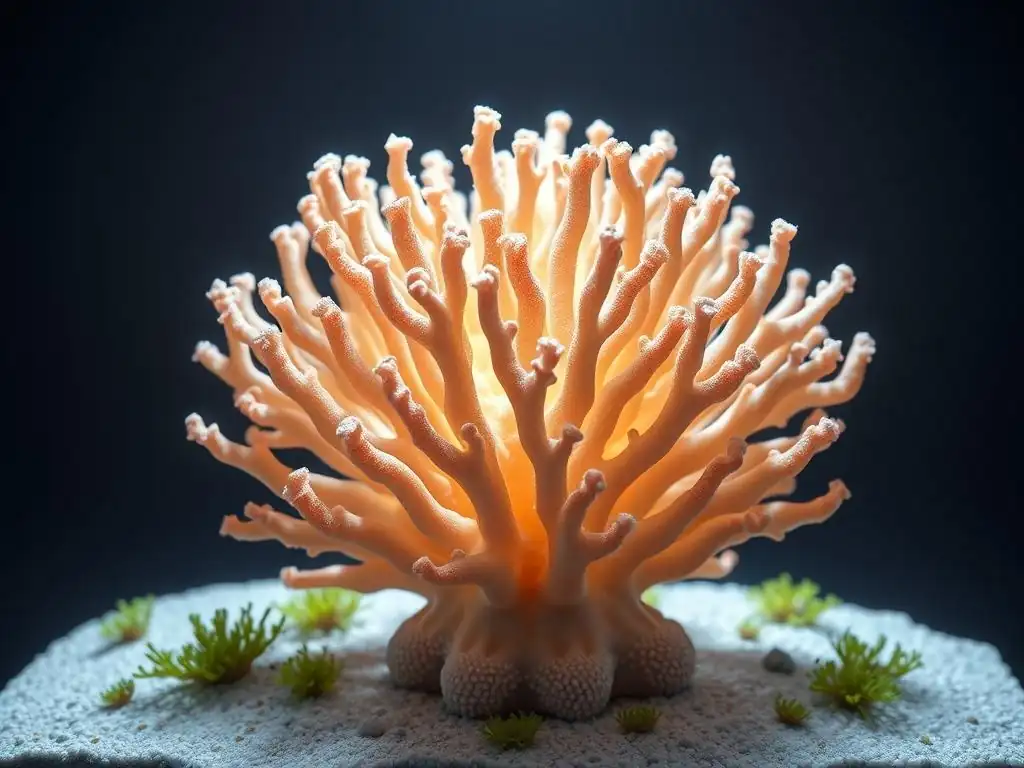
Large Polyp Stony (LPS) corals are a diverse group of reef-building corals characterized by their fleshy polyps and hard calcareous skeletons. Unlike Small Polyp Stony (SPS) corals, LPS corals typically have larger individual polyps, often extending significantly from their skeletal structure, especially during feeding or when relaxed.
Popular examples include Euphyllia (such as Frogspawn, Hammer, Torch corals), Favia, and Acanthastrea ( Acans), all of which are highly sought after by aquarists for their vibrant colors and captivating movement. These corals derive a substantial portion of their energy through a symbiotic relationship with zooxanthellae, photosynthetic algae residing within their tissues, which convert light into sugars.
Beyond photosynthesis, many LPS corals are also facultative feeders, meaning they can capture and consume particulate matter, including plankton and various dissolved organic compounds, directly from the water column. This dual feeding mechanism makes them relatively adaptable in home aquariums compared to some SPS corals, although their specific nutritional requirements, particularly concerning LPS coral amino acid vitamins, are critical for long-term health and vibrant coloration. Understanding their unique biology is the first step toward providing optimal care and ensuring these beautiful invertebrates thrive in a captive environment.
Key Factors Influencing LPS Coral Health
Maintaining optimal LPS coral health hinges on a delicate balance of several environmental factors within the aquarium. Primary among these is stable water chemistry, which includes parameters such as alkalinity, calcium, magnesium, and salinity, all of which directly impact skeletal growth and metabolic function. For instance, a stable alkalinity level, ideally between 8-10 dKH, is crucial for calcification, the process by which corals build their skeletons. Lighting, specifically the intensity and spectrum of light, is another critical factor, as it directly influences the photosynthetic efficiency of the zooxanthellae within the coral tissues.
Water flow is equally important, providing essential nutrients, assisting in waste removal, and preventing detritus from settling on the coral polyps. Moderate, indirect flow is generally preferred for most LPS species, preventing tissue damage while ensuring adequate nutrient delivery. Lastly, proper nutrition, encompassing both photosynthesis and direct feeding, plays a pivotal role. Supplementation with specific nutrients, such as LPS coral amino acid vitamins, can significantly enhance their vitality, resilience, and coloration, complementing their primary energy sources and filling any nutritional gaps that might arise in a closed system.
The Importance of Water Parameters for LPS Coral Health
Precise and stable water parameters are the bedrock of successful LPS coral husbandry. Calcium and alkalinity are fundamental for skeletal growth; calcium levels typically range from 400-450 ppm, while alkalinity should be maintained between 8-10 dKH (degrees of carbonate hardness). Magnesium, usually kept at 1250-1350 ppm, is vital as it helps prevent calcium and alkalinity from precipitating out of solution, making these essential elements bioavailable for coral uptake. Fluctuations in these parameters can cause stress, leading to tissue recession or slowed growth, as the coral expends energy compensating for unstable conditions rather than focusing on building its skeleton.
Beyond the major elements, maintaining appropriate salinity (typically 1.025-1.026 specific gravity), temperature (around 76-78°F or 24.4-25.6°C), and low levels of nitrates (<10 ppm) and phosphates (<0.03 ppm) is equally crucial. Elevated nitrates and phosphates can inhibit calcification and promote nuisance algae growth, which can smother corals. While these parameters are fundamental, the subtle addition of beneficial compounds, such as a well-rounded LPS coral amino acid vitamins supplement regimen, can provide an additional layer of support, optimizing metabolic processes and bolstering the coral's natural defenses against environmental stressors.
Frequently Asked Questions
How do amino acids benefit LPS corals like Euphyllia, Favia, and Acans?
Amino acids are essential building blocks for coral proteins, aiding in tissue growth and repair. They also support immune function and pigment production.
Why are vitamins important for LPS coral health?
Vitamins act as catalysts for various biological processes, supporting enzyme function and overall coral health. They are crucial for growth, coloration, and disease resistance.
How often should I dose amino acids and vitamins to my LPS corals?
Dosing frequency depends on your tank's biological load and coral density. Generally, start with the manufacturer's recommended dosage and adjust based on coral response. Regular water testing is also helpful.
Can overdosing amino acids or vitamins harm my LPS corals?
Yes, overdosing can lead to nutrient imbalances and algae blooms. It can also negatively impact water quality, stressing your corals. Always follow instructions carefully.
Where can I find high-quality amino acid and vitamin supplements for LPS corals?
Reputable online aquarium stores and local fish stores typically carry a range of supplements. Look for products specifically formulated for reef aquariums and LPS corals, and check reviews.
Final Reflection: The Vitality Within
The intricate dance between amino acids, vitamins, and the vibrant health of LPS corals is more than just a scientific observation; it's a testament to the delicate balance of life within our planet's most precious ecosystems. Understanding these fundamental building blocks and their impact on corals, particularly Euphyllia, Favia, and Acans, is not just about keeping a beautiful reef tank; it's about recognizing the interconnectedness of all living things and our responsibility to protect them.
This exploration into the world of LPS coral nutrition has profoundly underscored the importance of proactive care and informed decision-making in reef keeping. It's a reminder that we are not simply observers, but active participants in the health and well-being of these fragile organisms. In the end, we will conserve only what we love; we will love only what we understand; and we will understand only what we are taught.
- Baba Dioum. This quote resonates deeply, highlighting the crucial role of education and understanding in fostering a genuine appreciation and commitment to coral conservation.
As you reflect on the information presented, consider how you can apply this knowledge to your own reef keeping practices and beyond. Let this understanding fuel your passion for responsible stewardship of our oceans. Embrace the opportunity to become a more informed and conscientious reef keeper, contributing to the long-term health and vitality of these magnificent creatures. Let's all strive to cultivate not just thriving coral colonies, but a deeper connection to the delicate ecosystems they inhabit.
Revitalize Your Reef: Unleash Vibrant Coral Health!
Thank you for diving into the world of amino acids and vitamins and their impact on LPS coral health! Now that you're equipped with this knowledge, it's time to take action and witness the transformation in your own reef tank.
Here are some steps you can take to boost the vitality of your Euphyllia, Favia, and Acans:
- Start a dedicated log: Carefully document your corals' color, polyp extension, and feeding response before introducing any changes to their diet. Then, track any improvements over the next few weeks to measure the impact of amino acids and vitamins.
- Explore the possibilities: Delve into the world of targeted supplementation by researching specific amino acid and vitamin blends designed for LPS corals. See what's available on the market and experiment with low-dose additions to meet your coral's needs, all while observing closely.
- Share your findings and contribute to the community: Share your unique insights and observations on dedicated reef forums or social media groups. Your experiences can help other hobbyists unlock the full potential of their LPS corals!
What small change will you make this week to see if amino acid supplementation helps your LPS corals?