
Unmasking the Mystery: Why Do Gobies Perch, Watch & Interact?

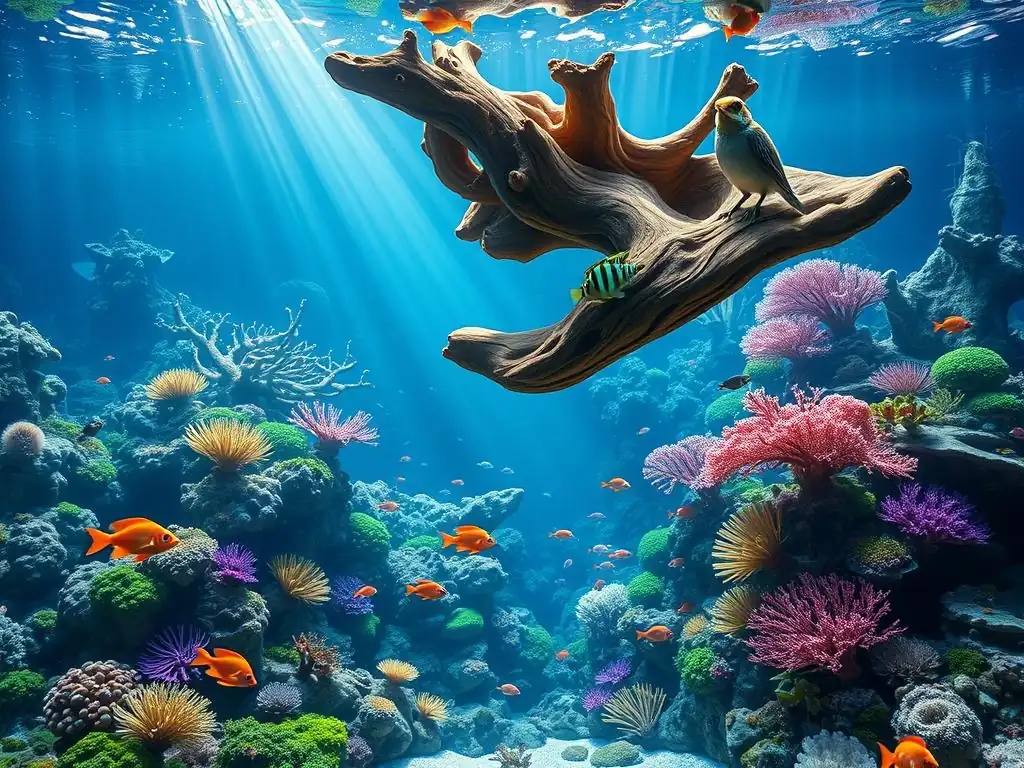
Welcome to Aquarium Mastery! Ever wondered about the quirky habits of your gobies? Uncover the secrets behind their captivating perch-watching behavior in our latest exploration of these fascinating saltwater fish. Discover the reasons behind their elevated vantage points and social interactions, and learn how to create an aquarium environment where they truly thrive. Dive in and unlock the mystery!
- Introduction to Gobies: The Perching Personalities of Reef Aquariums
- Exploring the Reasons Behind Gobies' Perching Habits
- The Watching Game: Deciphering Goby Observation Behavior
- Goby Social Interactions: Perching as a Communication Tool
- The Role of Aquarium Environment in Goby Perching and Watching
- Common Goby Species Exhibiting Perching Watching Behavior in Reef Aquariums
- Addressing Potential Issues Related to Goby Perching and Watching
- Enhancing Goby Welfare Through Understanding Their Perching Watching Behavior
- Conclusion: Appreciating the Complex World of Perching, Watching Gobies in Your Aquarium
-
Frequently Asked Questions
- Why do gobies exhibit perch watching behavior in aquariums?
- What does "perch watching behavior" exactly mean in the context of Gobies?
- How does perch watching behavior differ between freshwater and saltwater gobies?
- What are some common substrates or objects gobies use as "perches" for perch watching?
- Is perch watching behavior a sign of a healthy or unhealthy goby?
- Final Reflection: Unveiling the Secrets of Gobies
- Dive Deeper: Transform Your Goby Knowledge into Action!
Introduction to Gobies: The Perching Personalities of Reef Aquariums
Understanding the Unique Perching Behavior of Gobies
Gobies, a diverse family of fish, are widely recognized in the aquarium hobby for their distinctive perching habits. Unlike many free-swimming fish, gobies often remain stationary, resting on the substrate, a piece of live rock, or even a coral branch, using their pelvic fins as a sort of tripod. This characteristic gobies perch watching behavior is not merely a sign of rest but an active and integral part of their natural survival strategy, observed across numerous species from the smallest Clown Goby to the larger Watchman Gobies.
This perching behavior is deeply rooted in their ecological niche within coral reefs and rocky shorelines. By stationing themselves in a fixed position, gobies can blend seamlessly with their environment, making them less conspicuous to predators while simultaneously providing an optimal vantage point for observation. It's a highly evolved adaptation that allows these generally small fish to thrive in complex, dynamic marine ecosystems, where both vigilance and energy conservation are paramount.
The Fascination with Gobies: Small Fish, Big Personalities in Nano Reefs
Gobies hold a special appeal for aquarists, particularly those maintaining nano reef systems. Their relatively small size, often ranging from 1 to 5 inches, makes them ideal inhabitants for tanks as compact as 10 to 30 gallons, where larger species would quickly outgrow the space. Beyond their practical size, it's their vibrant colors, unique patterns, and especially their engaging gobies perch watching behavior that captivates observers.
These fish exhibit surprisingly complex behaviors for their size, often displaying distinct personalities. An aquarist might spend hours observing a single goby as it meticulously scans its surroundings from a favored perch, interacts with its burrow, or even engages in subtle communication with tank mates. This constant, albeit often subtle, activity adds a dynamic and fascinating element to any marine aquarium, transforming a simple glass box into a miniature living ecosystem.
Exploring the Reasons Behind Gobies' Perching Habits
Predatory Vigilance: Gobies Perch for Hunting and Observation
One of the primary reasons behind the pronounced gobies perch watching behavior is predatory vigilance. Many goby species are ambush predators or opportunistic feeders, relying on their keen eyesight to spot tiny invertebrates, such as copepods or amphipods, drifting in the water column or moving across the substrate. Perching provides a stable, unmoving platform from which they can meticulously scan their environment, allowing for precise strikes when prey is identified.
Beyond hunting, this constant observation is equally crucial for self-preservation. From their elevated or concealed perches, gobies can monitor their surroundings for potential threats, including larger, predatory fish or sudden movements that indicate danger. Their ability to quickly dart into a crevice or burrow at the first sign of perceived threat is a direct result of their vigilant perching, making it a critical survival mechanism in a predator-rich environment.
Energy Conservation: Perching as a Strategy for Efficient Living
Active swimming requires a continuous expenditure of energy, which can be metabolically demanding for small fish. Perching offers gobies a highly effective strategy for energy conservation. By remaining stationary for extended periods, they can significantly reduce their metabolic rate compared to continuous swimming or foraging. This efficiency is particularly advantageous in natural habitats where food resources might fluctuate or be sparsely distributed.
This conserved energy can then be allocated to other vital activities, such as reproduction, digestion, or rapid bursts of movement when chasing prey or escaping danger. For instance, a Yellow Watchman Goby might spend up to 80% of its active daylight hours perched near its burrow, only moving to snatch food or interact with its pistol shrimp partner. This demonstrates how perching is not merely idleness but a calculated and efficient approach to daily living.
Claiming Territory: Perching as a Display of Dominance in the Aquarium
Perching also serves as a critical means of territorial display and communication among gobies. Many species, particularly those that establish burrows or claim specific areas of live rock, use prominent perches as visual markers of their ownership. By positioning themselves conspicuously on a high point within their claimed territory, a goby signals its presence and dominance to other fish, both conspecifics and different species.
This visual assertion of territory can help in reducing direct physical confrontations. For example, a Diamond Watchman Goby will often perch prominently on a rock overlooking its sand-sifting territory, effectively deterring other sand-sifting species from encroaching. This gobies perch watching behavior establishes clear boundaries, helping to maintain social order within the aquarium and minimize stress from constant disputes over space.
The Watching Game: Deciphering Goby Observation Behavior
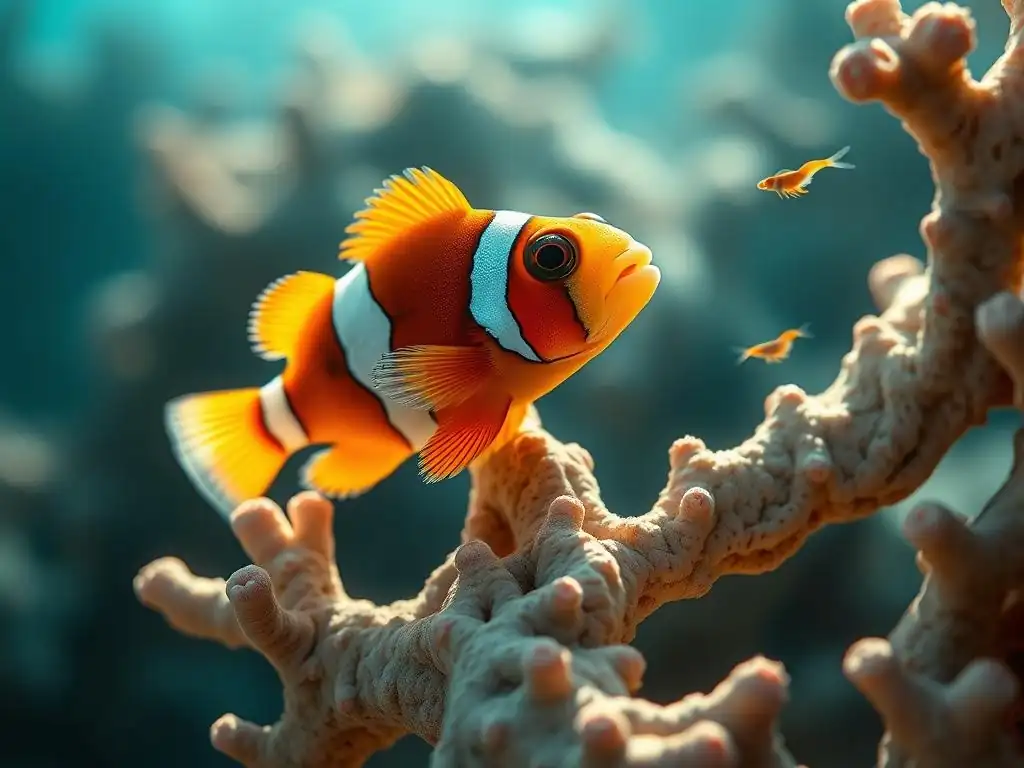
Eye Placement and Vision: How Gobies See Their Aquarium World
The remarkable observational capabilities of gobies are facilitated by their unique eye placement and visual acuity. Many goby species possess eyes positioned dorsally or semi-dorsally on their heads, granting them an exceptionally wide field of view, particularly upwards and forwards. This specialized vision is perfectly adapted for their perching lifestyle, allowing them to simultaneously scan the water column for food and monitor the substrate and surrounding rockwork for threats.
While their vision may not match the intricate detail perceived by humans, gobies possess sufficient acuity to detect subtle movements and changes in their environment. They can accurately track minute copepods drifting in the current or distinguish the silhouettes of potential predators. This precise visual processing is fundamental to their effective gobies perch watching behavior, enabling them to react swiftly to both opportunities and dangers.
Identifying Threats and Opportunities: The Purpose of Constant Observation
The constant observation exhibited by perching gobies serves a dual purpose: identifying threats and seizing opportunities. From their strategic vantage points, gobies are perpetually scanning for any signs of danger. This includes the sudden appearance of a larger, potentially predatory fish, rapid movements from tank mates, or even the shadow of a hand reaching into the tank. Their ingrained vigilance allows for an instantaneous response, often a rapid dart into a nearby crevice or burrow for safety.
Concurrently, their vigilant gaze is also fixed on potential food sources. Small invertebrates, detritus, or even uneaten prepared foods that drift into their vicinity are quickly identified. The speed and precision with which a goby will launch itself from its perch to snatch a morsel of food demonstrate the effectiveness of this constant observational strategy. This active seeking of opportunities while maintaining defensive awareness defines their gobies perch watching behavior.
Perching Posture and Head Tilting: Visual Cues in Goby Watching Behavior
The physical manifestations of goby observation behavior are often subtle but distinct. When perching, gobies typically rest on their pelvic fins, which are often modified into a disc-like structure that helps them adhere to surfaces or provide a stable base. This posture allows them to remain fixed in position for extended periods, conserving energy while their eyes remain highly active, constantly swiveling to survey their surroundings.
Furthermore, some goby species exhibit a curious head-tilting behavior while observing. This slight angle adjustment of the head can provide different perspectives, enhancing their depth perception and allowing them to gain a more comprehensive view of their three-dimensional environment. These subtle postural adjustments and movements are clear indicators of their active engagement in gobies perch watching behavior, showcasing their continuous processing of visual information.
Species-Specific Interactions: Perching and Communication Among Gobies
Perching plays a significant role in communication within goby species, particularly among pairs or compatible groups. Gobies may perch in close proximity, using their positions to convey information through subtle body language, fin displays, or even changes in coloration. For instance, in a symbiotic pair of Yellow Watchman Gobies, one might perch as a vigilant lookout, constantly scanning for threats, while its pistol shrimp partner meticulously maintains their shared burrow. This division of labor, facilitated by the goby's perching, is a clear form of non-verbal communication.
Beyond day-to-day interactions, perching is also integral to courtship and mating rituals. Male gobies often utilize prominent perches to display to potential mates, showcasing their health, vigor, and the security of their territory. A male demonstrating strong gobies perch watching behavior and maintaining a secure, desirable perch signals his fitness for breeding, attracting females and initiating the complex dance of reproduction.
Interspecies Dynamics: How Perching Influences Relationships with Tank Mates
The influence of goby perching extends beyond their own kind, significantly shaping their interactions with other species in the aquarium. The most celebrated example is the mutualistic relationship between many goby species (e.g., Watchman Gobies) and pistol shrimp. The goby perches as the "eyes" of the partnership, using its superior vision and gobies perch watching behavior to warn the nearly blind shrimp of danger, often by flicking its tail. In return, the shrimp provides a safe, maintained burrow for both.
Furthermore, perching allows gobies to maintain a safe distance from more aggressive or larger tank mates, reducing stress and potential conflict. By observing the movements and territories of other fish from a secure perch, gobies can navigate the aquarium environment more safely, avoiding direct confrontations. This strategic positioning contributes to a more harmonious community tank, showcasing how perching is not just about personal safety but also about maintaining social balance.
Within an aquarium environment, particularly in tanks housing multiple compatible gobies, the height and proximity of preferred perching spots can often reflect social hierarchy. Dominant individuals may claim the most prominent or secure perches, visually asserting their status without constant physical aggression. This subtle yet effective display helps to establish and maintain a pecking order, ensuring that resources and space are implicitly divided.
In the context of mate selection, the quality and location of a male's perch can be a strong indicator of his suitability as a mate. A male goby that consistently occupies a well-protected, elevated perch demonstrates his ability to secure and defend a prime territory, which is highly attractive to females seeking a safe location for spawning. This connection between perching behavior and reproductive success underscores its importance beyond mere observation or rest.
The Role of Aquarium Environment in Goby Perching and Watching
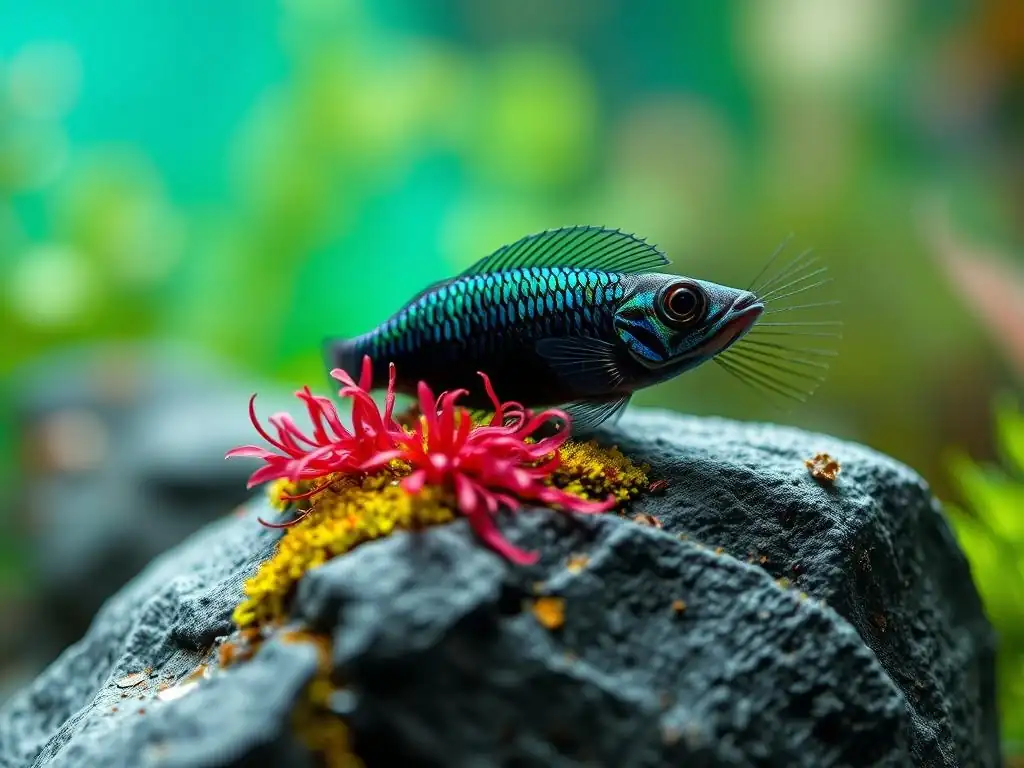
Substrate and Rockwork: Creating Ideal Perching Spots for Gobies
The physical environment of the aquarium plays a critical role in facilitating natural gobies perch watching behavior. For many sand-sifting gobies, such as the Diamond Watchman Goby, a deep sand bed of at least 3 to 4 inches of fine aragonite sand is essential for their burrowing activities. However, even these species will frequently perch on nearby rocks or the sand itself to observe their surroundings after sifting.
For other goby species that prefer rocky habitats, aquascaping should include an abundance of live rock structures with numerous crevices, overhangs, and flat surfaces at varying heights. This provides a diverse range of perching options, allowing gobies to choose spots based on their current needs—whether it's a high point for broad observation or a more concealed spot for security. Aiming for at least one or two distinct, stable perching spots per goby encourages their natural behaviors.
Water Flow and Lighting: How Environmental Factors Affect Goby Behavior
Water flow is another crucial environmental factor influencing goby perching. Gobies generally prefer areas with moderate to low water flow where they can comfortably perch without being constantly buffeted by strong currents. Excessive flow can cause stress and make it difficult for them to maintain a stable position, potentially leading to increased hiding rather than active perching. Therefore, strategic placement of perches in calmer zones within the aquarium is vital for encouraging their natural gobies perch watching behavior.
Lighting conditions also impact goby activity. Stable lighting cycles that mimic natural daylight hours are important. While gobies are diurnal, they appreciate shaded spots or areas under overhangs where they can retreat if the light is too intense. Abrupt changes in lighting or excessively bright illumination can induce stress, causing gobies to hide more frequently rather than confidently perch and observe.
Placement of Rocks and Coral: Mimicking Natural Habitats for Optimal Perching
To truly optimize the aquarium environment for gobies, the placement of rocks and corals should mimic their natural reef habitats as closely as possible. This involves creating a mix of live rock structures that offer caves, ledges, and open sand areas. For species like the Clown Goby, which are known to perch directly on SPS (Small Polyp Stony) corals, providing healthy colonies of corals such as Acropora or Montipora is essential for their well-being and natural perching habits.
Strategic placement of perching spots near their preferred feeding zones or burrow entrances is also highly beneficial. For a Yellow Watchman Goby, for instance, positioning a stable rock or a small cave entrance near its burrow provides an ideal lookout point from which it can easily access food while maintaining vigilance. Thoughtful aquascaping directly contributes to the expression of healthy gobies perch watching behavior.
Common Goby Species Exhibiting Perching Watching Behavior in Reef Aquariums
The Yellow Watchman Goby (Cryptocentrus cinctus): A Classic Percher
The Yellow Watchman Goby is arguably one of the most iconic and beloved perching gobies in the reef aquarium hobby. Known for its striking yellow coloration and often speckled blue spots, this species is almost invariably observed perched on a piece of live rock or near its burrow entrance, diligently surveying its surroundings. Their gobies perch watching behavior is a defining characteristic, often performed in a symbiotic relationship with a pistol shrimp.
Growing to an average adult size of about 4 inches, Yellow Watchman Gobies require a minimum tank size of 20 gallons with a fine sand bed of at least 2-3 inches to facilitate their burrowing activities. Their perching is typically focused around their shared burrow, where they act as a vigilant sentinel, providing an early warning system for their shrimp partner against potential threats, making them a fascinating addition to any community tank.
The Clown Goby (Gobiodon okinawae): Perching Among Corals
The Clown Goby, particularly the vibrant yellow Gobiodon okinawae, presents a unique perching style compared to its bottom-dwelling cousins. These tiny, charming gobies prefer to perch directly among the branches of SPS corals, such as Acropora or Montipora. They use the coral structure not only for shelter and protection but also as their primary lookout point, blending almost seamlessly with their chosen host.
Reaching a maximum size of only about 1.5 inches, Clown Gobies are perfectly suited for nano reef aquariums, often thriving in tanks as small as 5 to 10 gallons, provided there are healthy SPS coral colonies for them to inhabit. Their gobies perch watching behavior is intimately tied to the live coral, where they spend most of their time, only moving short distances to feed on small polyps or plankton.
The Court Jester Goby (Koumansetta rainfordi): A Unique Perching Style
The Court Jester Goby, also known as Rainford's Goby, is a peaceful and beautifully patterned goby that exhibits a distinctive perching and "hopping" behavior. Unlike the stationary perching of watchman gobies, the Court Jester Goby frequently perches on live rock or the substrate, but then quickly moves with short, darting hops as it grazes on microalgae and detritus. Its vibrant blue and orange stripes make it a visually appealing addition.
These gobies typically grow to about 2.5 inches and require a mature aquarium of at least 10 gallons with ample live rock. Their gobies perch watching behavior is often interspersed with these brief foraging expeditions, making them active and engaging inhabitants. They are excellent candidates for maintaining the cleanliness of the rockwork and substrate in a reef tank.
The Hector's Goby (Amblygobius Hectori): Perching and Sand Sifting
Hector's Goby is another fascinating species that combines perching with its essential role as a sand-sifter. This peaceful goby, adorned with striking blue and black horizontal stripes, will often perch on the sand bed itself or on a low-lying rock, observing its surroundings. After a period of observation, it will dive into the sand, sifting through the grains for detritus and small invertebrates, only to re-emerge and perch again.
Growing to approximately 3 inches, Hector's Goby thrives in tanks of at least 20 gallons equipped with a fine, deep sand bed (at least 2 inches) to facilitate their natural sifting behavior. Their gobies perch watching behavior is intrinsically linked to their sand-sifting duties, as they use their perches as strategic points to assess the area before and after their cleaning activities, contributing to overall substrate health.
Stress and Hiding: Recognizing Signs of Unhealthy Behavior
While gobies perch watching behavior is natural, a sudden or prolonged absence of this behavior, characterized by constant hiding, can be a significant indicator of stress or illness. If a goby remains perpetually concealed within rockwork, refuses to perch in open areas, or exhibits rapid breathing and clamped fins, it's crucial to investigate the underlying cause. This deviation from their typical observational habits suggests discomfort or fear.
Potential stressors include poor water quality (e.g., elevated ammonia, nitrite, or nitrate levels), bullying from aggressive tank mates, or a lack of suitable hiding spots. Addressing these issues promptly by performing water tests, rearranging aquascaping to provide more cover, or re-evaluating tank mate compatibility can help alleviate stress and encourage the goby to resume its natural perching and watching activities.
Competition and Aggression: Managing Tank Mate Interactions
Although many gobies are generally peaceful, some species can exhibit territoriality, especially towards conspecifics or other fish with similar body shapes or behaviors. Signs of aggression might include fin nipping, persistent chasing, or one goby constantly preventing another from accessing preferred perching spots or feeding areas. This can lead to chronic stress for the submissive fish, impacting its health and natural gobies perch watching behavior.
To manage competition, ensure the aquarium provides ample space and numerous perching options to allow gobies to establish individual territories without constant conflict. Avoid housing multiple highly territorial goby species in smaller tanks. In a 20-gallon tank, one goby is usually ideal; in larger systems (e.g., 40 gallons or more), a compatible pair or a very carefully chosen group might be possible with sufficient space and visual breaks in the aquascape.
Lack of Suitable Perches: Providing Varied Perching Options
If a goby appears restless, constantly swimming aimlessly, or resting directly on the substrate without clear observation points, it might be an indication that the aquarium lacks appropriate and varied perching options. A sterile or overly open aquascape can deprive a goby of the secure, elevated spots it needs for its natural gobies perch watching behavior, leading to chronic stress and a diminished expression of its innate behaviors.
To remedy this, re-evaluate the aquascaping to incorporate more live rock structures with flat surfaces, ledges, and small caves. Consider adding artificial perches designed for fish, ensuring they are stable and secure. Vary the height and proximity of these perching spots to offer choices, allowing the goby to select the most comfortable and strategic vantage points for its observational needs.
Enhancing Goby Welfare Through Understanding Their Perching Watching Behavior
Providing Optimal Perching Opportunities: Creating a Goby-Friendly Environment
Creating an environment that actively encourages natural gobies perch watching behavior is fundamental to their welfare. This involves thoughtful aquascaping that goes beyond mere aesthetics. A diverse mix of stable rockwork, a suitable sand bed, and potentially specific coral species should be provided to cater to the unique perching preferences of your chosen goby species.
Ensure that the rock structures offer numerous crevices, overhangs, and flat ledges at various heights, allowing the goby to choose secure and strategic vantage points. For burrowing gobies, a deep, fine sand bed (e.g., 3-4 inches of aragonite sand) is as crucial as the rockwork, as they will often perch near their burrow entrances. Considering water flow and light levels around these perches will further enhance their comfort.
Observing and Monitoring: Understanding Your Goby's Individual Behavior
One of the most rewarding aspects of keeping gobies is the opportunity to observe their intricate behaviors. Aquarists are encouraged to spend time simply watching their gobies, as each individual fish will develop unique preferences for specific perching spots and daily routines. Understanding these individual nuances is key to early detection of stress, illness, or changes in social dynamics within the tank.
Any significant deviation from a goby's typical perching habits, activity levels, or interactions with tank mates should be noted. A sudden cessation of gobies perch watching behavior, increased hiding, or a change in coloration can be early indicators of health issues, prompting quicker intervention and potentially preventing more serious problems. Consistent observation is an invaluable tool for goby care.
Target Feeding and Enrichment: Encouraging Natural Foraging Behaviors
While perching, gobies are actively scanning for food. This natural foraging instinct can be reinforced through target feeding. Offering small, meaty foods such as frozen mysis shrimp, brine shrimp, or copepods directly near their favored perching spots encourages them to utilize their observational skills for feeding. This method ensures they receive adequate nutrition and mimics their natural hunting strategy.
Beyond prepared foods, environmental enrichment can be provided by periodically introducing live copepods or amphipods into the aquarium. This provides natural hunting opportunities, stimulating their predatory instincts and enriching their environment beyond just consuming static food. Such enrichment makes their gobies perch watching behavior more purposeful and contributes to their overall mental and physical well-being.
Conclusion: Appreciating the Complex World of Perching, Watching Gobies in Your Aquarium
The Ongoing Mystery: Further Research into Goby Behavior
Despite decades of observation by aquarists and extensive scientific study, the intricate behaviors of gobies, particularly their perching and watching habits in their natural reef environments, continue to hold elements of mystery. Their subtle communication cues, complex symbiotic relationships, and precise adaptations for survival offer endless avenues for further research. Each new observation, whether in the wild or in a home aquarium, contributes to a deeper understanding of these fascinating creatures.
Aquarists, through careful and consistent observation of their own gobies, can inadvertently contribute to this ongoing knowledge. Documenting unusual behaviors, specific perching preferences, or unique interactions can provide valuable insights, fostering a collaborative spirit in the pursuit of understanding marine life. This shared curiosity enriches the hobby and promotes a greater appreciation for these small but significant reef inhabitants.
Enjoying the Unique Personalities of These Fascinating Reef Inhabitants
Ultimately, the gobies perch watching behavior is a core component of what makes these fish so captivating and rewarding to keep in a reef aquarium. Their vigilant observation, strategic positioning, and subtle interactions add a dynamic and engaging dimension to any tank, offering endless fascination for the observant aquarist. They are not merely colorful decorations but active participants in the miniature ecosystem you create.
By understanding the underlying reasons for their perching, watching, and interacting, aquarists can provide an optimal environment that caters to their natural instincts. This leads to healthier, happier gobies that proudly display their unique personalities, enriching the lives of their keepers and providing a window into the complex and beautiful world of the coral reef.
Frequently Asked Questions
Why do gobies exhibit perch watching behavior in aquariums?
Gobies perch and watch primarily for territorial defense and food acquisition. This behavior allows them to survey their surroundings for potential threats or opportunities.
What does "perch watching behavior" exactly mean in the context of Gobies?
It refers to a goby's tendency to sit on elevated surfaces (perches) while observing its environment. They are actively looking for food, rivals, or predators.
How does perch watching behavior differ between freshwater and saltwater gobies?
While both exhibit the behavior, saltwater gobies often do it in relation to reef structures and symbiotic relationships. Freshwater gobies are more likely to perch on rocks and plants, watching for insects or smaller fish.
What are some common substrates or objects gobies use as "perches" for perch watching?
Common perches include rocks, coral fragments, and even aquarium decorations. They seek out locations that offer a good vantage point.
Is perch watching behavior a sign of a healthy or unhealthy goby?
Typically, it's a natural and healthy behavior. However, excessive hiding combined with reduced perch watching could indicate stress, illness, or bullying from tank mates.
Okay, here's a final reflection designed to close your article "Unmasking the Mystery: Why Do Gobies Perch, Watch & Interact?" while targeting the keyword "Gobies perch watching behavior" and following the structure you provided:
Final Reflection: Unveiling the Secrets of Gobies
The fascinating world of gobies, revealed through their unique perch watching behavior, is more than just an academic curiosity; it's a window into the intricate dance of survival and adaptation in our oceans. Understanding the nuances of "Gobies perch watching behavior" offers crucial insights into their ecological role and the health of their marine environments. This seemingly simple act unlocks a deeper appreciation for the complexity of life beneath the waves and the interconnectedness of all species.
The study of gobies and their perch watching behavior has profoundly influenced how we perceive the intelligence and adaptability of small marine creatures. It reminds us that even the smallest inhabitants of our planet possess complex social structures and survival strategies worthy of our attention and protection. In the grand scheme of evolution, every behavior, no matter how small, tells a story of adaptation and survival.
This ongoing exploration underscores the importance of continued research and conservation efforts to safeguard these vital ecosystems.
As we conclude this exploration into the world of gobies, I invite you to reflect on the lessons learned. Consider how even the smallest creatures can teach us about resilience, adaptation, and the interconnectedness of life. Let the "Gobies perch watching behavior" serve as a reminder that every observation, every question, and every action we take can contribute to a greater understanding and appreciation of the natural world. Let us all strive to be more observant, more curious, and more dedicated to protecting the delicate balance of our planet's ecosystems.
Dive Deeper: Transform Your Goby Knowledge into Action!
Thanks for exploring the fascinating world of goby perching behavior! Now that you've gained a new perspective, it's time to put that knowledge to work and enrich your goby keeping experience.
Here are a few things you can do right now:
- Re-evaluate your aquarium setup! Could adding more varied perching spots, like branched corals or textured rocks, enhance your gobies' well-being and allow for more natural observation and interactions?
- Share this newfound understanding with fellow aquarium enthusiasts – help spread the word about the fascinating lives of these little fish.
- Observe your own gobies more closely this week. Can you identify any new behaviors or interactions based on what you've learned?
What unique perching habits have you observed in your gobies, and what changes will you make to your tank environment to encourage their natural behaviors?