
Dragon Scale Bettas: Understanding Their Shimmer and Special Needs

Welcome to Aquarium Mastery!
Ever been mesmerized by the shimmering scales of a Dragon Scale Betta? These captivating fish are more than just pretty faces. Dive in to uncover the secrets to thriving with these unique bettas. This article explores essential Dragon Scale Betta care tips, from understanding their specific water requirements to recognizing early signs of potential health issues. Ready to unlock the mysteries of these scaled beauties and ensure a happy, healthy life for your own Dragon Scale Betta? Let's get started!
- What is a Dragon Scale Betta? Unveiling the Armored Beauty
- Dragon Scale Betta Care Tips: Creating the Ideal Environment
- Common Dragon Scale Betta Health Issues and Treatment
- Dragon Scale Betta Breeding: A Guide to Responsible Breeding Practices
- Identifying and Selecting Healthy Dragon Scale Bettas for Your Aquarium
- Advanced Dragon Scale Betta Care: Enhancing Color and Lifespan
- Dragon Scale Betta: The Pros and Cons of Owning This Unique Breed
-
Frequently Asked Questions
- How are Dragon Scale Bettas different from other types of Bettas?
- What are the specific water parameters ideal for Dragon Scale Bettas?
- What are some common health problems that Dragon Scale Bettas are prone to?
- What kind of diet should I feed my Dragon Scale Betta?
- What size aquarium is recommended for a Dragon Scale Betta?
- Final Reflection: Embracing the Dragon's Shimmer
- Ignite Your Betta Brilliance!
What is a Dragon Scale Betta? Unveiling the Armored Beauty
Defining the Dragon Scale Betta: Key Characteristics
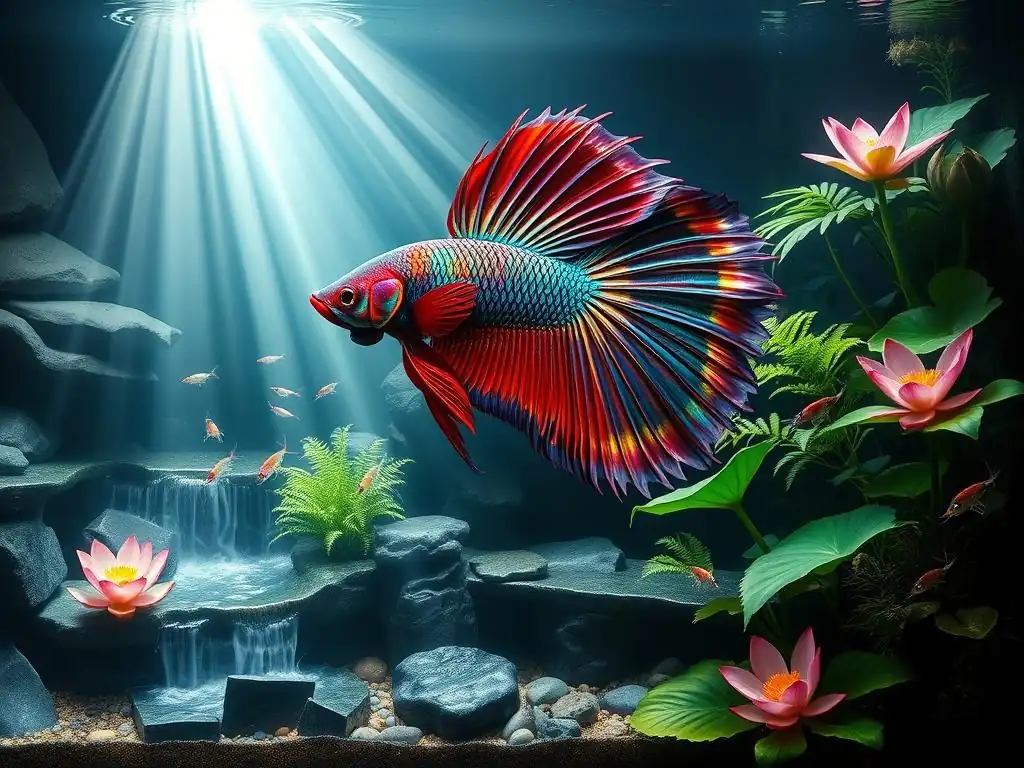
The Dragon Scale Betta is a unique and highly sought-after variety of Betta splendens, distinguished by its incredibly thick, iridescent scales that cover its body, often extending onto the head. These scales possess a striking metallic sheen, giving the fish an appearance reminiscent of a mythical dragon's armor. Unlike the thinner, more translucent scales of traditional bettas, Dragon Scales are opaque and exhibit a remarkable depth of color and shimmer, which intensifies under proper lighting. This distinctive scaling contributes significantly to their visual appeal and sets them apart in the aquarium hobby.
Beyond their prominent scales, Dragon Scale Bettas share many characteristics with other Betta splendens varieties, including their labyrinth organ, allowing them to breathe atmospheric air, and their typically aggressive nature towards other male bettas. Their body shape is robust, and their fins can come in various forms, such as Halfmoon, Plakat, or Crowntail, all enhanced by the metallic overlay. The opaqueness of their scales often results in vibrant, solid base colors like red, blue, or black, which are then overlaid with the characteristic silver, copper, or gold iridescence.
Dragon Scale Betta Origins and Selective Breeding
The Dragon Scale Betta trait originated in Thailand in the early 2000s, emerging from a genetic mutation that resulted in the unusually thick and iridescent scales. Breeders quickly recognized the aesthetic potential of this mutation and began a rigorous selective breeding program. Early examples were often crossbred with traditional metallic bettas to enhance the coverage and intensity of the scales, ensuring the "armor" effect was widespread across the fish's body. This dedicated effort by breeders like those in Southeast Asia has led to the diverse range of Dragon Scale Betta colors and patterns seen today.
This selective breeding process has focused not only on the visual aspects of the scales but also on stabilizing the genetic trait. While the initial mutation was spontaneous, subsequent generations have been carefully bred to consistently produce offspring with the desired thick, metallic scales. This intense focus on a specific aesthetic trait means that Dragon scale betta care tips often need to address potential genetic predispositions, such as the tendency for excessive scale growth which can sometimes lead to health issues like "Diamond Eye."
Dragon Scale Betta vs. Other Betta Varieties: A Comparison
The primary distinguishing feature of the Dragon Scale Betta compared to other common varieties lies in its unique scale structure. Traditional bettas, such as Veiltails or Halfmoons, possess thinner, more flexible scales that contribute to their overall sleek appearance, with iridescence typically limited to certain areas or being less pronounced. In contrast, Dragon Scales have significantly thicker, more opaque scales that create a pronounced, almost textural, armored look across their entire body, giving them a heavier, more robust appearance. This scale type results in a distinct visual density and shimmer that is unparalleled by other betta types.
Furthermore, the genetic makeup responsible for the Dragon Scale trait introduces certain considerations for their long-term health and Dragon scale betta care tips that are less common in other varieties. For instance, the propensity for scale overgrowth, which can lead to vision impairment (Diamond Eye), is almost exclusively observed in Dragon Scale Bettas. While all bettas require excellent water quality and a stable environment, Dragon Scales may benefit from specific monitoring for these scale-related issues, making their care subtly different from, for example, a standard Plakat or Crowntail Betta.
Dragon Scale Betta Care Tips: Creating the Ideal Environment
Setting Up the Perfect Dragon Scale Betta Tank: Size and Essentials
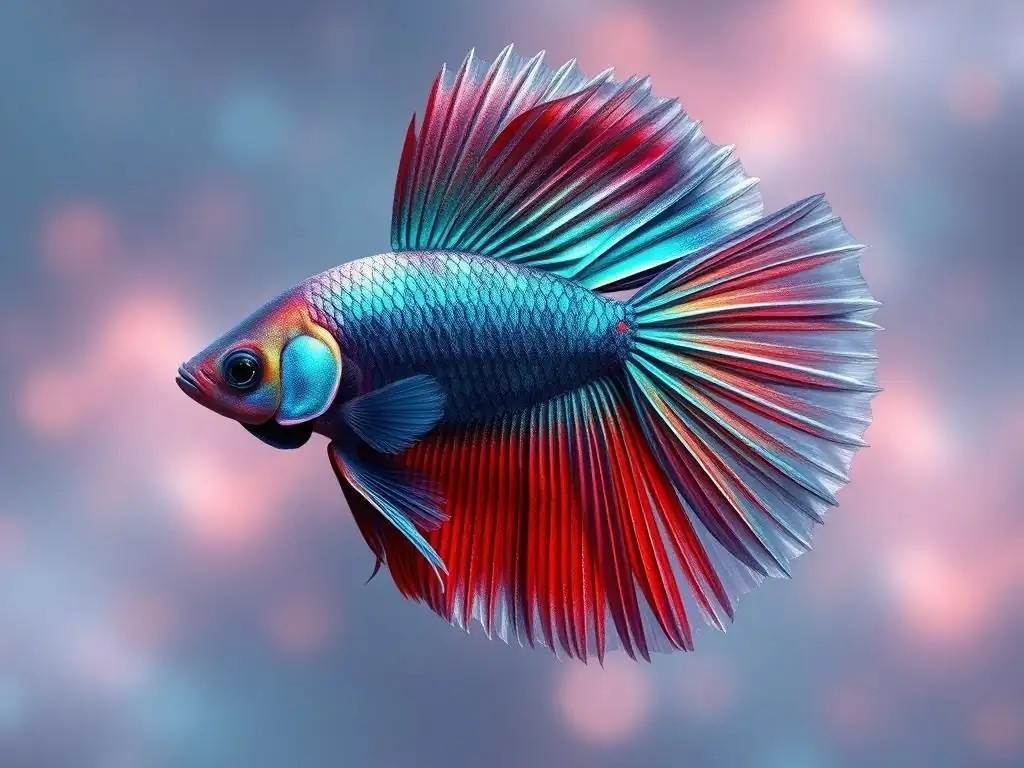
For optimal health and comfort, a Dragon Scale Betta requires a tank of at least 5 gallons (approximately 19 liters), though a 10-gallon (38-liter) tank is highly recommended. Larger tanks provide greater water volume, which contributes to more stable water parameters and reduces the frequency of necessary water changes, thereby lowering stress on the fish.
The tank should be equipped with a reliable heater to maintain a consistent water temperature between 78-80°F (25.5-26.7°C), as bettas are tropical fish and sensitive to temperature fluctuations. A low-flow filter, such as a sponge filter or a baffled hang-on-back (HOB) filter, is essential to keep the water clean without creating strong currents that can stress their delicate fins.
Beyond the basic equipment, the tank setup should prioritize comfort and enrichment. Smooth substrate, such as fine gravel or sand, is preferred to prevent fin damage. Decor should include plenty of hiding spots and resting places, such as ceramic caves, smooth driftwood, and live plants. Live plants like Anubias, Java Fern, and floating plants (e.g., Frogbit or Dwarf Water Lettuce) not only provide natural enrichment and cover but also help absorb nitrates and maintain water quality. Always ensure any decor has no sharp edges that could tear a betta's fins. A secure lid is also crucial, as bettas are known jumpers, especially when exploring or startled. These are fundamental Dragon scale betta care tips for their well-being.
Dragon Scale Betta Water Parameters: Maintaining Optimal Conditions
Maintaining precise and stable water parameters is paramount for the health and vibrancy of Dragon Scale Bettas. The ideal pH range is slightly acidic to neutral, between 6.5 and 7.5. Ammonia and nitrite levels must consistently be 0 parts per million (ppm), as these are highly toxic to fish.
Nitrate levels should be kept below 20 ppm, ideally closer to 10 ppm, through regular water changes. The water hardness (GH) should be soft to moderately hard, ranging from 3 to 12 dGH. Regular testing with a reliable liquid test kit is essential to monitor these parameters and identify any issues before they become critical.
Consistent water changes are a cornerstone of effective Dragon scale betta care tips. For a 5-gallon tank, a 25% water change weekly is often sufficient, while larger tanks might allow for a 25-50% change bi-weekly. Always use a dechlorinator or water conditioner to remove chlorine and chloramines from tap water, which are harmful to fish. Maintaining stable water parameters not only prevents common diseases but also helps preserve the unique iridescent sheen of the Dragon Scale Betta, as poor water quality can dull their colors and compromise their immune system.
Dragon Scale Betta Diet and Nutrition: Feeding for Health and Color
A high-quality, varied diet is crucial for the health, vibrant coloration, and longevity of Dragon Scale Bettas. Their primary diet should consist of premium betta pellets or flakes, specifically formulated for bettas, which are rich in protein and essential nutrients. These should be supplemented with a variety of frozen or live foods, such as bloodworms, brine shrimp, and daphnia, several times a week.
These supplements provide a broader spectrum of nutrients and act as natural appetite stimulants, mimicking their natural diet in the wild. Feeding small amounts, typically what the fish can consume within 2-3 minutes, once or twice a day, helps prevent overfeeding and subsequent water quality issues.
Overfeeding is a common mistake that can lead to digestive problems, obesity, and dangerously high ammonia levels in the tank. It's better to underfeed slightly than to overfeed. A healthy diet directly impacts the intensity and luster of their dragon scales; fish fed a poor diet often exhibit duller colors and may be more susceptible to illness. For instance, a diet lacking in sufficient protein (bettas require at least 35-40% protein) can lead to lethargy and faded coloration. Implementing a strict feeding schedule and offering varied foods are key Dragon scale betta care tips for maintaining peak health.
Dragon Scale Betta Tank Mates: Compatibility Considerations
Dragon Scale Bettas, like other Betta splendens varieties, are known for their territorial and often aggressive nature, especially males towards other males or fish with long, flowing fins. Therefore, selecting appropriate tank mates requires careful consideration and a larger tank size, typically 10 gallons or more, to reduce stress and aggression. Generally, it is best to keep a single male betta per tank. If tank mates are desired, opt for small, peaceful, bottom-dwelling species that are not fin-nippers and have short fins themselves.
Suitable tank mate options for a single Dragon Scale Betta in a sufficiently sized tank include:
- Snails: Nerite snails, Mystery snails (provide excellent algae control and are peaceful).
- Shrimp: Amano shrimp, Ghost shrimp (though some bettas may view them as food).
- Small, peaceful schooling fish: Pygmy Corydoras, Otocinclus catfish (in tanks 10 gallons or larger, with ample hiding spots).
It is crucial to observe the betta's behavior closely after introducing any tank mates. Some bettas are inherently more aggressive than others, and even typically peaceful tank mates may not be tolerated. Signs of aggression include flaring, chasing, or nipping. If aggression persists, the tank mates should be removed to prevent injury or stress. These Dragon scale betta care tips emphasize individual temperament over blanket compatibility.
Common Dragon Scale Betta Health Issues and Treatment
Understanding the Scale Overgrowth Problem in Dragon Scale Bettas
One of the most significant and unique health challenges faced by Dragon Scale Bettas is the genetic predisposition to excessive scale growth, often referred to as "armoring" or "scaling over." This condition is a direct consequence of the selective breeding that enhances their thick, iridescent scales.
While initially desirable, this growth can continue throughout the fish's life, leading to scales becoming incredibly dense and sometimes even growing over parts of the fins or, most critically, the eyes. This progressive overgrowth is not a disease in the traditional sense but rather an inherent genetic trait that, when expressed excessively, can impair the fish's quality of life.
Unfortunately, there is no known cure for scale overgrowth as it's a genetic issue rather than an infection or deficiency. The primary concern is when the scales grow over the eyes, leading to a condition known as "Diamond Eye." While the fish may still be able to discern light and shadow, their vision is severely compromised, making it difficult for them to find food or navigate their environment. Owners of Dragon Scale Bettas must be vigilant for signs of this condition and adjust their Dragon scale betta care tips accordingly, such as target feeding to ensure the fish gets enough nutrition.
Preventing and Treating Diamond Eye in Dragon Scale Bettas
Diamond Eye occurs when the characteristic thick scales of a Dragon Scale Betta grow over and obscure the fish's eyes, severely impairing or completely blocking its vision. As this condition is a manifestation of their specific genetics, direct prevention is largely impossible once the trait is present. However, maintaining impeccable water quality and a low-stress environment can potentially slow down the progression of any genetic predispositions by ensuring the fish's immune system is strong and not burdened by environmental stressors. Consistent Dragon scale betta care tips focused on pristine water parameters (0 ammonia, 0 nitrite, low nitrate) are vital.
For bettas already suffering from Diamond Eye, treatment focuses on supportive care and adaptation rather than a cure. The main objective is to ensure the fish can still feed and live comfortably. This often involves:
- Target Feeding: Using tweezers or a feeding stick to offer food directly in front of the fish, ensuring it can locate and consume its meals.
- Consistent Tank Layout: Avoiding frequent rearrangement of tank decor, so the fish can memorize its environment.
- Smooth Decor: Ensuring all tank decorations are smooth and free of sharp edges to prevent injury to a sight-impaired fish.
- Monitoring: Regularly observing the fish for signs of stress, weight loss, or secondary infections that might arise from its impaired vision.
Recognizing and Addressing Common Betta Diseases: Fin Rot, Ich, and Velvet
Dragon Scale Bettas, despite their robust appearance, are susceptible to common aquarium diseases if their environment is not optimal. Recognizing symptoms early is a critical Dragon scale betta care tips for successful treatment.
- Fin Rot: This bacterial infection manifests as frayed, ragged, or disintegrating fins, sometimes with white or black edges. It's often caused by poor water quality, especially high nitrates, or physical injury.
- Treatment: The first step is always pristine water conditions. Perform a 50% water change and ensure the tank is cycled. For mild cases, consistent clean water is often sufficient. More severe cases may require medication like API Bettafix or Furan-2, following product instructions carefully.
- Ich (White Spot Disease): Caused by the parasite Ichthyophthirius multifiliis, Ich appears as small, salt-like white spots on the fish's body and fins. Fish may also rub against decor due to irritation.
- Treatment: Gradually raise the tank temperature to 82-84°F (28-29°C) over 24 hours (if no tank mates are sensitive). Add aquarium salt (1 tablespoon per 5 gallons) or use an Ich-specific medication like API Super Ick Cure. Continue treatment for at least 7-10 days, even after spots disappear, to kill the parasite at all life stages.
- Velvet (Oodinium): A parasitic infection that appears as a dusty, yellowish, or golden coating on the fish's skin, often best seen with a flashlight. Fish may gasp at the surface, clamp fins, and become lethargic.
- Treatment: This is highly contagious and requires immediate action. Turn off tank lights or dim them significantly, as the parasite is photosynthetic. Treat with copper-based medications (e.g., Seachem Cupramine or API Copper Safe) or malachite green, strictly following dosage instructions. Ensure adequate aeration during treatment.
Always quarantine new fish and plants, and maintain stable, clean water parameters to minimize the risk of these and other infections.
Dragon Scale Betta Breeding: A Guide to Responsible Breeding Practices
Preparing for Dragon Scale Betta Breeding: Conditioning and Tank Setup
Responsible breeding of Dragon Scale Bettas requires careful preparation to ensure the health of the parent fish and the success of the spawn. Both the male and female bettas should be at least 6-8 months old, healthy, and conditioned for breeding. Conditioning involves feeding them a high-protein diet of live or frozen foods (such as bloodworms, brine shrimp, and daphnia) for 1-2 weeks prior to breeding. This boosts their nutritional reserves, promotes egg development in the female, and encourages the male's readiness to build a bubble nest.
A dedicated breeding tank, typically 10-20 gallons (38-76 liters), should be set up with shallow water (4-6 inches deep) to make it easier for the male to tend to the eggs and fry. The tank needs a heater to maintain a stable temperature of 80-82°F (26.7-27.8°C), which encourages spawning. Floating plants or a Styrofoam cup cut in half should be provided as anchor points for the male's bubble nest.
A spawning mop or some fine-leaved plants can offer the female a place to hide if the male becomes too aggressive. Introducing the male and female in separate compartments of the breeding tank (e.g., using a clear divider) for a few days allows them to get accustomed to each other without direct interaction, observing for flaring and interest.
Dragon Scale Betta Breeding Process: Spawning and Fry Care
Once the male has built a substantial bubble nest and the female is visibly plump with eggs and displaying vertical breeding bars, the divider can be removed. The male will typically begin to court the female, flaring and attempting to herd her under the nest. Spawning involves a series of "embraces" where the male wraps around the female, gently squeezing eggs from her. The eggs are then fertilized, and both parents may retrieve the sinking eggs, with the male usually placing them into the bubble nest. This process can last for several hours, resulting in hundreds of tiny eggs.
After spawning is complete, the female should be carefully removed from the breeding tank. The male will assume full responsibility for guarding the nest and tending to the eggs, ensuring they remain aerated and don't fall out. The eggs typically hatch within 24-48 hours, and the tiny fry will cling to the nest. They will remain in the nest, absorbing their yolk sacs, for another 3-5 days before becoming free-swimming. Once the fry are free-swimming and no longer dependent on the nest, the male should also be removed to prevent him from potentially eating his offspring. This careful management of the parents is a crucial Dragon scale betta care tips for successful fry rearing.
Dragon Scale Betta Fry Care: Raising Healthy Dragon Scale Offspring
Raising Dragon Scale Betta fry requires meticulous attention to diet and water quality. For the first few days after becoming free-swimming, the fry are too small to eat conventional foods. Their initial diet should consist of infusoria (microscopic organisms) or specialized liquid fry food. After approximately one week, they will be large enough to consume newly hatched brine shrimp or microworms, which are highly nutritious and stimulate growth. Feed small amounts frequently, about 3-4 times a day, to ensure all fry get enough food without polluting the water.
Maintaining pristine water conditions is paramount for fry survival and development. Due to their delicate nature and the high bio-load of many fry in a small tank, daily small water changes (10-20%) are often necessary. Use a small airline tube to siphon out debris and uneaten food, and replace with temperature-matched, dechlorinated water. As the fry grow, provide plenty of hiding spots using live plants to reduce aggression, as male bettas will begin to develop their territorial instincts around 4-6 weeks of age. Proper Dragon scale betta care tips for fry include gradually increasing food size and preparing for individual housing as they mature to prevent fighting.
Identifying and Selecting Healthy Dragon Scale Bettas for Your Aquarium
Choosing a Healthy Dragon Scale Betta: What to Look For
When selecting a Dragon Scale Betta for your aquarium, careful observation is key to ensuring you bring home a healthy specimen. A healthy Dragon Scale Betta should be active and alert, responding to its surroundings. Look for fish that are swimming purposefully, not listless or sitting at the bottom of the tank. Their fins should be fully extended, free from tears, nips, or signs of fin rot (e.g., black or red edges). The body should be full and plump, without any sunken bellies or visible deformities.
Pay close attention to their scales and eyes. The characteristic metallic scales should be vibrant and evenly distributed, with no signs of dullness or patchy areas. Their eyes should be clear, bright, and free from cloudiness or any scales growing over them (a sign of impending Diamond Eye). Avoid fish with clamped fins, labored breathing (gasping at the surface), white spots (Ich), or a dusty film (Velvet). Inquire about the store's water change schedule and feeding routine. These Dragon scale betta care tips for selection can prevent future health headaches.
Dragon Scale Betta Colors and Patterns: Understanding the Variations
Dragon Scale Bettas exhibit a stunning array of colors and patterns, largely due to the interaction of their base body color with the unique metallic overlay. The base colors can range from deep reds, blues, greens, and blacks to more subtle whites, yellows, and oranges. Over this base, the iridescent scales create a shimmering effect that can appear silver, copper, gold, or even a mix of these depending on the lighting and viewing angle. This metallic sheen gives them their distinctive "armored" look.
Beyond solid colors, Dragon Scale Bettas also come in various patterns:
- Solid Dragon Scale: The entire body is covered in a single base color with a consistent metallic overlay.
- Bi-color Dragon Scale: Features two distinct colors, often with the metallic scales covering one dominant color and fins displaying another.
- Marble/Koi Dragon Scale: These highly prized variations have irregular patches of different colors (e.g., red, black, white) on their body, overlaid with the metallic scales, resembling Koi carp.
- Galaxy Dragon Scale: Similar to Koi, but with iridescent spots or splashes of color, creating a "galaxy-like" effect.
Understanding these variations helps aquarists appreciate the genetic diversity and beauty of the breed, and can inform personal preference when seeking Dragon scale betta care tips for showcasing their unique aesthetics.
Where to Buy Dragon Scale Bettas: Reputable Breeders and Shops
Finding a healthy and genetically robust Dragon Scale Betta often depends on the source. While some general pet stores may carry them, specialized aquarium stores or dedicated betta breeders are typically the best places to purchase these unique fish. Reputable breeders often have a deeper understanding of betta genetics, health, and lineage, which can result in healthier fish with fewer genetic predispositions to issues like severe scale overgrowth. They also tend to provide better living conditions for their fish, reducing stress and disease transmission.
When considering a source, especially online breeders, look for:
- Clear communication: Sellers who are willing to answer questions about their fish's health, age, and lineage.
- High-quality photos/videos: Ensuring you see the actual fish you are purchasing.
- Positive reviews and testimonials: From other aquarists.
- Clean facilities: If visiting a local shop, observe the cleanliness of their betta tanks and the overall health of their fish stock.
Avoiding mass-market pet stores where bettas are often kept in small, unheated cups is a crucial Dragon scale betta care tips for supporting ethical practices and acquiring a healthier fish, as these conditions severely stress the animals and make them prone to disease.
Advanced Dragon Scale Betta Care: Enhancing Color and Lifespan
Optimizing Water Quality for Dragon Scale Betta Health and Color
Beyond maintaining basic optimal water parameters, advanced Dragon scale betta care tips for enhancing health and color involve refining water quality management. This includes not just regular water changes but also ensuring the stability of the water temperature and minimizing pH fluctuations. Using a high-quality water conditioner that neutralizes chlorine, chloramines, and heavy metals is essential. Some experienced aquarists opt to age their tap water for 24-48 hours before use, allowing gases to dissipate and water temperature to equalize, further reducing stress during changes.
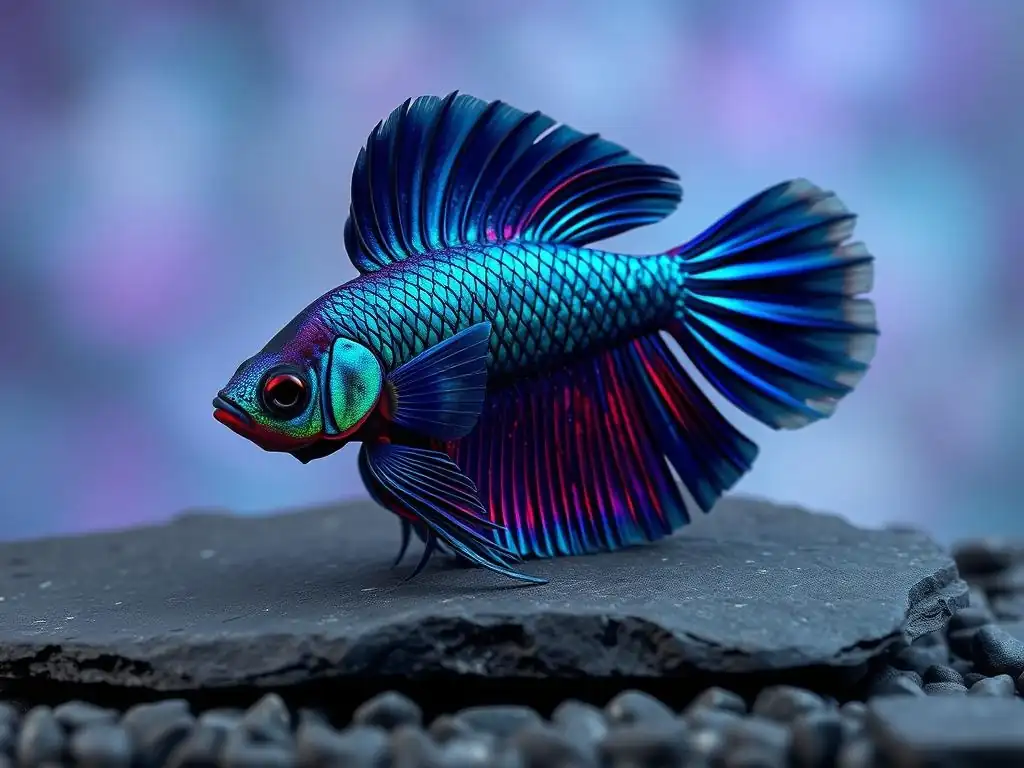
Incorporating natural additives can also significantly benefit Dragon Scale Bettas. Indian Almond Leaves (IALs), for example, release beneficial tannins into the water, which slightly lower pH, provide mild antibacterial and antifungal properties, and mimic the natural blackwater environments bettas thrive in. These tannins can also enhance the natural colors of the fish, making their metallic scales appear even more vibrant. While not a substitute for mechanical and biological filtration, these elements contribute to a holistic approach to water quality that supports the fish's immune system and promotes their most brilliant coloration.
Providing Enrichment for Dragon Scale Bettas: Preventing Boredom
Dragon Scale Bettas, like all Betta splendens, are intelligent and curious fish that can suffer from boredom and lethargy in an unstimulating environment. Providing adequate enrichment is an advanced Dragon scale betta care tips that goes beyond basic survival, contributing significantly to their mental well-being and overall health. This includes a varied and interesting tank setup with plenty of hiding spots, tunnels, and live plants that they can explore. Rotating decor periodically can also keep their environment fresh and engaging.
Consider adding "betta toys" such as floating logs or leaf hammocks, which provide resting places near the surface and encourage natural behaviors. Gentle interaction with your betta can also be enriching; some bettas enjoy following a finger along the glass or even being target-fed with tongs. However, avoid tapping on the glass, which can be stressful. A well-enriched betta is less likely to exhibit stress behaviors like fin nipping or glass surfing, leading to a more active, vibrant, and long-lived pet.
Long-Term Dragon Scale Betta Care: Ensuring a Happy and Healthy Life
Long-term Dragon scale betta care tips involve a consistent, proactive approach to maintenance and health monitoring. This means establishing a routine for weekly or bi-weekly water changes, regular filter maintenance (rinsing filter media in old tank water to preserve beneficial bacteria), and vacuuming the substrate to remove uneaten food and waste. Beyond routine tasks, daily observation of your betta's behavior, appetite, and appearance is crucial for early detection of any health issues. Changes in color, clamped fins, labored breathing, or refusal to eat are all signs that require immediate investigation.
The average lifespan of a well-cared-for Betta splendens is typically 3-5 years, and Dragon Scale Bettas are no exception. Achieving this longevity requires unwavering commitment to optimal water parameters, a high-quality diet, and a stimulating environment throughout their lives. This includes being prepared to manage potential genetic issues like Diamond Eye as the fish ages, adapting feeding methods, and ensuring their environment remains safe. Proactive care, rather than reactive treatment, is the cornerstone of ensuring a happy and healthy life for these unique and beautiful fish.
Dragon Scale Betta: The Pros and Cons of Owning This Unique Breed
The Allure of the Dragon Scale Betta: Benefits of Keeping Them
The primary allure of the Dragon Scale Betta lies in its extraordinary and unique aesthetic appeal. Their distinctive, thick, metallic scales create an "armored" appearance that sets them apart from all other betta varieties, offering a truly captivating visual spectacle in any aquarium. The iridescent shimmer of their scales, which can range from silver to copper to gold, combined with vibrant base colors, makes them incredibly striking and a focal point of admiration. This unique beauty is often the main reason aquarists are drawn to this specific breed.
Beyond their looks, Dragon Scale Bettas share the engaging personalities common to all Betta splendens. They are often interactive, recognizing their owners, and displaying curious behaviors. Their relatively small size means they don't require exceptionally large tanks (a 5-10 gallon tank is suitable for a single fish), making them accessible to aquarists with limited space. The satisfaction of providing specialized Dragon scale betta care tips for such a visually stunning and unique creature is a significant benefit for many hobbyists.
Potential Challenges in Dragon Scale Betta Care: Considerations Before Acquiring
While undeniably beautiful, owning a Dragon Scale Betta comes with specific challenges that potential owners should be aware of. The most notable challenge stems directly from the genetic trait that gives them their unique appearance: the propensity for excessive scale growth. This can lead to conditions like "Diamond Eye," where scales grow over the fish's eyes, impairing its vision. While not always life-threatening, it requires adaptive Dragon scale betta care tips, such as target feeding and consistent tank layouts, which can be more demanding than caring for a betta with unimpaired vision.
Furthermore, like all selectively bred ornamental fish, Dragon Scale Bettas can sometimes be more delicate or prone to certain health issues if their environment is not absolutely pristine. They are susceptible to common betta ailments like fin rot, Ich, and velvet if water quality is poor, and their unique scale structure doesn't offer them additional immunity. Therefore, while their size makes them seem easy to care for, the specific Dragon scale betta care tips they require for optimal health and to mitigate genetic predispositions mean they are not a "set it and forget it" pet and demand consistent, attentive husbandry.
Frequently Asked Questions
How are Dragon Scale Bettas different from other types of Bettas?
Dragon Scale Bettas are distinguished by their thick, opaque scales that resemble dragon armor. This unique scale pattern is a result of specific genetics and breeding, making them visually distinct from other Betta varieties.
What are the specific water parameters ideal for Dragon Scale Bettas?
Dragon Scale Bettas, like other bettas, thrive in warm, slightly acidic water. Maintain a temperature between 78-82°F and a pH of 6.5-7.5. Regular water changes are crucial to avoid ammonia and nitrite buildup.
What are some common health problems that Dragon Scale Bettas are prone to?
Due to their thick scales, Dragon Scale Bettas are prone to scale issues and are more susceptible to scale deformities which often leads to diamond eye. Maintaining pristine water conditions is vital to prevent infections.
What kind of diet should I feed my Dragon Scale Betta?
Dragon Scale Bettas are carnivores and require a diet rich in protein. Offer them high-quality Betta pellets, supplemented with live or frozen foods like bloodworms, daphnia, or brine shrimp.
What size aquarium is recommended for a Dragon Scale Betta?
While they can survive in smaller spaces, a 5-gallon tank is the minimum recommended size for a single Dragon Scale Betta. A larger tank, such as a 10-gallon, will provide more space and improve water quality.
Final Reflection: Embracing the Dragon's Shimmer
The allure of Dragon Scale Bettas, with their captivating shimmer and intricate scale patterns, is undeniable. However, as we've explored in this article, their beauty comes with a responsibility. Understanding the specific needs of these magnificent creatures is paramount to ensuring their health and longevity, moving beyond mere aesthetics to prioritize ethical and informed care.
The popularity of Dragon Scale Bettas has undeniably shaped the aquarium hobby, introducing a new level of appreciation for selectively bred fish. This fascination, however, underscores the crucial need for responsible breeding practices and informed ownership. We must remember that these are living beings, not mere decorations. The greatness of a nation and its moral progress can be judged by the way its animals are treated.
- Mahatma Gandhi. This quote, while broad, resonates deeply when considering the care we provide to these vulnerable creatures.
Now, armed with these insights into Dragon Scale Betta care, I encourage you to reflect on your own role in the aquarium hobby. Are you prepared to provide the specialized environment and attention these fish require? Let us all strive to be informed and compassionate keepers, ensuring that the dragon's shimmer continues to grace our aquariums for generations to come, not at the expense of their well-being, but as a testament to our dedication to their care.
Ignite Your Betta Brilliance!
Thank you for diving into the captivating world of Dragon Scale Bettas. Now that you're armed with knowledge about their unique shimmer and special needs, it's time to put that understanding into action.
Here's how you can further enrich your journey with these scaled wonders:
- Commit to providing a spacious, heavily planted aquarium for your Dragon Scale Betta to thrive, mimicking their natural habitat. Pay extra attention to water parameters to minimize the risk of diamond eye.
- Share your newfound Betta knowledge! Create a post on your favorite aquarium forum highlighting the specific care requirements of Dragon Scale Bettas and help other enthusiasts avoid common pitfalls.
- Explore the fascinating world of Betta genetics. Research the specific genes that contribute to the Dragon Scale pattern, unveiling the science behind their stunning appearance.
What unique plant combination will you choose to create the perfect Dragon Scale Betta paradise?