
Lineatus Fairy Wrasse (Cirrhilabrus lineatus): Elegance Defined by Stripes and Grace

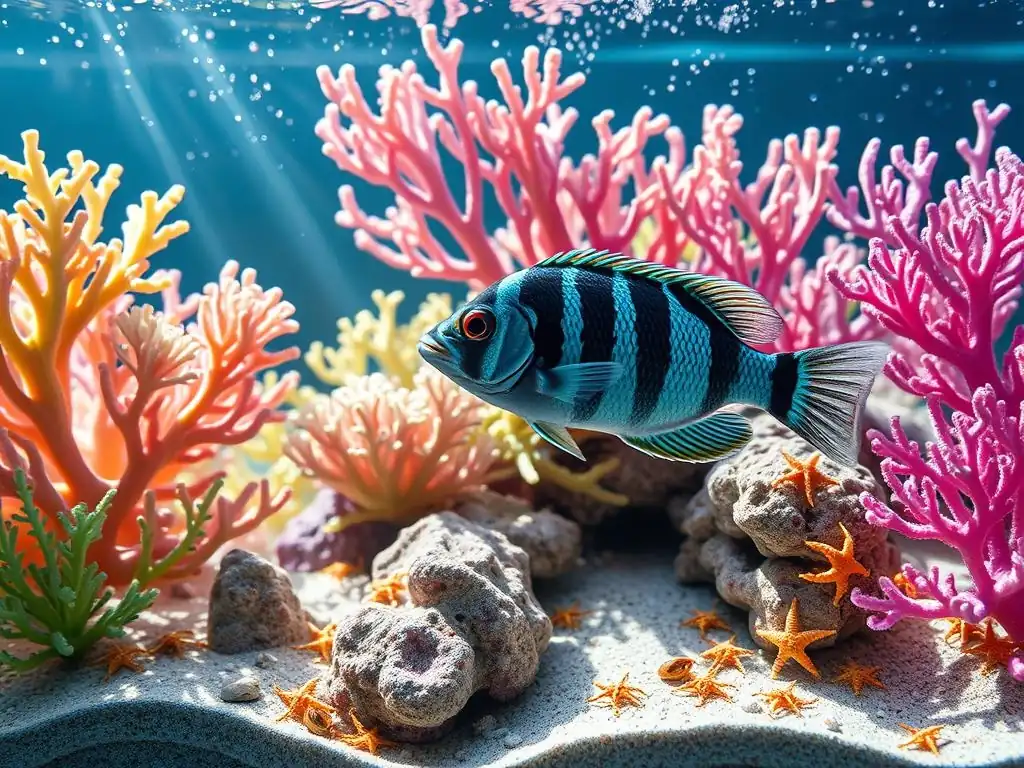
Welcome to Aquarium Mastery!
Ever been captivated by the breathtaking beauty of a fish that seems to defy the very essence of underwater elegance? Dive in with us as we unravel the secrets to successfully keeping the Lineatus Fairy Wrasse, a true spectacle in the saltwater aquarium world. Prepare to discover the nuances of Lineatus fairy wrasse care, unlocking the secrets to their vibrant health and happiness. Are you ready to witness the magic? Let's get started!
- Leopard Wrasse (Macropharyngodon spp. ): A Guide to Care and Appreciation
- Introduction to the Captivating Leopard Wrasse
- Leopard Wrasse: A Profile of Color and Behavior
- Leopard Wrasse Care: Essential Guidelines for Aquarists
- Leopard Wrasse: Breeding and Reproduction
- The Allure of the Leopard Wrasse for Reef Aquariums
- Purchasing a Leopard Wrasse: What to Look For
- Leopard Wrasse Care: Troubleshooting Common Issues
- Conclusion: Mastering Leopard Wrasse Care for a Thriving Aquarium
- Frequently Asked Questions
- Final Reflection: Embracing the Delicate Balance
- Dive Deeper: Unleash Your Inner Reef Keeper!
Leopard Wrasse (Macropharyngodon spp. ): A Guide to Care and Appreciation
Introduction to the Captivating Leopard Wrasse
The Leopard Wrasse, encompassing various species within the Macropharyngodon genus, is a highly sought-after fish among saltwater aquarists due to its striking coloration, intricate patterns, and engaging behavior. These captivating creatures, often displaying a mosaic of spots and stripes, bring a vibrant elegance to any reef aquarium. While their beauty is undeniable, successful Leopard wrasse care requires a thorough understanding of their specific needs, from their unique dietary requirements to their crucial environmental preferences.
This comprehensive guide aims to equip aquarists with the essential knowledge for providing optimal Leopard wrasse care, ensuring these delicate fish not only survive but truly thrive in a captive environment. By delving into their natural history, specific husbandry requirements, and common challenges, we will explore how to create a suitable habitat that allows these fascinating wrasses to display their full splendor and contribute positively to a thriving marine ecosystem.
Leopard Wrasse: A Profile of Color and Behavior
Origin and Habitat of the Macropharyngodon Genus
Leopard wrasses originate from the vast Indo-Pacific region, spanning from the Red Sea and East Africa across to the central Pacific Ocean, including diverse locations like Fiji, Tonga, and the Great Barrier Reef. Within this expansive range, they typically inhabit shallow, clear waters, often found at depths ranging from 10 to 100 feet (approximately 3 to 30 meters).
Their natural habitat is characterized by sandy or rubble bottoms adjacent to coral reefs, where they spend their days meticulously foraging for small invertebrates. These areas provide the perfect blend of open sand for burrowing and rocky structures for shelter and hunting. At night, or when startled, Leopard wrasses exhibit their distinctive behavior of burying themselves completely in the sand, a crucial adaptation for protection against predators.
Physical Characteristics: Identifying Different Leopard Wrasse Species
Leopard wrasses are renowned for their distinctive and highly variable physical characteristics, which contribute significantly to their allure. They possess elongated, torpedo-shaped bodies, typically adorned with a kaleidoscope of spots, ocelli (eye-spots), and intricate patterns that resemble a leopard's coat, hence their common name. Their base coloration can range from vibrant greens and blues to rich oranges and reds, often with iridescent scales that shimmer under proper lighting.
While all species share the characteristic elongated body and propensity for burying, specific patterns and color schemes help differentiate them. For instance, Macropharyngodon bipartitus (Blue-Star Leopard Wrasse) often displays striking blue spots, while Macropharyngodon meleagris (Guinea Fowl Wrasse) is known for its more uniform spotted pattern. Males often exhibit more intense coloration and sometimes develop extended fins or more pronounced patterns compared to females, showcasing a degree of sexual dimorphism within the genus.
Size and Lifespan of Leopard Wrasses in Captivity
In a home aquarium, most species of Leopard wrasse reach an average adult size of approximately 4 to 6 inches (about 10 to 15 centimeters). While some larger species might exceed this, the majority fall within this range, making them suitable for appropriately sized marine tanks. Their relatively modest size contributes to their appeal for reef aquarists, as they do not typically outgrow standard setups.
With diligent Leopard wrasse care, including stable water parameters, a high-quality diet, and a stress-free environment, these fish can enjoy a considerable lifespan in captivity. A well-cared-for Leopard wrasse can live for 5 to 8 years, and in some exceptional cases, even longer. This longevity underscores the importance of commitment to their specific husbandry requirements to ensure a thriving and long-lived specimen.
Leopard Wrasse Care: Essential Guidelines for Aquarists
Optimal Tank Setup for Leopard Wrasses
Tank Size Requirements for a Healthy Leopard Wrasse
Providing adequate space is paramount for successful Leopard wrasse care. For a single specimen, a minimum tank size of 50 to 75 gallons (approximately 190 to 280 liters) is generally recommended. This volume allows for sufficient swimming room and helps maintain stable water parameters, which are crucial for these sensitive fish.
Larger tanks, ideally 90 gallons (340 liters) or more, are always preferable, especially if considering keeping multiple Leopard wrasses or if they are part of a diverse community tank. More volume dilutes waste products, provides more stable temperatures, and reduces potential territorial disputes, contributing significantly to the long-term health and well-being of the fish.
Substrate and Aquascaping Preferences: The Importance of Sand
The substrate is arguably the single most critical element in a Leopard wrasse's environment. A deep, fine sand bed is absolutely essential for their survival and natural behavior. The sand bed should be at least 3 to 4 inches (approximately 7 to 10 centimeters) deep to allow them to fully bury themselves at night or when startled, a behavior vital for their security and comfort.
The sand should be fine-grained, such as aragonite sand with a grain size of 0.5-2 mm, to prevent injury to their delicate skin and fins during burrowing. While live rock can be incorporated for aesthetic appeal and additional hiding spots, it should be arranged to allow large open sandy areas. Avoid placing rocks directly on the sand, as the wrasse's burrowing activities could undermine structures, leading to collapses.
Water Parameters: Maintaining Ideal Conditions for Leopard Wrasses
Maintaining pristine and stable water parameters is non-negotiable for optimal Leopard wrasse care. These fish are highly sensitive to fluctuations and poor water quality. The ideal temperature range for Leopard wrasses is between 74-78°F (23-26°C), with minimal daily swings.
Salinity should be kept consistently between 1.023 and 1.026 specific gravity, reflecting their natural marine environment. A stable pH of 8.1-8.4 is also vital, along with an alkalinity range of 8-12 dKH. Nitrates should be kept below 10 ppm, and phosphates below 0.03 ppm, as high levels of these pollutants can quickly lead to stress and disease. Regular partial water changes, typically 10-20% bi-weekly, are essential to replenish trace elements and export accumulated nutrients, ensuring a healthy and stable environment.
Leopard Wrasse Diet and Feeding
What to Feed Your Leopard Wrasse: Nutritional Needs and Live Foods
Leopard wrasses are micro-predators in their natural habitat, constantly grazing on small invertebrates such as copepods, amphipods, and other tiny crustaceans found within the sand and on live rock. Replicating this natural diet is crucial for successful Leopard wrasse care in captivity. They often struggle to adapt to prepared foods, making live foods a critical component of their diet, especially during acclimation.
Ideal foods include live copepods, live brine shrimp (preferably enriched), and live blackworms. Frozen foods, such as enriched frozen mysis shrimp, cyclop-eeze, finely chopped krill, and various marine preparations, can be introduced gradually. It's important to offer a varied diet to ensure they receive all necessary nutrients. Many aquarists find success by regularly dosing their tanks with live copepods to establish a sustainable population for the wrasse to graze on.
Feeding Frequency and Methods for Optimal Health: A Focus on Small Meals
Due to their high metabolism and constant foraging behavior in the wild, Leopard wrasses require frequent, small meals throughout the day. Instead of one or two large feedings, it is recommended to feed them 3 to 5 times per day. This mimics their natural grazing patterns and ensures a continuous supply of nutrition, preventing emaciation which is a common issue with these fish.
Target feeding can be highly beneficial, especially for new or shy specimens, using a turkey baster or similar device to deliver food directly to their vicinity. Observing their feeding response is key; if they are not eating readily, it may indicate stress, poor water quality, or internal parasites. Consistent, frequent feeding is a cornerstone of effective Leopard wrasse care, directly impacting their health and longevity.
Leopard Wrasse Temperament and Compatibility
Ideal Tank Mates for Leopard Wrasses: Avoiding Aggression
Leopard wrasses are generally peaceful fish, making them excellent additions to most community reef tanks. They are non-aggressive towards other fish species and typically coexist well with a wide range of peaceful tank mates. Suitable companions include peaceful tangs, gobies, blennies, cardinalfish, and clownfish.
However, caution should be exercised when introducing them to other wrasses, especially conspecifics, unless the tank is exceptionally large (e.g., 150 gallons or more) and offers ample individual territory. Aggressive or overly boisterous fish that might outcompete the Leopard wrasse for food should be avoided, as these wrasses are slow, deliberate feeders and can easily be outcompeted, leading to starvation.
Potential Incompatibility with Certain Invertebrates
While Leopard wrasses are generally considered "reef-safe," particularly with corals, a degree of caution is warranted regarding certain invertebrates. They are natural predators of small crustaceans and worms, and their diet may occasionally include very small, delicate ornamental shrimp (like sexy shrimp) or tiny sessile invertebrates if they are sufficiently hungry or if the prey item resembles their natural food.
For the most part, larger ornamental shrimp (e.g., cleaner shrimp, peppermint shrimp), snails, and hermit crabs are usually safe. However, close observation is always recommended, especially during the initial introduction phase. Their known appetite for parasitic flatworms and pyramid snails often makes them highly desirable for reef aquariums battling these specific pests.
Leopard Wrasse Health and Disease Prevention
Common Diseases Affecting Leopard Wrasses: Internal Parasites
Leopard wrasses, being primarily wild-caught, are highly susceptible to internal parasites, such as intestinal worms and flukes. These parasites can lead to severe health issues if not addressed promptly. Symptoms often include a gradual loss of weight despite eating, lethargy, faded coloration, and sometimes abnormal feces (stringy or white).
External parasites, like marine ich (Cryptocaryon irritans), can also affect them, though their habit of burying in the sand can sometimes make initial detection difficult. Proactive measures, particularly thorough quarantine and prophylactic treatment, are essential components of robust Leopard wrasse care to prevent these common ailments from spreading to the main display tank.
Quarantine Procedures for New Leopard Wrasses and Prophylactic Treatment
A strict quarantine protocol is absolutely critical for any new Leopard wrasse acquisition. A dedicated quarantine tank (QT) of at least 20-30 gallons, with a fine sand bed, should be set up for at least 4 to 6 weeks. During this period, the fish can be observed for signs of disease and treated preventatively.
Prophylactic treatment for internal parasites using a broad-spectrum dewormer like Praziquantel (e.g., prazipro) is highly recommended, often administered via medicated food or direct water treatment. For external parasites, freshwater dips can be used cautiously, and if necessary, copper-based medications or chelated copper products can be employed, though wrasses can be sensitive to some treatments, so careful dosing and observation are key. Stable water parameters in the QT are just as important as in the main tank to minimize stress.
Leopard Wrasse: Breeding and Reproduction
Breeding Leopard Wrasses in Captivity: Challenges and Current Knowledge
Breeding Leopard wrasses in a home aquarium setting is exceptionally rare and has not been widely documented with consistent success. Like many other wrasse species, they are pelagic spawners, meaning they release eggs and sperm into the water column, where fertilization occurs, and the resulting larvae drift as plankton.
The primary challenges in captive breeding include identifying sexually mature pairs (as sexual dimorphism can be subtle or develop over time), providing the precise environmental triggers for spawning, and most significantly, the extremely delicate and specialized requirements for rearing their tiny, planktonic larvae. Due to these complexities, the vast majority of Leopard wrasses available in the aquarium trade are wild-caught specimens, highlighting the importance of sustainable collection practices and excellent Leopard wrasse care to ensure their longevity in hobbyists' tanks.
The Allure of the Leopard Wrasse for Reef Aquariums
Benefits of Keeping Leopard Wrasses in a Reef Tank: Pest Control
Beyond their undeniable beauty, Leopard wrasses offer a significant practical benefit to reef aquariums: natural pest control. They are highly regarded for their voracious appetite for certain nuisance organisms that can plague reef tanks. Specifically, many species of Leopard wrasses are known to actively hunt and consume pyramid snails ( Pyramidella spp.), which are notorious parasites of tridacnid clams, often causing irreparable damage.
Furthermore, they have been observed to effectively control populations of parasitic flatworms, such as Acropora-eating flatworms (AEFW), which can devastate SPS coral colonies. Their diligent grazing habits make them an invaluable biological pest management tool for dedicated reef aquarists, reducing the reliance on chemical treatments and promoting a healthier, more balanced reef ecosystem.
Reef Compatibility Considerations: Careful Observation Required
While Leopard wrasses are generally considered excellent inhabitants for reef aquariums due to their peaceful nature and pest-control abilities, careful observation remains key. Their primary diet consists of small invertebrates, and while they rarely bother corals, very small or unusually slow-moving ornamental shrimp (like Thor amboinensis) might occasionally be perceived as a food source, particularly if the wrasse is underfed or stressed.
Most common reef invertebrates such as larger cleaner shrimp, snails, and hermit crabs are typically safe from predation. When introducing a Leopard wrasse to a new reef environment, it is prudent to monitor its behavior closely for the first few days and weeks, ensuring it integrates well with existing tank inhabitants and does not show undue interest in any specific invertebrates. This proactive approach ensures the long-term success of Leopard wrasse care in a mixed reef setting.
Purchasing a Leopard Wrasse: What to Look For
Selecting a Healthy Specimen: Signs of a Thriving Leopard Wrasse
When purchasing a Leopard wrasse, careful inspection is crucial to ensure you acquire a healthy specimen that has the best chance of thriving in your aquarium. Look for a fish that is actively swimming and alert, rather than listless or constantly hiding (unless it's just settled into the sand for rest). Its eyes should be clear and bright, and its body should appear full and well-fed, without any signs of emaciation or sunken belly.
Inspect its fins for any signs of fraying, tears, or clamped appearance, which can indicate stress or disease. The coloration should be vibrant and true to the species, without any dullness, white spots (ich), or cloudy patches. It's also wise to ask the vendor how long the fish has been in their care and if it is actively eating prepared foods, as this indicates a better chance of successful acclimation and sustained Leopard wrasse care.
Acclimation Strategies for Leopard Wrasses: Ensuring a Smooth Transition
Proper acclimation is paramount for the successful introduction of a Leopard wrasse to its new home. Due to their sensitivity to water parameter changes, a slow drip acclimation method is highly recommended over a simple float-and-dump approach. This process should ideally take 1 to 2 hours, allowing the fish to gradually adjust to the new temperature, salinity, and pH.
Dim the lights in the aquarium during acclimation and for several hours after introduction to minimize stress. Once acclimated, carefully transfer the wrasse into the tank, allowing it to swim out of the bag on its own. Do not net it if possible, as this can cause undue stress and potential injury. Ensure the sand bed is deep and ready before introduction, as the wrasse will immediately seek to bury itself for security. Patience and minimal disturbance during this initial period are key components of effective Leopard wrasse care.
Leopard Wrasse Care: Troubleshooting Common Issues
Addressing Initial Burial Behavior and Feeding Problems
One of the most common concerns for new Leopard wrasse owners is their initial behavior of burying themselves in the sand, sometimes for several hours or even a few days after introduction. This is a completely normal and natural behavior for the species, providing them with security and a place to de-stress. It is crucial not to disturb them during this period; attempting to dig them out will only increase their stress and can lead to further health issues.
Another frequent challenge in Leopard wrasse care is getting them to eat readily. If the fish is not feeding after a day or two, try offering a variety of small, live foods first, such as copepods or enriched brine shrimp. Target feeding with a turkey baster can also help ensure the food reaches the wrasse directly. Ensure water quality is pristine and stable, as poor conditions can suppress appetite. Patience is vital; some wrasses may take a week or more to feel comfortable enough to consistently feed in their new environment.
Conclusion: Mastering Leopard Wrasse Care for a Thriving Aquarium
The Leopard Wrasse, with its mesmerizing patterns and diligent foraging habits, is undoubtedly a jewel of the reef aquarium. While their unique needs, particularly regarding a deep sand bed, specialized diet, and stringent water quality, demand attentive Leopard wrasse care, the rewards of keeping these captivating fish are immense. Their presence not only adds unparalleled beauty but also contributes to the ecological balance of a reef tank, notably through their role in pest control.
By adhering to the guidelines outlined in this comprehensive guide, aquarists can create an environment where Macropharyngodon species can flourish, showcasing their natural behaviors and vibrant colors for years to come. Mastering Leopard wrasse care is a testament to an aquarist's dedication, culminating in a thriving, harmonious, and visually spectacular marine aquarium.
Frequently Asked Questions
How difficult is it to care for a Lineatus Fairy Wrasse?
Lineatus Fairy Wrasses are considered moderately difficult to care for. They require a stable, established reef tank and are not suitable for beginners.
What size tank is recommended for a Lineatus Fairy Wrasse?
A minimum tank size of 75 gallons is recommended. This provides ample swimming space and helps maintain stable water parameters, crucial for their well-being.
What should I feed a Lineatus Fairy Wrasse?
They require a varied diet of high-quality meaty foods. This includes frozen mysis shrimp, brine shrimp, and other small invertebrates. Ensure a consistent feeding schedule to maintain their health.
Are Lineatus Fairy Wrasses reef safe?
Yes, Lineatus Fairy Wrasses are generally reef safe. They do not typically bother corals or other invertebrates, making them a great addition to reef tanks.
What are some common health issues affecting Lineatus Fairy Wrasses?
They are susceptible to common saltwater fish diseases like ich and velvet. Proper quarantine procedures and maintaining excellent water quality are essential for prevention.
Final Reflection: Embracing the Delicate Balance
The vibrant hues and graceful movements of the Lineatus Fairy Wrasse, as we've explored, are more than just aesthetic marvels; they represent a delicate balance within the complex ecosystem of our coral reefs. Understanding the specific needs of these creatures, as highlighted in our discussion of Lineatus fairy wrasse care, is not merely about successful aquarium keeping, but about acknowledging our responsibility to protect the fragile beauty of the natural world from which they originate.
This journey into the world of the Cirrhilabrus lineatus has underscored the profound impact our choices have on the marine environment. It's a reminder that even seemingly small actions, like responsible sourcing and informed aquarium management, contribute to the larger narrative of conservation. In the end, we will conserve only what we love; we will love only what we understand; and we will understand only what we are taught.
- Baba Dioum's words resonate deeply, urging us to cultivate a deeper understanding and appreciation for the wonders of the ocean.
Now, as you close this article, I invite you to consider how you can further contribute to the well-being of these magnificent creatures. Whether it's through advocating for sustainable practices, supporting conservation efforts, or simply sharing your newfound knowledge with others, remember that every action, no matter how small, ripples outwards. Let the elegance and grace of the Lineatus Fairy Wrasse inspire you to embrace a more mindful and responsible approach to our shared planet.
Dive Deeper: Unleash Your Inner Reef Keeper!
Thanks for exploring the captivating world of the Lineatus Fairy Wrasse with us! We hope this glimpse into its vibrant life has sparked your passion for reef aquariums. Now, let's turn that inspiration into action:
- Commit to learning more about responsible reef keeping. The Lineatus Fairy Wrasse deserves a thriving environment, and that starts with you.
- Share this article with a fellow aquarist. Spreading knowledge is the best way to ensure these beautiful fish thrive in our hobby!
- Consider designing a future reef tank, even if it's just on paper. What other stunning creatures would you include to create a balanced ecosystem?
What single step will you take this week to become a more informed and responsible reef aquarist?