
Wild vs. CaptiveBred Clownfish: Which is the Smarter, More Ethical Choice for Your Aquarium?

Welcome to Aquarium Mastery!
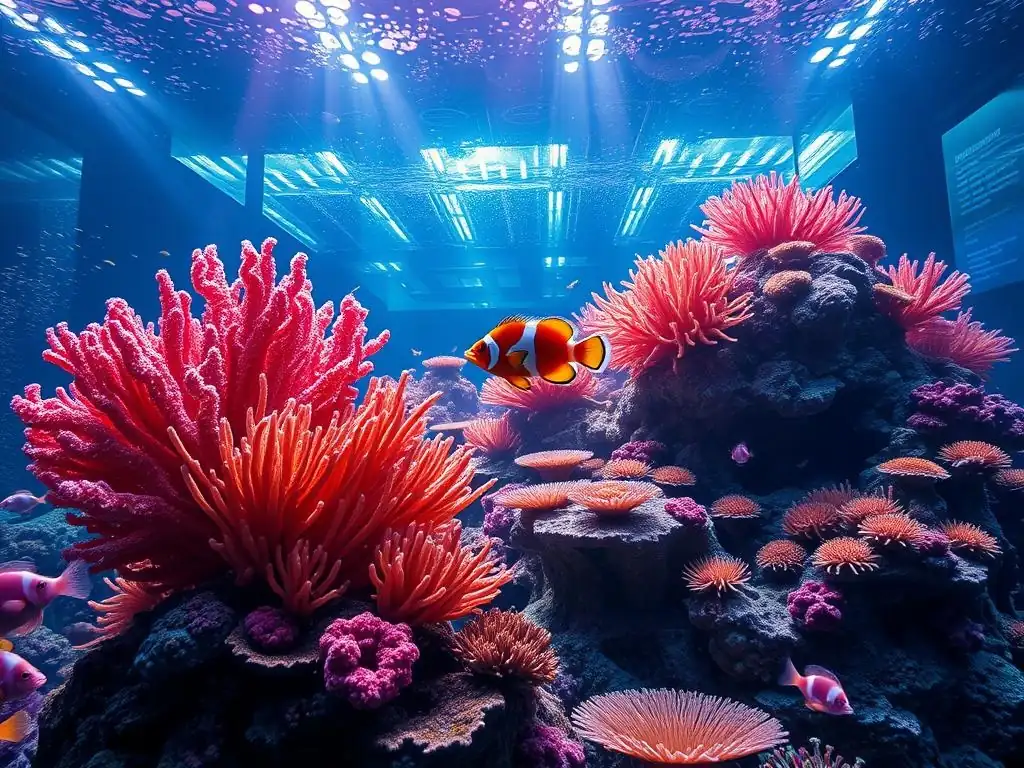
Ever wondered if your clownfish's origin story impacts its story in your tank? Dive into the fascinating world of ethical captivebred clownfish aquariums and discover why choosing captive-bred might be the smarter, more compassionate option for your saltwater haven. Ready to explore the crucial differences between wild-caught and captive-bred clownfish and unlock the secrets to a thriving, ethical aquarium? Let's get started!
- Wild vs. Captive-Bred Clownfish: An Ethical Aquarium Choice?
- Introduction: The Clownfish Conundrum - Wild Caught vs. Captive Bred
- Understanding the Origins: Wild-Caught Clownfish
- The Rise of Captive-Bred Clownfish: An Ethical Alternative?
- Comparing Clownfish Behavior: Wild vs. Captive-Bred
- Ethical Considerations: Making an Informed Decision for Your Aquarium
- Choosing the Right Clownfish for Your Tank: Factors to Consider
- Identifying Reputable Captive-Bred Clownfish Breeders
- Conclusion: The Ethical and Sustainable Choice - Captive-Bred Clownfish for a Thriving Aquarium
-
Frequently Asked Questions
- What are the main differences between wild-caught and captive-bred clownfish for aquariums?
- Why is choosing captive-bred clownfish considered more ethical?
- How does the health and survival rate compare between wild-caught and captive-bred clownfish?
- What are the potential benefits of keeping captive-bred clownfish in a reef aquarium?
- Where can I reliably source ethical captive-bred clownfish for my aquarium?
- Final Reflection: A Sea of Ethical Choices
- Unlock the Secrets of a Thriving Reef Tank!
Wild vs. Captive-Bred Clownfish: An Ethical Aquarium Choice?
Introduction: The Clownfish Conundrum - Wild Caught vs. Captive Bred
Clownfish, with their vibrant colors and charismatic personalities, have long been a cornerstone of the marine aquarium hobby. Their iconic symbiosis with anemones and their playful demeanor make them highly sought-after additions to many saltwater tanks. However, as the hobby has matured, a significant ethical and practical debate has emerged regarding the origin of these beloved fish: are they wild-caught or captive-bred?
This distinction is not merely academic; it carries profound implications for the health of individual fish, the sustainability of marine ecosystems, and the overall responsibility of the aquarist. Understanding the journey of a clownfish from its origin to your tank is crucial for making an informed decision that aligns with both your desire for a thriving aquarium and your commitment to ethical practices.
Understanding the Origins: Wild-Caught Clownfish
The Impact of Wild Collection on Reef Ecosystems
The collection of wild marine ornamental fish, including clownfish, often employs methods that can be detrimental to delicate coral reef ecosystems. Techniques such as the use of cyanide, though illegal in many regions, persist in some areas due to their efficiency in stunning fish for easy capture. This chemical stuns fish, but it also bleaches and kills corals, sponges, and other invertebrates, leaving lasting damage. Research from organizations like the Coral Reef Alliance indicates that cyanide fishing can destroy up to 80% of a reef in the affected area, rendering it barren and lifeless over time.
Even less destructive methods, such as netting, can inadvertently damage coral structures or stress non-target species during the chase and capture process. The constant removal of specific species, like clownfish, from localized reef areas can disrupt the natural ecological balance. Clownfish play a vital role in their natural habitat, from serving as food sources for larger predators to their unique symbiotic relationship with anemones, which benefits both organisms. Depletion of clownfish populations can leave anemones vulnerable and impact the overall biodiversity and resilience of the reef.
Stress and Mortality Rates in Wild-Caught Clownfish
The journey from a vibrant coral reef to a home aquarium is incredibly stressful for wild-caught clownfish, leading to alarmingly high mortality rates. Upon capture, fish endure significant physical trauma from handling, netting, and often being crowded into small containers.
This initial stress is compounded by the long and often arduous transportation process, which can involve multiple transfers, fluctuating water parameters, and prolonged confinement in suboptimal conditions. Industry reports and studies suggest that mortality rates for wild-caught marine ornamental fish can range from 30% to over 70% before they even reach the consumer's tank, with some estimates being even higher.
Beyond immediate mortality, the chronic stress experienced by wild-caught clownfish severely compromises their immune systems, making them highly susceptible to various diseases, including marine ich (Cryptocaryon irritans), velvet disease (Amyloodinium ocellatum), and bacterial infections. Many wild-caught specimens arrive at retail stores exhibiting signs of stress, such as faded coloration, clamped fins, emaciation, and lethargy. This weakened state often leads to a shorter lifespan in captivity compared to their captive-bred counterparts, despite the best efforts of dedicated aquarists.
Identifying Wild-Caught Clownfish: Key Characteristics
Identifying a wild-caught clownfish often requires careful observation of both its physical appearance and initial behavior. Physically, wild-caught clownfish may display subtle signs of their arduous journey. These can include minor fin nips or fraying, slight abrasions on their bodies from netting or transport, or a generally thinner appearance compared to well-fed, captive-bred specimens. Their coloration might also appear duller or less vibrant initially, a common indicator of stress.
Behaviorally, wild-caught clownfish typically exhibit extreme shyness and timidity upon introduction to a new aquarium. They may hide constantly, refuse to eat prepared foods for several days or even weeks, and show heightened sensitivity to movement outside the tank. Unlike their captive-bred counterparts who are generally accustomed to human presence, wild-caught individuals often remain skittish and may take a prolonged period to acclimate, if they ever fully do. Observing these characteristics can provide valuable clues when considering an ethical captivebred clownfish aquarium purchase.
The Rise of Captive-Bred Clownfish: An Ethical Alternative?
What is Captive Breeding and Why is it Important?
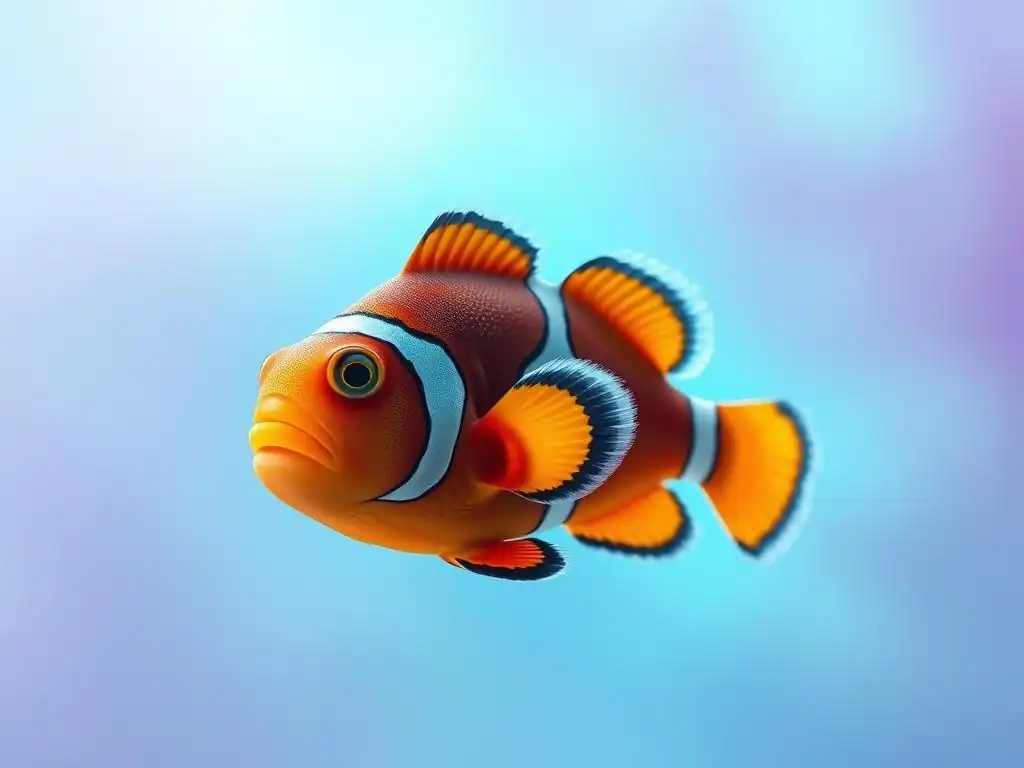
Captive breeding refers to the process where marine fish, including clownfish, are spawned, hatched, and raised entirely within controlled aquarium environments, typically in specialized aquaculture facilities. This process begins with carefully selected, healthy parent fish (broodstock) that are conditioned to spawn. Once eggs are laid and hatch, the delicate larvae are meticulously reared through various stages, requiring specific feeding regimens, water quality management, and controlled environmental conditions until they grow into juvenile fish ready for sale.
The importance of captive breeding cannot be overstated, especially when considering an ethical captivebred clownfish aquarium. Firstly, it significantly reduces the pressure on wild clownfish populations and their natural reef habitats by providing a sustainable, alternative source of fish. Secondly, it allows for the development of hardier, healthier fish that are already accustomed to aquarium life and prepared foods, leading to higher survival rates for hobbyists. Furthermore, captive breeding enables selective breeding for desirable traits, such as unique color morphs (e.g., 'Snowflake,' 'Picasso'), increased disease resistance, and greater adaptability to diverse aquarium conditions.
Benefits of Choosing Captive-Bred Clownfish for Your Aquarium
Opting for captive-bred clownfish offers a multitude of benefits for the aquarist and contributes to a more responsible hobby. These fish are typically much healthier and hardier than their wild-caught counterparts, primarily because they have never experienced the trauma of capture, transport from the wild, or exposure to various pathogens found in natural environments. They are generally accustomed to a variety of prepared aquarium foods, making feeding less challenging upon introduction to a new tank. Many reputable breeders also proactively de-worm and treat their fish for common parasites before sale, further enhancing their health.
Beyond individual fish health, choosing captive-bred clownfish has a profound positive environmental impact. Every captive-bred clownfish purchased means one less fish taken from the ocean, directly contributing to the conservation of coral reefs and wild marine populations. This choice supports sustainable aquaculture practices, which are vital for the long-term viability of the marine aquarium trade. For those aspiring to an ethical captivebred clownfish aquarium, this decision is a cornerstone of responsible pet ownership, helping to shift the industry towards more eco-friendly sourcing methods.
Reduced Stress and Increased Lifespan in Captive-Bred Clownfish
One of the most compelling advantages of captive-bred clownfish lies in their significantly reduced stress levels and, consequently, their increased potential lifespan in home aquariums. Unlike wild-caught specimens, captive-bred clownfish are born and raised in stable, controlled environments, free from the threats of predators, fluctuating natural conditions, or the trauma of capture and long-distance shipping. This upbringing eliminates the severe physiological stress that often compromises the immune systems of wild fish.
As a result, captive-bred clownfish typically exhibit robust immune responses, making them far less susceptible to common aquarium diseases that often afflict stressed wild-caught fish. Their consistent exposure to diverse, high-quality diets from a young age also contributes to their overall vitality. While wild-caught clownfish often succumb within a few months or years due to initial stress and disease, well-cared-for captive-bred clownfish can thrive for 10-15 years or even longer in a home aquarium, reaching their full potential lifespan and providing years of enjoyment.
Supporting Sustainable Aquarium Practices with Captive-Bred Fish
Choosing captive-bred clownfish is a direct and powerful way to support sustainable aquarium practices and foster an ethical captivebred clownfish aquarium hobby. Each purchase of a captive-bred specimen sends a clear market signal to the aquarium industry: consumers demand ethically sourced, environmentally responsible livestock. This demand encourages more breeders to invest in aquaculture facilities and research, gradually reducing the reliance on wild collection.
Furthermore, supporting captive breeding contributes to the broader goal of conservation by alleviating pressure on vulnerable wild populations and delicate reef ecosystems. It promotes a model where the hobby can thrive without depleting natural resources. By prioritizing captive-bred fish, aquarists become active participants in a responsible supply chain, setting a positive example and educating others about the importance of sustainable choices for the future health of our oceans and the marine aquarium hobby.
Comparing Clownfish Behavior: Wild vs. Captive-Bred
Does Early Environment Affect Clownfish Behavior?
The early environment in which a clownfish develops plays a significant role in shaping its adult behavior. Wild clownfish learn critical survival skills, predator avoidance, and foraging techniques within the complex and dynamic ecosystem of a coral reef. They are exposed to a myriad of stimuli, including diverse food sources, natural predators, and the intricate social structures of their natural colonies. This upbringing instills a strong instinct for self-preservation and often results in a more cautious or timid demeanor when faced with novel situations, such as a new aquarium.
In contrast, captive-bred clownfish are raised in controlled, relatively simplified environments. They are accustomed to human interaction from a young age, fed prepared foods, and generally lack exposure to natural predators. This upbringing tends to make them significantly bolder, more curious, and less stressed by human presence or changes within the aquarium. Their behavior is often more predictable and adaptable to a home tank setting, as they have never known the wild.
Observed Behaviors: Differences in Wild and Captive Clownfish Behavior
Observable behavioral differences between wild and captive-bred clownfish are often apparent shortly after introduction to an aquarium. Wild-caught clownfish typically exhibit a stronger instinct to hide and may spend extended periods tucked away in rockwork or corners of the tank, especially in the initial weeks. They might be slower to accept prepared foods and can display more aggressive tendencies towards tank mates if they feel threatened or territorial. Their natural inclination to host in an anemone or specific coral species is also usually more pronounced.
Conversely, captive-bred clownfish are generally much more outgoing and readily adapt to their new surroundings. They are often less fearful of human presence, quickly learn to associate the aquarist with food, and will frequently swim openly at the front of the tank.
While they may still seek out an anemone if available, they are far more likely to "host" in alternative structures like powerheads, corals, or even simply a corner of the tank if no anemone is present. Their overall demeanor is often more docile and adaptable to community tank settings, making them an excellent choice for an ethical captivebred clownfish aquarium.
Research Studies on Clownfish Behavior - A Summary
While extensive comparative studies specifically on the long-term behavioral differences between wild and captive-bred clownfish in home aquariums are ongoing, existing research and anecdotal evidence from experienced aquarists provide valuable insights. For example, studies focusing on stress responses in fish indicate that individuals raised in controlled environments often exhibit lower baseline stress hormone levels and quicker recovery from stressful events compared to their wild counterparts. This physiological difference translates directly into more resilient and adaptable behavior in captivity.
Furthermore, observations in aquaculture facilities and public aquariums suggest that captive-bred clownfish, such as Amphiprion ocellaris and Amphiprion percula, display a wider range of exploratory behaviors and are quicker to habituate to novel stimuli, including diverse feeding methods and human interaction. While individual fish personality certainly plays a role, the general consensus points towards captive-bred clownfish being more amenable to aquarium life, reducing the stress on both the fish and the aquarist, and reinforcing their suitability for an ethical captivebred clownfish aquarium.
Ethical Considerations: Making an Informed Decision for Your Aquarium
The Environmental Impact of Your Clownfish Purchase
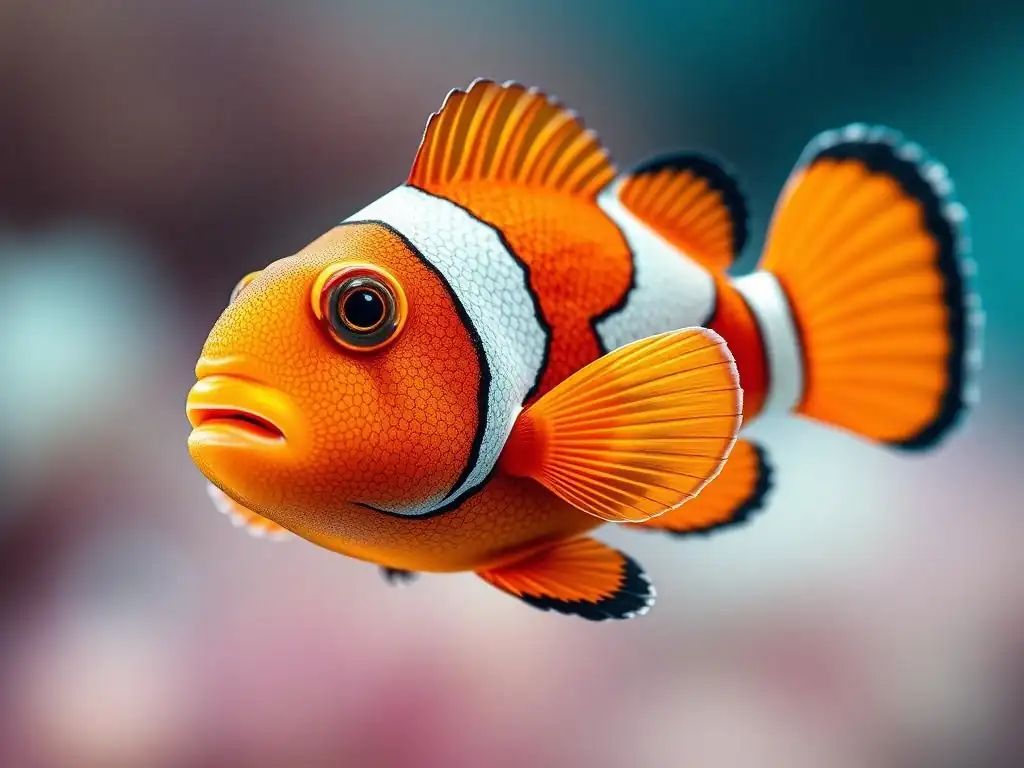
Every purchase of a clownfish carries an environmental footprint, and understanding this impact is crucial for responsible aquarism. When you choose a wild-caught clownfish, you are directly contributing to the demand for fish collected from natural reef ecosystems. This demand, as previously discussed, can lead to destructive collection practices, localized population depletion, and significant damage to delicate coral habitats. Even if the collection methods are considered "sustainable," the sheer volume of wild-caught marine ornamentals imported annually still places immense pressure on finite natural resources.
Conversely, opting for an ethical captivebred clownfish aquarium animal eliminates this direct environmental toll on wild reefs. Captive breeding facilities operate independently of wild populations, often utilizing recirculating aquaculture systems that minimize water usage and waste. By supporting these operations, you are actively participating in a conservation-minded approach to the hobby, ensuring that your passion for marine life does not come at the expense of the very ecosystems you admire.
Supporting Responsible Breeders and Aquarium Stores
Making an informed, ethical decision about your clownfish purchase extends beyond simply choosing captive-bred; it also involves supporting the right businesses. Responsible breeders are transparent about their breeding practices, prioritize the health and welfare of their fish, and often invest in research to improve breeding techniques and reduce mortality rates. They maintain clean facilities, provide appropriate nutrition, and ensure proper handling and shipping procedures. Supporting these breeders directly encourages the growth of ethical aquaculture and contributes to a higher standard of animal welfare within the industry.
Similarly, patronizing aquarium stores that actively promote and stock captive-bred marine fish reinforces the market demand for sustainable options. These stores often play a vital role in educating consumers about the benefits of captive-bred specimens, helping to shift public perception and purchasing habits. By consciously choosing to buy from retailers committed to ethical sourcing, you become an advocate for a more sustainable and compassionate marine aquarium trade, fostering an environment where an ethical captivebred clownfish aquarium is the norm.
The Importance of Sustainable Aquariums
The concept of a sustainable aquarium encompasses more than just the origin of your fish; it's a holistic approach to minimizing your hobby's environmental impact and promoting the long-term health of marine ecosystems. This includes responsible water changes, proper disposal of waste, efficient energy consumption for equipment, and the careful selection of all livestock and decor. However, the choice between wild-caught and captive-bred fish remains one of the most significant decisions an aquarist can make regarding sustainability.
By consistently choosing captive-bred species, particularly iconic ones like clownfish, you set a powerful example within the hobby. This commitment to an ethical captivebred clownfish aquarium helps to drive innovation in aquaculture, reduces the ecological footprint of individual tanks, and contributes to a broader cultural shift towards environmental stewardship among aquarists. Ultimately, a sustainable aquarium is one that not only thrives within its glass walls but also supports the health and preservation of the natural world it seeks to emulate.
Choosing the Right Clownfish for Your Tank: Factors to Consider
Tank Size and Compatibility with Other Fish
When selecting any fish for your aquarium, tank size is a paramount consideration, and clownfish are no exception. For a single Ocellaris or Percula clownfish, a minimum tank size of 20 gallons (approximately 75 liters) is generally recommended to provide adequate swimming space and stable water parameters.
For a pair of clownfish, a 30-gallon (approximately 115 liters) tank or larger is preferable, especially if they are a bonded pair that may become territorial during spawning. Tank mates also play a crucial role; while clownfish are generally peaceful, they can become territorial, particularly if housed with other aggressive species or in overly crowded conditions.
Captive-bred clownfish often integrate more smoothly into community tanks due to their upbringing, reducing the likelihood of aggression towards other fish. Their adaptability and reduced stress levels mean they are less likely to lash out due to fear or discomfort. When planning your ethical captivebred clownfish aquarium, ensure all tank inhabitants have sufficient space and that their temperaments are compatible to prevent stress and aggression, leading to a harmonious environment for all.
Anemone Compatibility: Wild vs. Captive-Bred Preferences
The iconic symbiosis between clownfish and anemones is a major draw for many aquarists. However, the likelihood of a clownfish hosting an anemone can differ between wild-caught and captive-bred specimens. Wild-caught clownfish typically have an innate, species-specific preference for certain host anemones (e.g., Ocellaris clownfish often host in Bubble Tip Anemones, Magnificent Sea Anemones, or Sebae Anemones). They will instinctively seek out and attempt to host in their preferred species if available, though stress can sometimes inhibit this behavior initially.
Captive-bred clownfish, never having encountered an anemone in their early lives, may or may not host. Many will eventually host in a suitable anemone if provided, often after some initial curiosity and hesitation. Interestingly, captive-bred clownfish are also known to host in non-traditional items like powerheads, specific corals (e.g., Euphyllia), or even rockwork, demonstrating their adaptability. For an ethical captivebred clownfish aquarium where an anemone is desired, patience is key, as the fish may take weeks or months to accept a host, or may choose an unconventional one.
Water Parameters and Acclimation for Clownfish
Maintaining stable and appropriate water parameters is critical for the long-term health of any marine fish, including clownfish. For most common clownfish species, ideal water parameters include a temperature range of 75-80°F (24-27°C), salinity between 1.023 and 1.026 specific gravity (SG), pH levels of 8.1-8.4, alkalinity between 8-12 dKH, and calcium levels around 400-450 ppm. Regular testing and consistent water changes are essential to prevent parameter fluctuations, which can stress fish and lead to disease.
The acclimation process is equally important when introducing new clownfish to your tank. Drip acclimation, slowly introducing tank water to the fish's transport bag over 30-60 minutes, is highly recommended to minimize shock from changes in temperature, pH, and salinity. Captive-bred clownfish generally handle acclimation more smoothly than wild-caught specimens due to their inherent hardiness and adaptability to various water conditions (within reason) experienced in breeding facilities. This makes them a more forgiving choice for those building an ethical captivebred clownfish aquarium.
Identifying Reputable Captive-Bred Clownfish Breeders
Spotting Ethical Breeding Practices
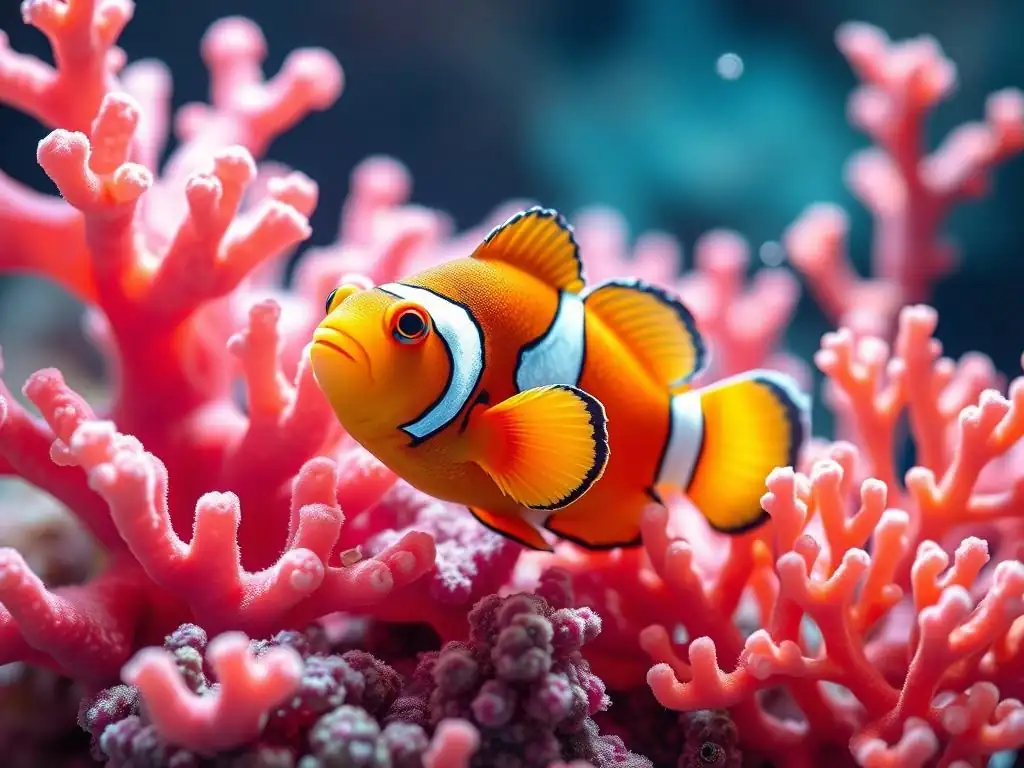
Identifying reputable captive-bred clownfish breeders is crucial for ensuring you are truly supporting ethical and sustainable practices for your ethical captivebred clownfish aquarium. Look for breeders who are transparent about their operations. This often includes providing detailed information about their broodstock (parent fish), the specific species they breed, and their rearing methods. Ethical breeders will typically have clean, well-maintained facilities, with separate tanks for breeding pairs, larval rearing, and grow-out. They prioritize the health and welfare of their fish above mass production.
Signs of ethical practices also include a diverse and appropriate diet for the fish at all life stages, proper quarantine protocols for new broodstock or fish, and a commitment to minimizing stress during handling and shipping. They should be able to answer questions about their water parameters, disease prevention strategies, and the age or size of the clownfish they sell. Reputable breeders often have a strong online presence, positive reviews from customers, and may even offer educational resources about clownfish care and breeding.
Questions to Ask Potential Breeders
When considering a purchase from a captive-bred clownfish breeder, asking targeted questions can help you gauge their ethics and the quality of their stock. Here are some essential inquiries:
- "What do you feed your clownfish at different life stages?" A varied diet (e.g., enriched brine shrimp, rotifers, quality dry foods) indicates a commitment to nutrition.
- "What are your typical water parameters in your grow-out tanks?" This shows their attention to water quality and consistency.
- "Do you quarantine your fish before sale, and what is your process?" A robust quarantine protocol minimizes the risk of introducing diseases to your aquarium.
- "How old are the clownfish you are selling?" Understanding their age can give you an idea of their maturity and potential for growth.
- "What is your mortality rate during shipping, and what is your policy if fish arrive sick or deceased?" Reputable breeders will have low mortality rates and clear guarantees.
- "Can you provide photos or videos of your facility or parent fish?" This offers transparency and builds trust.
These questions help you verify that you are indeed acquiring a healthy, robust specimen for your ethical captivebred clownfish aquarium and supporting a breeder committed to high standards.
Conclusion: The Ethical and Sustainable Choice - Captive-Bred Clownfish for a Thriving Aquarium
Prioritizing Ethical Captive-Bred Clownfish for a Healthy Reef and Aquarium Ecosystem
The choice between wild-caught and captive-bred clownfish is clear for the conscientious aquarist seeking to build an ethical captivebred clownfish aquarium. Prioritizing captive-bred specimens directly mitigates the environmental damage associated with wild collection, safeguarding delicate coral reef ecosystems from destructive fishing practices and over-harvesting. This decision contributes to the long-term health and biodiversity of natural marine environments, allowing wild populations to thrive undisturbed.
Furthermore, captive-bred clownfish are inherently healthier, more resilient, and better adapted to life in a home aquarium. They experience significantly less stress from capture and transport, leading to lower mortality rates, increased disease resistance, and often a much longer lifespan in captivity. By choosing these robust individuals, aquarists ensure a more stable and enjoyable experience, reducing common frustrations associated with acclimating wild-caught fish and fostering a truly thriving and vibrant aquatic environment.
The Future of Clownfish Keeping: Promoting Responsible Aquarium Practices
The increasing availability and popularity of captive-bred clownfish represent a positive trajectory for the marine aquarium hobby. This shift signifies a growing awareness among aquarists of their environmental responsibility and the tangible benefits of sustainable sourcing. The future of clownfish keeping, and indeed the entire marine ornamental trade, lies in actively promoting and supporting responsible aquarium practices. This includes not only the informed choice of livestock origin but also ongoing education, advocacy for sustainable aquaculture, and continuous improvement in husbandry techniques.
By consistently choosing ethical captivebred clownfish aquarium specimens, aquarists become vital agents of change, driving demand for environmentally sound alternatives and contributing to the conservation of our planet's precious marine resources. This conscious decision allows enthusiasts to pursue their passion for marine life in a way that is harmonious with nature, ensuring that the beauty and wonder of clownfish can be enjoyed by generations of aquarists to come, without compromising the health of our oceans.
Frequently Asked Questions
What are the main differences between wild-caught and captive-bred clownfish for aquariums?
The primary differences lie in their origins and adaptability. Wild-caught clownfish may struggle to adapt to aquarium life, while captive-bred clownfish are born and raised in controlled environments, making them generally hardier.
Why is choosing captive-bred clownfish considered more ethical?
Opting for captive-bred clownfish reduces the demand for wild-caught specimens, minimizing the impact on natural reef ecosystems. This also helps support sustainable breeding practices within the aquarium industry.
How does the health and survival rate compare between wild-caught and captive-bred clownfish?
Captive-bred clownfish typically have a higher survival rate in aquariums due to their adaptability and are often less susceptible to diseases. Wild-caught clownfish often suffer from stress and parasites acquired during capture and transportation.
What are the potential benefits of keeping captive-bred clownfish in a reef aquarium?
Captive-bred clownfish are often more accustomed to prepared foods and less likely to disrupt the established ecosystem. They can also contribute to the overall biodiversity of a reef aquarium.
Where can I reliably source ethical captive-bred clownfish for my aquarium?
Reputable aquarium stores and specialized breeders are the best sources for captive-bred clownfish. Look for businesses that prioritize sustainable practices and can provide documentation of their fish's origins, ensuring ethical sourcing.
Final Reflection: A Sea of Ethical Choices
The debate surrounding wild-caught versus captive-bred clownfish for aquariums is more than just a matter of preference; it's a reflection of our responsibility to the ocean's delicate ecosystems. The choice we make as aquarium enthusiasts directly impacts the health of coral reefs and the sustainability of marine life. Ignoring the ethical implications of our purchases contributes to the degradation of these vital environments, making informed decisions crucial for a truly responsible hobby.
This consideration extends beyond just clownfish. The growing popularity of captive breeding programs represents a significant shift towards a more sustainable and ethical approach to aquarium keeping. It allows us to appreciate the beauty of marine life without contributing to the depletion of wild populations. As Jacques Cousteau wisely stated, The sea, once it casts its spell, holds one in its net of wonder forever.
This wonder should inspire us to protect, not exploit, the ocean's treasures.
Ultimately, the future of aquarium keeping hinges on our commitment to ethical practices. Let us all strive to be conscious consumers, supporting captive breeding initiatives and demanding transparency in the sourcing of our aquatic companions. By embracing this responsibility, we can ensure that future generations will also have the opportunity to marvel at the vibrant beauty of the underwater world, knowing that their enjoyment doesn't come at the expense of its survival.
Unlock the Secrets of a Thriving Reef Tank!
Thanks for diving deep into the world of clownfish! We hope you've gained valuable insights into the ethical and practical considerations of choosing between wild and captive-bred varieties. Now, it's time to take action and create a healthier, more sustainable future for our aquatic friends.
Here’s how you can make a real difference:
- Make the ethical choice and commit to purchasing only captive-bred clownfish for your aquarium. Support responsible breeders who are dedicated to sustainable practices.
- Share this article with fellow aquarium enthusiasts and spark a conversation about ethical sourcing. Let's raise awareness together!
- Delve deeper into reef-keeping best practices and research eco-friendly aquarium products. Every small change contributes to a healthier aquatic ecosystem.
What steps will you take today to ensure your aquarium is a responsible and sustainable haven for clownfish?