
Lettuce Sea Slug (Elysia crispata): A Natural Solution for Bryopsis Algae?

Welcome to Aquarium Mastery!
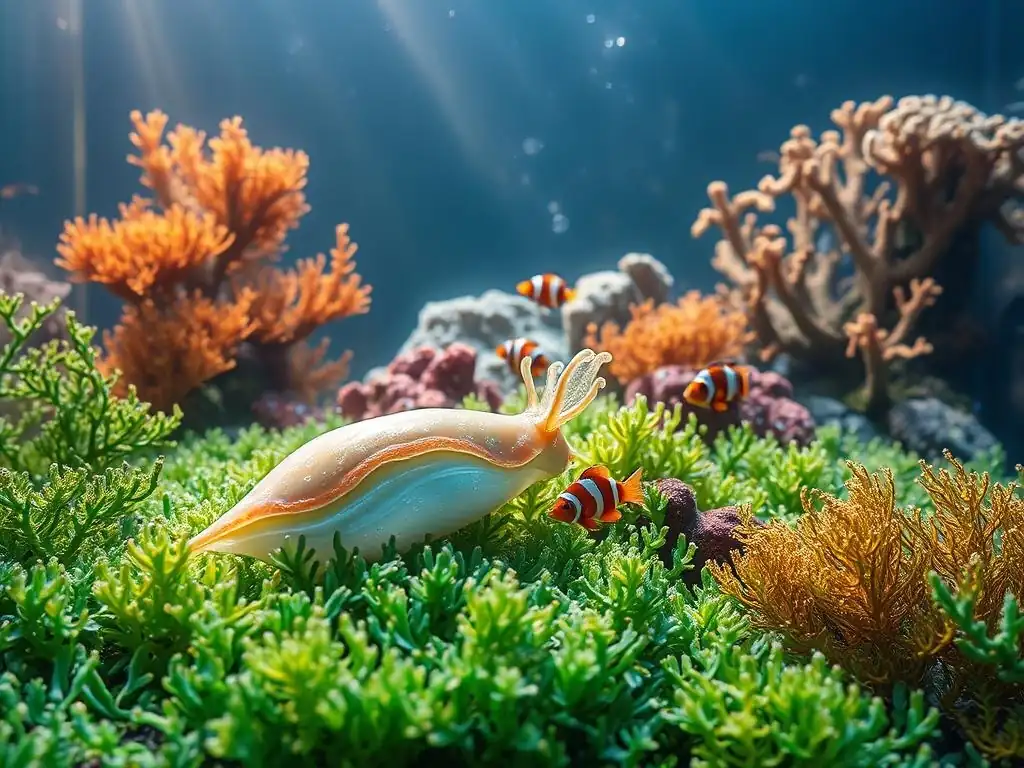
Ever battled stubborn bryopsis algae in your saltwater aquarium? The lettuce sea slug ( Elysia crispata ) might just be the fascinating and natural solution you've been searching for. Dive into our detailed guide to discover everything you need to know about this unique algae eater, including its care requirements, compatibility, and whether it's the right fit for your reef tank. Curious to learn more? Let's explore the world of the Elysia crispata!
- Introduction: Understanding Bryopsis Algae and the Lettuce Sea Slug
- The Lettuce Sea Slug as a Bryopsis Algae Grazer
- Caring for Lettuce Sea Slugs in a Reef Tank Environment
- Compatibility and Tank Mates for Elysia crispata
- Potential Challenges and Considerations with Lettuce Sea Slugs
- Alternative Bryopsis Algae Control Methods Compared
- Identifying True Bryopsis-Eating Lettuce Sea Slugs vs. Similar Species
- Success Stories: Reef Keepers and Lettuce Sea Slugs for Bryopsis Control
- Conclusion: Is the Lettuce Sea Slug Right for Your Bryopsis Problem?
-
Frequently Asked Questions
- How effective are Lettuce Sea Slugs ( Elysia crispata) in controlling Bryopsis algae in a saltwater aquarium?
- What are the ideal water parameters for keeping Lettuce Sea Slugs healthy and effective in algae control?
- Are Lettuce Sea Slugs reef-safe, and are there any tank mates they shouldn't be kept with?
- What do Lettuce Sea Slugs eat besides Bryopsis algae, and should I supplement their diet?
- What are some signs that a Lettuce Sea Slug is not doing well in an aquarium, and what steps can I take?
- Final Reflection: The Promise of Symbiotic Solutions
- Unleash the Power of Natural Algae Control!
Introduction: Understanding Bryopsis Algae and the Lettuce Sea Slug
The Bryopsis Algae Problem in Reef Aquariums
Bryopsis algae, a genus of green filamentous algae, represents one of the most persistent and challenging nuisances for saltwater aquarium hobbyists. This resilient algae typically manifests as dense, feathery tufts, ranging in color from deep green to almost black, and can quickly overrun live rock, sandbeds, and even corals. Its robust structure, characterized by a complex branching thallus, makes it particularly difficult to remove manually, as breaking it often releases spores that can propagate new growth.
The prevalence of Bryopsis is often linked to specific water chemistry imbalances, particularly elevated levels of phosphates and nitrates, or sometimes even low magnesium levels which can inhibit its growth. Despite diligent nutrient control through methods like regular water changes, protein skimming, and robust filtration, Bryopsis can stubbornly persist, outcompeting desirable coralline algae and even stinging or smothering sensitive corals. Its rapid growth rate, especially under favorable conditions, necessitates effective control strategies to maintain a healthy and aesthetically pleasing reef environment.
Meet the Lettuce Sea Slug: Elysia crispata Profile
The Lettuce Sea Slug, scientifically known as Elysia crispata, is a fascinating and visually striking marine gastropod belonging to the order Sacoglossa, often referred to as "sapsucking slugs." Native to the Caribbean and Western Atlantic, these vibrant invertebrates are characterized by their ruffled, undulating parapodia that resemble lettuce leaves, hence their common name. Their coloration varies widely, from brilliant greens and blues to browns and whites, often mimicking the algae they consume.
A unique biological feature of Elysia crispata is its ability to perform kleptoplasty, a process where it incorporates chloroplasts from the algae it eats into its own tissues. These stolen chloroplasts continue to photosynthesize within the slug's body, providing the slug with a supplementary energy source from light, much like a plant. This remarkable adaptation makes the Lettuce Sea Slug a particularly interesting candidate for biological Bryopsis algae control, as its survival is directly tied to its algal diet.
Why Consider a Natural Algae Control Method?
The appeal of a natural algae control method like introducing the Lettuce Sea Slug stems from its non-invasive and environmentally friendly nature within the aquarium ecosystem. Unlike chemical treatments, which can sometimes have unintended side effects on corals, beneficial bacteria, or other invertebrates, biological controls aim to restore ecological balance through natural predation or grazing. This approach minimizes the risk of introducing foreign substances that might disrupt delicate water chemistry or stress sensitive tank inhabitants.
Furthermore, relying on a natural grazer for Bryopsis algae management can provide a sustainable, long-term solution rather than a temporary fix. While manual removal and chemical interventions often require repeated application, a healthy population of Elysia crispata can continuously graze on existing Bryopsis, potentially preventing future outbreaks and maintaining a cleaner tank over time. This aligns with the principles of holistic reef keeping, promoting a self-regulating system where biological agents contribute to overall tank health and stability.
The Lettuce Sea Slug as a Bryopsis Algae Grazer
How Elysia crispata Consumes Bryopsis Algae
Elysia crispata employs a specialized feeding mechanism characteristic of sacoglossans to consume Bryopsis algae. It uses its modified radula, a ribbon-like structure with rows of chitinous teeth, to puncture the cell walls of the algal filaments. Once a puncture is made, the slug then "sucks" out the internal cellular contents, including the chloroplasts, much like drinking through a straw. This sap-sucking behavior is highly efficient for targeting specific algal species like Bryopsis, allowing the slug to access the nutrients and photosynthesizing organelles within the algal cells.
This method of consumption is crucial because it effectively removes the problematic algae without merely breaking it into smaller pieces that could regrow, as often happens with manual scrubbing. By ingesting the cellular material, Elysia crispata not only reduces the existing Bryopsis biomass but also removes the potential for regeneration from fragments. The slug's preference for Bryopsis and sometimes Derbesia algae makes it a targeted solution, leaving other desirable macroalgae or beneficial organisms largely undisturbed.
Effectiveness of Lettuce Sea Slugs in Bryopsis Control
The effectiveness of Lettuce Sea Slugs in controlling Bryopsis algae can vary significantly among individual slugs and tank conditions, but many aquarists report positive outcomes. Anecdotal evidence suggests that a single Elysia crispata can make a noticeable impact on small to moderate Bryopsis patches within a few weeks. In tanks with persistent but not overwhelming Bryopsis growth, introducing one or two slugs per 50 gallons (approximately 190 liters) has been observed to help keep the algae in check, preventing widespread proliferation.
However, it's important to manage expectations; Elysia crispata is generally more effective as a maintenance solution or for addressing mild to moderate Bryopsis infestations rather than eradicating severe, long-established outbreaks. While some slugs are voracious eaters, others may be less active. For heavy Bryopsis concentrations, a combination of strategies, including manual removal and addressing underlying nutrient issues, often yields the best results before introducing the slugs for ongoing control.
Benefits of Using Elysia crispata for Algae Management
The primary benefit of employing Elysia crispata for algae management is its targeted approach to Bryopsis algae, a notoriously difficult pest. Unlike broad-spectrum chemical treatments that can impact the entire reef ecosystem, the Lettuce Sea Slug specifically seeks out and consumes this problematic filamentous algae. This specificity helps maintain the delicate balance of a reef tank, protecting corals, beneficial bacteria, and other invertebrates from collateral damage.
Furthermore, Elysia crispata offers a continuous, proactive method of algae control. Once established in a tank, these slugs can consistently graze on new Bryopsis growth, preventing small patches from escalating into major infestations. This ongoing vigilance reduces the manual effort required from the aquarist for algae removal and contributes to a more stable and aesthetically pleasing reef environment. Their unique kleptoplasty also means they are less reliant on external food sources if Bryopsis is present, making them a self-sustaining part of the clean-up crew as long as their preferred food source is available.
Caring for Lettuce Sea Slugs in a Reef Tank Environment
Ideal Water Parameters for Elysia crispata Health
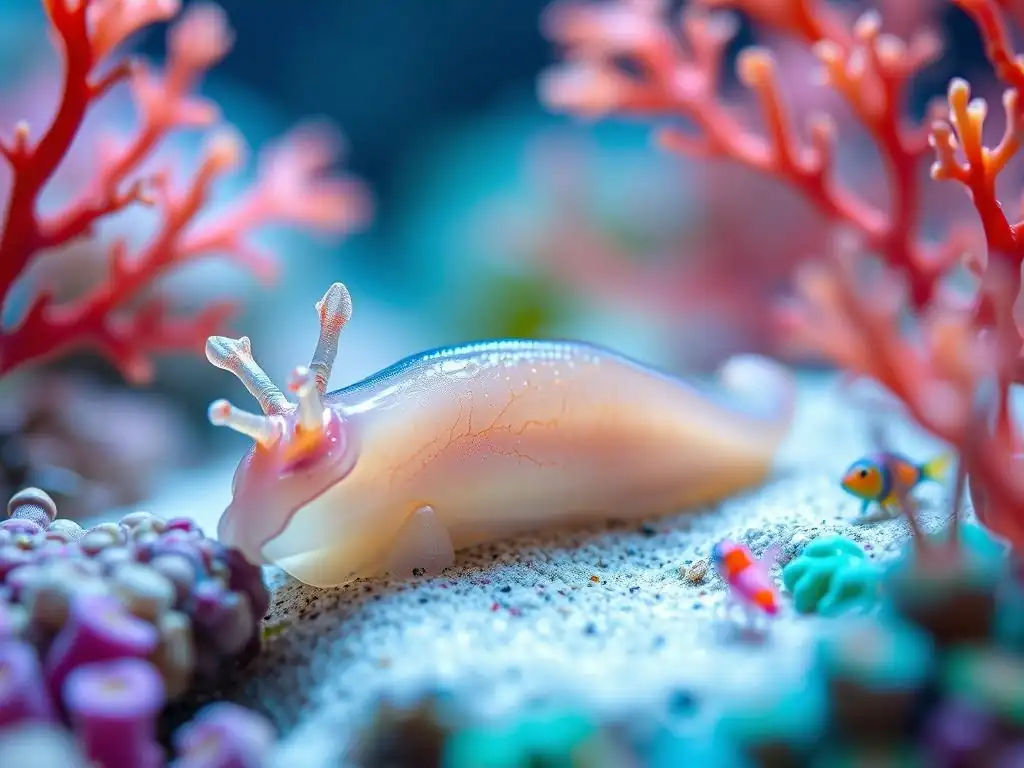
Maintaining stable and appropriate water parameters is paramount for the health and longevity of Elysia crispata in a reef tank. These slugs thrive in typical reef conditions, which include a stable temperature range of 72-78°F (22-26°C), crucial for their metabolic processes and the photosynthesis performed by their kleptoplastic chloroplasts. Salinity should be maintained between 1.023 and 1.026 specific gravity, mimicking natural seawater conditions and preventing osmotic stress.
Beyond temperature and salinity, optimal water chemistry involves a pH between 8.1 and 8.4, alkalinity (dKH) between 8 and 12, calcium (Ca) levels of 400-450 ppm, and magnesium (Mg) levels of 1200-1350 ppm. While these parameters are standard for mixed reef tanks, it's particularly important to ensure low levels of nitrates (ideally below 10 ppm) and phosphates (ideally below 0.03 ppm), as high nutrient levels can fuel excessive algae growth beyond what the slugs can manage, and also stress the slugs themselves.
Consistent monitoring with reliable test kits and regular water changes are essential to prevent fluctuations that could harm these sensitive invertebrates.
Feeding and Supplementation for Lettuce Sea Slugs
The primary diet of Elysia crispata in a reef aquarium is Bryopsis algae, and to a lesser extent, Derbesia algae. For the slugs to thrive and effectively control algae, a consistent, albeit manageable, supply of their target algae is necessary. If a tank becomes completely free of Bryopsis, the slugs may starve, as they typically do not readily accept alternative foods commonly offered to other invertebrates, such as dried seaweed or prepared pellets.
In situations where Bryopsis algae becomes scarce, supplementary feeding for Elysia crispata is challenging. Some aquarists have experimented with growing Bryopsis in a separate refugium or small tank to provide a continuous food source, transferring small amounts to the main display tank as needed. However, this is often impractical for the average hobbyist. Therefore, it is crucial to introduce these slugs only when there is a clear presence of their preferred algae, and to be prepared to remove them to a dedicated algae-rich environment or rehome them if their food source diminishes entirely.
Acclimation Process for New Lettuce Sea Slugs
A slow and careful acclimation process is critical for the successful introduction of new Elysia crispata to a reef tank, given their sensitivity to changes in water parameters. The drip acclimation method is highly recommended to gradually equalize the temperature, pH, and salinity between the transport water and the aquarium water. This process should ideally last for at least 60-90 minutes, with a slow drip rate of 1-2 drops per second.
During acclimation, keep the lighting dim or off to reduce stress on the slug. Avoid exposing the slug directly to air, as this can trap air bubbles under their delicate parapodia, potentially causing buoyancy issues or internal damage. Once acclimated, gently net the slug (or carefully pour it if the container allows) and release it directly onto a rock or substrate where Bryopsis algae is present, allowing it to naturally attach and begin exploring its new environment. Avoid simply dropping it into open water, as it might become dislodged or stressed.
Compatibility and Tank Mates for Elysia crispata
Choosing the Right Tank Mates for a Lettuce Sea Slug
Selecting appropriate tank mates is crucial for the survival and effectiveness of Elysia crispata in a reef aquarium. Due to their delicate nature and relatively slow movement, Lettuce Sea Slugs are vulnerable to predation and harassment from various fish and invertebrates. Ideal tank mates are generally peaceful, herbivorous fish that do not typically prey on motile invertebrates, such as small gobies, blennies (excluding some larger predatory species), and certain docile tangs.
Invertebrate tank mates should also be chosen carefully. Small hermit crabs and snails are generally compatible, as they occupy different niches and do not pose a threat. However, larger, more aggressive invertebrates like certain crabs (e.g., larger emerald crabs not specifically known for Bryopsis consumption) or aggressive shrimp might harass or injure the slugs. The goal is to create a serene environment where the Elysia crispata can graze undisturbed on Bryopsis algae without constant stress or the risk of becoming a meal.
Avoiding Predatory Fish and Invertebrates
A significant challenge in keeping Elysia crispata is avoiding tank mates that view them as a food source. Many common reef fish, particularly those known for their appetite for invertebrates, pose a direct threat. This includes wrasses (especially six-line wrasses, cirrhilabrus wrasses, and larger species), triggers, puffers, hawkfish, and some angelfish. Even some seemingly peaceful fish may occasionally nip at the slug's ruffled body, causing injury or stress.
Certain invertebrates can also be problematic. While Peppermint Shrimp (often used for Aiptasia control) are generally safe, larger ornamental shrimp like Harlequin Shrimp are specialized predators of starfish and might also harass other slow-moving invertebrates. Specific types of crabs, particularly those with opportunistic feeding habits, can also pose a risk. Thorough research into the dietary preferences and typical behaviors of all potential tank inhabitants is essential to ensure the safety and longevity of your Lettuce Sea Slug.
Ensuring a Peaceful Environment for Optimal Algae Grazing
Creating a peaceful and secure environment is paramount for Elysia crispata to effectively graze on Bryopsis algae. This means minimizing stressors and providing ample hiding spots where the slugs can retreat if they feel threatened. Live rock with crevices and overhangs offers natural protection, allowing the slugs to graze on algae in less exposed areas. Strong, direct water flow from powerheads can also be detrimental, potentially dislodging or injuring the delicate slugs.
Consider the placement of powerheads and ensure that intake grates are covered or have fine mesh to prevent slugs from being sucked in. Maintaining stable water parameters, as previously discussed, also contributes significantly to a low-stress environment. A calm tank allows the Lettuce Sea Slugs to move freely and forage efficiently, maximizing their potential for Bryopsis algae control and ensuring their overall well-being. A stressed slug is an ineffective slug.
Potential Challenges and Considerations with Lettuce Sea Slugs
Starvation Risks and Prevention
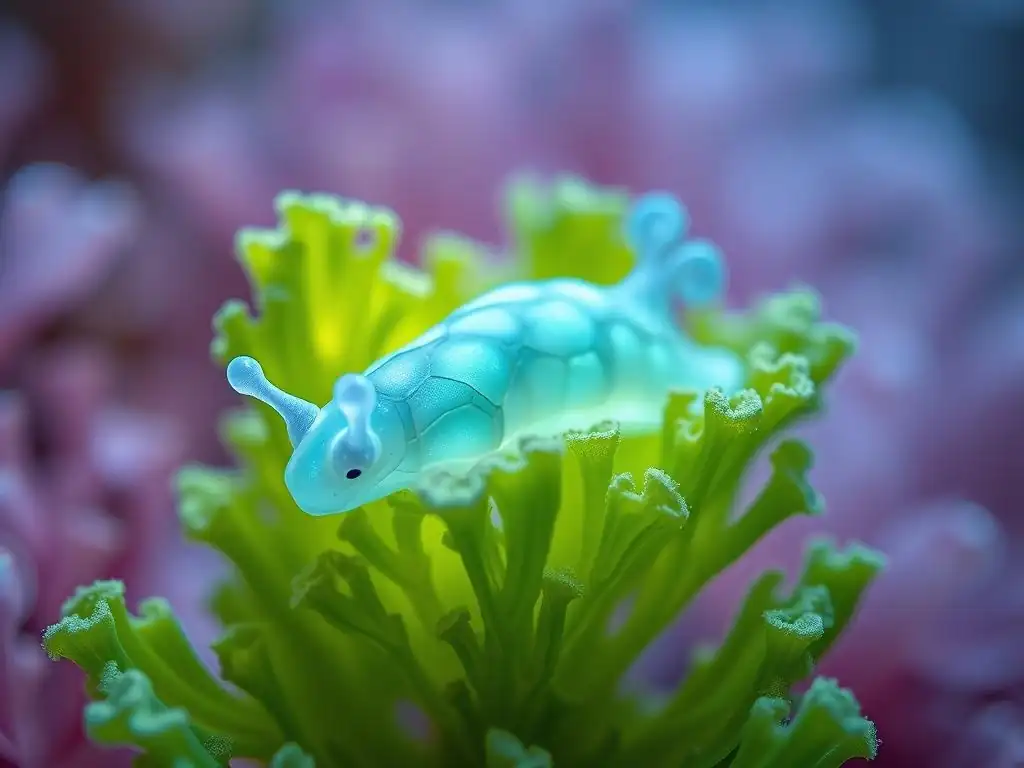
One of the most significant challenges with Elysia crispata is the risk of starvation once their primary food source, Bryopsis algae, is depleted. Unlike many generalist herbivores, Lettuce Sea Slugs are highly specialized feeders. If all Bryopsis is consumed, or if the initial infestation was small, the slug may not find sufficient food and will eventually waste away. This typically occurs within a few weeks to a couple of months after the algae is gone, depending on the individual slug's metabolism and fat reserves.
Preventing starvation primarily involves careful planning: introduce Elysia crispata only when there is a clear, sustainable presence of Bryopsis algae. For hobbyists with smaller Bryopsis patches, it's wise to have a contingency plan, such as a dedicated refugium where Bryopsis can be cultivated, or to be prepared to rehome the slug to another tank with an active Bryopsis problem. Some aquarists choose to use a small "algae farm" in a separate container, periodically moving Bryopsis-laden rocks to the main display for the slug to graze on.
Reproduction Challenges in Captivity
While Elysia crispata are hermaphroditic and capable of laying eggs in captivity, successful reproduction and rearing of offspring are extremely rare in home aquariums. They lay characteristic spiral egg masses, often on the substrate or live rock. However, the larval stage of the Lettuce Sea Slug is planktonic, meaning the larvae drift in the water column and require specific microscopic food sources and environmental conditions that are virtually impossible to replicate in a typical reef tank setup.
The complex life cycle, coupled with the need for a sustained, dense population of phytoplankton for larval development, makes captive breeding programs largely confined to specialized research facilities. For the average hobbyist, this means that any Elysia crispata introduced to the tank will likely be the only individuals to survive their full lifespan, and relying on them for self-sustaining population control of Bryopsis is not a viable strategy. Therefore, any long-term biological control using these slugs would require periodic reintroduction of new individuals.
Sensitivity to Water Quality Fluctuations
Elysia crispata are notably sensitive to rapid or significant fluctuations in water quality, which can quickly lead to stress, disease, or death. Sudden changes in temperature, salinity, pH, or ammonia/nitrite levels are particularly detrimental. For instance, even a rapid pH drop of 0.2 units or a salinity swing of 0.002 specific gravity points can severely stress these delicate invertebrates, causing them to cease feeding or become lethargic.
This sensitivity underscores the importance of maintaining stable reef tank parameters through consistent maintenance practices, including regular small water changes, precise dosing of supplements, and vigilant monitoring. Avoiding the use of harsh chemical treatments or medications that are not reef-safe is also crucial, as many common aquarium remedies can be toxic to invertebrates like sea slugs. A stable, mature reef environment with consistent parameters provides the best chance for Elysia crispata to thrive and perform its role in Bryopsis algae control.
Alternative Bryopsis Algae Control Methods Compared
Chemical Treatments vs. Biological Control
When facing a Bryopsis algae outbreak, aquarists often consider two main approaches: chemical treatments or biological control. Chemical treatments, such as those containing fluconazole (e.g., Vibrant, Algae-X), have gained popularity for their targeted effectiveness against Bryopsis. Fluconazole, an antifungal agent, works by disrupting the cellular processes of Bryopsis, leading to its demise, often within 1-3 weeks. This method offers a relatively fast and often complete eradication, especially for severe infestations. However, concerns exist regarding potential long-term effects on beneficial bacteria, certain corals, or other invertebrates, though many users report no adverse effects.
Biological control, exemplified by the introduction of Elysia crispata, offers a natural, non-invasive alternative. This method relies on the slug's natural grazing habits to consume the algae. While slower and generally less effective for widespread, dense outbreaks, it avoids the introduction of foreign chemicals and promotes a more balanced ecosystem. The primary advantage is the continuous, preventive grazing once the initial Bryopsis is managed, contributing to long-term tank health without chemical intervention. The choice often depends on the severity of the Bryopsis problem and the aquarist's comfort level with chemical use versus a slower, natural approach.
Manual Removal Techniques for Bryopsis
Manual removal is a fundamental, albeit often frustrating, technique for managing Bryopsis algae. This involves physically scraping, siphoning, or plucking the algae from live rock, substrate, and equipment. For small, isolated patches, a toothbrush or a specialized algae scraper can be effective. When dealing with larger or more entrenched areas, siphoning the detached algae directly out of the tank can help prevent its spores from spreading and re-establishing.
However, manual removal of Bryopsis has significant limitations. Its tenacious hold on surfaces means that often only parts of the algae are removed, leaving behind microscopic holdfasts that can quickly regrow. Furthermore, breaking the algae can release spores into the water column, potentially exacerbating the problem by facilitating new growth in other areas of the tank. While necessary for initial reduction of dense patches, manual removal is rarely a complete solution on its own and is best employed in conjunction with other control methods, such as nutrient reduction or biological grazers.
Other Bryopsis-Eating Invertebrates [e.g., Emerald Crabs]
While Elysia crispata is a highly specialized Bryopsis grazer, other invertebrates are sometimes considered for general algae control, with varying degrees of success against Bryopsis. Emerald Crabs ( Mithraculus sculptus) are popular omnivores in reef tanks, known for consuming various types of nuisance algae and detritus. Some individual Emerald Crabs have been observed to graze on Bryopsis, but their effectiveness is highly inconsistent; many will ignore Bryopsis entirely or prefer other food sources. They are also opportunistic and can sometimes become aggressive towards other tank inhabitants or corals, especially larger individuals.
Another invertebrate occasionally mentioned for algae control is the Tuxedo Urchin ( Mespilia globulus). These urchins are voracious grazers of film algae and some hair algae, but their impact on tough, filamentous Bryopsis is generally minimal. They also have a tendency to pick up and carry loose items, including coral frags, which can be disruptive in a reef tank. Therefore, while various invertebrates contribute to a clean-up crew, the number of truly effective and consistent Bryopsis-specific grazers beyond Elysia crispata is quite limited, making the Lettuce Sea Slug a unique contender in this niche.
Identifying True Bryopsis-Eating Lettuce Sea Slugs vs. Similar Species
Distinguishing Features of Elysia crispata
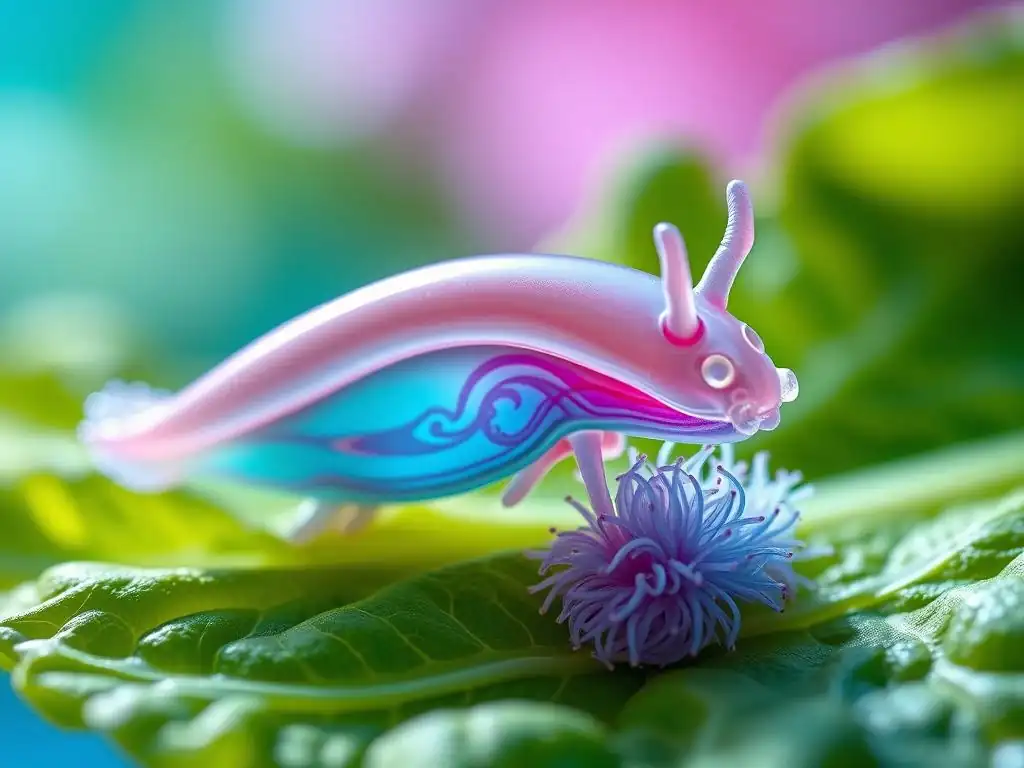
Accurate identification of Elysia crispata is crucial to ensure you are acquiring the correct species known for its Bryopsis-eating capabilities. The most striking distinguishing feature of Elysia crispata is its highly ruffled, convoluted parapodia, which form a large, undulating "skirt" around its body, resembling lettuce leaves. This "skirt" can be quite voluminous, often obscuring the main body. The coloration is also distinctive, typically vibrant greens, blues, or browns, often mottled or patterned, and it can change depending on the algae it has recently consumed due to kleptoplasty.
Another key characteristic is its relatively large size for a sea slug, commonly reaching 2 to 3 inches (5-7.5 cm) in length when fully extended. Unlike some other Elysia species that might have smoother or less developed parapodia, Elysia crispata's elaborate ruffles are a clear indicator. Its movement is also characteristic: a slow, deliberate glide across surfaces, often expanding and contracting its parapodia. Always observe these physical traits closely when purchasing to confirm you are getting the true Lettuce Sea Slug.
Avoiding Misidentification with other Sea Slugs
Misidentification is a common pitfall when acquiring Elysia crispata, as several other Elysia species look superficially similar but do not share the same Bryopsis-specific diet. For example, Elysia clarki is another well-known species that also performs kleptoplasty and has ruffled parapodia, but its primary diet is Derbesia algae, and its effectiveness against Bryopsis is not consistently reported. Visually, Elysia clarki often has a less convoluted and generally smoother parapodial edge compared to the intensely ruffled E. crispata.
Other green or brown sea slugs, including various sacoglossans or even some flatworms, might be mistaken for Elysia crispata. These misidentifications can lead to disappointment if the purchased slug fails to consume Bryopsis. To avoid this, it's essential to not only rely on visual cues but also to inquire about the specific scientific name ( Elysia crispata) and the known dietary habits of the slugs offered by suppliers. A knowledgeable vendor will be able to provide accurate identification and dietary information.
Importance of Purchasing from Reputable Sources
Given the potential for misidentification and the specific dietary needs of Elysia crispata, purchasing from reputable and knowledgeable sources is paramount. Established aquarium stores or online vendors specializing in marine invertebrates are more likely to correctly identify and sustainably source their livestock. These suppliers often have experienced staff who can answer questions about the slug's care, diet, and compatibility, providing valuable guidance.
Reputable sources typically maintain their invertebrates in healthy conditions, reducing the stress of transport and increasing the likelihood of successful acclimation and survival in your tank. They should be able to confirm the species as Elysia crispata and ideally provide information on its origin. Avoiding impulse buys from unverified sources greatly diminishes the risk of acquiring a misidentified species that won't address your Bryopsis problem or, worse, introduces disease into your established reef system.
Success Stories: Reef Keepers and Lettuce Sea Slugs for Bryopsis Control
Real-World Examples of Bryopsis Algae Reduction
Numerous reef aquarists have shared compelling success stories regarding the use of Elysia crispata for Bryopsis algae control, particularly for persistent, moderate infestations. For instance, a common scenario involves a 75-gallon (approximately 284-liter) reef tank struggling with diffuse Bryopsis growth across live rock. Introducing two to three healthy Elysia crispata slugs often leads to a noticeable reduction in algae density within 3-4 weeks. Hobbyists report seeing the slugs actively grazing, leaving behind clear patches where the Bryopsis once thrived.
One specific account from a hobbyist with a 120-gallon (approximately 454-liter) mixed reef describes a stubborn Bryopsis patch on a prominent piece of live rock that resisted manual removal and nutrient control. After introducing a single large Elysia crispata, the slug systematically grazed the entire patch over a period of two months, reducing it by an estimated 80-90%. While complete eradication is rare, significant reduction to manageable levels is a frequently observed outcome, turning unsightly green tufts into barely noticeable remnants.
Tips and Tricks from Experienced Reef Aquarists
Experienced reef aquarists offer several valuable tips for maximizing the effectiveness of Elysia crispata in Bryopsis control. Firstly, many suggest introducing the slugs after an initial manual removal of particularly dense Bryopsis patches. This reduces the sheer volume of algae, allowing the slugs to focus on emerging growth and preventing them from becoming overwhelmed. A common strategy is to perform a thorough manual cleaning, followed by the introduction of the slugs to maintain the clear areas.
Secondly, ensuring stable water parameters and a peaceful tank environment is crucial, as stressed slugs will not graze effectively. Some hobbyists recommend placing the slug directly onto the Bryopsis-infested area upon introduction to encourage immediate grazing. Finally, monitoring the Bryopsis levels is vital; if the algae disappears completely, it's a strong indicator that the slugs may soon starve. Having a plan for rehoming or providing an alternative Bryopsis source (e.g., from a separate culture) is a key piece of advice from those who have successfully used these slugs long-term.
Maintaining Long-Term Algae Balance with Elysia crispata
Maintaining long-term algae balance with Elysia crispata involves understanding their role as a continuous grazing solution rather than a one-time cure. For many aquarists, the slugs become a permanent, albeit specialized, part of their clean-up crew, working in conjunction with other algae-eating invertebrates and diligent husbandry. If Bryopsis is an ongoing issue due to underlying nutrient inputs, the slugs can help keep it suppressed, preventing it from reaching nuisance levels.
The key to long-term success often lies in having a sustainable, low-level presence of Bryopsis for the slugs to graze upon. Some reef keepers accept a minimal amount of Bryopsis in their sumps or less visible areas of the display tank as a "food reserve" for their slugs. By providing a consistent, albeit controlled, food source and ensuring a safe, stable environment, Elysia crispata can contribute significantly to a healthier and more visually appealing reef tank over many months, acting as a natural, living "algae police."
Conclusion: Is the Lettuce Sea Slug Right for Your Bryopsis Problem?
Weighing the Pros and Cons of Using Elysia crispata
Deciding whether Elysia crispata is the right solution for your Bryopsis problem requires a careful weighing of its unique advantages against its inherent limitations. On the positive side, these slugs offer a natural, chemical-free method of Bryopsis control, specifically targeting this notorious algae without harming corals or other reef inhabitants. Their ability to perform kleptoplasty makes them fascinating and somewhat self-sustaining grazers when their preferred food source is present. They can be highly effective at reducing moderate Bryopsis infestations and preventing their resurgence, contributing to a more stable and aesthetically pleasing reef tank.
However, the cons are equally important to consider. Elysia crispata are highly specialized feeders, meaning they will starve if Bryopsis is completely eradicated. Their effectiveness can vary between individuals, and they are generally not a rapid solution for severe, widespread outbreaks. They are also delicate, sensitive to water quality fluctuations, and vulnerable to predation from many common reef fish. Reproduction in captivity is virtually impossible, meaning any long-term use requires periodic reintroduction. Ultimately, they are best suited for aquarists seeking a natural, supplementary control method for mild to moderate Bryopsis, who are prepared to manage their specific care requirements.
Responsible Introduction and Management of Lettuce Sea Slugs
Responsible introduction and ongoing management are critical for the well-being of Elysia crispata and the success of your Bryopsis control efforts. Always purchase healthy slugs from reputable sources, ensuring they are indeed Elysia crispata and not a similar, non-Bryopsis eating species. Perform a slow and thorough drip acclimation, as these invertebrates are highly sensitive to changes in water parameters. Introduce them directly onto Bryopsis-infested areas to encourage immediate grazing and minimize stress.
Post-introduction, continuous monitoring of both the Bryopsis levels and the slug's health is essential. If the algae diminishes significantly, be prepared to provide alternative Bryopsis sources or rehome the slug to prevent starvation. Ensure that tank mates are compatible and non-predatory, and that strong water flow or pump intakes do not pose a threat. By adhering to these responsible practices, aquarists can maximize the chances of success for their Elysia crispata and leverage their natural grazing abilities for Bryopsis management.
Long-Term Reef Health and Bryopsis Algae Prevention
While Elysia crispata can be a valuable tool in the fight against Bryopsis algae, they are part of a broader strategy for long-term reef health and algae prevention. The most effective approach to preventing nuisance algae outbreaks, including Bryopsis, involves addressing the root causes: nutrient accumulation. This means maintaining low levels of nitrates (ideally below 5-10 ppm) and phosphates (below 0.03 ppm) through consistent husbandry practices.
Key preventive measures include regular water changes (e.g., 10-20% bi-weekly), efficient protein skimming, judicious feeding to avoid excess nutrients, and the use of phosphate-removing media like GFO (granular ferric oxide) or biopellets. Cultivating a diverse and robust clean-up crew of generalist algae eaters (e.g., turbo snails, trochus snails, hermit crabs) also contributes to overall tank cleanliness. Elysia crispata serves as a specialized reinforcement for specific Bryopsis issues, but a holistic approach to nutrient management and overall tank hygiene remains the cornerstone of long-term reef health and a Bryopsis-free aquarium.
Frequently Asked Questions
How effective are Lettuce Sea Slugs ( Elysia crispata) in controlling Bryopsis algae in a saltwater aquarium?
Lettuce Sea Slugs are considered moderately effective at consuming Bryopsis algae. Their success depends on the severity of the algae outbreak and the availability of other food sources in the tank. They may not completely eradicate a severe infestation.
What are the ideal water parameters for keeping Lettuce Sea Slugs healthy and effective in algae control?
Lettuce Sea Slugs require stable and pristine water conditions, similar to other reef inhabitants. Maintaining appropriate salinity, temperature, and nutrient levels (low nitrates and phosphates) is crucial for their survival and algae-eating efficiency.
Are Lettuce Sea Slugs reef-safe, and are there any tank mates they shouldn't be kept with?
Generally, Lettuce Sea Slugs are considered reef-safe, as they primarily graze on algae. However, avoid keeping them with aggressive fish or invertebrates that might prey on them, like certain wrasses or larger crabs.
What do Lettuce Sea Slugs eat besides Bryopsis algae, and should I supplement their diet?
While Bryopsis is their preferred food, Lettuce Sea Slugs might also consume other types of algae. Supplementing their diet with additional algae wafers or nori seaweed may be necessary if Bryopsis is scarce.
What are some signs that a Lettuce Sea Slug is not doing well in an aquarium, and what steps can I take?
Signs of a stressed Lettuce Sea Slug include lethargy, loss of color, and decreased appetite. Immediately check water parameters, ensure adequate algae availability, and consider quarantining the slug to a separate tank to address the underlying issue.
Okay, here's a final reflection designed for your article "Lettuce Sea Slug (Elysia crispata): A Natural Solution for Bryopsis Algae? ", aiming to rank for the keyword "Lettuce sea slug bryopsis algae," and following the requested structure:
Final Reflection: The Promise of Symbiotic Solutions
The exploration of Elysia crispata as a potential biocontrol agent for Bryopsis algae isn't just about aquarium maintenance; it's a microcosm reflecting a much larger need for sustainable and ecologically sound solutions to environmental challenges. The potential of the lettuce sea slug to naturally control this nuisance algae highlights the power of observing and harnessing the intricate relationships within our ecosystems, offering a compelling alternative to harsh chemical treatments.
This journey into the world of Elysia crispata has underscored the importance of understanding and respecting the delicate balance of marine life. The possibility of utilizing this fascinating creature to combat Bryopsis outbreaks reminds us that nature often holds the key to solving the problems we create. Look deep into nature, and then you will understand everything better.
- Albert Einstein. This quote resonates deeply, urging us to continue exploring the potential of natural solutions in all aspects of our lives.
As we conclude this exploration, consider the broader implications of symbiotic relationships and natural solutions. What other overlooked creatures or processes might hold the key to addressing environmental challenges in your own community or even on a global scale? Let us all strive to be more observant, more curious, and more proactive in seeking out and supporting sustainable solutions inspired by the natural world.
Unleash the Power of Natural Algae Control!
Thanks for diving into the fascinating world of the Lettuce Sea Slug! We hope you've gained valuable insights into its potential as a unique solution for managing Bryopsis algae. Now, it's time to take action and explore the possibilities.
Here’s how you can get involved:
- Assess your aquarium and carefully consider if a Lettuce Sea Slug is a suitable addition, taking into account the specific needs of this delicate creature and the overall health of your reef ecosystem. This is crucial.
- Research reputable sources and breeders to ensure you obtain a healthy and ethically sourced Lettuce Sea Slug if you decide to introduce one to your tank. Consider joining local aquarium clubs for recommendations.
- Share this article with fellow reef enthusiasts! Spread the word about this intriguing algae-control method and spark a conversation about responsible reef keeping.
What other natural solutions have you successfully implemented in your reef aquarium?