
Avoiding World War III: A Guide to Peaceful Coexistence in Your Reef Tank

Welcome to Aquarium Mastery!
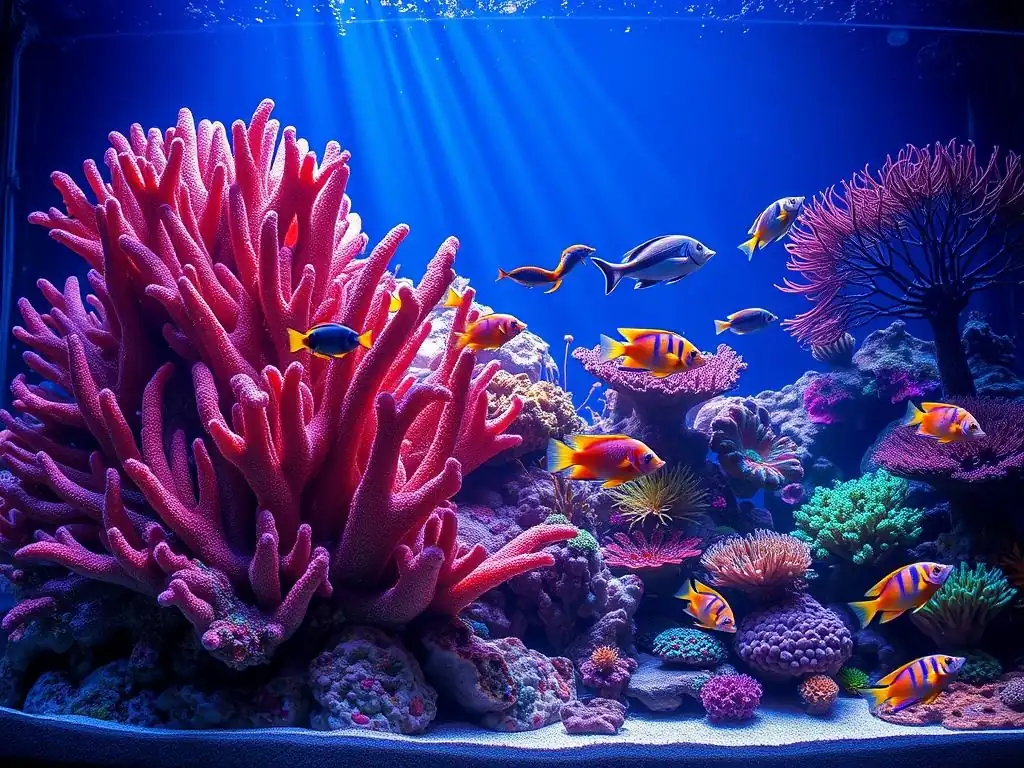
Ever feel like your reef tank is less serene paradise and more underwater battleground? Discover the secrets to peaceful coexistence in your reef aquarium. Dive into our comprehensive guide, " Avoiding World War III: A Guide to Peaceful Coexistence in Your Reef Tank," and learn essential Reef Tank Peace Strategies to ensure a harmonious environment for your saltwater inhabitants. Ready to build a thriving, conflict-free reef? Let's get started!
- Achieving Reef Tank Harmony: A Guide to Peaceful Coexistence
- Understanding Reef Tank Aggression: The Root of the Problem
- Reef Tank Peace Strategies: Creating a Harmonious Ecosystem
- Advanced Reef Tank Harmony: Beyond the Basics
- Troubleshooting Reef Tank Conflicts: Resolving Existing Issues
- Long-Term Reef Tank Success: Maintaining Peace and Harmony
-
Frequently Asked Questions
- How do I choose reef-safe fish that are likely to get along?
- What role does tank size play in maintaining peace in a reef tank?
- How important is proper acclimation when introducing new fish?
- What are some common signs of aggression in a reef tank?
- How can I use aquascaping to promote peace in my reef tank?
- Final Reflection: Cultivating Harmony Beneath the Waves
- Discover the Serenity: Build Your Dream Reef Today!
Achieving Reef Tank Harmony: A Guide to Peaceful Coexistence
Understanding Reef Tank Aggression: The Root of the Problem
Identifying Potential Aggressors: Fish and Invertebrate Temperaments
Aggression in a reef tank often stems from the natural instincts of its inhabitants, particularly concerning territory, food, and mating. Certain fish species are inherently more aggressive than others, making their inclusion a potential risk to the overall harmony of the ecosystem. For instance, many damselfish species, such as the Blue Devil Damselfish, are notorious for their territorial aggression, often harassing or even killing tank mates once they establish a domain.
Similarly, some dottybacks, like the Orchid Dottyback, while beautiful, can be quite feisty, especially towards smaller, more docile fish. Even seemingly peaceful species can become aggressive if conditions are not ideal or if they feel threatened.
Beyond fish, certain invertebrates can also pose a threat to reef tank peace. While most ornamental shrimp and snails are benign, some crabs, especially those not explicitly labeled "reef-safe," can prey on smaller fish, corals, or other invertebrates. For example, a Gorilla Crab, often introduced unknowingly as a hitchhiker on live rock, can grow large enough to become a significant predator. Similarly, a Mantis Shrimp, while fascinating, will decimate a tank's population of smaller crustaceans and fish due to its powerful striking ability. Understanding these inherent temperaments is the first step in implementing effective reef tank peace strategies.
Recognizing the Signs of Stress and Aggression in Your Reef Tank
Identifying the early signs of stress and aggression is crucial for maintaining a peaceful reef environment and preventing escalation. Stressed fish may exhibit clamped fins, rapid breathing, fading colors, or erratic swimming patterns. They might also hide excessively or refuse to eat. When aggression is present, these signs become more pronounced, often accompanied by active pursuit, fin nipping, or direct physical confrontations between inhabitants. For example, a dominant tang might repeatedly chase a smaller, newer tang, preventing it from accessing food or prime swimming areas.
Invertebrates can also show signs of distress or aggression. Corals may retract polyps, bleach, or fail to open fully if constantly irritated by a neighboring coral or fish. Hermit crabs might frequently abandon their shells if harassed, or you might observe them attempting to steal shells from other crabs. Observing these subtle and overt behaviors is a cornerstone of effective reef tank peace strategies. Regular, attentive observation, perhaps dedicating 10-15 minutes daily to simply watching your tank's dynamics, can provide invaluable insights into the social hierarchy and potential conflicts brewing beneath the surface.
Factors Contributing to Reef Tank Incompatibility: Territory, Food, and Hierarchy
Several interconnected factors contribute to incompatibility and aggression within a reef tank, with territory, food, and social hierarchy being primary drivers. Limited physical space is a significant stressor; a 50-gallon tank, for instance, offers vastly different territorial opportunities than a 150-gallon system. When fish feel their territory is encroached upon, especially during breeding cycles, they will defend it vigorously. This is particularly true for species like many clownfish, which will guard their host anemone fiercely, or certain angelfish that establish specific feeding grounds.
Food availability and distribution also play a critical role. If food is scarce or not distributed widely, faster or more aggressive eaters will dominate, leaving less for shyer or slower tank mates. This can lead to nutritional deficiencies and increased stress for the subordinate individuals.
Furthermore, a natural social hierarchy often develops in aquariums, with certain fish establishing dominance. Introducing a new fish without careful consideration can disrupt this hierarchy, leading to a period of intense aggression as the new individual attempts to find its place or as established residents assert their authority. Implementing effective reef tank peace strategies requires addressing these fundamental factors.
Reef Tank Peace Strategies: Creating a Harmonious Ecosystem
Strategy 1: Careful Selection of Reef-Safe Fish and Invertebrates
Researching Species Compatibility: Avoiding Known Aggressors
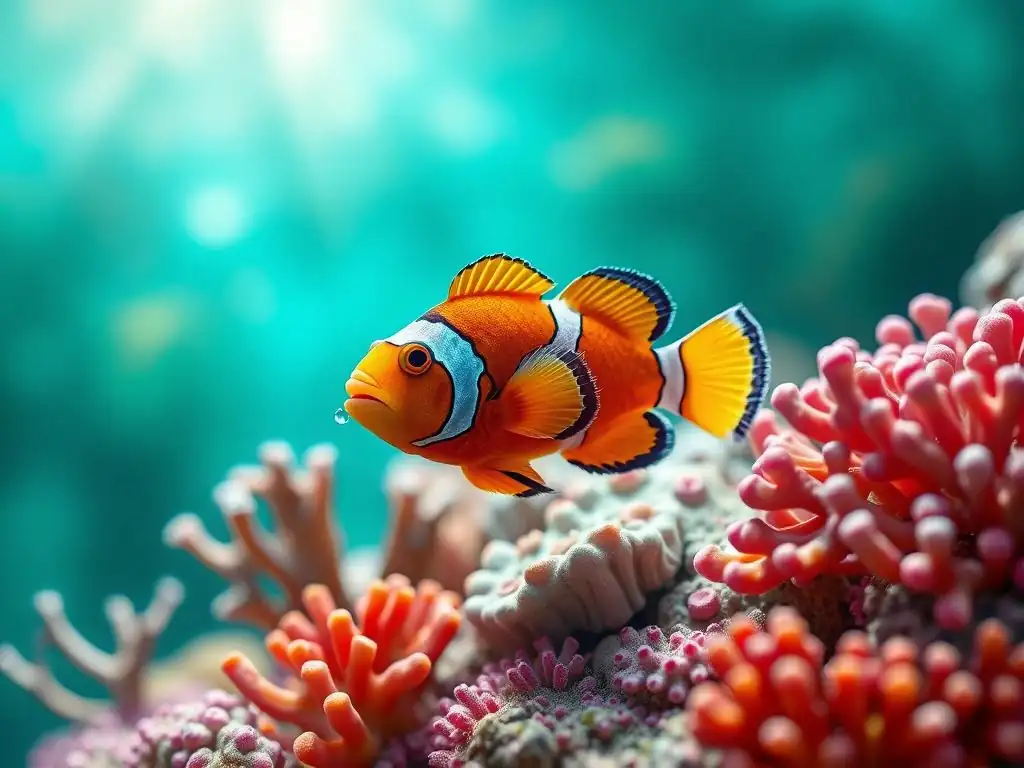
One of the most foundational reef tank peace strategies is meticulous research into species compatibility before making a purchase. It's not enough to simply know if a fish is "reef-safe" in terms of not eating corals; you must also consider its temperament towards other fish and invertebrates. For example, while a Yellow Tang is generally considered reef-safe, it can be highly territorial towards other tangs, especially those of similar shape or color. Similarly, a Royal Gramma Basslet is typically peaceful but might chase smaller, timid gobies if they invade its perceived territory.
Utilize reputable online databases, community forums, and experienced local fish stores to gather information. Look for specific notes on aggression levels, preferred tank mates, and potential conflicts. For instance, a common recommendation for a 120-gallon reef tank might be to avoid housing multiple species of large angelfish together due to their high territorial demands. Understanding these nuances can prevent costly mistakes and unnecessary stress for your tank's inhabitants, laying a strong groundwork for long-term reef tank peace strategies.
Considering Size and Temperament: Matching Tank Mates Appropriately
Beyond species-specific compatibility, the size and general temperament of individual fish are crucial considerations. A large, boisterous fish, even if generally peaceful, can inadvertently stress or injure smaller, delicate tank mates simply through its movements or feeding enthusiasm. For example, introducing a fully grown Emperor Angelfish (which can reach over 15 inches) into a tank with tiny, slow-moving blennies might lead to the blennies being outcompeted for food or intimidated by the sheer size difference.
Conversely, placing a small, timid fish with a group of established, active swimmers can lead to the smaller fish being constantly harassed or outcompeted. A cardinal rule for effective reef tank peace strategies is to introduce fish of similar sizes or to introduce smaller, shyer species first, allowing them to establish themselves before larger or more dominant species are added. This approach minimizes the initial shock and allows for a more natural integration into the existing social structure. Aim for a balanced community where no single individual or group can exert undue dominance.
Acclimation Techniques: Minimizing Stress During Introduction
The process of introducing new inhabitants to your reef tank is a critical juncture that can significantly impact their ability to integrate peacefully. Proper acclimation minimizes stress, reducing the likelihood of disease outbreaks and aggressive encounters. The most common and recommended method for fish and invertebrates is drip acclimation, which slowly equalizes the water parameters (temperature, salinity, pH) between the transport bag and the tank over an extended period, typically 30 minutes to an hour or more, depending on the sensitivity of the species.
During drip acclimation, the new inhabitant is placed in a separate container, and tank water is slowly dripped into it using airline tubing and a control valve. This gradual change allows the animal's osmoregulation system to adjust without shock. For particularly aggressive species or to allow a new fish to settle without immediate harassment, some aquarists opt for a "tank within a tank" approach, placing the new fish in a clear, perforated container inside the main display for a day or two.
This allows existing inhabitants to see the newcomer without direct interaction, often reducing initial aggression. These careful introduction methods are vital reef tank peace strategies.
Strategy 2: Optimizing Your Reef Tank Environment for Peace
Providing Ample Space and Hiding Places: Reducing Territorial Disputes
A well-designed reef aquascape is not just aesthetically pleasing; it's a fundamental component of effective reef tank peace strategies. Providing ample swimming space and numerous hiding spots is paramount to reducing territorial disputes and stress among inhabitants. In a tank with limited rockwork or open areas, dominant fish can easily monopolize prime locations, leaving subordinate fish exposed and vulnerable. A general guideline is to aim for at least 50% open swimming space and 50% rockwork that creates caves, overhangs, and crevices.
For instance, a 75-gallon tank should be aquascaped with a variety of structures that allow fish to establish their own territories without direct line of sight to their neighbors. Using live rock to create multiple "islands" or distinct zones can help break up the tank's visual field, making it harder for one fish to dominate the entire area.
This is especially beneficial for species like Damselfish or Dottybacks, which are highly territorial, allowing them to claim a small cave or rock without constantly clashing with others. The availability of safe retreats also gives bullied fish a place to escape and de-stress, preventing chronic aggression.
Maintaining Excellent Water Quality: Minimizing Stress and Disease
Pristine water quality is a non-negotiable aspect of successful reef keeping and a powerful, albeit indirect, contributor to reef tank peace strategies. Poor water parameters, even if not immediately lethal, can significantly stress fish and invertebrates, weakening their immune systems and making them more susceptible to disease. A stressed fish is also more likely to exhibit aggressive behavior due to discomfort or perceived threats. Maintaining stable parameters such as salinity (typically 1.024-1.026 specific gravity), temperature (76-80°F), pH (8.1-8.4), and low nitrates (<10 ppm) is crucial.
Regular water testing and consistent maintenance routines, including weekly or bi-weekly water changes (e.g., 10-20% of tank volume), are essential. For example, a sudden spike in ammonia or nitrite, even if quickly corrected, can cause long-term stress that manifests as aggression or lethargy. Furthermore, stable water chemistry promotes robust coral growth and vibrant fish coloration, indicative of a healthy and less stressful environment. A clean and stable environment directly translates to healthier, happier, and consequently, less aggressive tank inhabitants.
Ensuring Adequate and Varied Food Supply: Preventing Food-Related Aggression
Food scarcity or uneven distribution is a common trigger for aggression in reef tanks. When fish perceive a limited food supply, their natural instinct is to compete for resources, leading to bullying and territorial disputes during feeding times. To mitigate this, ensure you are providing enough food for all inhabitants and distributing it in a way that allows every fish access. For example, if you have a mix of fast surface feeders and shy bottom dwellers, using a combination of floating pellets, sinking pellets, and target feeding can ensure everyone gets their share.
Feeding small amounts multiple times a day (e.g., 2-3 times) rather than one large meal can also reduce competition and ensure a more continuous supply of nutrients, mimicking natural foraging behaviors. A varied diet, including frozen foods (mysis shrimp, brine shrimp, spirulina), high-quality flakes, and seaweed sheets, caters to the diverse nutritional needs of different species and prevents boredom or nutritional deficiencies that can contribute to stress and aggression.
For instance, a Tang that isn't receiving enough algae in its diet might start nipping at corals or other fish in search of alternative food sources. These consistent feeding reef tank peace strategies are vital.
Strategy 3: Proactive Observation and Intervention
Regular Monitoring of Fish and Invertebrate Behavior: Early Detection of Problems
Consistent and careful observation of your reef tank's inhabitants is a cornerstone of proactive reef tank peace strategies. By dedicating time daily to watch their behavior, you can often detect subtle signs of stress or aggression before they escalate into serious conflicts. Pay attention to feeding habits: Are all fish eating well, or are some being pushed away? Observe swimming patterns: Are any fish constantly hiding, swimming erratically, or showing signs of fear? Look for physical signs: Are fins nipped? Are there any body scrapes or faded colors?
For example, if you notice a normally active Clownfish spending an unusual amount of time tucked away in a corner, or a Tang repeatedly chasing a specific smaller fish, these are red flags. Early detection allows for timely intervention. You might observe a new hierarchy forming, or a territorial dispute over a prime piece of rockwork. Documenting these observations, even mentally, can help you identify patterns and pinpoint the source of conflict. This vigilant monitoring is far more effective than waiting for obvious damage or fatalities.
Re-arranging Rockwork: Disrupting Established Territories
If you identify ongoing territorial disputes, one effective intervention among reef tank peace strategies is to re-arrange your tank's rockwork. This simple act can disrupt established territories and force fish to re-evaluate their perceived boundaries. By changing the landscape, you eliminate the "ownership" that was previously established over specific caves, overhangs, or open swimming lanes. This can be particularly effective for highly territorial fish like certain Damselfish, Dottybacks, or even some Angelfish that have claimed a specific area.
When re-arranging, aim to create new caves, open up new swimming lanes, and break line-of-sight between previously clashing individuals. For instance, if two fish are fighting over a central archway, consider dismantling it and creating two separate, distinct structures on opposite sides of the tank. While the initial disruption can cause temporary stress as fish re-establish themselves, it often leads to a more peaceful long-term outcome. It's akin to hitting a "reset" button on the tank's social dynamics.
Using a Quarantine Tank: Treating Sick or Aggressive Individuals
A quarantine tank (QT) is an indispensable tool for any serious aquarist, serving multiple purposes including disease prevention and managing aggression. When a fish is showing persistent aggression that cannot be resolved by other reef tank peace strategies, temporarily removing it to a QT can be highly effective. This serves two main purposes: first, it gives the bullied fish in the main tank a break and a chance to recover from stress; second, it disrupts the aggressor's established territory and dominance in the main tank.
The QT should be a simple setup with minimal decor, an air stone, and a heater, ideally with established biological filtration. The aggressor can be kept in the QT for a few days to a few weeks. When reintroduced to the main tank, its previous dominance may be diminished, or the other fish may have had time to establish new territories. Similarly, if a fish is sick, isolating it in a QT for treatment prevents the spread of disease and allows it to recover without the added stress of competition or aggression from tank mates.
Advanced Reef Tank Harmony: Beyond the Basics
Introducing New Fish and Invertebrates Safely: Drip Acclimation Method
Beyond the basic understanding, mastering the drip acclimation method is paramount for advanced reef tank peace strategies. While briefly mentioned earlier, its detailed application is crucial. Upon receiving new livestock, float the sealed bag in your sump or display tank for 15-20 minutes to equalize temperature. Do not open the bag yet. After temperature acclimation, carefully open the bag, pour the contents (fish/invertebrate and shipping water) into a clean, appropriately sized container, ensuring the animal is fully submerged.
Next, use airline tubing to siphon water from your display tank into the container. Tie a knot in the airline tubing or use an airline control valve to regulate the drip rate to approximately 1-2 drips per second. Allow the drip to continue until the volume of water in the acclimation container has quadrupled.
This process typically takes 45-90 minutes, depending on the initial water volume. Once acclimation is complete, gently net the fish or invertebrate and transfer it to your tank, discarding the old water (never add shipping water to your display tank). This slow, controlled process drastically reduces osmotic shock, minimizing stress and vulnerability when integrating into the existing community.
Implementing a "Timeout" System: Isolating Aggressors Temporarily
For persistent aggressors that don't respond to minor rockwork changes, an advanced reef tank peace strategy involves a temporary "timeout" system. This is more than just a quarantine tank; it's a strategic, short-term isolation within the display tank itself. Clear, perforated acrylic boxes or breeder nets can be used to temporarily house the aggressive fish inside the main display. This allows the aggressor to remain visible to other tank inhabitants but prevents direct physical interaction.
The typical duration for a timeout is 3-7 days. During this period, the bullied fish in the main tank get a reprieve, allowing them to recover from stress, regain their strength, and establish new territories or feeding patterns without constant harassment. Simultaneously, the aggressor loses its dominant position and the ability to control its territory. When the aggressor is released, it often re-enters the tank with a diminished sense of ownership, and the established social dynamics may have shifted, leading to a more peaceful coexistence. This method is particularly useful for territorial species like certain Damselfish or Dottybacks.
Considering a Refugium: Providing a Safe Haven for Invertebrates
A refugium is a separate, often smaller, sump-like compartment connected to the main display tank, designed to provide a safe, predator-free environment for microfauna and macroalgae. While primarily known for nutrient export and supporting the food chain, a well-established refugium also serves as an advanced reef tank peace strategy by offering a safe haven for small, delicate invertebrates or even juvenile fish that might otherwise be preyed upon or outcompeted in the main display.
For example, if you wish to introduce copepods, amphipods, or even small, rare snails, a refugium provides a breeding ground where they can proliferate without being immediately consumed by hungry fish or larger invertebrates. Over time, these beneficial organisms will naturally migrate into the display tank, augmenting the biodiversity and providing a continuous, natural food source for your reef inhabitants. This reduces competition for prepared foods and can indirectly lessen aggression related to feeding, contributing to overall reef tank peace.
Troubleshooting Reef Tank Conflicts: Resolving Existing Issues
Identifying the Cause of Aggression: Observing Feeding Habits and Territory Defense
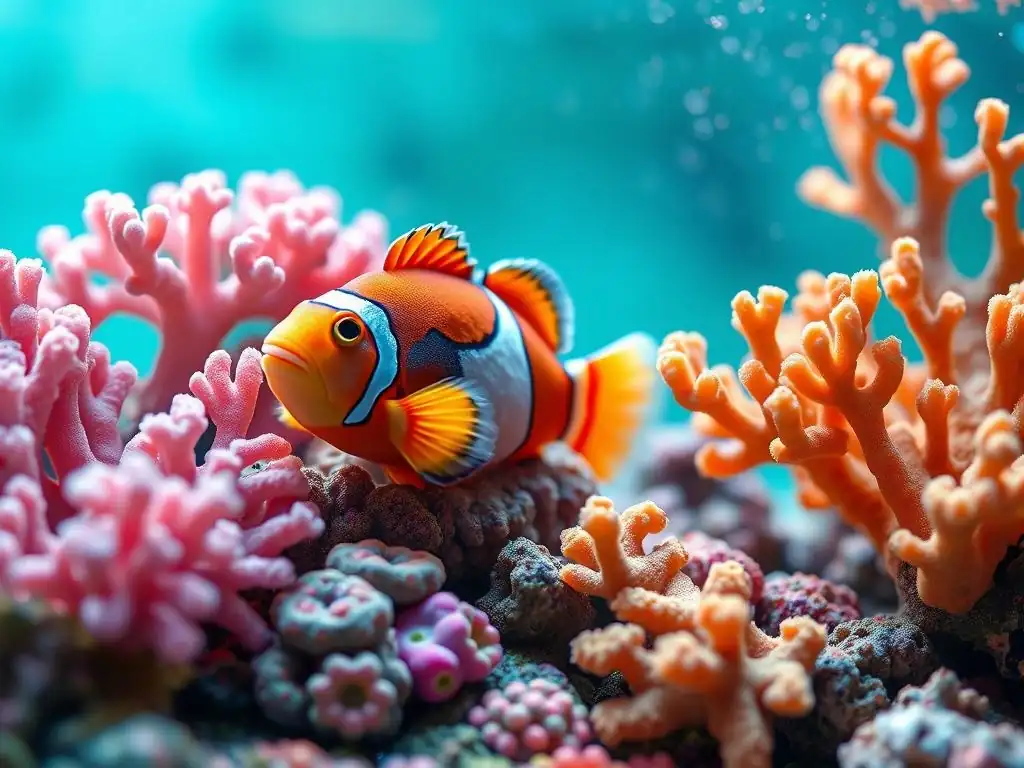
When conflicts arise in your reef tank, effective troubleshooting begins with accurately identifying the root cause of the aggression. This requires meticulous observation, particularly during feeding times and when fish are establishing their daily routines. Watch closely how different species interact around food: Is one fish consistently hogging the food, preventing others from eating? Does a specific fish become agitated only when another enters a particular area of the tank, suggesting territorial defense?
For instance, if you notice a Foxface Lo flaring its dorsal fins and chasing a new Tang only when it approaches a specific patch of rockwork, it strongly indicates territorial aggression. Conversely, if a group of Chromis are constantly nipping at a smaller, slower Wrasse only during feeding, it points to food competition. Documenting these observations, including the time of day and the specific individuals involved, can help pinpoint whether the aggression is driven by territory, food, or a social hierarchy issue. These insights are critical for applying targeted reef tank peace strategies.
Addressing Bullying Behavior: Increasing Feeding Frequency and Adding More Hiding Spots
Once bullying behavior is identified, specific interventions can often mitigate the problem. If food competition is the primary driver, increasing the feeding frequency can significantly reduce aggression. Instead of one large meal, try feeding smaller amounts 3-4 times a day. This ensures a more continuous food supply, reduces the urgency to compete, and allows shyer fish more opportunities to eat without being outcompeted. For instance, if a dominant Clownfish is preventing a smaller Goby from feeding, multiple smaller feedings might allow the Goby to grab food when the Clownfish is distracted.
If territorial disputes are the issue, adding more hiding spots and breaking up line-of-sight can be highly effective. This might involve simply adding a new piece of live rock to create an additional cave, or even repositioning existing rockwork to create more distinct zones. For example, if a Damsel is constantly harassing a Firefish, adding a small cave structure near the Firefish's preferred area can give it a safe retreat.
Providing these safe havens reduces stress for the bullied fish and can make the aggressor less likely to pursue, as its target has an immediate escape route. These are practical reef tank peace strategies for common conflicts.
Rehoming Problematic Individuals: When Coexistence is Impossible
Despite all reef tank peace strategies and interventions, there are instances where coexistence simply isn't possible, and rehoming a problematic individual becomes the only viable solution. This is often the case with highly aggressive species that consistently harass, injure, or even kill other tank mates, despite attempts at environmental modification or temporary isolation. Examples include particularly belligerent Damselfish, certain large Dottybacks, or even some Triggerfish that unpredictably turn aggressive.
Recognizing when to rehome is crucial for the long-term health and stability of your reef ecosystem. If a fish is constantly stressed, exhibiting signs of severe fin nipping, or if fatalities are occurring, it's a clear indication that the aggressor's temperament is incompatible with the existing community. Contact your local fish store; many are willing to take in healthy, problematic fish.
Alternatively, reach out to local aquarium clubs or online forums; aquarists often have larger tanks or setups better suited for more challenging species. While a difficult decision, it ultimately ensures the well-being of the remaining inhabitants and maintains the harmony of your reef tank.
Long-Term Reef Tank Success: Maintaining Peace and Harmony
Regular Water Changes and Maintenance: Supporting a Healthy Ecosystem
Maintaining long-term reef tank peace and harmony is inextricably linked to consistent and thorough maintenance, with regular water changes being a cornerstone. Water changes remove accumulated nitrates, phosphates, and other undesirable dissolved organic compounds that can build up over time, even with efficient filtration. High levels of these compounds can stress corals and fish, leading to faded colors, reduced growth, and increased susceptibility to disease, all of which can indirectly contribute to aggressive behavior as inhabitants become more irritable or weakened.
A typical schedule involves changing 10-20% of the tank's water volume every 1-2 weeks, using properly mixed and temperature-matched saltwater. For example, in a 100-gallon system, this would mean changing 10-20 gallons bi-weekly. Beyond water changes, regular cleaning of protein skimmers, filter socks, and powerheads prevents detritus buildup and ensures optimal water flow. This consistent upkeep ensures a stable, clean, and healthy environment where inhabitants are less stressed and therefore less prone to conflict, reinforcing the most fundamental reef tank peace strategies.
Continuing Education: Staying Informed About Reef Tank Compatibility
The field of marine aquaria is constantly evolving, with new research, species discoveries, and husbandry techniques emerging regularly. For long-term reef tank success and maintaining harmony, continuous education is paramount. Staying informed about the latest understanding of fish and invertebrate compatibility, temperament shifts, and environmental needs can help you make better decisions for your tank. What was once considered a "reef-safe" fish might, with more extensive observation, be found to occasionally nip certain corals, or a seemingly peaceful species might become aggressive under specific conditions (e.g., breeding).
Regularly reading reputable marine aquarium journals, participating in online forums, attending local aquarium club meetings, and visiting specialized fish stores are excellent ways to stay updated. For instance, you might learn about a newly discovered behavioral trait in a popular species that affects its compatibility, or a novel method for reducing aggression during feeding. This ongoing learning empowers you to anticipate potential conflicts and apply the most current and effective reef tank peace strategies, ensuring your aquarium remains a thriving, harmonious ecosystem.
Documenting Your Tank's History: Tracking Successes and Failures
A powerful, yet often overlooked, long-term reef tank peace strategy is meticulous documentation of your tank's history. Keeping a detailed log of livestock additions, removals, observed behaviors, water parameters, and any interventions (e.g., rockwork changes, temporary isolation) provides an invaluable reference for troubleshooting and future planning. For example, if you introduce a new fish and observe aggression a week later, reviewing your log might reveal that a similar conflict occurred after introducing a fish of that specific body shape or color in the past.
Your log could include dates of purchase, species names, initial behavior, and how they integrated (or didn't). Note down any instances of fin nipping, chasing, or hiding, and what steps you took to address them, along with the outcome. This historical data allows you to identify patterns, learn from past mistakes, and replicate successful reef tank peace strategies. It transforms your personal aquarium into a living case study, providing tangible data that helps you make informed decisions for maintaining a balanced and serene reef environment for years to come.
Frequently Asked Questions
How do I choose reef-safe fish that are likely to get along?
Research temperament compatibility before introducing any new fish. Look for species known to be peaceful and avoid aggressive or territorial fish. Consider the adult size of the fish as well, as larger fish can sometimes bully smaller ones.
What role does tank size play in maintaining peace in a reef tank?
Tank size is crucial as it provides more space for fish to establish territories and avoid constant confrontation. Overcrowding leads to stress and aggression. A larger tank allows for greater dilution of aggression amongst the inhabitants.
How important is proper acclimation when introducing new fish?
Acclimation is vital to minimize stress and prevent disease outbreaks, which can lead to aggression. Introduce new fish slowly, using a drip acclimation method, to gradually adjust them to the tank's water parameters.
What are some common signs of aggression in a reef tank?
Signs of aggression include chasing, nipping fins, hiding, and increased stress in the targeted fish. You might also notice physical injuries like torn fins or missing scales. Early detection is key to preventing escalation.
How can I use aquascaping to promote peace in my reef tank?
Create plenty of hiding places and distinct territories using rocks and corals. This allows fish to retreat when feeling threatened and reduces the likelihood of conflict. Break up sightlines to minimize territorial disputes.
Final Reflection: Cultivating Harmony Beneath the Waves
The principles of peaceful coexistence, so vital on a global scale, find a surprisingly resonant echo within the confines of our reef tanks. Understanding and implementing reef tank peace strategies is not merely about maintaining a beautiful ecosystem; it's a microcosm of the larger world, demonstrating that careful planning, empathy, and a commitment to balance can prevent conflict and foster thriving communities, even in seemingly disparate environments.
This journey into the delicate balance of reef tank ecosystems has profoundly impacted my perspective on the importance of understanding individual needs and creating environments that support diversity. The success of a reef tank, much like the success of global society, hinges on our ability to appreciate and accommodate different perspectives and behaviors. Peace is not merely the absence of war, but the presence of justice, of law, of order – in short, of government.
- Albert Einstein. This quote reminds us that a thriving reef, and indeed, a thriving world, requires a framework that promotes fairness and prevents aggression.
Now, as you gaze upon your own reef tank, or perhaps contemplate starting one, consider the lessons learned. Let the meticulous planning, the careful introduction of new inhabitants, and the constant observation of interactions serve as a reminder that peace is not passive; it is an active, ongoing process. Embrace the challenge of creating a harmonious underwater world, and in doing so, cultivate the same principles of understanding and coexistence in your own life, contributing to a more peaceful world, one reef tank at a time.
Discover the Serenity: Build Your Dream Reef Today!
Thanks for diving into the world of reef tank harmony! We hope this guide has given you the knowledge to create a peaceful underwater ecosystem. Now, it's time to translate this understanding into action.
Here are a few ways to start:
- Prioritize your next coral: Focus on compatibility when selecting your next addition to the reef – research temperament and resource needs to avoid future squabbles! This is your key action for a peaceful tank!
- Join the Aquarium Mastery community! Share your own experiences and insights or learn from other reef keepers.
- Rethink your rockscape: Experiment with different layouts to minimize territorial disputes and create more safe havens for your inhabitants.
What innovative approach will you take to ensure harmony reigns supreme in your reef?