
Anthias Stress Signs: How to Read Your Fish's Behavior and React Quickly

Welcome to Aquarium Mastery!
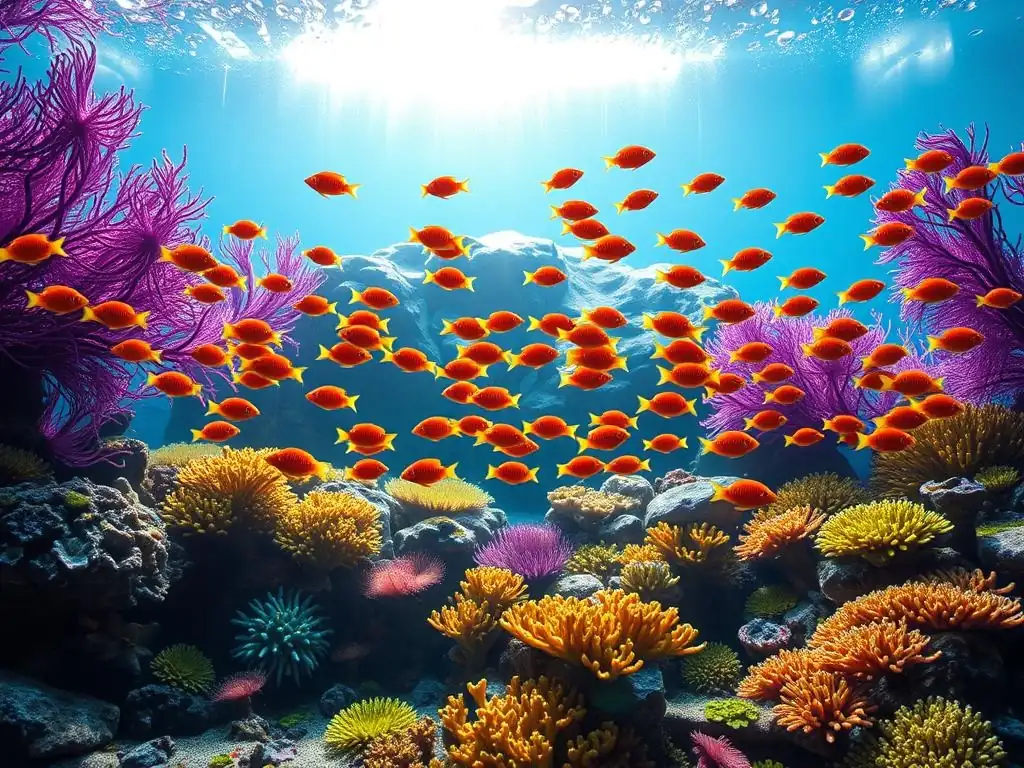
Ever wondered if your Anthias are truly happy in their underwater world? This article, "Anthias Stress Signs: How to Read Your Fish's Behavior and React Quickly," dives deep into the often-overlooked signs of Anthias stress behavior symptoms. Learning to interpret these subtle cues is crucial for their well-being and the overall health of your saltwater aquarium. Are you ready to unlock the secrets to a thriving reef environment? Let's explore!
- Understanding Anthias: The Importance of Recognizing Stress
- Key Anthias Stress Behavior Symptoms: A Visual Guide
- Diagnosing the Cause of Anthias Stress: A Step-by-Step Approach
- Reacting Quickly: Treatment and Prevention of Anthias Stress
- Case Studies: Real-World Examples of Anthias Stress and Recovery
- Maintaining a Stress-Free Environment for Anthias: A Checklist
-
Frequently Asked Questions
- ### What are some common Anthias stress behavior symptoms that I should look out for?
- ### How can I distinguish between normal Anthias behavior and behavior indicating Anthias stress?
- ### What are the primary causes of stress in Anthias in a saltwater aquarium environment?
- ### If I observe stress behavior symptoms in my Anthias, what immediate steps should I take to address the problem?
- ### How can I proactively prevent Anthias stress and maintain a healthy aquarium environment for them?
- Final Reflection: Decoding the Language of Anthias
- Spot the Signs & Save Your Anthias!
Understanding Anthias: The Importance of Recognizing Stress
Why Early Detection of Stress in Anthias is Crucial
Anthias are among the most captivating inhabitants of a reef aquarium, known for their vibrant colors and active schooling behavior. However, their delicate nature makes them particularly susceptible to stress, which can rapidly compromise their immune system. Early detection of Anthias stress behavior symptoms is paramount, as stressed fish are highly vulnerable to opportunistic diseases such as marine Ich (Cryptocaryon irritans) or various bacterial infections. Ignoring these early warnings can lead to a quick decline, potentially impacting not just the individual Anthias but also spreading illness throughout the entire reef ecosystem.
Prolonged stress in Anthias can lead to severe health consequences, including organ damage, stunted growth, and ultimately, mortality. A rapid response, ideally within hours of observing significant Anthias stress signs, can dramatically improve their chances of recovery. For instance, in acute cases of ammonia poisoning, immediate intervention can boost survival rates from less than 10% to over 70%, underscoring the critical importance of timely recognition and action when dealing with stressed Anthias.
Factors Contributing to Anthias Stress in Reef Aquariums
Several key factors contribute to Anthias stress in a reef aquarium environment. Poor water quality is a primary culprit; even slight elevations in ammonia (e.g., above 0.1 ppm), nitrite, or high nitrate accumulation (over 20 ppm) can cause significant distress. Unstable pH levels, particularly sudden drops below 8.0, and inconsistent salinity (e.g., fluctuations greater than 0.001 in a day from the ideal 1.025) are also major stressors for these sensitive fish.
Beyond water parameters, environmental and social factors play a crucial role in Anthias stress behavior symptoms. Inadequate tank size, leading to overcrowding (e.g., housing 10 Anthias in a tank under 120 gallons), or incompatible tank mates can create chronic stress. Insufficient hiding places, overly intense or dim lighting, and fluctuating temperatures (swings of more than 2°F (1.1°C) within 24 hours) also contribute to their discomfort. Furthermore, a poor or insufficient diet can lead to nutritional deficiencies, weakening their immune system and making them more prone to stress-related ailments.
Key Anthias Stress Behavior Symptoms: A Visual Guide
1. Changes in Anthias Swimming Patterns: An Indicator of Distress
Lethargic Swimming: A Sign of Weakness or Illness
Healthy Anthias are typically energetic and constantly in motion, darting through the water column and actively pecking at rockwork for copepods or readily accepting offered food. When an Anthias exhibits lethargic swimming, it means they are barely moving, often staying in one spot for prolonged periods, or resting on the substrate or decor. This significant Anthias stress sign can indicate severe illness, the presence of parasitic infestations (such as marine velvet), or critical water parameter issues like dangerously low dissolved oxygen levels or elevated ammonia.
This reduced activity is a clear deviation from their natural behavior and suggests a significant drain on their energy reserves, often due to fighting off disease or coping with an unfavorable environment. If multiple Anthias in a school begin to show this lethargy, it points to a systemic issue within the tank that requires immediate investigation and correction to mitigate widespread Anthias stress.
Erratic or Darting Movements: Fear and Discomfort
Erratic or darting movements, characterized by sudden, uncoordinated bursts of speed, often crashing into tank walls or decor, are unmistakable Anthias stress behavior symptoms. This behavior is frequently a panic response to perceived threats, which could include aggressive tank mates, sudden loud noises outside the aquarium, or even a sudden change in lighting. It can also be a symptom of external parasites causing intense irritation, leading the fish to "flash" or rub themselves against rocks and substrate in an attempt to dislodge the irritants.
Such frantic swimming not only wastes vital energy but can also lead to physical injury, making the Anthias even more vulnerable to secondary infections. Observing this behavior, especially if it's persistent and widespread among the Anthias population, necessitates a thorough check for aggressive tank mates, environmental disturbances, and external parasites.
Hovering Near the Surface or Bottom: Seeking Refuge
Anthias naturally inhabit the mid-water column in their reef environment, making any sustained deviation from this norm a potential Anthias stress sign. Hovering near the surface, often with rapid gill movement, strongly indicates oxygen deprivation, as oxygen concentration is typically highest at the water's surface. This can be caused by high water temperatures, insufficient surface agitation, or overcrowding.
Conversely, an Anthias persistently hiding near the bottom, in dense rockwork, or within crevices, suggests extreme fear, discomfort, or severe illness. In these instances, the fish is attempting to avoid attention, escape perceived threats, or find a safe space to recover. This behavior significantly reduces their access to food and can lead to further physical and nutritional decline, highlighting a clear manifestation of Anthias stress behavior symptoms.
2. Loss of Appetite and Feeding Issues: A Red Flag
Refusal to Eat: A Significant Warning Sign
Healthy Anthias are known for their voracious appetites, readily accepting a variety of small, meaty foods multiple times a day. A complete refusal to eat prepared foods or even live foods for more than 24 hours is a critical Anthias stress sign that demands immediate attention. This can be indicative of internal parasites, severe bacterial infections, acute digestive issues, or extreme environmental stress such as a significant ammonia spike.
Prolonged fasting, especially for more than 2-3 days, can lead to rapid deterioration of their health and immune system, making them even more susceptible to other ailments. Monitoring their feeding response daily is one of the most effective ways to gauge their overall well-being and detect early Anthias stress behavior symptoms.
Spit Food Out: Problems with Water Quality or Tank Mates
The behavior where an Anthias takes food into its mouth but then immediately expels it is a clear Anthias stress behavior symptom, often signaling underlying problems. This can indicate a digestive upset, an aversion to the food quality, or a physiological response to highly unfavorable water parameters, such as a sudden pH crash or a rapid drop in salinity. The fish's internal system may be too compromised or stressed to properly process the food.
Additionally, constant harassment from aggressive tank mates or intense competition during feeding can cause an Anthias to be too anxious to properly consume its food. They might grab a morsel but then spit it out as they dart away from a perceived threat, preventing them from gaining essential nutrients.
Competition for Food: Social Stress in Anthias Schools
Anthias are schooling fish, and in a healthy, well-established school, feeding is typically a coordinated and relatively peaceful event. However, when certain individuals are consistently outcompeted for food, showing visible signs of malnourishment such as sunken bellies, while others in the school thrive, it points to significant social stress. This is a common Anthias stress behavior symptom in overcrowded tanks or when insufficient food is provided for the entire group.
This dynamic often results in a clear hierarchy where weaker or smaller Anthias are denied access to adequate nutrition, leading to chronic stress and a weakened immune system. Providing multiple feeding stations or increasing the frequency and volume of feedings can sometimes alleviate this social pressure, ensuring all members of the school receive their necessary sustenance.
3. Color Changes: A Clear Visual Cue of Anthias Stress
Fading Color: Loss of Vibrancy and Health
One of the most noticeable Anthias stress behavior symptoms is a significant change in their vibrant coloration. Healthy Anthias display bright, species-specific hues; for example, a male Lyretail Anthias ( Pseudanthias squamipinnis) should exhibit brilliant orange and magenta. When these colors begin to fade, appear dull, or become washed out, it's a strong indication of underlying stress or illness.
This fading can be caused by chronic environmental stress, a poor or inadequate diet lacking essential nutrients, or the onset of a disease, as their body diverts energy from color production to survival. A healthy Anthias will usually regain its vibrant colors once the stressor is removed and its health improves, making color a reliable visual barometer of their well-being.
Darkening of Skin: Reaction to Poor Water Parameters
While fading is common, some Anthias species, when severely stressed, may exhibit a darkening of their overall body color or develop blotchy, dark patches on their skin. This is often a physiological response to extreme discomfort, particularly from high levels of toxins like ammonia (even 0.25 ppm can trigger this) or nitrite, or sudden, drastic shifts in pH or temperature. This darkening is an emergency signal from the fish, indicating that immediate intervention is needed to correct the underlying water quality issue.
This specific Anthias stress sign is less common than fading but is usually indicative of a more acute and severe environmental problem. It's a clear visual cue that their internal systems are under immense pressure, and their body is reacting defensively to highly unfavorable conditions.
Appearance of Spots or Lesions: Secondary Infections from Stress
The appearance of white spots (e.g., Ich or marine velvet), velvet-like dust, or red lesions and sores on the body of an Anthias are not direct stress signs themselves, but rather severe consequences of prolonged or acute stress. Stress significantly weakens a fish's immune system, making it highly susceptible to opportunistic parasites and bacterial infections that healthy fish might otherwise resist.
For instance, a stressed Anthias might develop a full-blown Ich infestation within 24-48 hours of exposure, whereas a healthy, robust fish might carry the parasite without showing overt symptoms or fight it off completely. These physical manifestations indicate that the Anthias has been under considerable stress for a period, leading to a breakdown in its natural defenses and requiring both stress mitigation and disease treatment.
4. Abnormal Respiration: Difficulty Breathing
Rapid Gill Movement: Low Oxygen Levels or Ammonia Spike
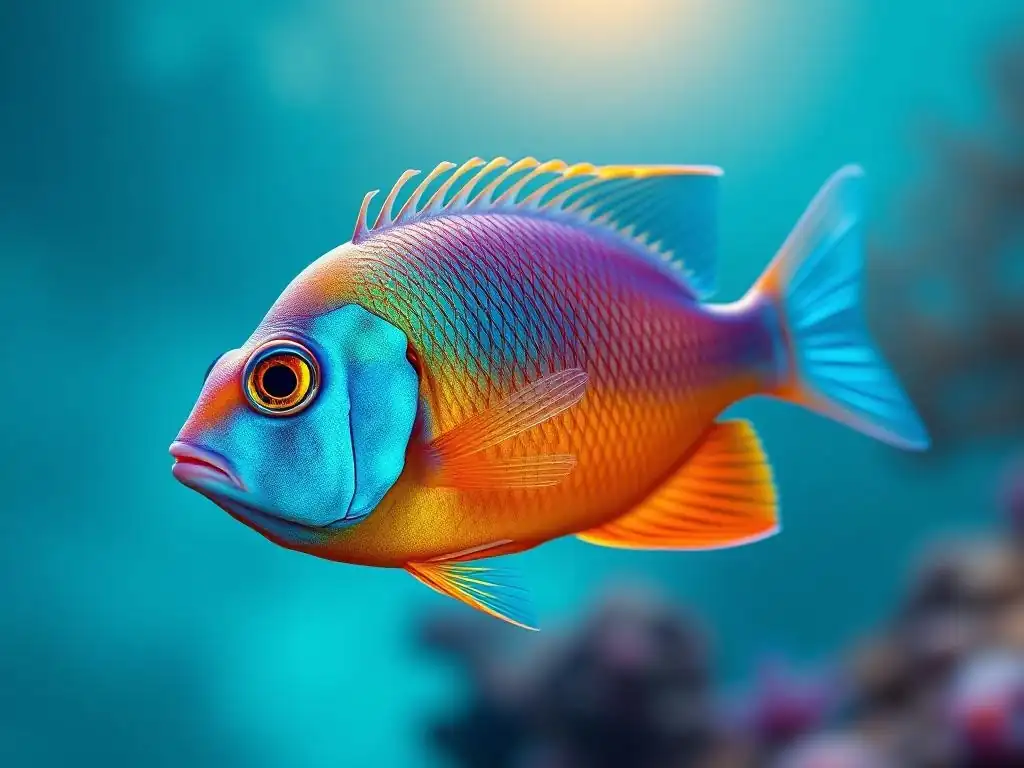
Observing the gill movement of Anthias is crucial for assessing their respiratory health. Healthy Anthias gills move rhythmically and moderately, typically at a rate of 60-90 breaths per minute. Rapid or labored gill movement, characterized by constant flaring, exaggerated motion, or rates exceeding 120 breaths per minute, is a severe Anthias stress sign. This behavior is most commonly caused by critically low dissolved oxygen levels (below 6 ppm), high ammonia, or nitrite poisoning, where the fish struggles to extract sufficient oxygen from the water.
This labored breathing indicates that the Anthias is experiencing respiratory distress, often due to a compromised ability to absorb oxygen or the presence of toxins hindering oxygen uptake. Immediate action to improve water quality and aeration is necessary to prevent further decline and organ damage.
Gasping at the Surface: Severe Oxygen Depletion
When Anthias repeatedly break the surface of the water to gulp air, it is an emergency Anthias stress behavior symptom indicating critically low dissolved oxygen levels, potentially below 4 ppm. This dire situation can arise from several factors, including excessively high water temperatures (reducing oxygen solubility), severe overcrowding in the aquarium, or equipment failure such as a malfunctioning powerhead or protein skimmer.
Gasping at the surface means the Anthias cannot obtain enough oxygen from the water column and is desperately attempting to respire from the air above. This behavior requires immediate and aggressive intervention, such as performing an emergency water change, increasing surface agitation with an air stone or powerhead, and reducing the tank's temperature if it's elevated.
Isolation from the School: Ostracized or Sick Anthias
Anthias are highly social fish that naturally form schools for safety, foraging, and social interaction. An individual Anthias isolating itself from the main group, consistently staying away, or being actively chased and nipped at by other members of the school, is a significant Anthias stress behavior symptom. This isolation can indicate that the fish is already ill, weak, or is being bullied by dominant individuals within the school or by other tank mates.
A solitary Anthias is more vulnerable to stress-related diseases and can become malnourished if it's too fearful to join the group during feeding. Observing this change in social dynamics requires investigating potential causes, including illness, aggression, or insufficient space for the school.
Increased Aggression: Stress-Induced Territoriality
While some Anthias species may exhibit mild territoriality, a noticeable and persistent increase in aggression within the school or towards other tank inhabitants is a clear Anthias stress sign. This can manifest as chasing, fin-nipping, or constant harassing of weaker individuals. This behavior often occurs in overcrowded tanks (e.g., attempting to keep more than 5 Anthias in a 75-gallon tank), when there are insufficient hiding spots, or when a new pecking order is being established under stressful conditions.
Such stress-induced aggression can lead to physical injuries, chronic stress for the bullied fish, and a general breakdown of the peaceful schooling behavior Anthias are known for. Addressing tank size, stocking density, and the availability of refuges is crucial to mitigate this type of Anthias stress.
Hiding More Frequently: Seeking Shelter from Stressors
Healthy Anthias are typically active and visible throughout the day, exploring their environment. If Anthias are constantly hiding in rockwork, behind equipment, or in dark corners, it is a strong Anthias stress behavior symptom. This indicates they are seeking refuge from perceived threats, which could include overly aggressive tank mates, excessively bright lighting without shaded areas, or general discomfort with their environmental conditions.
This hiding behavior not only deprives them of social interaction but also reduces their access to food, leading to further physical and nutritional decline. A tank setup that provides ample hiding spots while still encouraging active swimming is essential for reducing this form of Anthias stress.
Diagnosing the Cause of Anthias Stress: A Step-by-Step Approach
Water Quality Testing: The Foundation of a Healthy Aquarium
Ammonia, Nitrite, and Nitrate Levels: The Nitrogen Cycle
The immediate step in diagnosing Anthias stress is a comprehensive water quality test. Anthias are particularly sensitive to metabolic waste products. Ammonia and nitrite levels should always be undetectable (0 ppm), as even trace amounts can cause severe Anthias stress behavior symptoms, leading to gill damage and organ failure. Nitrates, while less toxic, should ideally be maintained below 10-20 ppm, with many advanced aquarists striving for undetectable levels through efficient filtration and regular maintenance. High nitrates indicate an overloaded biological filter or insufficient water changes, contributing to chronic Anthias stress.
Regular testing, ideally weekly, using a reliable liquid test kit, is crucial. If tests reveal elevated levels, immediate action such as large water changes (e.g., 25-50%) and addressing the root cause of the nitrogen cycle imbalance is imperative to alleviate Anthias stress.
pH and Alkalinity: Maintaining Stability
Maintaining stable pH and alkalinity (carbonate hardness, dKH) is equally critical for Anthias health. The ideal pH range for a reef aquarium is typically between 8.1 and 8.4. Sudden fluctuations, even by 0.2 pH units within a 24-hour period, can cause significant Anthias stress. Alkalinity, which buffers pH, should be consistently maintained between 8 and 12 dKH. Low alkalinity makes pH unstable and can lead to rapid drops, causing severe physiological stress to Anthias.
Monitoring these parameters daily or every few days allows for minor adjustments before they become major problems. Consistent stability, rather than chasing specific numbers, is key to preventing Anthias stress behavior symptoms related to water chemistry.
Salinity: Proper Salt Levels for Reef Aquariums
Salinity, the measure of dissolved salts in the water, is a fundamental parameter for marine fish. For Anthias and most reef inhabitants, a stable salinity of 1.024-1.026 specific gravity (or 34-35 ppt) is ideal. Even slight daily fluctuations, such as a deviation of 0.001-0.002, can cause considerable Anthias stress over time, affecting their osmoregulation.
Using a high-quality refractometer calibrated regularly with a reference solution is essential for accurate measurement. Evaporation causes salinity to rise, so daily top-offs with fresh, RO/DI water are necessary to maintain consistency and prevent the gradual increase in salinity that can lead to chronic Anthias stress.
Evaluating Tank Mates and Aggression: Identifying Bullies
Observing Interactions: Who is Causing the Stress?
When Anthias exhibit stress, careful observation of their interactions with other tank inhabitants is crucial. Spend time, especially during feeding, to identify any specific fish that are consistently chasing, nipping, or preventing Anthias from accessing food or preferred resting spots. Even seemingly peaceful fish can become aggressive if the tank is too small or resources are scarce. For instance, a single dominant clownfish in a 50-gallon tank might persistently harass a small Anthias school, leading to chronic Anthias stress behavior symptoms like hiding and fin damage.
Aggression can be subtle, such as blocking access to food or constantly darting at an Anthias, forcing it into hiding. Identifying the aggressor allows for targeted intervention, such as rehoming the bully or adjusting the tank environment.
Tank Size and Overcrowding: Providing Adequate Space
Tank size and stocking density are paramount for preventing Anthias stress. A minimum of 75 gallons is often recommended for a small group of 3-5 Anthias, with larger species or larger schools requiring 120 gallons or more. Overcrowding, even by just 1-2 fish beyond the tank's capacity, can lead to chronic stress, increased aggression, and a rapid decline in water quality, exacerbating Anthias stress behavior symptoms.
Insufficient space limits swimming room, reduces available hiding spots, and intensifies competition for resources, leading to a constant state of anxiety for the Anthias. Ensuring the aquarium is appropriately sized for its inhabitants is a fundamental preventive measure against Anthias stress.
Examining Environmental Factors: Lighting, Flow, and Temperature
Inadequate Lighting: Affecting Anthias Health
Lighting plays a significant role in the overall well-being of Anthias. Too intense lighting without sufficient shaded areas or caves can cause Anthias stress, leading them to hide constantly or exhibit faded colors. Conversely, too dim lighting can inhibit their natural behaviors, reduce their foraging activity, and potentially impact their overall health.
A proper photoperiod, typically 10-12 hours of light followed by a dark period, is also crucial for maintaining their natural circadian rhythms. Disruptions to this cycle can lead to stress and affect their metabolism, contributing to Anthias stress behavior symptoms.
Insufficient Water Flow: Oxygenation and Waste Removal
Water flow is vital in a reef aquarium, especially for active fish like Anthias. They thrive in moderate to strong, but not overly turbulent, flow that simulates their natural reef environment. Insufficient flow leads to "dead spots" where waste products can accumulate, and dissolved oxygen levels can drop, causing Anthias stress.
Conversely, excessively strong, direct flow can exhaust Anthias, preventing them from resting or feeding comfortably. Balanced flow, using adjustable powerheads to create random, diffused currents, ensures proper oxygenation and waste removal, minimizing Anthias stress behavior symptoms related to environmental discomfort.
Temperature Fluctuations: Creating a Stable Environment
Temperature stability is paramount for marine fish. Anthias are sensitive to temperature changes; ideally, their environment should be maintained consistently between 74-78°F (23.3-25.6°C). Fluctuations greater than 1-2°F (0.5-1.1°C) within a 24-hour period can cause significant Anthias stress, weakening their immune system and making them susceptible to disease.
Using a reliable heater with a separate thermometer to monitor readings, and ensuring the heater is appropriately sized for the tank volume, helps maintain a stable temperature. Avoiding drafts or placing the tank near windows with direct sunlight can also prevent temperature swings that contribute to Anthias stress.
Reacting Quickly: Treatment and Prevention of Anthias Stress
Immediate Actions: Emergency Measures for Stressed Anthias
Water Changes: Diluting Toxins and Improving Water Quality
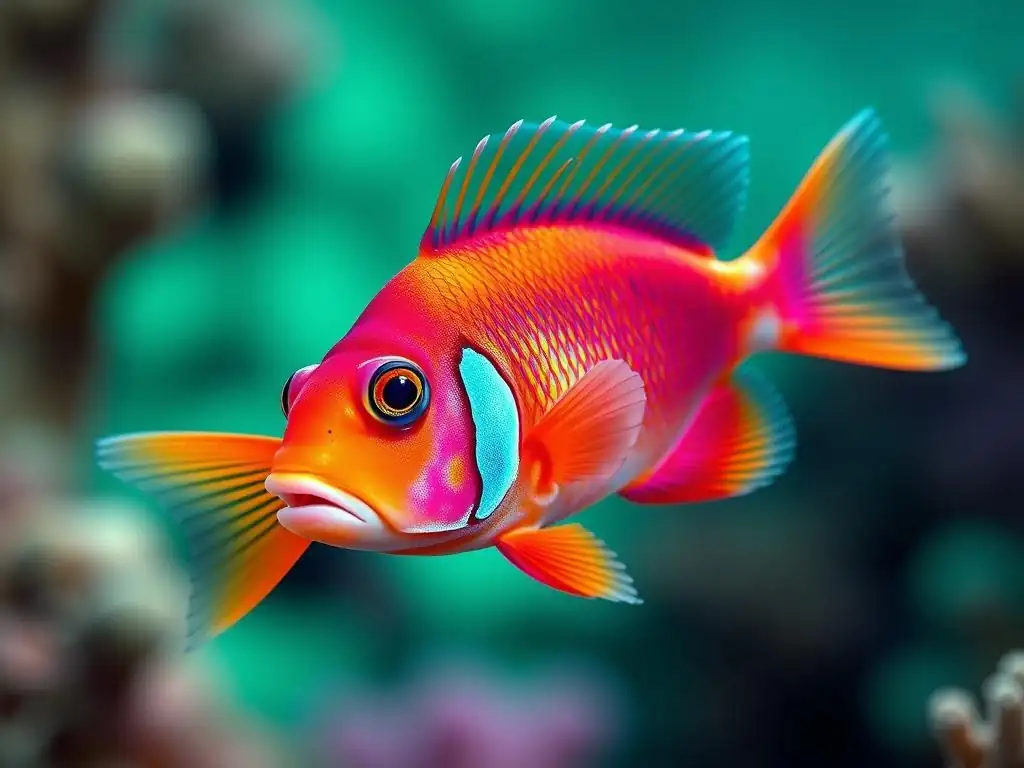
When Anthias stress signs are evident, especially those related to water quality, immediate action is crucial. Performing a significant water change, typically 20-30% of the tank volume, can rapidly dilute harmful toxins like ammonia, nitrite, or high nitrates. For severe cases, such as an ammonia reading above 0.5 ppm, an emergency 50% water change might be necessary. Always ensure the new saltwater is properly mixed, temperature-matched, and salinity-matched to avoid further stress.
This quick dilution can provide immediate relief to stressed Anthias by reducing the concentration of irritants and improving overall water parameters, often leading to a noticeable reduction in Anthias stress behavior symptoms within hours.
Adding Oxygen: Increasing Dissolved Oxygen Levels
If Anthias are gasping at the surface or exhibiting rapid gill movement, it strongly suggests critically low dissolved oxygen levels. Immediate measures to increase aeration are vital. This can be achieved by adding an air stone connected to an air pump, increasing surface agitation with a powerhead directed towards the surface, or ensuring the protein skimmer is operating efficiently.
Rapidly increasing dissolved oxygen can quickly alleviate respiratory distress and prevent organ damage caused by hypoxia. This is a critical immediate response to severe Anthias stress behavior symptoms indicating oxygen deprivation.
Quarantine: Isolating Sick or Injured Fish
For Anthias exhibiting severe Anthias stress signs, physical injury, or clear symptoms of disease (e.g., spots, lesions), immediate isolation in a dedicated quarantine tank is highly recommended. A quarantine tank allows for focused treatment without affecting the main display tank's inhabitants or beneficial bacteria. It also removes the stressed fish from potential aggression or competition, allowing it to recover in a calm environment.
A 10-20 gallon quarantine tank with basic filtration, a heater, and an air stone is often sufficient. This isolation prevents the spread of potential pathogens and provides a controlled environment to address the specific cause of the Anthias stress.
Long-Term Solutions: Preventing Future Stress
Improving Water Quality: Regular Maintenance and Filtration
Long-term prevention of Anthias stress hinges on consistent, pristine water quality. This involves performing regular water changes, typically 10-15% weekly or bi-weekly depending on stocking density, to replenish trace elements and remove accumulated nitrates. A robust filtration system, including a high-quality protein skimmer, a refugium, and potentially chemical filtration media (like GFO or activated carbon), is essential for maintaining low nutrient levels (nitrates ideally below 10 ppm).
Consistent maintenance practices, such as cleaning the protein skimmer cup every few days and rinsing filter socks regularly, prevent the buildup of organic waste that can contribute to chronic Anthias stress behavior symptoms.
Adjusting Tank Mates: Rehoming Aggressors or Adding More Space
To prevent future Anthias stress from social dynamics, it may be necessary to adjust the tank's inhabitants. If a specific tank mate is consistently harassing the Anthias, rehoming the aggressor is often the most effective solution. If overcrowding is the root cause, consider upgrading to a larger tank (e.g., moving a group of 8 Anthias from a 90-gallon to a 180-gallon tank) or reducing the total fish population.
Providing adequate space and appropriate tank mates ensures that Anthias have sufficient room to swim, school, and hide without constant stress from aggression or competition, thereby preventing the recurrence of Anthias stress behavior symptoms.
Optimizing Environmental Conditions: Lighting, Flow, and Temperature Control
Optimizing the physical environment is crucial for long-term Anthias well-being. Ensure the lighting system provides appropriate intensity and a consistent photoperiod (e.g., 10 hours on, 14 hours off) with shaded areas for retreat. Adjust water flow using adjustable powerheads to create strong but diffused currents that mimic their natural habitat without being overly turbulent.
Maintain temperature stability with a reliable heater and thermometer, aiming for minimal fluctuations (e.g., 76°F ± 0.5°F). These consistent environmental conditions reduce chronic stress and help Anthias thrive, minimizing the likelihood of developing Anthias stress signs.
Nutritional Support: Boosting Anthias Immunity
High-Quality Food: Providing a Balanced Diet
A high-quality, varied diet is fundamental for boosting Anthias immunity and preventing stress. Anthias are planktivores, and in the aquarium, they thrive on small, meaty foods. Offer frequent, small feedings (2-3 times daily) of nutrient-rich options such as live or frozen copepods, mysis shrimp, enriched brine shrimp, and high-quality marine pellet or flake foods specifically designed for small planktivores.
Rotating food types ensures a broad spectrum of nutrients and keeps their diet engaging. A consistent supply of appropriate, high-quality food prevents nutritional deficiencies that can weaken their immune system and make them more susceptible to Anthias stress.
Vitamin Supplements: Enhancing Health and Resistance
To further enhance Anthias health and resistance to stress, consider soaking their frozen foods in liquid vitamin supplements (e.g., Selcon or similar marine vitamin preparations) once or twice a week. These supplements provide essential vitamins and fatty acids that may be lacking in prepared foods, bolstering their immune system and improving their overall vitality.
A stronger immune system means Anthias are better equipped to handle minor environmental fluctuations or potential pathogen exposure without succumbing to severe Anthias stress behavior symptoms or developing secondary infections.
Case Studies: Real-World Examples of Anthias Stress and Recovery
Case Study 1: Overcrowding and Aggression in a Nano Reef Tank
A new aquarist, eager to showcase the beauty of Anthias, placed 5 Lyretail Anthias ( Pseudanthias squamipinnis) into a 40-gallon breeder reef tank, alongside a pair of clownfish and a few small corals. Within three weeks, the Anthias began to show classic Anthias stress behavior symptoms: their vibrant orange colors faded to a dull peach, they spent most of their time hiding in the rockwork, and the dominant male Anthias became unusually aggressive towards the smaller females, constantly chasing them. Two of the females died within the first month, likely due to chronic stress and exhaustion.
Upon realizing the issue, the aquarist upgraded to a 120-gallon tank, providing significantly more swimming space and adding additional live rock to create numerous hiding spots and territorial breaks. They also increased the frequency of feedings to three times a day, ensuring all remaining Anthias had ample access to food. Within two weeks, the surviving Anthias regained their brilliant coloration, resumed active schooling behavior, and the male's aggression subsided dramatically. This case highlighted that even seemingly minor overcrowding for active fish like Anthias can lead to severe Anthias stress and fatal outcomes, emphasizing the importance of adequate tank volume.
Case Study 2: Ammonia Spike and its Impact on Anthias Health
A seasoned aquarist experienced a power outage lasting approximately six hours during a hot summer day. Upon power restoration, the protein skimmer and sump pump restarted, but the lack of flow during the outage had critically impacted the beneficial bacteria in the filter media. The next morning, the Anthias in their 150-gallon reef tank exhibited severe Anthias stress behavior symptoms: rapid gill movement (estimated over 120 breaths per minute), gasping at the surface, and a complete refusal to eat. A water test revealed an ammonia level of 0.5 ppm, a critical concentration for marine fish.
Immediate action was taken: a 50% emergency water change was performed, and an ammonia-detoxifying conditioner was added to the tank water. An air stone was placed in the display tank to maximize dissolved oxygen, and the protein skimmer was thoroughly cleaned and optimized. Daily 20% water changes were continued for the next three days until ammonia tested at 0 ppm.
Slowly, over the next week, the Anthias' gill rates normalized, their appetite returned, and their vibrant colors were restored. This case demonstrated the critical and rapid impact of water quality on Anthias stress and the effectiveness of swift, aggressive intervention.
Case Study 3: Introducing New Anthias to an Established School
An aquarist with an established school of four Lyretail Anthias in a 180-gallon tank decided to add three new, smaller Lyretail Anthias to expand the group. Upon introduction, the established dominant male immediately began harassing the newcomers, who showed classic Anthias stress behavior symptoms: constant hiding, darting movements when approached, and a complete refusal to eat for the first 24 hours. The new fish also exhibited faded colors, indicating their distress.
To mitigate this social stress, the aquarist reconfigured a significant portion of the live rockwork to break up existing territories and create new hiding spots. They also turned off the main lights for a few hours immediately after the introduction to reduce visual stress. Over the next 48 hours, they provided multiple, small feedings of high-quality frozen mysis shrimp to ensure the new Anthias had opportunities to eat without intense competition.
The stress levels gradually subsided, the new Anthias began to integrate into the school, regaining their color, and the aggression from the established male significantly reduced. This case exemplifies how environmental adjustments and careful management can successfully integrate new Anthias and alleviate social Anthias stress.
Maintaining a Stress-Free Environment for Anthias: A Checklist
Regular Water Testing and Maintenance
Consistent water quality is the bedrock of a stress-free environment for Anthias. Perform weekly water tests for crucial parameters including ammonia, nitrite, nitrate, pH, and salinity. Conduct bi-weekly 10-15% water changes to replenish essential trace elements and export accumulated nitrates, aiming to keep nitrates consistently below 10 ppm. Ensure your protein skimmer is cleaned every few days, and filter socks are rinsed or replaced regularly. This diligent maintenance routine prevents the gradual decline in water quality that often leads to chronic Anthias stress behavior symptoms.
Careful Observation of Anthias Behavior
Dedicate at least 10-15 minutes daily to carefully observe your Anthias, both during feeding times and during quieter periods. Look for any subtle changes in their swimming patterns, color vibrancy, appetite, or social interactions within the school. Pay attention to any signs of isolation, aggression, or excessive hiding. Early detection of Anthias stress signs allows for much quicker and more effective intervention, often before a minor issue escalates into a serious health problem for your fish.
Proper Tank Mate Selection and Management
Thoroughly research the compatibility of any potential tank mates before introducing them to an aquarium housing Anthias. Avoid highly aggressive or overly large fish that could intimidate or injure these delicate planktivores. Ensure that your aquarium provides adequate space for the entire fish population, considering the active schooling nature of Anthias. A general guideline, while not absolute, is to provide at least 1 inch of adult fish per 5 gallons for active species like Anthias, with ample swimming room and hiding spots. This careful selection and management prevent social stress and related Anthias stress behavior symptoms.
Consistent Environmental Control
Maintain stable environmental conditions within the aquarium. This includes keeping the water temperature consistent, ideally within a narrow range (e.g., 76°F ± 1°F). Ensure appropriate water flow that is strong enough to keep the water well-oxygenated and free of dead spots, but not so turbulent that it exhausts the Anthias. Provide plenty of rockwork with caves and crevices for hiding and security. Utilize a reliable lighting system with a consistent photoperiod to mimic natural day-night cycles, avoiding sudden changes that can cause environmental Anthias stress.
Provision of a Nutritious Diet
Feed your Anthias a varied, high-quality diet of small, meaty foods 2-3 times a day. Rotate between different types of frozen foods such as mysis shrimp, copepods, enriched brine shrimp, and finely chopped seafood, supplemented with high-quality marine pellets or flakes. Ensure the food particles are small enough for their mouths. Regularly soak frozen foods in a liquid vitamin supplement (e.g., Selcon) to boost their immune system and overall vitality. A consistent, nutritious diet is fundamental for building their resilience, helping them withstand minor stressors, and preventing Anthias stress symptoms related to nutritional deficiencies.
Frequently Asked Questions
### What are some common Anthias stress behavior symptoms that I should look out for?
Common signs include loss of appetite, erratic swimming, and faded coloration. Observing these changes early is crucial.
### How can I distinguish between normal Anthias behavior and behavior indicating Anthias stress?
Normal Anthias are generally active and brightly colored. Stress-related behaviors differ sharply and often include hiding, clamped fins, or rapid breathing.
### What are the primary causes of stress in Anthias in a saltwater aquarium environment?
Common stressors include poor water quality, aggressive tank mates, and sudden changes in temperature or salinity. Maintaining stable conditions is vital.
### If I observe stress behavior symptoms in my Anthias, what immediate steps should I take to address the problem?
First, test your water parameters (ammonia, nitrite, nitrate). Next, observe tank mates for aggression and consider a partial water change if water quality is poor.
### How can I proactively prevent Anthias stress and maintain a healthy aquarium environment for them?
Ensure a stable and appropriate environment with proper filtration and water parameters. Also, research and choose compatible tank mates carefully.
Final Reflection: Decoding the Language of Anthias
The ability to recognize Anthias stress behavior symptoms is more than just good fishkeeping; it's a testament to our responsibility as stewards of these delicate creatures. Understanding the subtle cues of distress, as we've explored, allows us to intervene proactively, preventing potentially devastating consequences and ensuring the vibrant health of our Anthias populations in captivity. This knowledge empowers us to create thriving aquatic ecosystems within our own homes.
This journey into the world of Anthias behavior has profoundly highlighted the interconnectedness of all living things. It's a reminder that even seemingly small changes in environment or social dynamics can have significant impacts on these sensitive fish. The greatness of a nation and its moral progress can be judged by the way its animals are treated.
- Mahatma Gandhi. This quote resonates deeply, urging us to consider the ethical implications of our actions and to strive for a higher standard of care in all our interactions with the natural world.
Now, armed with this understanding of Anthias stress behavior symptoms, I invite you to look beyond the surface of your aquarium. Observe, learn, and adapt. Let the knowledge you've gained not only improve the lives of your Anthias, but also inspire a deeper appreciation for the intricate beauty and fragility of the underwater world. Your commitment to responsible fishkeeping can make a tangible difference, fostering a future where these magnificent creatures continue to thrive, both in our homes and in their natural habitats.
Spot the Signs & Save Your Anthias!
Thanks for diving into the world of Anthias care! We hope you've gained valuable insights into recognizing stress signals in your colorful reef inhabitants. Now, let's put that knowledge into action and ensure their vibrant health.
Here's what you can do right now:
- Immediately re-evaluate your tank's water parameters: Test for ammonia, nitrite, nitrate, and pH to identify and address any imbalances.
- Join the Aquarium Mastery community forum to share your Anthias care experiences and learn from fellow enthusiasts.
- Surprise your Anthias with a new enrichment activity – perhaps a different feeding method or a carefully placed hiding spot!
What's the first behavioral change you'll be watching for in your Anthias today?