
Creating a Blackwater Paradise for Your Betta Fish

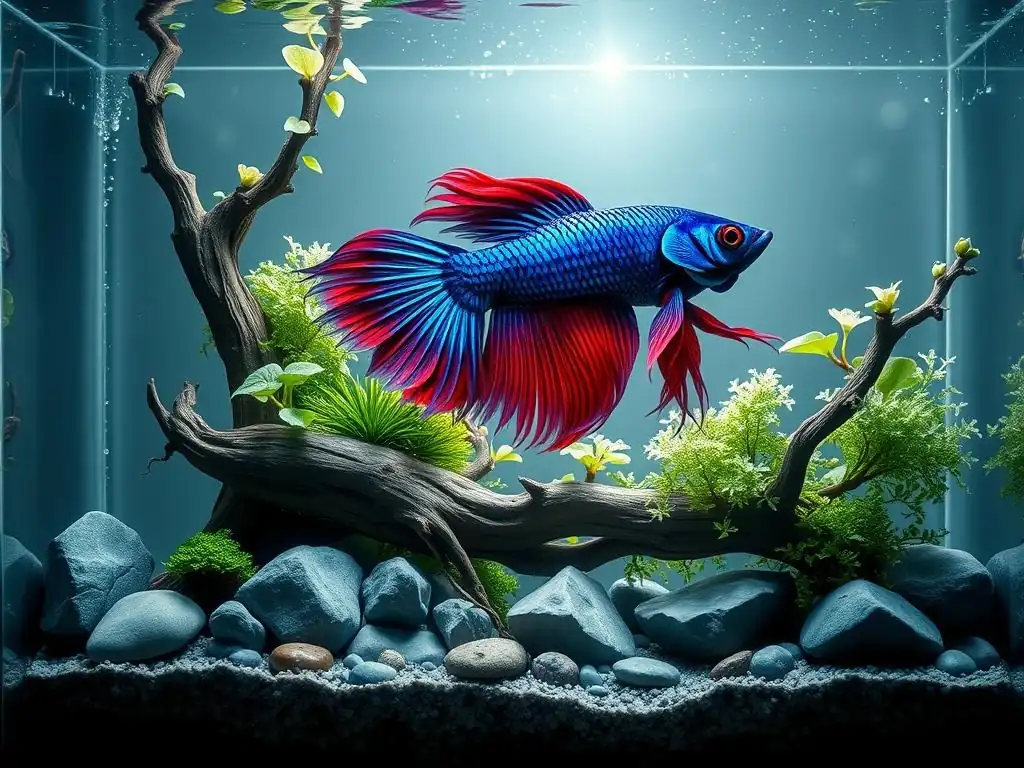
Welcome to Aquarium Mastery!
Intrigued by the allure of a naturally stunning and thriving aquarium? Dive in and discover the secrets to a flourishing ecosystem! Are you ready to unlock the mysteries of a blackwater betta tank setup? This guide will take you through every step, transforming your aquarium into a slice of paradise for your betta. Let's explore the magic together!
- Understanding Blackwater Habitats for Betta Fish
-
Blackwater Betta Tank Setup: A Step-by-Step Guide
- Step 1: Choosing the Right Aquarium for Your Blackwater Betta
- Step 2: Substrate Selection for a Blackwater Biotope
- Step 3: Hardscape Essentials for a Blackwater Betta Tank
- Step 4: Water Chemistry and Parameters for Blackwater Bettas
- Step 5: Blackwater Aquarium Filtration and Water Movement
- Step 6: Lighting for a Blackwater Betta Aquarium
- Step 7: Introducing Your Betta to Its Blackwater Paradise
- Blackwater Betta Tank Plants: Selecting the Right Species
- Maintaining Your Blackwater Betta Tank
- Troubleshooting Common Blackwater Betta Tank Issues
- Blackwater Betta Tank: Long-Term Success
-
Frequently Asked Questions
- How does a blackwater tank benefit a Betta fish?
- What are the key components for a successful Blackwater Betta tank setup?
- What type of water chemistry should I aim for in a Blackwater Betta tank?
- How often should I change the water in a Blackwater Betta tank?
- Are there any fish species that should not be kept with a Betta in a Blackwater tank?
- Final Reflection: Embracing the Betta's Natural Habitat
- Cultivate Your Betta's Dreamscape
Understanding Blackwater Habitats for Betta Fish
What is Blackwater and Why is it Beneficial for Bettas?
Blackwater refers to aquatic environments characterized by their distinctive tea-stained coloration, which results from the presence of dissolved organic compounds, primarily humic substances and tannins, leached from decaying plant matter. These unique conditions are prevalent in slow-moving rivers, swamps, and floodplains across tropical regions, notably the Amazon Basin and Southeast Asia. For Betta fish ( Betta splendens), which originate from similar environments like rice paddies, stagnant pools, and slow streams in Thailand and Cambodia, blackwater conditions closely mimic their natural habitat.
The chemical composition of blackwater is typically soft (low General Hardness, GH) and acidic (low pH), often ranging from pH 4.5 to 6.5. This specific chemistry, combined with the dim lighting caused by the stained water, significantly reduces stress for Bettas. The tannins act as natural antiseptics, helping to inhibit the growth of harmful bacteria and fungi, thereby offering a protective barrier against common diseases like fin rot. Studies have indicated that humic substances can reduce the virulence of certain pathogens, contributing to a healthier environment for the fish.
Replicating Natural Betta Habitats: The Blackwater Ecosystem
Replicating a blackwater ecosystem involves more than just coloring the water; it's about recreating the entire environmental dynamic. In their native habitats, Bettas navigate through dense submerged vegetation, fallen leaves, and tangled root systems. These elements provide ample hiding spots and define territories, reducing aggression and promoting natural behaviors. The leaf litter and driftwood continuously release tannins, maintaining the characteristic water parameters and dim light.
To effectively replicate this in a blackwater betta tank setup, aquarists must incorporate specific hardscape elements and botanicals. Large pieces of driftwood, such as Mopani or Manzanita, serve as anchor points and release beneficial tannins. Indian Almond leaves (Catappa leaves) are crucial, as they are a primary source of tannins and provide natural hiding spots, mimicking the forest floor. This holistic approach ensures that the blackwater environment is not just aesthetically pleasing but also biologically functional and true to the Betta's ancestral home.
The Benefits of a Blackwater Tank for Betta Health and Well-being
The advantages of a blackwater betta tank setup extend significantly to the fish's overall health and well-being. The soft, acidic water and the presence of humic acids and tannins create an environment that actively discourages the proliferation of many common aquarium pathogens. For instance, the low pH can inhibit the growth of external parasites and certain bacterial infections, reducing the need for chemical treatments. This natural protection helps maintain the integrity of the Betta's delicate fins and scales.
Beyond disease prevention, the reduced light penetration and numerous hiding spots in a blackwater tank significantly lower stress levels for Bettas. A less stressed fish exhibits brighter coloration, more active and natural swimming patterns, and a stronger immune system. Many aquarists observe that Bettas in blackwater setups are more inclined to display natural behaviors like bubble nesting and foraging, indicating a higher level of comfort and contentment compared to those in brightly lit, unadorned tanks. This naturalistic approach fosters a thriving environment, enhancing both the lifespan and quality of life for your Betta.
Blackwater Betta Tank Setup: A Step-by-Step Guide
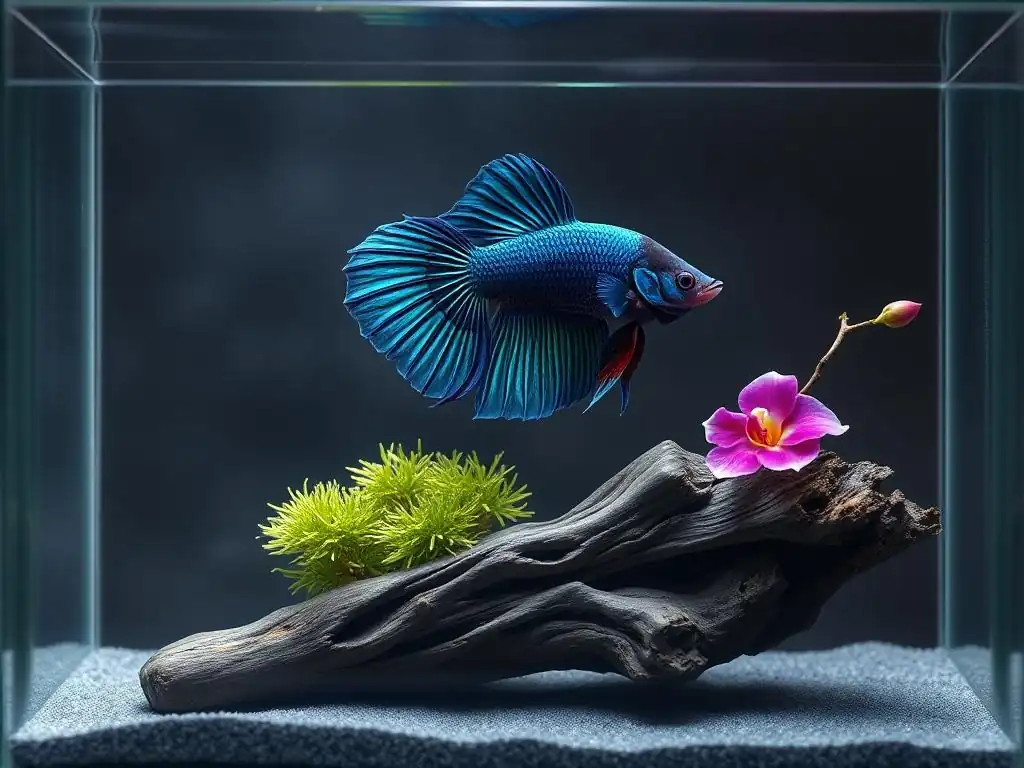
Step 1: Choosing the Right Aquarium for Your Blackwater Betta
Tank Size Considerations for Blackwater Betta Setups
For a single Betta fish, a minimum tank size of 5 gallons (approximately 19 liters) is generally recommended. However, for a truly stable and thriving blackwater betta tank setup, a 10-gallon (around 38 liters) or even 15-gallon (57 liters) tank is highly preferable. Larger volumes of water are significantly more stable in terms of temperature, pH, and waste dilution, which is crucial in the delicate balance of a blackwater environment. A larger tank also provides ample swimming space for the Betta, reducing potential stress from confinement and allowing for more extensive hardscaping and planting.
While a 5-gallon tank can work, maintaining consistent parameters in smaller volumes can be challenging, especially with the organic load from botanicals. For instance, a sudden pH drop due to an excessive amount of new leaves might be buffered more effectively in a 10-gallon tank than a 5-gallon one. The increased water volume also allows for a more natural accumulation of beneficial microorganisms, which contribute to the overall health of the blackwater ecosystem.
Ideal Tank Materials and Shapes for Blackwater Environments
Glass aquariums are the preferred material for a blackwater betta tank setup due to their clarity, durability, and inert nature. Unlike some plastics or acrylics, glass does not leach chemicals into the water, nor does it scratch as easily, ensuring a clear view of your blackwater paradise. Standard rectangular tanks are generally the most suitable shape, as they maximize surface area for gas exchange and provide ample horizontal swimming space, which Bettas prefer.
Avoid tall, narrow "tower" tanks, as they offer limited horizontal movement and often don't provide sufficient surface area for adequate oxygenation, despite their volume. Rimless tanks can offer a very clean, minimalist aesthetic that allows the natural beauty of the blackwater to stand out. Ensure the tank has a secure lid or cover, as Bettas are known jumpers, especially when acclimating to a new environment or feeling stressed.
Step 2: Substrate Selection for a Blackwater Biotope
Choosing a Substrate that Mimics a Natural Blackwater Environment
The ideal substrate for a blackwater betta tank setup should be dark in color and inert, meaning it will not alter water chemistry. Fine sand or very small-grained gravel (around 1-3mm particle size) in shades of black, dark brown, or natural earth tones are excellent choices. A dark substrate enhances the visual depth of the tank and provides a striking contrast against the Betta's vibrant colors and the amber water, making the fish appear even more brilliant.
A fine substrate also allows for easier cleaning and prevents detritus from accumulating deeply, which can lead to anaerobic pockets. Some aquarists opt for specialized aquatic soils (e.g., ADA Amazonia), which can buffer pH down, but these often release nutrients that may not be ideal for a low-nutrient blackwater setup and can be challenging to manage long-term. For simplicity and stability, inert dark sand or gravel is often the best choice, allowing the botanicals to naturally influence the water parameters.
Substrate Options to Avoid in Blackwater Betta Tanks
When planning your blackwater betta tank setup, it's crucial to avoid substrates that will negatively impact the desired water chemistry or stress your Betta. Light-colored substrates, such as white or very light-colored gravel, should be avoided. They reflect too much light, which can stress Bettas accustomed to dim, shaded environments, potentially leading to faded colors and reclusive behavior.
Furthermore, steer clear of substrates that contain calcium carbonate, such as crushed coral, aragonite, or limestone. These materials will leach minerals into the water, significantly raising the pH and water hardness (GH and KH), directly counteracting the goal of creating soft, acidic blackwater conditions. Very coarse or sharp gravel can also be problematic, as it may injure the Betta's delicate fins or barbels. Always opt for smooth, inert materials that support the blackwater biotope's specific requirements.
Step 3: Hardscape Essentials for a Blackwater Betta Tank
Using Driftwood to Create a Natural Blackwater Look
Driftwood is a cornerstone of any blackwater betta tank setup, serving both aesthetic and functional purposes. Types like Mopani, Manzanita, Cholla, or Malaysian driftwood are excellent choices. They naturally release tannins, which impart the characteristic amber stain to the water and contribute to lowering pH and softening water. Before adding, it's recommended to pre-soak driftwood for several days or weeks, changing the water frequently, to leach out excess tannins and prevent the wood from floating.
Arrange driftwood to create a complex, natural-looking environment with plenty of nooks, crannies, and overhangs. This mimics the root systems and fallen branches found in natural Betta habitats, providing essential hiding spots and visual barriers. A well-placed piece of driftwood can become the focal point of the tank, offering a place for the Betta to rest, explore, and feel secure.
Leaf Litter: The Cornerstone of a Blackwater Ecosystem for Bettas
Leaf litter is arguably the most vital component for a truly authentic blackwater betta tank setup. Indian Almond Leaves ( Terminalia catappa), often called Catappa leaves, are the most popular choice due to their proven benefits. They release a rich supply of tannins, humic acids, and other beneficial compounds that lower pH, soften water, and possess natural antimicrobial and antifungal properties. Other suitable leaves include Guava, Oak, and Maple leaves, provided they are pesticide-free and collected from areas away from pollution.
Beyond their chemical contributions, leaves provide a natural substrate for biofilm and microfauna, which Bettas may graze on. They also offer excellent hiding spots and a natural, soft resting place for the fish. As leaves slowly decompose, they continuously release beneficial compounds, maintaining the blackwater conditions. It's recommended to add 1-2 Indian Almond leaves per 5 gallons initially, replenishing them every 2-4 weeks as they break down.
Safe Rock Options for Blackwater Betta Tanks
While driftwood and leaf litter are primary, a few inert rock types can be safely incorporated into a blackwater betta tank setup to add structural diversity. Lava rock, river stones, and some types of slate are generally safe, provided they do not contain carbonates that would raise pH or hardness. Always perform a simple acid test (e.g., with vinegar) on any rock to ensure it doesn't fizz, which would indicate the presence of calcium carbonate.
Rocks can be used to anchor driftwood, create small caves, or add visual interest. However, use them sparingly. The primary focus should remain on organic materials like wood and leaves to maintain the desired soft, acidic water parameters. Avoid sharp-edged rocks that could potentially injure your Betta's delicate fins.
Step 4: Water Chemistry and Parameters for Blackwater Bettas
Achieving Ideal pH Levels in a Blackwater Betta Tank
Bettas originating from blackwater environments thrive in slightly to moderately acidic water, with an ideal pH range typically between 5.5 and 6.8. The tannins and humic acids released by botanicals naturally lower the pH and stabilize it within this range. To achieve and maintain these levels, it's often necessary to use reverse osmosis (RO) or deionized (DI) water, which is essentially pure water, and then remineralize it to the desired softness.
If using tap water, ensure its initial pH and buffering capacity (KH) are low enough to allow the tannins to effectively lower the pH. High KH in tap water will resist pH changes, making it difficult to establish and maintain an acidic blackwater environment. Consistent monitoring with a reliable pH test kit is crucial to ensure stability and avoid rapid fluctuations, which can be stressful for your Betta.
The Role of Tannins in Blackwater Aquarium Chemistry
Tannins are the star players in blackwater aquarium chemistry. These naturally occurring organic compounds leach from botanicals like driftwood, Indian Almond leaves, and various seed pods, giving the water its characteristic amber to dark brown coloration. Beyond their aesthetic contribution, tannins provide significant health benefits. They act as natural humic acids, chelating heavy metals and reducing their toxicity to fish.
Furthermore, tannins possess mild antiseptic and antifungal properties, which can help prevent common fish ailments and support the Betta's immune system. They also contribute to a stable, slightly acidic pH and very soft water conditions, which are ideal for Betta health and natural behavior. The visible color of the water is a good indicator of tannin concentration, and maintaining this color through regular replenishment of botanicals is key to a successful blackwater betta tank setup.
Maintaining Water Hardness in Your Blackwater Setup
Maintaining very soft water is as critical as managing pH in a blackwater betta tank setup. Bettas from blackwater regions prefer a General Hardness (GH) ranging from 0-5 dGH (0-89 ppm) and a Carbonate Hardness (KH) of 0-3 dKH (0-53 ppm). Soft water enhances the effectiveness of tannins in lowering pH and reducing stress on the fish. Hard water, rich in dissolved minerals like calcium and magnesium, will counteract the efforts of tannins to lower pH and can be detrimental to fish adapted to soft water.
Using RO/DI water and remineralizing it to the desired low hardness is the most reliable method. If using tap water, test its GH and KH. If they are high, consider blending it with RO/DI water or using a water softener. High KH, in particular, acts as a buffer, resisting pH changes and making it challenging to achieve the desired acidic conditions. Regular testing of GH and KH will help ensure your water parameters remain within the ideal range for your Betta.
Step 5: Blackwater Aquarium Filtration and Water Movement
Choosing the Right Filter for a Blackwater Betta Tank
Selecting the appropriate filter for a blackwater betta tank setup is crucial to ensure clean water without creating excessive current. Sponge filters are an excellent choice. They provide gentle mechanical and biological filtration, are inexpensive, and create minimal water movement, which Bettas prefer. Small hang-on-back (HOB) filters with adjustable flow rates are also suitable, provided their output can be baffled or directed to reduce current.
Canister filters, while powerful, often generate too much flow for a Betta tank unless specifically designed for low flow or heavily baffled. When choosing filter media, prioritize biological filtration (e.g., bio-rings, ceramic media) and mechanical filtration (e.g., sponge, filter floss). Avoid using activated carbon continuously, as it will absorb the beneficial tannins, removing the very essence of your blackwater setup.
Maintaining Gentle Water Flow in a Blackwater Environment
Bettas are labyrinth fish, meaning they can breathe air from the surface, and are native to still or very slow-moving waters. Strong currents stress them, can damage their long, delicate fins, and make it difficult for them to swim and rest comfortably. Therefore, maintaining gentle water flow is paramount in a blackwater betta tank setup.
If using a HOB filter, consider adding a pre-filter sponge over the intake to protect fins and reduce intake strength. For the output, a spray bar or a simple plastic bottle baffle can effectively diffuse the flow. Position the filter output against a tank wall or decor to break up the current. Observe your Betta's swimming patterns; if they are struggling against the current or constantly resting in a single calm spot, the flow is likely too strong and needs to be adjusted.
Step 6: Lighting for a Blackwater Betta Aquarium
Selecting Appropriate Lighting for Plant Growth in Blackwater Tanks
Given the dim nature of blackwater environments, lighting for a blackwater betta tank setup should generally be low to moderate in intensity. The tannins in the water naturally absorb and diffuse light, meaning that high-intensity lighting is often unnecessary and can even promote undesirable algae growth. For most low-light plants suitable for blackwater tanks, a light fixture designed for planted aquariums with adjustable intensity or dimming capabilities is ideal.
A daily photoperiod of 6-8 hours is typically sufficient for healthy plant growth while keeping algae at bay. Consider LED lights, as they are energy-efficient and often allow for spectrum adjustments, though a full-spectrum light designed for plant growth will work well even at lower intensities. The goal is to provide enough light for photosynthesis without overwhelming the natural, subdued aesthetic of the blackwater.
Mimicking Natural Light Conditions for Betta Fish
Mimicking the natural light conditions is vital for the well-being of your Betta in a blackwater setup. In their native habitats, Bettas are accustomed to shaded, dappled light filtering through dense canopy and dark water. This subdued lighting reduces stress, encourages natural behaviors, and often enhances the Betta's coloration, making their vibrant hues appear even more striking against the dark background.
To achieve this, combine the tannins' natural light-absorbing properties with appropriate artificial lighting. Floating plants, such as Amazon Frogbit or Dwarf Water Lettuce, are excellent additions as they further diffuse light, creating natural shadows and offering additional hiding spots. The overall effect should be a serene, dimly lit environment that makes your Betta feel secure and encourages them to explore their blackwater paradise confidently.
Step 7: Introducing Your Betta to Its Blackwater Paradise
Acclimation Process for Bettas in Blackwater Aquariums
Introducing your Betta to its new blackwater betta tank setup requires a careful acclimation process to minimize stress and prevent shock from changes in water parameters. Drip acclimation is the safest and most recommended method, especially when there are significant differences in pH, temperature, or hardness between the transport water and the tank water. This process should ideally take 1 to 2 hours.
First, float the sealed bag containing your Betta in the tank for 15-20 minutes to equalize temperatures. Then, open the bag, secure it to the tank rim, and use airline tubing with a knot to create a slow drip from the tank into the bag. Aim for 1-2 drips per second. Once the water volume in the bag has tripled, carefully net the Betta and transfer it to the tank, discarding the bag water. This gradual introduction allows the Betta's system to adjust slowly to the new conditions.
Monitoring Your Betta's Behavior in a New Blackwater Tank
After introducing your Betta to its blackwater betta tank setup, close observation is crucial for the first few days. Look for signs of stress, such as clamped fins, lethargy, loss of appetite, rapid breathing, or hiding excessively. Conversely, signs of a happy and healthy Betta include vibrant coloration, active exploration of the tank, flaring at its reflection (a natural behavior), and an eagerness to eat.
Bettas often show improved coloration and reduced stress within hours or a day of being introduced to a well-prepared blackwater environment. Ensure there are plenty of hiding spots and visual breaks to make the Betta feel secure. If the fish appears overly stressed or shows signs of illness, recheck all water parameters and adjust as necessary. A Betta that quickly settles in and exhibits natural behaviors is a strong indicator of a successful blackwater environment.
Blackwater Betta Tank Plants: Selecting the Right Species
Best Plant Species for a Blackwater Betta Environment
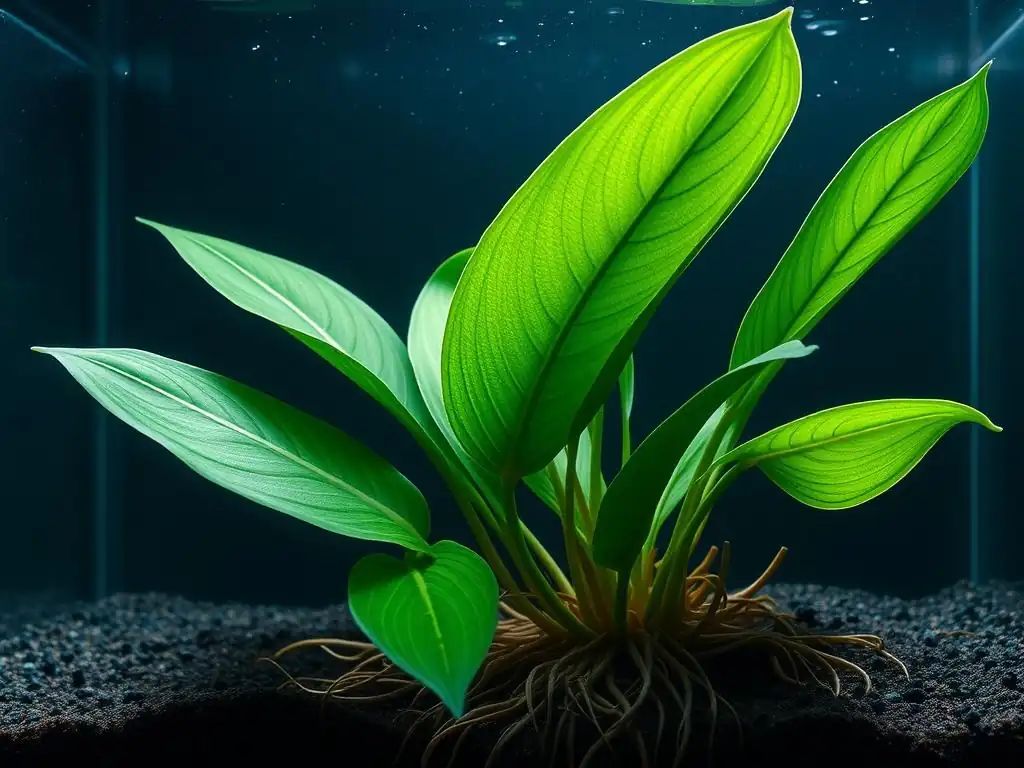
Choosing the right plant species is essential for creating a thriving blackwater betta tank setup. Given the typically dim lighting and soft, acidic water conditions, plants that are hardy and tolerant of low light are ideal. Excellent choices include various Anubias species, such as Anubias barteri and Anubias nana. These plants are slow-growing, require minimal light, and can be attached directly to driftwood or rocks, rather than planted in the substrate.
Similarly, Java Fern ( Microsorum pteropus) and Bucephalandra species are highly suitable. They also prefer to be attached to hardscape and thrive in low-light conditions. These plants not only contribute to the natural aesthetic but also provide excellent hiding spots and perching places for your Betta, enhancing the biotope's authenticity and providing environmental enrichment.
Low-Light Plant Options for Blackwater Aquariums
Beyond the primary choices, several other low-light plants can flourish in a blackwater betta tank setup. Floating plants are particularly beneficial as they further diffuse the light entering the tank, mimicking the shaded canopy of natural habitats. Options like Amazon Frogbit ( Limnobium laevigatum), Dwarf Water Lettuce ( Pistia stratiotes), and Red Root Floater ( Phyllanthus fluitans) are excellent for this purpose, providing additional cover and absorbing excess nutrients.
Mosses, such as Java Moss ( Taxiphyllum barbieri), are also very adaptable and can be tied onto driftwood or rocks, creating lush, natural-looking carpets or bushy areas. Cryptocoryne species, particularly Cryptocoryne wendtii, are another great choice. They are known for thriving in soft, acidic water and can be planted in the substrate, providing dense foliage at the tank's base. These plants are resilient and contribute significantly to the visual appeal and biological balance of the blackwater environment.
Plants that Help Maintain Blackwater Chemistry
While plants do not directly release tannins or humic acids, their presence in a blackwater betta tank setup contributes significantly to the overall stability and health of the ecosystem. Plants absorb nitrates and other waste products, helping to maintain pristine water quality, which is crucial in a delicate blackwater system where frequent large water changes are not ideal. Healthy plant growth indicates a balanced ecosystem and contributes to oxygenation.
Some plants, like certain Cryptocorynes, are particularly well-suited to soft, acidic water, indicating their compatibility with the blackwater chemistry. Floating plants, by absorbing nutrients from the water column, can help prevent algae outbreaks, which are less common but still possible in blackwater tanks if nutrient levels become unbalanced. The combined effect of these plants helps to create a robust, self-sustaining blackwater environment where your Betta can thrive.
Maintaining Your Blackwater Betta Tank
Regular Water Changes in a Blackwater Setup
Regular water changes are fundamental to maintaining a healthy blackwater betta tank setup, but they require a specific approach. Instead of large, infrequent changes, perform small, frequent water changes, typically 10-15% of the total volume weekly. This approach minimizes fluctuations in water parameters (pH, hardness) that can stress your Betta. Always use dechlorinated water that has been pre-conditioned to match the tank's soft, acidic parameters, ideally using RO/DI water remineralized to the correct GH and KH.
When performing water changes, gently siphon detritus from the substrate surface but avoid disturbing the beneficial leaf litter excessively. Since tannins are removed with water changes, you will need to replenish them after each change. Consistency in the volume and frequency of water changes is key to maintaining stability in this delicate ecosystem.
Replenishing Tannins: Leaf Litter and Blackwater Extracts
The characteristic tea-stained color and beneficial properties of blackwater are dependent on the continuous presence of tannins and humic acids. As leaf litter decomposes and water is changed, these compounds are depleted. Therefore, regular replenishment is essential for your blackwater betta tank setup. Indian Almond Leaves, Guava leaves, or other suitable botanicals should be added every 2-4 weeks, or as needed, to maintain the desired water color and chemical balance.
A good starting point is 1-2 medium Indian Almond leaves per 5 gallons of water. Observe the water color and your Betta's behavior to gauge the ideal replenishment rate. Alternatively, high-quality blackwater extracts (liquid tannin solutions) can be used to supplement or entirely replace botanicals, offering a more controlled way to add beneficial compounds without the decaying plant matter. Always follow product instructions for dosage.
Monitoring Water Parameters in Your Blackwater Tank
Consistent and accurate monitoring of water parameters is crucial for the long-term success of your blackwater betta tank setup. Regularly test pH, General Hardness (GH), Carbonate Hardness (KH), ammonia, nitrite, and nitrate. For blackwater, aim for a stable pH between 5.5 and 6.8, GH 0-5 dGH, and KH 0-3 dKH. Ammonia and nitrite should always read zero, while nitrates should be kept below 20 ppm.
Test kits should be reliable and used according to instructions. A sudden rise in pH or hardness could indicate the need for more tannins or that your source water is too hard. Elevated ammonia or nitrite suggests insufficient biological filtration or overfeeding, while high nitrates point to the need for more frequent or larger water changes. Proactive monitoring allows for early intervention, preventing potential health issues for your Betta.
Troubleshooting Common Blackwater Betta Tank Issues
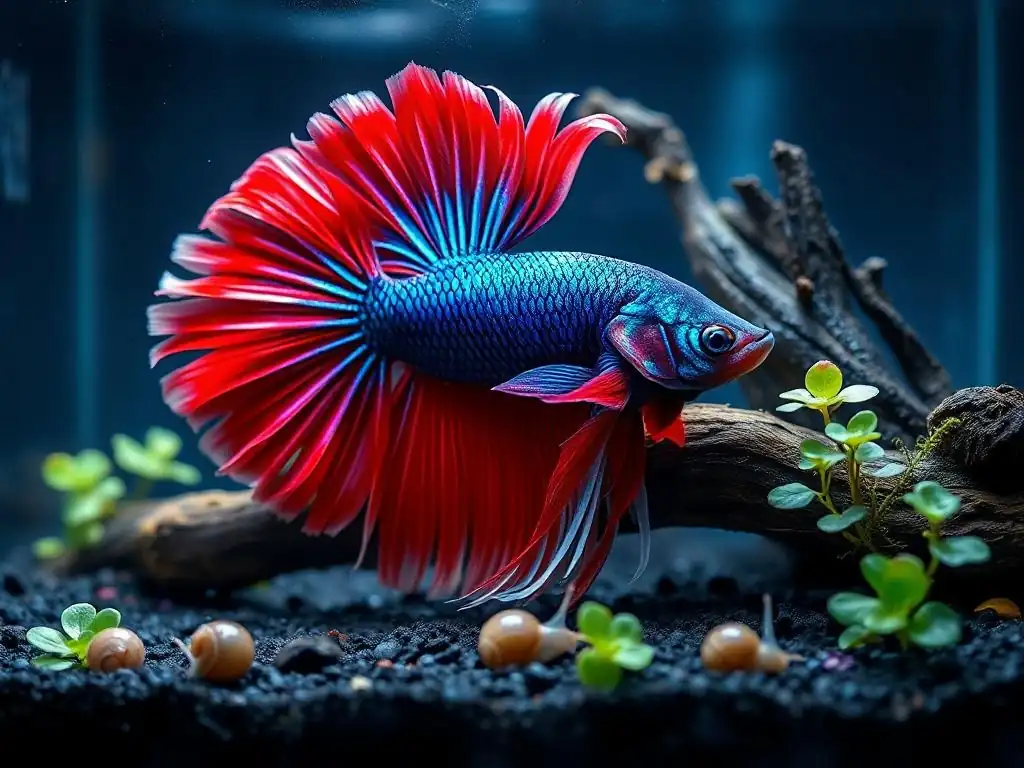
Dealing with Algae Growth in a Blackwater Aquarium
While less common in blackwater betta tank setups due to the dim lighting, algae can still become an issue if conditions are not optimal. Persistent algae growth typically indicates an imbalance of light and nutrients. Common causes include excessive light duration (more than 8 hours daily), too high light intensity, overfeeding, or insufficient water changes leading to high nutrient levels (nitrates, phosphates).
To combat algae, first reduce your lighting period to 6-7 hours per day and ensure the intensity is appropriate for your low-light plants. Review your feeding regimen to ensure you're not overfeeding, and perform more frequent small water changes to export excess nutrients. Adding more floating plants can further shade the tank and outcompete algae for available nutrients. Mechanical removal of visible algae during maintenance is also helpful.
Addressing pH Fluctuations in Blackwater Setups
pH fluctuations can be a significant stressor for Bettas in a blackwater betta tank setup and are often a sign of insufficient buffering capacity. The primary cause is usually very low Carbonate Hardness (KH), which means the water has little ability to resist changes in pH. Large, infrequent water changes with water of different parameters or a sudden influx of organic matter can also trigger swings.
To stabilize pH, ensure your source water has a consistent, low KH. If using RO/DI water, carefully remineralize it to a KH of 1-3 dKH to provide some buffering. Regular replenishment of leaf litter and other botanicals helps maintain a stable, acidic pH naturally. Avoid adding large quantities of new botanicals at once, as this can cause a sudden pH drop. Small, consistent water changes with properly conditioned water are vital for long-term pH stability.
Recognizing and Treating Betta Illnesses in Blackwater Environments
Despite the prophylactic benefits of a blackwater betta tank setup, Bettas can still fall ill. Common illnesses include fin rot (though less frequent), ich, velvet, or dropsy. Recognizing symptoms early is crucial: clamped fins, lethargy, loss of appetite, abnormal swimming, visible spots (white for ich, gold dust for velvet), or swelling (dropsy).
If a Betta shows signs of illness, it's often best to move it to a separate hospital tank for treatment to avoid medicating the main blackwater tank, which could harm beneficial bacteria or plants. Use medications specifically formulated for freshwater fish, ensuring they are safe for soft, acidic water conditions. While tannins offer some natural antiseptic properties, severe infections require targeted pharmaceutical intervention. Always research the medication's compatibility with Betta fish and blackwater parameters.
Blackwater Betta Tank: Long-Term Success
Tips for Maintaining a Healthy and Thriving Blackwater Ecosystem
Maintaining a healthy and thriving blackwater betta tank setup hinges on consistency and attention to detail. Establish a routine for small, frequent water changes (10-15% weekly) using water that consistently matches your tank's soft, acidic parameters. Regularly replenish your botanicals (leaf litter, seed pods) to ensure a steady supply of tannins and humic acids, which are key to the blackwater environment.
Beyond water quality, consistent feeding with high-quality Betta-specific pellets or flakes, supplemented with live or frozen foods (e.g., bloodworms, brine shrimp), is vital for your Betta's health. Monitor your Betta daily for any changes in behavior or appearance. Perform routine filter maintenance, cleaning media gently in old tank water to preserve beneficial bacteria. Avoid sudden drastic changes in lighting, temperature, or decor, as stability is paramount for this delicate ecosystem.
Signs of a Happy and Healthy Betta in a Blackwater Tank
A happy and healthy Betta in a blackwater betta tank setup will display several key indicators. Their coloration will be vibrant and intense, often appearing even more striking against the dark, amber-toned water. They will be active and curious, confidently exploring all areas of the tank, rather than hiding constantly. You'll observe natural Betta behaviors such as flaring (at their reflection or perceived rivals), building bubble nests (a sign of contentment and readiness to breed), and foraging among the leaf litter.
A healthy Betta will also have clear eyes, intact fins (not clamped or torn), and a good appetite. Their breathing will be regular and unlabored. Observing these positive behaviors confirms that your blackwater setup is providing an optimal, low-stress environment that allows your Betta to flourish and express its full natural potential.
The Beauty and Benefits of a Blackwater Betta Aquarium
The blackwater betta tank setup offers a unique blend of aesthetic beauty and significant biological advantages. Visually, it's a captivating display: the rich, amber-toned water creates a mysterious, naturalistic backdrop that allows the Betta's iridescent colors to truly pop. The intricate network of driftwood and the scattered leaf litter evoke the serene tranquility of a hidden jungle stream, transforming your aquarium into a living piece of art.
Beyond its striking appearance, the benefits to your Betta are profound. The soft, acidic water, infused with natural tannins, significantly reduces stress, enhances the fish's natural immunity, and actively discourages the growth of common pathogens. This leads to a healthier, more vibrant, and longer-lived Betta, exhibiting natural behaviors and thriving in an environment that closely mirrors its ancestral home. A blackwater Betta aquarium is not just a tank; it's a dedicated sanctuary for your aquatic companion.
Frequently Asked Questions
How does a blackwater tank benefit a Betta fish?
A blackwater tank mimics the natural habitat of Betta fish, providing a more comfortable and stimulating environment. The tannins released from organic matter offer antimicrobial benefits and lower pH.
What are the key components for a successful Blackwater Betta tank setup?
You'll need driftwood, leaf litter (like Indian Almond Leaves), a suitable filter, and appropriate substrate. Careful attention to water parameters is also crucial.
What type of water chemistry should I aim for in a Blackwater Betta tank?
The ideal pH should be slightly acidic, around 6.0-6.8. Tannins will naturally lower the pH. Monitor KH and GH levels to ensure stability.
How often should I change the water in a Blackwater Betta tank?
While less frequent than standard tanks, partial water changes are still necessary. Aim for 10-20% water changes every 1-2 weeks, monitoring water parameters closely.
Are there any fish species that should not be kept with a Betta in a Blackwater tank?
Avoid any fish that are fin-nippers, aggressive, or require significantly different water parameters. Research compatibility carefully before introducing any tank mates.
Final Reflection: Embracing the Betta's Natural Habitat
The journey of crafting a blackwater betta tank setup extends far beyond mere aesthetics; it's about recreating a vital ecosystem that resonates with the betta's ancestral origins. Understanding the delicate balance of tannins, pH levels, and the overall environment allows us to move beyond simply keeping a fish alive, and instead, allows us to cultivate a thriving, stress-free existence for these magnificent creatures. This commitment to mimicking their natural habitat is not just a trend, but a responsible approach to fishkeeping that prioritizes the well-being of our aquatic companions.
The impact of understanding and replicating natural environments like blackwater habitats is profound. It encourages a deeper connection with our pets and fosters a greater appreciation for the intricate ecosystems that exist beyond our immediate surroundings. This shift in perspective is crucial, as it promotes responsible pet ownership and a commitment to conservation. In nature, nothing exists alone.
- Rachel Carson. This quote perfectly encapsulates the interconnectedness of life and reminds us that even in our small aquariums, we are creating a microcosm of a larger, more complex world.
As you consider the principles outlined in this article, I invite you to reflect on your own role in the lives of your betta fish. Are you simply providing a tank, or are you actively creating a paradise that nurtures their physical and emotional well-being? Embrace the challenge of replicating the blackwater environment and witness the transformative power of providing a truly natural and enriching home for your betta. Let's all strive to be more than just keepers, but dedicated stewards of these beautiful creatures.
Cultivate Your Betta's Dreamscape
Thank you for diving into the world of blackwater aquariums and discovering the secrets to enriching your Betta’s life! Now that you're equipped with the knowledge, it's time to transform your tank into a thriving ecosystem.
Here’s how you can take the next steps:
- Begin building your blackwater biotope: Carefully select botanicals like Indian almond leaves and driftwood to infuse tannins and create the perfect darkwater environment for your Betta.
- Share your newfound expertise: Inspire fellow Betta enthusiasts by posting your blackwater journey on social media, using #AquariumMastery and #BlackwaterBetta.
- Explore unique botanicals: Experiment with lesser-known elements such as alder cones or banana leaves to discover what best suits your Betta's preferences.
What unique botanical blend will you try first to unlock your Betta's full potential?