
Filtration and Flow: Creating the Ideal Aquatic Environment for Tiger Barbs

Welcome to Aquarium Mastery!
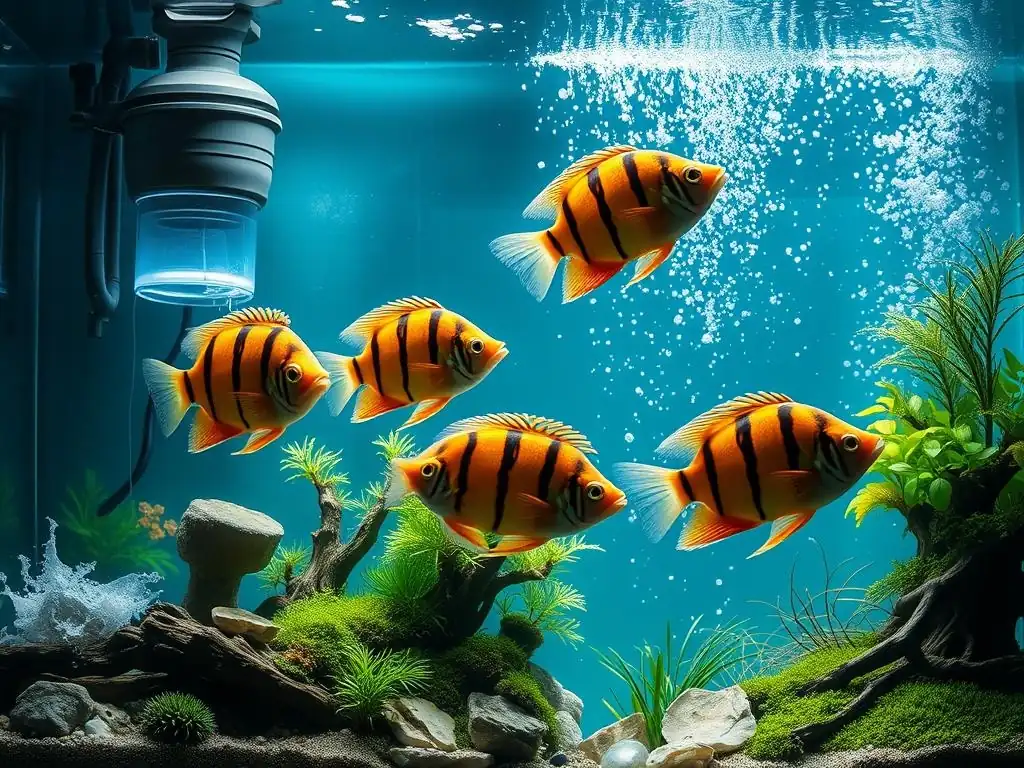
Ever wondered if your Tiger Barbs are truly thriving? Dive in and discover the secrets to optimizing their environment, starting with the crucial aspect of filtration. This article, "Filtration and Flow: Creating the Ideal Aquatic Environment for Tiger Barbs," will unravel the complexities of Tiger barbs filtration requirements, offering practical tips and insights to ensure your finned friends live their best lives. Ready to unlock the secrets to a sparkling, healthy aquarium? Let's get started!
- Understanding Tiger Barb Habitat Needs for Optimal Health
- Tiger Barbs Filtration Requirements: A Detailed Guide
- Optimizing Water Flow for Active Tiger Barbs
- Maintaining Ideal Water Parameters for Tiger Barbs
- Troubleshooting Common Filtration Issues in Tiger Barb Tanks
- Selecting the Right Tank Size and Filtration for Your Tiger Barb School
- Advanced Filtration Techniques for Tiger Barb Setups
- Plants and Filtration: A Symbiotic Relationship in Tiger Barb Aquariums
- Conclusion: Providing a Thriving Aquatic Environment for Your Tiger Barbs
- Frequently Asked Questions
- Final Reflection: The Crystal Clarity of Care
- Ignite Your Aquarium: Transform Your Tiger Barbs' World!
Understanding Tiger Barb Habitat Needs for Optimal Health
Replicating Natural Conditions for Tiger Barbs in Captivity
Tiger barbs ( Puntigrus tetrazona ) originate from the clear, fast-flowing streams and rivers of Southeast Asia, particularly Indonesia and Malaysia. In their native habitats, these active cyprinids thrive in well-oxygenated water with moderate to strong currents, often found amongst submerged vegetation and root systems. Replicating these dynamic conditions in a home aquarium is paramount for their health and vibrant coloration, demanding careful consideration of water movement and purity. Ideal water parameters for tiger barbs typically range from a pH of 6.0 to 7.5, with temperatures between 75-80°F (24-27°C), and soft to moderately hard water.
To ensure the well-being of a school of tiger barbs—which ideally consists of at least six to eight individuals to mitigate their nippy tendencies—the aquarium setup must prioritize space and flow. A minimum tank size of 20 gallons is often recommended for a small group, though 30 gallons or more is preferable for a thriving community. The presence of adequate water movement not only mimics their natural environment but also aids in oxygenation and prevents the accumulation of waste in stagnant zones, directly impacting the effectiveness of the overall tiger barbs filtration requirements.
Why Proper Filtration is Crucial for Tiger Barb Well-being
Proper filtration is the cornerstone of a healthy tiger barb aquarium, directly addressing the waste products produced by these active fish and their food. Without an efficient filtration system, ammonia (from fish waste and decaying food) and nitrite (a byproduct of ammonia breakdown) can quickly accumulate to toxic levels. These compounds are highly detrimental to fish health, leading to gill damage, stress, suppressed immune systems, and ultimately, mortality. Even low levels of these toxins can cause chronic stress, making tiger barbs more susceptible to common diseases like Ich or fin rot.
Furthermore, effective filtration is essential for maintaining water clarity and reducing the buildup of nitrates, the final product of the nitrogen cycle. While less toxic than ammonia or nitrite, high nitrate levels (above 20 ppm) can still contribute to fish stress, algal blooms, and a general decline in water quality. Meeting the specific tiger barbs filtration requirements ensures a stable, clean environment that supports their natural vigor, robust immune systems, and characteristic active swimming behavior, preventing the myriad of health issues associated with poor water conditions.
Tiger Barbs Filtration Requirements: A Detailed Guide
Choosing the Right Filter for Your Tiger Barb Tank
Selecting the appropriate filter is a critical step in meeting the specific tiger barbs filtration requirements. The ideal filter should provide robust mechanical, chemical, and biological filtration, while also generating sufficient water turnover to simulate their preferred flowing environments. The choice largely depends on the tank size, the number of tiger barbs, and the overall bioload. A general guideline for active fish like tiger barbs is a filter turnover rate of 5 to 10 times the tank's volume per hour. For instance, a 30-gallon tank would ideally require a filter rated for 150-300 GPH (gallons per hour).
Beyond flow rate, consider the filter's capacity for media. Filters with larger media baskets or compartments can house more biological media, which is crucial for processing fish waste. Durability, ease of maintenance, and noise level are also practical considerations. Investing in a high-quality filter that can comfortably handle the bioload of your tiger barb school will save considerable time and effort in the long run, ensuring consistent water quality and a healthy habitat.
Internal Filters for Smaller Tiger Barb Aquariums
Internal filters are submersible units placed directly inside the aquarium. They are often compact and can be a cost-effective solution for smaller tanks, typically under 20 gallons, or as supplementary filtration in larger setups. While they offer decent mechanical and biological filtration for their size, their limited media volume means they require more frequent cleaning and may not be sufficient for a fully grown school of tiger barbs, which truly thrive in larger volumes of water.
For a small group of juvenile tiger barbs in, for example, a 10-gallon quarantine tank, an internal filter rated at 50-75 GPH might suffice temporarily. However, as tiger barbs grow and their bioload increases, or when they are moved to a larger community tank, an internal filter's capacity often falls short of the necessary tiger barbs filtration requirements. They are best used as temporary solutions or for specific purposes, rather than primary filtration for an established tiger barb display tank.
Hang-on-Back (HOB) Filters: A Popular Choice for Tiger Barb Tanks
Hang-on-Back (HOB) filters are a popular and versatile choice for many aquarists, offering a good balance of performance, ease of use, and affordability. These filters hang on the back rim of the aquarium, drawing water from the tank, passing it through various media cartridges, and returning it over a waterfall-like spillway. They provide excellent surface agitation for oxygen exchange and generally have more media volume than internal filters.
For a 20- to 50-gallon tiger barb tank, an HOB filter is often an excellent primary filtration option. For example, a 29-gallon tank housing 6-8 tiger barbs would benefit significantly from an HOB filter rated at 150-250 GPH. Many HOB models allow for customization of filter media, enabling aquarists to optimize mechanical, chemical, and biological filtration to meet specific tiger barbs filtration requirements effectively. Their accessibility also makes routine maintenance relatively straightforward.
Canister Filters: Powerful Filtration for Larger Tiger Barb Communities
Canister filters are external, sealed units typically placed in the aquarium stand below the tank. They are renowned for their large media capacity, powerful flow rates, and quiet operation, making them ideal for larger aquariums (50 gallons and up) or heavily stocked tanks. Water is siphoned from the aquarium into the canister, pumped through multiple layers of media, and then returned to the tank, often via a spray bar for even water distribution.
For a 55-gallon or larger tank with a bustling school of 10-12 adult tiger barbs, a canister filter rated between 250-500 GPH is highly recommended. Their superior media volume allows for extensive biological filtration, which is critical for processing the substantial bioload of an active tiger barb community. While generally more expensive than HOB filters, canister filters offer unparalleled filtration efficiency and stability, ensuring the most robust tiger barbs filtration requirements are met with minimal fuss.
Filter Media Selection for Tiger Barb Aquariums
Effective filtration for tiger barbs relies on a combination of three distinct types of filter media: mechanical, chemical, and biological. Each type plays a unique and indispensable role in maintaining optimal water quality. A well-designed filtration system will incorporate all three, arranged in a specific order within the filter to maximize their efficiency and prolong their lifespan. Typically, water flows first through mechanical, then biological, and finally chemical media.
Understanding the function of each media type allows aquarists to customize their filtration setup to best suit the specific needs of their tiger barb tank. Regular inspection and appropriate maintenance or replacement of these media are key to ensuring the continuous high performance of the filtration system. Neglecting any one type of media can compromise the entire system, leading to water quality issues that can stress your tiger barbs.
Mechanical Filtration: Removing Particulate Matter
Mechanical filtration is the first line of defense in any aquarium filter, responsible for physically removing suspended particulate matter from the water column. This includes uneaten food, fish waste, decaying plant matter, and other debris that can cloud the water and contribute to the bioload. Common mechanical filter media include filter floss, sponges, and coarse filter pads. These materials trap larger particles as water flows through them, preventing them from breaking down and polluting the water.
For active fish like tiger barbs, which can sometimes be messy eaters, robust mechanical filtration is essential for maintaining water clarity and reducing the overall organic load. Mechanical media should be cleaned or replaced regularly—often weekly or bi-weekly, depending on the tank's bioload—as they can quickly become clogged. Rinsing sponges and pads in old tank water during water changes helps preserve beneficial bacteria while removing trapped detritus, directly supporting the core tiger barbs filtration requirements for clean water.
Chemical Filtration: Maintaining Water Quality for Tiger Barbs
Chemical filtration utilizes specialized media to remove dissolved pollutants, odors, discoloration, and specific toxins from the water that mechanical and biological filtration cannot address. The most common chemical media is activated carbon, which adsorbs a wide range of organic compounds, including tannins (which cause discoloration), medications, and certain dissolved wastes. Other chemical media include specialized resins designed to remove ammonia, nitrite, nitrate, or phosphates.
While not strictly necessary for every tank, chemical filtration can be highly beneficial for maintaining pristine water quality and clarity for tiger barbs. Activated carbon, for instance, should be replaced approximately every 3-4 weeks, as its adsorptive capacity becomes exhausted and it can begin to release trapped pollutants back into the water. It's crucial to remember that chemical filtration is supplementary; it cannot substitute for robust biological filtration or regular water changes, but it significantly enhances the overall water quality management within the tiger barbs filtration requirements.
Biological Filtration: Cultivating Beneficial Bacteria
Biological filtration is arguably the most critical component of any aquarium filter, as it facilitates the nitrogen cycle, which detoxifies harmful ammonia and nitrite. This process relies on beneficial nitrifying bacteria ( Nitrosomonas and Nitrobacter ) that colonize porous surfaces within the filter media. Nitrosomonas bacteria convert toxic ammonia into less toxic nitrite, and Nitrobacter then convert nitrite into relatively harmless nitrate.
Ideal biological media provides a maximum surface area for bacterial colonization while allowing good water flow. Examples include ceramic rings, bio-balls, bio-sponges, and porous lava rock. For tiger barbs, a thriving biological filter is non-negotiable for their long-term health and survival.
It is imperative never to clean biological media with chlorinated tap water, as this will kill the beneficial bacteria. Instead, rinse it gently in old tank water during filter maintenance. Furthermore, avoid replacing all biological media at once, as this can crash the nitrogen cycle and lead to dangerous ammonia and nitrite spikes, severely compromising the tiger barbs filtration requirements.
Optimizing Water Flow for Active Tiger Barbs
The Importance of Adequate Water Circulation
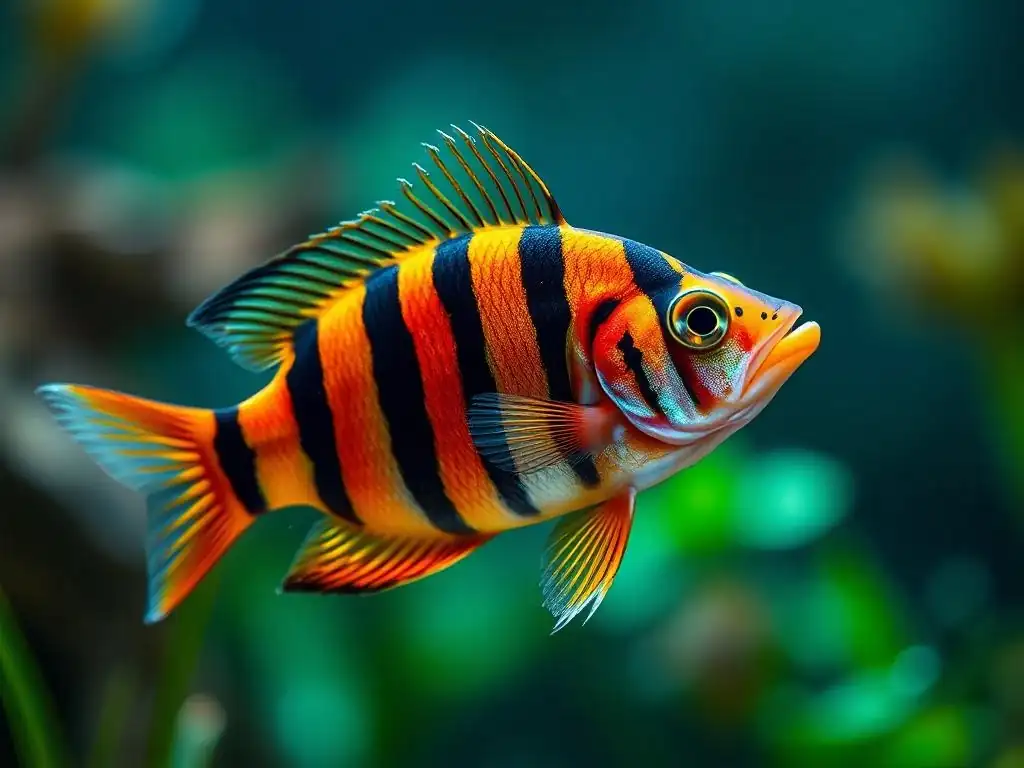
Adequate water circulation is just as vital as robust filtration for creating an ideal environment for tiger barbs. As fish native to flowing waters, they are naturally adapted to currents, which provide constant oxygenation and prevent the formation of stagnant areas where waste can settle and oxygen levels deplete. Proper water movement ensures that filtered water is distributed throughout the entire tank, reaching all areas and preventing "dead spots" where toxins might accumulate.
Insufficient water flow can lead to several problems: poor oxygen exchange at the water's surface, uneven temperature distribution, and the settling of detritus in corners or beneath decorations. This can stress tiger barbs, making them lethargic and more susceptible to disease. A dynamic flow encourages their natural schooling behavior and active swimming, contributing to their overall health and vitality, making it a key part of the tiger barbs filtration requirements.
Powerheads and Wave Makers: Boosting Flow in Tiger Barb Tanks
While most aquarium filters provide a certain amount of water flow, it may not always be sufficient to replicate the strong currents that tiger barbs prefer, especially in larger or heavily decorated tanks. This is where powerheads and wave makers become invaluable tools. A powerhead is a submersible pump designed to create additional water movement within the aquarium, while a wave maker is essentially a specialized powerhead that can create more randomized or pulsing currents.
For a 55-gallon tank housing a school of tiger barbs, adding a powerhead rated between 400-600 GPH, strategically placed to avoid directly blasting fish or plants, can significantly enhance overall water circulation. This supplementary flow helps oxygenate the water more effectively and keeps detritus suspended for easier removal by the filter. When selecting and placing these devices, observe your tiger barbs' behavior; they should appear comfortable and active, not struggling against an overwhelming current.
Balancing Flow: Avoiding Stress for Your Tiger Barbs
While tiger barbs appreciate good water flow, there is a point where too much current can become detrimental. An excessively strong or turbulent flow can exhaust fish, preventing them from resting or comfortably navigating the tank. This constant struggle can lead to chronic stress, weakened immune systems, and a reluctance to feed properly. It’s crucial to find a balance where the flow is dynamic but not overwhelming.
Observe your tiger barbs carefully after introducing or adjusting flow-enhancing devices. They should be able to swim against the current with ease, but also find calmer areas if they choose to rest. Aim for a gentle, broad current rather than a narrow, powerful jet. Adjusting the direction of powerheads or using a spray bar on your filter output can help diffuse the flow across a wider area, ensuring that the water movement contributes positively to meeting the tiger barbs filtration requirements without causing undue stress.
Maintaining Ideal Water Parameters for Tiger Barbs
Water Changes: A Cornerstone of Tiger Barb Care
Regular water changes are arguably the most fundamental aspect of maintaining pristine water quality and are an indispensable complement to any filtration system for tiger barbs. While filters remove solid waste and convert toxic compounds, they do not remove nitrates, which accumulate over time. Performing consistent water changes dilutes these nitrates, replenishes essential trace minerals, and removes dissolved organic compounds that can build up and lead to "old tank syndrome."
For a well-stocked tiger barb tank, a weekly water change of 25-30% of the tank volume is generally recommended. Always use a dechlorinator to treat tap water, and try to match the temperature of the new water to the tank water to avoid shocking the fish. During water changes, use a gravel vacuum to siphon out detritus from the substrate, which further reduces the organic load. This consistent practice is vital for keeping nitrates below 20 ppm and ensuring the tiger barbs filtration requirements are fully supported.
Regular Filter Maintenance: Ensuring Optimal Performance
Even the most powerful filter will fail to meet the tiger barbs filtration requirements if not properly maintained. Regular cleaning of filter media and components is essential to ensure consistent, optimal performance. Mechanical media, such as sponges and filter floss, should be rinsed or replaced frequently (e.g., weekly to bi-weekly) to prevent clogging and maintain flow rate. Clogged mechanical media can reduce the efficiency of the entire filter, leading to poor water quality.
When cleaning, always rinse mechanical media in old tank water that has been siphoned out during a water change. This preserves beneficial bacteria that may have colonized the media. Chemical media, like activated carbon, should be replaced monthly as its adsorptive capacity depletes. Biological media (e.g., ceramic rings, bio-balls) should only be gently rinsed in old tank water every few months, or when flow is significantly impeded, to avoid disturbing the critical bacterial colonies. Never clean all filter media at once, as this can crash the nitrogen cycle.
Monitoring Water Quality: Testing for Ammonia, Nitrite, and Nitrate
Consistent monitoring of water parameters is crucial for proactive aquarium management and ensuring that the tiger barbs filtration requirements are being met. The three most important parameters to regularly test are ammonia, nitrite, and nitrate. Ammonia and nitrite should always read 0 ppm in a cycled and healthy aquarium, as even trace amounts can be highly toxic to fish. Nitrate levels should be kept low, ideally below 20 ppm for long-term fish health.
Utilize a reliable liquid-based test kit for accurate readings; test strips are generally less precise. During the initial tank cycling phase, test daily. Once the tank is established, test weekly or bi-weekly. Any deviation from ideal parameters—especially the presence of ammonia or nitrite—indicates an issue with the filtration system or overstocking and requires immediate action, such as a large water change and troubleshooting the filter. Regular testing provides invaluable insight into the health and stability of your tiger barb environment.
Troubleshooting Common Filtration Issues in Tiger Barb Tanks
Cloudy Water: Identifying and Resolving the Problem
Cloudy water is a common issue in aquariums and often points to a problem with the filtration system or overall water quality. If the cloudiness is milky or hazy, it's often a bacterial bloom, common in new tanks undergoing the nitrogen cycle or in established tanks after a significant disturbance (e.g., over-cleaning the filter). Green cloudiness typically indicates an algal bloom, often caused by excessive light or nutrients. If the water is murky with suspended particles, it suggests insufficient mechanical filtration or too much detritus.
To resolve cloudy water, first, identify the type of cloudiness. For bacterial blooms, ensure proper biological filtration is established, reduce feeding, and perform small daily water changes (e.g., 10-15%) without over-cleaning the filter. For algal blooms, reduce light exposure and perform water changes to lower nitrates. For particulate matter, check if mechanical filter media is clogged and clean/replace it. Ensure your filter's GPH is adequate for the tank size and bioload; if not, consider upgrading to better meet the tiger barbs filtration requirements.
Filter Clogging: Prevention and Cleaning Strategies
Filter clogging is a frequent issue that directly impacts the efficiency of your filtration system, often leading to reduced flow, noisy operation, and deteriorating water quality. The primary cause of clogging is the accumulation of detritus, uneaten food, and fish waste within the mechanical filter media. When the mechanical media becomes saturated, it impedes water flow, placing strain on the filter pump and potentially leading to a breakdown in biological filtration if water cannot pass through it effectively.
Prevention is key: regularly inspect and clean or replace mechanical filter media (sponges, floss, pads) as part of your routine maintenance, typically every 1-2 weeks depending on the bioload. When cleaning, disassemble the filter and thoroughly clean all components, including the impeller and intake tube, as these can also become blocked. Rinse media and components in old tank water to protect beneficial bacteria. Consistent, proactive maintenance ensures your filter continues to meet the tiger barbs filtration requirements without interruption.
Inadequate Filtration: Upgrading Your System
Signs of inadequate filtration in a tiger barb tank include persistently high nitrate levels (above 20 ppm) despite regular water changes, chronic cloudy water that doesn't resolve, frequent algal blooms, and stressed or sickly fish. If your current filter is struggling to maintain clear, healthy water parameters, it likely means it's not meeting the bioload demands of your tiger barbs. This is a common issue in tanks that are overstocked or where fish have grown significantly.
To address inadequate filtration, several strategies can be employed. The simplest is to increase the frequency or volume of your water changes. However, for a long-term solution, consider upgrading your filter to a model with a higher GPH rating and greater media capacity. Adding a second filter (e.g., an HOB filter alongside an internal filter) can also significantly boost filtration. For large or heavily stocked tanks, investing in a powerful canister filter or even a sump system can provide the robust tiger barbs filtration requirements needed for a thriving environment.
Selecting the Right Tank Size and Filtration for Your Tiger Barb School
Calculating Filtration Needs Based on Tank Volume and Stocking Levels
The success of a tiger barb aquarium hinges on matching filtration capacity to the tank's volume and, more importantly, its stocking level. Tiger barbs are active, schooling fish that produce a moderate bioload. While a 20-gallon tank is often cited as the minimum for a small school of 6-8 juvenile tiger barbs, a 30-gallon or 55-gallon tank provides significantly more stability and space for them to thrive as adults. A larger tank dilutes waste products more effectively, making water parameters easier to manage.
When calculating filtration needs, consider the adult size of your tiger barbs (they can reach 2-3 inches) and their active nature. A common rule of thumb for filter capacity is a turnover rate of 5 to 10 times the tank volume per hour. For a 30-gallon tank, this means a filter rated for 150-300 GPH. If the tank is heavily stocked with other compatible fish or plants, aim for the higher end of this range, or even exceed it, to ensure the tiger barbs filtration requirements are robustly met. Over-filtering is almost always better than under-filtering.
Recommended Filter Turnover Rate for Tiger Barb Aquariums
For tiger barb aquariums, a filter turnover rate of 5 to 10 times the tank's volume per hour is generally recommended to ensure adequate water movement, oxygenation, and waste processing. This means that for every gallon of water in your tank, your filter should be able to process 5 to 10 gallons per hour. For example, a 55-gallon tiger barb tank would ideally benefit from a filter with a flow rate between 275 and 550 GPH.
Achieving this turnover rate ensures that detritus is kept suspended for the mechanical filter to capture, and that water is constantly flowing through the biological media, providing oxygen and waste products to the nitrifying bacteria. While many filters list their maximum GPH, actual flow can be reduced by media, head pressure, and clogging, so it's often wise to choose a filter rated slightly higher than your calculated minimum. This robust flow is a cornerstone of meeting the tiger barbs filtration requirements and creating a dynamic, healthy environment.
Advanced Filtration Techniques for Tiger Barb Setups
Using a Sump for Enhanced Filtration and Water Volume
For serious aquarists with large tiger barb tanks (e.g., 75 gallons or more) or those aiming for the utmost stability and water quality, incorporating a sump is an advanced filtration technique worth considering. A sump is an external reservoir, typically placed below the main display tank, that houses the filtration media, heaters, and other equipment. Water overflows from the main tank into the sump, passes through various filtration stages, and is then pumped back up to the display tank.
The primary benefits of a sump are a significant increase in the total water volume of the system, which greatly enhances water parameter stability, and a massive capacity for biological and mechanical filter media. A sump can easily accommodate multiple types of media, providing unparalleled filtration efficiency that far exceeds the capabilities of standard hang-on-back or canister filters. This robust system helps to effortlessly manage the bioload of a large tiger barb school, ensuring superior tiger barbs filtration requirements are met.
Incorporating a UV Sterilizer for Water Clarity and Disease Prevention
A UV sterilizer is an optional, but highly beneficial, addition to an advanced tiger barb filtration setup. This device uses ultraviolet-C (UV-C) light to kill free-floating algae, bacteria, viruses, and parasites as water passes through it. It works by disrupting the DNA of these microorganisms, preventing them from reproducing and causing harm. A UV sterilizer is typically plumbed in-line with an existing filter system, often after the biological filtration stage.
The benefits of a UV sterilizer include consistently crystal-clear water, as it effectively eliminates green water algae blooms. More importantly, it significantly reduces the risk of common aquarium diseases like Ich (white spot disease) or bacterial infections by killing pathogens in the water column before they can infect fish. While not a substitute for proper filtration and hygiene, a UV sterilizer provides an extra layer of protection and contributes to maintaining pristine water quality, enhancing the overall tiger barbs filtration requirements for a healthy environment.
Plants and Filtration: A Symbiotic Relationship in Tiger Barb Aquariums
Choosing Plants that Thrive in Higher Flow Environments
While tiger barbs are known for their activity, they also appreciate planted areas for cover and security. When setting up a planted tank with tiger barbs, it's crucial to select plant species that can tolerate or even thrive in the moderate to strong water flow that these fish prefer. Delicate, fine-leaved plants might get battered or uprooted by strong currents, leading to stress for both the plants and the aquarist.
Instead, opt for robust, hardy plants that can anchor themselves firmly or are less susceptible to current. Excellent choices include Anubias species (e.g., Anubias barteri, Anubias nana), Java Fern ( Microsorum pteropus), and various Cryptocoryne species. Swords (e.g., Amazon Sword, Ozelot Sword) can also work well if their roots are established in a good substrate. These plants provide natural hiding spots and contribute to water quality without being adversely affected by the vigorous flow that helps meet the tiger barbs filtration requirements.
How Plants Contribute to Water Quality
Live aquarium plants play a significant role in enhancing water quality and can act as a natural complement to mechanical, chemical, and biological filtration. Through photosynthesis, plants absorb nitrates, phosphates, and other dissolved organic compounds directly from the water column, effectively competing with algae for these nutrients. This helps to keep nitrate levels low, reducing the burden on the biological filter and the frequency of water changes required.
Furthermore, plants release oxygen into the water during the day, contributing to the overall oxygenation of the aquarium, which is vital for active fish like tiger barbs. A densely planted tank can create a more stable and balanced ecosystem, mimicking natural environments and providing additional surface area for beneficial bacteria to colonize. This symbiotic relationship means that well-chosen and thriving plants actively assist in maintaining the pristine conditions necessary to fulfill the tiger barbs filtration requirements.
Conclusion: Providing a Thriving Aquatic Environment for Your Tiger Barbs
Frequently Asked Questions
How much filtration do Tiger Barbs need?
Tiger Barbs thrive in well-filtered water. Aim for a filtration system that turns over the tank volume at least 4-6 times per hour. This will help remove waste and maintain water quality.
What type of filter is best for a Tiger Barb tank?
A hang-on-back (HOB) filter, canister filter, or even a sponge filter can work well. The best choice depends on your tank size and budget. Ensure the filter provides both mechanical and biological filtration.
Do Tiger Barbs need a strong water flow?
Yes, Tiger Barbs are active swimmers and prefer a moderate to strong current. This mimics their natural riverine habitat. A good filter can help create this flow, or you can add a powerhead.
How often should I clean my Tiger Barb tank's filter?
Filter maintenance frequency depends on the bioload and type of filter. Generally, clean the filter every 2-4 weeks, but avoid cleaning it too thoroughly, as this can disrupt the beneficial bacteria colonies.
What happens if the filtration is inadequate for my Tiger Barbs?
Inadequate filtration leads to a buildup of harmful toxins like ammonia and nitrites. This can stress your Tiger Barbs, making them susceptible to disease, and potentially leading to fish loss.
Final Reflection: The Crystal Clarity of Care
The journey to understanding tiger barbs filtration requirements extends far beyond mere technical specifications; it's about cultivating a thriving ecosystem within the confines of glass. The principles of filtration and flow, meticulously explored in this article, are not just about maintaining water parameters, but about fostering the health, vibrancy, and natural behaviors of these captivating fish. The relevance of this knowledge resonates deeply today, as responsible aquarists increasingly prioritize the well-being of their aquatic companions over purely aesthetic considerations.
This dedication to creating optimal environments has profoundly influenced the aquascaping community, shifting the focus towards mimicking natural habitats and understanding the intricate needs of each species. My own experiences observing tiger barbs in a well-maintained tank have underscored the importance of these considerations, witnessing their increased activity, brighter colors, and overall improved health. In nature, there are no rewards or punishments; there are consequences.
- Robert Ingersoll. This quote perfectly encapsulates the responsibility we bear as keepers of these delicate ecosystems; our actions directly impact the lives within.
As you consider the information presented here, I invite you to reflect on your own role in the aquatic world. Are you merely a keeper, or a steward of life? By embracing the principles of filtration and flow, and by continuously seeking knowledge and understanding, you can transform your aquarium into a haven for tiger barbs, a testament to the power of informed and compassionate care. Let us all strive to create aquatic environments where these vibrant creatures can truly thrive, showcasing their beauty and enriching our lives in return.
Ignite Your Aquarium: Transform Your Tiger Barbs' World!
Thank you for exploring the secrets to creating the perfect aquatic haven for your tiger barbs! We hope you've gained valuable insights into filtration and flow that will benefit your finned friends. Now, let's put that knowledge into action!
Here's how you can take your tiger barb aquarium to the next level:
- Prioritize a powerful filtration system: Install or upgrade your filter to achieve at least 5-6 times turnover rate per hour of your tank volume. This is the single most impactful change you can make.
- Experiment with décor placement. Rearrange rocks and plants to observe how it affects current flow, ensuring no dead zones where debris can accumulate.
- Share your tank setup and progress! Post before-and-after photos of your aquarium on social media using #AquariumMasteryTigerBarbs and inspire others to create thriving environments.
Ready to witness a vibrant transformation in your tiger barbs' activity and coloration by fine-tuning your aquarium's flow dynamics?