
InvertebrateOnly Aquariums: Crafting a Unique and Thriving Underwater World

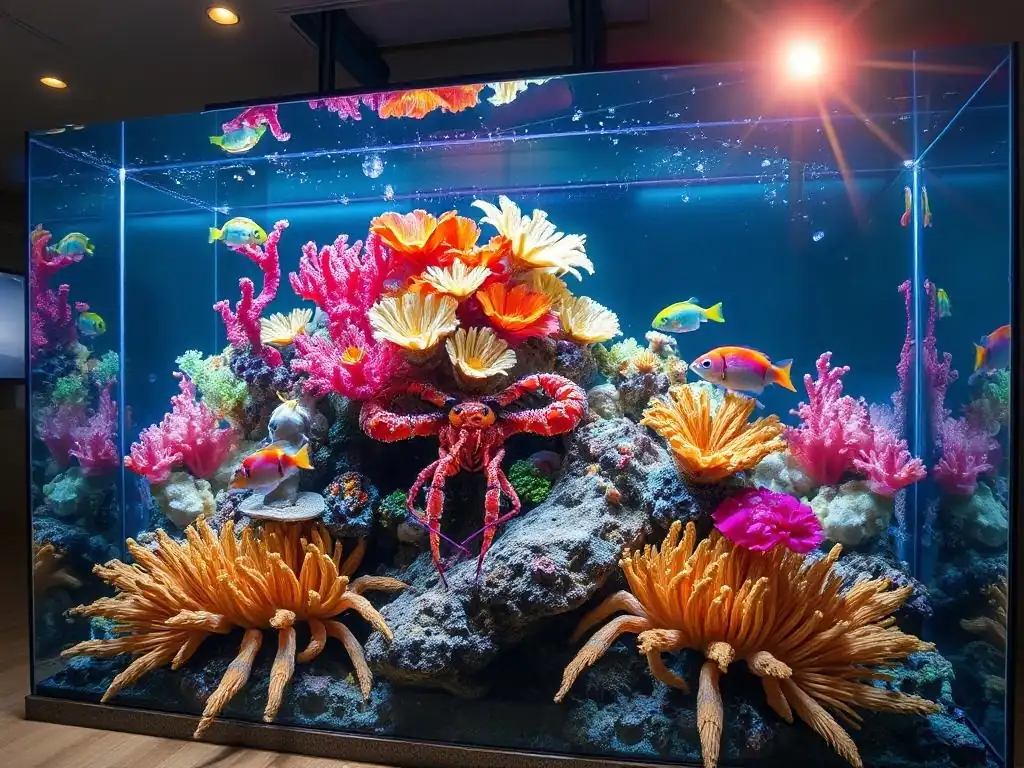
Welcome to Aquarium Mastery! Ever wondered if you could create a truly unique underwater world, teeming with fascinating creatures besides fish? Dive into the captivating realm of Saltwater Invertebrate Tank Setup and discover the secrets to building a thriving, vibrant ecosystem. Ready to unlock the magic of these often-overlooked aquatic gems? Let's explore!
- Introduction to Invertebrate-Only Aquariums
-
Frequently Asked Questions
- What are the primary considerations when planning a saltwater invertebrate tank setup?
- How does setting up an invertebrate-only aquarium differ from a reef tank?
- What are some beginner-friendly invertebrates ideal for a first-time saltwater tank?
- How important is water flow and filtration in a saltwater invertebrate tank setup?
- What are some common mistakes beginners make when setting up a saltwater invertebrate tank?
- Final Reflection: Embracing the Miniature Marvels
- Dive Deeper: Start Your Invertebrate Adventure Today!
Introduction to Invertebrate-Only Aquariums
The Allure of Invertebrate Aquariums: Beyond Fishkeeping
Diverging from the conventional fish-centric aquarium, invertebrate-only tanks offer a captivating and often less explored dimension of aquatic keeping. These specialized setups highlight the fascinating behaviors, vibrant colors, and intricate forms of creatures like shrimp, snails, crabs, and starfish, providing a dynamic display that can rival any traditional fish tank.
Enthusiasts are drawn to the unique challenges and rewards of cultivating an environment where these sensitive and often overlooked animals can thrive, observing their unique molting processes, feeding habits, and interactions with the aquascape. The serene movements of a cleaner shrimp or the methodical grazing of a conch offer a different kind of visual appeal, inviting a closer, more detailed observation of the underwater world.
Moreover, an invertebrate-only aquarium often presents distinct advantages in terms of bioload management and species compatibility compared to mixed-species tanks. Many invertebrates contribute to the tank's cleanliness by consuming algae, detritus, and uneaten food, effectively acting as an efficient clean-up crew.
This specialized focus allows aquarists to delve deeply into water chemistry and environmental parameters tailored precisely to the needs of these delicate creatures, leading to a more stable and aesthetically pleasing ecosystem. Crafting a successful saltwater invertebrate tank setup, for instance, demands meticulous attention to salinity, alkalinity, and trace elements, rewarding the dedicated hobbyist with a truly spectacular and thriving underwater tableau that stands apart from standard fish aquariums.
Understanding Freshwater Invertebrate Diversity for Aquariums
The world of freshwater invertebrates suitable for aquariums is surprisingly vast and diverse, offering a rich tapestry of life forms that can contribute significantly to the health and beauty of a tank. These creatures range from the industrious snails, which come in hundreds of known species with dozens commonly available in the hobby, to the colorful and active freshwater shrimp, and even the charismatic, though often shy, crayfish.
Each group plays a unique role in the aquatic ecosystem, with many species acting as indispensable members of the clean-up crew, consuming algae, detritus, and biofilm, thereby helping to maintain water quality and prevent unsightly growths.
Popular freshwater invertebrate species include the vibrant Neocaridina shrimp (e.g., Cherry Shrimp, Blue Dream Shrimp), which are known for their striking colors and prolific breeding, often reaching sizes of 1 to 1.2 inches. Amano Shrimp (Caridina multidentata), growing up to 2 inches, are highly prized for their unparalleled algae-eating capabilities. For snails, the striped Nerite snails (Vittina spp.
or Neritina spp.) are excellent algae grazers that do not reproduce excessively in freshwater, while the larger Mystery snails (Pomacea diffusa), reaching up to 2 inches, add significant personality and help with detritus removal. Dwarf crayfish species, such as the Mexican Dwarf Orange Crayfish (Cambarellus patzcuarensis 'Orange'), which typically stay under 2 inches, offer a fascinating glimpse into a more active invertebrate life, though their specific needs for hiding places and compatibility with other tank mates must be carefully considered.
Frequently Asked Questions
What are the primary considerations when planning a saltwater invertebrate tank setup?
The main considerations are water chemistry, ensuring it's stable and suitable for invertebrates, providing appropriate lighting for photosynthetic species, and selecting compatible inhabitants that won't harm each other.
How does setting up an invertebrate-only aquarium differ from a reef tank?
While both involve saltwater, an invertebrate tank focuses specifically on creatures like shrimp, crabs, and starfish. A reef tank includes corals, which require more intense lighting and more specific water parameters for optimal growth and color.
What are some beginner-friendly invertebrates ideal for a first-time saltwater tank?
Good starter invertebrates include cleaner shrimp, hermit crabs, and certain types of starfish, as they are generally hardy and beneficial for tank maintenance by consuming algae and detritus.
How important is water flow and filtration in a saltwater invertebrate tank setup?
Water flow is crucial for nutrient distribution and preventing dead spots. Adequate filtration, including mechanical, chemical, and biological, is essential to maintain stable water parameters and remove harmful substances.
What are some common mistakes beginners make when setting up a saltwater invertebrate tank?
Common errors include overstocking the tank, neglecting proper acclimation procedures, and failing to maintain stable water parameters, all of which can lead to invertebrate stress and mortality.
Final Reflection: Embracing the Miniature Marvels
The journey into the world of invertebrate-only aquariums, as we've explored, reveals a captivating microcosm of marine life, demanding a unique approach to tank setup and maintenance. This dedication to specialized ecosystems highlights a growing appreciation for biodiversity and the intricate beauty often overlooked in larger, more conventional reef tanks. The meticulous planning and careful execution required for a thriving saltwater invertebrate tank setup mirror a broader societal shift towards mindful consumption and a deeper understanding of ecological balance.
This exploration has not only illuminated the practical aspects of creating these miniature marvels but also underscored their profound impact on our understanding of marine ecosystems. Witnessing the delicate dance of life within these tanks fosters a sense of responsibility and a deeper connection to the natural world. In the end, we will conserve only what we love; we will love only what we understand; and we will understand only what we are taught.
- Baba Dioum. This quote resonates deeply, reminding us that fostering appreciation through observation and education is paramount to conservation efforts.
Now, as you consider the possibilities of a saltwater invertebrate tank setup, I encourage you to embrace the challenge and the profound rewards it offers. Dive into the research, meticulously plan your ecosystem, and observe the intricate beauty that unfolds before your eyes. Let the delicate balance within your tank serve as a constant reminder of the interconnectedness of all life and inspire you to champion conservation efforts in your own way. The ocean's future, in many ways, rests on our ability to appreciate and protect its smallest inhabitants.
Dive Deeper: Start Your Invertebrate Adventure Today!
Thank you for exploring the captivating world of invertebrate-only aquariums! We hope you've gained valuable insights to create your own unique underwater ecosystem. Now, let's put that knowledge into action!
Here are a few ways to get started:
- Boldly begin planning your invertebrate aquarium: Research compatible species, tank size requirements, and create a detailed blueprint for your setup.
- Share your newfound passion:Discuss your invertebrate aquarium ideas with fellow hobbyists on forums or social media to gather advice and inspiration.
- Consider an unconventional approach: Could you incorporate elements from a specific natural biotope, like a mangrove forest or a rocky reef, into your invertebrate aquarium design?
What's the first invertebrate species you're considering for your dream aquarium, and why?