
Do Snails Eat Live Plants? A Guide to PlantSafe Snail Species

Welcome to Aquarium Mastery!
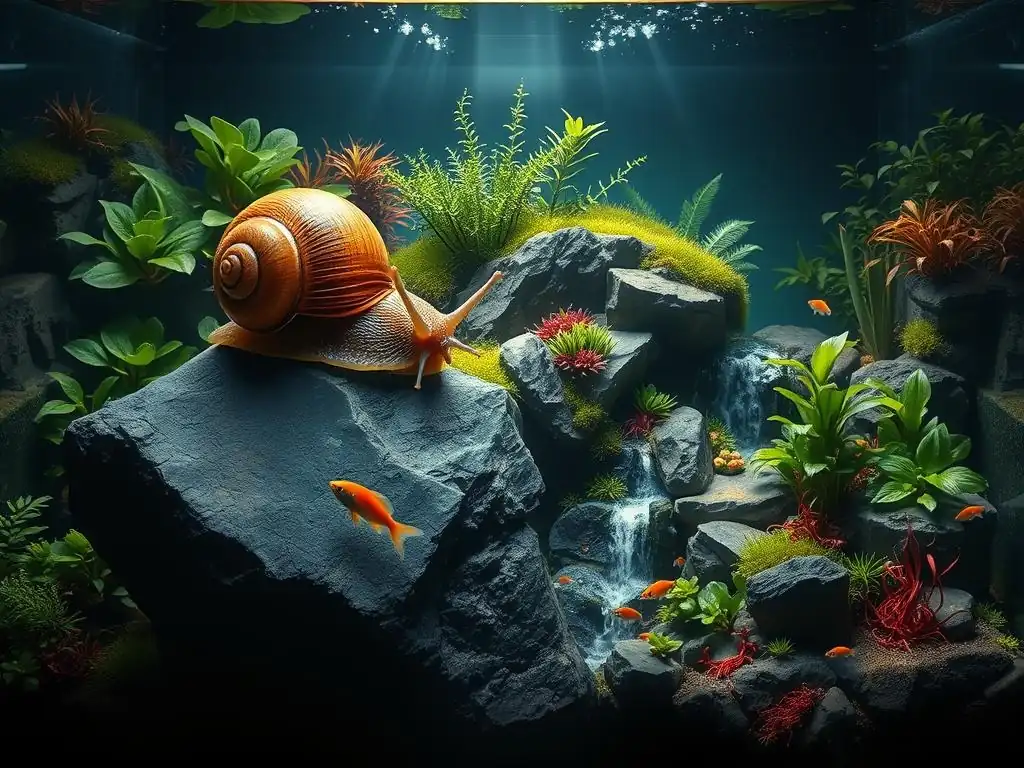
Ever wondered if those charming snails you're considering for your aquarium will turn your carefully cultivated plants into a midnight snack? Discover the truth about snails and live plants as we dive into the world of plantsafe snail aquarium species. Get ready to create a thriving, balanced ecosystem where both your plants and invertebrates flourish! Intrigued? Let's explore which snails are the perfect, plant-friendly additions to your aquatic paradise...
- Understanding Snail Diets in Freshwater Aquariums
- Identifying Plantsafe Snail Aquarium Species for Your Planted Tank
- Creating a Plantsafe Snail Aquarium Environment
- Maintaining a Balanced Planted Aquarium with Snails
- Plantsafe Snail Aquarium Species: A Summary of Key Considerations
- Frequently Asked Questions
- Final Reflection: Cultivating Harmony in the Aquatic Ecosystem
- Cultivate Your Dream Planted Tank!
Understanding Snail Diets in Freshwater Aquariums
The Snail Diet Spectrum: From Algae Eaters to Plant Devourers
Freshwater aquarium snails exhibit a remarkably diverse range of dietary preferences, which significantly influences their impact on live plants. The vast majority of commonly kept aquarium snails are primarily detritivores and scavengers, meaning their natural diet consists of decaying organic matter, biofilm, uneaten fish food, and various forms of algae. These beneficial invertebrates play a crucial role in maintaining tank cleanliness, breaking down waste, and contributing to the nitrogen cycle, often scraping algae from glass and decorations with their radula.
However, the "snail diet spectrum" is broad, ranging from highly specialized algae consumers to opportunistic omnivores, and in some cases, dedicated herbivores. While many species are considered "plantsafe snail aquarium species" due to their preference for non-living matter, certain larger or less common species possess the biological capability and dietary inclination to consume healthy, living plant tissue. Understanding these distinctions is paramount for aquarists aiming to maintain a lush, planted aquarium without unexpected damage.
Why Snails Sometimes Eat Live Plants: Identifying Potential Causes
Even generally "plantsafe snail aquarium species" can occasionally nibble on live plants, and this behavior usually stems from specific environmental or dietary deficiencies. The most common reason is a lack of preferred food sources, such as algae, biofilm, or detritus. In a "too clean" aquarium with minimal algae growth and diligent removal of uneaten food, snails may turn to live plants out of hunger. They typically target softer, decaying, or unhealthy leaves first, as these are easier to consume.
Beyond food scarcity, species-specific dietary preferences are a critical factor. Some snails, like true Apple Snails ( Pomacea maculata), are natural herbivores with robust feeding apparatuses designed for consuming live vegetation, regardless of other food availability. Overpopulation can also exacerbate plant damage; when snail numbers explode, the competition for limited food resources intensifies, pushing even typically docile snails to seek sustenance from live plants. Monitoring these factors is essential for preventing unwanted plant consumption.
Identifying Plantsafe Snail Aquarium Species for Your Planted Tank
The Best Plantsafe Snail Species: A Detailed Overview
Nerite Snails: Algae Eating Powerhouses Safe for Aquarium Plants
Nerite snails (e.g., Zebra Nerite, Olive Nerite, Horned Nerite) are widely regarded as among the most reliable "plantsafe snail aquarium species" for a planted tank. Their primary diet consists almost exclusively of various types of algae, including stubborn green spot algae, diatoms (brown algae), and biofilm. They possess a unique rasping mouthpart that is highly effective at scraping algae from hard surfaces like glass, rocks, and driftwood, but is generally incapable of cutting through healthy plant tissue.
These snails are excellent cleaners and will diligently graze on algae without harming your aquatic plants. Furthermore, Nerite snails have the added advantage of not reproducing prolifically in freshwater aquariums, as their larvae require brackish or saltwater to develop. This means you won't face an overwhelming population boom, making them a top choice for maintaining a balanced and visually appealing "plantsafe snail aquarium species" environment.
Mystery Snails: Generally Plantsafe, but Monitor Their Behavior
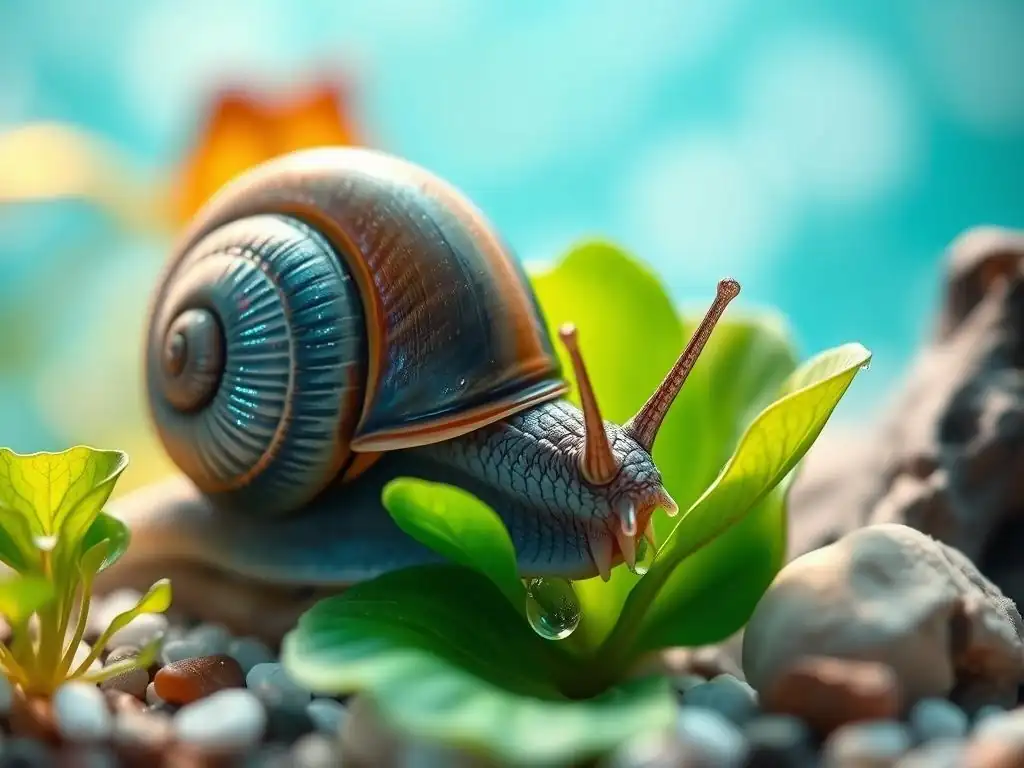
Mystery snails ( Pomacea diffusa, often confused with true Apple Snails) are popular for their vibrant colors and active nature, and are generally considered "plantsafe snail aquarium species". Their diet primarily consists of detritus, decaying plant matter, algae, and leftover fish food. They are excellent scavengers, helping to clean up the tank floor and surfaces. Healthy, robust plants with firm leaves are typically safe from Mystery snails.
However, it is crucial to monitor their behavior, especially if food sources are scarce. While they prefer decaying matter, a very hungry Mystery snail might occasionally nibble on very soft or unhealthy plant leaves. Providing supplemental food like algae wafers or blanched vegetables can help ensure they remain focused on their preferred diet, solidifying their status as a "plantsafe snail aquarium species" with proper care.
Ramshorn Snails: Scavengers That Rarely Damage Healthy Plants
Common Ramshorn snails (various species within the Planorbella genus) are small, disc-shaped snails known for their scavenging abilities and distinctive coiled shell. They are highly efficient at consuming detritus, uneaten food, and various forms of algae, making them valuable members of a cleanup crew. For the most part, Ramshorn snails are considered "plantsafe snail aquarium species" and pose little threat to healthy, thriving aquatic plants.
They primarily target decaying plant matter, such as leaves that are already melting or dying, rather than actively consuming vibrant, healthy foliage. While they reproduce readily, a controlled population of Ramshorns can be beneficial for a planted tank, contributing to nutrient cycling and waste removal without damaging your greenery. Their presence often indicates a healthy, balanced ecosystem.
Trumpet Snails (Malaysian): Burrowing Snails Beneficial for Planted Tanks
Malaysian Trumpet Snails (MTS, Melanoides tuberculata) are unique among "plantsafe snail aquarium species" due to their burrowing habits. These nocturnal snails spend most of their time sifting through the substrate, consuming detritus, uneaten food, and micro-algae found beneath the gravel or sand. Their continuous burrowing activity offers significant benefits to a planted tank by aerating the substrate, preventing the buildup of anaerobic pockets, and releasing trapped nutrients for plant roots.
Because they primarily feed within the substrate, MTS very rarely emerge to consume live plant leaves, making them exceptionally "plantsafe snail aquarium species". Their presence is often a sign of a healthy substrate and can even help prevent issues like root rot in plants. While they can reproduce quickly, their benefits to substrate health often outweigh concerns, provided their population is kept in check through feeding management.
Snails to Avoid: Species Known to Consume Live Plants
Apple Snails: Voracious Eaters That Can Decimate Planted Aquariums
True Apple Snails, particularly large species like Pomacea maculata or Pomacea canaliculata, are notorious for their voracious appetite for live plants and are definitively NOT "plantsafe snail aquarium species". These snails can grow quite large, with shells reaching over 2 inches (5 cm) in diameter, and possess powerful radulas capable of rapidly consuming even tough-leaved aquatic plants. They are primarily herbivorous and will actively seek out and devour healthy plant tissue, often leaving a trail of destruction in their wake.
Introducing these snails into a planted aquarium is a sure way to decimate your greenery within a matter of days or weeks. Their destructive potential makes them entirely unsuitable for any aquarist wishing to maintain a lush, vibrant planted tank. Always verify the species when acquiring "Mystery snails," as true Apple Snails are often mislabeled.
Pond Snails: Rapid Reproduction and Potential Plant Damage
"Pond snails" is a common term referring to various small, often prolific snail species such as Physa acuta (Bladder snails) or Lymnaea stagnalis (Great Pond snails). While primarily detritivores and algae eaters, their rapid reproduction rate can lead to overwhelming populations. In large numbers, these snails can become opportunistic feeders on delicate or soft-leaved aquarium plants, especially if other food sources are scarce.
Their small size makes them difficult to remove once established, and their ability to quickly multiply can turn a minor nuisance into a significant problem for plant health. While a few may not cause issues, an unchecked population of pond snails can certainly lead to noticeable damage to your aquatic vegetation, making them less than ideal "plantsafe snail aquarium species" for dedicated plant enthusiasts.
Columbian Ramshorn Snails: Known to Consume Some Soft-Leaved Plants
The Columbian Ramshorn snail ( Marisa cornuarietis) is distinct from the common Ramshorn and is a species to be wary of in planted tanks. These snails are significantly larger, often reaching 1-2 inches (2.5-5 cm) in diameter, and possess a flattened, disk-like shell. Unlike their smaller relatives, Columbian Ramshorns are known to actively consume live plant matter, particularly soft-leaved aquatic plants.
They have a reputation for being plant destroyers and will readily munch on species like Cabomba, Hornwort, and even some Hygrophila varieties. While they will also consume algae and detritus, their strong preference for live vegetation makes them an unsuitable choice for any planted aquarium. They are unequivocally not considered "plantsafe snail aquarium species" if your goal is to maintain vibrant plant life.
Creating a Plantsafe Snail Aquarium Environment
Choosing the Right Aquarium Plants for Snail Compatibility
Hardy Plant Species That Snails Tend to Ignore
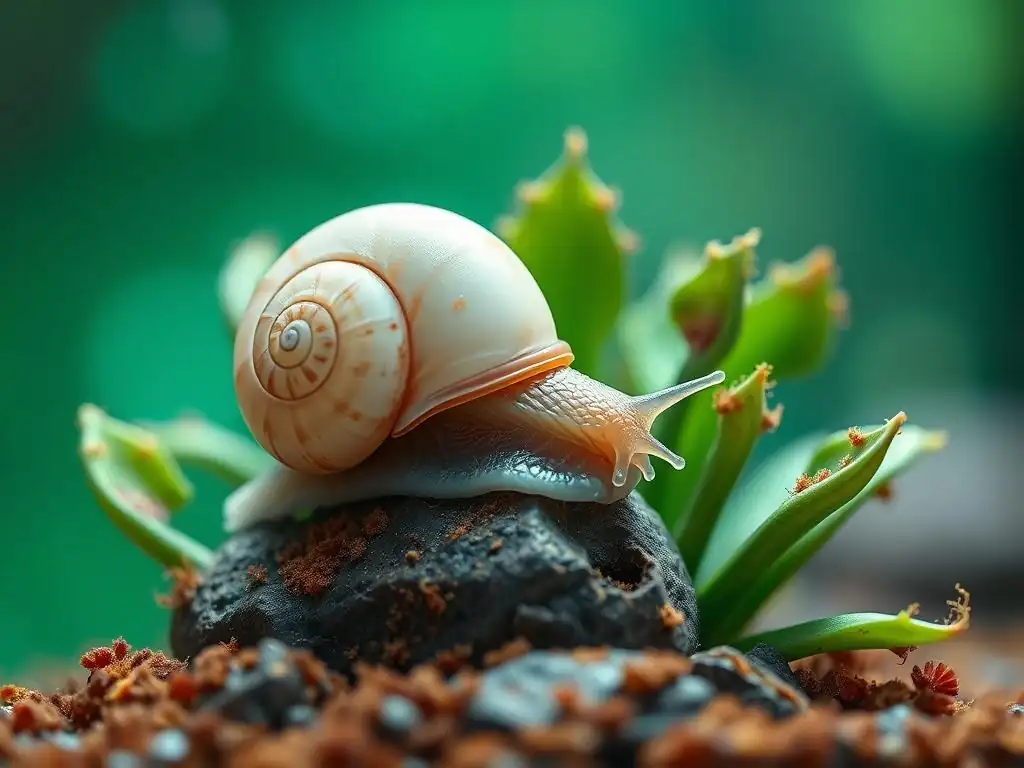
Selecting robust, hardy plant species is a key strategy for creating a "plantsafe snail aquarium species" environment, even if you have snails that are generally considered safe. Plants with tough, leathery leaves and strong cell walls are naturally less appealing and more difficult for most snails to consume. Excellent choices include Anubias species (e.g., Anubias barteri, Anubias nana), Java Fern ( Microsorum pteropus), and Bucephalandra varieties.
Other reliable options are Cryptocoryne species (e.g., Cryptocoryne wendtii, Cryptocoryne undulata) and various Amazon Sword plants ( Echinodorus spp.). These plants are not only durable but also highly adaptable to a range of water parameters, making them resilient additions that can thrive alongside "plantsafe snail aquarium species" without becoming a primary food source.
Delicate Plant Species That May Be Vulnerable to Snail Damage
While many snails are considered "plantsafe snail aquarium species," some delicate or soft-leaved plants remain vulnerable, especially if snails are underfed or overpopulated. Plants like Cabomba, Hornwort ( Ceratophyllum demersum), Rotala species, and certain Hygrophila varieties (e.g., Hygrophila polysperma) have tender structures that are easier for snails to consume. Fine-leaved stem plants and mosses can also be susceptible.
If your aquarium features a significant amount of these delicate species, extra vigilance is required, even with generally benign snails. It's advisable to ensure ample alternative food sources are available and to closely monitor snail behavior to prevent any opportunistic grazing on your more fragile aquatic flora.
Providing Adequate Algae and Food Sources for Snails
Supplemental Feeding Options to Deter Plant Consumption
A primary reason for "plantsafe snail aquarium species" to turn on plants is insufficient preferred food. To prevent this, providing supplemental feeding is crucial. Offer blanched vegetables such as zucchini, cucumber slices, or spinach leaves once or twice a week. Simply blanch a small piece for 30-60 seconds, let it cool, and drop it into the tank. A 1-inch slice of zucchini can satisfy several snails for a day.
Additionally, algae wafers, sinking pellets, or specialized snail foods can be offered a few times a week. These highly palatable options divert snails' attention from your live plants, ensuring they remain focused on their intended role as tank cleaners. Consistent supplemental feeding is one of the most effective ways to guarantee your snails remain "plantsafe snail aquarium species."
Maintaining a Healthy Algae Bloom (Controlled)
While aquarists often strive for pristine, algae-free tanks, a light, controlled algae bloom is actually beneficial and natural for a "plantsafe snail aquarium species" environment. A thin film of green or brown algae on tank surfaces, rocks, and decorations provides a constant, natural food source for many snail species, particularly Nerites. This biofilm is highly nutritious and constantly replenishes itself.
Rather than aggressively scrubbing every surface clean, allow for some natural algae growth on non-viewing panes or hidden areas. This ensures that your algae-eating snails always have something to graze on, reducing their incentive to seek sustenance from your live plants. A healthy, balanced ecosystem often includes a moderate amount of algae to support its detritivores and grazers.
Controlling Snail Populations to Prevent Overgrazing
Manual Removal of Excess Snails
Even with "plantsafe snail aquarium species," an uncontrolled population explosion can lead to issues, including increased competition for food that might push snails towards live plants. Manual removal is a highly effective, non-chemical method for managing snail numbers. One common technique is to place a blanched lettuce leaf or a piece of cucumber in the tank overnight. Snails will congregate on it, and you can easily remove the leaf (and the snails) the next morning.
Alternatively, simply picking snails off the glass or decorations by hand during tank maintenance can significantly reduce their numbers over time. Consistency is key with manual removal; regular efforts will prevent populations from spiraling out of control and ensure your snails remain beneficial rather than a nuisance.
Natural Predators of Snails (Considerations and Risks)
Introducing natural predators can be an effective biological control for snail populations, but this method requires careful consideration. Assassin snails ( Clea helena) are perhaps the most popular and effective choice. These carnivorous snails actively hunt and consume other freshwater snails, making them excellent for reducing unwanted populations. A ratio of one Assassin snail per 5-10 gallons (19-38 liters) can be effective in many cases, although specific numbers depend on the severity of the infestation.
Other potential predators include certain loach species, such as the Clown Loach ( Chromobotia macracanthus). However, Clown Loaches grow very large (up to 12 inches or 30 cm) and require spacious tanks, making them unsuitable for most home aquariums. Other loach species, like Kuhli Loaches, might occasionally eat snail eggs but are not reliable for controlling adult populations. Always research the specific needs and adult size of any potential predator to ensure compatibility with your tank's inhabitants and overall size.
Maintaining a Balanced Planted Aquarium with Snails
Monitoring Your Snails' Behavior and Plant Health
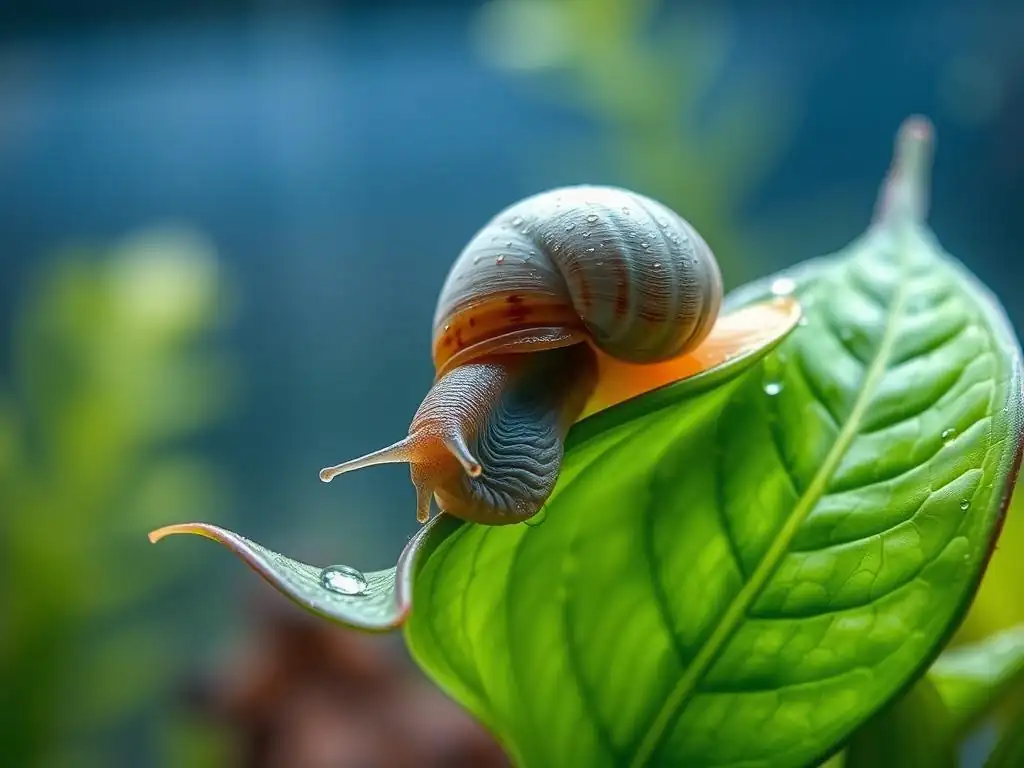
Maintaining a balanced planted aquarium with "plantsafe snail aquarium species" hinges on vigilant observation. Make it a routine to inspect your tank daily, paying close attention to both your snails' behavior and the health of your plants. Observe where the snails are congregating: Are they primarily on the glass and decorations, or are they consistently clustered on specific plant leaves, especially new growth?
Also, examine your plants for any signs of damage. Early detection of unusual snail activity or minor plant nibbles allows for prompt intervention before significant harm occurs. A proactive approach to monitoring ensures that your snails remain beneficial members of your aquatic ecosystem, contributing to cleanliness without compromising your lush aquascape.
Recognizing Signs of Snail Damage to Plants
Distinguishing true snail damage from other plant issues (like nutrient deficiencies, fish nibbling, or melting) is important. Snail damage often appears as irregular holes, particularly on softer leaves, or scraped patches where the snail has attempted to graze. Nerite snails, for instance, leave behind distinctive zig-zag or wavy patterns where they have rasped algae, which is usually harmless and not considered damage to the plant tissue itself.
In contrast, a large Apple Snail will leave large, ragged holes or even consume entire sections of leaves. If you notice new, unexplained holes appearing regularly, or if specific plants are rapidly deteriorating without other obvious causes, it's a strong indicator that your snails might be responsible. Pay close attention to the edges and surfaces of leaves for any signs of scraping or chewing.
If you identify snail-related plant damage, prompt action is necessary to prevent further deterioration. First, assess your feeding regimen: are your snails receiving enough supplemental food? Increasing the frequency or quantity of algae wafers or blanched vegetables can often redirect their attention away from plants. If a specific snail species is identified as the culprit (e.g., a misidentified Apple Snail), consider removing it from the planted tank entirely.
Secondly, evaluate the overall health of your plants. Unhealthy or dying leaves are more susceptible to snail consumption. Ensuring proper lighting, CO2, and nutrient levels for your plants will help them grow robustly and resist opportunistic grazing. By addressing both the snails' needs and the plants' health, you can quickly restore balance and ensure your "plantsafe snail aquarium species" coexist harmoniously with your aquatic flora.
Plantsafe Snail Aquarium Species: A Summary of Key Considerations
Choosing the Right Snails for Your Planted Aquarium Goals
Selecting the appropriate "plantsafe snail aquarium species" is fundamental to the success of your planted aquarium. For dedicated algae control without plant risk, Nerite snails are unparalleled. If you need a larger cleanup crew for detritus and decaying matter, Mystery snails and Ramshorn snails are excellent choices, provided you monitor their behavior and manage their populations. Malaysian Trumpet Snails are invaluable for substrate aeration and hidden detritus consumption, posing virtually no threat to plants.
Conversely, avoid true Apple Snails and Columbian Ramshorns entirely if you value your plants. Pond snails should also be managed aggressively due to their rapid reproduction and potential for opportunistic plant damage. Aligning your snail choice with your specific tank size, existing inhabitants, and plant types will ensure a harmonious and thriving aquatic environment.
Ensuring a Thriving Ecosystem for Both Snails and Plants
Achieving a balanced ecosystem where both snails and plants thrive requires a holistic approach. This involves not only selecting "plantsafe snail aquarium species" but also implementing thoughtful care strategies. Provide consistent and adequate food sources for your snails, including supplemental feedings and allowing for controlled natural algae growth. Carefully choose plant species, favoring hardier varieties where possible, and monitor more delicate plants closely.
Regularly manage snail populations through manual removal to prevent overgrazing and resource competition. Finally, continuous observation of both your snails' behavior and your plants' health is paramount for early detection and intervention of any potential issues. With these considerations in mind, snails can be incredibly beneficial additions to a planted aquarium, acting as diligent cleaners and contributing to the overall health and stability of your aquatic masterpiece.
Frequently Asked Questions
Do all snails eat aquarium plants?
No, not all snails are voracious plant eaters. Certain species, often labeled as "plantsafe snail aquarium species," are much less likely to consume healthy, established plants.
What makes a snail "plantsafe"?
"Plantsafe" snails typically have a diet that consists primarily of algae, detritus, and decaying organic matter. They may occasionally nibble on dying or damaged plant leaves, but generally leave healthy plants alone.
Which snail species are considered "plantsafe snail aquarium species"?
Popular plantsafe snail aquarium species include Nerite snails, Mystery snails (although some individuals may nibble more than others), and Ramshorn snails (especially if well-fed).
How can I ensure my "plantsafe" snails don't start eating my plants?
Maintain a well-balanced aquarium with plenty of algae and detritus for them to graze on. Supplement their diet with algae wafers or blanched vegetables to ensure they're not hungry enough to target your plants.
What should I do if I suspect my snails are eating my plants?
First, identify the snail species to confirm whether it's generally considered plantsafe. Then, assess if the plants are healthy or showing signs of decay. If healthy plants are being eaten, consider supplementing the snails' diet more aggressively or rehoming the snails.
Final Reflection: Cultivating Harmony in the Aquatic Ecosystem
The exploration of whether snails eat live plants, culminating in a guide to plantsafe snail aquarium species, isn't merely about aquarium aesthetics; it's a microcosm of the broader challenge of maintaining balance within any ecosystem. Understanding the dietary habits of these often-overlooked creatures is crucial for creating thriving aquatic environments, reflecting a wider need for informed and responsible stewardship of our natural world.
This delicate dance between flora and fauna within our aquariums mirrors the complexities of larger ecosystems, reminding us that every organism plays a role. My own journey into aquascaping has underscored the importance of mindful selection and careful observation, transforming what began as a hobby into a deeper appreciation for the interconnectedness of life. In nature, nothing exists alone.
- Rachel Carson. This quote perfectly encapsulates the essence of responsible aquarium keeping and, indeed, responsible living on our planet.
Now, consider the lessons learned. How can you apply the principles of careful selection and mindful observation, so vital in creating a plantsafe aquarium, to other areas of your life? Perhaps it's about making more informed choices about the products you consume, or taking a more active role in understanding the impact of your actions on the environment. Let the quest for a plantsafe snail aquarium inspire you to cultivate harmony and balance in all aspects of your world.
Cultivate Your Dream Planted Tank!
Thank you for diving into the world of snails and planted aquariums! Now that you're equipped with the knowledge to choose plant-safe snail species, let's put that information into action and create a thriving underwater ecosystem.
Here are some next steps you can take:
- Visit your local aquarium store and carefully select snails known to be safe for live plants, such as Nerite or Mystery snails.
- Share this article with fellow aquarium enthusiasts on social media to help them create thriving planted tanks without the unwanted munching.
- Experiment with different snail species and document their behavior in your aquarium to discover which ones best suit your planted setup!
What unique plant are you most excited to introduce to your snail-friendly aquarium?