
Leather Coral Diseases & Pests: Keeping Your Softies Healthy

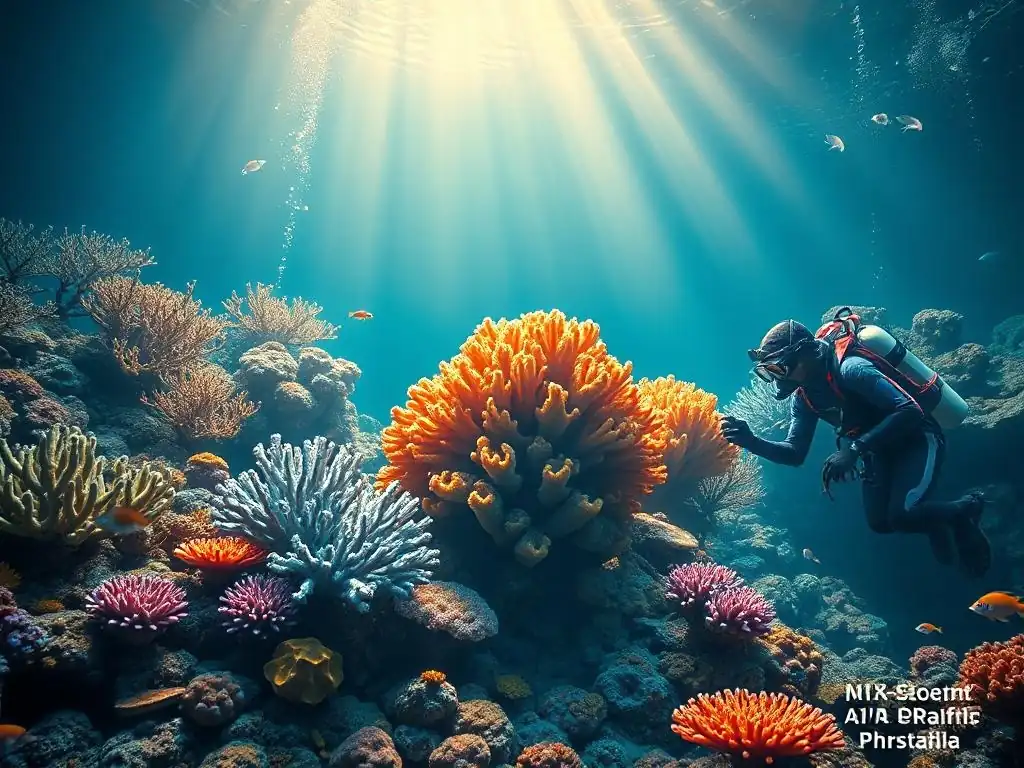
Welcome to Aquarium Mastery!
Ever gazed at your leather corals and worried something wasn't quite right? Unravel the mysteries behind maintaining vibrant, healthy soft corals. Dive in now and discover essential strategies for soft coral disease treatment, ensuring your underwater paradise thrives. Are you ready to learn how to identify and combat common ailments before they threaten your precious reef inhabitants? Let's get started!
- Understanding Leather Coral Health & Common Issues
- Common Leather Coral Diseases and Treatments
- Common Leather Coral Pests and Control Methods
- Maintaining a Healthy Environment for Leather Corals: Prevention is Key
- Soft Coral Disease Treatment: A Comprehensive Guide
- Advanced Techniques for Leather Coral Health & Recovery
- Conclusion: Ensuring the Long-Term Health of Your Leather Corals
-
Frequently Asked Questions
- How can I identify a disease affecting my leather coral?
- What are the most common diseases that affect leather corals?
- What water parameters are critical for preventing leather coral diseases?
- What are some effective treatment options for a sick leather coral?
- How can I prevent diseases from spreading to other corals in my tank?
- Final Reflection: Protecting the Reef's Soft Heart
- Dive Deeper & Nurture Thriving Corals!
Understanding Leather Coral Health & Common Issues
Introduction to Leather Coral Care and Disease Prevention
Leather corals, encompassing popular genera like Sarcophyton (Toadstool), Lobophytum (Devil's Hand), and Sinularia (Finger), are renowned for their hardiness and unique aesthetic appeal in reef aquariums. Originating from the Indo-Pacific and Red Sea, these soft corals are often recommended for beginner aquarists due to their general resilience compared to more delicate stony corals (LPS and SPS). However, their robust nature does not render them immune to environmental stressors, diseases, or pests, which can significantly impact their health and longevity. Understanding their basic care requirements is the first step in disease prevention.
Proactive care is undeniably the most effective defense against the onset of health issues in leather corals. Maintaining stable water parameters, such as a specific gravity around 1.025 (35 ppt), a consistent pH between 8.0 and 8.4, and a temperature range of 76-80°F (24-27°C), is crucial. Providing appropriate lighting, typically in the range of 50-150 PAR (Photosynthetically Active Radiation), and moderate, indirect water flow are also vital.
Sudden fluctuations in these parameters, inadequate nutrition, or the introduction of new, unquarantined inhabitants can stress leather corals, making them susceptible to various ailments. Effective soft coral disease treatment begins with a robust preventative care regimen.
Identifying Signs of Unhealthy Leather Corals
Recognizing the early signs of stress or disease in leather corals is paramount for successful intervention. A healthy leather coral typically exhibits fully extended polyps for most of the day, a turgid (firm and plump) appearance, and vibrant, consistent coloration. They also undergo a natural shedding process, where they retract polyps and form a waxy layer that peels off, usually lasting a few days, to remove accumulated detritus and algae. This is a normal and healthy behavior.
In contrast, an unhealthy leather coral will display several warning signs. Prolonged polyp retraction (lasting more than a few days outside of a shedding cycle), a deflated or limp appearance, and a noticeable loss of color (pale, white, or unusually dark) are strong indicators of distress.
Other alarming symptoms include the development of a slimy film, localized tissue necrosis (appearing as white, grey, or black patches that look like "melting" tissue), or the presence of visible pests. For instance, a Sarcophyton coral that remains closed for over a week without shedding could be experiencing significant stress, necessitating immediate investigation to determine the appropriate soft coral disease treatment.
Common Leather Coral Diseases and Treatments
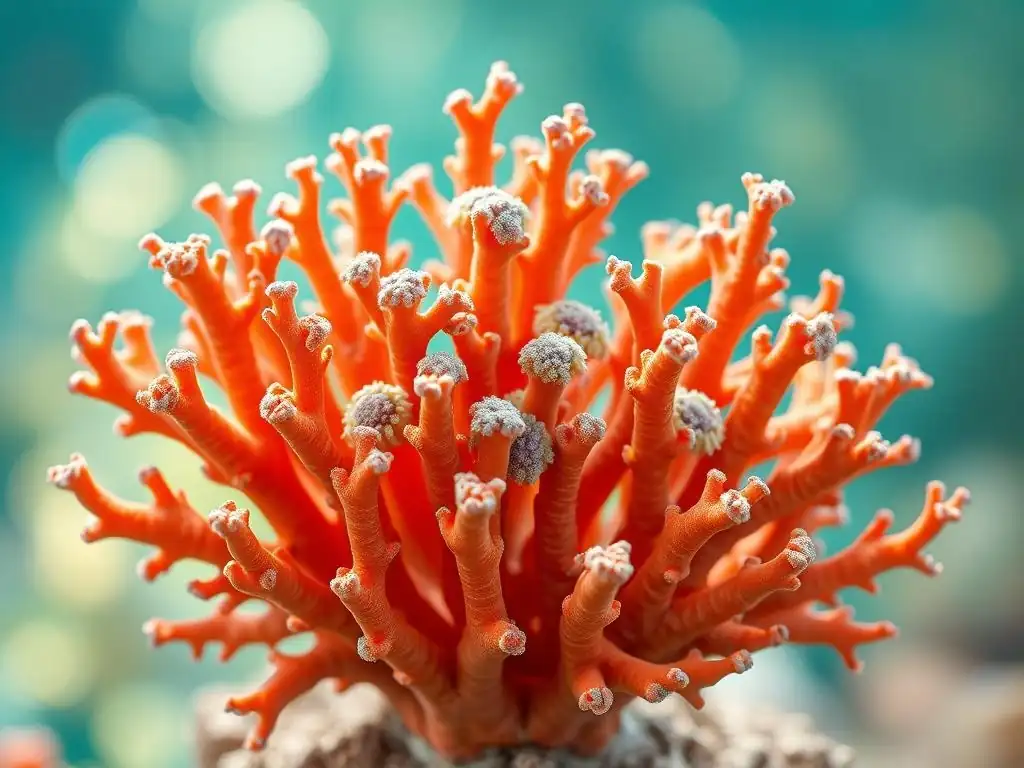
Bacterial Infections in Leather Corals: Symptoms and Soft Coral Disease Treatment
Identifying Bacterial Infections on Leather Corals
Bacterial infections are a common cause of tissue loss in leather corals, often manifesting rapidly and aggressively. These infections typically appear as spreading patches of white, grey, or black tissue necrosis that can look slimy or fuzzy. The affected areas might resemble a "melting" or "rotting" appearance, often starting from the base of the coral or from a localized lesion caused by physical damage or stress. One particularly virulent form, though less common in leather corals than LPS, is "brown jelly disease," which presents as a rapidly expanding, slimy, brown mass that consumes coral tissue.
Another common manifestation is a localized white patch that quickly expands, sometimes covering a significant portion of the coral within 24 to 48 hours. This rapid progression is a key indicator of bacterial involvement. For example, if a Sinularia species develops a small white spot after being bumped, and that spot quickly enlarges and becomes soft, a bacterial infection is highly probable. These infections thrive when corals are already weakened by poor water quality, inadequate flow, or other stressors, making early identification critical for successful soft coral disease treatment.
Treatment Options for Bacterial Infections in Leather Corals
Immediate action is crucial when a bacterial infection is suspected. The first step is to isolate the affected leather coral in a separate quarantine tank (QT) if possible, to prevent the potential spread of pathogens to other corals in the main display. For localized infections, a targeted freshwater dip can sometimes be beneficial; prepare a dip with tank water matched in pH and temperature, and dip the coral for a brief period (e.g., 30-60 seconds) to dislodge surface bacteria or parasites, though this is not a direct cure for internal infections.
More direct soft coral disease treatment involves medicated dips. Iodine-based dips, such as Seachem Reef Dip or Lugol's solution (typically 4-6 drops per gallon for 5-10 minutes), act as effective antiseptics and can often halt the progression of bacterial infections. For severe or widespread infections, broad-spectrum antibiotics (like Furan-2 or Ciprofloxacin) might be considered, but these are generally administered in a dedicated QT to avoid harming the beneficial bacterial populations in the main display tank. Always ensure optimal water quality and strong, but indirect, flow around the affected coral post-treatment to aid recovery.
Fungal Infections Affecting Leather Corals: Diagnosis & Solutions
Recognizing Fungal Infections on Leather Corals
Fungal infections are less frequently encountered in well-maintained reef aquariums compared to bacterial issues, but they can still affect leather corals, particularly if the coral is severely stressed or if fungal spores are introduced. These infections typically appear as distinctive cottony white growths or filamentous patches directly on the coral tissue. The texture might be fuzzy, resembling a mold-like growth, and it can be localized initially before slowly expanding.
It's important to differentiate fungal growth from other issues like nuisance algae or detritus accumulation. Unlike algae, fungal growth will actively appear to be consuming or adhering to the coral's living tissue. Fungal infections often act as secondary opportunistic infections, taking hold after an initial injury or a primary bacterial infection has weakened the coral's defenses. Observing whether the growth is actively spreading and causing tissue degradation is key to proper diagnosis.
Treating Fungal Infections in Saltwater Aquariums with Leather Corals
Soft coral disease treatment for suspected fungal infections often involves external applications. Targeted dips can be effective; some commercial coral dips have antifungal properties, or a diluted iodine dip can be used as a general antiseptic. A freshwater dip, carefully administered with matched pH and temperature, may physically dislodge some superficial fungal growth. Manual removal, such as gently siphoning or brushing the affected area with a soft brush, can also precede a dip to remove as much fungal material as possible.
Environmental improvements are crucial for preventing and aiding recovery from fungal infections. Fungi tend to proliferate in conditions of poor water quality, high organic loads, or areas of low water circulation. Ensuring excellent water parameters, such as nitrates below 10 ppm and phosphates below 0.03 ppm, along with strong, consistent water flow around the coral, can significantly bolster the coral's natural immune response. In very rare and severe cases, specific antifungal medications might be considered for use in a quarantine tank, but these are generally not readily available to hobbyists and carry risks.
Coral Bleaching in Leather Corals: Causes and Recovery Strategies
Understanding Coral Bleaching and its Impact on Leather Corals
Coral bleaching is a severe stress response where corals expel their symbiotic zooxanthellae algae, which provide the coral with most of its color and energy through photosynthesis. In leather corals, this manifests as a significant lightening or whitening of the coral tissue, losing its natural brown, green, or tan coloration. The primary culprits behind bleaching include sudden or prolonged increases in water temperature (e.g., consistently above 82°F/28°C), drastic shifts in salinity, exposure to overly intense or improper lighting (too high PAR or incorrect spectrum), or the presence of various chemical stressors.
While leather corals are generally more tolerant to environmental fluctuations than stony corals, prolonged bleaching can still be fatal. The expulsion of zooxanthellae deprives the coral of its primary food source, leading to starvation and making it highly susceptible to secondary infections. For example, a healthy brown Sarcophyton coral turning a pale cream color over a few days or weeks is a clear sign of bleaching. If the coral does not re-acquire its zooxanthellae within weeks to a few months, it will likely perish.
Preventing and Reversing Coral Bleaching in Your Aquarium
Prevention is the most effective strategy against coral bleaching. Maintaining stable water parameters, especially temperature within the optimal range of 76-80°F (24-27°C), is critical. Use reliable heaters and, if necessary, chillers to prevent temperature spikes. Acclimate new leather corals slowly to your aquarium's lighting, gradually increasing intensity over several weeks (e.g., starting with 6 hours of light and increasing by 30 minutes each week) to prevent light shock. Ensure proper water flow to prevent hot spots and deliver essential nutrients.
If bleaching occurs, prompt action can aid recovery. Move the affected coral to an area of the tank with lower light intensity (e.g., lower on the rockwork or in a shaded spot) to reduce stress. Verify and optimize all water quality parameters, ensuring ammonia and nitrites are zero, and nitrates and phosphates are kept very low.
While leather corals primarily rely on photosynthesis, some aquarists report success in supporting bleached corals by supplementing with phytoplankton or amino acid solutions, which can provide a direct food source. Patience is key, as recovery from bleaching can take weeks or even months, representing a slow form of soft coral disease treatment through environmental adjustment.
Common Leather Coral Pests and Control Methods
Nudibranchs on Leather Corals: Identification and Removal
Identifying Nudibranchs that Prey on Leather Corals
Certain species of nudibranchs are highly specialized predators of specific soft corals, including leather corals. These predatory nudibranchs, such as various Phyllodesmium species, are notoriously difficult to spot because they often mimic the appearance, color, and texture of the leather corals they consume. They are typically small, ranging from a few millimeters to 1-2 centimeters, and are cryptic, often hiding in the coral's folds or at its base. Signs of their presence include localized tissue damage, recession, or visible bite marks on the coral.
Specific examples include Phyllodesmium nudibranchs that exclusively prey on Sarcophyton (toadstool) corals, while others may target Sinularia or Lobophytum. These pests often lay distinctive white or clear spiral egg masses on the coral itself or on adjacent rockwork, which can be easier to spot than the adults. A sudden and unexplained decline in a leather coral's health, despite optimal water parameters, should prompt a thorough inspection for these camouflaged predators, often best done at night with a flashlight.
Safe Removal Techniques for Nudibranchs
The most effective and common method for controlling nudibranch infestations on leather corals is manual removal. Using fine-tipped tweezers or a siphon, carefully pick off any visible nudibranchs and their egg masses. This process is often best performed during the night when nudibranchs are more active and exposed. It is crucial to repeat this manual removal daily or every few days for several weeks, as newly hatched eggs can quickly re-infest the coral.
Coral dips can also be used as an aid in soft coral disease treatment and pest control. While not always 100% effective at killing nudibranchs, commercial dips like Coral Rx, Revive, or even a strong iodine dip (following product instructions carefully) can irritate or dislodge the nudibranchs, making them easier to spot and remove manually. For severe infestations, quarantining the affected leather coral in a separate tank for several weeks, combined with repeated dips and manual removal, is highly recommended to break the nudibranch life cycle.
Flatworms Affecting Leather Corals: Eradication Strategies
Recognizing Flatworms and Their Damage to Leather Corals
Among the most common nuisance pests in reef aquariums are flatworms, particularly the reddish-brown Convolutriloba retrogemma (red planaria flatworms). While these flatworms do not directly consume leather coral tissue, they can proliferate rapidly and form dense carpets over the coral's surface, blocking light and irritating the polyps. This coverage can lead to polyp retraction, reduced growth, and overall stress due to inhibited photosynthesis. These flatworms are typically oval-shaped, a few millimeters in size, and move with a characteristic gliding motion across surfaces.
Signs of a flatworm infestation include a visible "carpet" of these reddish-brown worms on the sand bed, live rock, or directly on the leather coral itself. The coral may appear dull, its polyps may remain retracted, or it might show signs of irritation in areas where flatworms congregate. Their rapid reproductive rate means a small initial population can explode into thousands within weeks under favorable conditions, quickly overwhelming corals and the entire tank.
Effective Flatworm Control Methods for Leather Coral Tanks
For controlling flatworm populations on leather corals and throughout the tank, a multi-pronged approach is often most successful. Regular manual removal is a primary strategy: use a siphon during water changes to physically remove as many flatworms as possible from the sand, rocks, and coral surfaces. Ensure the siphoned water is discarded and not returned to the tank to prevent reintroduction of the worms.
Chemical treatments are also widely used. Flatworm Exit (FE) is a popular and generally reef-safe chemical treatment specifically designed to target planaria flatworms. When using such products, always follow the dosage instructions precisely. Be prepared for a large-scale die-off, which can release toxins into the water; have fresh activated carbon ready for immediate deployment after treatment, and perform a significant water change (e.g., 25-50%) within hours of the treatment to remove dead worms and toxins. Biological control, such as introducing certain wrasse species (e.g., Six-Line Wrasse, Melanurus Wrasse), can also help reduce flatworm numbers, though their effectiveness can vary.
Algae Growth on Leather Corals: Prevention and Removal
Identifying Types of Algae Affecting Leather Corals
Leather corals, like other corals, can become hosts for various nuisance algae if water conditions are not optimal. Common types of algae that can grow on their surfaces include diatoms (appearing as a brownish film), cyanobacteria (often called "red slime algae," which can be red, black, or even green), and various forms of green filamentous algae.
These algae typically appear as a coating on the coral's stalk, base, or even directly over its polyps, inhibiting light absorption and causing irritation. Diatoms usually indicate a new tank or the presence of silicates, while cyanobacteria often points to high organic waste and low flow.
While not directly parasitic, excessive algae growth can severely impact a leather coral's health. A thick layer of algae can smother the coral tissue, reduce its ability to photosynthesize, and lead to tissue necrosis if left unchecked. Although healthy leather corals naturally shed a waxy layer to remove accumulated debris and algae, an overwhelming algae bloom can overcome this natural defense mechanism.
Strategies for Controlling Algae Growth on Leather Corals
Controlling algae growth on leather corals primarily involves addressing the underlying environmental issues that promote algae proliferation. Reduce excess nutrients by performing regular, consistent water changes (e.g., 10-20% weekly or bi-weekly). Employ robust protein skimming to export organic waste before it breaks down into nitrates and phosphates. Consider using phosphate-removing media like GFO (Granular Ferric Oxide) or lanthanum chloride if phosphate levels are persistently high (above 0.03 ppm). Ensure strong, but not direct, water flow around the leather coral to prevent detritus accumulation and provide oxygen.
For direct removal, gently brush or siphon algae off the leather coral's surface. A short freshwater dip (pH and temperature matched) can sometimes cause the algae to detach from the coral's tissue. Introducing appropriate herbivorous invertebrates, such as turbo snails, trochus snails, or emerald crabs, can help graze on nuisance algae throughout the tank, though they typically won't directly clean the coral's polyps. Maintaining overall tank cleanliness and nutrient export is the most sustainable approach to preventing algae overgrowth on your leather corals.
Maintaining a Healthy Environment for Leather Corals: Prevention is Key
Optimal Water Parameters for Leather Coral Health
Temperature, Salinity, and pH Levels
Maintaining stable water parameters is the bedrock of leather coral health and the primary preventative measure against diseases. Temperature should be consistently kept within a tight range of 76-80°F (24-27°C). Fluctuations of more than 2°F (1°C) within a 24-hour period can significantly stress corals, making them vulnerable. Reliable heaters and, if necessary, chillers are essential tools for temperature stability.
Salinity is equally critical; aim for a stable specific gravity of 1.025-1.026 (35 ppt). Use a high-quality refractometer calibrated with a reference solution for accurate readings. The pH level should ideally remain between 8.0 and 8.4. While leather corals are somewhat tolerant, prolonged periods below 7.8 can severely impact their metabolic functions. Regular testing and the use of appropriate buffers or Kalkwasser dosing can help maintain pH stability, reducing stress and the need for reactive soft coral disease treatment.
The Importance of Water Changes for Leather Coral Health
Regular water changes are paramount for maintaining a healthy environment for leather corals. They serve multiple vital functions: replenishing essential trace elements (such as iodine, strontium, calcium, alkalinity, and magnesium) that corals utilize for growth and metabolic processes, and simultaneously removing accumulated nitrates, phosphates, and other pollutants that can build up in a closed system. For example, a weekly 10-15% water change in a 50-gallon tank removes 5-7.5 gallons of old, nutrient-rich water, significantly reducing the concentration of undesirable compounds over time.
Water changes also contribute to the stability of other key parameters, such as alkalinity (dKH), which should ideally be maintained between 8-12 dKH for soft corals, and calcium (380-450 ppm) and magnesium (1250-1350 ppm). While these parameters are less critical for leather corals than for calcifying stony corals, stable levels still support overall coral vitality and resilience. Fresh, clean saltwater provides a pristine environment, bolstering the coral's natural defenses and minimizing the likelihood of needing intensive soft coral disease treatment.
Proper Lighting and Flow for Leather Corals
Choosing the Right Lighting for Leather Corals
Leather corals are photosynthetic and rely heavily on light for their energy needs. They generally thrive under moderate lighting conditions. A PAR (Photosynthetically Active Radiation) value typically ranging from 50 to 150 PAR is suitable for most leather coral species. Too little light can cause the coral to brown out or fade, while excessive intensity can lead to bleaching or severe retraction. Various lighting technologies, including T5 HO fluorescent, LED, or metal halide fixtures, can provide adequate light, with modern LEDs offering superior control over intensity and spectrum.
When introducing new leather corals or upgrading your lighting system, it is crucial to acclimate them slowly to the new light levels. Start with lower intensity or a shorter photoperiod (e.g., 6 hours per day) and gradually increase it over several weeks (e.g., by 30-60 minutes per week) to prevent light shock and potential bleaching. A blue-spectrum dominant light (e.g., 10,000K-20,000K) is generally preferred as it promotes optimal coral growth and coloration by supporting zooxanthellae photosynthesis.
Optimizing Water Flow for Leather Coral Health
Optimal water flow is just as vital as proper lighting for leather corals. These soft corals prefer moderate, indirect water flow. Insufficient flow can lead to detritus accumulation on the coral's surface, creating dead spots where algae can grow and promoting bacterial issues. Conversely, excessively strong or direct, turbulent flow can prevent polyps from extending fully, cause tissue damage, or even dislodge the coral from its position. The ideal flow pattern should gently sway the coral back and forth.
Good water flow provides multiple benefits: it ensures the constant delivery of essential nutrients and trace elements to the coral's polyps, facilitates the removal of metabolic waste products, and significantly aids in the natural shedding process, which is crucial for leather corals to maintain a clean surface. Strategic placement of powerheads or wavemakers to create broad, laminar, or chaotic (but not direct) flow patterns will contribute significantly to the long-term health and vitality of your leather corals.
Quarantine Procedures for New Leather Corals: Preventing Disease Introduction
The Importance of Quarantine Tanks
A dedicated quarantine tank (QT) is arguably the single most important tool in preventing the introduction of diseases and pests into your main display reef aquarium. A QT is a separate, smaller setup (e.g., a 10-20 gallon tank) equipped with basic filtration, a heater, and appropriate lighting. The practice of introducing new corals directly into an established display tank carries a significant risk of introducing various pathogens, including parasitic flatworms, predatory nudibranchs, or bacterial infections, which can rapidly spread and devastate an entire, healthy reef system.
Investing in a proper QT setup and adhering to strict quarantine protocols can save aquarists immense amounts of time, money, and heartache in the long run. It provides a safe environment for new arrivals to be observed, pre-emptively dipped, and treated for any potential issues without exposing your existing, healthy corals to pathogens. Many widespread disease outbreaks in home aquariums could be entirely avoided by implementing a rigorous 4-6 week quarantine period for all new livestock, including leather corals.
Quarantine Protocols for New Leather Corals
Upon receiving a new leather coral, immediately inspect it thoroughly for any visible signs of damage, pests, or disease. Place the coral into your pre-established quarantine tank, ensuring the QT's water parameters are matched to the shipping water and gradually acclimated to your main tank's parameters. Perform a preventative coral dip using a commercial product like Coral Rx, Revive, or an iodine-based dip (e.g., Seachem Reef Dip), following the manufacturer's instructions precisely for dilution and duration (typically 5-10 minutes). This dip helps to dislodge external parasites and acts as an antiseptic.
During the quarantine period, which should ideally last at least 4-6 weeks, observe the leather coral daily for any new or developing symptoms. If any signs of disease or pests emerge, initiate appropriate soft coral disease treatment directly within the QT. Do not transfer the coral to your main display tank until it appears completely healthy, active, and demonstrably pest-free for an extended period. This diligent and proactive approach dramatically reduces the risk of introducing unwanted biological threats to your thriving reef ecosystem.
Soft Coral Disease Treatment: A Comprehensive Guide
Step-by-Step Guide to Diagnosing and Treating Leather Coral Ailments
Diagnosing and treating leather coral ailments effectively requires a systematic approach. Step 1: Observation. Regularly and thoroughly inspect your leather corals. Look for any subtle changes in coloration, polyp extension, tissue integrity, or the presence of unusual growths or visible pests. Keeping a detailed log of your water parameters and the coral's behavior can help identify trends. Early detection is always paramount for successful intervention.
Step 2: Isolate. If you detect any signs of illness or pests, immediately move the affected leather coral to a dedicated quarantine tank (QT) if possible. This critical step prevents potential spread to other valuable corals in your main display and allows for targeted treatment without impacting the entire system. Step 3: Identify.
Based on the observed symptoms (e.g., white spreading patches suggest bacterial infection, fuzzy white growth might indicate fungus, pale color points to bleaching, visible small worms indicate flatworms), research potential causes. Step 4: Treat. Apply the appropriate soft coral disease treatment based on your diagnosis. This could involve medicated dips (iodine, commercial pest dips), targeted freshwater dips, manual removal of pests, or environmental adjustments (e.g., reducing light for bleaching).
Step 5: Monitor. Continue to observe the coral closely in the QT, ensuring optimal water parameters for recovery. Only return the coral to the main display once it has fully recovered and shown no signs of illness for an extended period.
When to Seek Professional Help for Sick Leather Corals
While many common leather coral issues can be effectively managed by diligent hobbyists, there are instances when seeking professional advice becomes invaluable. If you have diligently applied common soft coral disease treatment methods (like dips, parameter adjustments, pest removal) without seeing improvement, or if the disease is rapidly spreading and affecting multiple corals in your tank, it's a clear indication to seek expert assistance.
This could involve consulting with experienced staff at a reputable local fish store, engaging with knowledgeable members on established online reef forums, or, in rare and severe cases, contacting a marine veterinarian if available in your area.
Professionals often possess deeper insights into less common pathogens, have access to advanced diagnostic techniques (such as microscopy for definitive identification of parasites or bacteria), or can recommend specific, potent medications not typically available to the general hobbyist. They can also help confirm a challenging diagnosis and provide a tailored soft coral disease treatment plan, which is especially crucial for complex or persistent issues that threaten the stability and health of your entire reef system. Don't hesitate to leverage expert knowledge when your own efforts are falling short.
Advanced Techniques for Leather Coral Health & Recovery
Coral Dips: Benefits and Proper Usage for Leather Corals
Choosing the Right Coral Dip for Specific Issues
Coral dips are an indispensable tool in the arsenal of soft coral disease treatment and pest prevention. The choice of dip should be tailored to the suspected problem. Iodine-based dips, such as Seachem Reef Dip or Lugol's solution, are excellent general antiseptics; they can help with superficial bacterial issues and are often effective at irritating and dislodging various external pests like some flatworms or copepods. Commercial dips like Coral Rx, Revive, or Two Little Fishies Revive Coral Cleaner are specifically formulated to target a broader range of common coral parasites, including flatworms, nudibranchs, and some bacterial infections.
Freshwater dips, prepared with water matched precisely in pH and temperature to your tank water, are highly effective for dislodging external parasites that cannot tolerate osmotic shock, such as certain worms or small crustaceans. However, freshwater dips are very stressful for corals and should be used cautiously and for very brief durations (typically 30-60 seconds for leather corals). Always select a dip based on the suspected ailment and meticulously adhere to the manufacturer's instructions regarding dilution ratios and maximum immersion times to avoid further stressing or harming the coral.
How to Properly Dip Leather Corals
Proper execution of a coral dip is crucial to its effectiveness and the coral's safety. First, prepare a separate, clean container (e.g., a small bucket or bowl) with water from your main aquarium. Add the recommended dosage of your chosen coral dip product to this container, ensuring thorough mixing. Gently place the leather coral into the dip solution.
While the coral is submerged, use a small powerhead or a turkey baster to provide gentle, indirect flow over the coral. This helps to dislodge any pests, detritus, or irritated tissue. Do not exceed the recommended dip time, as prolonged exposure can be detrimental to the coral.
After the prescribed dip time, gently remove the leather coral from the dip solution. Rinse the coral thoroughly in a separate container of clean, fresh tank water to remove any residual dip solution or dislodged pests before returning it to your quarantine tank or main display. Observe the coral closely for the next several hours to monitor its response and signs of recovery or stress. Always dispose of the used dip solution safely, as it may contain harmful chemicals or live parasites.
Fragging and Propagation as a Health Management Technique
Fragging as a Way to Remove Diseased Tissue
For localized infections or areas of necrosis on a leather coral, fragging (fragmenting) can be a drastic but highly effective form of soft coral disease treatment. If a specific portion of the coral is clearly decaying, infected, or showing signs of irreversible tissue loss, carefully cut away the diseased section using a sharp, clean scalpel or razor blade. It is essential to make the cut into healthy tissue, ensuring a clean margin well away from the infected area, to prevent the spread of the ailment.
After the diseased portion has been removed, the healthy remaining section of the leather coral often has a strong capacity to recover and regenerate. The healthy fragged piece can then be placed on a frag plug or a piece of live rock to reattach and grow into a new colony. This technique is particularly useful for fast-spreading bacterial infections or localized tissue loss that is not responding to less invasive treatments like dips. Always perform fragging in a separate container of tank water to avoid introducing diseased tissue or fluids into your main display.
Promoting Healthy Growth Through Propagation
Beyond disease treatment, the propagation of healthy leather corals is an advanced technique that promotes overall vitality within your aquarium and allows for sharing with other hobbyists. This involves carefully taking a healthy fragment from a mature, thriving leather coral colony. While not a direct soft coral disease treatment, the process of propagation can contribute to the long-term health of the parent colony by preventing overgrowth and encouraging new, robust growth patterns.
Proper fragging techniques are paramount for successful propagation. Use sharp, sterile tools to make clean cuts. After fragging, the healthy fragment can be attached to a frag plug using rubber bands or super glue gel (cyanoacrylate). Allow the frag to heal in a low-stress environment, such as a dedicated frag rack within the main tank or a separate frag tank, with optimal water parameters and moderate flow. Successful propagation ensures the continuation of your prized coral lines and fosters a vibrant, self-sustaining reef ecosystem.
Conclusion: Ensuring the Long-Term Health of Your Leather Corals
Ensuring the long-term health of your leather corals hinges on a combination of diligent preventative care, consistent environmental stability, and vigilant observation. While these soft corals are generally considered robust, their vitality is directly linked to the stability of their aquatic environment, including precise temperature, salinity, and pH levels. Regular water changes, appropriate lighting, and optimized water flow are not merely suggestions but non-negotiable practices for cultivating a thriving reef.
Ultimately, early detection and the timely application of appropriate soft coral disease treatment are critical for the successful recovery of any ailing leather coral. By understanding the common ailments and pests that can affect these beautiful invertebrates, and by proactively implementing comprehensive care and quarantine protocols, aquarists can significantly minimize risks. This dedicated approach allows you to enjoy the unique beauty, movement, and resilience of healthy leather corals for many years, contributing to a vibrant and flourishing reef aquarium ecosystem.
Frequently Asked Questions
How can I identify a disease affecting my leather coral?
Look for changes in appearance such as excessive sloughing, unusual color changes, or tissue recession. Observe if the coral is retracting its polyps or showing signs of bacterial infection.
What are the most common diseases that affect leather corals?
Common issues include bacterial infections, fungal infections, and brown jelly disease. Pests such as nudibranchs and flatworms can also cause damage that mimics disease.
What water parameters are critical for preventing leather coral diseases?
Maintaining stable and optimal water parameters is crucial. Key parameters include proper salinity, adequate alkalinity, and low levels of nitrates and phosphates.
What are some effective treatment options for a sick leather coral?
Treatment depends on the specific issue. Options range from iodine dips for bacterial infections to manual removal of pests and ensuring good water flow.
How can I prevent diseases from spreading to other corals in my tank?
Quarantine new corals before introducing them to the main tank to prevent the spread of potential diseases. Maintain a clean and stable aquarium environment to minimize stress and boost coral immunity.
Final Reflection: Protecting the Reef's Soft Heart
The information presented throughout this article underscores the critical need for proactive measures in safeguarding the health of leather corals in our aquariums. The increasing popularity of reef keeping, coupled with the inherent vulnerabilities of these soft corals to disease and pests, demands a heightened awareness and diligent application of effective soft coral disease treatment strategies. Ignoring these threats risks not only the loss of individual specimens but also contributes to a broader decline in the overall health and biodiversity of our captive reef ecosystems.
This journey into the world of leather coral ailments has highlighted the delicate balance within our aquariums and the profound responsibility we bear as stewards of these miniature reefs. Understanding the nuances of soft coral health, from identifying early signs of distress to implementing appropriate treatments, is paramount to their survival. The cure for anything is salt water: sweat, tears, or the sea.
- Isak Dinesen. This quote, while poetic, reminds us that sometimes the simplest solutions, like maintaining pristine water quality and proper salinity, are the most effective in preventing and treating coral diseases.
Now, armed with this knowledge, I urge you to reflect on your own practices and commitment to the well-being of your leather corals. Are you actively monitoring your tank parameters? Are you prepared to quarantine new additions and address potential problems swiftly? Let us all strive to become more informed and responsible reef keepers, ensuring that these beautiful and resilient soft corals continue to thrive, bringing joy and wonder to our homes for years to come.
Dive Deeper & Nurture Thriving Corals!
Thank you for exploring the fascinating world of leather coral health! We hope this article has equipped you with valuable knowledge to ensure your soft corals flourish. Ready to take the next step?
Here's how you can continue your coral care journey:
- Immediately apply preventative measures: Begin by assessing your water parameters and implementing the strategies discussed to minimize stress and disease.
- Join the Aquarium Mastery Community: Share your experiences, ask questions, and connect with fellow reef enthusiasts to learn even more.
- Document your coral's health: Start a journal to track changes, treatments, and observations – your experiences could help others!
What specific action are you taking today to improve the health of your leather corals?