
Kenya Tree Coral (Capnella): Prolific Growth & Easy Care

Welcome to Aquarium Mastery!
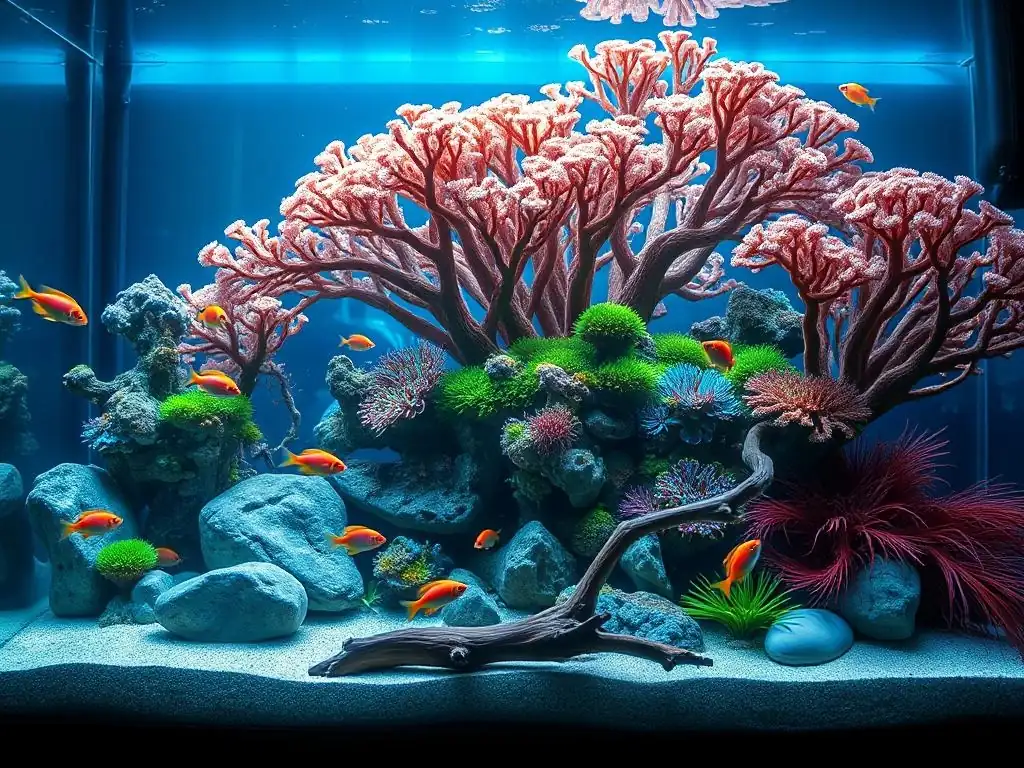
Ever wondered if you could cultivate a thriving coral garden with minimal effort? Dive in and discover the secrets to successful Kenya tree coral care. Capnella corals are known for their prolific growth and forgiving nature, making them a fantastic addition to any reef aquarium. But what's the real key to keeping these beauties happy and healthy? Let's explore everything you need to know!
- Understanding the Kenya Tree Coral: An Introduction to Capnella
- Kenya Tree Coral Care: A Comprehensive Guide
- Placement and Compatibility of Kenya Tree Coral
- Kenya Tree Coral Propagation: Fragging for Beginners
- Common Problems and Solutions in Kenya Tree Coral Care
- Preventing Issues with Kenya Tree Corals: Proactive Care Tips
- Choosing the Right Kenya Tree Coral for Your Aquarium
- Advanced Kenya Tree Coral Care: Optimizing Growth and Color
- Kenya Tree Coral: A Beginner-Friendly Coral for Reef Aquariums
- Frequently Asked Questions
- Final Reflection: The Enduring Appeal of Simplicity
- Ignite Your Reef Tank's Beauty: Embrace the Kenya Tree!
Understanding the Kenya Tree Coral: An Introduction to Capnella
What is a Kenya Tree Coral? Identifying Capnella Species
The Kenya Tree Coral, scientifically known as Capnella, is a popular and distinctive soft coral species highly valued in the reef keeping hobby for its unique appearance and relative ease of care. Belonging to the family Nephtheidae, these corals are characterized by their tree-like morphology, featuring a sturdy stalk from which numerous branches extend, often tipped with small, retractable polyps.
While typically brown or tan, variations can exhibit shades of green, pink, or even a pale yellow, adding subtle color to a reef tank. Their soft, leathery texture distinguishes them from stony corals, allowing for graceful movement with water flow.
Originating from the Indo-Pacific region, Capnella species are commonly found in lagoons and on reef slopes, thriving in areas with moderate water flow and varying light conditions. Their common name, "Kenya Tree Coral," is derived from their widespread presence and popularity, particularly in exports from regions like Kenya. Identifying specific Capnella species can be challenging as many share similar growth forms, but their overall "tree" shape, branching pattern, and the absence of a hard skeleton are key identifiers that make them a recognizable and sought-after choice for those interested in foundational Kenya tree coral care.
Benefits of Keeping Kenya Tree Coral in Your Reef Tank
Keeping Kenya Tree Coral offers several significant advantages for both novice and experienced reef aquarists, making it a compelling addition to a diverse reef ecosystem. One of its primary benefits is its rapid and prolific growth rate, which can quickly fill empty spaces in a tank, creating a lush and naturalistic environment. This vigorous growth also makes them excellent candidates for fragging, allowing hobbyists to propagate new colonies for trade or to populate other areas of their tank, contributing to sustainable reef keeping practices.
Furthermore, Kenya Tree Corals are renowned for their hardiness and adaptability, making them an ideal choice for those new to soft coral care. They are generally forgiving of minor fluctuations in water parameters compared to more sensitive SPS or LPS corals, providing a larger margin for error during the learning phase of reef keeping.
Their gentle swaying motion in the current adds dynamic visual interest to the aquarium, while their photosynthetic nature means they primarily derive energy from light, simplifying their feeding requirements. This combination of robust growth, ease of Kenya tree coral care, and aesthetic appeal solidifies their reputation as a fantastic cornerstone coral for many reef tank setups.
Kenya Tree Coral Care: A Comprehensive Guide
Water Parameters for Healthy Kenya Tree Coral Growth
Maintaining stable and appropriate water parameters is paramount for successful Kenya tree coral care and robust growth. These corals thrive in conditions typical for most reef tanks, specifically within a narrow range of salinity, temperature, and alkalinity. Ideal salinity levels should be maintained between 1.025 and 1.026 specific gravity (SG), or 35 ppt, as consistent salt concentration supports their metabolic functions and osmotic balance. Temperature should be kept stable, ideally between 75°F and 80°F (24°C-27°C), as sudden fluctuations can stress the coral and inhibit growth.
Beyond these foundational parameters, attention to alkalinity, calcium, and magnesium is also crucial for long-term Kenya tree coral health, even though soft corals do not build a hard skeleton like stony corals. Alkalinity should be maintained between 8 and 12 dKH, providing the necessary carbonates for overall coral health and stability.
Calcium levels are best kept between 400-450 ppm, and magnesium between 1250-1350 ppm. While not directly incorporated into a skeleton, these ions play vital roles in cellular processes and maintaining the ionic balance of the water, contributing significantly to optimal Kenya tree coral care and preventing potential deficiencies that could lead to tissue recession or poor expansion.
Lighting Requirements for Capnella: Achieving Optimal Growth
Kenya Tree Corals are photosynthetic, meaning they rely heavily on light provided by their symbiotic zooxanthellae algae for energy. They are considered low to moderate light corals, generally thriving under Photosynthetically Active Radiation (PAR) levels ranging from 50 to 150 PAR. Placing them in areas with excessively intense lighting, such as under 300+ PAR, can cause stress, bleaching, or tissue necrosis, leading to a decline in their health and appearance. Conversely, insufficient light can result in poor expansion, reduced growth, and a loss of vibrant coloration, indicating inadequate Kenya tree coral care.
For optimal growth and coloration, it's recommended to acclimate new Kenya Tree Corals gradually to your tank's lighting. If using powerful LED fixtures, start by placing them lower in the tank or in shaded areas, then slowly move them up over several weeks to gauge their response.
T5 fluorescent lighting or less intense LED setups often provide ideal conditions without much adjustment. Observing the coral's polyp extension and color is the best indicator of appropriate lighting; full expansion and consistent color suggest good light penetration, while retracted polyps or browning may signal too much or too little light, requiring adjustments in your Kenya tree coral care strategy.
Flow Requirements for Kenya Tree Corals: Preventing Algae Buildup
Water flow is a critical environmental factor for Kenya Tree Coral care, influencing their health, feeding, and waste removal. These corals prefer moderate, indirect water flow that allows their branches to gently sway without being constantly blasted. A gentle, turbulent flow helps deliver nutrients to the coral's polyps, facilitates the removal of waste products, and prevents detritus from settling on their soft tissue. Stagnant water conditions can lead to detritus accumulation, which in turn can promote nuisance algae growth on the coral's surface, potentially smothering it and leading to tissue decay.
Conversely, excessively strong, direct flow can cause the coral to remain perpetually retracted, leading to stress and inhibiting its ability to feed and photosynthesize effectively. This constant agitation can also prevent the coral from fully extending its polyps, reducing its overall health. When considering Kenya tree coral care, aim for powerheads or wavemakers that create broad, oscillating flow patterns rather than focused jets.
Observing the coral's movement—a gentle, rhythmic sway with full polyp extension—is key to determining if the flow is ideal. If the polyps are consistently retracted or the coral appears shriveled, adjusting the flow strength or direction may be necessary to optimize their environment.
Feeding Your Kenya Tree Coral: What and How Often?
While Kenya Tree Corals are primarily photosynthetic, deriving the majority of their energy from the symbiotic zooxanthellae within their tissues, they are opportunistic feeders and can benefit from supplemental feeding. Their polyps are capable of capturing small particulate matter from the water column, including phytoplankton, zooplankton, and various coral-specific liquid foods. Providing supplemental food can enhance their growth rate, improve coloration, and contribute to their overall vitality, especially in nutrient-poor reef systems.
For effective Kenya tree coral care regarding feeding, offer a varied diet once or twice a week. Suitable foods include marine snow, liquid phytoplankton or zooplankton solutions, or commercially prepared coral foods designed for soft corals. It's best to broadcast feed during periods of low flow or after turning off circulation pumps temporarily to allow the coral to capture the food efficiently.
While not strictly necessary for survival, consistent supplemental feeding can make a noticeable difference in the lushness and resilience of your Capnella colony. Overfeeding, however, can contribute to elevated nutrient levels and nuisance algae, so moderation is key in their Kenya tree coral care routine.
Placement and Compatibility of Kenya Tree Coral
Best Placement Strategies for Capnella in Your Reef Aquarium
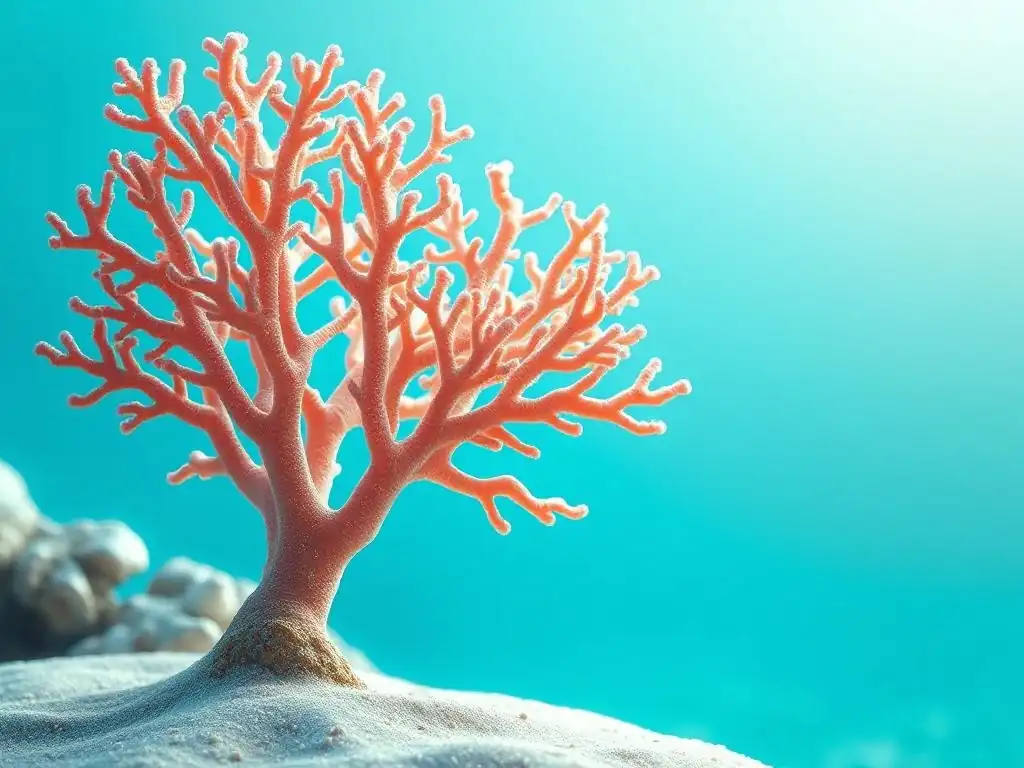
Strategic placement is crucial for optimal Kenya tree coral care and ensuring the long-term health and aesthetic appeal of your colony within the reef aquarium. Due to their moderate light and flow requirements, Kenya Tree Corals generally thrive in the middle to lower sections of the tank. In these areas, they typically receive sufficient, but not overwhelming, light intensity and moderate, indirect water flow that allows for gentle swaying and efficient nutrient exchange without causing stress. Avoid placing them directly under high-intensity lighting or in the path of strong, laminar flow, which can lead to retraction and stress.
Consider their potential for significant growth when choosing a spot. Kenya Tree Corals can grow quite large and branch out extensively, so ensure they have ample space to expand without shading or stinging other corals. A good rule of thumb for Kenya tree coral care is to provide at least 6-12 inches of clearance around them, especially from more aggressive stony corals.
Placing them on a stable rock structure or an elevated frag plug will prevent them from being buried by sand or detritus, which can lead to tissue necrosis at the base. Rotating the coral every few months can also ensure even light exposure and balanced growth, contributing to robust Kenya tree coral health.
Kenya Tree Coral Compatibility: Tank Mates and Aggression Levels
The Kenya Tree Coral is generally considered a peaceful soft coral, making it highly compatible with a wide range of reef tank inhabitants and other coral species. Unlike some aggressive LPS or SPS corals that possess stinging tentacles or sweepers, Capnella corals do not have potent stinging capabilities that pose a significant threat to neighboring corals.
This low aggression level makes them an excellent choice for mixed reef aquariums where various coral types coexist. When considering tank mates, peaceful fish species that do not nip at corals, such as gobies, clownfish, and most tangs, are ideal companions for Kenya tree coral care.
However, while Capnella itself is non-aggressive, it's important to be mindful of its prolific growth and potential for allelopathy, a chemical warfare mechanism. Some soft corals, including Kenya Trees, can release mild toxins into the water to inhibit the growth of competing corals, particularly when crowded or stressed.
Regular water changes and the use of activated carbon in your filtration system are effective strategies in Kenya tree coral care to mitigate these effects, ensuring a healthy environment for all tank inhabitants. Avoid placing Kenya Tree Corals in direct contact with very sensitive SPS corals, or with known coral-nipping fish like certain angelfish or butterflyfish, to prevent any potential issues.
Avoiding Common Placement Mistakes with Capnella
Successful Kenya tree coral care, particularly concerning placement, hinges on avoiding a few common pitfalls that can hinder their growth and health. One frequent mistake is underestimating their growth potential; a small frag can quickly grow into a substantial colony, leading to overcrowding if not given enough initial space. Placing them too close to other corals, especially aggressive stony corals like Euphyllia or Acropora, can result in stinging and tissue damage to the Kenya Tree Coral, despite its resilience. Always provide adequate buffer zones to prevent direct contact.
Another common error is incorrect light or flow positioning. Placing a Kenya Tree Coral directly under very intense lighting, such as at the very top of a tank with high-power LEDs, can lead to bleaching and retraction, as they prefer moderate light. Similarly, direct, strong laminar flow can prevent polyps from extending and stress the coral, while insufficient flow can lead to detritus accumulation and disease.
When planning your Kenya tree coral care, always observe the coral's response to its environment: persistent retraction, browning, or a shriveled appearance are clear indicators that its placement needs adjustment. Proper ventilation and flow around the coral are key to preventing problems.
Kenya Tree Coral Propagation: Fragging for Beginners
Tools and Equipment Needed for Fragging Capnella
Fragging Kenya Tree Corals is a straightforward process, making it an excellent introduction to coral propagation for beginners. To successfully frag Capnella, you'll need a few essential tools and equipment to ensure a clean cut and minimize stress to both the parent colony and the new frag. The primary tool is a sharp, clean cutting instrument, such as a dedicated coral fragging scalpel, a new razor blade, or a very sharp pair of surgical scissors. It's crucial that the tool is sterile to prevent the introduction of bacteria or pathogens into the coral's tissue.
In addition to a cutting tool, you'll need a container of tank water (or newly mixed saltwater at the same parameters) to work over, preventing coral slime from entering your main display tank. A pair of gloves is highly recommended to protect your hands from potential irritants released by the coral and to keep oils from your skin off the coral.
Finally, you will need frag plugs or small pieces of live rock to mount the new frags, and a strong coral-safe adhesive, such as cyanoacrylate gel super glue, which sets quickly in water. Having these items readily available before you begin ensures a smooth and efficient fragging process, contributing to effective Kenya tree coral care and propagation.
Step-by-Step Guide to Fragging Kenya Tree Coral
Fragging a Kenya Tree Coral is one of the easiest propagation methods in reef keeping, ideal for beginners looking to expand their colony or share with others. The process begins by selecting a healthy, well-established branch from the parent colony that is at least 1-2 inches long. Gently remove the chosen branch from the main tank, placing it in a separate container filled with tank water. This minimizes stress and keeps the coral hydrated during the procedure.
Next, using your sharp, sterile scalpel or razor blade, make a clean, swift cut through the base of the selected branch, separating it from the parent colony. Aim for a single, decisive cut to reduce tissue damage. Once the frag is separated, it will likely produce a significant amount of slime—this is normal. You can gently rinse it in the container of tank water.
Finally, apply a small dab of cyanoacrylate gel super glue to the base of the frag and firmly press it onto a frag plug or a small piece of live rock. Hold it in place for 10-30 seconds until the glue sets. Place the newly fragged Kenya tree coral in a low-flow, moderate-light area of your main tank or a dedicated frag tank to recover and attach, ensuring proper Kenya tree coral care for the new frag.
Caring for Kenya Tree Coral Frags: Ensuring Successful Growth
After fragging, proper Kenya tree coral care is essential to ensure the successful attachment and growth of the new frags. The first few days to weeks are critical for recovery. Immediately after fragging, place the new frags in an area of your tank with lower, indirect flow and moderate lighting. This reduced stress environment allows the frag to allocate energy towards healing the cut site and attaching to its new substrate, rather than expending energy on maintaining full polyp extension against strong currents or intense light.
Monitor the frags daily for signs of stress, such as prolonged retraction, browning, or tissue recession. Healthy frags will begin to extend their polyps within a few hours to a day, and you should see signs of attachment to the frag plug within a week or two. Maintain pristine water parameters, as stable conditions are crucial for healing and growth.
Regular, small water changes can help keep nutrient levels low, which is beneficial for new frags. Once the frags show consistent polyp extension and appear firmly attached, they can gradually be moved to their desired, more permanent location in the display tank, following standard Kenya tree coral care guidelines for established colonies.
Common Problems and Solutions in Kenya Tree Coral Care
Identifying and Treating Common Capnella Diseases
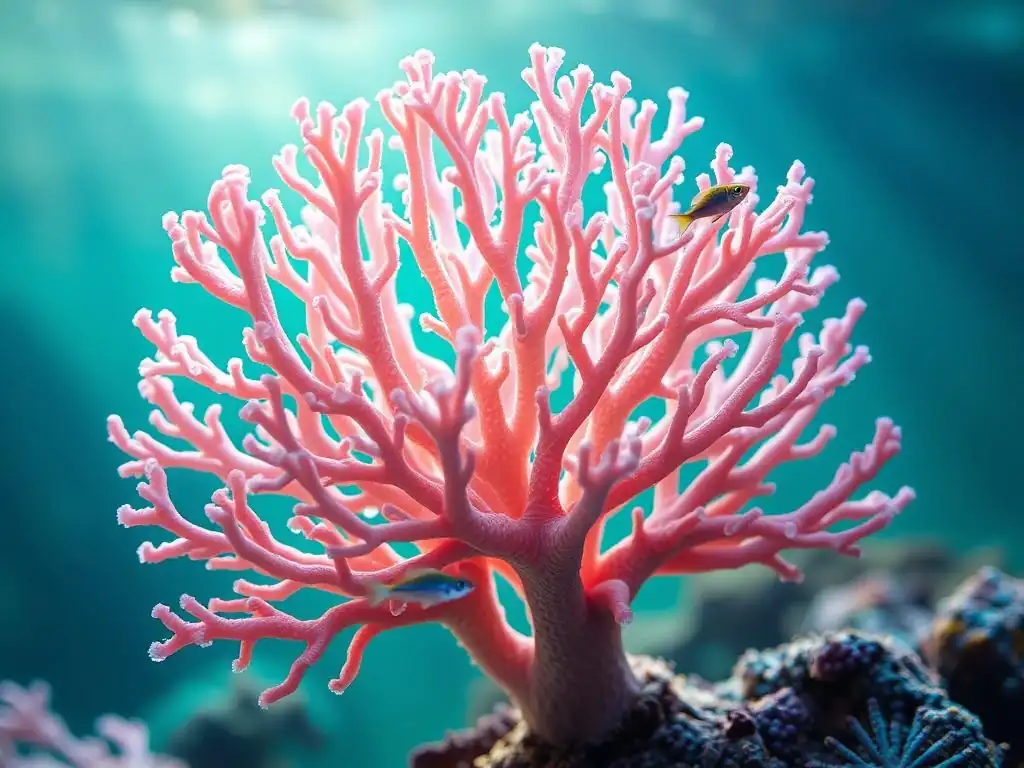
While Kenya Tree Corals are generally hardy, they are not entirely immune to problems and can occasionally exhibit signs of distress or disease, which require prompt Kenya tree coral care. One common issue is tissue recession or melting, often appearing as a gradual loss of tissue starting from the base or tips of the branches. This can be caused by poor water quality, very high nutrient levels, excessive light, or bacterial infections.
If identified early, improving water parameters, increasing water flow, and ensuring optimal lighting can often reverse the recession. In severe cases, a dip in an iodine-based coral dip may help if a bacterial infection is suspected.
Another problem can be persistent non-extension of polyps, which might indicate stress from inappropriate water flow, lighting, or the presence of irritants. If the coral remains retracted for extended periods, check all water parameters meticulously and observe nearby tank inhabitants for aggression. Brown Jelly Disease, though less common in soft corals than LPS, can occur and is characterized by a thick, brown, jelly-like substance covering parts of the coral.
This is highly contagious and usually fatal if not addressed immediately. Affected areas should be siphoned off, and the coral can be given a freshwater or iodine dip as an emergency measure, followed by isolation. Proactive Kenya tree coral care, focusing on stable parameters and cleanliness, is the best defense against these issues.
Dealing with Algae Growth on Kenya Tree Coral
Nuisance algae growth on the surface of Kenya Tree Corals is a common problem that can impede their health and appearance, necessitating specific Kenya tree coral care strategies. Filamentous algae, diatoms, or cyanobacteria can settle on the soft tissue of the coral, especially if water flow is insufficient or nutrient levels (nitrates and phosphates) are elevated. This algae can block light from reaching the coral's zooxanthellae, reducing its ability to photosynthesize, and can also irritate the coral tissue, leading to retraction and potential necrosis if left unchecked.
To combat algae on your Capnella, the first step in Kenya tree coral care is to address the underlying cause: nutrient control. Implement regular, consistent water changes (e.g., 10-20% weekly or bi-weekly) to export excess nitrates and phosphates. Ensure your filtration system, including protein skimmers and media reactors (e.g., GFO for phosphate removal), is functioning optimally.
Increase localized water flow around the affected coral to prevent detritus from settling and to physically dislodge loose algae. Manual removal can also be performed gently by siphoning or carefully brushing the algae off with a soft brush, but be extremely gentle to avoid damaging the coral's delicate tissue. Introducing herbivorous snails or fish (like tangs) can also help manage overall algae levels in the tank.
Addressing Poor Coloration in Your Kenya Tree Coral
Poor coloration in a Kenya Tree Coral, often manifesting as a faded, bleached, or overly brown appearance, is a clear indicator that something in its environment or Kenya tree coral care routine needs adjustment. A bleached appearance (very pale or white) typically suggests excessive light intensity, causing the coral to expel its symbiotic zooxanthellae. Conversely, an overly brown or dull color can indicate insufficient light, where the zooxanthellae are overproducing pigments to capture what little light is available, or it could signal elevated nutrient levels that favor zooxanthellae growth over vibrant coral pigmentation.
To restore vibrant coloration as part of your Kenya tree coral care, first assess and adjust your lighting. If the coral is bleached, lower it in the tank or reduce light intensity (e.g., by lowering PAR or dimming LEDs) gradually over several days. If it's too brown, slowly move it to a brighter spot. Next, evaluate your water parameters, particularly nitrates and phosphates.
High nutrient levels can contribute to a dull appearance; regular water changes, effective skimming, and nutrient export methods are crucial. Finally, ensure the coral is receiving adequate, moderate water flow and consider supplemental feeding with coral-specific foods, which can sometimes enhance color vibrancy by providing essential trace elements and nutrients. Consistent monitoring and small, incremental adjustments are key to achieving optimal Kenya tree coral health and color.
Preventing Issues with Kenya Tree Corals: Proactive Care Tips
Regular Water Changes and Their Impact on Capnella Health
Regular water changes are arguably the most fundamental and impactful aspect of proactive Kenya tree coral care, serving as a cornerstone for maintaining a healthy and stable reef environment. Performing routine water changes, typically 10-20% of the tank volume every one to two weeks, helps to replenish essential trace elements that corals consume, such as calcium, alkalinity, and magnesium. More importantly, water changes export accumulated nitrates, phosphates, and other dissolved organic compounds that can become toxic to corals at high concentrations.
By consistently removing these waste products and replenishing beneficial elements, water changes prevent the buildup of undesirable substances that can lead to algae outbreaks, coral stress, and disease. This practice directly contributes to the vibrant color, full polyp extension, and robust growth of your Kenya Tree Coral. Neglecting water changes can lead to fluctuating water parameters, nutrient spikes, and overall instability, which are primary stressors for Capnella. Therefore, incorporating regular water changes into your Kenya tree coral care routine is a simple yet profoundly effective way to ensure long-term success and prevent a myriad of potential issues.
Monitoring Water Parameters for Early Problem Detection
Diligent and consistent monitoring of water parameters is a crucial proactive measure in Kenya tree coral care, enabling early detection of potential problems before they escalate into serious issues. Regularly testing key parameters such as salinity, temperature, alkalinity, calcium, magnesium, nitrates, and phosphates provides a clear snapshot of your tank's health and helps identify trends. For instance, a gradual drop in alkalinity might indicate insufficient dosing or high consumption, signaling a need for adjustment before the coral experiences stress.
Establishing a routine testing schedule, such as weekly or bi-weekly, allows you to catch subtle deviations from ideal ranges. For example, if your nitrates begin to climb above 10-20 ppm, you know it's time to increase water changes or evaluate your feeding habits before nuisance algae appear on your Kenya Tree Coral.
Many successful reef keepers log their test results, which helps them identify patterns and correlate parameter shifts with coral behavior or appearance. This proactive approach to Kenya tree coral care empowers you to make informed adjustments to your husbandry practices, preventing stress and maintaining a stable environment conducive to thriving Capnella colonies.
Quarantine Procedures for New Corals Before Adding to Your Tank
Implementing a strict quarantine procedure for all new corals, including Kenya Tree Corals, before introducing them to your main display tank is one of the most vital proactive Kenya tree coral care tips. This practice significantly reduces the risk of introducing pests, parasites, or diseases that can devastate an established reef ecosystem. Many common coral pests, such as nudibranchs, flatworms, or parasitic snails, are notoriously difficult to eradicate once they are in the main tank, and they often hitchhike on seemingly healthy new corals.
A dedicated quarantine tank (QT) does not need to be large or elaborate; a simple 10-20 gallon tank with a heater, small powerhead for circulation, and a light is sufficient. New Kenya Tree Corals should spend at least 2-4 weeks in the QT. During this period, observe them closely for any signs of pests or disease.
Perform regular coral dips (e.g., iodine or commercial coral dips) according to product instructions to eliminate external parasites. This proactive Kenya tree coral care step, though requiring patience, is an invaluable safeguard that protects your existing corals and ensures the long-term health and stability of your entire reef aquarium.
Choosing the Right Kenya Tree Coral for Your Aquarium
Factors to Consider When Selecting a Capnella Specimen
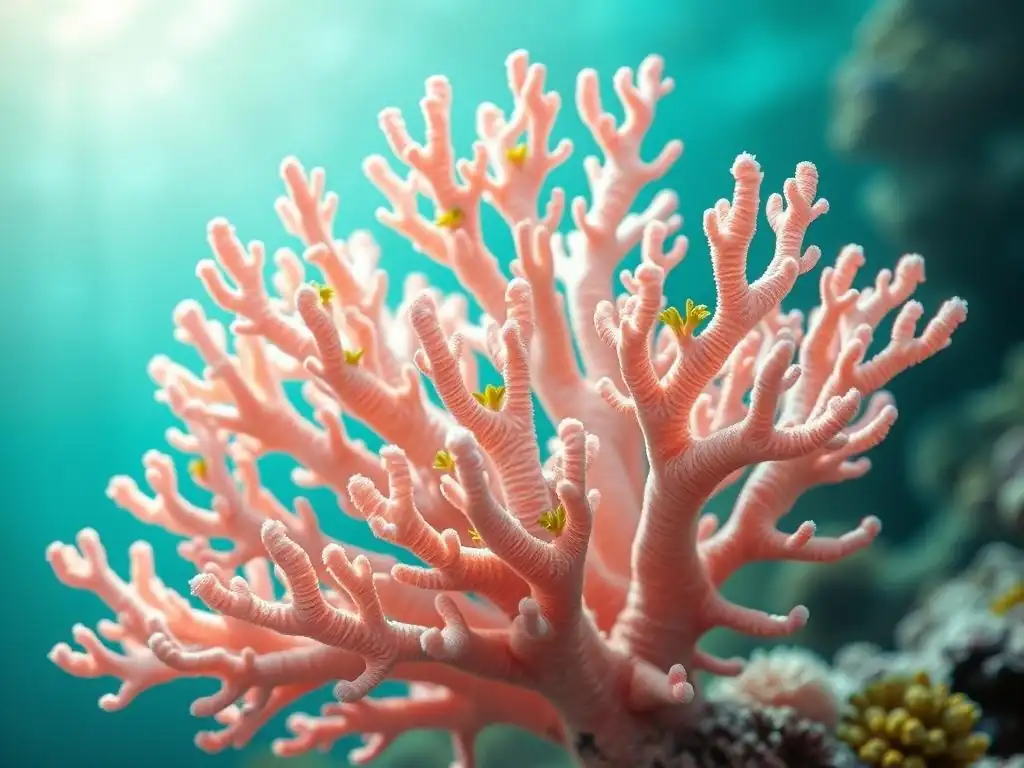
When selecting a Kenya Tree Coral for your aquarium, several factors should be carefully considered to ensure you bring home a healthy specimen that will thrive under your Kenya tree coral care. First, observe its overall appearance: a healthy Capnella will have a full, turgid (firm, not deflated) appearance with good polyp extension. Its coloration should be consistent and vibrant for its species, without any signs of bleaching, browning, or necrosis (dead tissue). Avoid corals that appear shriveled, excessively slimy, or have visible damage.
Second, consider the size of the specimen relative to your tank. While Kenya Trees grow quickly, starting with a manageable frag allows you to watch it grow and plan its placement. Ask the vendor about the coral's history, including its lighting and flow conditions in their system, as this can help you acclimate it more smoothly to your tank.
Finally, inspect the frag plug or rock it's attached to for any signs of nuisance algae, pests (like aiptasia or majano anemones), or other unwanted hitchhikers. A thorough inspection is a critical part of ensuring you acquire a healthy Kenya Tree Coral that will flourish with proper Kenya tree coral care.
Identifying Healthy Kenya Tree Corals at Your Local Fish Store
Identifying a healthy Kenya Tree Coral at your local fish store is key to successful Kenya tree coral care once it's in your home aquarium. Start by observing the coral's general posture in the display tank. A healthy specimen will typically be fully extended, with its branches and polyps open and swaying gently in the current. If the coral is retracted, shriveled, or appears deflated, it might be stressed from poor water quality, inadequate lighting, or recent handling. While some retraction is normal during handling, persistent retraction in the store tank is a red flag.
Examine the coral's base and tissue for any signs of damage, disease, or pests. Look for clean tissue without any white patches (indicating tissue loss), dark spots (which could be necrosis), or excessive slime. Check the frag plug or rock it's mounted on for unwanted hitchhikers like bubble algae, flatworms, or small anemones.
A vibrant, consistent color for the specific morph (e.g., a rich brown, green, or pink) without any signs of bleaching or an unnatural dullness is also a good indicator of health. Don't hesitate to ask store staff about their Kenya tree coral care practices and how long the coral has been in their system; a coral that has been stable for a few weeks is generally a better choice.
Where to Buy Kenya Tree Corals Online: Reputable Vendors
Purchasing Kenya Tree Corals online can be a convenient way to access a wider variety of sizes and colors, but it requires careful selection of reputable vendors to ensure you receive healthy specimens. A reputable online vendor for Kenya tree coral care will prioritize the health of their livestock, use proper packaging for shipping, and offer clear guarantees. Look for vendors with extensive positive reviews from other reef hobbyists, particularly those mentioning the health and quality of their soft corals. Websites or forums dedicated to reef keeping often have community-driven lists of recommended online suppliers.
When evaluating an online store, check their shipping policies, including live arrival guarantees and how they handle delays or damaged shipments. A good vendor will typically use insulated boxes, heat or cold packs as needed, and fast shipping methods to minimize stress on the coral. Review their coral photography; ideally, they should use unedited photos taken under standard reef lighting.
Finally, consider their customer service—a vendor that is responsive to questions about Kenya tree coral care, acclimation, and potential issues demonstrates a commitment to their customers and the livestock they sell. Prioritizing these factors will significantly increase your chances of a successful online Kenya Tree Coral purchase.
Advanced Kenya Tree Coral Care: Optimizing Growth and Color
Supplementing Water Chemistry for Enhanced Coloration
While Kenya Tree Corals are generally hardy and don't demand extensive dosing, advanced Kenya tree coral care can involve targeted supplementation to truly optimize their growth and enhance their coloration. Beyond maintaining stable alkalinity, calcium, and magnesium, some hobbyists find benefits from adding trace elements that are naturally depleted in reef aquariums. Elements like iodine, strontium, and various other trace minerals play subtle but important roles in coral metabolic processes, including the production of pigments and overall vitality.
Commercial trace element supplements specifically formulated for soft corals can be dosed according to manufacturer instructions. However, it's crucial to exercise caution and test regularly, as over-dosing can be detrimental. Many experienced aquarists find that consistent, large water changes with high-quality salt mix provide sufficient trace elements for Kenya Trees.
For enhanced coloration, ensuring very low nitrate and phosphate levels (near undetectable for nitrates, 0.03 ppm or less for phosphates) can often lead to brighter, more vibrant colors by reducing the density of zooxanthellae in the coral tissue, allowing the coral's natural pigmentation to show through more prominently. This nuanced approach to water chemistry is a hallmark of advanced Kenya tree coral care.
Optimizing Lighting Schedules for Maximum Growth
For advanced Kenya tree coral care focused on maximizing growth, optimizing your lighting schedule and spectrum can yield significant results. While Kenya Trees tolerate a range of light intensities, fine-tuning their exposure can boost their photosynthetic efficiency. Typically, a photoperiod of 10-12 hours is sufficient for most corals. However, experimenting with a slightly longer photoperiod, such as 12-14 hours, while closely monitoring the coral's response, might encourage faster growth, provided the intensity is appropriate.
Beyond duration, the spectral composition of your lighting also plays a role. While Capnella will grow under various spectra, a balanced spectrum with peaks in blue (450-470nm) and white light (around 10,000K-20,000K) is generally ideal for promoting both growth and good coloration.
Some advanced hobbyists use moonlight cycles or very low intensity blue light during the "off" hours to mimic natural reef conditions, though the direct impact on Kenya tree coral care and growth from this is often debated. The key is to make gradual adjustments and observe your coral's reaction; optimal growth is indicated by rapid tissue expansion and consistent polyp extension.
Managing Nutrient Levels for a Balanced Reef Ecosystem
Effective nutrient management is a cornerstone of advanced Kenya tree coral care, critical not only for the health of Capnella but for the entire reef ecosystem. While soft corals like Kenya Trees can tolerate slightly higher nutrient levels than sensitive SPS corals, maintaining consistently low levels of nitrates (ideally under 10 ppm, preferably under 5 ppm) and phosphates (under 0.05 ppm, ideally 0.03 ppm or less) prevents nuisance algae outbreaks and promotes vibrant coral coloration. High nutrient levels can lead to a "dirty" tank appearance and cause Kenya Trees to brown out due to an overabundance of zooxanthellae.
Advanced strategies for nutrient management include employing robust protein skimming, which effectively removes dissolved organic compounds before they break down into nitrates and phosphates. Utilizing biological filtration methods like refugiums with macroalgae (e.g., Chaetomorpha) or biopellets can help export nitrates. Regular use of activated carbon and GFO (granular ferric oxide) in media reactors can chemically absorb phosphates and other organics.
Additionally, controlling feeding habits, not overstocking the tank, and performing consistent water changes are fundamental. By diligently managing nutrient levels, you create a stable, clean environment that optimizes the health, growth, and aesthetic appeal of your Kenya Tree Coral and the entire reef.
Kenya Tree Coral: A Beginner-Friendly Coral for Reef Aquariums
Why Capnella is Ideal for New Reef Keepers
The Kenya Tree Coral, or Capnella, stands out as an exceptionally ideal choice for new reef keepers due to its remarkable hardiness, forgiving nature, and ability to thrive in a wide range of conditions. Unlike many other coral species that demand precise water parameters and strict stability, Capnella is more tolerant of minor fluctuations in salinity, temperature, and nutrient levels, providing a valuable buffer for beginners who are still learning the intricacies of reef tank husbandry. This resilience significantly reduces the stress associated with maintaining a first reef tank, increasing the likelihood of early success.
Furthermore, its rapid growth rate and ease of propagation make it incredibly rewarding. New reef keepers can quickly see their Kenya Tree Coral frag transform into a sizable colony, offering a tangible sense of accomplishment. The ability to easily frag and share or trade pieces also introduces them to the social and sustainable aspects of the hobby.
Its relatively low lighting and flow requirements mean it can thrive in less elaborate setups, making the initial investment more manageable. All these factors combine to make Kenya tree coral care an excellent entry point into the fascinating world of soft corals and reef keeping.
Setting Up a Reef Tank Specifically for Kenya Tree Corals
While Kenya Tree Corals are adaptable, setting up a reef tank specifically with their needs in mind can optimize their growth and ensure long-term success, making Kenya tree coral care even more straightforward. A tank size of 20 gallons or larger is suitable for a single frag, but considering their prolific growth, a 40-gallon breeder or larger offers ample space for multiple colonies or a mixed soft coral display. Ensure stable water parameters are maintained from the outset, aiming for salinity 1.025-1.026 SG, temperature 75-80°F (24-27°C), and consistent alkalinity (8-12 dKH).
For lighting, a moderate output LED fixture or T5 fluorescent lights are excellent choices, providing the necessary PAR without being overly intense. Aim for PAR levels in the 50-150 range, and consider a light with adjustable intensity for fine-tuning. Water flow should be moderate and turbulent, avoiding direct blasts.
A single powerhead or two smaller ones creating opposing flows can create ideal conditions. A protein skimmer, live rock, and a sand bed will provide essential biological filtration and nutrient export. By designing the tank around these moderate requirements, you create an environment where Kenya tree coral care is simplified, allowing them to flourish with minimal intervention.
Long-Term Success with Kenya Tree Coral: Maintaining a Thriving Colony
Achieving long-term success with Kenya Tree Corals and maintaining a thriving colony hinges on consistent, proactive Kenya tree coral care and a commitment to stability. Once established, these corals are quite resilient, but their continued health relies on a stable environment. Regular water changes (e.g., 10-20% bi-weekly) are paramount for replenishing trace elements and exporting accumulated waste products. Consistent monitoring of water parameters (salinity, alkalinity, calcium, nitrates, phosphates) allows for timely adjustments before issues arise.
Beyond water quality, managing their rapid growth is key to preventing overcrowding and potential allelopathy in a mixed reef. Regular fragging not only helps manage colony size but also provides opportunities for propagation and sharing within the hobby. Ensure that the Kenya Tree Coral continues to receive adequate, moderate water flow and appropriate lighting as it grows and potentially shades itself.
Addressing any signs of stress or disease promptly, such as persistent retraction or tissue loss, is crucial. By adhering to these principles of consistent water quality, thoughtful growth management, and responsive Kenya tree coral care, your Capnella colony can remain a vibrant and dynamic centerpiece in your reef aquarium for years to come.
Frequently Asked Questions
What makes the Kenya Tree Coral a good choice for beginners?
Kenya Tree Corals are popular due to their hardiness and tolerance of less-than-perfect water conditions. They are also known for their rapid growth, making them a rewarding addition to a reef tank.
What are the ideal water parameters for Kenya Tree Coral care?
While tolerant, Kenya Tree Corals thrive in stable water conditions. Aim for a temperature of 72-78°F (22-26°C), salinity of 1.024-1.026 specific gravity, and a pH of 8.1-8.4.
How much lighting do Kenya Tree Corals need?
Kenya Tree Corals are relatively forgiving regarding lighting. They generally prefer moderate lighting. Too much light can cause them to bleach, while too little can hinder their growth.
What type of flow is best for Kenya Tree Corals?
They benefit from moderate and turbulent water flow. This helps to prevent detritus from settling on the coral and provides them with the necessary nutrients.
What should I do if my Kenya Tree Coral is shedding a waxy film?
Shedding a waxy film is a natural process for Kenya Tree Corals. It's a way for them to remove algae and irritants. Make sure there is adequate flow in the tank to help them shed properly.
Final Reflection: The Enduring Appeal of Simplicity
The allure of the aquarium hobby often lies in the exotic and the complex, yet the enduring popularity of the Kenya Tree Coral, as we've explored, highlights the enduring appeal of simplicity and accessibility in reef keeping. Its prolific growth and relatively undemanding care requirements make it a gateway coral, welcoming newcomers and reminding seasoned aquarists that beauty doesn't always require intricate management.
The Kenya Tree Coral's widespread presence in home aquariums underscores its significant impact on the reefing community. Its resilience and ease of propagation have democratized the hobby, allowing more people to experience the wonder of coral keeping. This accessibility fosters a deeper appreciation for marine ecosystems and encourages responsible stewardship. In the end, we will conserve only what we love; we will love only what we understand; and we will understand only what we are taught.
- Baba Dioum. The Kenya Tree Coral, in its unassuming way, teaches us to love and understand the delicate balance of the reef.
As you consider the information shared about Kenya Tree Coral care, I invite you to reflect on the broader implications of accessibility and sustainability in all aspects of your life. Just as this coral thrives with simple care, consider where you can simplify your own routines, reduce your environmental impact, and cultivate a deeper connection with the natural world. Embrace the beauty of simplicity, and you might be surprised at the abundance that unfolds.
Ignite Your Reef Tank's Beauty: Embrace the Kenya Tree!
Thanks for diving into the captivating world of Kenya Tree Corals! We hope you've discovered how easily these fast-growing beauties can transform your aquarium into a vibrant underwater paradise. Now, let's put that knowledge into action!
- Start propagating! Take the plunge and frag your Kenya Tree Coral to share its beauty or expand your own reef.
- Share your Kenya Tree Coral success stories and photos in the comments below. Help other hobbyists learn from your experience!
- Explore related beginner-friendly corals to create a thriving, diverse reef ecosystem.
What unique aquascaping idea will you use to showcase your growing Kenya Tree Coral colony?