
Decoding SPS Polyp Extension: A Key Visual Indicator of Coral Health and Happiness

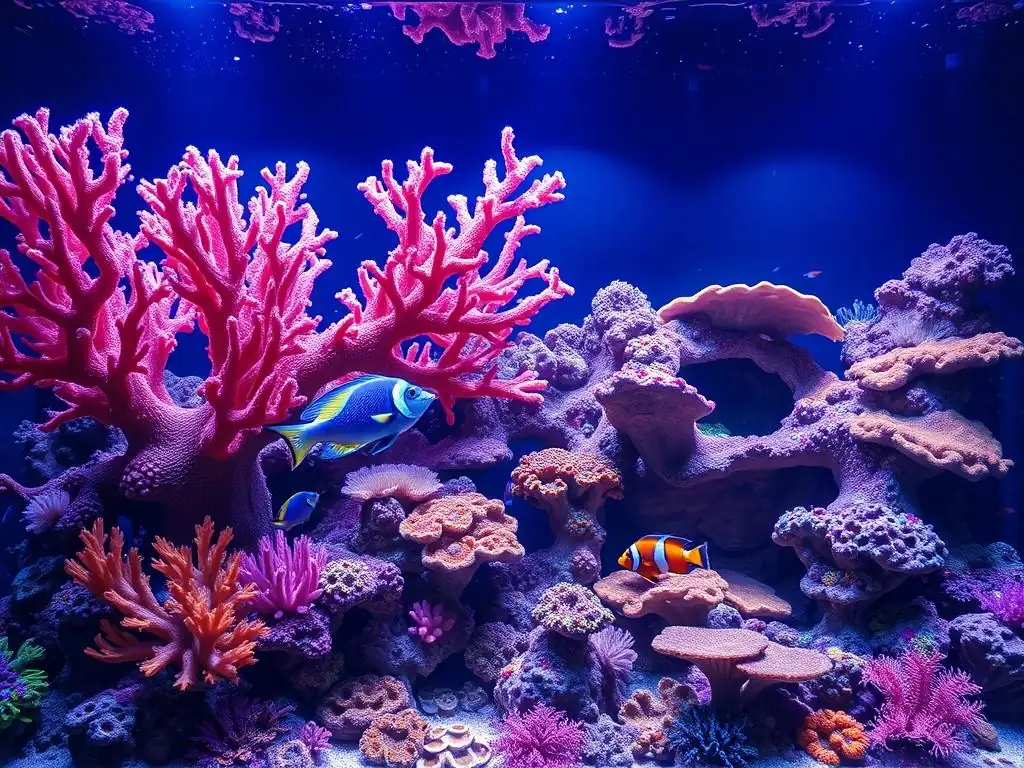
Welcome to Aquarium Mastery!
Ever wondered what your SPS coral is really trying to tell you? Dive into our latest article, " Decoding SPS Polyp Extension: A Key Visual Indicator of Coral Health and Happiness," and unlock the secrets hidden within those tiny polyps. Learn how to interpret the subtle signs of a thriving reef and ensure your SPS corals are not just surviving, but flourishing. Intrigued? Let's explore the fascinating world of coral communication together!
- Decoding SPS Coral Polyp Extension: A Key Visual Indicator of Coral Health and Happiness
- Understanding SPS Coral Polyp Extension
- Factors Influencing SPS Coral Polyp Extension
- Identifying Healthy vs. Unhealthy SPS Coral Polyp Extension
- Troubleshooting Poor SPS Coral Polyp Extension
- Promoting Optimal SPS Coral Polyp Extension: Best Practices
- Advanced Techniques for Maximizing SPS Coral Polyp Extension
- Conclusion: Mastering SPS Coral Polyp Extension for a Thriving Reef Aquarium
-
Frequently Asked Questions
- What is SPS coral polyp extension, and why is it important?
- How does water chemistry affect SPS coral polyp extension?
- What are some common signs that my SPS coral is not extending its polyps properly?
- Can lighting influence SPS coral polyp extension?
- What feeding strategies can promote better SPS coral polyp extension?
- Final Reflection: Embracing the Language of Coral
- Ignite Your Reef: Cultivate Thriving SPS Colonies!
Decoding SPS Coral Polyp Extension: A Key Visual Indicator of Coral Health and Happiness
Understanding SPS Coral Polyp Extension
What is SPS Coral Polyp Extension and Why Does it Matter?
SPS coral polyp extension refers to the visible protrusion of the tiny, tentacled structures, known as polyps, from the coral's calcium carbonate skeleton. These polyps are the living part of the coral, responsible for capturing food, gas exchange, and waste removal. When observing a healthy SPS (Small Polyp Stony) coral like an Acropora or Montipora, a full and consistent polyp display makes the coral appear "fuzzy" or "hairy," often extending several millimeters from the main body.
This visual characteristic is not merely aesthetic; it is a primary and immediate indicator of the coral's overall health and happiness. Robust SPS coral polyp extension signifies that the coral is comfortable in its environment, actively feeding, and efficiently carrying out its metabolic processes. Conversely, retracted or pinched polyps are often the first sign of stress, nutrient deficiencies, or environmental imbalances, making the observation of SPS coral polyp extension an essential diagnostic tool for reef aquarists.
The Role of Polyps in SPS Coral Health
The polyps of SPS corals play several critical roles that are fundamental to their survival and growth. Primarily, they are the coral's feeding apparatus, equipped with nematocysts (stinging cells) to capture microscopic food particles such as zooplankton, phytoplankton, and detritus from the water column. While SPS corals derive a significant portion of their energy from their symbiotic zooxanthellae algae through photosynthesis, heterotrophic feeding via their polyps provides essential nutrients, particularly amino acids and fatty acids, that are crucial for tissue growth, vibrant coloration, and overall vitality.
Beyond feeding, polyps are also vital for respiration and waste removal. They facilitate the exchange of oxygen and carbon dioxide, and help expel metabolic byproducts. Furthermore, the extension of polyps maximizes the surface area exposed to light, optimizing the photosynthetic efficiency of the zooxanthellae residing within the coral tissue. Therefore, healthy and active SPS coral polyp extension directly supports the coral's ability to acquire energy, maintain physiological balance, and build its intricate skeleton.
Polyp Extension as a Window into Coral Well-being
Observing SPS coral polyp extension offers aquarists an invaluable, real-time window into the well-being of their reef inhabitants. A coral displaying full, consistent, and active polyp extension is typically thriving, indicating that water parameters are stable, lighting is appropriate, and water flow is adequate. For instance, a healthy Acropora millepora might exhibit polyps extended so densely that the underlying skeleton is barely visible, giving it a soft, almost cloud-like appearance.
Conversely, any reduction or inconsistency in SPS coral polyp extension often signals an underlying issue. This could manifest as polyps being partially retracted, appearing "pinched," or only extending in certain areas of the colony. This early warning sign can precede more severe symptoms like tissue recession or bleaching, allowing aquarists to intervene promptly. For example, if a previously fluffy Montipora digitata suddenly appears smooth or "bald," it's a clear signal to investigate potential stressors before irreversible damage occurs.
Factors Influencing SPS Coral Polyp Extension
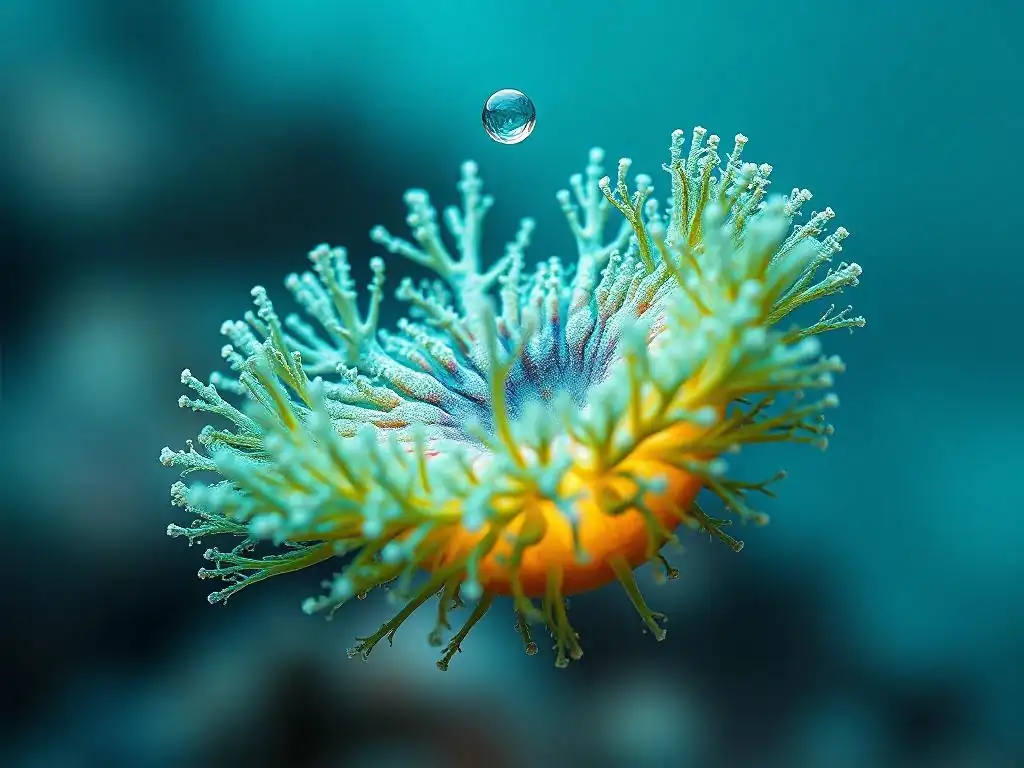
Water Quality Parameters and Polyp Extension
Stable and optimal water quality parameters are the cornerstone of successful SPS coral husbandry and directly impact SPS coral polyp extension. Any significant fluctuation or deviation from ideal ranges can stress corals, leading to retraction and diminished health.
The Impact of Alkalinity on SPS Polyp Extension
Alkalinity, often measured in dKH (degrees of carbonate hardness), refers to the water's buffering capacity and is crucial for the calcification process, where corals build their skeletons. For most SPS corals, an alkalinity range of 7-9 dKH is considered ideal, with many advanced aquarists aiming for a stable 8-8.5 dKH. When alkalinity levels drop too low (e.g., below 6.5 dKH) or fluctuate rapidly (e.g., more than 1 dKH in 24 hours), corals expend significant energy to maintain their internal pH balance, leading to stress.
This stress often manifests as immediate retraction of SPS coral polyps. For example, a sudden drop in alkalinity from 8.0 dKH to 6.0 dKH due to equipment malfunction can cause Acropora polyps to retract significantly within a few hours, appearing "pinched" or completely hidden. Consistent and stable alkalinity, maintained through regular dosing or a calcium reactor, ensures that corals have the necessary building blocks and energy reserves to fully extend their polyps and grow.
Calcium and Magnesium Levels: Essential for Coral Growth and Polyp Health
Calcium and magnesium are two other vital macronutrients for SPS coral growth and the maintenance of robust SPS coral polyp extension. Calcium is the primary component of the coral skeleton, with ideal levels typically ranging from 400-450 ppm. Magnesium, usually maintained at 1250-1350 ppm, plays a crucial role in stabilizing alkalinity and ensuring the proper uptake and utilization of calcium by the coral.
Deficiencies in either element can impede calcification, weaken the coral's skeletal structure, and reduce the energy available for polyp extension. For instance, if calcium levels fall below 380 ppm for an extended period, Stylophora species may exhibit noticeably reduced polyp extension and a slower growth rate. Similarly, low magnesium can lead to unstable alkalinity, which in turn stresses corals and causes polyps to retract. Maintaining these elements within their optimal ranges ensures corals have the structural integrity and metabolic efficiency to display healthy polyp extension.
Nitrate and Phosphate Management for Optimal Polyp Extension
While nitrates and phosphates are essential nutrients in trace amounts, elevated levels can be detrimental to SPS corals and inhibit SPS coral polyp extension. For most SPS tanks, nitrates are ideally kept below 10 ppm, with many aiming for less than 5 ppm, and phosphates are typically maintained below 0.05 ppm, often striving for less than 0.02 ppm. High levels of these nutrients can encourage the proliferation of zooxanthellae within the coral tissue, leading to "browning out," where the coral loses its vibrant coloration due to an excess of symbiotic algae.
This overpopulation of zooxanthellae can shade the coral tissue, reducing light penetration and stressing the coral, which in turn causes polyps to retract. For example, a sudden spike in phosphate to 0.2 ppm due to overfeeding or decaying organic matter can cause Acropora and Montipora polyps to retract noticeably within a day or two as the coral reacts to the altered internal environment. Effective nutrient export strategies, such as regular water changes, refugiums, and GFO (granular ferric oxide) reactors, are crucial for maintaining low nutrient levels and promoting optimal SPS coral polyp extension.
Lighting's Influence on SPS Coral Polyp Extension
Light is the primary energy source for SPS corals through their symbiotic zooxanthellae algae, and both the intensity and spectrum of light significantly influence SPS coral polyp extension.
PAR (Photosynthetically Active Radiation) and Polyp Behavior
PAR, or Photosynthetically Active Radiation, measures the amount of light available for photosynthesis. Different SPS coral species have varying PAR requirements. For example, many Acropora species thrive in higher PAR environments, typically ranging from 250-450 PAR, while some Montipora species may be content with 150-300 PAR. However, extremes in PAR can negatively impact SPS coral polyp extension.
If PAR is too low, corals may "stretch" their polyps, making them appear elongated and stringy, in an attempt to capture more light. Conversely, if PAR is too high, corals may retract their polyps to protect their zooxanthellae from photoinhibition or bleaching, which is a severe stress response. For instance, moving an Acropora frag from an area with 300 PAR to one with 600 PAR might cause its polyps to retract significantly within hours as it attempts to acclimate or protect itself. Gradual acclimation to new lighting conditions is crucial to prevent such stress responses.
Light Spectrum and its Effect on Polyp Expansion
Beyond intensity, the spectrum of light also plays a vital role in SPS coral health and SPS coral polyp extension. Blue light, particularly in the 450-470nm range, is highly effective for zooxanthellae photosynthesis and is often associated with enhanced coral coloration and polyp "pop." While a full spectrum light with a balance of blue, white, and other colors is generally preferred, the specific ratios can influence polyp behavior.
Some aquarists observe that their SPS corals display more robust and consistent polyp extension under a predominantly blue spectrum compared to a very white or high Kelvin spectrum, even at similar PAR levels. This is partly due to the efficiency of photosynthesis under blue light and potentially the coral's natural response to light conditions found at deeper reef depths. Experimenting with different spectrum settings on programmable LED fixtures, while carefully observing SPS coral polyp extension, can help fine-tune lighting for optimal coral health and visual appeal.
Flow and its Relationship to SPS Polyp Extension
Water movement, or flow, is as critical as light and water chemistry for the health and robust SPS coral polyp extension of SPS corals. It facilitates nutrient delivery and waste removal.
The Importance of Adequate Water Movement for Nutrient Delivery
Adequate and turbulent water movement is paramount for SPS corals because it ensures the constant delivery of food particles (like plankton and detritus) to the polyps, allowing them to effectively capture nutrients. Simultaneously, flow is essential for removing metabolic waste products, such as oxygen and carbon dioxide, from the coral's immediate vicinity. Stagnant water around a coral can lead to a buildup of waste and a depletion of oxygen, creating a localized hostile environment.
Insufficient flow directly impacts SPS coral polyp extension; polyps may retract due to a lack of available food or a toxic accumulation of waste. Furthermore, laminar (unidirectional) flow can cause tissue recession on one side of a coral colony as the constant blast of water prevents polyps from extending and feeding effectively on that side. For example, an Acropora colony placed in an area with poor water circulation, such as behind dense rockwork, might exhibit polyps only extended on the side facing the limited flow, with the other side appearing bare.
Avoiding Dead Spots: Ensuring Consistent Polyp Extension
"Dead spots" are areas within the aquarium where water movement is minimal or non-existent. These zones are detrimental to SPS corals because they allow waste products to accumulate and prevent food particles from reaching the polyps. In dead spots, corals are starved of essential nutrients and subjected to a buildup of harmful byproducts, leading to localized retraction of SPS coral polyp extension, tissue loss, and even necrosis over time.
To promote consistent and full SPS coral polyp extension across entire colonies, it is crucial to eliminate dead spots. This can be achieved through strategic placement of powerheads and wavemakers, aiming to create chaotic, multidirectional, and turbulent flow patterns that reach all parts of the reef. For instance, a common issue is a dead spot forming at the base of a large Montipora colony, leading to reduced polyp extension and potentially tissue loss in that specific area due to insufficient flow. Achieving a dynamic and varied flow regime mimics natural reef conditions and encourages robust polyp display.
The Role of Trace Elements and Supplements in Enhancing Polyp Extension
Beyond the major parameters, trace elements and various supplements can play a significant role in enhancing SPS coral polyp extension and overall vitality. These elements are consumed by corals and bacteria during various metabolic processes.
Trace elements such as iodine, strontium, potassium, and boron are utilized by corals in skeletal formation, enzyme function, and the synthesis of organic compounds. While regular water changes replenish some of these, heavily stocked SPS tanks may deplete them faster. Deficiencies, even minor ones, can subtly impact SPS coral polyp extension and overall coral health, leading to less vibrant colors or slightly retracted polyps over time.
Supplements like amino acids and specialized coral foods (e.g., phytoplankton, zooplankton) directly contribute to the coral's nutritional needs, which in turn supports robust polyp extension. Amino acids are the building blocks of proteins and can significantly enhance coral tissue growth and coloration.
Many aquarists report a noticeable increase in the "fluffiness" and feeding response of SPS coral polyps after consistent dosing of a high-quality amino acid blend. For example, daily dosing of 1-2 ml per 100 gallons of a reputable amino acid supplement can lead to visibly fuller Acropora polyp extension within a few weeks, indicating increased metabolic activity and tissue health.
Identifying Healthy vs. Unhealthy SPS Coral Polyp Extension
Recognizing the visual cues of healthy and unhealthy SPS coral polyp extension is fundamental to proactive reef keeping.
Recognizing Signs of Good Polyp Extension
Healthy SPS coral polyp extension is a clear indicator of a thriving coral and a stable aquarium environment.
Full and Consistent Polyp Display: A Positive Indicator
When an SPS coral is healthy and happy, its polyps will be fully extended, giving the coral a lush, "hairy," or "fuzzy" appearance. This full display should be consistent across the entire colony, with no patchy or localized retraction. For instance, a thriving Acropora hyacinthus might display polyps extended by 3-5mm, creating a dense, flowing texture that obscures the underlying skeleton.
Furthermore, healthy polyps will often show gentle movement in the current, actively "fishing" for food particles. This consistent and active SPS coral polyp extension indicates that the coral is efficiently performing its metabolic functions, capturing nutrients, and maintaining its symbiotic relationship with zooxanthellae. It's a sign that the coral is comfortable, stress-free, and actively growing.
Vibrant Colors and Polyp Extension: A Correlation
There is a strong correlation between vibrant coloration and healthy SPS coral polyp extension. When SPS corals are thriving, their colors are often stable, intense, and true to their species. This vibrancy is a reflection of the coral's overall physiological well-being, including optimal zooxanthellae density and the production of protective and chromatic proteins.
Reduced polyp extension often precedes a decline in color, such as browning out (due to excess zooxanthellae from high nutrients) or bleaching (due to stress causing zooxanthellae expulsion). For example, a Stylophora pistillata displaying bright pink tips and fully extended, almost white polyps is a strong sign of excellent health. Conversely, if the same coral's polyps retract and its color dulls, it immediately signals a potential issue, indicating that the coral is under stress and its metabolic processes are compromised.
Identifying Causes of Poor SPS Coral Polyp Extension
When SPS coral polyp extension diminishes, it's a clear sign that something is amiss in the aquarium. Understanding common stressors is crucial for diagnosis.
Common Stressors that Inhibit Polyp Extension
Numerous factors can cause polyps to retract. The most frequent culprits include sudden shifts or prolonged instability in water parameters, such as alkalinity, calcium, magnesium, salinity, and temperature. For example, a temperature spike above 82°F (27.8°C) can cause rapid and widespread retraction of SPS coral polyp extension across multiple colonies. High levels of nitrates and phosphates can also lead to "browning out" and reduced extension, as the coral becomes stressed by an imbalance in its symbiotic algae.
Inadequate or excessive lighting can also stress corals, leading to retraction; too little light can starve them, while too much can cause photoinhibition. Similarly, improper water flow—either too weak, leading to waste buildup and nutrient starvation, or too strong and laminar, causing tissue damage—will inhibit polyp extension. Furthermore, the presence of pests like Acropora eating flatworms (AEFW) or red bugs directly irritates and consumes polyps, leading to localized retraction and tissue loss. Even new additions to the tank, such as fish or other corals, can introduce stress or aggression that impacts polyp display.
Recognizing Signs of Coral Disease Through Reduced Polyp Extension
Reduced SPS coral polyp extension can also be an early and critical indicator of coral disease. Conditions like Rapid Tissue Necrosis (RTN) or Slow Tissue Necrosis (STN) often begin with the polyps retracting and appearing "pinched" before the tissue rapidly or slowly peels away, exposing the stark white skeleton underneath. For instance, if an Acropora colony suddenly exhibits a section with completely retracted polyps, followed by stark white skeleton appearing within 24-48 hours, it's a strong indicator of RTN.
Bacterial infections can also cause patchy or systemic polyp retraction and tissue loss. Pest infestations, while not strictly diseases, mimic disease symptoms; AEFW leave characteristic "bite marks" and cause polyps to retract from the affected area, often leading to complete loss of polyp extension in patches. Diligent observation for these specific patterns of retraction, combined with other visual cues like discoloration or slime production, is essential for early diagnosis and intervention to prevent the spread of disease or complete colony loss.
Troubleshooting Poor SPS Coral Polyp Extension
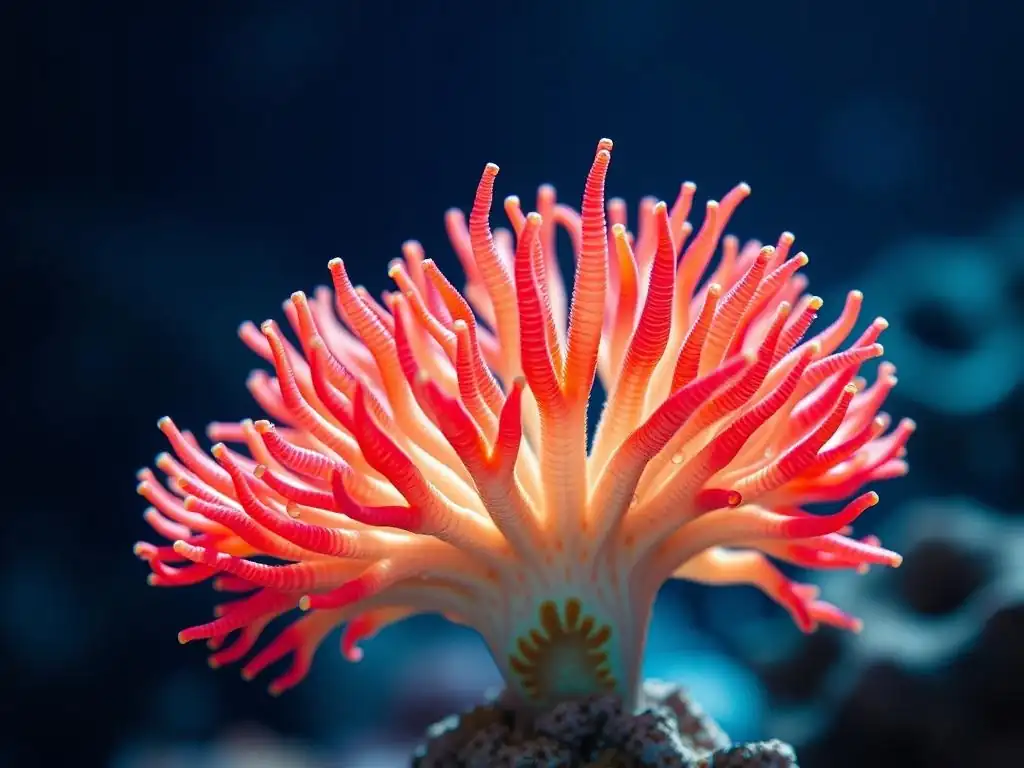
When SPS coral polyp extension is diminished, a systematic approach to troubleshooting is essential to identify and rectify the underlying cause.
Diagnosing the Root Cause of Reduced Polyp Extension
Effective troubleshooting begins with thorough investigation rather than guesswork.
Testing Water Parameters: A Crucial First Step
The very first step when noticing reduced SPS coral polyp extension should always be to conduct a comprehensive test of your aquarium's water parameters. Focus on alkalinity, calcium, magnesium, nitrates, phosphates, salinity, and temperature. Use reliable, high-quality test kits (e.g., Salifert, Hanna, Red Sea) to ensure accuracy. Compare your current readings against your established ideal ranges and, crucially, against your previous stable readings to identify any sudden shifts or persistent imbalances.
For instance, if your Acropora polyps are retracted and your alkalinity test kit shows a reading of 6.5 dKH when it was consistently 8.0 dKH just a few days prior, you have likely identified a major contributing factor to the coral's stress. Similarly, a spike in nitrates to 25 ppm or phosphates to 0.1 ppm can explain why polyps are not extending fully. Addressing these fundamental parameters is often the quickest way to see improvement in SPS coral polyp extension.
Visual Inspection for Pests or Disease
After confirming water parameters are stable, a meticulous visual inspection of the affected coral and its neighbors is the next critical step. Use a magnifying glass or a macro lens if necessary, as many coral pests are tiny and camouflaged. Look for specific signs: Acropora eating flatworms (AEFW) are small, brown/tan flatworms often found near areas of retracted polyps or bite marks on Acropora colonies. Montipora eating nudibranchs are tiny, white sea slugs often camouflaged on Montipora species, sometimes leaving behind tell-tale white egg spirals. Red bugs are minute, reddish crustaceans typically found in the crevices of Acropora branches.
Beyond pests, look for signs of disease, such as localized tissue discoloration (darkening, lightening, or white patches), excessive slime coat production, or any peeling or receding tissue. For example, if an Acropora colony with poor polyp extension also shows small, reddish dots moving slowly on its branches, it strongly suggests a red bug infestation, which requires specific treatment. This detailed visual inspection can pinpoint irritants that directly inhibit SPS coral polyp extension.
Solutions for Improving SPS Coral Polyp Extension
Once the root cause is identified, targeted solutions can be implemented to restore healthy SPS coral polyp extension.
Adjusting Water Chemistry for Optimal Levels
If water parameters are the culprit, gradual and stable adjustments are key. For low alkalinity, calcium, or magnesium, slowly dose a buffer solution or a two-part system, aiming to raise levels by no more than 0.5-1 dKH per day for alkalinity, and proportionally for calcium and magnesium, until optimal ranges are reached. Consistency is more important than speed.
For high nitrates or phosphates, implement solutions like increasing frequency or volume of water changes, adding GFO (granular ferric oxide) or carbon dosing, or enhancing nutrient export through a refugium or protein skimmer. For example, if phosphates are elevated to 0.1 ppm, implementing a GFO reactor and performing a 20% water change can often bring levels down, resulting in noticeable improvement in SPS coral polyp extension within days.
Optimizing Lighting and Flow
If lighting is the issue, make gradual adjustments. If PAR is too low, increase light intensity by 5-10% every few days, or move the coral higher in the tank. If PAR is too high, reduce intensity or move the coral lower or to a more shaded area.
Experiment with light spectrum settings, often increasing the blue component, to see if it enhances polyp extension. For flow, add or reposition powerheads and wavemakers to eliminate dead spots and create turbulent, chaotic flow that gently sways the polyps without blasting them directly. For instance, repositioning a powerhead to break up a persistent laminar flow pattern directly hitting an Acropora can stop tissue recession and allow polyps to re-extend on the affected side.
Addressing Potential Pests or Diseases
If pests are identified, the most common immediate solution is a coral dip. Use a reputable commercial coral dip (e.g., Revive, Coral Rx) in a separate container, carefully following the manufacturer's instructions for dilution and duration. This can dislodge or kill many common pests. For severe infestations, multiple dips or even specific pest predators (like certain wrasses for red bugs, though results vary) may be considered.
Always quarantine new corals before introducing them to the main display tank to prevent pest introductions. For suspected diseases, isolate the affected coral if possible, maintain pristine water quality, and research specific treatments. While some bacterial infections may respond to broad-spectrum antibiotics, this should be a last resort due to potential harm to beneficial bacteria.
Coral Dip Recommendations for Common Coral Ailments
For common coral ailments and pest prevention, several commercial coral dip products are highly regarded for their effectiveness in improving SPS coral polyp extension by eliminating irritants. Products like Revive Coral Cleaner, Coral Rx, and Two Little Fishies Revive are popular choices. These broad-spectrum dips are formulated to help dislodge and kill pests such as Acropora eating flatworms (AEFW), red bugs, and Montipora eating nudibranchs, as well as to cleanse corals of nuisance algae and general irritants.
When using any coral dip, it is crucial to follow the manufacturer's instructions precisely regarding dilution ratios and dipping duration (typically 5-15 minutes). Always perform the dip in a separate container filled with aquarium water, never directly in the display tank. Gently agitate the coral in the dip solution to help dislodge pests.
After the dip, thoroughly rinse the coral in clean aquarium water before returning it to the main tank. For a newly acquired Acropora frag, a preventative dip in Revive for 5-7 minutes is a standard practice to reduce the risk of introducing pests that could inhibit SPS coral polyp extension in your established reef.
Promoting Optimal SPS Coral Polyp Extension: Best Practices
Consistent adherence to best practices is crucial for maintaining long-term, robust SPS coral polyp extension and overall coral health.
Maintaining Stable Water Chemistry for Long-Term Polyp Health
Stability in water chemistry is arguably more important than hitting exact target numbers for SPS corals. While ideal ranges for alkalinity (7-9 dKH), calcium (400-450 ppm), and magnesium (1250-1350 ppm) are important, maintaining these parameters within a very narrow range day-to-day is paramount. Sudden fluctuations, even within acceptable ranges, can stress corals and cause polyps to retract.
Implementing a reliable dosing system, such as a dosing pump for two-part solutions or a calcium reactor, helps to automate and stabilize these parameters. Regular testing, perhaps 2-3 times per week for alkalinity and weekly for calcium and magnesium, allows for minor adjustments without causing major swings. For example, implementing a 2-part dosing system that automatically adds calcium and alkalinity daily, based on consumption, creates a highly stable environment that consistently promotes robust SPS coral polyp extension and healthy growth.
Regular Water Changes and Supplementation
Regular water changes are a foundational best practice for SPS coral health and directly support consistent SPS coral polyp extension. Recommended frequencies typically range from 10-20% bi-weekly to monthly, depending on nutrient export needs and stocking levels. Water changes replenish depleted trace elements, dilute accumulated undesirable substances (like nitrates and phosphates), and help maintain overall water quality.
Beyond water changes, targeted supplementation can further enhance polyp extension. In addition to calcium, alkalinity, and magnesium, consider dosing essential trace elements like iodine, potassium, and strontium, which are consumed by corals but not always fully replenished by synthetic salt mixes. Amino acids and various coral foods are also beneficial. For instance, a monthly 15% water change, combined with daily dosing of a high-quality all-in-one trace element solution, can significantly improve the long-term vibrancy and SPS coral polyp extension of an entire reef tank. However, avoid over-supplementation, as excess can be as detrimental as deficiency.
Careful Observation and Early Intervention
Diligence in daily observation is a hallmark of successful reef keeping and is key to maintaining optimal SPS coral polyp extension. Aquarists should make it a habit to visually inspect their corals closely each day, looking for subtle changes in polyp display, color, and tissue condition. Noticing a slight reduction in polyp extension on a single Acropora branch, for example, can be an early warning sign of an impending issue, prompting an immediate alkalinity test or a closer inspection for pests.
Early intervention is crucial. Do not wait for problems to escalate or for widespread symptoms to appear. The moment you notice a change in SPS coral polyp extension, begin your diagnostic process by testing water parameters, checking flow, and inspecting for pests. Prompt action can prevent minor issues from becoming major crises, ensuring your corals remain healthy and display robust polyp extension.
Target Feeding Strategies to Enhance Polyp Extension
While SPS corals primarily rely on photosynthesis for energy, target feeding can significantly enhance SPS coral polyp extension, growth rates, and coloration by providing essential heterotrophic nutrition. Polyps are designed to capture food particles from the water column, and direct feeding provides them with readily available nutrients.
Suitable coral foods include phytoplankton, zooplankton (like copepods and rotifers), amino acids, and specialized coral-specific pellet or powder foods. To target feed, turn off powerheads and return pumps to allow food to settle and be captured. Use a turkey baster or syringe to gently deliver food near extended polyps.
For example, target feeding a high-quality zooplankton solution (e.g., Reef Roids) 2-3 times per week can visibly enhance the "fluffiness" and feeding response of Acropora polyps, leading to more robust overall extension and accelerated growth. This direct nutritional input boosts the coral's energy reserves, allowing for more consistent and vigorous polyp display.
Advanced Techniques for Maximizing SPS Coral Polyp Extension
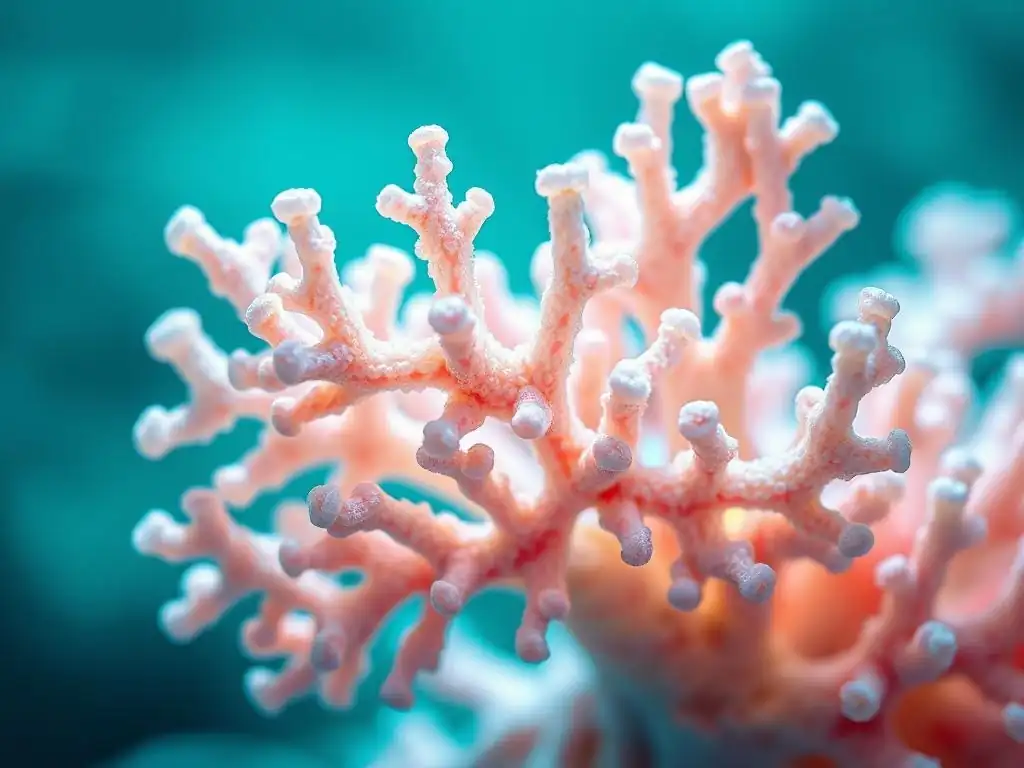
For aquarists seeking to achieve truly exceptional SPS coral polyp extension and vibrant coloration, incorporating advanced techniques can yield significant results.
The Role of Amino Acids and Coral Foods
Building upon the basics, advanced aquarists often fine-tune their coral feeding strategies to maximize SPS coral polyp extension. Amino acids, as the fundamental building blocks for proteins, play a critical role in coral tissue synthesis and repair. Consistent dosing of high-quality amino acid solutions can lead to visibly "fatter" polyps and enhanced coloration, as corals have ample resources for growth and metabolic processes. Many successful Acropora-dominant tanks incorporate daily amino acid dosing to achieve this.
Beyond amino acids, a varied and consistent feeding regimen of specific coral foods is essential. This includes broadcast feeding of live or frozen zooplankton (e.g., copepods, rotifers, enriched brine shrimp nauplii) and phytoplankton. These foods provide a diverse nutritional profile that complements the energy derived from photosynthesis. For instance, many advanced hobbyists combine daily amino acid dosing with weekly broadcast feeding of a mix of frozen copepods and rotifers to ensure their SPS corals receive all necessary nutrients, resulting in unparalleled SPS coral polyp extension and rapid growth.
Advanced Lighting Strategies for SPS Coral Growth and Coloration
Advanced lighting strategies involve more than just providing adequate PAR; they focus on optimizing the light environment for specific coral responses, including SPS coral polyp extension. This often involves fine-tuning the light spectrum and photoperiod with programmable LED fixtures. Experimenting with different blue-to-white ratios (e.g., 2:1 or 3:1 blue-to-white) can significantly impact polyp extension and color rendition. Many aquarists find that a predominantly blue spectrum (around 450-470nm) enhances the "pop" of coral colors and encourages polyps to extend fully, mimicking natural deep-water conditions.
Furthermore, utilizing a PAR meter to precisely map light levels at various depths and locations within the aquarium ensures that each coral species receives its ideal intensity. This allows for strategic placement of corals based on their specific PAR requirements. For example, ensuring an Acropora colony is receiving 350-400 PAR with a spectrum heavily weighted towards 450nm blue, while a Montipora receives 200-250 PAR, can result in unparalleled SPS coral polyp extension and vibrant coloration across the entire reef. Implementing gradual ramp-up and ramp-down periods for the lighting cycle also reduces stress and promotes consistent polyp display.
Utilizing Refugiums or Other Advanced Filtration Methods
Advanced filtration methods are instrumental in maintaining the ultra-low nutrient levels often associated with exceptional SPS coral polyp extension and coloration. Refugiums, dedicated sections in the sump for growing macroalgae like Chaetomorpha, are a popular choice. The macroalgae effectively absorb nitrates and phosphates, acting as a natural nutrient export system. A well-established refugium with actively growing Chaetomorpha can consistently keep nitrates below 5 ppm and phosphates below 0.03 ppm, creating an ideal low-nutrient environment that promotes excellent SPS coral polyp extension and vibrant colors.
Other advanced methods include biopellets or carbon dosing, which promote the growth of beneficial bacteria that consume nitrates and phosphates. For the most demanding SPS corals, some aquarists employ Ultra Low Nutrient Systems (ULNS) like the Zeovit method, which aims for near-undetectable nitrates and phosphates. While these methods can yield stunning results in terms of coloration and polyp extension, they require precise management and a deep understanding of reef chemistry to avoid nutrient starvation in corals. These advanced filtration techniques contribute to the stable, pristine water quality that allows SPS corals to thrive and display their fullest polyp extension.
Conclusion: Mastering SPS Coral Polyp Extension for a Thriving Reef Aquarium
Polyp Extension: A Reliable Indicator of Overall Coral Health
In the intricate world of reef aquariums, decoding SPS coral polyp extension stands out as one of the most reliable and immediate visual indicators of a coral's overall health and happiness. The extent, consistency, and vibrancy of polyp display directly reflect the coral's ability to feed, respire, grow, and maintain its vital symbiotic relationship with zooxanthellae.
From the full, "hairy" appearance of a thriving Acropora to the pinched, retracted polyps of a stressed Montipora, these visual cues provide aquarists with invaluable real-time feedback on their tank's conditions. Recognizing healthy SPS coral polyp extension confirms that water parameters are stable, lighting is appropriate, flow is adequate, and nutrient levels are balanced, signifying a thriving and stress-free environment.
More critically, any reduction or inconsistency in SPS coral polyp extension serves as an early warning system, often signaling underlying issues before more severe symptoms like tissue loss or bleaching become apparent. Whether caused by fluctuating water chemistry, inadequate flow, lighting imbalances, or the presence of pests and diseases, diminished polyp extension prompts immediate investigation and intervention. Mastering the art of observing and interpreting these subtle changes allows aquarists to proactively address problems, ensuring the long-term well-being and vibrant beauty of their SPS corals.
Continued Learning and Observation: Keys to Success
Achieving and maintaining optimal SPS coral polyp extension is not a static endeavor but an ongoing journey that requires continuous learning and diligent observation. Every reef aquarium is a unique ecosystem, and individual corals within that system may respond differently to various environmental factors. Therefore, understanding the specific needs of your SPS coral species, coupled with a commitment to consistent monitoring of their polyp extension, is paramount to success.
Successful SPS coral husbandry, characterized by robust polyp extension and vibrant coloration, is a testament to the aquarist's dedication to stable water parameters, optimized lighting and flow, and a proactive approach to nutrient management and pest control. By embracing the principles of careful observation and early intervention, reef keepers can cultivate a thriving and visually stunning reef aquarium where SPS corals display their fullest, most beautiful polyp extension, a true hallmark of a healthy and happy coral.
Frequently Asked Questions
What is SPS coral polyp extension, and why is it important?
SPS coral polyp extension refers to the visible outward expansion of the individual polyps from the coral's skeleton. It's a key indicator of coral health and happiness, showing they are actively feeding and thriving.
How does water chemistry affect SPS coral polyp extension?
Poor water chemistry is a major inhibitor of polyp extension. Stable alkalinity, calcium, and magnesium levels are crucial for optimal polyp extension and overall coral health.
What are some common signs that my SPS coral is not extending its polyps properly?
If your SPS coral's polyps are retracted or barely visible, it could indicate stress from poor water quality, inadequate lighting, or pest infestations. Look for tissue recession as another warning sign.
Can lighting influence SPS coral polyp extension?
Yes, adequate and appropriate lighting is essential for SPS coral health and polyp extension. Different species require different light intensities and spectrums, so research your coral's specific needs.
What feeding strategies can promote better SPS coral polyp extension?
Providing your SPS corals with a varied diet of small, frequent feedings can encourage polyp extension. Consider using specialized coral foods or introducing live phytoplankton and zooplankton to the tank.
Final Reflection: Embracing the Language of Coral
The intricate dance of SPS coral polyp extension isn't just a biological process; it's a vibrant, visual language that speaks volumes about the health of our reefs and the delicate balance of our marine ecosystems. Understanding this language, as we've explored, empowers us to become more informed stewards of these precious environments, allowing us to detect early warning signs and intervene before irreversible damage occurs.
The subtle nuances of polyp extension have profoundly influenced my own perspective on coral reef conservation. Witnessing the vibrant, extended polyps of a healthy SPS colony is a reminder of the beauty and resilience of nature, while observing retracted polyps serves as a stark warning of environmental stress. This visual indicator provides a tangible connection to the unseen world beneath the waves, urging us to act with greater responsibility. In the end, we will conserve only what we love; we will love only what we understand; and we will understand only what we are taught.
- Baba Dioum. This quote encapsulates the power of knowledge in driving conservation efforts, and understanding polyp extension is a crucial step in fostering that love and understanding.
Now, armed with this knowledge of SPS coral polyp extension, I invite you to look beyond the surface. Observe, learn, and share your understanding with others. Let's collectively become fluent in the language of coral, ensuring a future where these vibrant ecosystems continue to thrive, speaking their silent, yet powerful, stories for generations to come.
Ignite Your Reef: Cultivate Thriving SPS Colonies!
Thanks for diving deep into the visual language of SPS corals! Now that you can interpret the signals of polyp extension, it's time to translate knowledge into action. Let's transform your reef aquarium into a vibrant ecosystem.
Here's how to make it happen:
- Prioritize pristine water quality. Take the proactive step of testing your water parameters today, paying close attention to alkalinity, calcium, and magnesium levels to unlock optimal polyp extension.
- Dive deeper: Research advanced lighting solutions or nutrient management strategies discussed within the reef keeping community to create the perfect environment.
- Share your experiences: Start a thread on a forum or social media group documenting your efforts and inspiring others to achieve similar success.
What specific adjustments will you make this week to maximize polyp extension in your SPS corals?