
LongTerm SPS Health: Proactive Aquarium Mastery Strategies for a Flourishing, Mature Reef

Welcome to Aquarium Mastery!
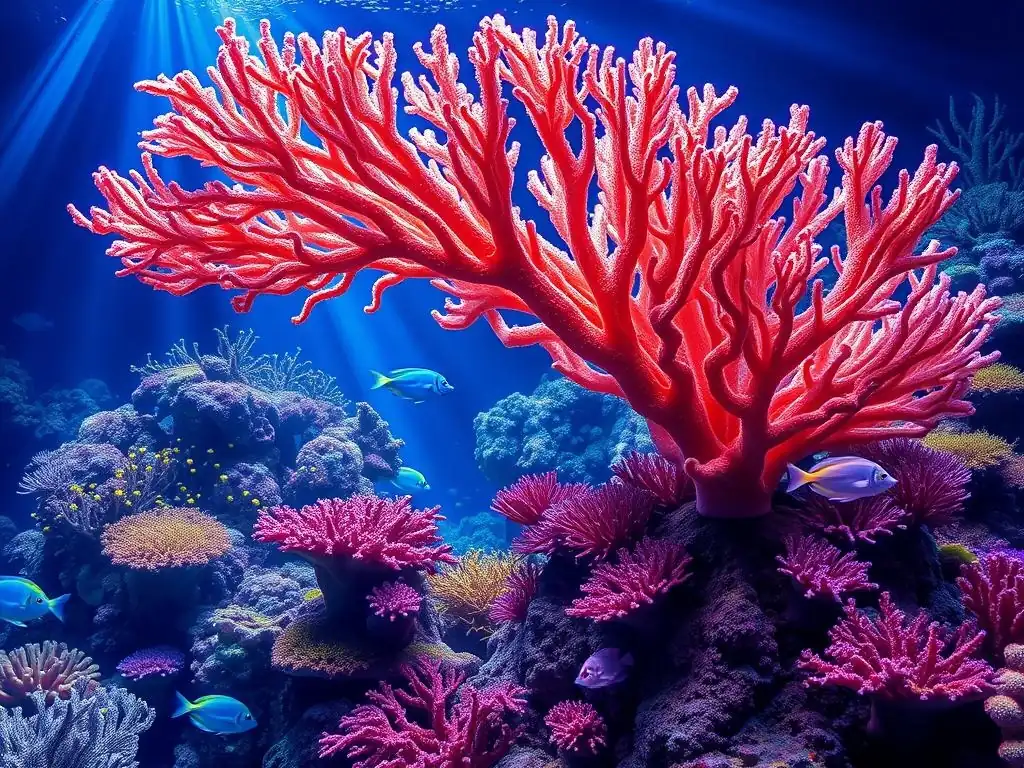
Ever wondered how some aquarists achieve breathtaking, long-term SPS coral reef health while others struggle? Unlock the secrets to proactive strategies that will transform your aquarium into a flourishing, mature reef. Dive in to discover the keys to vibrant colors, robust growth, and a thriving ecosystem. Ready to master the art of SPS care? Let's begin!
- Understanding the Foundations of SPS Coral Reef Health for Long-Term Success
- Proactive Strategies for Maintaining Optimal SPS Coral Health in Mature Reef Aquariums
- Advanced Techniques for Promoting SPS Coral Reef Health and Resilience
- Troubleshooting Common SPS Coral Health Problems
- The Importance of a Balanced Ecosystem for Long-Term SPS Health
- Case Studies: Real-World Examples of Successful SPS Coral Reef Health Management
- Long-Term Vision: Creating a Thriving SPS Coral Reef for Years to Come
-
Frequently Asked Questions
- How crucial is stable water chemistry for long-term SPS coral health?
- What role does proper lighting play in ensuring the vibrant coloration of SPS corals?
- Why is regular monitoring of nutrient levels so important for SPS coral reef health?
- What are some common signs of SPS coral stress that aquarists should watch out for?
- Besides water chemistry and lighting, what other factors contribute to overall SPS health in a reef aquarium?
- Final Reflection: Cultivating Resilience in Reefs
- Unveil Your Reef's True Potential!
Understanding the Foundations of SPS Coral Reef Health for Long-Term Success
The Critical Role of Water Chemistry in SPS Coral Vitality
The cornerstone of long-term SPS coral reef health lies in maintaining exquisitely stable and optimal water parameters. Hard corals, particularly Small Polyp Stony (SPS) corals like Acropora and Montipora, rely heavily on consistent levels of alkalinity (dKH), calcium (Ca), and magnesium (Mg) for their calcification process, which is the building block of their skeletal structure.
Fluctuations in these parameters, even minor ones, can induce significant stress, leading to reduced growth rates, dulling coloration, or even tissue loss. For instance, maintaining alkalinity within a tight range of 7.5 to 8.5 dKH, calcium between 400-450 ppm, and magnesium around 1250-1350 ppm is crucial, as these elements are actively consumed by corals daily, necessitating careful monitoring and replenishment.
Beyond the primary building blocks, other water chemistry parameters play an equally vital role in supporting robust SPS coral reef health. Nitrates (NO3) and phosphates (PO4) must be kept at ultra-low levels, typically less than 5 ppm for nitrates and below 0.03 ppm for phosphates. Elevated levels of these nutrients can inhibit calcification, promote nuisance algae growth that competes with corals, and lead to poor coloration or browning.
Furthermore, a stable pH (8.0-8.4), consistent salinity (1.025-1.026 specific gravity), and a controlled temperature (76-79°F or 24.5-26°C) are non-negotiable. Even a slight temperature swing of more than 2-3°F within a few hours can trigger stress responses or even bleaching, severely compromising SPS coral reef health.
Optimizing Lighting for Sustained SPS Growth and Coloration
Appropriate lighting is fundamental for the photosynthetic process of zooxanthellae, the symbiotic algae residing within SPS corals, which provide the corals with up to 90% of their energy. Optimizing lighting involves not just intensity but also spectrum and photoperiod. For SPS corals, a Photosynthetically Active Radiation (PAR) range typically between 200-450 PAR at the coral's surface is often targeted, depending on the species and its placement within the tank.
Too little light starves the coral, leading to browning and slow growth, while too much can cause bleaching or tissue necrosis. LED fixtures offer unparalleled control over spectrum and intensity, allowing aquarists to fine-tune light recipes for optimal SPS coral reef health and vibrant coloration, often incorporating wavelengths in the blue and violet spectrum (420-470 nm) which are highly beneficial.
The photoperiod, or the duration of light exposure, also significantly impacts SPS coral reef health. A typical photoperiod for a mature reef aquarium ranges from 10 to 12 hours, often with a ramp-up and ramp-down phase to simulate natural sunrise and sunset. This gradual change reduces stress on corals.
It is important to note that newly introduced SPS corals or a new lighting system require a slow acclimation period, where light intensity is gradually increased over several weeks, starting at 50-70% of the target PAR. This prevents light shock and allows the zooxanthellae to adapt, ensuring they continue to contribute positively to the coral's energy budget and overall SPS coral reef health.
Flow Dynamics: Ensuring Nutrient Delivery and Waste Removal for SPS
Robust and varied water flow is as critical as pristine water chemistry and optimal lighting for the long-term vitality of SPS corals. Unlike their LPS counterparts, SPS corals thrive in high-flow environments. This strong, turbulent, and often chaotic flow serves multiple purposes: it efficiently delivers essential nutrients like calcium, alkalinity, and trace elements directly to the coral polyps, and simultaneously removes metabolic waste products that can accumulate around the coral tissue.
Aim for a total tank turnover rate of 20 to 40 times the tank volume per hour, achieved through strategically placed powerheads or wavemakers that create non-laminar, oscillating flow patterns. This prevents "dead spots" where detritus can settle and smother coral tissue, and also avoids constant unidirectional flow which can strip coral tissue over time.
Effective flow dynamics also play a crucial role in the physical health and development of SPS corals. High flow encourages branching growth patterns in many Acropora species and helps maintain clean coral surfaces, deterring the settlement of nuisance algae and detritus.
For example, a 180-gallon reef tank might utilize two or three high-output wavemakers, each capable of moving 3,000-5,000 gallons per hour, positioned to create opposing or oscillating currents that mimic natural reef surge. This dynamic water movement ensures every part of the coral colony receives adequate exposure to nutrients and is thoroughly rinsed of waste, contributing significantly to resilient SPS coral reef health and preventing issues like tissue necrosis caused by stagnation.
Proactive Strategies for Maintaining Optimal SPS Coral Health in Mature Reef Aquariums
Regular Water Testing: A Cornerstone of SPS Health Management
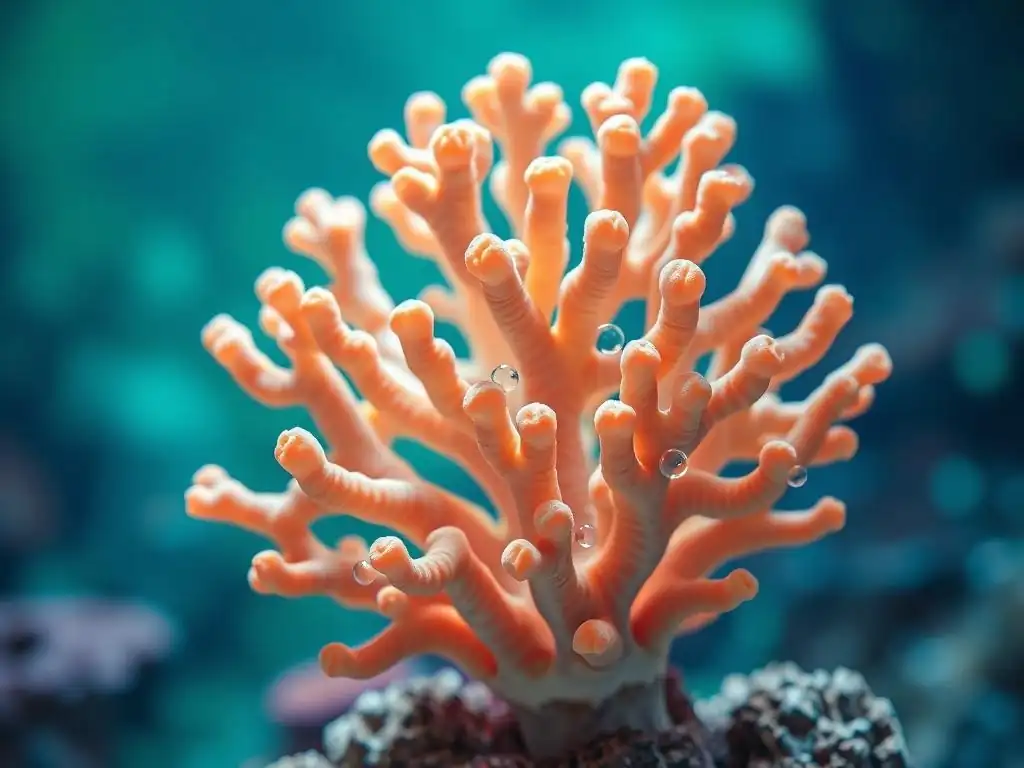
Consistent and accurate water testing is not merely a recommendation but a fundamental requirement for maintaining optimal SPS coral reef health in a mature reef aquarium. Daily testing of alkalinity (dKH) is paramount, as it is the most rapidly consumed and critical parameter for SPS calcification, often fluctuating by 0.5-1.0 dKH per day in dense SPS tanks. Calcium and magnesium should be tested at least 2-3 times per week, or daily if you are new to dosing or making significant changes.
Beyond these, nitrates and phosphates should be checked weekly, as even slight upward trends can indicate an impending issue. Utilizing high-quality test kits with low detection limits, such as those capable of measuring phosphates down to 0.01 ppm, provides the precision needed for SPS-dominated systems.
In addition to routine daily and weekly tests, advanced aquarists often employ ICP-OES (Inductively Coupled Plasma – Optical Emission Spectrometry) testing quarterly or bi-annually. This sophisticated analysis provides a comprehensive profile of over 30 trace elements and major parameters, revealing deficiencies or excesses that standard home test kits cannot detect.
For example, an ICP test might reveal a critical lack of potassium or an excess of copper, both of which can subtly impact SPS coral reef health and coloration over time. This detailed insight allows for targeted supplementation or intervention, preventing issues before they manifest visibly and ensuring the long-term stability and vibrancy of the reef.
Implementing a Consistent Water Change Schedule for Stable SPS Environments
Regular water changes are an indispensable proactive strategy for maintaining stable water parameters and replenishing essential trace elements that are consumed by corals and removed by filtration. While advanced dosing systems and reactors handle major elements, water changes help export accumulated organic pollutants, excess nutrients, and replenish minor and trace elements that are difficult to dose precisely. For a mature SPS reef, a typical schedule might involve replacing 10-20% of the tank's total volume bi-weekly or monthly. For instance, a 150-gallon system would benefit from a 15-30 gallon water change every two to four weeks.
The quality of the new saltwater is equally important. Always use reverse osmosis deionized (RODI) water, which is free of contaminants, and a high-quality reef-specific salt mix. It is crucial to mix the new saltwater to precisely match the tank's salinity and temperature before adding it to the display tank. Drastic differences can shock corals and destabilize the delicate chemical balance, negatively impacting SPS coral reef health. A consistent water change routine, combined with diligent parameter monitoring, creates a robust and forgiving environment, significantly reducing the likelihood of stress-induced issues and promoting sustained SPS growth and coloration.
Strategic Supplementation for Enhanced SPS Growth and Color
In a densely populated SPS reef, the demand for calcium, alkalinity, and magnesium far exceeds what can be supplied through water changes alone. Strategic supplementation is therefore essential for sustained SPS coral reef health and robust calcification. The most common methods include two-part dosing (separate solutions for calcium chloride and sodium bicarbonate/carbonate), or a calcium reactor, which dissolves calcium carbonate media with CO2 to maintain parameters.
Magnesium is typically dosed less frequently but is crucial as it influences the availability of calcium and alkalinity. For example, a mature 100-gallon SPS tank might consume 0.5-1.0 dKH of alkalinity daily, requiring a precise daily dose to maintain stability.
Beyond the primary building blocks, trace elements play a subtle yet vital role in SPS coloration and overall vitality. Elements like iodine, potassium, strontium, iron, and boron are involved in various metabolic processes and pigment formation. While some are replenished via water changes, targeted supplementation based on ICP-OES test results can optimize specific aspects of SPS coral reef health and color.
For instance, potassium is often linked to blue and purple coloration in Acropora, while iron can enhance green pigments. However, caution is advised, as over-dosing trace elements can be detrimental. A conservative approach, guided by comprehensive testing and careful observation, ensures that supplementation genuinely enhances, rather than compromises, the delicate balance required for flourishing SPS corals.
Advanced Techniques for Promoting SPS Coral Reef Health and Resilience
Coral Dip Protocols: Preventing and Treating Common SPS Pests and Diseases
Implementing a rigorous coral dip protocol for all new SPS arrivals is a critical preventative measure against introducing common pests and diseases that can devastate an entire reef. Pests like Acropora Eating Flatworms (AEFW), Red Bugs (Tegastes acroporanus), and various parasitic nudibranchs are notorious for causing rapid decline in SPS coral reef health. A proper dip involves submerging the coral in a specialized solution (e.g., based on iodine, permethrin, or a proprietary blend) for a specific duration, typically 5-15 minutes, followed by a thorough rinse in clean tank water.
During the dip, gentle agitation helps dislodge pests. For instance, a popular coral dip solution containing a mild pesticide can effectively stun or kill AEFW eggs and adults, significantly reducing the risk of an outbreak.
While dipping is highly effective for prevention, it can also be part of a treatment protocol for an existing infestation. If AEFW are suspected, a series of dips (e.g., every 5-7 days for several weeks) combined with manual removal of visible pests can help eradicate them.
It's crucial to perform dips in a separate container, never in the display tank, to avoid introducing the dip solution into the main system. After dipping, observing the coral in a quarantine tank for several weeks allows for confirmation that no pests were missed and that the coral has fully recovered from the dipping process before being introduced to the main display, thereby protecting the established SPS coral reef health.
Coral Placement and Spacing: Minimizing Competition and Maximizing Flow
Strategic coral placement and adequate spacing are advanced techniques that significantly contribute to long-term SPS coral reef health and aesthetic appeal. As SPS corals grow, they can engage in chemical warfare (allelopathy) by releasing toxins, or physically compete for light and space. Proper spacing, considering the mature size of each colony, prevents these conflicts.
For example, an Acropora colony known to grow into a large table or branching structure should be given at least 6-12 inches of clearance from its neighbors, depending on its growth rate. Placing smaller, slower-growing encrusting Montipora species below larger Acropora can also help manage light and flow requirements.
Beyond competition, placement directly impacts a coral's access to optimal lighting and flow. Taller, more light-demanding Acropora species are typically placed higher in the aquascape, closer to the light source, where PAR levels are highest (e.g., 300-450 PAR). Lower-light SPS, such as some Montipora species, can thrive in mid-levels (e.g., 200-300 PAR). Simultaneously, ensuring that each coral receives turbulent, multi-directional flow, as discussed earlier, is paramount. This often means carefully orienting corals and powerheads. Thoughtful placement minimizes stress, maximizes growth, and maintains the overall vitality and long-term SPS coral reef health of the entire system.
Observation and Intervention: Early Detection of Potential SPS Health Issues
Daily, meticulous observation is perhaps the most powerful advanced technique for promoting SPS coral reef health, as it allows for the early detection and rapid intervention of potential issues. Aquarists should dedicate time each day to scrutinize their corals for subtle changes in color, polyp extension, tissue integrity, and the presence of any pests or unusual growths. For instance, a slight dulling of color, reduced polyp extension, or a small patch of receding tissue can be the first indicators of an underlying problem, whether it's a parameter swing, a pest infestation, or a bacterial infection.
Upon detecting any anomaly, immediate investigation and intervention are crucial. This might involve re-testing water parameters, checking equipment (heaters, pumps, skimmer), or isolating the affected coral for closer inspection. For example, if an Acropora begins to show signs of rapid tissue necrosis (RTN), prompt fragging of the healthy tissue above the affected area can save a significant portion of the colony. Documenting observations, even minor ones, helps in identifying patterns and understanding the specific needs and vulnerabilities of individual colonies, thereby allowing for a proactive approach that significantly improves the chances of maintaining robust SPS coral reef health.
Troubleshooting Common SPS Coral Health Problems
Identifying and Addressing Coral Bleaching in SPS Aquariums
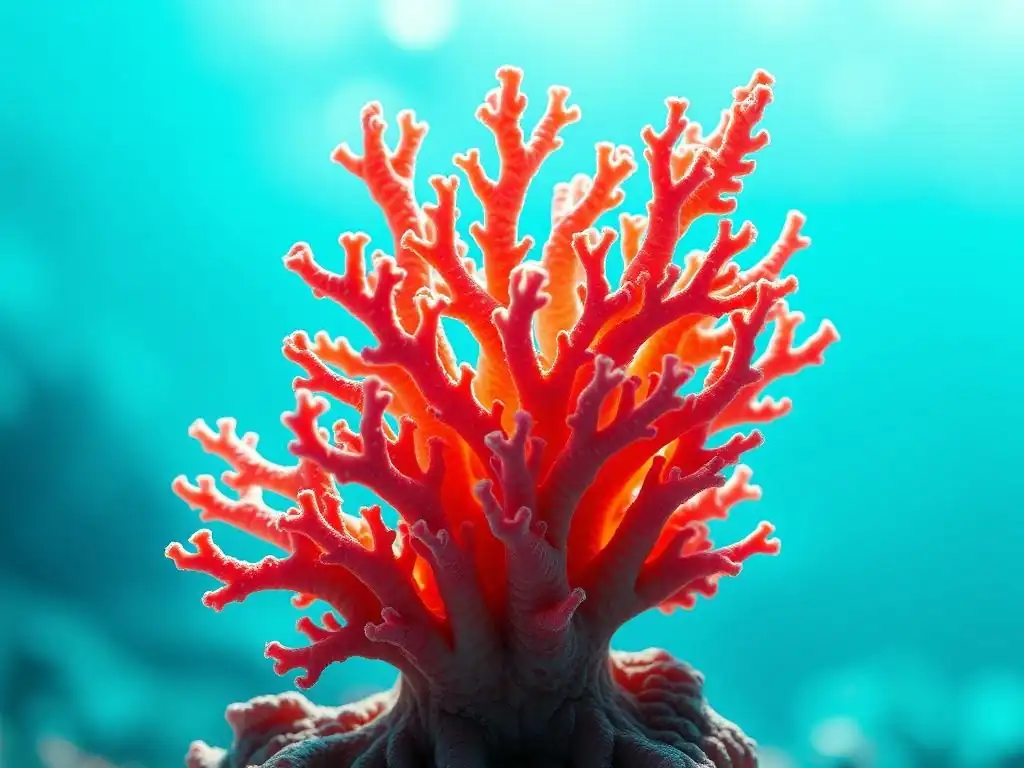
Coral bleaching is a severe stress response where corals expel their symbiotic zooxanthellae, leading to a loss of color and, if prolonged, coral death. In SPS aquariums, bleaching typically manifests as a stark white or very pale appearance of the coral skeleton, sometimes with a translucent sheen.
The most common causes include sudden or prolonged temperature fluctuations (e.g., above 82°F or below 74°F), excessive light intensity (PAR levels too high), significant swings in water chemistry (e.g., drastic drops in alkalinity), or severe nutrient deprivation. For instance, an unexpected heater malfunction raising tank temperature by 5°F overnight can trigger widespread bleaching in sensitive Acropora.
Addressing bleaching requires immediate action to identify and rectify the underlying stressor. If temperature is the issue, gradually bring it back to the stable range. For light-induced bleaching, reduce photoperiod or intensity, or move the affected coral to a shaded area. If water chemistry is unstable, make small, gradual adjustments to bring parameters back into optimal ranges.
Avoid large, sudden changes. While some corals can recover from mild bleaching if the stressor is removed quickly, severe or prolonged bleaching often results in irreversible damage to SPS coral reef health. Prevention through stable parameters and careful acclimation is always the best strategy.
Combating Rapid Tissue Necrosis (RTN) and Slow Tissue Necrosis (STN) in SPS
Rapid Tissue Necrosis (RTN) and Slow Tissue Necrosis (STN) are devastating conditions characterized by the loss of coral tissue, often exposing the white skeleton underneath. RTN is particularly alarming due to its swift progression, sometimes consuming an entire SPS colony overnight. It often appears as a fuzzy white or brown film spreading rapidly across the coral.
While the exact causes are complex and can be bacterial, viral, or stress-induced (e.g., severe parameter swings, extreme shock), RTN requires immediate intervention. STN, in contrast, progresses slowly, often starting from the base or tip and gradually receding over days or weeks. STN is more commonly linked to chronic stress, inadequate flow, nutrient deficiencies, or persistent low-level bacterial infections.
Combating RTN and STN involves a multi-pronged approach. For RTN, the most effective immediate action is to frag (cut) any healthy tissue above the receding line, isolating it in a separate, clean container or quarantine tank. This can save portions of the colony.
For both RTN and STN, improving overall water quality, ensuring robust and turbulent flow around the affected coral, and confirming all parameters are stable are critical. Some aquarists report success with targeted antibacterial dips for affected corals, though results vary. Consistent observation is key: if STN is detected, addressing the potential chronic stressor (e.g., increasing flow, optimizing feeding, checking for pests) is vital for preserving SPS coral reef health.
Managing Algae Overgrowth that Impacts SPS Coral Health
Nuisance algae overgrowth poses a significant threat to SPS coral reef health by competing for light and nutrients, and physically smothering coral tissue. Common culprits include hair algae, dinoflagellates, and cyanobacteria, which thrive in conditions of elevated nitrates and phosphates. For example, a phosphate level consistently above 0.05 ppm combined with nitrates above 10 ppm can quickly lead to widespread hair algae outbreaks that directly impact SPS. Inadequate flow can also contribute, allowing detritus to settle and fuel localized algae patches.
Effective management of algae overgrowth focuses on stringent nutrient control and export. This includes:
- Reducing nutrient input: Avoid overfeeding, use high-quality foods, and ensure all uneaten food is removed.
- Enhancing nutrient export: Implement or optimize a protein skimmer, utilize a refugium with macroalgae (like Chaetomorpha) to absorb nutrients, employ GFO (granular ferric oxide) or biopellets to reduce phosphates and nitrates, and perform regular water changes.
- Increasing flow: Ensure no dead spots exist where detritus can accumulate.
- Manual removal: Physically remove as much algae as possible during maintenance.
- Biological control: Introduce appropriate herbivorous grazers (e.g., snails, tangs, emerald crabs) that consume nuisance algae, provided they are reef-safe and compatible with the tank's inhabitants. By diligently controlling nutrients and supporting a clean environment, aquarists can prevent algae from compromising SPS coral reef health.
The Importance of a Balanced Ecosystem for Long-Term SPS Health
Maintaining a Healthy Population of Beneficial Bacteria
A thriving population of beneficial bacteria is the invisible backbone of a stable and healthy reef ecosystem, directly impacting long-term SPS coral reef health. These microorganisms are primarily responsible for the nitrogen cycle, converting toxic ammonia and nitrite into less harmful nitrate, and subsequently converting nitrate into nitrogen gas (denitrification). This process is crucial for maintaining ultra-low nutrient levels required by SPS corals.
Live rock, live sand beds, and various bio-media provide the vast surface area necessary for these bacterial colonies to flourish. For instance, a well-cured live rock can harbor billions of nitrifying and denitrifying bacteria per square inch, acting as a natural biological filter.
Beyond the nitrogen cycle, a diverse microbiome also plays a role in breaking down organic waste and preventing the proliferation of undesirable bacteria or pathogens. Aquarists can support these beneficial populations by avoiding broad-spectrum antibiotics in the tank, ensuring adequate oxygenation, and occasionally using commercial bacterial additives, especially after significant tank disturbances or new setups. A robust and balanced bacterial community contributes significantly to water clarity, nutrient control, and overall system resilience, creating an environment where SPS coral reef health can truly thrive without constant intervention.
Controlling Nutrient Levels to Prevent Algae Blooms
Controlling nutrient levels, specifically nitrates and phosphates, is paramount for preventing nuisance algae blooms that directly compete with and harm SPS corals. For optimal SPS coral reef health, target nitrate levels typically below 5 ppm and phosphates below 0.03 ppm. High nutrient concentrations act as fertilizer for undesirable algae, leading to rapid growth that can smother corals, block light, and release compounds that irritate sensitive SPS tissue. For example, a nitrate reading of 20 ppm or a phosphate reading of 0.1 ppm can quickly lead to a tank overtaken by hair algae or dinoflagellates, signifying a significant imbalance.
Effective nutrient control involves a combination of strategies. Prevention is key: avoid overfeeding, ensure all food is consumed, and promptly remove any uneaten portions. Regular maintenance, such as cleaning filter socks daily or every other day, siphoning detritus, and performing consistent water changes, physically removes nutrients.
Active nutrient export methods include running a high-efficiency protein skimmer, utilizing a refugium with fast-growing macroalgae like Chaetomorpha (which consumes nitrates and phosphates), and employing chemical media such as GFO (granular ferric oxide) for phosphate removal or carbon dosing (e.g., vodka, vinegar) to fuel denitrifying bacteria. A multi-faceted approach ensures consistently low nutrient levels, safeguarding SPS coral reef health from competitive algae.
Utilizing Biological Control Methods for Pest Management
Integrating biological control methods into your reef management strategy offers a natural and sustainable way to prevent and mitigate common pests that threaten SPS coral reef health. Instead of relying solely on chemical treatments, introducing specific organisms that prey on or consume problematic pests can maintain a healthier balance.
For example, certain species of wrasses, such as the Six-Line Wrasse (Pseudocheilinops hexataenia) or Melanurus Wrasse (Halichoeres melanurus), are renowned for their appetite for flatworms and Red Bugs (Tegastes acroporanus), common SPS pests. Similarly, Peppermint Shrimp (Lysmata wurdemanni) are often effective at controlling Aiptasia anemones, which can irritate and sting corals.
However, selecting biological control agents requires careful consideration to ensure they are truly reef-safe and compatible with your existing inhabitants and SPS corals. Not all wrasses are equally effective, and some may pick at desirable invertebrates. It's crucial to research each species thoroughly before introduction. While biological control may not offer an immediate eradication solution like a chemical dip, it provides a long-term, continuous defense mechanism that reduces pest populations and minimizes the stress on the overall ecosystem, thereby contributing significantly to the sustained SPS coral reef health.
Case Studies: Real-World Examples of Successful SPS Coral Reef Health Management
Case Study 1: Achieving Exceptional Growth and Color in an Acropora-Dominated Reef
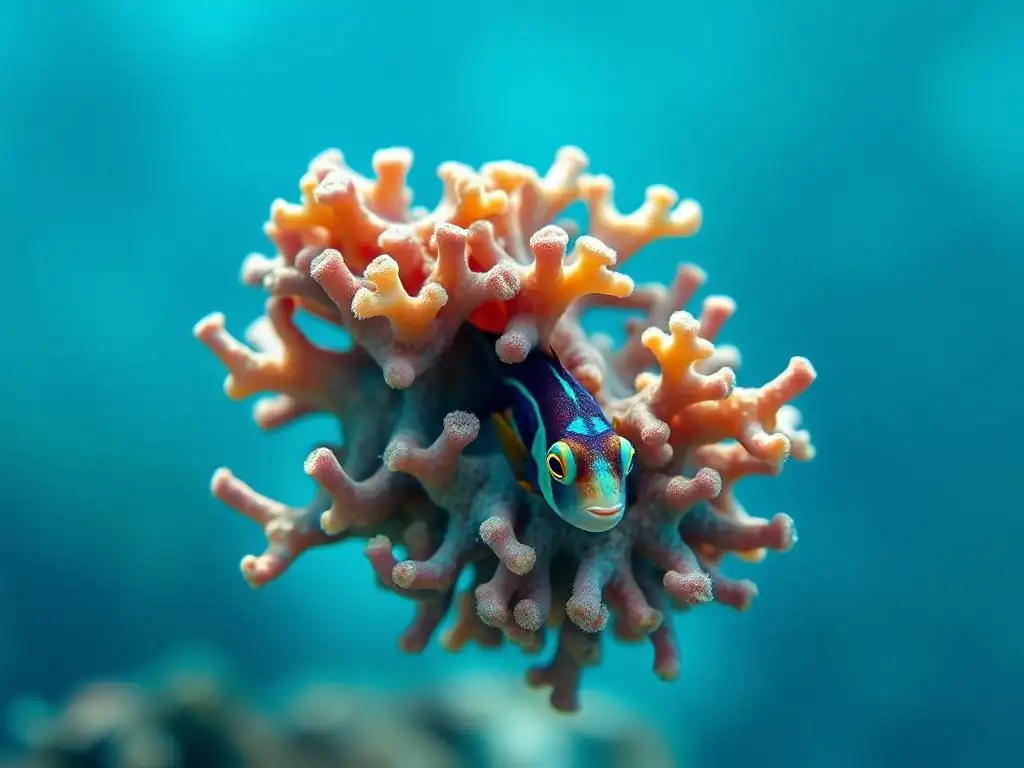
A notable example of exceptional SPS coral reef health and vibrancy is a 180-gallon Acropora-dominated display tank maintained by an experienced aquarist, Marcus. For over five years, Marcus has achieved an average Acropora growth rate of 1-2 inches per month for branching species and significant encrusting growth for plating types, coupled with vibrant, true-to-species coloration. His success is attributed to meticulous attention to detail and a highly proactive approach.
Water parameters are maintained with extreme precision: alkalinity consistently at 8.0 dKH ±0.1, calcium at 420 ppm ±5, magnesium at 1300 ppm ±10, nitrates below 2 ppm, and phosphates consistently at 0.01-0.02 ppm. These levels are achieved through daily two-part dosing automated via peristaltic pumps and a large protein skimmer.
Lighting is provided by high-end LED fixtures programmed with a 12-hour photoperiod, including dawn/dusk cycles, delivering a peak PAR of 400-450 at the top of the aquascape. Water flow is generated by two large oscillating wavemakers producing over 10,000 GPH of randomized, turbulent flow, ensuring no dead spots. Marcus also performs a 20% water change bi-weekly using a premium salt mix, and conducts an ICP-OES test every quarter to fine-tune trace element supplementation.
His daily routine includes a 15-minute visual inspection of every coral, which once led to the early detection of a single AEFW on a new frag, preventing a widespread outbreak. This holistic, data-driven approach exemplifies how consistent SPS coral reef health can be achieved and maintained over the long term.
Case Study 2: Stabilizing a Mature Reef After Nutrient Imbalance
Consider a 250-gallon mixed reef, primarily SPS, that recently experienced a significant decline in SPS coral reef health due to a nutrient imbalance. The owner, Sarah, noticed dulling coral colors, reduced polyp extension, and a rapid proliferation of hair algae and dinoflagellates. Water tests revealed nitrates at 20 ppm and phosphates at 0.1 ppm, a stark increase from her usual ultra-low levels. The root cause was identified as consistent overfeeding of her fish population and neglecting to change filter socks frequently enough, leading to organic accumulation.
Sarah implemented a comprehensive recovery plan over three months. She immediately reduced feeding by 50% and began changing her filter socks daily. Weekly 20% water changes were initiated for four consecutive weeks to rapidly reduce dissolved nutrients. She also added a large refugium filled with Chaetomorpha macroalgae to her sump and installed a dedicated GFO reactor, which was replaced every two weeks.
Manual removal of algae was performed daily. Within 6-8 weeks, nitrates dropped to 5 ppm and phosphates to 0.03 ppm. The algae receded significantly, and over the next 2-3 months, her SPS corals slowly regained their color and polyp extension, demonstrating a remarkable recovery of SPS coral reef health through diligent intervention and sustained effort.
Long-Term Vision: Creating a Thriving SPS Coral Reef for Years to Come
Adapting Your Approach to Meet the Evolving Needs of Your SPS Corals
A mature SPS reef is a dynamic, evolving ecosystem, and a successful long-term vision requires continuous adaptation of your husbandry practices. As SPS corals grow, their demands for calcium, alkalinity, and magnesium increase significantly. What sufficed for a tank with small frags will be inadequate for large, established colonies. Aquarists must regularly reassess dosing amounts, often increasing them by 5-10% monthly based on consumption rates, to maintain stable parameters. For instance, a colony that grew from a 1-inch frag to an 8-inch showpiece will consume exponentially more calcifying elements.
Furthermore, as corals grow and fill in the aquascape, they can alter flow patterns and even shade out lower corals. It becomes crucial to periodically evaluate existing powerhead placement, potentially adding more or repositioning them to ensure all colonies receive adequate, turbulent flow.
Similarly, light penetration might need adjustment; some aquarists might raise their light fixtures slightly or increase intensity to compensate for the greater biomass. The ability to observe these subtle changes and proactively adapt feeding, dosing, flow, and lighting strategies is paramount for sustaining optimal SPS coral reef health for years, ensuring the entire system continues to thrive as it matures.
Continuous Learning and Improvement: Staying Ahead of the Curve in SPS Reef Keeping
The field of reef keeping, particularly advanced SPS care, is constantly evolving with new research, equipment, and methodologies. A long-term vision for a thriving SPS coral reef necessitates a commitment to continuous learning and improvement. Relying solely on outdated information can lead to stagnation or even decline in SPS coral reef health. Engaging with scientific publications, reputable online forums, and local reef clubs provides invaluable insights into new techniques, common pitfalls, and emerging solutions. For example, understanding the latest research on trace element bioavailability or bacterial strains can inform more effective dosing strategies.
This continuous learning mindset also involves critically evaluating your own system. Documenting parameters, observations, and changes in coral behavior allows for data-driven adjustments and a deeper understanding of your specific reef's nuances. Experimentation, conducted cautiously and methodically, can lead to breakthroughs unique to your tank.
For instance, trying a new feeding regimen or a different type of filter media, while closely monitoring the results, can unlock new levels of growth or coloration. By embracing lifelong learning and a willingness to adapt, aquarists can stay ahead of potential issues and continually refine their approach to achieve unparalleled SPS coral reef health and resilience.
Advancements in SPS Coral Reef Health Management
Recent advancements have significantly enhanced the precision and ease of maintaining exceptional SPS coral reef health, making previously challenging goals more attainable for dedicated aquarists. One of the most impactful developments is the widespread availability and affordability of ICP-OES (Inductively Coupled Plasma – Optical Emission Spectrometry) water testing.
This technology provides highly accurate, comprehensive analyses of major, minor, and trace elements in aquarium water, allowing aquarists to identify specific deficiencies or excesses that would be impossible to detect with standard home test kits. For example, an ICP test might reveal a critical lack of Boron or an unexpected spike in Zinc, guiding precise micro-element supplementation to optimize SPS growth and color.
Further advancements include sophisticated LED lighting systems with individual color channel control and dynamic programming, enabling aquarists to precisely tailor light spectrum and intensity to specific SPS species and growth phases. Automated dosing systems have also become more reliable and user-friendly, allowing for consistent, small daily additions of calcium, alkalinity, magnesium, and trace elements, which is crucial for maintaining the rock-solid parameter stability that SPS corals demand. These technological leaps, combined with a deeper scientific understanding of coral physiology and water chemistry, empower aquarists to create and sustain flourishing SPS coral reef health with unprecedented accuracy and control.
Frequently Asked Questions
How crucial is stable water chemistry for long-term SPS coral health?
Stable water chemistry is absolutely essential. Fluctuations in parameters like alkalinity, calcium, and magnesium can severely stress SPS corals, leading to tissue necrosis and even death. Maintaining a consistent environment is key.
What role does proper lighting play in ensuring the vibrant coloration of SPS corals?
Adequate and appropriate lighting is vital for SPS corals to thrive. The intensity and spectrum of light directly influence their ability to photosynthesize, impacting both their growth rate and their vibrant coloration.
Why is regular monitoring of nutrient levels so important for SPS coral reef health?
Nutrient levels, particularly nitrates and phosphates, must be carefully monitored. Excessive nutrients can fuel algae growth, outcompeting corals, while insufficient nutrients can starve them. Finding the right balance is critical.
What are some common signs of SPS coral stress that aquarists should watch out for?
Common signs include tissue recession, paling coloration (bleaching), and increased mucus production. These are all indicators that the coral is experiencing stress and require immediate attention to identify and address the underlying cause.
Besides water chemistry and lighting, what other factors contribute to overall SPS health in a reef aquarium?
Beyond water parameters and lighting, factors like proper water flow, effective protein skimming, and the absence of pests are crucial. A stable and well-maintained reef ecosystem is essential for long-term success with SPS corals.
Final Reflection: Cultivating Resilience in Reefs
The journey of maintaining long-term SPS coral reef health is more than just a scientific endeavor; it's a testament to our dedication to preserving these fragile ecosystems. Understanding the nuances of water chemistry, lighting, and flow, as we've explored, is not merely about keeping corals alive, but about fostering a thriving, resilient environment capable of withstanding the challenges of a changing world. The principles outlined here are increasingly vital as natural reefs face unprecedented threats.
This pursuit of aquarium mastery mirrors the larger responsibility we have towards our planet's oceans. Witnessing the vibrant colors and intricate structures of a healthy SPS reef firsthand instills a profound appreciation for the delicate balance of nature. It reminds us that even in a controlled environment, success hinges on meticulous observation, constant learning, and a deep respect for the interconnectedness of life. In the end, we will conserve only what we love; we will love only what we understand; and we will understand only what we are taught.
- Baba Dioum
As you close this article, consider the power you hold to create a microcosm of oceanic health within your own home. Embrace the proactive strategies discussed, not just as techniques for aquarium management, but as a commitment to environmental stewardship. Let the vibrant success of your SPS reef serve as a constant reminder of the beauty and fragility of our natural world, inspiring you to advocate for its protection and preservation in every aspect of your life.
Unveil Your Reef's True Potential!
Thank you for exploring the path to long-term coral health! We hope this article has equipped you with the knowledge to nurture a thriving, mature reef. Now, it's time to translate that knowledge into action and witness the vibrant transformation of your aquarium.
Here's how to continue your journey:
- Prioritize stability: Maintain a consistent testing and adjustment schedule for alkalinity, calcium, and magnesium. Your corals will thank you with vibrant colors and rapid growth. This is the cornerstone of long-term success!
- Experiment with a new trace element dosing regimen based on your recent water analysis results. Observe how the changes in water chemistry impact the coloration and growth of your corals.
- Share your experiences and newfound strategies on our community forums and inspire fellow reef keepers to create their own flourishing ecosystems.
What's the first small, yet impactful, change you'll make this week to elevate the long-term health and vibrancy of your reef?