
Predatory Snails to Avoid in Your Reef Aquarium: A Rogues' Gallery

Welcome to Aquarium Mastery!
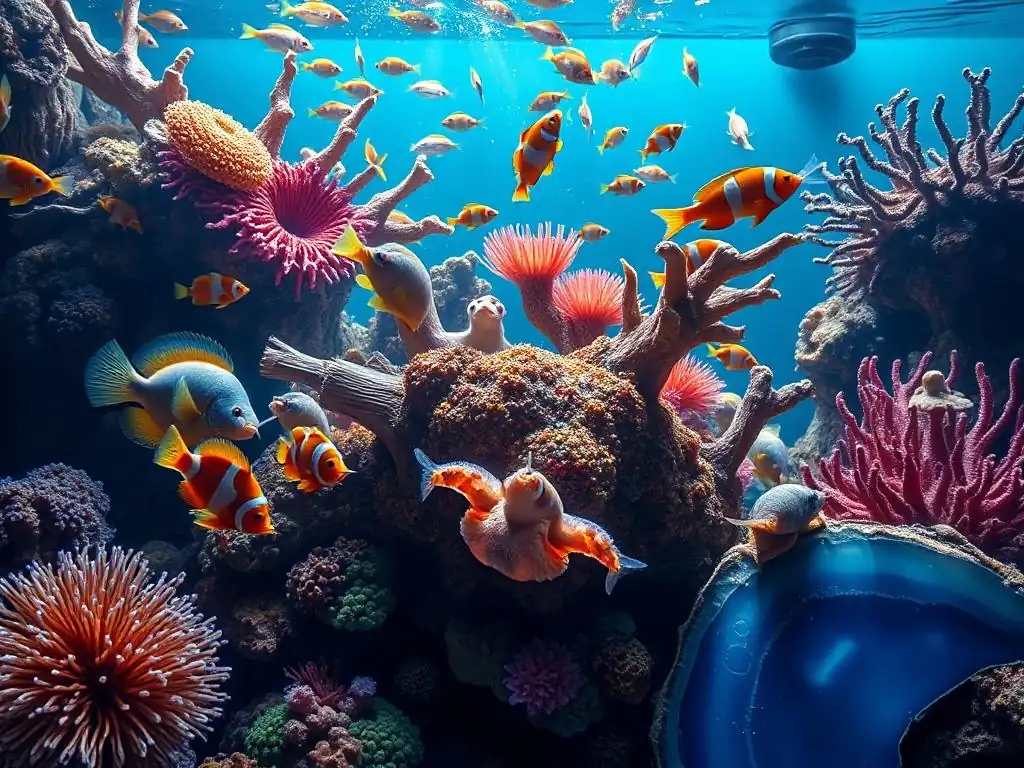
Ever wondered if those seemingly harmless snails in your reef aquarium are secretly plotting against your coral and other prized inhabitants? Prepare to uncover the truth! This article dives deep into the shadowy world of reef aquarium predatory snails, revealing the rogues you absolutely need to avoid. Discover which snails are friend and which are foe, and learn how to protect your reef from these sneaky predators. Intrigued? Let's explore!
- Introduction: Protecting Your Reef from Predatory Snails
- The Reef Aquarium Predatory Snails "Rogues' Gallery"
- Identifying Predatory Snails vs. Beneficial Snails
- Preventing the Introduction of Predatory Snails
- Removing Predatory Snails from Your Reef Tank
- Maintaining a Healthy Reef Ecosystem: The Best Defense
- Conclusion: Safeguarding Your Reef from Unwanted Snail Predators
-
Frequently Asked Questions
- What are predatory snails and why should I be concerned about them in my reef aquarium?
- Which snails are considered the most problematic predators in reef aquariums?
- How can I identify a potentially harmful snail in my reef tank?
- What steps can I take to prevent predatory snails from entering my reef aquarium?
- What can I do if I discover predatory snails in my reef aquarium?
- Final Reflection: Protecting the Delicate Balance
- Ignite Your Reef's Defense: Protect Your Paradise!
Introduction: Protecting Your Reef from Predatory Snails
In the intricate world of a reef aquarium, every inhabitant plays a role, from the vibrant corals to the industrious clean-up crew. While many snails are celebrated for their beneficial contributions, such as grazing on algae or sifting sand, a silent threat lurks in the shadows: certain species of reef aquarium predatory snails. These often-overlooked mollusks can hitchhike into a tank on live rock or coral fragments, initially going unnoticed due to their small size or cryptic nature, only to later unleash significant damage upon valuable corals, clams, and other invertebrates.
The challenge for aquarists lies in distinguishing these harmful species from their benign counterparts. Early identification is paramount, as a small population of predatory snails can rapidly proliferate and cause irreversible harm before their presence is even fully recognized. Understanding their characteristics and behaviors is the first line of defense in safeguarding the delicate balance and significant investment within your reef ecosystem.
Why Certain Snails Pose a Risk to Your Reef Ecosystem
The risk posed by specific snails stems directly from their specialized feeding habits and their place as carnivores or parasites within the marine food web. Unlike herbivorous snails that consume algae or detritus, predatory snails are equipped with unique biological mechanisms, such as a specialized radula designed for drilling into shells, or a proboscis for sucking fluids from host organisms. When introduced into the confined, prey-rich environment of a reef tank, these natural instincts become a direct threat to desirable inhabitants.
In the vastness of the ocean, the impact of a few predatory snails is negligible; however, in a closed system like a reef aquarium, their population can explode without natural predators to keep them in check. This imbalance means that a small number of reef aquarium predatory snails can decimate an entire colony of zoanthids, stress a large clam to the point of no return, or systematically eliminate beneficial microfauna, thereby disrupting the ecological stability that aquarists strive to maintain.
The Reef Aquarium Predatory Snails "Rogues' Gallery"
1. Sundial Snails: Reef Tank Pests Targeting Corals
Identifying Sundial Snails: Key Characteristics
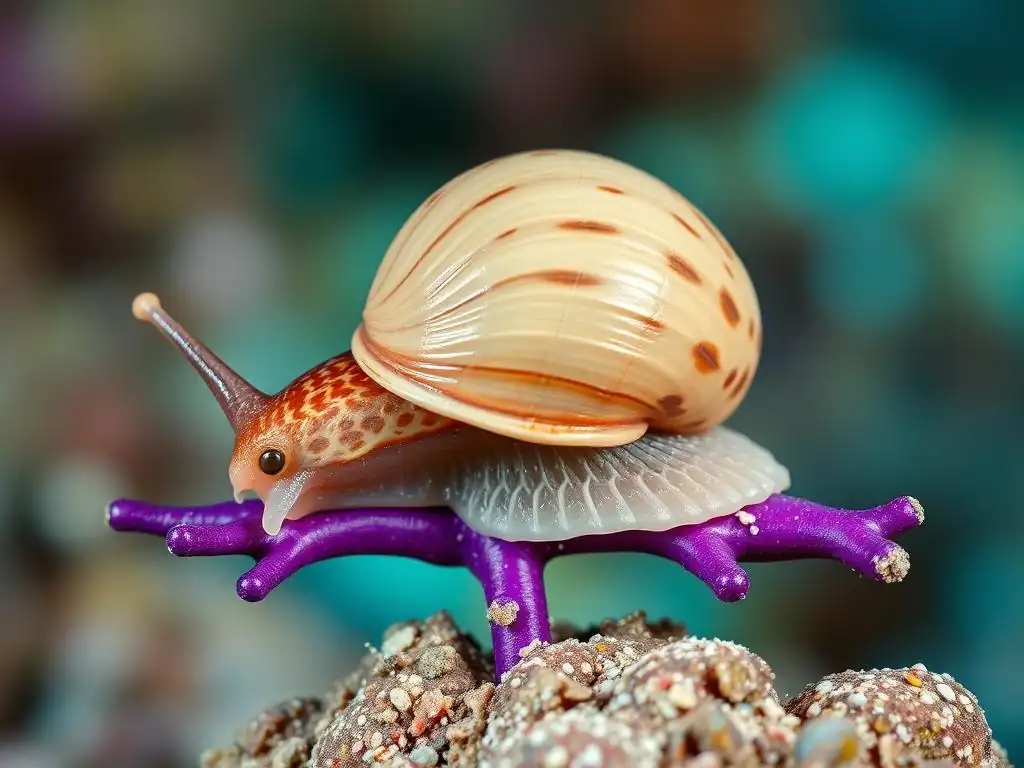
Sundial snails (genus Heliacus and Architectonica) are notorious reef aquarium predatory snails primarily due to their specialized diet. These snails typically possess a distinctive, flattened, disc-like or cone-shaped shell that, as their name suggests, often resembles a sundial. Their shells are usually white or light-colored, frequently adorned with brown or black spiral bands or spots, making them somewhat camouflaged against live rock.
These snails are generally small, with most species found in aquariums ranging from 5 millimeters to 2 centimeters (approximately 0.2 to 0.8 inches) in diameter. They are predominantly nocturnal, which makes their detection challenging during daylight hours. Aquarists often discover them by observing their tell-tale damage or by performing nighttime inspections with a flashlight, where the snails can be seen actively feeding on corals.
Sundial Snails Diet: What They Eat in Your Reef
Sundial snails are obligate predators of zoanthids and palythoa corals. They exhibit a highly specialized feeding behavior, positioning themselves directly on the polyps of these corals and consuming the soft tissue. This predation leads to visible damage, including retracted polyps, tissue recession, and, if left unchecked, the complete loss of entire coral colonies.
A single sundial snail can consume multiple polyps in a night, and their presence is often indicated by patches of closed or damaged zoanthid polyps. Their continuous feeding stresses the coral, making it vulnerable to disease and ultimately leading to its demise. The rapid decline of a zoanthid colony without any apparent water quality issues is a strong indicator of the presence of these particular reef aquarium predatory snails.
Sundial Snail Control and Removal Techniques
The most effective method for controlling sundial snail infestations is diligent manual removal. Since they are nocturnal, a targeted search during the night with a red-filtered flashlight (which disturbs nocturnal creatures less than white light) is recommended. Carefully inspect zoanthid colonies and surrounding rockwork, using tweezers or a small siphon to remove any snails found.
For new coral additions, especially zoanthids, a prophylactic dip in an iodine-based or commercial coral pest dip solution is highly advisable. These dips can help dislodge hidden sundial snails or their egg masses, preventing their introduction into the main display tank. Regular, consistent inspection and removal are crucial to eradicate these persistent reef aquarium predatory snails.
2. Pyramidellid Snails: Parasitic Snails Affecting Clams and Other Invertebrates
Recognizing Pyramidellid Snails: Size and Appearance
Pyramidellid snails (family Pyramidellidae) are among the most insidious reef aquarium predatory snails due to their minute size and parasitic nature. These tiny snails are typically less than 5 millimeters (0.2 inches) in length, often appearing as translucent white or off-white specks, making them incredibly difficult to spot with the naked eye. Their shells are usually elongated and conical, sometimes with a slight sinistral (left-handed) coiling, though this detail often requires magnification to observe.
They are frequently found clinging to the mantle tissue of their hosts, particularly Tridacna clams, or tucked into the crevices of their shells. Their diminutive size and ability to blend in with sand or detritus mean that infestations can become severe before any snails are visually identified, often only becoming apparent when the host organism begins to show signs of stress or decline.
The Parasitic Nature of Pyramidellids: How They Harm Reef Inhabitants
Pyramidellid snails are ectoparasites, meaning they live on the exterior of their host and feed by inserting a specialized proboscis into the host's tissues to extract bodily fluids, primarily hemolymph. Their primary targets in reef aquariums are Tridacna clams (giant clams), but some species can also parasitize other invertebrates like feather duster worms, other bivalves, or even certain corals.
The constant feeding by these parasites stresses the host, leading to reduced growth, inhibited mantle extension in clams, and a general decline in health. Over time, heavy infestations can cause significant tissue damage, susceptibility to secondary infections, and ultimately, the death of the host organism. The presence of these parasitic reef aquarium predatory snails is a serious threat to the longevity and vibrancy of affected inhabitants.
Pyramidellid Snail Prevention and Treatment Strategies
Prevention is key when dealing with pyramidellid snails, as treatment in a display tank can be challenging. All new Tridacna clams should undergo a rigorous quarantine period, ideally in a separate tank. During quarantine, regular inspection of the clam's mantle and shell is vital. Brief freshwater dips (1-2 minutes, ensuring water parameters like temperature and pH are matched) can often dislodge these snails, making them visible for manual removal with tweezers or a soft brush.
Biological controls, such as certain species of wrasse (e.g., Six-Line Wrasse, Halichoeres wrasse species), are sometimes introduced to prey on these tiny snails, but their effectiveness can vary, and they may also consume beneficial microfauna. For established infestations, repeated manual removal and freshwater dips every few days for several weeks are often necessary to break the life cycle of these persistent reef aquarium predatory snails.
3. Bubble Snails (Some Species): Potential Predators of Small Invertebrates
Bubble Snail Identification: Differentiating Safe from Unsafe Species
The term "bubble snail" is broad, encompassing various species, many of which are harmless herbivores or detritivores. However, certain species within this group, particularly those from genera like Haminoea or Philinopsis, can be predatory. These snails are characterized by a thin, often fragile, "bubble-like" shell that is typically partially or fully enveloped by the snail's mantle, giving them a distinct, almost slug-like appearance.
Differentiating safe from unsafe species often requires careful observation of their behavior and, ideally, precise identification. Predatory bubble snails tend to have a more muscular foot and may exhibit active hunting behaviors, whereas herbivorous species typically graze on algae films. Without specific identification, any bubble snail found actively consuming small invertebrates or showing unusual patterns of movement should be regarded with suspicion as a potential reef aquarium predatory snail.
Understanding the Diet of Bubble Snails in Reef Environments
While many bubble snail species are beneficial grazers, the predatory varieties typically feed on a range of small invertebrates. This can include small worms, amphipods, copepods, and even other small snails. Their impact can be insidious because they often target organisms that are part of the beneficial clean-up crew or the unseen microfauna crucial for a healthy reef ecosystem.
In some cases, larger predatory bubble snails might even opportunistically prey on the tube feet of echinoderms or the soft tissues of other small, sessile invertebrates if their primary food sources are scarce. Their presence can lead to a gradual decline in the diversity and abundance of the tank's microfauna, which can affect the overall health and stability of the reef environment.
Managing Bubble Snail Populations in Reef Aquariums
Managing predatory bubble snail populations typically involves manual removal. Due to their often cryptic nature and ability to burrow, regular observation, especially during nighttime hours, is crucial. If a particular species is identified as problematic, targeted removal with tweezers or a small net is the most direct approach.
Maintaining a diverse and robust clean-up crew can help mitigate the impact of opportunistic predators by ensuring a healthy, competitive ecosystem. In severe cases, or for persistent problematic species, introducing specific wrasse species known to consume small snails might be considered. However, this biological control should be approached with caution, as wrasse can also prey on beneficial microfauna and even small, desirable invertebrates, making them less precise than manual removal for managing reef aquarium predatory snails.
4. Whelks: Carnivorous Snails That May Prey on Reef Tank Inhabitants
Whelk Identification: Recognizing Their Predatory Nature
Whelks are a diverse group of carnivorous snails, many of which are robust predators in marine environments. In a reef aquarium, various species of whelks can hitchhike on live rock, and their presence can quickly become problematic. They are generally characterized by a sturdy, spiral, and often conical shell, which can vary widely in size from a few millimeters to several centimeters. Many species possess a distinct siphon, which they use to detect prey.
Common predatory whelks often have thick shells, sometimes adorned with spines or ridges, such as species from the Muricidae (murex snails) or Nassariidae families. While some Nassarius snails are beneficial scavengers, certain species are highly predatory. The key to recognizing their predatory nature lies in observing their behavior and the specific characteristics of their shell, which often appears more substantial and less "delicate" than many herbivorous snails.
Whelk Diet and Feeding Habits in Reef Tanks
Whelks are active carnivores, and their diet in a reef tank can include a wide range of desirable inhabitants. They commonly prey on other snails, bivalves (such as clams and oysters), and sometimes even small crustaceans. Many predatory whelks employ a sophisticated hunting strategy: they use their radula to drill a neat, circular hole into the shell of their prey, then insert their proboscis to consume the soft tissues inside.
The presence of empty clam or snail shells with perfectly drilled holes is a definitive sign of whelk activity within the aquarium. Their predatory nature makes them a significant threat, especially to expensive Tridacna clams and other desirable mollusk species, as they can systematically eliminate these inhabitants over time. These reef aquarium predatory snails are efficient hunters and can cause substantial losses.
Preventing and Removing Whelks from Your Reef Aquarium
Preventing the introduction of whelks primarily relies on thorough inspection of all new live rock and coral frags before they enter the display tank. Carefully examine crevices and undersides for any attached snails. A quarantine tank is highly recommended for new rock and invertebrates, allowing time for any hidden whelks to reveal themselves.
For existing infestations, manual removal is the most reliable method. Whelks can often be spotted on rocks or glass, especially when attracted by the scent of food. Trapping methods can also be effective: a small container with a piece of meaty food, such as a clam or shrimp, placed in the tank overnight can attract whelks, which can then be removed in the morning. While some wrasse species may prey on smaller whelks, larger specimens are generally safe from fish predation, necessitating direct intervention for these reef aquarium predatory snails.
Identifying Predatory Snails vs. Beneficial Snails
Key Differences in Appearance and Behavior
Distinguishing between predatory and beneficial snails is crucial for maintaining a healthy reef aquarium. Beneficial snails, such as Trochus, Turbo, Nerite, and most Nassarius species, are typically active grazers or detritivores. They are often seen crawling on the glass, live rock, or sand bed, diligently consuming algae films, diatoms, or detritus. Their shells are generally smooth, conical, or turban-shaped, and they move with a steady, purposeful glide.
In contrast, reef aquarium predatory snails often exhibit more unusual or ornate shell morphologies, sometimes with spines, ridges, or a more elongated, slender shape. Their behavior is also a key indicator: while beneficial snails are usually seen grazing, predatory snails might be found stationary on a coral or clam for extended periods, or actively drilling into shells. They may also be more reclusive and nocturnal, only emerging to hunt when the tank lights are off.
Observing Snail Feeding Habits to Determine Their Impact
The most definitive way to determine a snail's impact is to observe its feeding habits directly. A beneficial snail will typically leave a clean trail behind it as it grazes on algae, or burrow through the sand, sifting detritus. If you observe a snail consistently positioned on a coral polyp, a clam, or another invertebrate, especially if the host shows signs of stress or tissue recession, it is a strong indication of a predatory species.
Look for specific signs of predation, such as small, perfectly circular drill holes in the shells of other snails or clams, which are characteristic of whelks and some other predatory snails. The presence of retracted polyps on corals or a clam that refuses to open fully can also point to parasitic or predatory snail activity. Regular, close observation, particularly during the night, is indispensable for identifying these problematic reef aquarium predatory snails and taking timely action.
Preventing the Introduction of Predatory Snails
Quarantine Procedures for New Invertebrates
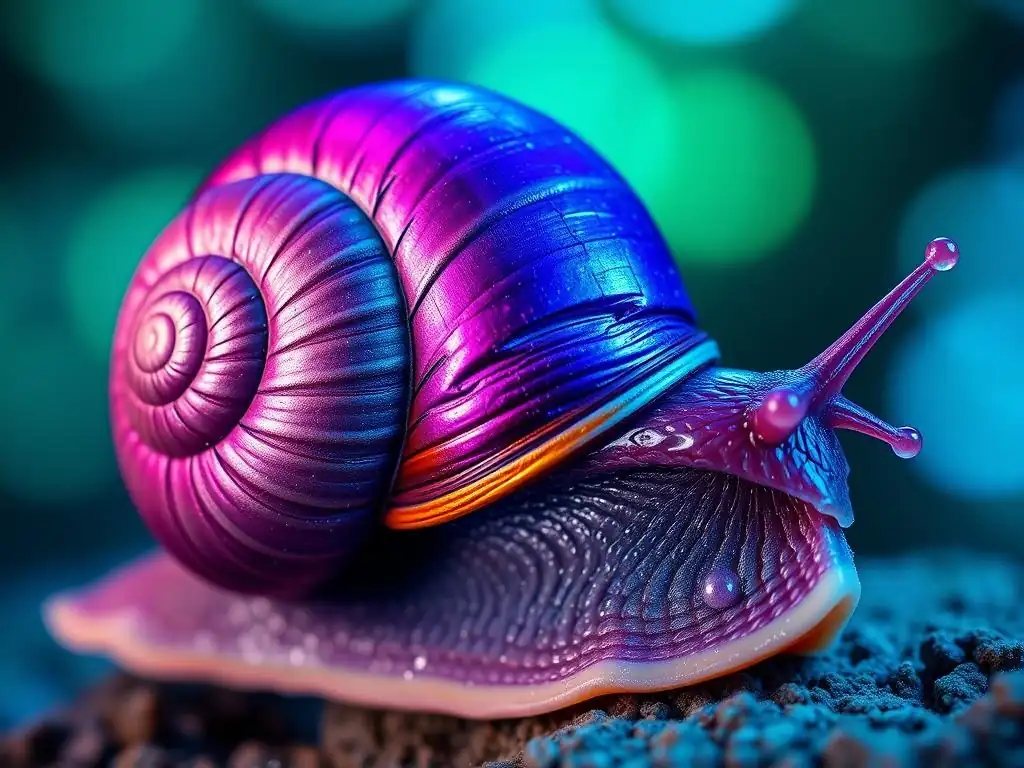
The most effective defense against the introduction of reef aquarium predatory snails is a strict quarantine protocol for all new invertebrates, corals, and live rock. A dedicated quarantine tank (QT) allows you to isolate new arrivals for a period of at least 4-6 weeks before introducing them to your main display. This isolation period provides a crucial window for any hidden pests, including predatory snails and their egg masses, to emerge and become detectable.
During quarantine, new inhabitants can be closely observed for any signs of unwanted hitchhikers. This controlled environment also allows for targeted treatments, such as dips or manual removal, without risking the established ecosystem of your main tank. Investing in a simple quarantine setup can save significant time, money, and heartache by preventing widespread infestations of these destructive pests.
Inspecting Corals and Live Rock for Snail Eggs and Snails
Beyond quarantine, a meticulous visual inspection of all new corals and live rock is essential. Before placing items in the quarantine tank or main display, carefully examine every surface, crevice, and underside using a magnifying glass and a strong flashlight. Many reef aquarium predatory snails are masters of camouflage, and their egg masses can be tiny and easily overlooked.
Pay particular attention to the bases of coral frags, the undersides of live rock, and any small holes or crevices where snails might hide or lay eggs. Some snail eggs appear as clear, gelatinous blobs, while others might be encased in hard, calcified capsules. Dipping new corals in an appropriate coral dip solution (e.g., those containing iodine or commercial pest control agents) can help dislodge hidden snails and make their egg masses more visible, allowing for their manual removal before they can establish a foothold in your aquarium.
Removing Predatory Snails from Your Reef Tank
Manual Removal Techniques: The Most Effective Methods
Once reef aquarium predatory snails have been identified in your tank, manual removal is often the most direct and effective method of control. This technique requires patience and diligence, especially for nocturnal or cryptic species. Begin by performing nightly inspections, using a red-filtered flashlight to illuminate the tank without disturbing its inhabitants excessively. Predatory snails are often more active and visible after the main tank lights have been off for a few hours.
When a snail is spotted, use long-handled tweezers, forceps, or a small siphon to carefully remove it from the tank. Consistency is key; continue these nightly patrols for several weeks to catch newly hatched snails or those that were previously hidden. For species like pyramidellids on clams, gentle brushing with a soft toothbrush or targeted removal with fine-tipped tweezers directly from the clam's mantle can be effective, though extreme care must be taken not to harm the clam.
Trapping Methods for Catching Predatory Snails
For larger or more mobile reef aquarium predatory snails, such as certain whelks, trapping methods can supplement manual removal efforts. Simple snail traps can be constructed using small, weighted containers (e.g., a plastic deli cup with holes) baited with a piece of meaty food, such as a small fragment of clam, shrimp, or fish. Place the trap in an area where snail activity has been observed, preferably overnight.
The scent of the bait will attract carnivorous snails, which will enter the trap. In the morning, the trap can be removed from the tank, along with any captured snails. While this method can be effective for specific types of predatory snails, it may not be as successful for very small, parasitic, or highly specialized feeders like sundial snails, which prefer live coral polyps over dead bait.
Natural Predators: Harlequin Shrimp and Wrasse
Introducing natural predators can be a consideration for managing certain types of reef aquarium predatory snails, though this approach requires careful thought due to potential risks to other tank inhabitants. Harlequin Shrimp ( Hymenocera picta) are highly specialized predators of starfish and can be effective against problematic asterina starfish, but they are not a general snail predator.
Certain species of wrasse, such as the Six-Line Wrasse ( Pseudocheilinus hexataenia), Yellow Coris Wrasse ( Halichoeres chrysus), or Melanurus Wrasse ( Halichoeres melanurus), are known to pick at and consume small snails, flatworms, and other micro-invertebrates. While they can help control populations of smaller reef aquarium predatory snails, it is important to research their temperament and dietary habits thoroughly, as some wrasse can become aggressive or may also prey on beneficial microfauna, small ornamental shrimp, or even some desirable snails in your clean-up crew.
Maintaining a Healthy Reef Ecosystem: The Best Defense
Promoting a Balanced Invertebrate Population
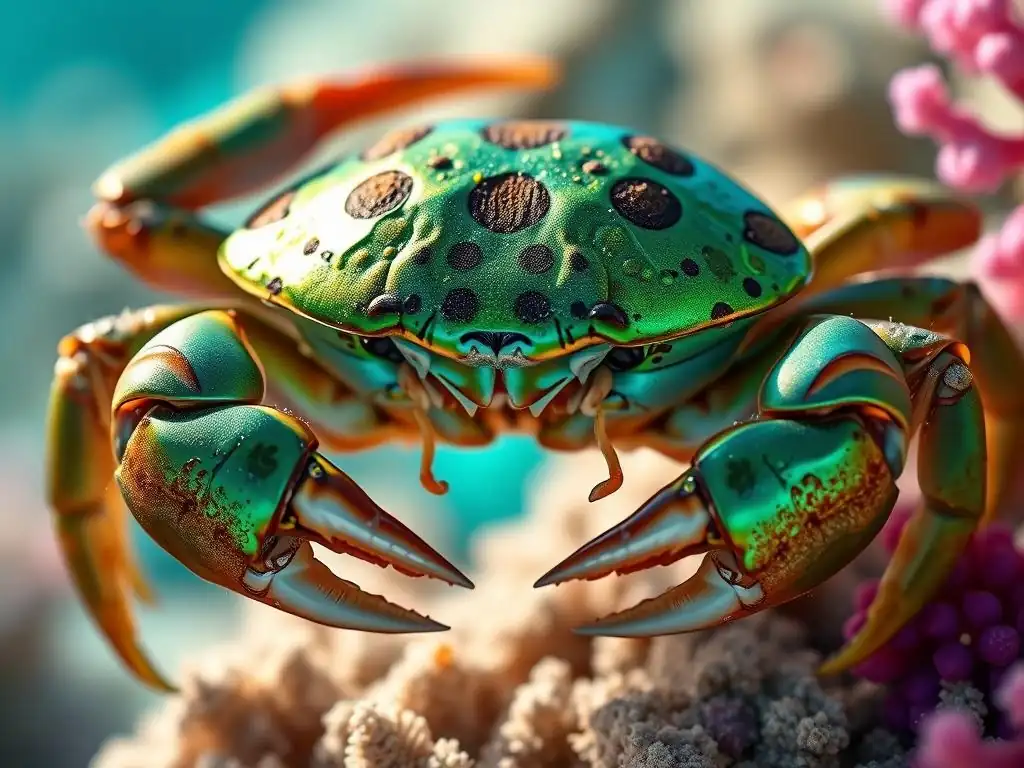
A robust and diverse clean-up crew is an essential component of a healthy reef ecosystem and serves as a proactive defense against the establishment of reef aquarium predatory snails. A well-stocked clean-up crew, consisting of various species of beneficial snails (e.g., Trochus, Turbo, Nassarius), hermit crabs, and other detritivores, helps maintain water quality by consuming algae and detritus. This reduces the food sources that might otherwise support opportunistic pest snails.
Furthermore, a balanced invertebrate population creates a resilient ecosystem where competition for resources can naturally deter the proliferation of unwanted pests. Healthy populations of microfauna, such as copepods and amphipods, also contribute to the overall stability, outcompeting or sometimes even preying on the larval stages of various pests, making it harder for predatory snails to gain a foothold.
Regular Observation and Monitoring for Early Detection
The most powerful tool in an aquarist's arsenal against reef aquarium predatory snails is consistent and vigilant observation. Daily visual checks of your corals, clams, live rock, and sand bed are paramount. Look for any subtle signs of stress on your corals, such as tissue recession, unusual coloration, or prolonged polyp retraction, which could indicate a pest problem.
Pay close attention to any unfamiliar snails, especially those found directly on corals or clams. Perform regular nighttime inspections with a flashlight to catch nocturnal predators in action. Early detection is critical; addressing a small, localized infestation of predatory snails is significantly easier and less damaging than combating a widespread problem that has been allowed to proliferate unchecked. Proactive monitoring helps safeguard your valuable reef inhabitants.
Conclusion: Safeguarding Your Reef from Unwanted Snail Predators
Maintaining a thriving reef aquarium demands vigilance, knowledge, and proactive measures, especially when it comes to combating reef aquarium predatory snails. While many snails are invaluable members of the clean-up crew, the threat posed by species like sundial snails, pyramidellids, certain bubble snails, and various whelks cannot be underestimated. These hidden dangers can swiftly decimate corals, clams, and other invertebrates, turning a vibrant ecosystem into a landscape of decline.
The key to safeguarding your reef lies in diligent prevention through strict quarantine procedures and meticulous inspection of all new arrivals. Should these unwanted predators breach your defenses, a combination of consistent manual removal, strategic trapping, and, in some cases, the careful introduction of natural predators can help reclaim your tank. Ultimately, a healthy, balanced reef ecosystem, supported by regular observation and prompt action, remains the best defense against these insidious snail predators, ensuring the long-term beauty and vitality of your aquatic masterpiece.
Frequently Asked Questions
What are predatory snails and why should I be concerned about them in my reef aquarium?
Predatory snails are snails that actively hunt and consume other invertebrates, like corals, clams, and other beneficial snails. They can cause significant damage to a reef ecosystem if left unchecked.
Which snails are considered the most problematic predators in reef aquariums?
While identification can be tricky, some of the worst offenders include certain Pyramidellidae snails (often called pyramid snails) that parasitize clams and other bivalves, and some Magilidae snails that bore into corals.
How can I identify a potentially harmful snail in my reef tank?
Look for snails that are actively crawling on or near corals and clams, especially at night. Observe their feeding behavior. Consider their shell shape – unusual or elongated shapes can be indicative of predatory species.
What steps can I take to prevent predatory snails from entering my reef aquarium?
Quarantine all new corals and invertebrates in a separate tank for several weeks to observe for pests. Carefully inspect each item before introducing it to your main display tank. A thorough dip can help dislodge unwanted hitchhikers.
What can I do if I discover predatory snails in my reef aquarium?
Manual removal is often the best first step. You can also try setting snail traps. In some cases, a natural predator, such as a Harlequin shrimp, might help control the population, but research compatibility carefully.
Final Reflection: Protecting the Delicate Balance
The information presented throughout this article underscores the critical importance of vigilance and informed decision-making when introducing any new organism into a reef aquarium. Understanding the potential impact of seemingly innocuous creatures, like predatory snails, is paramount to maintaining a thriving and balanced ecosystem. Ignoring these risks can lead to devastating consequences for the delicate life within your reef.
This exploration of predatory snails highlights how even seemingly small choices can have profound and lasting effects on the complex web of life within our aquariums. It serves as a reminder that responsible reef keeping extends beyond simply providing the right water parameters and lighting. In the end, we will conserve only what we love; we will love only what we understand; and we will understand only what we are taught.
- Baba Dioum. This quote perfectly encapsulates the need for continuous learning and careful consideration in our interactions with the natural world, even within the confines of our own tanks.
As you continue your reef keeping journey, remember the lessons learned here. Let this "Rogues' Gallery" serve as a constant reminder to research, observe, and act responsibly. Consider the potential consequences of your choices, and strive to create a thriving, balanced, and sustainable ecosystem. Your dedication to informed practice will not only enrich your own aquarium experience but also contribute to a greater understanding and appreciation for the wonders of the reef environment.
Ignite Your Reef's Defense: Protect Your Paradise!
Thanks for diving into the world of reef aquarium safety! We hope you're now armed with the knowledge to identify and safeguard your vibrant ecosystem from predatory snails. Now, let's put that knowledge into action and build a thriving reef!
Here's what you can do next:
- Immediately inspect your aquarium and quarantine any suspicious snails that match the descriptions from the article. Early intervention is key!
- Share this guide with fellow reef enthusiasts. Help them protect their underwater havens!
- Delve deeper! Research compatible, beneficial snail species to introduce into your reef for optimal algae control and ecosystem balance.
What proactive steps will you take this week to ensure a predator-free reef aquarium?