
What to Do If Your Sea Star Loses an Arm: Regeneration Explained

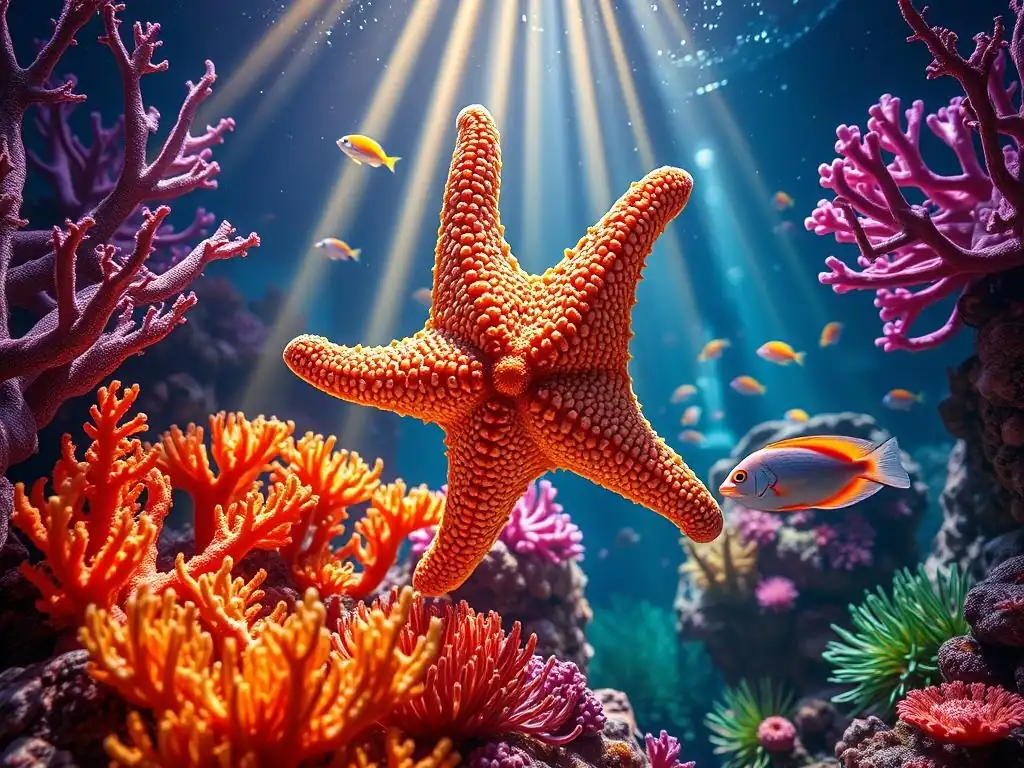
Welcome to Aquarium Mastery, your ultimate guide to all things aquatic! Ever wondered if that little sea star in your saltwater tank could actually grow back an arm? Dive in and explore the fascinating world of sea star arm regeneration, uncovering the secrets and practical steps you need to know. Prepare to be amazed by the resilience of these incredible invertebrates and learn what you can do to support their natural healing process. Let's unlock the mysteries together!
- Understanding Sea Star Arm Regeneration
- Caring for a Sea Star with a Lost Arm: A Step-by-Step Guide
- Factors Affecting Sea Star Regeneration Rates
- Can a Sea Star Fully Recover a Lost Arm?
- Long-Term Care for Regenerating Sea Stars in Aquariums
- Identifying Potential Problems During Sea Star Regeneration
- Supporting Sea Star Health and Preventing Injury
- Debunking Myths About Sea Star Regeneration
- Responsible Sea Star Acquisition and Aquarium Practices
- Conclusion: Promoting Sea Star Health and Understanding Regeneration
-
Frequently Asked Questions
- How long does it typically take for a sea star to regenerate an arm?
- Can any part of a sea star arm regenerate a whole new sea star?
- What are the most important factors to consider for sea star health during regeneration?
- What should I feed a sea star while it's regenerating an arm?
- Is it possible for a sea star to reject a regenerated arm?
- Final Reflection: The Enduring Power of Renewal
- Unleash the Starfish's Secret: Begin Your Regeneration Journey!
Understanding Sea Star Arm Regeneration
The Remarkable Biology of Sea Star Regeneration
Sea stars, commonly known as starfish, possess an extraordinary biological capability: the ability to regenerate lost or damaged body parts, most notably their arms. This process, known as autotomy, is a survival mechanism that allows them to escape predators or recover from injury. Unlike many other invertebrates, sea stars can regrow not just a lost arm, but in some cases, even an entire new body from a single arm, provided a portion of the central disc is attached. This incredible regenerative power makes them fascinating subjects for aquarists and marine biologists alike.
The regeneration process in sea stars is complex, involving intricate cellular and molecular mechanisms. When an arm is lost, specialized cells migrate to the wound site, forming a blastema – a mass of undifferentiated cells capable of developing into new tissues and organs. This blastema then differentiates and grows, gradually forming a new, often smaller, arm that will eventually reach the size of the original. The speed and success of sea star arm regeneration are influenced by various factors, including the species, age, overall health, and environmental conditions.
Why Sea Stars Lose Arms: Common Causes
Sea stars lose arms primarily as a defense mechanism, a process called autotomy, which allows them to voluntarily detach an arm to escape a predator. For instance, if a crab or a fish grabs an arm, the sea star can sever it, leaving the predator with a meal while the main body escapes. This defensive strategy is common among many sea star species and is a primary reason aquarists might observe a sea star with a missing limb in their tank. The detached arm often continues to twitch, distracting the predator as the sea star makes its getaway.
Beyond predation, sea stars can also lose arms due to physical injury, environmental stressors, or disease. Accidental damage can occur from tank decorations falling, an aggressive tank mate, or even improper handling by an aquarist. For example, some larger hermit crabs or certain fish species might nip at a sea star's delicate arms. Additionally, poor water quality, fluctuating salinity, or inadequate nutrition can weaken a sea star, making its arms more susceptible to damage or spontaneous autotomy as a stress response.
Predation and Defensive Autotomy
In a natural reef environment, predation is a significant driver for sea star arm loss. Many fish, crustaceans, and even other invertebrates view sea stars as a food source. When faced with a threat, species like the commonly kept Chocolate Chip Sea Star (Protoreaster nodosus) or the Sand Sifting Sea Star (Archaster typicus) can quickly sever an arm. This act is not simply a break; it's a controlled physiological response where muscles contract and tissues tear along pre-determined planes, minimizing blood loss and preventing infection.
Within the confines of an aquarium, while large predators might be absent, opportunistic feeders or aggressive tank mates can still induce autotomy. For example, a large pufferfish might attempt to bite a sea star, leading to an arm being dropped. It's crucial for aquarists to research compatibility carefully before introducing sea stars to a community tank, as even seemingly harmless species can pose a threat to these slow-moving invertebrates.
Environmental Stressors and Injury
Poor environmental conditions are a major contributor to sea star health issues, including arm loss. Sudden shifts in water parameters such as temperature, salinity, pH, or ammonia spikes can severely stress a sea star, sometimes leading to autotomy as a last-ditch survival mechanism. For instance, a rapid drop in salinity from 1.025 to 1.020 within a few hours can be extremely detrimental, causing the sea star to shed arms or even disintegrate. Sustained exposure to elevated nitrates, even if not immediately lethal, can also compromise their health and regenerative capabilities.
Physical injury from tank decor or handling is another common cause. Sharp edges on live rock, unstable rock structures, or even forceful attachment to glass by strong suction cups can damage delicate tube feet or arms. When handling a sea star, it's vital to avoid pulling it off surfaces, as this can easily tear its tube feet or even cause an arm to detach. Instead, allow the sea star to release its grip naturally or gently nudge it from the side.
Disease and Tissue Damage
Sea stars, like all aquarium inhabitants, are susceptible to various diseases, many of which manifest as tissue damage or necrosis that can lead to arm loss. Bacterial or fungal infections, often exacerbated by poor water quality or pre-existing injuries, can cause lesions, decay, and eventual arm disintegration. For example, "sea star wasting disease," while more prevalent in wild populations, can exhibit symptoms like lesions and arm detachment, though its exact causes are still being researched and debated among scientists.
Observing white patches, lesions, or a general "melting" appearance on a sea star's arm is a strong indicator of a potential health issue requiring immediate attention. If an arm appears to be decaying at the base, it's likely a more serious infection or systemic problem. Prompt identification and isolation of the affected sea star, coupled with rigorous water quality management, are crucial steps to prevent further arm loss or the spread of disease to other tank inhabitants.
Caring for a Sea Star with a Lost Arm: A Step-by-Step Guide
Initial Assessment: Observing the Injured Sea Star
Upon noticing a sea star has lost an arm, the first step is a thorough visual assessment of the animal and its environment. Carefully observe the wound site on the sea star: Is it clean, or are there signs of infection like discoloration, fuzz, or further tissue decay?
Note the overall behavior of the sea star – is it still moving, feeding, and adhering to surfaces normally, or does it appear lethargic, curled up, or detached from surfaces? A healthy sea star will typically show signs of healing relatively quickly at the wound site, with the initial closure of the exposed area.
Concurrently, inspect the aquarium for potential causes of the injury. Check water parameters immediately, including salinity, temperature, ammonia, nitrite, and nitrate levels. Look for sharp decorations, unstable rockwork, or aggressive tank mates that might have caused the damage. Identifying and rectifying the underlying cause is paramount to preventing further injury and ensuring optimal conditions for sea star arm regeneration.
Maintaining Optimal Tank Conditions for Healing
Maintaining pristine and stable water parameters is the most critical factor for successful sea star arm regeneration. Sea stars are highly sensitive to fluctuations, particularly in salinity and temperature. Salinity should be kept consistently between 1.023 and 1.026 specific gravity, and temperature within their preferred range, typically 72-78°F (22-25°C), with minimal daily swings. Ammonia and nitrite must remain at undetectable levels (0 ppm), and nitrates should be kept as low as possible, ideally below 10-20 ppm.
Regular water changes (e.g., 10-20% weekly) are essential to remove accumulated waste and replenish vital trace elements. Ensure that new water is precisely matched in salinity and temperature to the display tank to avoid shocking the sea star during water changes. Adequate filtration, including mechanical, chemical, and biological filtration, is also crucial to maintain water clarity and purity, providing a stress-free environment conducive to healing and sea star arm regeneration.
Nutritional Support and Monitoring
While regenerating an arm, a sea star expends significant energy, making proper nutrition more vital than ever. Ensure the sea star has consistent access to its preferred food sources. For detritivorous species like the Sand Sifting Sea Star, ensure a deep, mature sand bed rich in detritus. For omnivores or carnivores, such as the Brittle Star or certain Asteroidea, offer a varied diet of small pieces of meaty foods like shrimp, clam, or silversides, ensuring the food is placed directly within their reach if they are less mobile.
Monitor the sea star's feeding behavior closely. A healthy, regenerating sea star should continue to seek out and consume food. If it stops eating or appears to be wasting away, it may indicate a more serious underlying issue or a lack of appropriate food sources. Supplementing the diet with marine-based vitamin supplements, particularly those rich in essential fatty acids, can also support the metabolic demands of sea star arm regeneration.
Preventing Further Injury During Regeneration
Protecting the regenerating sea star from further injury is paramount to successful sea star arm regeneration. If the injury was caused by an aggressive tank mate, consider temporarily moving the sea star to a quarantine or hospital tank with stable conditions. If the issue was physical obstruction, remove or secure any unstable rockwork or sharp decorations. Ensure that all tank inhabitants are compatible with sea stars, avoiding species known to nip or prey on invertebrates.
Reduce any unnecessary stress or handling. Avoid removing the sea star from the water, as exposure to air can be highly damaging to its delicate water vascular system and internal organs. When performing tank maintenance, be extra careful around the injured sea star. Allow it ample time and space to heal without disturbance, as constant stress can hinder the regeneration process and potentially lead to further complications.
Factors Affecting Sea Star Regeneration Rates
Water Quality and its Impact
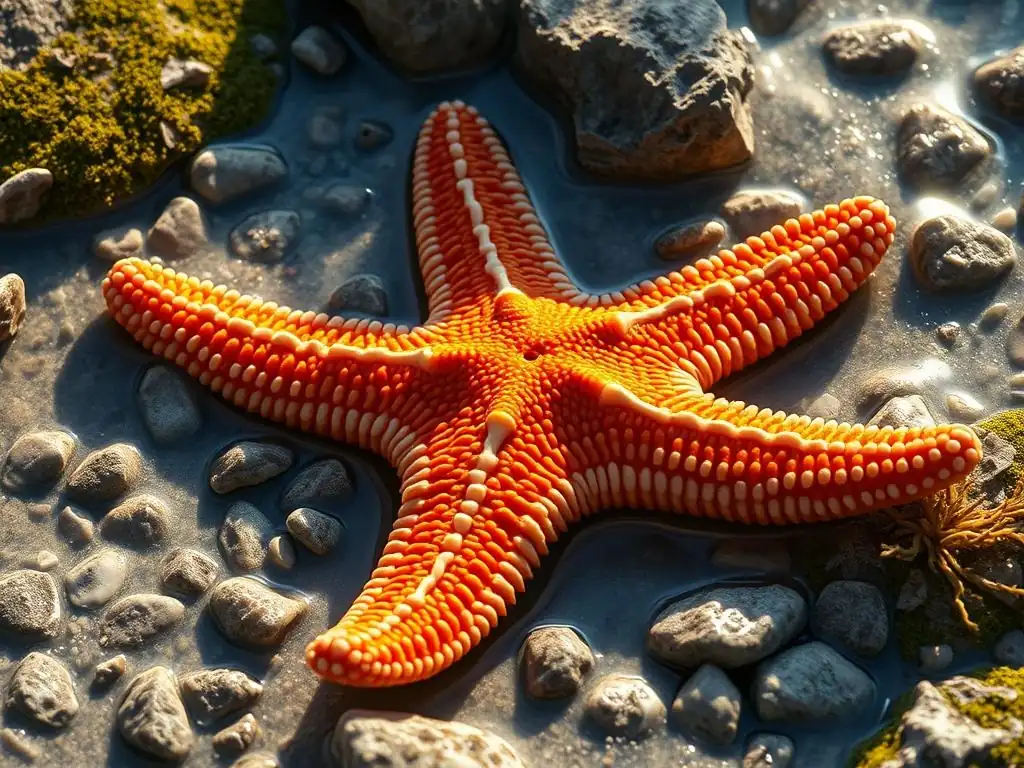
Optimal water quality is arguably the most critical factor influencing the speed and success of sea star arm regeneration. Just as with overall health, stable and pristine parameters are paramount. Fluctuations in salinity (e.g., more than 0.001-0.002 specific gravity per day), temperature swings exceeding 2-3°F (1-2°C), or the presence of even low levels of ammonia, nitrite, or elevated nitrates can significantly slow down or completely halt the regenerative process. For example, a study on Asterias rubens showed that regeneration rates decreased significantly in suboptimal salinity conditions.
Clean water ensures that the sea star's metabolic processes are not burdened by detoxification, allowing energy to be diverted towards tissue repair and growth. Trace elements like calcium and strontium, which are often depleted in reef aquariums, are also essential building blocks for the regenerating skeletal structures. Regular testing and consistent water changes, maintaining calcium levels around 400-450 ppm and alkalinity between 8-12 dKH, provide the necessary environment for robust sea star arm regeneration.
Sea Star Species and Age
The inherent regenerative capacity varies significantly among different sea star species. Some species, like the Brittle Star (Ophiuroidea), are renowned for their rapid and complete regeneration, often regrowing multiple arms quickly. In contrast, species like the Blue Linckia Sea Star (Linckia laevigata) are known for their slower regeneration rates, and sometimes struggle to fully recover from significant damage, particularly if the central disc is severely compromised. This difference is largely due to genetic predispositions and metabolic rates.
Age also plays a crucial role in sea star arm regeneration. Younger, healthier sea stars generally exhibit faster and more complete regeneration compared to older or senescent individuals. Their metabolic rates are higher, and their cells are more active, allowing for more efficient tissue repair and growth. An adult sea star might take several months to a year to fully regrow a lost arm, while a juvenile might achieve significant regrowth in a few weeks or months, assuming all other conditions are optimal.
Diet and Overall Health
A sea star's nutritional status and overall health directly impact its ability to regenerate. A well-fed sea star with a balanced diet will have the energy reserves and necessary nutrients (proteins, lipids, minerals) to fuel the demanding process of tissue regrowth. For instance, carnivorous sea stars require sufficient protein from meaty foods like clams or mussels, while detritivorous species need a thriving microfauna in the sand bed. A sea star that is underfed or suffering from nutrient deficiencies will have a significantly impaired regenerative capacity.
Chronic stress, whether from poor water quality, incompatible tank mates, or inadequate hiding spots, also drains a sea star's energy reserves and compromises its immune system, making regeneration less efficient. A study on sea star health indicated that individuals under chronic stress diverted energy away from growth and repair processes. Therefore, providing a stable, low-stress environment with a consistent and appropriate food source is fundamental to supporting robust sea star arm regeneration.
Can a Sea Star Fully Recover a Lost Arm?
Prerequisites for Complete Regeneration
For a sea star to achieve complete regeneration of a lost arm, several key conditions must be met. Firstly, a sufficient portion of the central disc must remain intact. While some species can regrow from a single arm, this is only possible if a piece of the central disc, which contains vital organs and nervous tissue, is still attached. Without this central component, an isolated arm will typically die. Secondly, the sea star must be in excellent overall health, with robust energy reserves and no underlying diseases.
Finally, the aquarium environment must be meticulously maintained. This includes stable and optimal water parameters (salinity, temperature, pH, ammonia, nitrite, nitrate), adequate water flow, and a consistent supply of appropriate nutrition. Any significant deviation from these ideal conditions can impede or halt the sea star arm regeneration process, leading to a stunted arm or complete failure to regenerate.
The Process of Arm Regrowth
The process of sea star arm regeneration is a fascinating, multi-stage biological phenomenon. Immediately after an arm is lost, the wound site quickly closes to prevent fluid loss and infection. Within days to weeks, a small, undifferentiated bud, known as a blastema, begins to form at the site of the injury. This blastema is composed of pluripotent cells that will differentiate into the various tissues required for the new arm.
Over the following weeks to months, this bud gradually elongates and develops, slowly forming the characteristic shape of an arm, complete with tube feet and sensory structures. The new arm will initially be much smaller and paler than the existing arms, often appearing as a "baby arm." The final stage involves the new arm growing to full size and integrating seamlessly with the rest of the sea star's body, which can take anywhere from several months to over a year, depending on the species and the extent of the initial injury.
Monitoring Progress and Full Recovery
Monitoring the sea star's progress during regeneration is crucial to ensure a successful outcome. Regularly observe the regenerating arm for signs of healthy growth: it should gradually increase in size, develop tube feet, and show no signs of discoloration or decay. The sea star should also maintain normal feeding and movement behaviors. If growth stalls, or if the regenerating arm appears unhealthy, it could indicate a problem with water quality, nutrition, or an underlying infection.
Full recovery is considered when the new arm has reached a size and appearance comparable to the original arms, and the sea star exhibits complete mobility and feeding activity. While some sea stars may retain a slightly smaller or differently colored regenerated arm for their entire lives, a functionally complete arm is the primary indicator of successful sea star arm regeneration. Consistent vigilance and proactive care throughout this period significantly increase the chances of a complete and healthy recovery.
Long-Term Care for Regenerating Sea Stars in Aquariums
Mimicking Natural Reef Environments
For successful long-term care and optimal sea star arm regeneration, it's crucial to mimic their natural reef environment as closely as possible. This involves providing a stable and mature marine aquarium with appropriate live rock for hiding and foraging, and a deep sand bed if the species is detritivorous. For instance, a Sand Sifting Sea Star (Archaster typicus) thrives in a tank with at least 3-4 inches of fine sand, allowing it to burrow and find food.
Water parameters must be consistently maintained within specific ranges: salinity at 1.023-1.026, temperature between 72-78°F (22-25°C), and a stable pH of 8.1-8.4. Adequate water flow, typically moderate and non-turbulent, is also important to prevent dead spots and ensure oxygenation. A well-established biological filter is essential to process waste, preventing ammonia and nitrite spikes that are highly toxic to sea stars and can severely impede regeneration.
Providing Adequate Substrate and Hiding Spots
The type and depth of substrate are critical for many sea star species, particularly those that burrow or sift through sand for food. A minimum of a 3-4 inch deep sand bed is recommended for species like the Sand Sifting Sea Star or various Brittle Stars, which rely on the sand bed for their primary food source and shelter. Without adequate substrate, these species can starve or become stressed, hindering their ability to regenerate.
Beyond substrate, providing ample live rock with crevices and overhangs offers crucial hiding spots and a sense of security. Sea stars often retreat to these protected areas during the day or when feeling stressed. This naturalistic environment reduces stress, which in turn supports the sea star's immune system and energy reserves, both vital for efficient sea star arm regeneration. Ensure rockwork is stable and cannot fall or shift, preventing physical injury.
Preventing Aggression from Tank Mates
Aggression from tank mates is a common cause of stress and injury for sea stars, which can severely impact their regeneration capabilities. It is paramount to select compatible tank inhabitants that will not view the sea star as food or competition. Avoid aggressive fish like puffers, triggerfish, or large angels, which are known to nip at or consume invertebrates. Even certain hermit crabs or larger predatory snails can pose a threat.
Careful observation of tank dynamics is necessary. If a sea star consistently appears stressed, hides excessively, or shows signs of new injury, consider isolating it or rehoming aggressive tank mates. A peaceful community tank allows the sea star to feed and move freely without fear of harassment, dedicating its energy towards healing and sea star arm regeneration rather than constant evasion.
Regular Health Checks and Water Parameter Monitoring
Proactive health management through regular observation and consistent water parameter monitoring is vital for the long-term well-being and regeneration of sea stars. Daily visual checks for signs of stress, injury, or disease (e.g., lethargy, discoloration, tissue decay, lack of movement) are recommended. Pay close attention to the regenerating arm for healthy growth and absence of infection.
Weekly testing of core water parameters—salinity, temperature, ammonia, nitrite, nitrate, pH, alkalinity, calcium, and magnesium—is essential. Maintaining these within optimal ranges prevents stress and provides the necessary chemical environment for cellular repair and growth. For instance, calcium levels around 400-450 ppm and alkalinity between 8-12 dKH are crucial for the development of new skeletal structures during sea star arm regeneration. Consistent monitoring and immediate correction of any deviations will significantly improve the chances of full recovery.
Identifying Potential Problems During Sea Star Regeneration
Signs of Infection or Further Deterioration
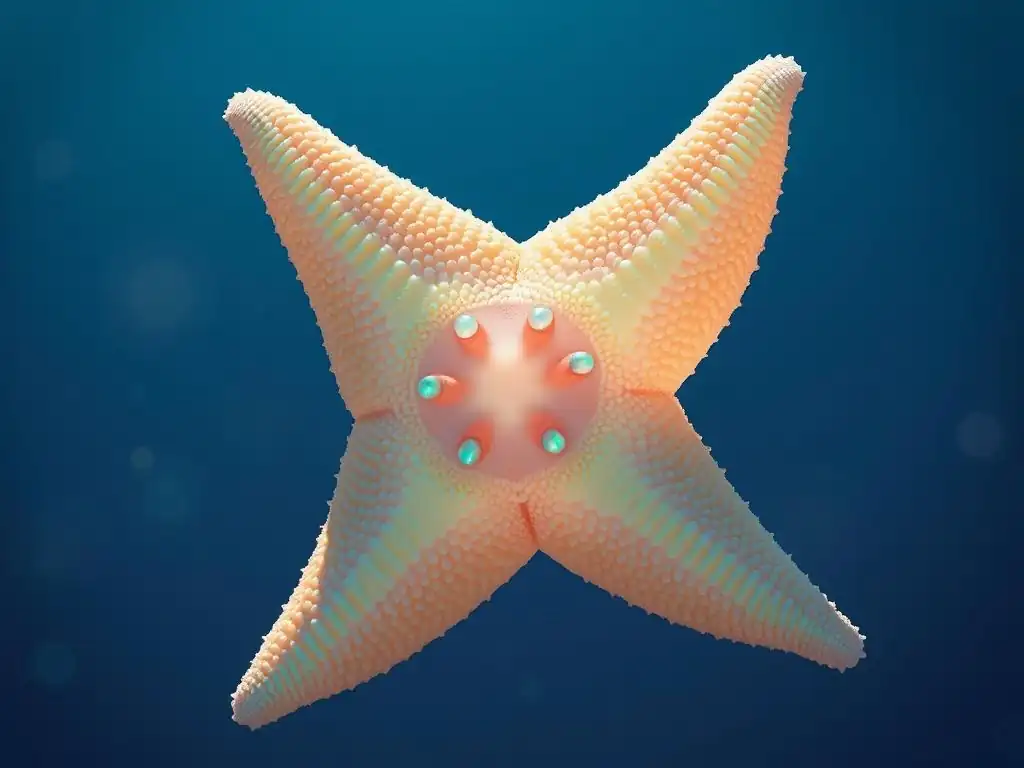
During the sea star arm regeneration process, it's crucial to watch for signs of infection or a worsening condition, as these can quickly become fatal. A healthy regenerating arm will typically look clean, firm, and gradually increase in size. Signs of concern include white, fuzzy patches (fungal infection), discolored lesions (bacterial infection), black spots, or a general "melting" or dissolving appearance of the tissue around the wound site or on the regenerating bud.
If the wound site appears swollen, discolored (e.g., reddish or dark), or if a foul odor is detected (though difficult to assess in an aquarium), these are strong indicators of a serious problem. The sea star might also become extremely lethargic, stop moving altogether, or detach from surfaces, indicating severe distress. Immediate isolation in a hospital tank with pristine water and potential antibiotic treatment (if bacterial) under veterinary guidance might be necessary to save the sea star.
Stalled or Abnormal Regeneration
While sea star arm regeneration is a natural process, it can sometimes stall or result in abnormal growth. If a sea star's arm bud forms but shows no significant growth over several weeks, or if the new arm appears stunted, deformed, or excessively thin, it could indicate underlying issues. This might be due to chronic stress from suboptimal water quality, insufficient nutrition, or persistent low-level irritation from tank mates.
Abnormal regeneration can also manifest as a "bifurcated" arm (splitting into two tips) or an arm that fails to fully develop tube feet. This often points to a deficiency in essential nutrients, a persistent low-grade infection, or a genetic predisposition in some individuals. Addressing these issues by optimizing water parameters, enriching the diet, and ensuring a stress-free environment is paramount to getting the sea star arm regeneration process back on track.
Changes in Feeding or Movement Patterns
Significant changes in a sea star's feeding or movement patterns during regeneration are clear indicators of potential problems. A healthy sea star, even with a lost arm, should continue to exhibit its typical feeding behavior – whether that's sifting sand, scavenging for detritus, or actively consuming meaty foods. If it stops eating entirely, or if its appetite severely diminishes, it suggests a significant energy deficit, illness, or extreme stress.
Similarly, a sea star's typical movement patterns, such as slowly gliding across glass or rockwork using its tube feet, should remain consistent. If it becomes completely immobile, loses its grip and floats around, or curls its remaining arms excessively, these are all signs of severe distress or impending decline. Such behavioral changes warrant immediate investigation into water parameters, tank mate compatibility, and the presence of disease to prevent further deterioration and support sea star arm regeneration.
Supporting Sea Star Health and Preventing Injury
Maintaining a Stable Aquarium Environment
The cornerstone of preventing injury and promoting overall sea star health, thereby supporting efficient sea star arm regeneration, is maintaining a stable and mature aquarium environment. This means avoiding sudden fluctuations in water parameters. Temperature swings should be minimized to less than 1-2°F (0.5-1°C) daily, and salinity should remain consistent, ideally within 0.001 specific gravity. Rapid changes can induce stress and lead to autotomy.
Beyond stability, water quality must be consistently excellent. Ammonia and nitrite must always be undetectable, and nitrates kept below 10-20 ppm through regular water changes and robust filtration. A well-established biological filter, coupled with adequate mechanical and chemical filtration, helps process waste efficiently. Providing a properly cycled tank before introducing sea stars is non-negotiable, as they are highly sensitive to new tank syndrome.
Careful Handling and Placement
Improper handling is a common cause of injury and arm loss in sea stars. Never pull a sea star off glass or rockwork, as their tube feet have a powerful grip, and attempting to force them off can easily tear their delicate tissues or cause an arm to detach. Instead, gently slide a credit card or similar thin, flat object under their central disc, or allow them to release their grip naturally.
When placing a sea star in the aquarium, ensure it is gently lowered onto a surface with its tube feet facing down. Avoid dropping them or placing them upside down, as this can cause significant stress and internal damage. Always handle them with wet hands or gloves to avoid transferring oils or contaminants from your skin. Minimal handling is always best to prevent undue stress and potential physical trauma.
Avoiding Incompatible Tank Mates
One of the most significant factors in preventing sea star injury is careful selection of tank mates. Many common aquarium fish and invertebrates can pose a direct threat to sea stars, even if not explicitly predatory. Large hermit crabs (e.g., Halloween Hermit Crabs) can sometimes nip at sea star arms, and certain fish like puffers, triggerfish, some angelfish, and aggressive wrasses are notorious for picking at or consuming slow-moving invertebrates.
Before introducing a sea star, thoroughly research the compatibility of all existing and planned tank inhabitants. If a sea star is continuously harassed or shows signs of injury, immediate action, such as rehoming the aggressor or setting up a dedicated sea star tank, is necessary. A peaceful community environment is crucial for a sea star to thrive, feed without fear, and successfully undergo sea star arm regeneration if an injury occurs.
Debunking Myths About Sea Star Regeneration
Myth: Sea Stars Can Regenerate from a Single Arm
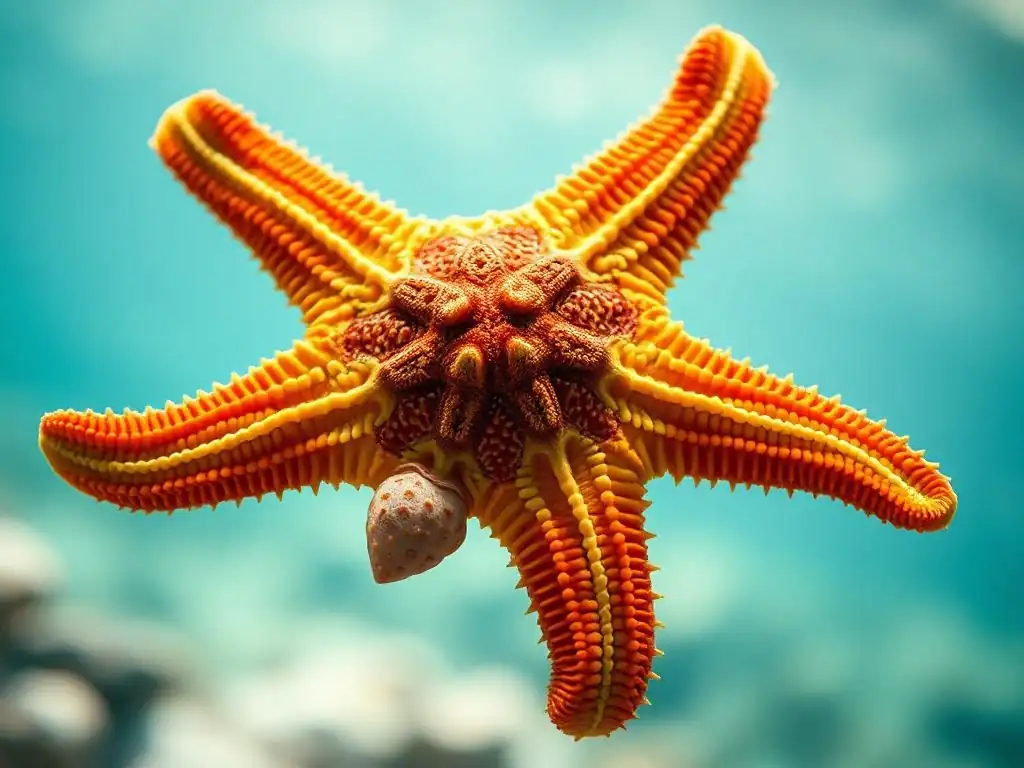
A widely held misconception is that any single sea star arm can regenerate into a whole new sea star. While some species, particularly certain brittle stars (Ophiuroidea) and a few true sea stars (Asteroidea) like the Linckia species, do possess this remarkable ability, it's not universally true for all sea stars. For the vast majority of species commonly kept in home aquariums, successful regeneration of a complete new body from a single arm requires that a portion of the central disc, containing vital organs and nervous tissue, remains attached to the detached arm.
Without this crucial central disc component, an isolated arm will typically only survive for a limited period before eventually dying. The regenerative capacity is primarily concentrated in the central disc, which orchestrates the complex cellular processes required for new limb growth. Therefore, simply finding a detached arm in your tank does not mean a new sea star will grow from it; it's far more likely to be a sign of stress or injury to the original sea star.
Myth: Regeneration is Always Fast and Flawless
Another common myth is that sea star arm regeneration is a rapid and perfect process. In reality, it is often a slow and energy-intensive undertaking that can take many months, or even over a year, depending on the species, the extent of the injury, and environmental conditions.
For instance, a small Brittle Star might regrow an arm in a few weeks, but a large Chocolate Chip Sea Star could take 6-12 months for a new arm to reach a comparable size. The initial regenerated arm will also typically be much smaller and paler than the original, gradually growing and integrating over time.
Furthermore, regeneration is not always flawless. In suboptimal conditions (e.g., poor water quality, inadequate nutrition, chronic stress), the regenerated arm may be stunted, malformed, or even fail to fully develop. Sometimes, a sea star might partially regenerate an arm, or the new arm might be more susceptible to future injury. The success and speed of sea star arm regeneration are highly dependent on the sea star's overall health and the stability of its environment.
Myth: All Injured Sea Stars Will Fully Recover
The belief that all injured sea stars will inevitably make a full recovery through regeneration is a dangerous myth. While sea stars possess incredible regenerative capabilities, their survival and the success of sea star arm regeneration are not guaranteed. Severe injuries, significant damage to the central disc, or the presence of underlying diseases can overwhelm their regenerative capacity. For example, a sea star suffering from a systemic bacterial infection might continue to deteriorate even if it attempts to regenerate an arm.
Moreover, persistent poor water quality, chronic stress, or a lack of proper nutrition can severely impede the healing process, leading to stalled regeneration, secondary infections, or ultimately, the death of the sea star. While their regenerative power is remarkable, it is not limitless. Providing optimal care, immediate attention to injuries, and a pristine, stable environment significantly increase the chances of survival and successful sea star arm regeneration, but it's not a guaranteed outcome for every injured individual.
Responsible Sea Star Acquisition and Aquarium Practices
Choosing Healthy Sea Stars
Responsible sea star acquisition begins with selecting healthy specimens from reputable sources. When choosing a sea star, carefully observe its behavior and physical condition. A healthy sea star should be actively moving, adhering firmly to surfaces with its tube feet, and show no signs of lesions, discoloration, or missing arms (unless it's a species known for frequent autotomy, in which case the wound should look clean and healing). Avoid sea stars that appear lethargic, curled up, detached, or have any signs of tissue decay or white patches.
Inquire about the sea star's origin – whether it's wild-caught or aquacultured (though aquacultured sea stars are rare). Ask about the store's acclimation procedures and quarantine protocols. A reputable dealer will keep their sea stars in clean, stable, and well-maintained systems, providing a strong indicator of the animal's prior health and increasing its chances of successful transition to your home aquarium and robust sea star arm regeneration if ever needed.
Proper Acclimation Techniques
Proper acclimation is crucial for the survival and long-term health of any new sea star, minimizing the shock that can lead to stress, disease, or even arm loss. Sea stars are extremely sensitive to changes in salinity, temperature, and pH. Drip acclimation is the recommended method, allowing for a slow, gradual equalization of water parameters between the shipping bag and the aquarium. This process should ideally take at least 1-2 hours, or even longer for highly sensitive species.
Avoid exposing the sea star to air during transfer, as this can cause air bubbles to become trapped in their water vascular system, potentially leading to fatal embolisms. Gently net or scoop the sea star from its acclimation container directly into the aquarium, ensuring it remains submerged. A smooth transition reduces stress, allowing the sea star to adapt to its new environment without compromising its immune system or regenerative capabilities.
Supporting Sustainable Collection Practices
Supporting sustainable collection practices is vital for the long-term health of wild sea star populations and the marine ecosystem. When purchasing sea stars, inquire about their source. Opt for sea stars collected through responsible, non-destructive methods that do not harm the reef environment. Avoid purchasing species that are known to be over-collected or are on endangered lists.
By choosing reputable suppliers who adhere to ethical collection guidelines, aquarists contribute to the conservation of these fascinating creatures. This conscious choice helps ensure that sea stars remain available for future generations of aquarists and continue to thrive in their natural habitats, reducing pressure on wild populations and supporting the overall biodiversity of our oceans.
Conclusion: Promoting Sea Star Health and Understanding Regeneration
Sea stars are truly remarkable inhabitants of marine aquariums, captivating aquarists with their unique forms and incredible regenerative abilities. The process of sea star arm regeneration is a testament to their resilience, allowing them to recover from injuries and predator attacks. However, this natural power is not limitless; successful regeneration hinges critically on the care and environment provided by the aquarist. By understanding the common causes of arm loss, such as predation, physical injury, and environmental stress, aquarists can take proactive steps to prevent such incidents.
Maintaining pristine and stable water parameters, providing appropriate nutrition, ensuring compatible tank mates, and practicing careful handling are fundamental to supporting a sea star's overall health and its capacity for robust sea star arm regeneration. Debunking common myths surrounding their regenerative abilities helps set realistic expectations for recovery. Ultimately, responsible acquisition and meticulous long-term care are paramount, ensuring these vulnerable invertebrates not only survive but thrive, allowing us to witness the astonishing power of regeneration firsthand in our home aquariums.
Frequently Asked Questions
How long does it typically take for a sea star to regenerate an arm?
The regeneration process varies, but it generally takes several months to a year or more depending on the sea star species, age, and environmental conditions. Proper water quality and nutrition are crucial for successful regeneration.
Can any part of a sea star arm regenerate a whole new sea star?
While some species can regenerate a new sea star from a severed arm, this requires the arm to contain a portion of the central disc. Otherwise, the arm will only regenerate into a complete arm.
What are the most important factors to consider for sea star health during regeneration?
Maintaining pristine water conditions is paramount. Regular water changes, proper filtration, and stable water parameters are essential to prevent infection and support the sea star's energy needs during regeneration.
What should I feed a sea star while it's regenerating an arm?
Provide a varied and nutritious diet appropriate for the species. This may include meaty foods like small pieces of shrimp, clam, or fish. Ensure the sea star is getting enough food without overfeeding the tank.
Is it possible for a sea star to reject a regenerated arm?
While uncommon, a sea star can sometimes reject a regenerated arm if there are underlying health issues, environmental stressors, or if the regenerated arm is damaged or infected. Monitor the sea star closely for any signs of distress.
Final Reflection: The Enduring Power of Renewal
The intricate process of sea star arm regeneration, as explored in this article, is not just a fascinating biological phenomenon; it's a powerful metaphor for resilience and adaptability in the face of adversity. Understanding how these creatures can rebuild themselves from loss offers a compelling reminder that even seemingly insurmountable challenges can be overcome with time and the right internal mechanisms.
This remarkable ability of sea stars to regenerate underscores the profound interconnectedness of life and the inherent capacity for renewal that exists within us all. It reminds us that setbacks, while painful, can also be opportunities for growth and transformation. The greatest glory in living lies not in never falling, but in rising every time we fall.
- Nelson Mandela. This quote, though not about sea stars, perfectly encapsulates the spirit of regeneration, both in nature and in our own lives.
As you consider the sea star's incredible ability to regrow a lost limb, I invite you to reflect on your own capacity for regeneration. What challenges have you faced, and how have you emerged stronger? Embrace the power of renewal within yourself, and remember that even after loss, the potential for growth and wholeness remains.
Unleash the Starfish's Secret: Begin Your Regeneration Journey!
Thank you for exploring the fascinating world of sea star regeneration! We hope you now have a deeper understanding of this amazing natural process. Ready to take what you've learned and put it into action?
Here are a few ways to continue your exploration:
- Share this newfound knowledge! Discuss the marvels of sea star regeneration with your friends, family, and fellow aquarium enthusiasts.
- Dive deeper by researching specific species of sea stars and their unique regeneration abilities. Explore scientific articles and videos to uncover even more secrets.
- Consider the ethical implications of sea star collection and conservation. What small change can you make today to support their well-being in the wild?