
Creating a SpeciesSpecific Tank for Unique Saltwater Invertebrates

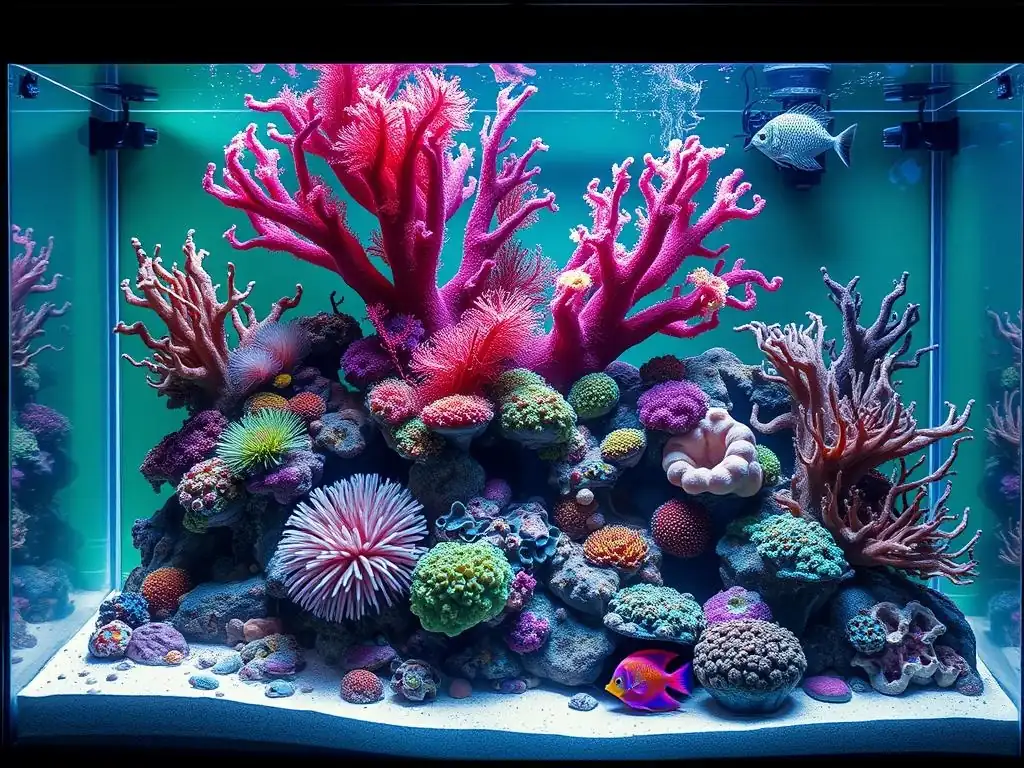
Welcome to Aquarium Mastery!
Ever wondered how to create a thriving underwater paradise specifically designed for the fascinating world of saltwater invertebrates? Dive in and discover the secrets to a successful saltwater invertebrate tank setup. We'll unlock the mysteries behind crafting the perfect habitat for these unique creatures, sparking your curiosity and guiding you towards a truly captivating aquatic experience. Ready to begin your invertebrate adventure?
- Understanding the Allure of Species-Specific Invertebrate Tanks
- Planning Your Saltwater Invertebrate Tank Setup
- Setting Up Your Saltwater Invertebrate Tank Environment
- Water Chemistry and Filtration for Invertebrate Tanks
- Lighting Considerations for Saltwater Invertebrates
- Feeding Your Saltwater Invertebrates
- Acclimation and Introduction of Invertebrates to the Tank
- Maintaining a Healthy Saltwater Invertebrate Tank
- Advanced Considerations for Saltwater Invertebrate Keeping
-
Frequently Asked Questions
- How do I choose the right saltwater invertebrate for a species-specific tank?
- What are the key parameters for maintaining a healthy saltwater invertebrate tank?
- What type of filtration system is best for a species-specific saltwater invertebrate tank?
- How often should I perform water changes in a saltwater invertebrate tank?
- What type of lighting is required for a species-specific saltwater invertebrate tank?
- Final Reflection: Cultivating Underwater Sanctuaries
- Unleash the Wonders of Your Invertebrate Oasis!
Understanding the Allure of Species-Specific Invertebrate Tanks
Why Choose a Species-Specific Saltwater Invertebrate Aquarium?
Opting for a species-specific saltwater invertebrate aquarium allows aquarists to provide an environment precisely tailored to the unique needs of a particular creature. This focused approach ensures optimal conditions for growth, health, and natural behavior, often leading to a more rewarding and successful keeping experience compared to a general community tank. It minimizes stress from incompatible tank mates and allows for the precise control of water parameters, flow, and feeding regimens essential for delicate species.
Furthermore, a dedicated invertebrate tank setup offers an unparalleled opportunity for observation. Without the distractions or competition from other fish or invertebrates, you can witness the subtle, fascinating behaviors of your chosen species, such as intricate feeding mechanisms, molting processes, or unique symbiotic relationships, which might otherwise go unnoticed in a bustling reef.
Benefits of Dedicated Invertebrate Tank Setups
Dedicated invertebrate tank setups provide several distinct advantages. Firstly, they allow for the precise tuning of water chemistry and environmental parameters. For example, a specific shrimp species might thrive at a slightly different salinity or require elevated levels of calcium and alkalinity for molting, which could be challenging to maintain consistently in a mixed reef with diverse inhabitants. This precision leads to significantly healthier and longer-lived specimens.
Secondly, these setups eliminate competition for food and space, which is critical for filter feeders or shy invertebrates. In a community tank, a delicate porcelain crab might struggle to capture enough suspended food particles if larger, faster-feeding fish are present. A dedicated saltwater invertebrate tank setup ensures that all resources are directed towards the target species, promoting their well-being and allowing their natural behaviors to flourish.
Focusing on Unique Saltwater Invertebrates: A Specialized Approach
Focusing on unique saltwater invertebrates often necessitates a specialized approach due to their specific, sometimes challenging, care requirements. Many fascinating invertebrates, such as certain nudibranchs, specialized filter feeders, or delicate symbiotic crabs, have very narrow tolerance ranges for water parameters or require highly specific diets that are difficult to provide in a general aquarium setting. For instance, some nudibranchs are obligate feeders on specific coral species, making a mixed reef tank impossible.
This specialized approach deepens the aquarist's understanding of marine biology and ecology. It transforms the hobby from general tank maintenance into a focused study, where research, observation, and meticulous care are paramount. This dedication often results in higher success rates and the opportunity to keep species that are otherwise considered difficult or impossible in a typical saltwater invertebrate tank setup.
Planning Your Saltwater Invertebrate Tank Setup
Selecting Your Invertebrate Species: Compatibility and Care Requirements
The cornerstone of a successful species-specific saltwater invertebrate tank setup is the thorough research and careful selection of your chosen invertebrate. Before making any purchase, investigate the adult size of the species, its temperament (e.g., peaceful, predatory, territorial), its precise dietary needs, and its specific water parameter requirements. For example, a mantis shrimp, while fascinating, requires a dedicated tank due to its predatory nature and powerful strike, making it unsuitable for virtually any community setup.
Consider the long-term commitment. Some invertebrates have lifespans exceeding 5-7 years, requiring sustained care and stable conditions. Understanding potential compatibility issues, even within invertebrate groups, is crucial; a large hermit crab, for instance, might eventually prey on snails or smaller crabs. This initial, in-depth research prevents common pitfalls and ensures the well-being of your selected invertebrate.
Researching the Specific Needs of Porcelain Crabs
Porcelain crabs (e.g., Petrolisthes or Neopetrolisthes species) are an excellent example of unique saltwater invertebrates that benefit greatly from a species-specific setup. These fascinating crustaceans are small, typically reaching an adult size of 1 to 2 inches (2.5-5 cm), and are renowned for their unique filter-feeding method. They possess specialized, fan-like mouthparts (maxillipeds) that they use to strain plankton and suspended particulate matter from the water column.
Their natural habitat often involves living symbiotically with anemones or within crevices on live rock, where they can secure themselves against strong currents while filter feeding. This behavior dictates their environmental needs: stable water flow that brings food particles to them, numerous hiding spots, and excellent water quality. They are generally peaceful but can be outcompeted for food by faster-moving or larger tank mates, making a dedicated saltwater invertebrate tank setup ideal for observing their delicate feeding dance.
Determining the Ideal Tank Size for Porcelain Crabs
Given their small size and sedentary nature, porcelain crabs do not require an exceptionally large aquarium. A nano tank, ranging from 10 to 20 gallons (approximately 38 to 76 liters), can be perfectly suitable for a single porcelain crab or a small pair. While a 10-gallon tank provides adequate space, a 20-gallon tank offers greater water volume, which contributes to increased stability in water parameters like temperature and salinity.
However, it's important to note that smaller tanks are more susceptible to rapid fluctuations in water chemistry and temperature, necessitating more vigilant monitoring and maintenance. For beginner aquarists, a slightly larger nano tank (e.g., 20 gallons) might offer a greater margin for error and make maintaining the crucial stable conditions for a delicate saltwater invertebrate tank setup more manageable.
Essential Equipment for a Saltwater Invertebrate Tank: A Checklist
Setting up a successful saltwater invertebrate tank requires specific equipment to maintain optimal conditions. The foundational elements include an appropriately sized aquarium (as determined by your chosen species), a reliable heater with a thermostat to maintain consistent temperatures (e.g., 75-78°F or 24-26°C), and a precise thermometer for monitoring. Filtration is critical; this could be a hang-on-back (HOB) filter for smaller tanks, a small canister filter, or a sump system for larger volumes, providing mechanical, chemical, and biological filtration.
Additionally, a protein skimmer is highly recommended, especially for more delicate invertebrates, as it efficiently removes dissolved organic waste before it degrades into harmful nitrates. Essential maintenance tools include an accurate refractometer (preferred over a hydrometer for salinity measurement), a range of water test kits (ammonia, nitrite, nitrate, pH, alkalinity, calcium, magnesium), a gravel vacuum, buckets, and a reliable source of RODI (Reverse Osmosis Deionized) water for mixing saltwater. For filter feeders like porcelain crabs, a powerhead or wavemaker is necessary to create suitable water flow.
Setting Up Your Saltwater Invertebrate Tank Environment
Choosing the Right Substrate for Invertebrates: Sand, Rock, and More
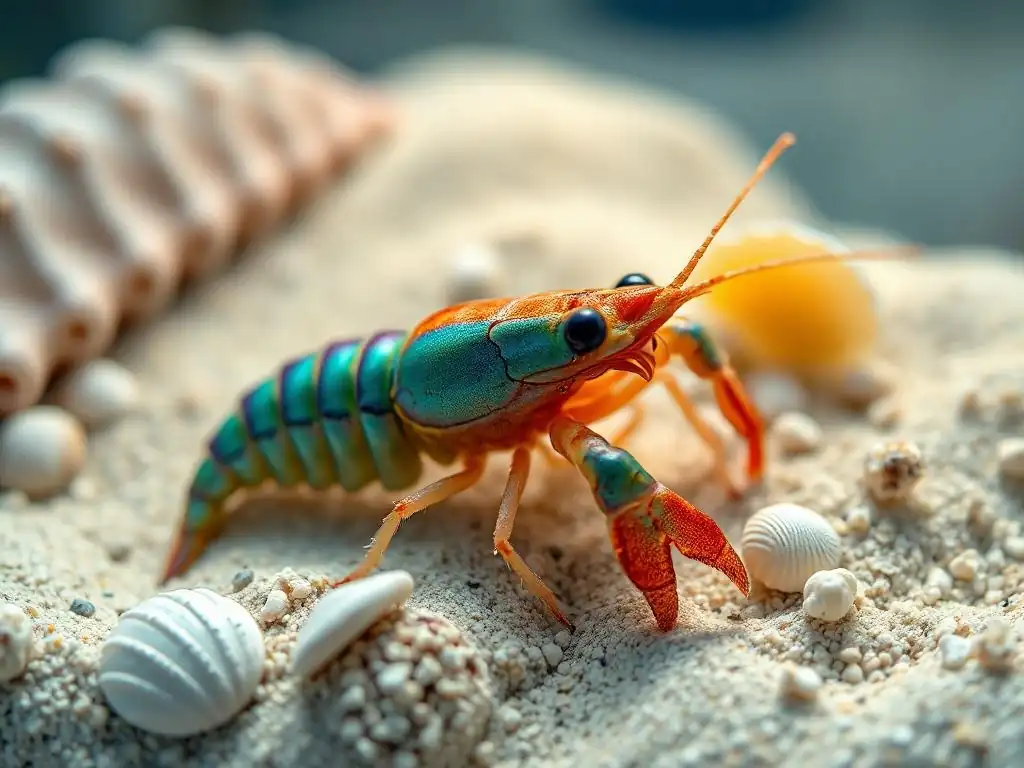
The choice of substrate plays a vital role in creating a healthy saltwater invertebrate tank setup. For porcelain crabs, a fine sand bed, such as aragonite sand, can be beneficial, though not strictly essential for the crabs themselves since they primarily filter feed from the water column. A shallow sand bed, perhaps 1-2 inches (2.5-5 cm) deep, can host beneficial microfauna and detritivores, contributing to the overall ecosystem health.
However, the most crucial substrate component for a saltwater invertebrate tank, particularly one housing porcelain crabs, is live rock. Live rock provides extensive surface area for beneficial nitrifying bacteria, acting as the primary biological filter. It also offers the numerous crevices, caves, and perching spots that porcelain crabs utilize for shelter and as platforms for their filter-feeding activities. Aim for approximately 1 to 1.5 pounds of live rock per gallon of tank volume to ensure robust biological filtration and ample habitat.
Creating a Suitable Aquascape: Rock Placement and Hiding Places
Designing the aquascape for a species-specific saltwater invertebrate tank should prioritize the natural behaviors and needs of your chosen inhabitant. For porcelain crabs, the aquascape should focus on providing secure, stable rock formations with an abundance of small caves, overhangs, and ledges. These features mimic their natural crevice-dwelling habitat and offer essential hiding places where they can feel secure and retreat during molting.
Ensure that all live rock is securely stacked to prevent collapses, which could injure delicate invertebrates. Consider the placement of powerheads or wavemakers to create areas of moderate to strong flow where the porcelain crabs can efficiently filter feed, alongside calmer zones for resting. A well-designed aquascape not only enhances the aesthetic appeal of your saltwater invertebrate tank setup but critically supports the physical and behavioral health of its inhabitants.
Maintaining Optimal Water Parameters for Saltwater Invertebrates
Maintaining optimal and, more importantly, stable water parameters is paramount for the health and longevity of saltwater invertebrates. Unlike many fish, invertebrates often lack the robust internal regulatory systems to cope with rapid or significant fluctuations in their environment. Even slight shifts in salinity, temperature, or pH can induce severe stress, leading to compromised immune systems, molting difficulties, and ultimately, premature death.
Therefore, consistent monitoring and proactive adjustments are non-negotiable for a successful saltwater invertebrate tank setup. Regular testing provides the necessary data to identify any deviations promptly, allowing for gradual corrections. This meticulous attention to water chemistry is foundational to providing a thriving habitat for sensitive species like porcelain crabs.
Salinity, Temperature, and pH: Key Factors for Invertebrate Health
For most saltwater invertebrates, including porcelain crabs, the ideal salinity range is typically 1.023 to 1.026 specific gravity (SG), or 32-35 parts per thousand (ppt). Temperature should be maintained consistently between 75-78°F (24-26°C), avoiding daily swings of more than 1-2 degrees. The pH level should ideally remain stable between 8.1 and 8.4.
Deviations from these ranges can have severe consequences. For example, a sudden drop in salinity can cause osmotic shock, leading to cell damage. Elevated temperatures can reduce dissolved oxygen levels and accelerate metabolic rates, stressing the invertebrate. Similarly, significant pH fluctuations can inhibit calcification, essential for shell formation and molting in crustaceans. Consistent monitoring with accurate tools like a calibrated refractometer for salinity and a reliable digital thermometer is crucial for the long-term success of your saltwater invertebrate tank setup.
Water Chemistry and Filtration for Invertebrate Tanks
Understanding the Nitrogen Cycle in Saltwater Aquariums
A fundamental concept for any successful saltwater aquarium, especially a sensitive saltwater invertebrate tank setup, is the nitrogen cycle. This biological process converts toxic ammonia (produced from waste) into less harmful nitrate. It begins with ammonia, which is oxidized by Nitrosomonas bacteria into nitrite. Subsequently, Nitrobacter bacteria convert nitrite into nitrate. Both ammonia and nitrite are highly toxic to marine life, particularly invertebrates, even at low concentrations.
Therefore, it is absolutely essential that the tank is fully cycled and mature before introducing any invertebrates. This means testing for zero ammonia and zero nitrite consistently. The beneficial bacteria that facilitate this cycle primarily colonize the porous surfaces of live rock and biological filter media. Regular testing for ammonia, nitrite, and nitrate is crucial to ensure the cycle is functioning effectively and to monitor water quality on an ongoing basis.
Selecting an Appropriate Filtration System: Protein Skimmers, Sumps, and Filters
The choice of filtration system is critical for maintaining pristine water quality in a saltwater invertebrate tank setup. For smaller nano tanks housing porcelain crabs, a high-quality hang-on-back (HOB) filter equipped with mechanical floss, activated carbon, and biological media can provide sufficient filtration. Alternatively, a small canister filter offers excellent mechanical and biological filtration capabilities.
For larger setups or those aiming for the highest water quality, a sump system is highly recommended. A sump allows for the integration of various filtration components, including a robust protein skimmer (which efficiently removes dissolved organic waste before it breaks down), refugiums for beneficial macroalgae, and dedicated chambers for chemical media like activated carbon or GFO (granular ferric oxide). The larger water volume of a sump also contributes to greater overall system stability.
Water Changes: Maintaining Pristine Water Quality for Invertebrates
Regular water changes are arguably the most effective and simplest method for maintaining pristine water quality in a saltwater invertebrate tank. They serve two primary purposes: removing accumulated nitrates and other undesirable dissolved organic compounds that filtration systems might miss, and replenishing essential trace elements that invertebrates utilize for growth and health. For most species-specific invertebrate tanks, a weekly or bi-weekly water change of 10-20% of the tank volume is a common recommendation, depending on the bioload and filtration efficiency.
When performing water changes, always use RODI (Reverse Osmosis Deionized) water mixed with a high-quality marine salt mix. Ensure the newly mixed saltwater matches the temperature and salinity of the display tank as closely as possible to prevent shocking the delicate invertebrates. Consistency in water change schedules and parameters is vital for the long-term health and stability of your saltwater invertebrate tank setup.
Monitoring and Adjusting Water Chemistry Parameters
Beyond the nitrogen cycle, monitoring and adjusting other key water chemistry parameters are crucial for calcifying invertebrates like porcelain crabs. Essential parameters include alkalinity (carbonate hardness, dKH), calcium (Ca), and magnesium (Mg). For healthy molting and overall skeletal integrity, aim for alkalinity levels between 8-12 dKH, calcium between 400-450 ppm, and magnesium between 1250-1350 ppm. These elements are consumed by crustaceans during their growth and molting processes.
Regular testing, typically bi-weekly or weekly depending on the tank's stability and invertebrate density, is necessary to track these parameters. If levels drop, use commercially available marine supplements (e.g., two-part alkalinity and calcium solutions, or magnesium supplements) to bring them back into range gradually. Avoid rapid or drastic adjustments, as sudden swings can be highly detrimental to the sensitive physiology of invertebrates in your saltwater invertebrate tank setup.
Lighting Considerations for Saltwater Invertebrates
Light Requirements for Porcelain Crabs
Porcelain crabs, being non-photosynthetic filter feeders, do not have specific light requirements for their survival or health. Unlike corals or photosynthetic anemones, they do not rely on light for energy production. In their natural habitat, they often reside in crevices or under the protection of anemones, suggesting they prefer moderate to low light conditions.
Excessively intense lighting can potentially stress porcelain crabs, leading them to seek more shaded areas or become more reclusive. The primary purpose of lighting in a species-specific saltwater invertebrate tank setup for porcelain crabs is for aesthetic viewing and to support the overall health of the microfauna and beneficial algae that contribute to the tank's ecosystem.
Choosing the Right Lighting System: LEDs
When selecting a lighting system for a saltwater invertebrate tank focusing on non-photosynthetic species like porcelain crabs, LED (Light Emitting Diode) fixtures are an excellent choice. LEDs are energy-efficient, produce minimal heat, and offer a long operational lifespan, reducing running costs and the need for frequent bulb replacements. Many LED fixtures designed for marine aquariums provide a balanced spectrum (typically with a Kelvin rating between 10,000K and 20,000K) that enhances the natural colors of marine life without being overly intense.
Avoid purchasing high-powered, specialized coral-growing lights unless you plan to incorporate photosynthetic corals or anemones. A basic yet reliable LED fixture designed for nano or moderately lit marine tanks will provide ample illumination for viewing your porcelain crabs and maintaining a healthy environment without unnecessary expense or intensity.
Light Intensity and Duration: Optimizing for Invertebrate Health
For porcelain crabs, a consistent light cycle is more important than high intensity. A photoperiod of 8-10 hours per day is generally sufficient and mimics natural daylight cycles, which can help regulate the tank's biological processes and deter excessive nuisance algae growth. Using a timer to automate the on/off cycle ensures consistency.
If your LED fixture has dimming capabilities, consider implementing a gradual "sunrise" and "sunset" effect, where the lights slowly brighten and dim over a period of 30-60 minutes. This gentler transition can reduce stress on the invertebrates compared to an abrupt on/off cycle. Observe your porcelain crabs' behavior; if they appear to be constantly hiding or exhibit signs of stress, the light intensity might be too high, or the duration too long. Adjustments should be made accordingly to optimize their well-being in your saltwater invertebrate tank setup.
Feeding Your Saltwater Invertebrates
Understanding the Dietary Needs of Porcelain Crabs
Porcelain crabs are obligate filter feeders with a highly specialized diet. They do not scavenge large food particles from the substrate or actively hunt prey. Instead, they use their unique, fan-like maxillipeds to meticulously strain microscopic plankton, detritus, and other suspended organic particles from the water column. This feeding method means that their diet consists of very fine particulate matter that is widely dispersed in the water.
Their delicate feeding apparatus requires a constant supply of these tiny food items. Simply dropping in standard flake or pellet food, which quickly settles to the bottom, will not provide adequate nutrition for these specialized filter feeders. Therefore, a successful saltwater invertebrate tank setup for porcelain crabs necessitates a targeted feeding strategy that ensures the availability of appropriate suspended foods.
Live Foods, Frozen Foods, and Prepared Foods: A Balanced Diet
To meet the dietary needs of porcelain crabs, a varied diet of very fine, suspended foods is essential. Excellent choices include live phytoplankton, which provides a natural and continuous food source, and live zooplankton like rotifers and copepods. These live foods remain suspended in the water column longer, allowing the crabs ample opportunity to filter them.
Finely crushed frozen foods such as cyclop-eeze, baby brine shrimp, or specialized frozen invertebrate blends (e.g., those containing marine snow) are also highly beneficial. Prepared foods, like finely powdered marine flakes or specialized invertebrate foods, can be used but must be pulverized into an extremely fine powder to be effectively captured by their filter fans. A balanced diet ensures they receive all necessary nutrients for growth and molting.
Feeding Frequency and Amounts: Avoiding Overfeeding and Waste Buildup
Given their continuous filter-feeding nature, porcelain crabs benefit from small, frequent feedings rather than large, infrequent ones. Feeding 1-2 times daily, or even more frequently with very small doses, is often recommended. The key is to provide enough suspended food without clouding the water or allowing a significant amount to settle and decompose, which can rapidly degrade water quality.
Overfeeding is a common pitfall in any saltwater invertebrate tank setup, leading to elevated nitrates and phosphates, which can fuel nuisance algae growth and stress invertebrates. Observe how quickly the food is consumed; if the water remains cloudy or food particles are visible on the substrate for an extended period after feeding, you are likely feeding too much. Adjust the quantity to ensure efficient consumption and minimize waste.
Targeted Feeding Techniques for Filter Feeders
For filter feeders like porcelain crabs, targeted feeding techniques are crucial to ensure the food reaches them directly and is consumed efficiently. Using a long pipet, turkey baster, or syringe, gently squirt the finely prepared liquid or powdered food directly into the water column near where the porcelain crabs are perched. This maximizes the chances of the food being captured by their filter fans before it disperses or settles.
Some aquarists find it beneficial to temporarily turn off powerheads or wavemakers during feeding sessions (for 5-10 minutes) to reduce water flow. This allows the food particles to remain concentrated around the crabs for a longer period, giving them more time to filter feed. Resume normal flow after the feeding session to ensure proper water circulation. This precise delivery method is a cornerstone of successful feeding in a species-specific saltwater invertebrate tank setup.
Acclimation and Introduction of Invertebrates to the Tank
Proper Acclimation Procedures: Drip Acclimation and Temperature Adjustment
Invertebrates, especially delicate ones like porcelain crabs, are highly sensitive to sudden changes in water parameters such as salinity, temperature, and pH. Improper acclimation is a leading cause of stress and mortality. The safest and most recommended method is drip acclimation. First, float the bag containing the invertebrate in your display tank for 15-20 minutes to equalize the water temperature.
Then, carefully transfer the invertebrate and its shipping water into a clean bucket or container. Using airline tubing and a control valve, set up a slow drip of water from your display tank into the bucket. Aim for a drip rate of about 1-2 drips per second, allowing the water volume in the bucket to slowly double over a period of 1 to 2 hours.
This gradual process allows the invertebrate's system to slowly adjust to the new parameters of your saltwater invertebrate tank setup. Never add the shipping water directly into your display tank, as it may contain ammonia, nitrates, or other undesirable substances.
Introducing Invertebrates to the Tank: Minimizing Stress
Once the drip acclimation process is complete, carefully remove the invertebrate from the bucket, discarding the acclimation water. Use a clean net or, for very delicate species like porcelain crabs, gently scoop them by hand if safe to do so, avoiding excessive handling or chasing. Gently place the invertebrate into your display tank. It is often beneficial to introduce new invertebrates when the main tank lights are dim or off, as this reduces initial stress and allows them to explore their new surroundings more calmly.
Place the invertebrate directly onto a piece of live rock or near a suitable hiding spot where it can quickly find refuge and feel secure. Temporarily turning off strong powerheads can also help prevent the newly introduced invertebrate from being immediately swept away by currents, allowing it to settle in its chosen location without additional stress. Observe from a distance for the first few hours to ensure it appears to be settling well into its new saltwater invertebrate tank setup.
Quarantine Procedures: Preventing Disease Introduction
For the ultimate protection of your established saltwater invertebrate tank setup, all new invertebrates should ideally undergo a quarantine period in a separate, dedicated quarantine tank (QT). A small 5-10 gallon (19-38 liter) tank with a heater, small filter, and some PVC pipes for hiding can suffice for porcelain crabs. A quarantine period of 2 to 4 weeks allows you to observe the invertebrate for any signs of stress, illness, or parasites before introducing it to your main display.
While invertebrates are not susceptible to common fish diseases like Ich, they can carry various parasites, bacterial infections, or simply be stressed from transport. A quarantine tank provides a controlled environment to ensure the new addition is healthy, eating well, and behaving normally. This proactive step significantly reduces the risk of introducing unwanted pests or diseases into your carefully maintained species-specific saltwater invertebrate tank.
Maintaining a Healthy Saltwater Invertebrate Tank
Regular Water Testing and Maintenance
Consistent and diligent water testing is the cornerstone of maintaining a healthy saltwater invertebrate tank setup. Perform weekly tests for salinity, temperature, pH, ammonia, nitrite, and nitrate. For tanks with calcifying invertebrates, also test alkalinity, calcium, and magnesium bi-weekly or weekly. Keep a log of your test results to track trends and identify any deviations early.
Beyond testing, regular maintenance includes weekly 10-20% water changes, which remove accumulated nitrates and replenish vital trace elements. Clean your protein skimmer collection cup every few days, as it gathers organic waste efficiently. Wipe down the aquarium glass or acrylic to remove algae buildup, and inspect all equipment (heater, pump, filter) to ensure it is functioning correctly. A proactive maintenance schedule is far more effective than reactive problem-solving.
Monitoring Invertebrate Behavior for Signs of Stress or Illness
Familiarizing yourself with the normal behavior of your porcelain crabs is crucial for early detection of stress or illness. Healthy porcelain crabs are typically active filter feeders, often perched in areas of moderate flow, extending their feathery maxillipeds. They will also periodically molt, leaving behind a complete, empty exoskeleton that should not be confused with a dead crab.
Any deviation from normal behavior warrants investigation. Signs of stress or illness can include prolonged hiding, lethargy, loss of appetite, unusual discoloration, or difficulty molting. Molting issues, specifically, are common in crustaceans and are often linked to unstable water parameters (e.g., low calcium, alkalinity, or sudden salinity changes). If a crab struggles to shed its old exoskeleton or its new shell appears soft, re-evaluate your water chemistry immediately. Early intervention is key to preventing serious health issues in your saltwater invertebrate tank setup.
Pest Control and Disease Prevention in Invertebrate Tanks
While invertebrates have different disease profiles than fish, pest introduction remains a significant concern in a saltwater invertebrate tank. Common pests include flatworms, Aiptasia anemones, predatory snails (like Vermetid snails), and unwanted hitchhikers on live rock or corals. Always thoroughly inspect any new additions—live rock, sand, or invertebrates—before placing them in your display tank. Utilizing a quarantine tank, as previously discussed, is the most effective preventative measure.
Maintaining excellent water quality is also a primary defense against opportunistic infections and pest proliferation. Avoid overfeeding, which can lead to nutrient spikes and bacterial blooms. If pests do appear, research safe removal methods that will not harm your specific invertebrates. For example, some aquarists use peppermint shrimp as a biological control for Aiptasia, but compatibility with your primary inhabitants (like porcelain crabs) should always be confirmed.
Addressing Common Saltwater Invertebrate Tank Problems
Common problems encountered in a saltwater invertebrate tank setup often revolve around water quality and invertebrate health. Sudden invertebrate deaths are frequently attributed to rapid swings in water parameters (salinity, temperature, pH) or spikes in ammonia or nitrite. Molting difficulties are typically linked to insufficient calcium, alkalinity, or magnesium, or unstable salinity. Nuisance algae outbreaks often indicate high nitrates and phosphates, usually a result of overfeeding or insufficient water changes.
When troubleshooting, always begin by performing a complete suite of water tests. If parameters are off, correct them slowly and gradually over several days. For algae, reduce light duration, increase water change frequency, and consider using phosphate-removing media. For molting issues, ensure your calcium, alkalinity, and magnesium levels are within optimal ranges and stable. Patience, methodical problem-solving, and consistent monitoring are crucial for overcoming challenges and maintaining a thriving environment.
Advanced Considerations for Saltwater Invertebrate Keeping
Creating a Reef-Safe Invertebrate Community
While this article primarily focuses on species-specific saltwater invertebrate tank setups, many aquarists eventually consider creating a broader reef-safe invertebrate community. This involves housing multiple invertebrate species (e.g., various shrimp, crabs, snails, and possibly corals) together. This step requires an even more meticulous understanding of inter-species compatibility, as not all "reef-safe" invertebrates are safe for all other invertebrates or corals.
For instance, certain hermit crabs, while generally considered reef-safe, may prey on smaller snails or other slow-moving invertebrates if not adequately fed or if they outgrow their shells. Some ornamental shrimp might pick at certain soft corals. Thorough research into the specific behaviors, dietary needs, and potential predatory or competitive interactions of each desired inhabitant is paramount to prevent conflicts and ensure a harmonious and thriving diverse saltwater invertebrate tank setup.
Documenting Your Saltwater Invertebrate Tank Journey.
Documenting your saltwater invertebrate tank journey offers numerous benefits, enhancing both your knowledge and enjoyment of the hobby. Maintain a detailed logbook or digital record of your tank's parameters, including daily or weekly readings for salinity, temperature, pH, ammonia, nitrite, nitrate, alkalinity, calcium, and magnesium. Note down feeding schedules, the type and quantity of food offered, and any supplements added.
Beyond quantitative data, record observations of your invertebrates' behavior, such as molting dates, feeding activity, and any unusual signs of stress or illness. Taking regular photos and videos allows you to visually track growth, color changes, and capture the subtle, fascinating behaviors of your porcelain crabs that you might otherwise miss. This comprehensive documentation serves as an invaluable resource for troubleshooting, understanding long-term trends, and celebrating the successful creation and maintenance of your specialized saltwater invertebrate tank setup.
Frequently Asked Questions
How do I choose the right saltwater invertebrate for a species-specific tank?
Consider the invertebrate's specific needs such as water parameters, diet, and tank size. Research compatibility and ensure you can provide the required environment. Start with hardy species for your first attempt.
What are the key parameters for maintaining a healthy saltwater invertebrate tank?
Maintaining stable water parameters is crucial. This includes consistent salinity, pH, and temperature. Regularly test and adjust levels to match the invertebrate's natural habitat.
What type of filtration system is best for a species-specific saltwater invertebrate tank?
A robust filtration system is essential, including mechanical, biological, and chemical filtration. Protein skimmers are highly recommended for removing organic waste and maintaining water quality.
How often should I perform water changes in a saltwater invertebrate tank?
Regular water changes are critical for removing nitrates and replenishing trace elements. Aim for 10-20% water changes every one to two weeks, depending on the tank's bio-load.
What type of lighting is required for a species-specific saltwater invertebrate tank?
Lighting needs vary depending on the invertebrate. Some require intense lighting for photosynthesis, while others prefer dimmer conditions. Research the specific lighting requirements for your chosen species.
Final Reflection: Cultivating Underwater Sanctuaries
The journey of creating a species-specific saltwater invertebrate tank, as we've explored, transcends mere aquarium keeping; it's about fostering a microcosm of the ocean's delicate balance within our own homes. In a world increasingly aware of the fragility of marine ecosystems, understanding and replicating the specific needs of these unique creatures becomes not just a hobby, but a responsibility.
This pursuit of specialized care has profoundly influenced how we perceive and interact with the underwater world. Witnessing the vibrant life and intricate behaviors of these invertebrates firsthand fosters a deeper appreciation for their role in the larger ecosystem. In the end, we will conserve only what we love; we will love only what we understand; and we will understand only what we are taught.
- Baba Dioum. This quote encapsulates the core of our endeavor: by understanding and nurturing these creatures, we become their advocates and protectors.
Now, consider the knowledge you've gained. How can you apply these principles of mindful creation and dedicated care to other aspects of your life? Let this journey into the world of saltwater invertebrate tank setups inspire you to cultivate similar sanctuaries of understanding and respect, not just for the creatures of the sea, but for all living things around you. Let's all strive to be better stewards of our planet, one carefully curated ecosystem at a time.
Unleash the Wonders of Your Invertebrate Oasis!
Thank you for diving deep into the world of species-specific invertebrate tanks! We hope you've discovered the secrets to creating a thriving ecosystem for your unique aquatic companions. Now, let’s turn that knowledge into action and elevate your aquarium hobby.
Here are a few steps you can take right now:
- Start planning your dream species-specific tank! Consider the specific needs of your chosen invertebrate and sketch out a design that caters to their unique requirements.
- Share your newfound knowledge! Inspire fellow aquarists by sharing this article on social media or within your aquarium community.
- Research one uncommon invertebrate that could thrive in a species-specific setup, and share your findings in the comments!
What specific challenge are you most excited to tackle when building your invertebrate paradise?