
Aquarium Mastery: Interpreting Larval Behavior – Vital Clues to Health & Needs


Welcome to Aquarium Mastery!
Ever wondered what those tiny, almost invisible inhabitants of your saltwater aquarium are really trying to tell you? Dive deep into the fascinating world of larval fish behavior clues and unlock the secrets to their health and wellbeing. Understanding these subtle signals is vital for successful breeding and a thriving aquarium. Prepare to be amazed by what you'll discover – your journey to aquarium mastery begins here!
- Introduction: Decoding Larval Fish Behavior for Successful Rearing
- Identifying Key Indicators: Larval Fish Behavior Clues Explained
- Common Issues Revealed by Larval Behavior: Troubleshooting Guide
- Advanced Observation Techniques: Enhancing Larval Behavior Interpretation
- Case Studies: Real-World Examples of Larval Behavior Interpretation
- Best Practices for Maintaining a Healthy Larval Environment
- Conclusion: Mastering Larval Rearing Through Observational Skills
-
Frequently Asked Questions
- How can observing larval fish behavior help me in my aquarium?
- What are some common behavioral clues from larval fish that indicate a problem?
- Why is understanding larval fish behavior so important for successful breeding?
- What aspects of larval fish behavior should I focus on when first introducing them to the tank?
- Where can I find more information on specific larval fish behavior for the species I keep?
- Final Reflection: Unlocking the Secrets of the Deep
- Unlock the Secrets: Become a Larval Whisperer!
Introduction: Decoding Larval Fish Behavior for Successful Rearing
Why Understanding Larval Behavior is Crucial for Aquarium Mastery
Understanding the intricate behaviors of larval fish is paramount for anyone aspiring to master saltwater fish breeding. The early life stages of marine fish are notoriously fragile, with high mortality rates often exceeding 90% in aquaculture settings if proper care is not meticulously applied.
By becoming adept at interpreting subtle larval fish behavior clues, aquarists can proactively identify and address issues such as stress, disease, or nutritional deficiencies before they escalate into widespread losses. This keen observational skill can significantly improve survival rates, potentially reducing mortality to below 50% or even 20% for experienced breeders, leading to more successful and sustainable captive breeding programs.
Ignoring these early behavioral indicators is akin to flying blind; a slight change in swimming pattern or feeding enthusiasm can be the first, and often only, warning sign of impending disaster. For instance, a breeder who diligently monitors their larval population for changes in activity or distribution can intervene swiftly, perhaps by adjusting water parameters or increasing feeding frequency.
In contrast, a breeder who overlooks these critical larval fish behavior clues might only discover a problem when mass mortalities begin, by which point it is often too late to save the batch. This proactive approach, driven by behavioral insights, is the cornerstone of advanced larval rearing.
The Importance of Observing Larval Stage in Saltwater Fish Breeding
The larval stage is a highly dynamic and vulnerable period in the life cycle of saltwater fish, characterized by rapid development and extreme environmental sensitivity. This crucial phase can vary significantly in duration, from as short as 7-10 days for species like clownfish (e.g., Amphiprion ocellaris) to several weeks or even months for more complex species, such as some angelfish (e.g., Pomacanthus species, which can have larval periods exceeding 30-60 days).
During this time, larvae undergo remarkable transformations, including the development of fins, digestive systems, and sensory organs, making them highly susceptible to even minor environmental fluctuations or dietary inadequacies.
Observing the larval stage is essential because it provides direct feedback on the suitability of the rearing environment and the effectiveness of the feeding regimen. Missing a subtle change in larval fish behavior clues during the first 48 hours post-hatch, such as a lack of initial feeding or an inability to inflate the swim bladder, can lead to complete batch failure due to starvation or chronic stress.
For example, if newly hatched larvae fail to exhibit a feeding response within 24 hours of yolk sac absorption, it’s a strong indicator that the prey items are either unsuitable or insufficient, requiring immediate adjustment to prevent irreversible damage and mass mortality.
Identifying Key Indicators: Larval Fish Behavior Clues Explained
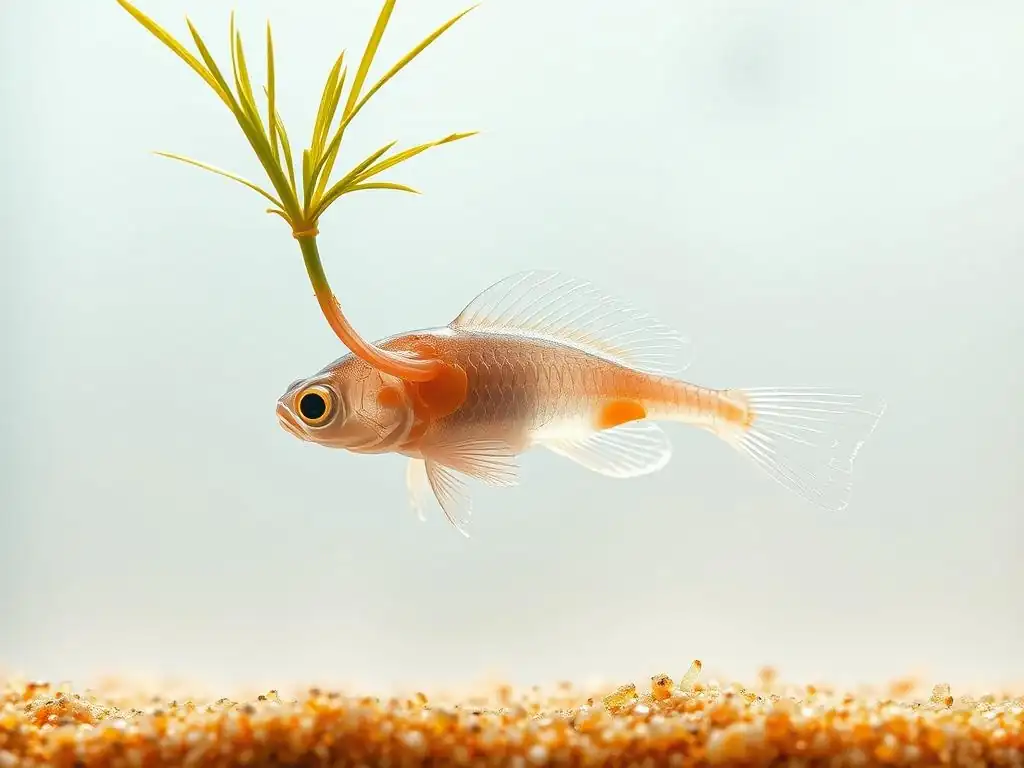
Swimming Patterns: Recognizing Normal vs. Abnormal Larval Movement
The way larval fish move through the water column offers some of the most immediate and telling larval fish behavior clues about their health and well-being. Normal swimming patterns are indicative of strong physiological condition, while deviations often signal stress, disease, or environmental issues. Observing these patterns requires patience and a good eye, often aided by magnification.
Healthy Larval Swimming: Active and Directed Movement
Healthy larval fish typically exhibit active and directed movement, indicative of robust development and energy reserves. Their swimming can range from gentle hovering to rapid, purposeful bursts, depending on the species and developmental stage. Many newly hatched larvae, for instance, display positive phototaxis, swimming gently towards light sources, or rheotaxis, orienting themselves against a gentle current.
For example, newly hatched clownfish larvae (around 3-4 mm in length) often hover near the surface, exhibiting a subtle, undulating motion of their caudal fin, while older larvae might swim more actively throughout the entire water column, exploring their environment. When startled, a healthy planktonic larva will typically exhibit a rapid, S-shaped darting motion, quickly recovering its equilibrium and resuming normal swimming. This ability to react and recover is a strong larval fish behavior clue of vitality.
Erratic Swimming: Potential Issues and Causes
In contrast, erratic or abnormal swimming patterns are significant larval fish behavior clues signaling underlying problems. These can include spiraling uncontrollably, swimming with a head-down or tail-down posture, darting aimlessly, or simply lying motionless at the bottom or floating listlessly at the surface. Such behaviors can be symptomatic of a range of issues, from neurological damage caused by nutritional deficiencies (e.g., a lack of DHA leading to swim bladder issues) to severe environmental stressors like ammonia spikes.
For example, even a low concentration of ammonia, such as 0.1 ppm, can cause severe gill irritation and neurological distress in delicate larvae, manifesting as spiraling or rapid, uncontrolled movements. Observing a batch of yellow tang larvae suddenly exhibiting persistent spiraling could be a critical larval fish behavior clue indicating a sudden drop in salinity or the onset of a parasitic infection like Amyloodinium.
Feeding Response: Assessing Larval Appetite and Feeding Success
Assessing the feeding response of larval fish is another vital aspect of interpreting their behavior. A strong appetite and successful ingestion of prey are fundamental for their growth and survival. Conversely, a lack of interest in food or an inability to capture prey can quickly lead to starvation and mortality.
Visual Cues: Identifying Active Feeding Behavior in Larval Fish
Active feeding behavior in larval fish is often identifiable through several visual cues. The most direct evidence is the presence of visible gut fill, where the tiny belly of the larva appears distended and often takes on the color of the ingested prey (e.g., orange or reddish if fed rotifers enriched with phytoplankton like Nannochloropsis or Tetraselmis). Observing larvae actively pursuing, snapping at, and swallowing prey items (such as rotifers or copepod nauplii) indicates a healthy feeding drive.
For instance, a healthy larval fish might consume 5-10 rotifers per hour in its early stages, demonstrating persistent foraging. Observing a batch of dottyback larvae (e.g., Pseudochromis fridmani) exhibiting rapid, focused "snapping" motions at individual rotifers, followed by their tiny bellies visibly filling within an hour, is a clear larval fish behavior clue of successful feeding.
Lack of Feeding Response: Troubleshooting Potential Problems
A lack of feeding response is a critical larval fish behavior clue that demands immediate attention. If larvae show no interest in food, consistently miss prey, or appear to spit out ingested items, it indicates a significant problem.
Common issues include the food being too large for the larval mouth gape (e.g., standard L-type rotifers, 100-200 microns, might be too large for newly hatched yellow tang larvae requiring 40-60 micron copepod nauplii), or the prey density being too sparse (e.g., less than 5-10 rotifers/mL), making it difficult for larvae to encounter sufficient food. Poor water quality can also suppress appetite.
Starvation can occur rapidly, often within 24-48 hours of yolk sac absorption if feeding issues are not promptly addressed. For example, newly hatched Banggai cardinalfish larvae (e.g., Pterapogon kauderni) showing no interest in even appropriately sized rotifers could indicate that the water parameters are suboptimal, signaling a need for immediate testing and adjustment.
The way larval fish distribute themselves within the rearing tank, whether individually or in groups, provides further larval fish behavior clues about their comfort, health, and response to environmental conditions. Their spatial arrangement can reveal underlying stressors or indicators of a thriving population.
Healthy Clustering: Indicators of a Thriving Larval Group
In a healthy rearing environment, larval fish often exhibit an even distribution throughout the water column, or they may form loose, dynamic clusters depending on the species' natural schooling tendencies and environmental cues like gentle water flow or light. For example, some species might aggregate loosely near an air stone, indicating good oxygenation and a comfortable current. A uniform distribution suggests that all areas of the tank offer suitable conditions, and there are no localized stressors.
For royal gramma larvae (e.g., Gramma loreto), a healthy group might display a relatively uniform spread across the tank, with occasional loose groupings of 5-10 individuals, exploring their space without apparent distress. This balanced distribution is a positive larval fish behavior clue for overall well-being.
Abnormal Distribution: Identifying Stress or Disease in Larval Fish
Abnormal clustering or distribution patterns are significant larval fish behavior clues for stress or disease. This can manifest as larvae huddling tightly at the surface (often indicative of poor oxygen levels, surface film issues, or external parasites), congregating exclusively at the bottom (suggesting severe stress, low oxygen, or a heavy parasite load causing them to seek refuge), or rapidly dispersing and avoiding certain areas of the tank.
For instance, a sudden, tight huddle of larvae in a single corner of the tank can be a larval fish behavior clue for an abrupt change in pH, a sudden temperature drop, or the presence of a perceived threat. Observing a group of clownfish larvae suddenly clumping together at the bottom of the tank, motionless, strongly suggests a significant environmental stressor, such as a sudden temperature deviation of 2-3°C from the optimal 27°C.
Common Issues Revealed by Larval Behavior: Troubleshooting Guide
Declining Swimming Activity: Potential Causes and Solutions
A noticeable decline in the overall swimming activity of larval fish is a critical larval fish behavior clue that demands immediate investigation. This lethargy can be a harbinger of severe problems that, if unaddressed, can lead to rapid mortality.
Water Quality Concerns: Ammonia, Nitrite, and Nitrate Levels
Larval fish are exceptionally sensitive to water quality parameters, far more so than adult fish. Even minute concentrations of metabolic wastes can be highly toxic. Ammonia (NH3) levels exceeding 0.05 mg/L can be acutely toxic, causing gill damage and neurological distress, leading to lethargy and erratic swimming. Nitrites (NO2-) at concentrations above 0.1 mg/L can impair oxygen transport, resulting in gasping and reduced activity.
While less immediately toxic, nitrates (NO3-) should ideally be kept below 10-20 mg/L for sensitive larval species, as prolonged exposure to higher levels can contribute to chronic stress and suppressed immune function. Regular water changes, typically 10-20% daily with aged, temperature- and salinity-matched saltwater, are crucial to dilute these toxins. Observing lethargic larval movement, followed by testing that reveals 0.1 mg/L ammonia, provides a clear larval fish behavior clue for immediate water changes and a thorough check of the biofiltration system.
Nutritional Deficiencies: Addressing Diet and Supplementation
Insufficient or imbalanced nutrition is a common cause of declining swimming activity and overall larval weakness. Larvae have specific dietary requirements, particularly for essential fatty acids like DHA (Docosahexaenoic Acid) and EPA (Eicosapentaenoic Acid), which are crucial for neurological development, vision, and swim bladder inflation. If the live feeds (e.g., rotifers, Artemia nauplii) are not properly enriched with high-quality enrichment products containing these vital nutrients, larvae can develop severe deficiencies within 3-5 days.
This can manifest as abnormal swimming patterns (e.g., "head-down" swimming, spiraling), reduced buoyancy, and general listlessness. For example, a batch of larvae exhibiting these larval fish behavior clues might be suffering from a critical DHA deficiency, which can often be remedied by ensuring the rotifer culture is fed with DHA-rich phytoplankton or commercial enrichment formulas for at least 12-24 hours before feeding.
Reduced Feeding Response: Identifying and Resolving Feeding Problems
When larval fish exhibit a reduced feeding response, it’s a direct warning sign that their nutritional needs are not being met, which can quickly lead to starvation. This larval fish behavior clue requires immediate troubleshooting of both the food source and environmental conditions.
Inadequate Food Size or Type: Selecting the Right Larval Feed
One of the most frequent reasons for a reduced feeding response is a mismatch between the larval fish's mouth gape and the size of the offered food. Larval fish have incredibly small mouths, and their gape size can vary significantly between species and even within the same species as they grow. For instance, newly hatched yellow tang larvae might require extremely small copepod nauplii, typically 40-60 microns, whereas clownfish larvae can handle larger L-type rotifers, around 100-200 microns, from hatch.
If the food is too large, larvae will attempt to feed but consistently miss or spit out the prey; if it's too small, they may expend too much energy to capture enough. Observing larvae attempting to feed but consistently failing or ignoring the provided food is a clear larval fish behavior clue that the food size or type needs immediate adjustment.
Water Parameter Issues: Addressing pH, Salinity, and Temperature
Suboptimal water parameters can severely impact a larval fish's metabolism and feeding drive, even if the food source is appropriate. Each species has a specific range of optimal parameters for temperature, pH, and salinity. For example, clownfish larvae thrive at temperatures between 26-28°C, a pH of 8.0-8.3, and a salinity of 32-35 ppt.
Deviations of even 1-2°C in temperature or 0.5 pH units can induce significant stress, leading to a noticeable reduction in appetite and feeding activity. If larvae refuse food despite a suitable prey density and size, it's crucial to check these parameters immediately. A sudden temperature drop from 27°C to 24°C, for instance, can cause larvae to become lethargic and cease feeding, providing a direct larval fish behavior clue that environmental conditions are suboptimal.
Abnormal Clustering: Investigating the Underlying Causes
Abnormal clustering patterns among larval fish are strong larval fish behavior clues that signal distress within the rearing environment. These patterns can indicate the presence of disease or significant environmental stressors that require prompt identification and mitigation.
Disease Outbreaks: Recognizing Symptoms and Implementing Treatment
A sudden shift towards tight, unusual clustering, especially when accompanied by other symptoms like rapid gill movements, flashing against tank surfaces, or visible lesions, often points to a disease outbreak. Common pathogens affecting larval fish include bacterial infections (e.g., Vibrio species), which can cause rapid mortality, often with symptoms like cloudy eyes or external lesions, and parasitic infestations like Amyloodinium ocellatum (velvet disease). Amyloodinium can cause rapid breathing, darting, and severe skin irritation, leading larvae to huddle together, seemingly seeking comfort or protection.
Mortality rates can escalate to 100% within 24-72 hours if left untreated. A sudden increase in mortality coupled with larvae huddling and exhibiting rapid gill movements provides a crucial larval fish behavior clue for a suspected parasitic or bacterial infection, necessitating immediate microscopic examination and appropriate therapeutic intervention.
Stress Factors: Identifying and Mitigating Environmental Stressors
Beyond pathogens, various environmental stressors can cause abnormal clustering behavior. Overcrowding, for example, can lead to increased competition for food and space, and higher metabolic waste accumulation, causing larvae to huddle in seemingly "safer" zones. Excessive water flow, where currents exceed 1-2 body lengths per second, can exhaust delicate larvae, forcing them to cluster in calmer areas of the tank.
Sudden changes in lighting, loud noises, or even vibrations near the tank can also induce acute stress, leading to rapid clumping or erratic dispersal. Chronic stress weakens the larval immune system, making them more susceptible to disease. Observing larvae constantly battling strong currents created by an air stone, leading them to cluster tightly in a calmer corner, is a clear larval fish behavior clue that the water circulation needs adjustment to a gentler flow.
Advanced Observation Techniques: Enhancing Larval Behavior Interpretation
To truly master the interpretation of larval fish behavior clues, aquarists can employ several advanced observation techniques that provide deeper insights into the subtle nuances of larval health and development.
Using Magnification: Observing Fine Details in Larval Fish
Direct visual observation of larval fish, especially in their early stages, often benefits greatly from magnification. A good quality dissecting microscope (with magnification ranging from 10x to 40x) or a high-resolution macro lens for a digital camera allows for the detailed examination of incredibly small structures and behaviors that are invisible to the naked eye.
This includes observing the presence of gut fill (confirming feeding), assessing the integrity of fins and body surfaces, identifying subtle signs of external parasites (e.g., individual Amyloodinium trophonts or copepod nauplii attached to the larvae), and even monitoring gill movement and swim bladder inflation. For example, using 20x magnification to confirm the presence of copepod nauplii in the gut of notoriously difficult-to-feed mandarin dragonet larvae (e.g., Synchiropus splendidus) provides direct evidence of feeding success, which might otherwise be impossible to ascertain.
Video Recording: Capturing and Analyzing Larval Behavior Over Time
Video recording offers a powerful tool for capturing and analyzing larval fish behavior clues over extended periods. High-definition cameras equipped with macro capabilities can record larval activity for hours or even days, allowing for later review and detailed analysis. Time-lapse photography can reveal subtle changes in feeding patterns, distribution, or activity levels that might be missed during intermittent manual observations.
Reviewing recorded footage allows breeders to identify the precise onset of behavioral issues (e.g., a sudden decline in activity starting at 3 AM due to a temperature fluctuation) or to correlate specific behaviors with environmental changes. For instance, reviewing overnight footage might reveal that larvae become active feeders only during specific light cycles, allowing for optimized, targeted feeding schedules that maximize food uptake and minimize waste.
Water Parameter Monitoring: Correlating Behavior with Water Chemistry
While behavioral observations provide immediate insights, correlating these larval fish behavior clues with precise water parameter monitoring is essential for accurate diagnosis and effective intervention. Regular testing of key parameters—such as ammonia, nitrite, nitrate, pH, alkalinity, and salinity—provides the scientific context for understanding observed behaviors. Daily testing for ammonia and nitrite, and weekly testing for other parameters, is crucial for larval systems.
Maintaining stable parameters is paramount; even a slight, persistent dip in alkalinity (e.g., from 8 dKH to 6 dKH) might not immediately cause death but can stress larvae, leading to reduced feeding and slower growth, which would be evident through behavioral changes. For example, noticing a gradual decrease in larval activity over a 24-hour period, and then correlating it with a slight but persistent rise in nitrite levels (e.g., 0.05 mg/L) that might otherwise be overlooked, provides a direct link between environmental conditions and larval health.
Case Studies: Real-World Examples of Larval Behavior Interpretation
Applying the interpretation of larval fish behavior clues in real-world scenarios is fundamental to successful larval rearing. These case studies illustrate how keen observation can lead to timely interventions and improved outcomes.
Case Study 1: Identifying a Disease Outbreak Through Larval Behavior
In a rearing facility, a batch of 5,000 clownfish larvae ( Amphiprion ocellaris), approximately 5 days post-hatch, were initially thriving, exhibiting active swimming and robust feeding. However, over a period of 12 hours, a significant portion (estimated 30%) began to exhibit erratic, spiraling movements, coupled with rapid gill movements (operculum flapping at 2-3 times their normal rate) and an unusual tendency to cluster tightly at the bottom of the tank. This sudden shift in larval fish behavior clues was immediately noted by the aquarist.
Water parameters were checked and found to be stable (temperature 27°C, salinity 33 ppt, ammonia/nitrite 0 ppm). A microscopic examination of several affected larvae revealed the presence of Amyloodinium ocellatum trophonts attached to their gills and body surfaces.
Based on these early behavioral indicators and subsequent confirmation, prompt treatment with a low-dose copper sulfate solution (0.15 mg/L) was initiated. This timely intervention, driven by the astute observation of larval fish behavior clues, significantly reduced the mortality rate, saving an estimated 70% of the remaining larvae that would likely have perished if the outbreak had progressed unnoticed for another day.
Case Study 2: Optimizing Feeding Strategies Based on Larval Response
A breeder was attempting to rear pygmy angelfish larvae (e.g., Centropyge argi), a species known for its exceptionally small mouth gape and specific feeding requirements. Initial feeding attempts with standard L-type rotifers (100-200 microns) resulted in frustrating observations: the larvae were attempting to feed, but consistently missing the prey or appearing to spit out ingested items. Their tiny guts remained visibly clear, and after 3 days, their growth was noticeably stunted compared to expected development.
These persistent larval fish behavior clues—the active but unsuccessful feeding attempts and lack of gut fill—indicated a fundamental problem with the feeding strategy. Microscopic observation of the larvae confirmed that their mouth gape was indeed significantly smaller than the rotifers being offered. Research into the species’ natural diet suggested a preference for much smaller prey.
Based on this behavioral evidence and subsequent investigation, the breeder switched to culturing and feeding small copepod nauplii (e.g., Tisbe or Apocyclops species, typically 40-80 microns) or highly enriched S-type rotifers (50-100 microns). Within hours of the change, visible gut fill was observed in a majority of the larvae, and robust growth commenced, demonstrating how critical larval fish behavior clues directly informed and optimized a previously unsuccessful feeding strategy.
Best Practices for Maintaining a Healthy Larval Environment
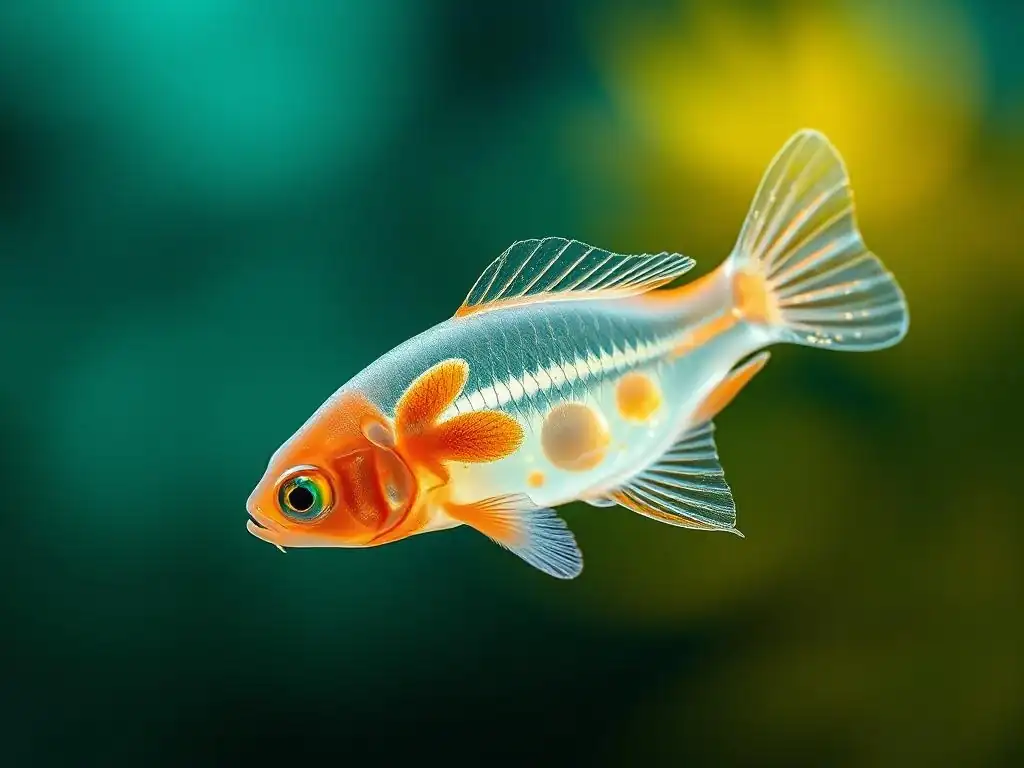
Maintaining an optimal environment is paramount for successful larval rearing. Implementing best practices in water quality, feeding, and environmental control directly influences larval behavior and survival.
Water Quality Management: Maintaining Optimal Parameters
Consistent water quality is the bedrock of larval health. Implement daily 10-20% water changes using aged, temperature-matched (e.g., 27°C +/- 0.5°C), and salinity-matched (e.g., 33 ppt +/- 1 ppt) saltwater to minimize fluctuations and dilute waste products. Utilize gentle aeration through air stones to ensure adequate oxygen saturation (ideally >6 mg/L) and prevent surface film buildup, while avoiding strong currents that can exhaust delicate larvae.
For example, a strict daily log should be maintained for temperature, salinity, pH (8.1 +/- 0.1), ammonia, and nitrite (both 0 ppm), with immediate corrective actions taken if any parameter deviates. Regular monitoring helps prevent the subtle shifts in water chemistry that can manifest as negative larval fish behavior clues.
Feeding Regimen: Providing a Balanced and Nutritious Diet
A meticulously planned feeding regimen is crucial for larval development. Feed small amounts frequently, typically every 2-4 hours (6-8 times daily), to maintain a consistent prey density of 5-10 rotifers/mL or 1-2 copepods/mL, ensuring larvae always have access to food. Crucially, ensure all live feeds are highly enriched with essential fatty acids, particularly DHA and EPA, for at least 12-24 hours prior to feeding.
As larvae grow, typically around day 5-7 for many species, gradually introduce larger prey items like newly hatched Artemia nauplii. For instance, a detailed feeding schedule might involve rotifer additions at 8 AM, 12 PM, 4 PM, 8 PM, and 12 AM, with specific notes on the enrichment product used and the density maintained, directly impacting the larval fish behavior clues related to feeding response and growth.
Environmental Control: Minimizing Stressors and Promoting Growth
Beyond water quality and feeding, controlling the physical environment is vital to minimize stressors and promote healthy larval growth. Maintain stable water temperatures (e.g., 27°C +/- 0.5°C) using reliable heaters and thermostats. Provide consistent, dim lighting for 12-14 hours daily, avoiding sudden changes in light intensity that can startle larvae.
Minimize external disturbances such as sudden movements, loud noises, or vibrations near the larval tanks, as these can induce stress. Ensure water flow is gentle and uniform, avoiding any strong currents or dead spots that could trap or exhaust larvae. For example, using dedicated thermostat-controlled heaters and LED lighting on timers ensures consistent environmental conditions, and strategically placing larval tanks in a low-traffic area of the fish room helps prevent sudden environmental stressors that could negatively impact larval fish behavior clues.
Conclusion: Mastering Larval Rearing Through Observational Skills
The Future of Saltwater Fish Breeding: The Role of Behavioral Analysis
The future of saltwater fish breeding hinges significantly on the continued advancement and integration of behavioral analysis into rearing protocols. While automated systems for monitoring water parameters are becoming increasingly sophisticated, the nuanced interpretation of larval fish behavior clues remains an irreplaceable skill for human aquarists. Success stories in rearing notoriously challenging species, such as yellow tangs (achieved by the Oceanic Institute in 2015) and blue tangs (achieved by the University of Florida in 2016), often involved meticulous observation of larval behavior and the subsequent adaptation of rearing methodologies based on these insights.
Behavioral analysis drives the development of species-specific rearing protocols, moving beyond generic approaches to tailor environments and diets precisely to the needs of each delicate larval stage. This focused approach, rooted in understanding larval fish behavior clues, is key to unlocking the full potential of marine aquaculture.
Continuous Learning: Improving Your Larval Rearing Techniques
Mastering larval rearing is an ongoing journey of continuous learning and refinement. Maintain detailed breeding logs, meticulously documenting specific behavioral observations alongside environmental parameters, feeding schedules, and outcomes. This data-driven approach allows for the identification of patterns and the correlation of specific larval fish behavior clues with successful or unsuccessful rearing attempts.
Actively participate in workshops (e.g., those offered at MACNA or local aquaculture seminars), engage with online forums dedicated to marine aquaculture, and delve into scientific literature on larval biology. Even a seemingly small improvement in survival rates—for example, a 5% increase in a batch of 10,000 larvae—can translate into hundreds more fish over a breeding season. Every batch of larvae offers new larval fish behavior clues and learning opportunities, reinforcing that patience, persistence, and keen observational skills are the ultimate tools for improving your larval rearing techniques.
Frequently Asked Questions
How can observing larval fish behavior help me in my aquarium?
Observing larval fish behavior provides crucial insights into their health and environmental needs. This allows you to adjust tank parameters and care routines for optimal survival.
What are some common behavioral clues from larval fish that indicate a problem?
Signs like erratic swimming, lethargy, or failure to feed often indicate stress, disease, or poor water quality. Addressing these issues quickly is crucial.
Why is understanding larval fish behavior so important for successful breeding?
Successful breeding depends on creating the ideal environment. Understanding larval fish behavior helps you identify and meet their specific requirements for survival and growth.
What aspects of larval fish behavior should I focus on when first introducing them to the tank?
Pay close attention to their feeding response and swimming patterns. These initial observations will help you gauge their adaptation to the new environment and identify any potential issues.
Where can I find more information on specific larval fish behavior for the species I keep?
AquariumMastery.com provides species profiles and troubleshooting guides that detail the specific behavioral characteristics of different larval fish species, assisting in their care.
Final Reflection: Unlocking the Secrets of the Deep
The journey into understanding larval fish behavior, as we've explored, is far more than an academic exercise; it's a critical key to unlocking sustainable aquaculture and conservation efforts. The ability to accurately interpret these subtle cues, often overlooked, directly translates into healthier, more resilient fish populations, both in controlled environments and in the wild. The future of our oceans depends, in part, on our ability to nurture these fragile beginnings.
This exploration has profoundly underscored the intricate connection between observation and understanding. It's a reminder that even the smallest creatures hold invaluable lessons, and that patient, attentive observation can reveal profound truths about the delicate balance of life. In the end, we will conserve only what we love; we will love only what we understand; and we will understand only what we are taught.
- Baba Dioum. This quote resonates deeply, highlighting the crucial role of education and awareness in fostering a genuine appreciation for the complexities of aquatic life.
Now, armed with a deeper understanding of larval fish behavior clues, I encourage you to look closer, to observe with intention, and to appreciate the intricate dance of life unfolding before you. Whether you're an aquarist, a researcher, or simply a curious observer, let this knowledge inspire you to contribute to the well-being of these fascinating creatures and the preservation of their aquatic homes. Let the subtle language of larval fish guide you towards a more sustainable and harmonious future.
Unlock the Secrets: Become a Larval Whisperer!
Thank you for diving deep into the fascinating world of larval behavior! We hope you've gained valuable insights into understanding these tiny clues to ensure the health and survival of your future aquatic inhabitants. Now, let's put that knowledge into action!
- Immediately begin documenting observed larval behaviors in your current or planned breeding projects. This detailed record will become your personal key to success.
- Share this article with fellow aquarists to spread awareness about the importance of larval behavior analysis!
- Consider starting a small, isolated tank dedicated solely to observing and experimenting with larval rearing techniques.
What specific larval behavior are you most eager to decode in your next breeding attempt?