
Apistogramma Baenschi (Inka): Feathered Fins & Andean Allure

Welcome to Aquarium Mastery!
Intrigued by the dazzling Apistogramma Baenschi, also known as the Inka Cichlid? Prepare to be captivated! These feathered-finned beauties from the Andes are a true spectacle. But beauty isn't everything; proper care is crucial. Dive into our comprehensive Apistogramma Baenschi care guide to unlock the secrets to thriving Inka Cichlids and discover if these vibrant gems are the perfect addition to your freshwater aquarium. Let's explore their unique needs together!
- Apistogramma Baenschi (Inka): Feathered Fins & Andean Allure - AquariumMastery.com
- Understanding the Apistogramma Baenschi: An In-Depth Care Guide
- Apistogramma Baenschi Care: Essential Guidelines for a Thriving Fish
- Apistogramma Baenschi: Tank Mates and Compatibility
- Apistogramma Baenschi Breeding: A Comprehensive Guide
- Common Apistogramma Baenschi Health Issues and Prevention
- Enhancing the Beauty of Your Apistogramma Baenschi
- Troubleshooting Common Apistogramma Baenschi Care Problems
- Conclusion: Mastering Apistogramma Baenschi Care for a Rewarding Aquarium Experience
-
Frequently Asked Questions
- What are the basic requirements for keeping Apistogramma baenschi (Inka)?
- What type of food should I feed my Apistogramma baenschi?
- How can I successfully breed Apistogramma baenschi in my aquarium?
- What tank size is appropriate for a pair of Apistogramma baenschi?
- What are some common health issues to watch out for in Apistogramma baenschi?
- Final Reflection: Unveiling the Andean Jewel's Secrets
- Unleash the Inca's Majesty in Your Aquarium!
Apistogramma Baenschi (Inka): Feathered Fins & Andean Allure - AquariumMastery.com
Understanding the Apistogramma Baenschi: An In-Depth Care Guide
Introducing the Inka Apisto: Origins and Natural Habitat
The Apistogramma baenschi, commonly known as the Inka Apisto, is a captivating dwarf cichlid celebrated for its striking coloration and unique "feathered" finnage. Originating from the diverse aquatic ecosystems of South America, particularly the Peruvian Amazon basin, this species exhibits a fascinating blend of yellow, blue, and black markings that make it a standout addition to any freshwater aquarium. Its compact size, typically reaching up to 3 inches (7.5 cm) for males, allows it to thrive in well-planned smaller setups, making comprehensive Apistogramma baenschi care a rewarding endeavor for aquarists.
In its natural habitat, the Inka Apisto inhabits slow-moving tributaries and blackwater streams within the Rio Nanay drainage system in Peru. These environments are characterized by very soft, acidic water, often stained brown by tannins released from decaying leaf litter and submerged wood. The water temperature typically ranges from 75-82°F (24-28°C). Replicating these specific conditions, including ample hiding spots among dense vegetation, roots, and leaf litter, is fundamental to successful Apistogramma baenschi care and crucial for the fish's overall health and vibrant display.
Why Choose Apistogramma Baenschi for Your Aquarium?
Choosing the Apistogramma baenschi for your aquarium offers a truly unique aesthetic and behavioral experience. Their vibrant coloration, which can intensify with proper care, ranges from brilliant yellows and oranges to iridescent blues and deep blacks, often highlighted by distinctive facial markings and elongated, "feathered" dorsal fins. Unlike some larger cichlids, their active yet relatively peaceful demeanor allows for fascinating observation, as they explore their territory, interact with tank mates, and display intricate social behaviors.
Beyond their beauty, Inka Apistos are an excellent choice for aquarists seeking a manageable dwarf cichlid for community tanks. While they are territorial, especially during breeding, their aggression is typically directed towards conspecifics or similar-looking fish, and they generally coexist peacefully with appropriate tank mates. Providing optimal Apistogramma baenschi care involves creating a stable, well-structured environment that allows these fish to thrive, making them a rewarding species for both novice and experienced aquarists looking to delve into the world of South American dwarf cichlids.
Apistogramma Baenschi Care: Essential Guidelines for a Thriving Fish
Tank Setup for Apistogramma Baenschi: Recreating the Andean Environment
Ideal Tank Size for Inka Apistos
For a single pair of Apistogramma baenschi, a minimum tank size of 15 gallons (approximately 57 liters) is recommended. This size provides enough swimming space and allows for the establishment of a small territory. However, to truly see these fish flourish and to accommodate a small group (one male with two or three females) or a diverse community, a 20-gallon long (76 liters) or a 30-gallon (114 liters) aquarium is significantly more beneficial.
The importance of adequate tank size cannot be overstated in Apistogramma baenschi care. Larger tanks mitigate aggression, particularly between males, by offering ample room for distinct territories and visual barriers. This reduces stress, promotes natural behaviors, and contributes significantly to the long-term health and vibrant coloration of your Inka Apistos, allowing them to display their full potential within a structured environment.
Substrate and Decoration for a Natural Habitat
The substrate choice is critical for Apistogramma baenschi, as they are bottom-dwellers that sift through the substrate for food. A fine sand substrate, such as pool filter sand or specialized aquarium sand, is ideal. This soft material protects their delicate barbels and allows them to exhibit natural foraging behaviors without injury. Incorporating a layer of leaf litter, such as Indian almond leaves or dried oak leaves, is highly beneficial; these leaves release tannins that mimic the blackwater conditions of their natural habitat, lowering pH and providing additional hiding spots.
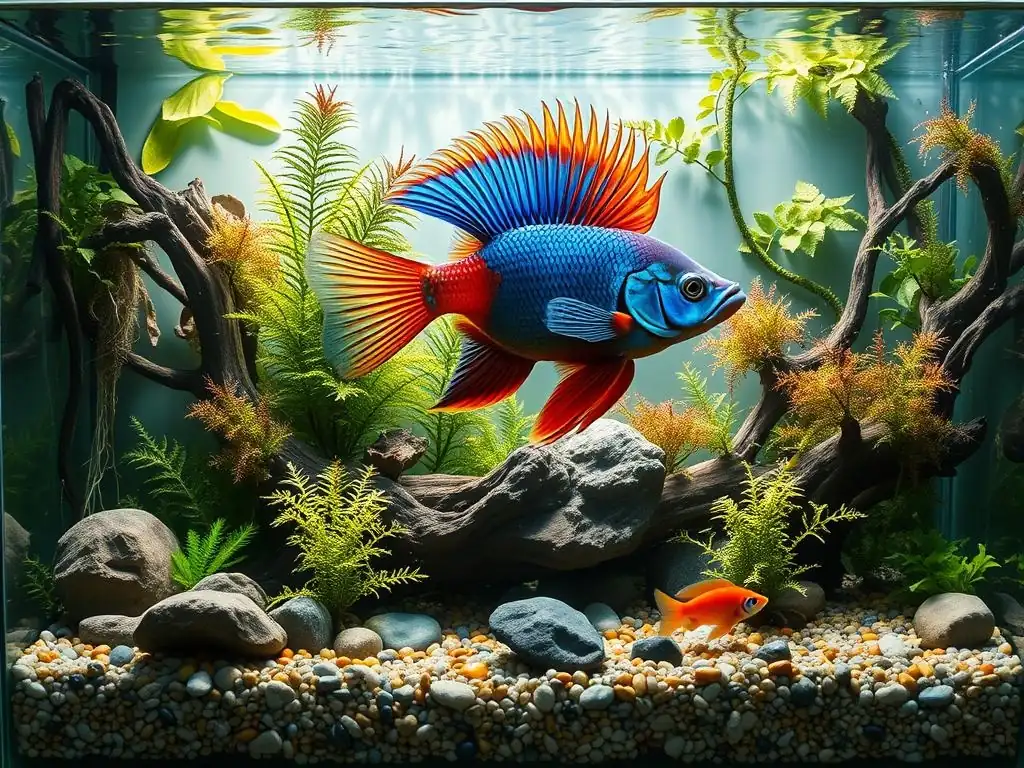
Decorations should aim to replicate the dense, structured environments found in the Peruvian Amazon. Ample driftwood, root structures, and rockwork should be arranged to create numerous caves, crevices, and visual barriers. Coconut shells, terracotta pots, or small ceramic caves serve as excellent spawning sites and secure retreats for females or subdominant males. Dense planting, particularly with broad-leafed plants like Anubias species or Cryptocoryne, further enhances security and provides additional cover, all contributing to optimal Apistogramma baenschi care.
Water Parameters: Maintaining Optimal Conditions for Apistogramma Baenschi
Maintaining precise and stable water parameters is paramount for the health and vibrancy of Apistogramma baenschi. The ideal temperature range is 75-82°F (24-28°C). For pH, these fish thrive in acidic conditions, specifically between 4.5 and 6.5, with a pH below 6.0 often preferred for breeding success. Water hardness (GH) should be very soft, ideally ranging from 0 to 5 dGH.
Achieving and consistently maintaining these soft, acidic conditions often requires the use of reverse osmosis (RO) or deionized (DI) water, remineralized to the desired hardness. Peat filtration, Indian almond leaves, or specific buffering substrates can help lower and stabilize pH. Regular monitoring with reliable test kits is essential to ensure parameters remain within the optimal range, as fluctuations can cause significant stress. Consistent water quality is the cornerstone of effective Apistogramma baenschi care, directly influencing their coloration, behavior, and longevity.
Feeding Apistogramma Baenschi: Diet and Nutritional Needs
What to Feed Your Inka Apisto: Live, Frozen, and Prepared Foods
Apistogramma baenschi are micro-predators in their natural habitat, primarily feeding on small invertebrates. To ensure optimal health and vibrant coloration in the aquarium, a diverse and high-quality diet is crucial. Live foods are highly beneficial and eagerly accepted; excellent options include newly hatched brine shrimp, daphnia, microworms, grindal worms, and small bloodworms. These foods provide essential proteins and encourage natural hunting behaviors.
Supplementing live foods with a variety of frozen options is also vital for comprehensive Apistogramma baenschi care. Frozen bloodworms, brine shrimp, daphnia, and mysis shrimp offer convenience while still providing excellent nutrition. High-quality prepared foods, such as small sinking pellets or flakes specifically formulated for dwarf cichlids, should be offered as a staple. Look for brands that list fish meal, spirulina, and other beneficial ingredients as primary components. A varied diet not only meets their nutritional needs but also enhances their natural colors and overall vitality.
Feeding Frequency and Portion Control for Apistogramma Baenschi
For Apistogramma baenschi, it is best to feed small amounts multiple times a day, typically 2-3 times. This approach mimics their natural foraging behavior throughout the day and prevents large fluctuations in water quality that can result from overfeeding. Each feeding should consist of only what the fish can consume within 2-3 minutes.
Strict portion control is a critical aspect of effective Apistogramma baenschi care. Overfeeding can lead to several problems, including digestive issues for the fish, excessive waste production, and a rapid decline in water quality due to increased ammonia and nitrate levels. Uneaten food also contributes to unsightly algae growth and can provide a breeding ground for harmful bacteria. By adhering to small, frequent feedings, you ensure your Inka Apistos receive adequate nutrition without compromising their health or the pristine condition of their aquatic environment.
Water Quality and Maintenance for Apistogramma Baenschi
Regular Water Changes: The Key to Healthy Apistogramma Baenschi
Regular water changes are arguably the most critical aspect of maintaining a healthy environment for Apistogramma baenschi. A consistent schedule of 25-30% weekly water changes is highly recommended. For heavily stocked tanks, or during specific phases like breeding, increasing the frequency to 20% twice a week may be beneficial. It is paramount to use water that matches the tank's existing parameters (temperature, pH, and hardness) as closely as possible to prevent shock.
These routine water changes effectively remove accumulated nitrates, phosphates, and other pollutants that can build up over time, even with efficient filtration. They also replenish essential trace minerals and electrolytes that are utilized by the fish and plants. Consistent, high-quality water changes are a cornerstone of successful Apistogramma baenschi care, directly contributing to their long-term health, vibrant coloration, and resistance to disease.
Filtration and Aeration: Keeping the Water Pristine
For Apistogramma baenschi, gentle yet effective filtration is essential. Sponge filters are often considered ideal as they provide excellent biological filtration without creating strong currents, which can stress these relatively slow-moving fish. Canister filters or hang-on-back (HOB) filters can also be used, provided they have adjustable flow rates to ensure the water movement remains subdued. The filter media should prioritize biological filtration (e.g., bio-rings, ceramic media) to break down ammonia and nitrites, with mechanical filtration (e.g., sponges, filter floss) for particulate removal.
Aeration is generally not a primary concern if the filtration system provides adequate surface agitation, which facilitates gas exchange. However, in heavily planted tanks where surface movement might be minimal, or in tanks with a high bioload, an air stone can be a beneficial addition to ensure sufficient oxygen levels. It is crucial to avoid any strong currents in the tank, as Apistogramma baenschi prefer calm, still waters, and excessive flow can lead to stress and reduced activity.
Apistogramma Baenschi: Tank Mates and Compatibility
Choosing the Right Tank Mates for Your Inka Apisto
Compatible Fish Species for a Peaceful Community Tank
Choosing appropriate tank mates is crucial for a peaceful and thriving Apistogramma baenschi aquarium. Ideal companions are peaceful, similarly sized or smaller fish that prefer comparable water parameters and occupy different levels of the tank. Excellent choices include small schooling tetras such as Ember Tetras ( Hyphessobrycon amandae), Neon Tetras ( Paracheirodon innesi), or Cardinal Tetras ( Paracheirodon axelrodi), which typically swim in the mid to upper water column.
Other suitable tank mates for your Inka Apisto include peaceful rasboras like Harlequin Rasboras ( Trigonostigma heteromorpha), which are hardy and non-aggressive. Bottom-dwelling companions such as Otocinclus catfish ( Otocinclus affinis) are excellent for algae control and are entirely peaceful. Small, peaceful Corydoras species, like Pygmy Corydoras ( Corydoras pygmaeus), also make good additions, as they are not territorial and will not compete directly with the Apistogramma baenschi for space or food. This careful selection is key to a harmonious community and effective Apistogramma baenschi care.
Fish to Avoid: Aggressive Tank Mates for Apistogramma Baenschi
To ensure the well-being of your Apistogramma baenschi, it is essential to avoid certain types of fish that can cause stress, injury, or outcompete them. Large, overly aggressive, or highly territorial cichlids, such as Jack Dempseys ( Rocio octofasciata) or Oscars ( Astronotus ocellatus), are entirely unsuitable due to their size and aggressive nature. Even other, larger dwarf cichlid species might be too dominant for the relatively shy Inka Apisto.
Fin-nipping species, like many types of Barbs (e.g., Tiger Barbs, Puntigrus tetrazona), should also be avoided, as the Apistogramma baenschi's delicate, elongated fins can be a target. Similarly, some larger Gourami species can be semi-aggressive or overly boisterous, potentially intimidating the more reserved Apistos. Introducing any fish that prefers significantly different water parameters (e.g., hard, alkaline water) should also be avoided, as it compromises the optimal conditions vital for proper Apistogramma baenschi care.
Apistogramma Baenschi Breeding: A Comprehensive Guide
Creating the Ideal Breeding Environment for Apistogramma Baenschi
Triggering Spawning: Water Parameters and Diet
To successfully trigger spawning in Apistogramma baenschi, specific water parameters are crucial. The water must be very soft, ideally with a General Hardness (GH) between 0 and 3 dGH, and highly acidic, with a pH range of 4.5 to 5.5. A slightly elevated temperature, around 80-82°F (27-28°C), often encourages breeding activity. Providing ample spawning sites, such as small clay pots, coconut shells, or rock caves, is also essential, as females prefer to lay eggs in secluded, enclosed spaces.
Conditioning the breeding pair with a rich diet of live and high-quality frozen foods for several weeks prior to attempting spawning is vital. Foods like blackworms, daphnia, and newly hatched brine shrimp provide the necessary protein and nutrients to prepare the fish for reproduction. Additionally, performing large, frequent water changes (e.g., 50% every other day) with aged RO/DI water can simulate the natural influx of fresh, soft water that often triggers spawning in their wild habitats, enhancing your Apistogramma baenschi care guide for breeding.
Identifying Male and Female Apistogramma Baenschi
Distinguishing between male and female Apistogramma baenschi is relatively straightforward due to their distinct sexual dimorphism. Males are typically larger, growing up to 3 inches (7.5 cm), and exhibit significantly more vibrant coloration, especially when mature or in breeding condition. Their dorsal, anal, and caudal fins are more elongated and pointed, often displaying the characteristic "feathered" appearance that gives them their allure. Males also tend to have more pronounced facial markings and a broader body profile.
Females, on the other hand, are noticeably smaller, usually reaching about 2 inches (5 cm) in length. Their coloration is generally more subdued, often a yellowish or orange hue, which intensifies to a bright yellow when they are gravid (carrying eggs) or actively caring for fry. Their fins are shorter and rounder compared to the males. Observing these differences is a fundamental step in Apistogramma baenschi care when aiming for successful breeding, allowing you to select a compatible pair.
Raising Apistogramma Baenschi Fry: From Eggs to Juveniles
Caring for the Eggs and Newly Hatched Fry
Once eggs are laid (typically 30-80 eggs within a chosen cave), the female Apistogramma baenschi takes on the primary role of parental care. She will diligently guard the spawning site, fanning the eggs to ensure proper oxygenation and keeping them clean. The eggs usually hatch within 2-4 days, depending on temperature. After hatching, the tiny, immobile wrigglers remain in the cave, absorbing their yolk sacs, while the female continues her vigilant protection, often moving them to different locations within the cave.
The fry typically become free-swimming after about 5-7 days post-hatching. At this stage, they are extremely small and require microscopic first foods. The female will continue to herd and protect them, often leading them around the tank in search of food. Maintaining pristine water quality with stable parameters is critically important during this delicate period, as the fry are highly susceptible to changes in their environment, making careful Apistogramma baenschi care for the fry essential for their survival.
Feeding the Fry: First Foods and Growth
The initial feeding of Apistogramma baenschi fry is crucial as they are very small upon becoming free-swimming. For the first few days, infusoria, liquid fry food, or microworms are excellent choices due to their microscopic size. These provide the necessary nutrition for the tiny fry to grow quickly. As they grow slightly, typically after 3-5 days of free-swimming, newly hatched brine shrimp nauplii become the primary and most effective food source. Their high nutritional value and movement stimulate the fry's feeding response.
It is essential to feed the fry small amounts multiple times a day, ideally 4-6 times, to ensure continuous access to food and promote rapid growth. As the fry continue to grow, usually after 2-3 weeks, they can gradually be introduced to finely crushed high-quality flakes and finely chopped frozen foods like bloodworms or daphnia. Consistent, high-quality feeding and immaculate water conditions are vital for the successful development of young Apistogramma baenschi into healthy juveniles, embodying comprehensive Apistogramma baenschi care.
Common Apistogramma Baenschi Health Issues and Prevention
Recognizing Symptoms of Illness in Apistogramma Baenschi
Common Diseases Affecting Apistogramma Baenschi
Apistogramma baenschi, like all aquarium fish, can be susceptible to various diseases, often triggered by stress, poor water quality, or improper diet. Common ailments include Ich ( Ichthyophthirius multifiliis), characterized by small white spots resembling salt grains on the body and fins. Velvet ( Oodinium species) presents as a fine, dusty, gold-like coating. Bacterial infections can manifest as fin rot (frayed or decaying fins), cloudy eyes, or body sores. Internal parasites may lead to emaciation despite feeding, or stringy white feces.
Recognizing the symptoms early is crucial for effective treatment and successful Apistogramma baenschi care. Beyond visible external signs, behavioral changes are often the first indicators of illness. These include lethargy, hiding excessively, clamped fins (fins held close to the body), rapid or labored breathing, loss of appetite, and fading or dull coloration. Any deviation from normal behavior warrants immediate investigation of water parameters and a thorough visual inspection of the fish.
Preventing Diseases: Quarantine and Proper Care
Preventing diseases is always more effective than treating them, and a robust prevention strategy is a cornerstone of good Apistogramma baenschi care. The most critical preventative measure is to always quarantine new fish. A separate quarantine tank, maintained for at least 2-4 weeks, allows you to observe new arrivals for signs of illness and treat them before introducing them to your main display tank. This significantly reduces the risk of introducing pathogens to your established fish.
Beyond quarantine, maintaining optimal and stable water parameters is paramount. Consistent water changes, appropriate filtration, and avoiding sudden fluctuations in temperature or pH reduce stress, which is a major contributor to weakened immune systems. Providing a balanced, varied diet, avoiding overfeeding, and ensuring the tank is not overstocked also contribute significantly to the overall health and resilience of your Apistogramma baenschi, making them less susceptible to common ailments.
Treating Ailments in Inka Apistos: A Guide to Medications and Remedies
When Apistogramma baenschi fall ill, prompt and accurate treatment is essential. For common external parasites like Ich, treatment typically involves raising the water temperature slightly (if compatible with tank mates, usually to 82-86°F or 28-30°C) and administering an Ich-specific medication containing malachite green or formaldehyde. For Velvet, copper-based medications are often effective. Always follow the manufacturer's instructions carefully and remove activated carbon from the filter during treatment, as it can absorb the medication.
For suspected bacterial infections, such as fin rot or cloudy eyes, broad-spectrum antibiotics like erythromycin, nitrofurazone, or oxytetracycline may be necessary. Internal parasites, often indicated by stringy white feces or emaciation, usually require medicated foods containing metronidazole or praziquantel. It is vital to accurately diagnose the ailment before administering any medication, as using the wrong treatment can be detrimental. Consulting a comprehensive Apistogramma baenschi care guide or an experienced aquarist for diagnosis can be highly beneficial before beginning any treatment regimen.
Enhancing the Beauty of Your Apistogramma Baenschi
Aquascaping Tips to Showcase Your Inka Apistos
Thoughtful aquascaping can dramatically enhance the visual appeal of your Apistogramma baenschi and encourage their most vibrant coloration. Utilizing a dark substrate, such as black sand or fine dark gravel, provides a striking contrast that makes their yellow, blue, and black hues truly pop. The arrangement of driftwood and rockwork should not only be aesthetically pleasing but also functional, creating distinct territories, visual barriers, and numerous hiding spots.
Incorporating live plants is another excellent way to showcase your Inka Apistos while providing a natural, secure environment. Dense planting, particularly with broad-leafed plants like Anubias species, Java Fern, or various Cryptocoryne species, offers essential cover and helps break up lines of sight, reducing aggression and stress. Floating plants can also be used to diffuse light, mimicking their shaded natural habitat. A well-designed aquascape allows Apistogramma baenschi to feel secure, display their full range of natural behaviors, and exhibit their most intense colors, optimizing your Apistogramma baenschi care efforts.
Lighting Considerations for a Vibrant Display
The right lighting is crucial for both the health of your plants and the well-being and display of your Apistogramma baenschi. These dwarf cichlids naturally inhabit shaded, tannin-stained waters, and thus prefer subdued or moderate lighting conditions. Strong, direct overhead lighting can stress them, leading to faded colors and increased hiding behavior, as it does not mimic their natural environment.
Moderate lighting, typically achieved with LED fixtures designed for planted tanks, is ideal. This type of lighting supports healthy plant growth without creating excessive glare or encouraging rampant algae growth. By providing a light cycle of 8-10 hours, you create a natural day-night rhythm. Dimmer lighting settings, or the use of floating plants to diffuse light, will encourage your Apistogramma baenschi to be more active and display their most vibrant and intricate patterns, highlighting the unique "feathered" fins and overall beauty inherent in comprehensive Apistogramma baenschi care.
Troubleshooting Common Apistogramma Baenschi Care Problems
Lack of Color in Males
A common concern for Apistogramma baenschi enthusiasts is when their usually vibrant male Inka Apistos suddenly lose their intense coloration, appearing dull or washed out. This is almost always an indicator of stress or an underlying issue. Primary causes include poor water quality (e.g., high nitrates, incorrect pH or hardness), insufficient hiding spots, aggressive tank mates, or an inadequate diet lacking in essential nutrients. A male Apistogramma baenschi losing its brilliance is often the first visible sign that something in its environment needs attention.
To address a lack of color, a systematic approach to Apistogramma baenschi care is required. First, rigorously test all water parameters (temperature, pH, ammonia, nitrite, nitrate) and perform a significant water change with appropriately conditioned water. Evaluate tank mates for aggression and remove any problematic fish. Ensure the aquarium has ample hiding spots and visual barriers. Finally, review the diet to ensure it is varied and includes high-quality live and frozen foods. Consistent attention to these factors will typically restore the male Apistogramma baenschi's stunning coloration.
Aggressive Behavior Between Males
Aggressive behavior between male Apistogramma baenschi is a relatively common issue, particularly in smaller tanks or when multiple males are kept without sufficient territory. While Inka Apistos are generally peaceful, males are highly territorial, especially when vying for female attention or suitable spawning sites. This aggression can manifest as chasing, nipping, or even direct physical confrontations, leading to stress, injury, or even death for the subordinate male.
To mitigate aggression, several Apistogramma baenschi care strategies can be employed. The most effective solution is to increase the tank size, providing more overall space. Adding more visual barriers, such as dense plant groupings, driftwood, and rock caves, helps break up lines of sight and allows males to establish distinct territories without constant confrontation.
In many cases, it is advisable to keep only one male per tank unless the aquarium is very large (e.g., 50+ gallons) and can accommodate multiple females per male to diffuse aggression. If aggression persists despite these measures, separating the males into different tanks may be necessary for their long-term well-being.
Conclusion: Mastering Apistogramma Baenschi Care for a Rewarding Aquarium Experience
Frequently Asked Questions
What are the basic requirements for keeping Apistogramma baenschi (Inka)?
Apistogramma baenschi require a well-established aquarium with soft, acidic water. Provide plenty of hiding places using driftwood and plants.
What type of food should I feed my Apistogramma baenschi?
These fish are primarily carnivores and require a varied diet of high-quality flake food, frozen foods like bloodworms and daphnia, and live foods when possible.
How can I successfully breed Apistogramma baenschi in my aquarium?
Breeding A. baenschi requires stable water parameters, a dedicated breeding cave, and a well-conditioned pair. Water changes with soft water often trigger spawning.
What tank size is appropriate for a pair of Apistogramma baenschi?
A tank size of at least 20 gallons is recommended for a breeding pair of Apistogramma baenschi. Larger tanks are beneficial to provide territory and reduce aggression.
What are some common health issues to watch out for in Apistogramma baenschi?
Apistogramma baenschi are susceptible to diseases like Ich (white spot disease) and bacterial infections. Maintaining optimal water quality and quarantining new fish is crucial for prevention.
Final Reflection: Unveiling the Andean Jewel's Secrets
The journey into understanding Apistogramma baenschi, the Inka cichlid, underscores a vital truth: even the most seemingly niche interests, like keeping these vibrant fish, are deeply intertwined with broader ecological and conservation concerns. The meticulous care we provide in our aquariums directly mirrors the responsibility we have to protect their fragile Andean habitat. By understanding their needs, we become active participants in preserving a unique piece of our planet's biodiversity.
This exploration has not only deepened our understanding of Apistogramma baenschi but also highlighted the interconnectedness of our actions and their impact on the natural world. The dedication and passion of aquarists, researchers, and conservationists are crucial in safeguarding these species for future generations. In the end, we will conserve only what we love; we will love only what we understand; and we will understand only what we are taught.
- Baba Dioum's powerful words remind us that education and appreciation are the cornerstones of conservation.
Now, armed with this knowledge and appreciation, I invite you to reflect on your own role in preserving the beauty and diversity of our planet. Consider how your choices, both big and small, can contribute to a more sustainable future, not just for Apistogramma baenschi, but for all the creatures that share our world. Let your passion for these Andean jewels inspire action, fostering a deeper connection with nature and a commitment to its enduring preservation.
Unleash the Inca's Majesty in Your Aquarium!
Thanks for exploring the captivating world of the Apistogramma baenschi! We hope you've gained a deeper appreciation for these Andean jewels and their unique needs. Ready to bring a piece of Peru into your own home?
Here are a few ways to continue your journey:
- Start planning your ideal Inka biotope aquarium. Research suitable tank mates, create the perfect water parameters, and design a stunning, natural-looking environment.
- Dive deeper into the world of Apistogramma breeding by joining online forums or local aquarium clubs and sharing your newfound knowledge.
- Think outside the (fish) bowl:Consider donating to organizations working to protect the Apistogramma baenschi's natural habitat in the Andes.
What fascinating fact about the Inka apisto are you most excited to share with other aquarium enthusiasts?