
Seasonal Feeding for African Cichlids: Mimicking Natural Dietary Shifts?

Welcome to Aquarium Mastery!
Ever wondered if you're truly catering to your African cichlids' needs year-round? Dive in and explore our guide on African cichlid seasonal feeding – are you mimicking their natural dietary shifts, or could you be missing a crucial piece of the puzzle? Let's unlock the secrets to thriving, vibrant cichlids by understanding their changing nutritional demands!
- Understanding African Cichlid Diets in the Wild: A Seasonal Perspective
- Replicating Seasonal Feeding in Your Aquarium: A Practical Guide
- Specific Feeding Strategies for Different African Cichlid Types
- The Benefits of Varied Seasonal Diets for African Cichlids
- Implementing a Seasonal Feeding Plan: Key Considerations
- Conclusion: Optimizing African Cichlid Health with Seasonal Feeding Strategies
-
Frequently Asked Questions
- How does seasonal feeding benefit African Cichlids?
- What are the typical seasonal dietary changes for African Cichlids?
- How can I replicate seasonal feeding in my aquarium?
- Are there specific African Cichlid species that benefit more from seasonal feeding?
- What happens if I don't practice seasonal feeding for my African Cichlids?
- Final Reflection: Embracing the Rhythms of the Rift
- Ignite Your Cichlids' Vitality!
Understanding African Cichlid Diets in the Wild: A Seasonal Perspective
The Importance of Seasonal Dietary Changes for Cichlid Health
In their natural habitats, African cichlids experience significant seasonal fluctuations in food availability, which directly influences their physiological state and health. Unlike the constant, often monotonous diet provided in many home aquariums, wild cichlids adapt their metabolism and activity levels to periods of abundance and scarcity. This natural variation ensures they receive a diverse array of nutrients, supporting different biological processes such as growth, reproduction, and immune function, which are not uniformly demanding throughout the year.
A consistent, unchanging diet in captivity can lead to nutritional imbalances, potentially resulting in deficiencies or excesses that undermine long-term health. For instance, continuous high-protein feeding, especially for herbivorous species, can strain digestive systems and lead to fatty liver disease. Mimicking the natural ebb and flow of food sources through African cichlid seasonal feeding helps align their dietary intake with their inherent biological rhythms, promoting robust health, natural behaviors, and a stronger immune response against common ailments.
Natural Food Availability Fluctuations in African Rift Lakes
The Great Rift Valley lakes—Malawi, Tanganyika, and Victoria—exhibit distinct wet and dry seasons that profoundly impact the availability of food sources for their diverse cichlid populations. During the rainy season, increased terrestrial runoff brings a surge of nutrients into the lakes, often leading to algal blooms and a proliferation of aquatic insects and their larvae. This period represents a time of relative abundance, supporting rapid growth and intensive breeding activities among many cichlid species.
Conversely, the dry season typically sees lower water levels, reduced nutrient input, and potentially less primary productivity, leading to scarcer food resources. During these leaner periods, cichlids may rely more on less energy-dense foods, such as detritus or established algal mats, and reduce their metabolic rate. Understanding these natural cycles of feast and famine is fundamental to implementing effective African cichlid seasonal feeding strategies in an aquarium, allowing aquarists to provide a diet that truly reflects their fish's evolutionary adaptations.
Replicating Seasonal Feeding in Your Aquarium: A Practical Guide
Adapting Your African Cichlid Feeding Schedule to the Seasons
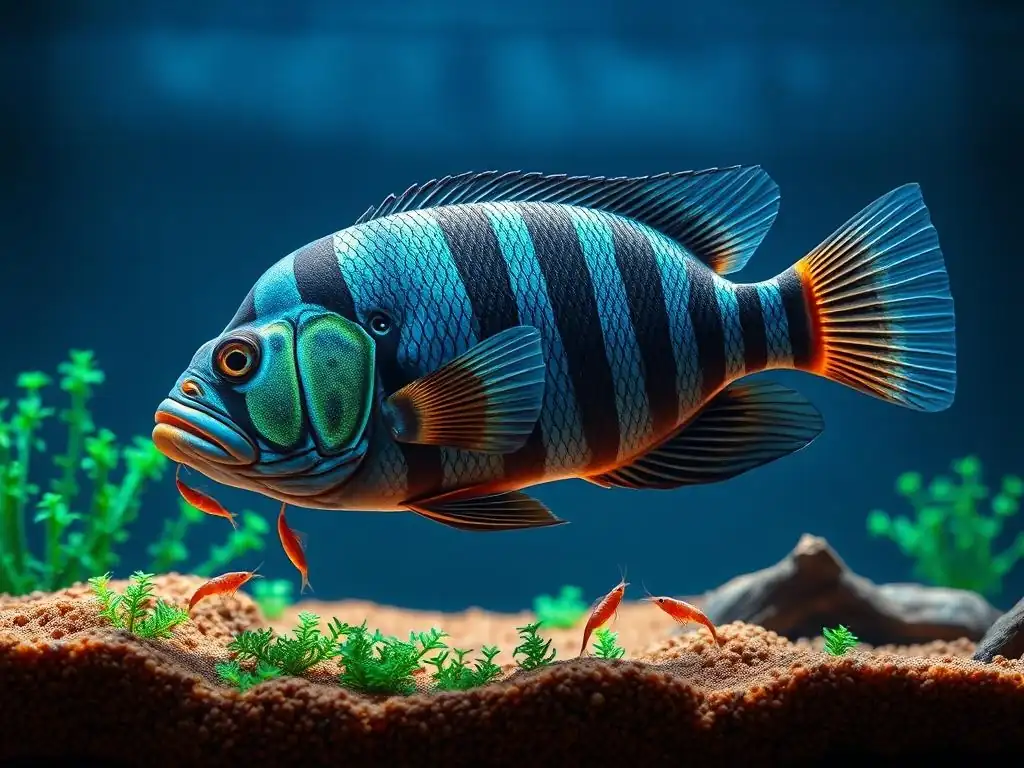
Replicating seasonal feeding for African cichlids in a home aquarium involves adjusting feeding frequency, quantity, and food type based on perceived "seasons" or environmental cues. While we cannot perfectly mimic the complex hydrological cycles of the Rift Lakes, aquarists can simulate the effects of these cycles on fish metabolism and behavior. This often correlates with ambient room temperature fluctuations or can be manually induced by subtly adjusting water temperature by 1-2 degrees Celsius to encourage or deter specific behaviors.
The general principle for African cichlid seasonal feeding is to provide more frequent, higher-energy meals during "warm" periods, simulating the abundant rainy season when growth and breeding are prioritized. Conversely, during "cooler" periods, feeding should be less frequent and focus on foods that support maintenance and digestion, mimicking the leaner dry season. Observing your cichlids' activity levels, coloration, and overall vigor will be crucial in fine-tuning these adjustments.
Spring and Summer Feeding: Promoting Growth and Breeding in Cichlids
In the context of an aquarium, "Spring and Summer" can be defined as periods where you aim to encourage active growth, vibrant coloration, and breeding behaviors. During these times, African cichlids naturally exhibit higher metabolic rates and increased energy demands for territorial defense, courtship, and fry production. This period should reflect the natural abundance of food found in the wild during warmer, more productive seasons, where food sources are plentiful.
To support these heightened activities, feeding should be more frequent and slightly more generous. Instead of a single daily feeding, consider offering 2-3 smaller meals throughout the day. This approach ensures a steady supply of energy for vigorous activity and reproductive processes, mimicking the continuous foraging opportunities that wild cichlids would exploit during periods of peak food availability.
Focus on Protein-Rich Foods during Warmer Months
During the "Spring and Summer" phases of African cichlid seasonal feeding, the dietary focus should shift towards higher protein content. High-quality cichlid pellets with a crude protein content of 40-50% are ideal. Supplementing with frozen foods such as mysis shrimp, brine shrimp, or high-quality bloodworms (offered sparingly for herbivorous species) can provide crucial amino acids and fats necessary for muscle development, gonadal maturation, and overall energy reserves.
Protein is the fundamental building block for growth, tissue repair, and the production of eggs and sperm. For example, a female Peacock cichlid preparing to spawn requires significantly more protein to develop viable eggs, while a male Mbuna establishing a breeding territory needs ample energy for constant vigilance and display. Providing these nutrient-dense foods during warmer months directly supports the intense physiological demands of breeding and robust growth in your African cichlids.
Autumn and Winter Feeding: Preparing Cichlids for a Slower Period
As aquarium "Autumn and Winter" approach, the feeding strategy for African cichlids should shift to support a less active, maintenance-oriented period. This mimics the natural dry seasons in the Rift Lakes, where food resources may be scarcer and metabolic rates naturally decrease. The goal during these cooler or less active times is to maintain excellent health and condition without promoting excessive growth or unhealthy fat accumulation, which can lead to health issues.
During these periods, reduce the feeding frequency to once per day, or even every other day for some species, depending on their activity levels and individual needs. The quantity of food offered should also be reduced, ensuring that all food is consumed rapidly, typically within 1-2 minutes. This reduction helps prevent overfeeding, which can lead to poor water quality and digestive problems, while still providing adequate nutrition for the fish's metabolic needs during a slower phase.
Emphasizing Fiber and Vegetable Matter during Cooler Months
During the "Autumn and Winter" phase of African cichlid seasonal feeding, the emphasis shifts towards foods with higher fiber and vegetable content. For herbivorous Mbuna, this means ensuring a staple diet of high-quality spirulina-based flakes or pellets (e.g., those with 30-40% spirulina content). Blanched vegetables like zucchini slices or shelled peas can also be offered periodically as a supplemental source of fiber and essential vitamins.
For omnivorous and carnivorous cichlids, select pellets that still provide a balanced nutritional profile but perhaps with a slightly lower overall protein percentage or a greater proportion of easily digestible plant matter. This approach helps maintain digestive health, prevents constipation, and provides necessary micronutrients without the caloric density required for rapid growth or breeding. This mirrors the natural reliance on less energy-intensive food sources when more protein-rich prey might be less abundant in the wild.
Specific Feeding Strategies for Different African Cichlid Types
Mbuna Seasonal Feeding: Adapting to Algae Growth Cycles
Mbuna cichlids, primarily herbivores from Lake Malawi, naturally graze on aufwuchs, a bio-film consisting of algae, diatoms, and associated micro-invertebrates scraped from rocks. The growth of aufwuchs in the wild is highly dependent on factors like sunlight intensity, water temperature, and nutrient availability, which fluctuate seasonally. During periods of high light and warmth (simulating "summer"), aufwuchs can be more abundant and nutritionally rich due to a higher concentration of active algae and associated microorganisms.
To replicate this in the aquarium, during "Spring/Summer" periods, ensure a consistent supply of high-quality spirulina flakes and pellets, perhaps offering slightly larger portions or more frequent feedings. During "Autumn/Winter," maintain the spirulina-heavy diet but reduce the quantity or frequency slightly, ensuring the fiber content remains high to prevent digestive issues like Malawi bloat. This African cichlid seasonal feeding strategy provides the necessary plant matter while subtly adjusting for perceived natural abundance.
Understanding Aufwuchs and its Seasonal Variations
Aufwuchs is not a static food source; its composition and nutritional value vary throughout the year. In peak growing seasons, it contains a higher proportion of rapidly growing algae and a richer community of small invertebrates, providing a more balanced and protein-enhanced diet for Mbuna. During leaner times, the algal component might be less robust, and the invertebrate content lower, making it a less calorically dense food source.
For aquarium African cichlid seasonal feeding, this implies that while spirulina should always be a cornerstone of the Mbuna diet, slight variations can be beneficial. During "breeding seasons," a spirulina pellet that also incorporates a small percentage of easily digestible animal protein (e.g., krill meal) can mimic the richer aufwuchs. In "maintenance seasons," a pure spirulina or vegetable-based pellet would be more appropriate, aligning with the leaner natural diet.
Peacock Cichlid Seasonal Feeding: Targeting Insect and Invertebrate Availability
Peacock cichlids ( Aulonocara species), primarily found in Lake Malawi, are generally insectivores and carnivores, sifting through sandy substrates for small invertebrates, insect larvae, and crustaceans. The populations of these prey items fluctuate significantly with the seasons in the wild. For example, certain insect hatches occur during specific wet periods, providing a temporary abundance of high-protein, calorie-rich food sources that Peacocks would eagerly exploit.
To simulate this seasonal variation, during "Spring/Summer" (or breeding periods), increase the frequency and quantity of frozen foods like mysis shrimp, brine shrimp, and daphnia, or specialized sinking pellets formulated for carnivorous cichlids. These foods offer the higher protein and fat content needed for growth, vibrant coloration, and reproductive conditioning. During "Autumn/Winter," reduce the overall quantity and perhaps incorporate a high-quality staple pellet with moderate protein as the primary food source for African cichlid seasonal feeding.
Simulating the Insect Life Cycle in Your Feeding Regimen
The natural life cycles of insects and aquatic invertebrates, with their larval stages and periodic mass hatches, provide wild Peacock cichlids with bursts of highly nutritious food. Replicating these "booms" in the aquarium can be achieved by offering periodic, slightly larger portions of specific frozen or even live foods. For instance, a weekly "treat" of bloodworms or blackworms during the simulated "summer" months can provide a significant nutritional boost.
This targeted approach to African cichlid seasonal feeding not only provides essential nutrients but also encourages natural foraging behaviors and helps to trigger breeding cues. By offering a varied diet that mimics the changing availability of prey, aquarists can promote optimal health, enhance natural vibrancy, and potentially increase breeding success in their Peacock cichlids, making their aquarium environment more enriching and biologically accurate.
Haplochromis Seasonal Feeding: Matching Predatory Diets to Prey Abundance
The diverse group of Haplochromis cichlids, primarily from Lake Victoria and Lake Malawi, includes many predatory species that feed on smaller fish, crustaceans, and larger insects. In their natural environment, the abundance of these prey items is highly seasonal, influenced by factors such as prey breeding cycles, water levels, and overall ecosystem productivity. Periods of high prey density would allow Haplochromis to consume larger, more energy-dense meals, supporting rapid growth and reproductive efforts.
To match this, during "Spring/Summer" or periods of intended breeding, offer larger, more protein-dense foods such as cut frozen silversides, larger mysis shrimp, or high-protein sinking pellets specifically designed for predatory cichlids. The goal is to provide ample energy for their active predatory lifestyle, territorial maintenance, and the significant energy expenditure associated with reproduction. This African cichlid seasonal feeding strategy ensures they receive the necessary fuel for their demanding dietary needs.
Adjusting Feeding Based on Available Small Fish and Invertebrates
Wild Haplochromis experience distinct periods of feast and famine concerning their prey. For example, following the breeding season of smaller fish species, there might be an abundance of fry, providing easy, nutrient-rich meals. Conversely, during leaner times, they might have to hunt more actively for scarcer prey or rely on less energy-dense sources.
In the aquarium, this translates to adjusting the intensity of feeding. During periods mimicking "abundance," you might offer slightly larger individual food items or more frequent feedings. During "scarcer" periods, the quantity should be reduced, and the focus might shift to a high-quality staple pellet to maintain condition without risking overfeeding or unhealthy fat accumulation. This nuanced African cichlid seasonal feeding helps to keep these powerful predators in peak condition.
The Benefits of Varied Seasonal Diets for African Cichlids
Improved Cichlid Health and Longevity
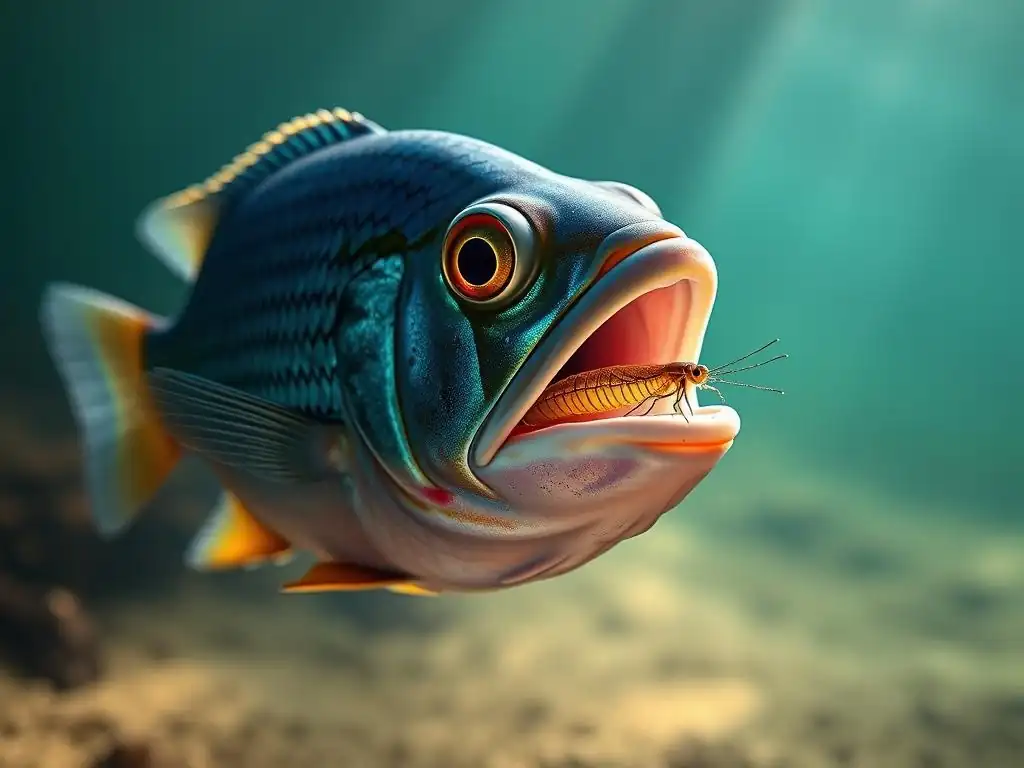
Implementing African cichlid seasonal feeding strategies significantly contributes to the overall health and longevity of your fish. By providing a varied diet that fluctuates with "seasons," you prevent nutritional deficiencies that can arise from a monotonous diet, while also avoiding excesses of certain nutrients (like protein for herbivores) that can lead to organ stress. This approach supports a more robust immune system, allowing cichlids to better resist diseases and stress-related ailments.
A diet that mimics natural variations also promotes optimal organ function, leading to stronger bone structures, healthier muscle development, and more vibrant, natural coloration. For instance, fish fed a consistently varied diet are less prone to issues like fatty liver disease, which can shorten lifespan. Ultimately, a well-executed African cichlid seasonal feeding plan leads to healthier, more resilient fish that can enjoy a longer and more fulfilling life in your aquarium.
Enhanced Breeding Success through Seasonal Feeding
Seasonal feeding plays a pivotal role in enhancing breeding success among African cichlids. The availability of specific nutrients, particularly protein and healthy fats, directly impacts gonadal development and the production of viable eggs and sperm. By increasing protein-rich foods during simulated "Spring/Summer" periods, aquarists can signal to their cichlids that conditions are favorable for reproduction, mimicking the natural abundance that triggers breeding in the wild.
Furthermore, the cyclical nature of African cichlid seasonal feeding, with periods of increased energy intake followed by leaner times, can help synchronize breeding within a group. This "feast and famine" cycle, even if subtle, can stimulate natural hormonal responses, leading to more frequent and successful spawns. Healthier, well-conditioned parents are also more likely to produce stronger, more numerous fry, significantly improving overall reproductive output.
Reduced Risk of Malawi Bloat and Other Digestive Issues
Malawi bloat is a devastating and often fatal digestive disorder common in African cichlids, particularly Mbuna, and is frequently linked to improper diet. It typically occurs when herbivorous cichlids consume too much protein or foods that are difficult for their long digestive tracts to process. A well-planned African cichlid seasonal feeding regimen can drastically reduce the incidence of this condition by ensuring appropriate fiber and nutrient balance throughout the year.
By emphasizing high-fiber, vegetable-based foods during "cooler" periods and ensuring that even protein-rich foods are easily digestible and appropriate for the species during "warmer" periods, the digestive system is less stressed. This strategic feeding, which prioritizes proper gut health through varied and appropriate food types, is one of the most effective preventative measures against Malawi bloat and other common digestive ailments in African cichlids.
Implementing a Seasonal Feeding Plan: Key Considerations
Monitoring Water Quality and Adjusting Feeding Accordingly
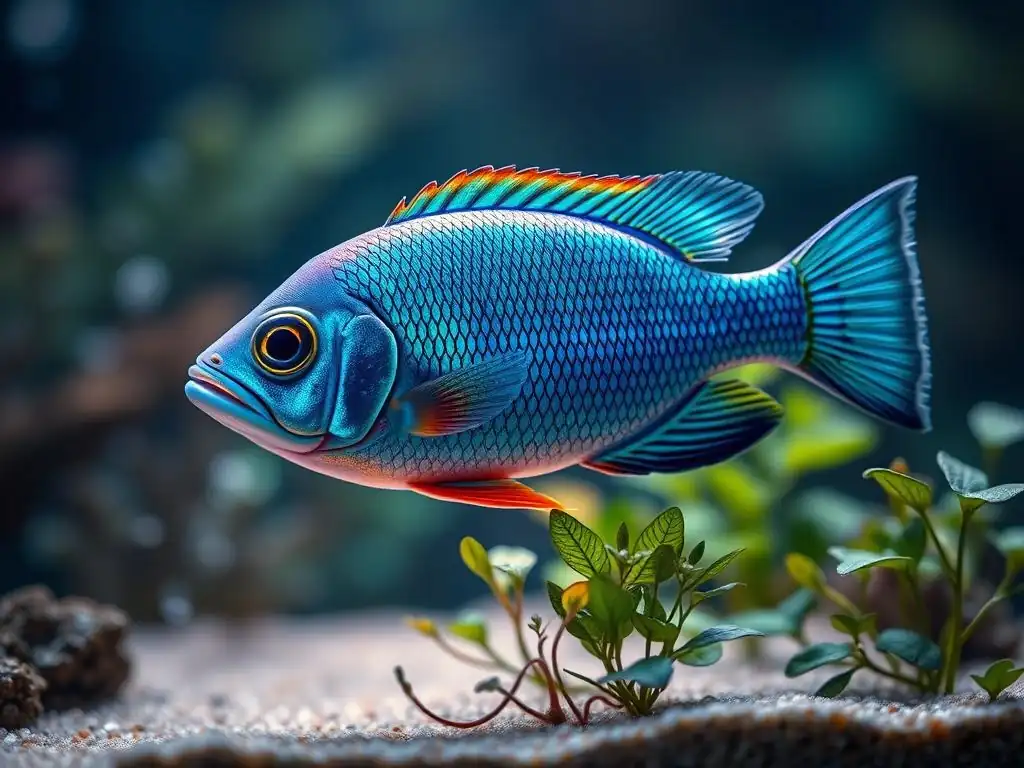
When implementing an African cichlid seasonal feeding plan, diligent water quality monitoring is paramount. Increased feeding during "Spring/Summer" periods, aimed at promoting growth and breeding, naturally leads to a higher bioload in the aquarium. This means more fish waste and uneaten food, which can rapidly degrade water quality if not managed properly. Regular testing for ammonia, nitrite, and nitrate becomes even more critical during these times.
To counteract the increased bioload, aquarists may need to perform more frequent or larger water changes during periods of heavier feeding. Conversely, during "Autumn/Winter" with reduced feeding, water quality may be easier to maintain, but consistent monitoring is still essential to ensure stable parameters. Maintaining pristine water conditions is non-negotiable for the health of African cichlids, regardless of the feeding strategy employed.
Avoiding Overfeeding: A Common Pitfall in Seasonal Feeding
Despite the concept of "seasonal abundance," overfeeding remains a significant pitfall in African cichlid seasonal feeding. The temptation to provide excessive food, especially when trying to encourage growth or breeding, can lead to serious consequences. Overfeeding not only pollutes the water, contributing to poor water quality and dangerous ammonia/nitrite spikes, but also directly harms the fish by causing digestive issues, fatty liver disease, and obesity, which can shorten their lifespan.
To avoid overfeeding, always offer small amounts of food at a time, ensuring that all food is consumed within 2-3 minutes. If food remains after this period, it indicates overfeeding, and the excess should be promptly removed. It's crucial to remember that a "seasonal" approach means adjusting the diet, not simply providing an uncontrolled abundance. Consistency in portion control is key, even when varying food types or frequencies.
Choosing High-Quality Cichlid Foods for Seasonal Variation
The success of any African cichlid seasonal feeding plan hinges on the quality of the food offered. Low-quality foods often contain excessive fillers, artificial colors, and indigestible ingredients that provide little nutritional value and can contribute to digestive problems. When selecting foods for seasonal variation, prioritize reputable brands that use natural ingredients, have appropriate protein, fat, and fiber ratios for your specific cichlid types, and are easily digestible.
A diverse pantry of high-quality foods—including specialized flakes, sinking pellets, and various frozen options like mysis shrimp, brine shrimp, and spirulina-enriched formulas—allows for effective seasonal adjustments. For instance, having both a high-protein carnivorous pellet and a spirulina-rich herbivorous pellet ensures you can tailor the diet precisely. Investing in superior nutrition ensures that your cichlids receive the full spectrum of essential vitamins, minerals, and macronutrients needed for optimal health and vibrant coloration, regardless of the "season."
Conclusion: Optimizing African Cichlid Health with Seasonal Feeding Strategies
Implementing an African cichlid seasonal feeding strategy is a sophisticated yet highly beneficial approach to aquarium husbandry. By mimicking the natural dietary shifts experienced by cichlids in the African Rift Lakes, aquarists can profoundly enhance the health, vitality, and longevity of their fish. This involves adjusting food types, quantities, and frequencies to align with perceived "seasons" in the aquarium, supporting periods of growth and breeding with nutrient-dense foods, and transitioning to leaner, fiber-rich diets during maintenance periods.
The benefits are manifold, ranging from improved overall health and reduced incidence of digestive issues like Malawi bloat to enhanced breeding success and more vibrant coloration. By carefully observing your fish and adapting their diet with high-quality, species-appropriate foods, you can unlock their full potential and truly optimize their well-being.
Frequently Asked Questions
How does seasonal feeding benefit African Cichlids?
Seasonal feeding mimics their natural dietary shifts in the wild. This can promote better health and more natural behavior, leading to improved breeding success.
What are the typical seasonal dietary changes for African Cichlids?
During the rainy season, they often have access to more insect larvae and algae. The dry season may require them to consume more plant matter or smaller fish, depending on the species.
How can I replicate seasonal feeding in my aquarium?
You can vary their diet by offering different types of food at different times of the year. For example, offer more algae wafers during a simulated "dry season" and live or frozen insect larvae during a "rainy season".
Are there specific African Cichlid species that benefit more from seasonal feeding?
While most benefit, those from Lake Malawi and Lake Tanganyika, which experience distinct wet and dry seasons, tend to respond most positively to mimicking natural feeding patterns.
What happens if I don't practice seasonal feeding for my African Cichlids?
While they can survive on a consistent diet, they might not thrive. Failing to mimic natural feeding patterns can potentially lead to nutrient deficiencies or behavioral issues and reduced breeding.
Final Reflection: Embracing the Rhythms of the Rift
The exploration of African cichlid seasonal feeding reveals more than just optimal fishkeeping practices; it underscores the profound interconnectedness between aquarium life and the natural world. Understanding and replicating the dietary shifts experienced by these vibrant fish in their native habitats is not merely a matter of improved health and coloration, but a commitment to responsible and informed aquarism that respects the delicate balance of the African Rift Lakes.
This journey into the nuances of African cichlid seasonal feeding has undeniably deepened our appreciation for the complexity of these ecosystems and the adaptability of their inhabitants. It reminds us that even within the controlled environment of an aquarium, we are custodians of life, entrusted with the responsibility to provide environments that mirror, as closely as possible, the conditions that have shaped these species over millennia. In nature, nothing exists alone.
- Rachel Carson. This quote perfectly encapsulates the essence of seasonal feeding; it's about understanding the interconnected web of life and striving to replicate its rhythms for the well-being of our aquatic companions.
Now, as you close this article, consider the implications of what you've learned. How can you translate this understanding of African cichlid seasonal feeding into tangible improvements in your own aquarium practices? Take a moment to reflect on the power you hold to create a thriving, vibrant ecosystem within your home. Embrace the challenge of mimicking nature's rhythms, and witness the remarkable transformation in the health, behavior, and beauty of your African cichlids. The rewards, both for you and your fish, will be immeasurable.
Ignite Your Cichlids' Vitality!
Thank you for exploring the fascinating world of African Cichlid nutrition! You've gained valuable insights into mimicking their natural dietary shifts throughout the year. Now, let's put that knowledge into action to ensure your fish thrive.
Here are some immediate steps you can take:
- Implement a seasonal feeding schedule for your African Cichlids, mirroring the changes discussed in this article.
- Share this article with other cichlid enthusiasts to expand their knowledge on optimal fish care.
- Consider researching specific food types favored during different seasons in Lake Malawi or Tanganyika, then comment below with your findings.
How will you tailor your cichlids' diet this season to replicate their natural feeding patterns?