
Scissortail Rasbora (Rasbora trilineata): Dynamic Movement for Larger Community Tanks

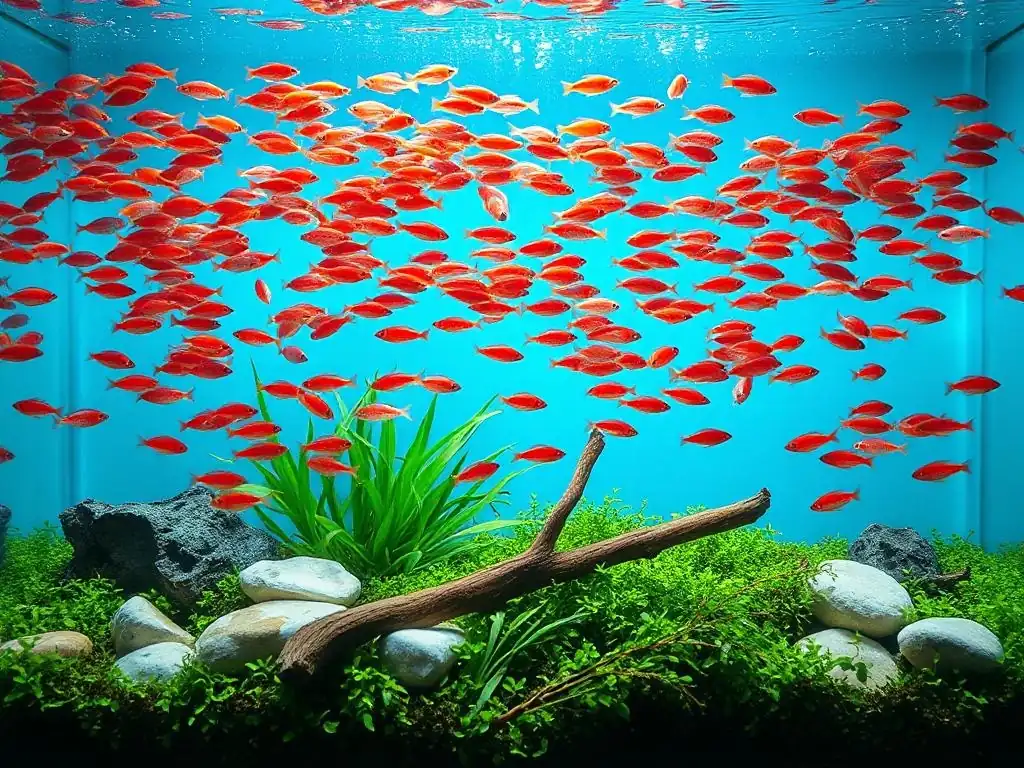
Welcome to Aquarium Mastery!
Ever been mesmerized by the dynamic dance of fish in a well-maintained aquarium? Get ready to dive deep! Today, we're unlocking the secrets to keeping one of the most captivating freshwater species: the Scissortail Rasbora. Ready to learn everything you need to know in our Scissortail Rasbora care guide? Discover how to create the perfect environment for these shimmering, active fish and bring a touch of elegance to your aquarium. Let's get started!
- Understanding the Scissortail Rasbora: An Introduction to Rasbora trilineata
- Scissortail Rasbora Care Guide: Creating the Ideal Environment
- Feeding Scissortail Rasboras: Diet and Nutritional Requirements
-
Frequently Asked Questions
- What are the ideal tank conditions for Scissortail Rasboras?
- What is the recommended diet for Scissortail Rasboras?
- Are Scissortail Rasboras compatible with other fish species?
- How can I tell if my Scissortail Rasboras are healthy?
- What is the significance of the "scissor tail" in Scissortail Rasboras?
- Final Reflection: Embracing the Dance of Life
- Unleash the Scissortail's Spark in Your Aquarium!
Understanding the Scissortail Rasbora: An Introduction to Rasbora trilineata
Origin and Habitat of the Scissortail Rasbora
The Scissortail Rasbora, scientifically known as Rasbora trilineata, originates from the slow-moving, often tannin-stained waters of Southeast Asia. Their natural distribution spans countries such as Thailand, Malaysia, Sumatra, and Borneo. These fish are typically found in floodplains, clear to blackwater streams, and rivers that are rich in submerged vegetation, roots, and leaf litter. The water in these habitats is generally soft and slightly acidic, reflecting the decomposition of organic matter.
These environments provide a consistent source of small invertebrates and detritus, which form a significant part of their diet in the wild. The dense plant cover and intricate root systems offer both protection from predators and ample foraging opportunities. Understanding these natural conditions is fundamental to providing optimal Scissortail Rasbora care, as replicating aspects of their native habitat contributes significantly to their well-being in an aquarium setting.
Unique Characteristics: Identifying the Scissortail Rasbora
The Scissortail Rasbora is easily identifiable by its slender, elongated body and a shimmering, silvery-gold coloration that can sometimes have a yellowish tint. Their most distinctive feature, and the origin of their common name, is their deeply forked caudal fin (tail). Each lobe of the tail possesses a prominent black marking, often with a white or clear margin, which creates a striking "scissor" effect when the fish spreads its tail during swimming or when startled. This unique tail structure is a key differentiator from many other rasbora species.
Adult Scissortail Rasboras can reach a size of approximately 4 to 5 inches (about 10-12 cm) in length, making them one of the larger species within the Rasbora genus commonly kept in aquariums. Their active, schooling behavior further highlights their unique appearance, as a group of these fish moving synchronously with their characteristic tails creates a dynamic and captivating display. Their relatively large size for a rasbora means they require more space than their smaller cousins, a crucial consideration for any Scissortail Rasbora care guide.
Why Choose Scissortail Rasboras for Your Aquarium?
Scissortail Rasboras are an excellent choice for aquarists looking to add constant activity and visual interest to a larger community tank. Their peaceful temperament makes them compatible with a wide array of other non-aggressive fish species, while their schooling nature ensures a captivating display as they move in unison throughout the middle and upper levels of the aquarium. Unlike some smaller, more timid schooling fish, their size ensures they are not easily overlooked.
Beyond their aesthetic appeal, Scissortail Rasboras are relatively hardy once acclimated to a stable aquarium environment. With proper Scissortail Rasbora care, they can live for 5 to 7 years, providing long-term enjoyment. Their active swimming and curious nature contribute to a vibrant and dynamic ecosystem, making them a rewarding addition for aquarists who appreciate active, schooling fish that are both beautiful and contribute positively to the overall health and balance of a well-maintained aquarium.
Scissortail Rasbora Care Guide: Creating the Ideal Environment
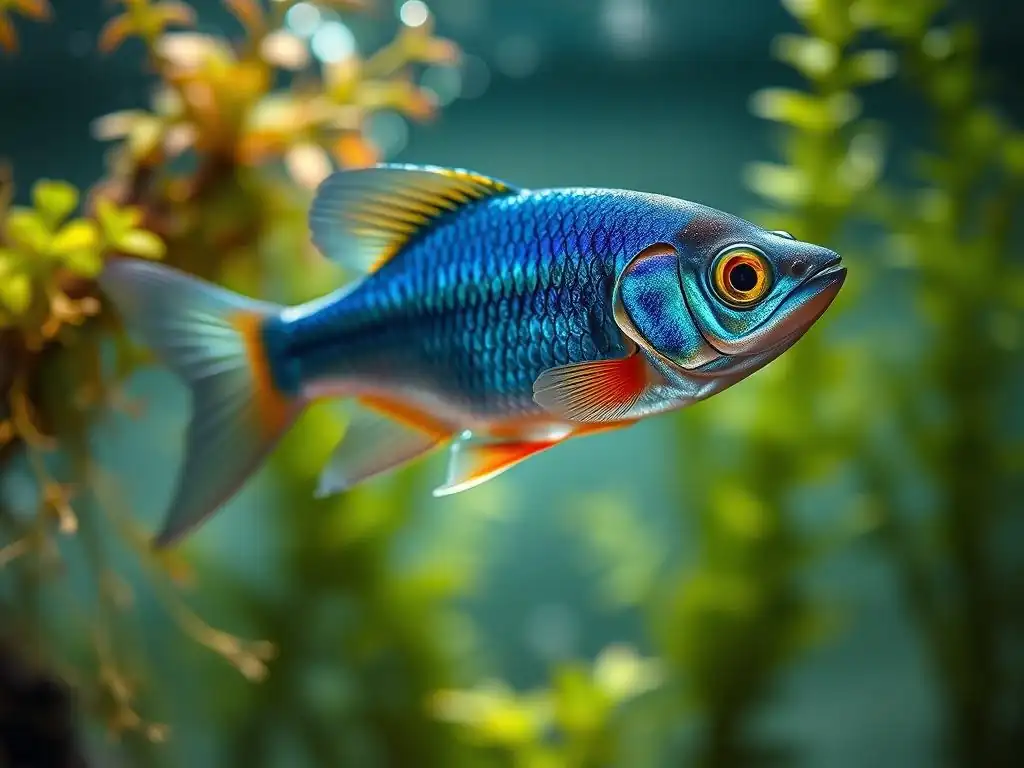
Tank Size and Setup for Scissortail Rasboras: Space for Schooling
Given their active swimming habits and schooling nature, Scissortail Rasboras require ample space to thrive. A minimum tank size of 30 gallons (approximately 115 liters) is recommended for a small school of 6-8 individuals. However, for larger schools (10 or more fish) or a more diverse community setup, a 55-gallon (approximately 210 liters) or larger aquarium is highly preferable. The extra volume provides more stable water parameters and allows these fish to exhibit their natural schooling behavior without feeling cramped, which is a cornerstone of effective Scissortail Rasbora care.
When selecting a tank, prioritize length over height. A tank that is at least 36 to 48 inches (90-120 cm) long will provide the horizontal swimming space that Scissortail Rasboras prefer, allowing them to dart and weave across the aquarium. Ensure there are open swimming areas in the middle and front of the tank, balanced with densely planted sections along the back and sides to offer security and resting spots.
Water Parameters for Optimal Health: Maintaining Water Quality for Rasbora trilineata
Maintaining stable and appropriate water parameters is crucial for the health and longevity of Rasbora trilineata. The ideal temperature range for Scissortail Rasboras is between 73-78°F (23-26°C). They thrive in soft to moderately hard water, with a general hardness (GH) of 5-12 dGH, and a slightly acidic to neutral pH range of 6.0-7.5. Consistency in these parameters is far more important than hitting exact numbers, as sudden fluctuations can cause significant stress.
Regular water testing is an indispensable part of any Scissortail Rasbora care guide. Use a reliable liquid test kit, such as the API Freshwater Master Test Kit, to monitor ammonia and nitrite levels, ensuring they remain at 0 ppm. Nitrate levels should be kept below 20 ppm through consistent water changes. Mimicking their natural soft, slightly acidic blackwater habitats through the use of driftwood or Indian almond leaves can further enhance their coloration and overall vitality.
Substrate and Decorations: Replicating Their Natural Habitat
The choice of substrate for a Scissortail Rasbora aquarium should prioritize their comfort and the overall aesthetic. A fine gravel or sand substrate is ideal, as it is gentle on their barbels should they forage near the bottom, though they primarily inhabit the mid-to-upper water column. Darker substrates can help to reduce light reflection and make the fish feel more secure, often enhancing their vibrant coloration.
For decorations, focus on creating a balance between open swimming space and areas of cover. Dense planting, particularly along the back and sides of the tank, using species like Java Fern, Anubias, or various stem plants, will provide essential hiding spots and a sense of security. Incorporate driftwood and smooth river rocks to mimic their natural environment and offer additional visual interest. Floating plants, such as Amazon Frogbit or Dwarf Water Lettuce, can help diffuse overhead light, creating a more natural, subdued lighting effect that reduces stress for these active fish.
Filtration and Aeration Needs for Scissortail Rasboras
Effective filtration is paramount for maintaining the pristine water quality that Scissortail Rasboras require. A high-quality filter, such as a hang-on-back (HOB) or canister filter, that provides robust mechanical, chemical, and biological filtration is essential. The filter should be appropriately sized for the tank volume, ideally rated for a tank slightly larger than your actual setup to ensure optimal water purification. While they appreciate moderate water flow, excessively strong currents should be avoided, as it can exhaust these active swimmers.
In addition to filtration, adequate aeration is vital for the health of Scissortail Rasboras. Even with good surface agitation from the filter output, supplementary aeration via an air stone connected to an air pump can be beneficial, especially in heavily planted tanks or those with a higher bioload. Proper oxygenation supports their active metabolism and overall well-being, contributing significantly to a comprehensive Scissortail Rasbora care regimen. Regularly check filter media and clean as necessary to maintain efficiency and prevent harmful build-ups.
Feeding Scissortail Rasboras: Diet and Nutritional Requirements
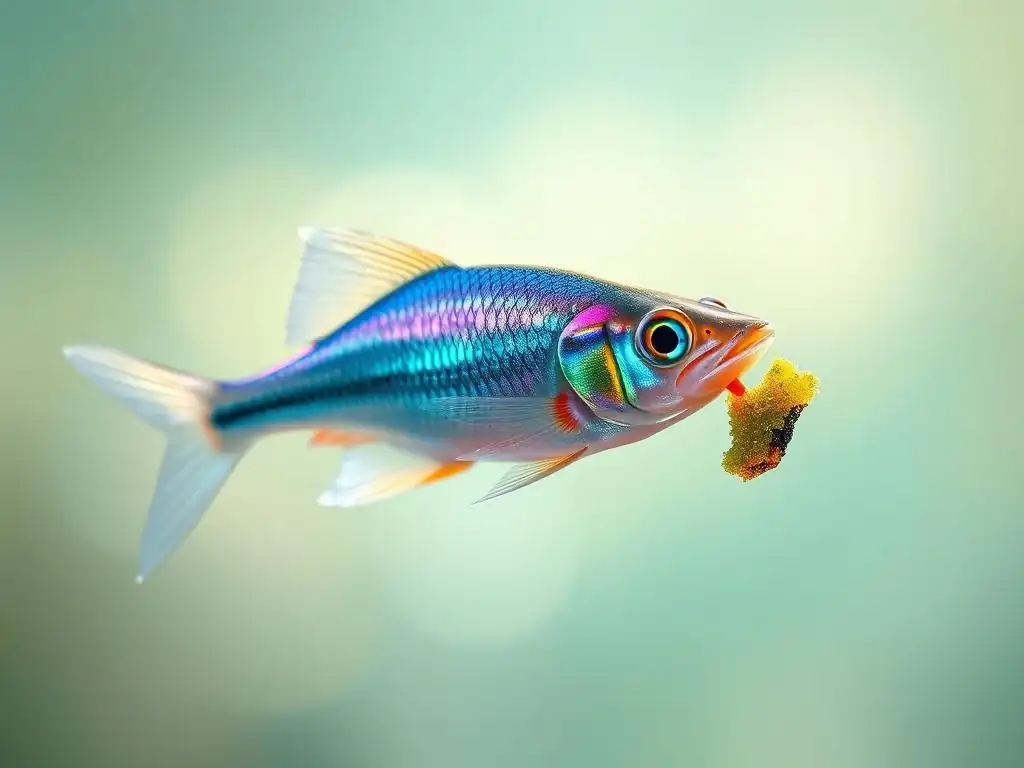
What Do Scissortail Rasboras Eat? A Comprehensive Diet Plan
Scissortail Rasboras are omnivorous, with a natural inclination towards a varied diet of small invertebrates and plant matter in their native habitats. In the aquarium, a comprehensive diet plan should include high-quality flake or micro-pellet foods as their staple. Look for brands that list fish meal, shrimp meal, or spirulina as primary ingredients to ensure a balanced nutritional profile. These staple foods should be specifically formulated for tropical community fish to provide essential vitamins and minerals crucial for their long-term health.
To ensure they receive all necessary nutrients and to stimulate their natural foraging behaviors, supplement their diet with a variety of frozen or live foods. This can include brine shrimp, daphnia, bloodworms (chopped for smaller mouths), and mosquito larvae. These protein-rich foods are excellent for promoting vibrant coloration and healthy growth. Offering a varied diet is a key component of effective Scissortail Rasbora care, helping to prevent nutritional deficiencies and encourage natural behaviors.
Feeding Frequency and Portion Control for Rasbora trilineata
For adult Scissortail Rasboras, feeding them two to three times a day is generally recommended. Each feeding session should consist of a small amount of food that they can consume entirely within 2-3 minutes. Overfeeding is a common mistake in aquarium keeping and can quickly lead to poor water quality, which in turn can cause stress and disease in fish. Uneaten food decomposes, releasing ammonia and nitrites, which are highly toxic.
Portion control is critical for maintaining pristine water conditions and preventing obesity in your fish. Observe your Rasbora trilineata during feeding to gauge their appetite and adjust portions accordingly. If you notice food settling on the bottom after a few minutes, you are likely feeding too much. A consistent feeding schedule and appropriate portion sizes are vital elements of a responsible Scissortail Rasbora care guide, contributing to a stable and healthy aquatic environment.
Supplementing Their Diet: Ensuring a Balanced Nutrition
While high-quality flakes and pellets form the foundation of their diet, supplementing with a variety of fresh and frozen foods is essential for optimal health and vigor in Scissortail Rasboras. Frozen foods like bloodworms, brine shrimp, and daphnia provide essential proteins and fats that commercial dry foods might lack in sufficient quantities. These can be offered 2-3 times per week as a treat or primary meal. Ensure frozen foods are thawed before feeding to prevent digestive issues.
Live foods, such as newly hatched brine shrimp or small insect larvae, can also be offered periodically. These not only provide excellent nutrition but also stimulate natural hunting instincts, enriching the fish's environment. Additionally, incorporating vegetable matter, such as blanched zucchini or spirulina flakes, can round out their omnivorous diet. A truly balanced diet, combining dry, frozen, and live foods, is a cornerstone of comprehensive Scissortail Rasbora care, leading to stronger immune systems and more vibrant, active fish.
Frequently Asked Questions
What are the ideal tank conditions for Scissortail Rasboras?
Scissortail Rasboras thrive in larger community tanks with plenty of swimming space. They prefer a water temperature between 73-82°F and a pH of 6.0-7.5, mimicking their natural soft water habitat.
What is the recommended diet for Scissortail Rasboras?
They are omnivorous and readily accept a variety of foods. A balanced diet should include high-quality flake food, supplemented with live or frozen foods like bloodworms and daphnia to ensure optimal health and coloration.
Are Scissortail Rasboras compatible with other fish species?
Yes, they are generally peaceful and do well in community tanks. Avoid housing them with overly aggressive or fin-nipping species to prevent stress and injury; ideal tankmates are other similarly sized, peaceful fish.
How can I tell if my Scissortail Rasboras are healthy?
Healthy Scissortail Rasboras will display bright coloration, active swimming behavior, and a good appetite. Watch for signs of disease like clamped fins, lethargy, or unusual spots on their bodies and address them early for the best chance of recovery.
What is the significance of the "scissor tail" in Scissortail Rasboras?
The distinctive "scissor tail" refers to the black and white markings on their caudal fin, which resemble a pair of open scissors. This unique feature helps them communicate within the school and is a key characteristic for identifying the species.
Final Reflection: Embracing the Dance of Life
The exploration of the Scissortail Rasbora, culminating in this care guide, highlights more than just the specifics of aquarium keeping; it underscores the beauty of dynamic ecosystems and the responsibility we bear in recreating them within our homes. These fish, with their distinctive scissor-like tails and lively movements, serve as a microcosm of the natural world, reminding us of the intricate balance and constant motion that defines life itself.
This journey into the world of Rasbora trilineata has profoundly deepened my appreciation for the delicate interplay between environment and inhabitant. Understanding their needs – the water parameters, the social dynamics, the dietary requirements – is not merely about keeping them alive; it's about fostering an environment where they can truly thrive. In the end, we will conserve only what we love; we will love only what we understand; and we will understand only what we are taught.
- Baba Dioum. This quote resonates deeply, emphasizing the importance of knowledge and understanding in our efforts to protect and appreciate the natural world, even within the confines of an aquarium.
Now, armed with this knowledge, I invite you to reflect on your own role in creating a thriving environment, be it for Scissortail Rasboras or in any aspect of your life. Consider how you can cultivate balance, encourage dynamism, and foster a space where life, in all its vibrant forms, can flourish. Let the dance of the Scissortail Rasbora inspire you to embrace the beauty of movement and the responsibility of care in your own world.
Unleash the Scissortail's Spark in Your Aquarium!
Thanks for diving into the world of Scissortail Rasboras! We hope you've gained a new appreciation for these active and striking fish and how they can thrive in the right community setting. Now, let's bring that knowledge to life!
Here's how you can take action and create a vibrant aquarium for your Scissortails:
- Dedicate some time to research if a Scissortail Rasbora is right for your tank and aquarium size.
- Share this article with fellow aquarium enthusiasts to spark a discussion on the best community tank mates for Scissortails!
- Experiment with creating a custom Scissortail "aquascape" with driftwood and plants to mimic their natural habitat.
Ready to design your ultimate Scissortail Rasbora haven?