
Acropora Feeding Breakthroughs: Unlocking Faster Growth and Deeper, More Vibrant Colors

Welcome to Aquarium Mastery!
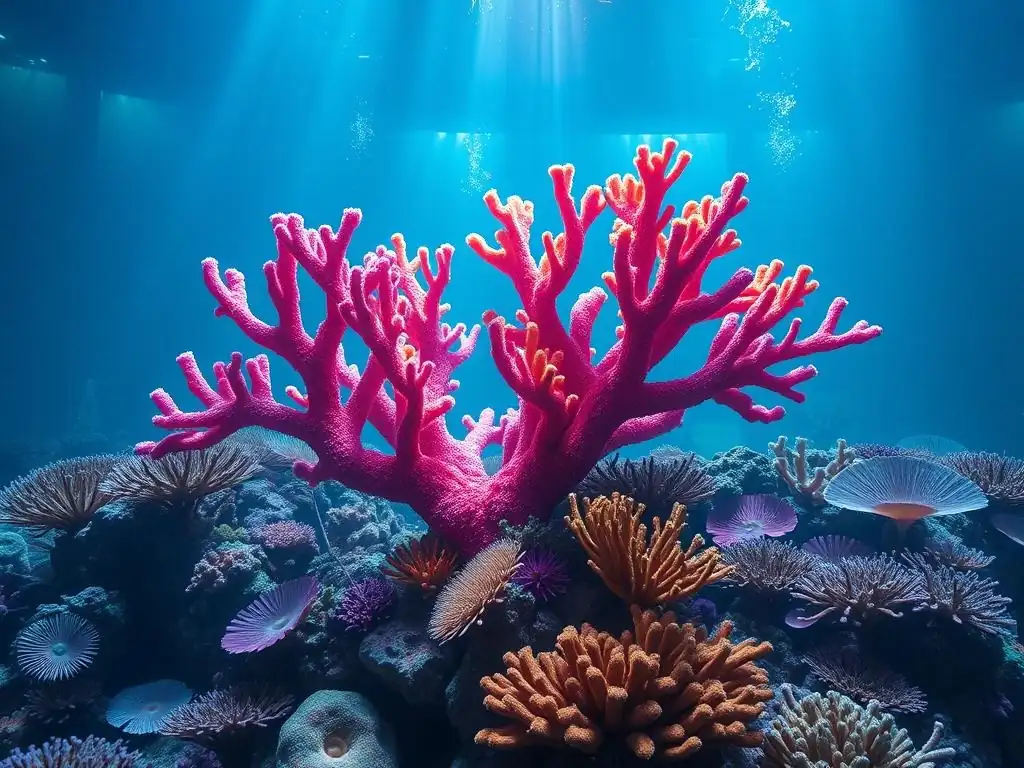
Ever wondered if you're really giving your Acropora corals what they need to thrive? Dive deep into the secrets of Acropora coral feeding techniques and discover how to unlock faster growth and unbelievably vibrant colors. Ready to take your reef tank to the next level? Let's explore!
- Introduction to Acropora Coral Feeding and Coloration
- Acropora Coral Feeding Techniques: A Comprehensive Guide
- Identifying the Best Acropora Coral Food Sources
- Advanced Acropora Coral Feeding Strategies
- Troubleshooting Common Acropora Coral Feeding Challenges
- Case Studies: Successful Acropora Feeding Practices
- Optimizing Water Parameters for Acropora Coral Feeding Success
- The Future of Acropora Coral Feeding: Research and Innovation
- Conclusion: Mastering Acropora Coral Feeding for a Thriving Reef Aquarium
-
Frequently Asked Questions
- What makes Acropora coral feeding different from feeding other corals?
- What type of food is best suited for Acropora corals to promote growth?
- How frequently should I feed my Acropora corals for optimal color and growth?
- What are the potential risks of overfeeding Acropora corals?
- Besides direct feeding, what other factors contribute to the vibrant colors of Acropora corals?
- Final Reflection: Cultivating Coral Futures
- Ignite Your Acropora's Color Potential!
Introduction to Acropora Coral Feeding and Coloration
The Importance of Targeted Feeding for Acropora Health and Growth
While Acropora corals are renowned for their reliance on symbiotic zooxanthellae for the vast majority of their energy requirements, typically 80-90% through photosynthesis, the remaining 10-20% derived from heterotrophic feeding is absolutely crucial for their optimal health, accelerated growth, and enhanced resilience. This seemingly small percentage provides essential nutrients that light alone cannot furnish, such as specific fatty acids (e.g., DHA, EPA), nitrogen, and phosphorus, which are vital for building complex proteins and cellular structures. Without these supplementary inputs, Acropora may exhibit stunted growth, reduced calcification rates, and increased susceptibility to disease.
Targeted feeding, therefore, acts as a critical supplement, allowing Acropora to allocate more energy towards calcification and tissue repair rather than solely relying on the energy-intensive process of photosynthesis. For instance, studies indicate that well-fed Acropora colonies can exhibit calcification rates 15-20% higher than those that are solely light-dependent. This directly translates to faster skeletal growth, stronger branches, and an overall more robust colony, making advanced Acropora coral feeding techniques indispensable for serious reef aquarists.
Understanding Acropora Coral Nutrition: A Key to Vibrant Colors
The vibrant and diverse coloration seen in healthy Acropora corals is largely attributed to the production of chromoproteins and fluorescent proteins within their tissues. The synthesis of these proteins is a metabolically demanding process that requires specific nutritional building blocks, particularly certain amino acids. When Acropora receive a diet rich in these precursors through effective Acropora coral feeding techniques, they can produce more chromoproteins, leading to significantly enhanced intensity and depth in their blues, greens, pinks, and purples.
Beyond amino acids, trace elements also play a subtle yet vital role in coloration, often being delivered as part of a comprehensive feeding strategy or through water column supplementation. For example, the presence of specific trace elements like iron can influence the vibrancy of green pigmentation, while manganese and potassium contribute to other distinct hues. A coral that is nutritionally deprived, even under optimal lighting, may struggle to produce these pigments, resulting in muted colors, browning due to an overabundance of zooxanthellae, or even bleaching as the coral expels its symbionts in distress.
Acropora Coral Feeding Techniques: A Comprehensive Guide
Direct Feeding Methods for Acropora: Maximizing Nutrient Uptake
Direct feeding, often referred to as spot feeding or target feeding, is one of the most efficient Acropora coral feeding techniques for delivering highly concentrated nutrients directly to individual coral polyps. This method typically involves using a pipette, turkey baster, or specialized coral feeder to gently release a small amount of food near the extended polyps of the Acropora colony.
It is particularly effective for larger food particles such as finely crushed pellets, frozen copepods, or enriched Artemia nauplii, ensuring that the food is consumed by the target coral rather than being lost to filtration or other tank inhabitants. For best results, direct feeding should be performed during the dark cycle or shortly after tank lights have dimmed, as Acropora polyps tend to extend more fully at night, increasing their capture efficiency.
When implementing direct feeding, consistency and moderation are key. For established Acropora colonies, feeding 2-3 times per week is often sufficient, using only a small, pea-sized amount of concentrated food per coral head to prevent over-enrichment of the water column. It is beneficial to temporarily reduce water flow around the target coral for a few minutes during feeding to allow polyps ample time to capture and ingest the food. This precise delivery minimizes waste and maximizes the nutritional benefit, making it a cornerstone of advanced Acropora coral feeding techniques.
Indirect Feeding Strategies: Enhancing Water Column Nutrition for Acropora
Indirect feeding, or broadcast feeding, involves dispersing food throughout the entire aquarium water column, allowing it to be filtered by all inhabitants, including corals, invertebrates, and beneficial microfauna. This strategy mimics the natural feeding conditions of a reef, where a continuous supply of planktonic organisms and dissolved organic matter is available.
Common food sources for indirect feeding include liquid phytoplankton cultures, concentrated zooplankton solutions, and finely powdered coral foods designed for broadcast dosing. While less targeted than direct feeding, this approach contributes to the overall health and biodiversity of the reef ecosystem, providing a constant low-level nutrient availability that benefits Acropora.
The benefits of indirect feeding extend beyond direct coral consumption. By regularly dosing, for example, 5-10 ml of concentrated phytoplankton per 100 gallons of tank volume daily, aquarists can cultivate a thriving population of copepods and other micro-invertebrates within the system. These micro-organisms then become a natural, continuous food source for Acropora polyps, effectively creating a self-sustaining food chain within the aquarium. This comprehensive approach to Acropora coral feeding techniques supports not only the corals but also the entire microbial loop, leading to a more stable and resilient reef environment.
Identifying the Best Acropora Coral Food Sources
Live Phytoplankton and Zooplankton: Natural Food Sources for Acropora
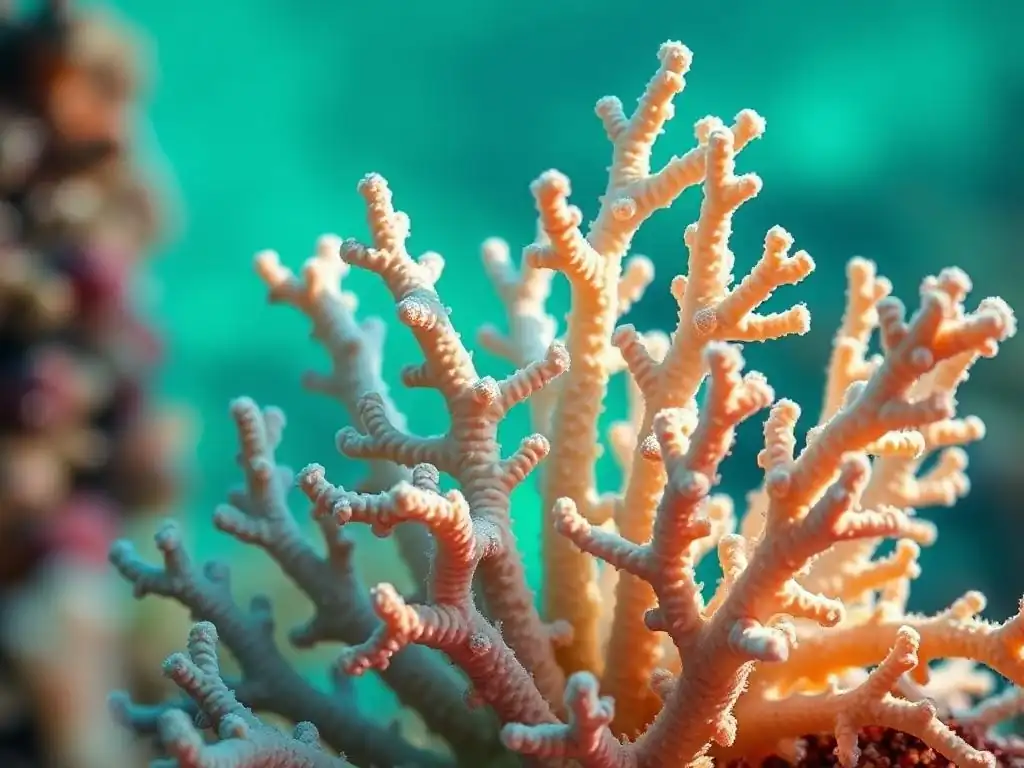
Live phytoplankton, such as Nannochloropsis, Tetraselmis, or Isochrysis, form the base of the marine food web and are excellent natural food sources for Acropora, both directly and indirectly. While some smaller Acropora species can directly consume certain phytoplankton strains (typically those under 20 microns), their primary benefit comes from nourishing the zooplankton and other micro-invertebrates that Acropora readily prey upon. Dosing live phytoplankton contributes to a healthier, more diverse planktonic community within the aquarium, which then serves as a continuous, natural food supply for the corals. This indirect pathway provides a broad spectrum of nutrients essential for coral vitality.
Live zooplankton, including rotifers (e.g., Brachionus plicatilis), various species of copepods (e.g., Tisbe, Apocyclops, Tigriopus), and newly hatched Artemia nauplii, are arguably the most ideal prey items for Acropora polyps due to their appropriate size and rich nutritional profile. Copepods, typically ranging from 100-500 microns, are easily captured by Acropora polyps and provide high levels of essential fatty acids and proteins.
Regular dosing, such as 50-100 zooplankton per liter of tank volume 1-2 times per week, has been shown to significantly boost coral growth rates and enhance coloration. Incorporating live plankton is one of the most effective Acropora coral feeding techniques for replicating natural reef conditions.
Prepared Acropora Coral Foods: Choosing the Right Formula for Optimal Growth
Prepared coral foods offer a convenient and nutritionally balanced alternative or supplement to live food sources, making advanced Acropora coral feeding techniques more accessible. These foods come in various forms, including finely ground powders, small pellets, liquid suspensions, and gels, all specifically formulated for the dietary needs of SPS corals.
When selecting a prepared food, particle size is critical; Acropora polyps can typically capture particles ranging from 5 to 200 microns. Look for products with a high protein content (e.g., 50-60%) and a balanced lipid profile (e.g., 10-15%), ensuring they provide essential amino acids and fatty acids crucial for coral growth and vibrant coloration.
Beyond macronutrients, high-quality prepared foods often include a blend of essential vitamins, trace elements, and even beneficial bacteria, minimizing the need for separate supplementation. It is also important to choose products with minimal binders to reduce the risk of water pollution and nutrient spikes. Regularly rotating between different types of prepared foods can ensure a diverse nutritional intake, mimicking the variety found in natural reef environments. Many successful aquarists utilize a combination of daily broadcast dosing with a fine powdered food and weekly target feeding with a liquid suspension as part of their comprehensive Acropora coral feeding techniques.
Amino Acids and Coral Nutrition: Boosting Acropora Color and Health
Dissolved amino acids play a remarkably critical role in coral metabolism, particularly in the synthesis of proteins, enzymes, and the vibrant chromoproteins responsible for Acropora's stunning colors. Unlike larger food particles that require capture and digestion, corals can directly absorb dissolved amino acids from the water column through their tissues. This direct uptake provides a readily available source of building blocks, significantly aiding in tissue growth, repair, and the enhancement of pigmentation. Many aquarists observe a noticeable deepening of colors and improved polyp extension within weeks of consistently dosing amino acids.
Common amino acid supplements for reef aquariums often contain a precise blend of essential and non-essential amino acids such as L-alanine, L-glycine, L-proline, and L-valine. Dosing regimens typically involve very small daily amounts, for example, 1 ml per 25 gallons of tank volume, to maintain a constant, low concentration without elevating nitrate or phosphate levels. This targeted nutritional input is considered a breakthrough in Acropora coral feeding techniques, providing a direct pathway to boost the coral's physiological processes and unlock its full color potential, often resulting in more resilient and visually striking colonies.
Advanced Acropora Coral Feeding Strategies
Optimizing Flow and Placement for Effective Coral Feeding
Appropriate water flow is not just about keeping Acropora polyps clean; it is a fundamental component of effective Acropora coral feeding techniques. High, turbulent, and random flow patterns, typically ranging from 20 to 40 times the tank volume per hour, are crucial for delivering food particles to the coral's polyps and for removing waste products.
Insufficient flow can lead to food settling on coral tissues, promoting localized nutrient hotspots and potential tissue necrosis, while excessive laminar flow can prevent polyps from fully extending or efficiently capturing food particles. The goal is to create a dynamic environment where food tumbles past the polyps multiple times, increasing the chances of capture.
Strategic placement of Acropora colonies within the aquarium directly impacts their ability to feed efficiently. Position corals in areas where they receive strong, but indirect and varied, water flow, avoiding direct blasts from powerheads. This ensures that food particles are presented to the polyps in a natural manner, allowing them to extend and capture nutrients without being overwhelmed. Furthermore, considering the direction of feeding (e.g., dispersing food upstream from the corals) can maximize contact time. The synergy between optimal flow and careful placement significantly enhances the success of any Acropora coral feeding techniques.
The Role of Light in Acropora Nutrition: Symbiotic Relationships
Acropora corals are fundamentally photosynthetic organisms, relying heavily on their symbiotic zooxanthellae algae for the bulk of their energy. Optimal lighting, typically providing PAR (Photosynthetically Active Radiation) levels between 250-450 for mature Acropora colonies, ensures that these zooxanthellae can photosynthesize efficiently, producing essential carbon compounds that are translocated to the coral host. This photosynthetic energy provides the coral with the metabolic fuel needed for basic life processes, tissue maintenance, and a significant portion of its growth requirements. Without adequate light, even the best Acropora coral feeding techniques will be insufficient to sustain healthy, fast-growing colonies.
However, feeding complements, rather than replaces, photosynthesis. While light provides carbon-based energy, heterotrophic feeding supplies essential nitrogen, phosphorus, and other trace elements that the zooxanthellae cannot produce or acquire in sufficient quantities from light alone. These nutrients are vital for protein synthesis, cell division, and the production of chromoproteins responsible for vibrant coloration. A balanced approach that combines robust, appropriate lighting with consistent and varied Acropora coral feeding techniques ensures the coral receives a complete nutritional profile, maximizing both growth and color potential.
Measuring Acropora Growth and Color Response to Feeding Regimens
Accurately measuring Acropora growth and color response is essential for evaluating the effectiveness of any feeding regimen. Growth can be tracked by regularly measuring skeletal extension, with healthy, fast-growing Acropora often exhibiting 0.5-1 inch of new growth per month, especially on leading tips. Photographic documentation, taken from the same angle and distance at consistent intervals (e.g., monthly), provides a visual record of overall colony development and branch thickening. Consistent and measurable growth indicates that the coral is receiving adequate nutritional inputs and thriving in its environment.
Monitoring color changes offers another crucial indicator of a successful feeding strategy. A deepening of specific hues, such as blues becoming more intense, reds becoming more vivid, or greens developing greater iridescence, suggests that the coral is effectively utilizing the supplied nutrients for chromoprotein production. Conversely, browning, paling, or a general dullness in coloration may signal a need to adjust Acropora coral feeding techniques, water parameters, or lighting. Careful observation and detailed record-keeping allow aquarists to fine-tune their approach for optimal coral health and aesthetic appeal.
Troubleshooting Common Acropora Coral Feeding Challenges
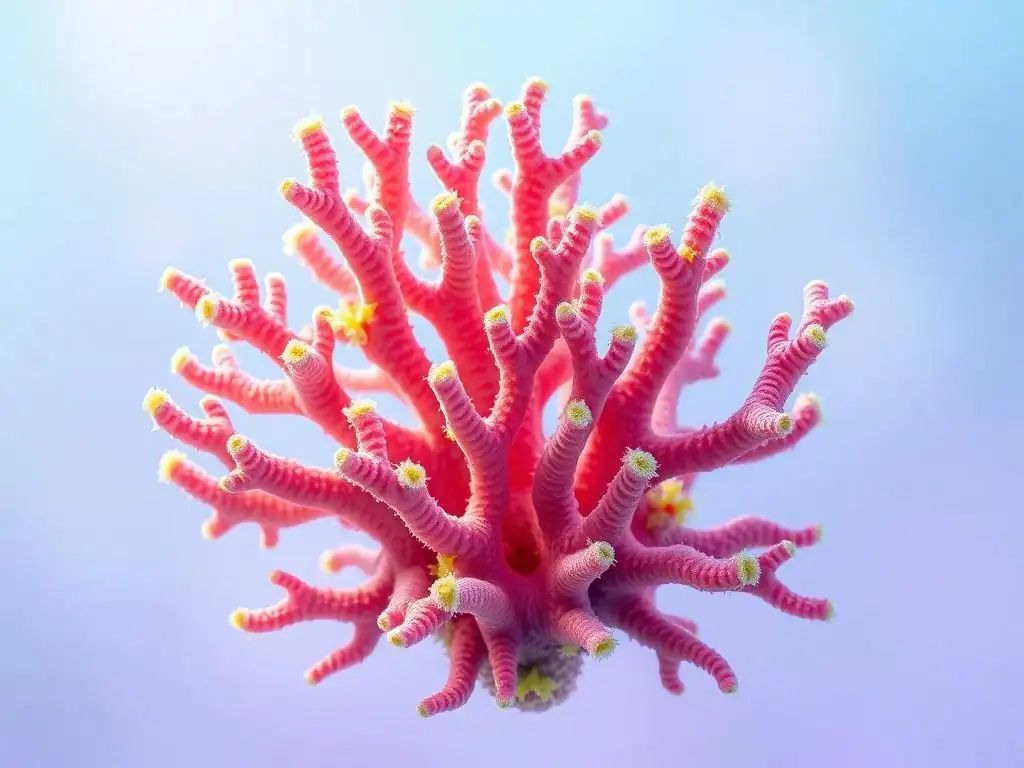
One of the most common challenges associated with Acropora coral feeding techniques is the potential for nuisance algae outbreaks due to overfeeding. When too much food is introduced into the aquarium, or when food particles are not fully consumed by corals and other inhabitants, the excess organic matter breaks down, releasing nitrates and phosphates into the water column. These elevated nutrient levels act as fertilizer for undesirable algae, such as hair algae, dinoflagellates, or cyanobacteria, leading to unsightly growth that can compete with and even smother corals.
To mitigate this, it's crucial to calibrate feeding frequency and quantity carefully. Start with conservative amounts and gradually increase if needed, observing the coral's response and the tank's nutrient levels. Implementing robust nutrient export methods is also vital: ensure your protein skimmer is optimally tuned, consider using a refugium with macroalgae, or employ GFO (granular ferric oxide) for phosphate removal. Regular water changes (e.g., 10-20% bi-weekly) also help dilute excess nutrients. By balancing feeding with effective nutrient export, aquarists can prevent algae issues while still providing ample nutrition to their Acropora.
Identifying and Resolving Nutrient Imbalances in Acropora Tanks
Nutrient imbalances, particularly concerning nitrogen (nitrates) and phosphorus (phosphates), can significantly impact Acropora health and coloration. While high levels promote algae, ultra-low nutrient (ULNS) systems can also present challenges. If nitrates consistently fall below 1 ppm and phosphates below 0.01 ppm, Acropora may exhibit pale coloration, stunted growth, or even tissue recession, as their symbiotic zooxanthellae require these macronutrients to function optimally. A common symptom is a "washed out" appearance despite good lighting.
Regular testing of nitrate and phosphate levels is paramount. The ideal range for most Acropora is typically 2-10 ppm for nitrates and 0.02-0.08 ppm for phosphates. If levels are consistently too low, consider slightly increasing the quantity or frequency of your Acropora coral feeding techniques, or supplementing with targeted nitrate/phosphate solutions designed for reef aquariums. Conversely, if levels are too high, re-evaluate feeding practices, enhance nutrient export, or perform larger water changes. Achieving this delicate balance ensures corals have access to essential building blocks without fostering nuisance algae.
Preventing Acropora Tissue Necrosis (RTN/STN) Through Proper Feeding
Acropora Tissue Necrosis (RTN - Rapid Tissue Necrosis and STN - Slow Tissue Necrosis) are devastating conditions where coral tissue rapidly or slowly peels away from the skeleton, often leading to colony death. While various factors can trigger RTN/STN, including sudden parameter shifts, infection, or aggression, nutritional deficiencies and chronic stress are significant contributors. A well-fed Acropora colony possesses greater energy reserves and a stronger immune system, making it more resilient to environmental stressors and better equipped to recover from minor insults.
Consistent and appropriate Acropora coral feeding techniques, combined with stable water parameters, play a crucial preventative role. By ensuring a steady supply of essential proteins, fatty acids, and amino acids, corals can maintain robust tissue integrity and cellular health. For example, a coral that experiences a temporary temperature spike might recover quickly if it is well-nourished, whereas a nutrient-deprived coral might succumb to RTN/STN under similar stress. Prioritizing a balanced and comprehensive feeding regimen is therefore a vital preventative measure in maintaining the long-term health and survival of Acropora colonies.
Case Studies: Successful Acropora Feeding Practices
Case Study 1: Achieving Rapid Growth in Acropora Millepora with Targeted Amino Acid Dosing
In a 75-gallon reef aquarium housing various SPS corals, an established Acropora millepora colony was exhibiting healthy coloration but slow growth, averaging approximately 0.25 inches of skeletal extension per month. The aquarist maintained stable water parameters (Alkalinity 8.0 dKH, Calcium 420 ppm, Magnesium 1350 ppm, Nitrates < 5 ppm, Phosphates < 0.05 ppm) and provided optimal lighting (PAR 350). To accelerate growth, a daily dosing regimen of a commercial amino acid blend (e.g., containing L-alanine, L-proline, L-glycine) was initiated at a rate of 1 ml per 25 gallons.
Over the course of three months, a remarkable change was observed. The Acropora millepora colony's growth rate surged to an average of 0.75-1 inch per month, tripling its previous rate. Concurrently, the characteristic orange and pink coloration of the colony became noticeably more vibrant and intense within six weeks. Water parameters remained stable throughout the period, indicating that the amino acids were efficiently absorbed and utilized by the coral without contributing to nuisance nutrient buildup. This case highlights how targeted Acropora coral feeding techniques, specifically amino acid supplementation, can unlock significant growth potential.
Case Study 2: Enhancing Coloration in Acropora Tenius Through Rotifer Supplementation
A 120-gallon display tank featured several Acropora tenius colonies that, despite healthy growth, displayed muted blues and greens, lacking the vivid iridescence often associated with this species. The aquarist suspected a deficiency in key fatty acids or proteins that contribute to chromoprotein production. To address this, a bi-weekly supplementation of live rotifers ( Brachionus plicatilis) was introduced. Approximately 500 ml of concentrated rotifer culture, split into daily doses, was broadcast into the tank for two months.
Within four weeks of initiating the rotifer supplementation, the Acropora tenius colonies began to show a dramatic improvement in coloration. The blues deepened to a rich sapphire, and the greens became more electric and iridescent. Polyps appeared more extended and robust, indicating improved overall health and feeding response. The success was attributed to the high protein content and beneficial fatty acid profile (particularly EPA and DHA) present in the live rotifers, which directly supported the coral's ability to synthesize and express its vibrant chromoproteins. This demonstrates the power of live Acropora coral feeding techniques for color enhancement.
Case Study 3: Rescuing a Stressed Acropora Colony Through Combined Phytoplankton and Zooplankton Feeding
An Acropora valida colony, recently introduced to a 90-gallon reef tank, began to show signs of stress: pale coloration, retracted polyps, and slow tissue recession starting from the base. All standard water parameters were within optimal ranges, and lighting was appropriate. The aquarist theorized that the stress was nutritionally induced, possibly from transport or a prior deficiency. A combined Acropora coral feeding technique was implemented to provide a broad spectrum of nutrients.
The strategy involved daily broadcast dosing of a mixed phytoplankton blend (5 ml per 50 gallons) to enrich the water column and support microfauna, alongside bi-weekly target feeding of enriched Artemia nauplii directly to the stressed Acropora valida colony. Within three weeks, the tissue recession halted, and the pale areas began to regain their natural coloration. By the end of the fourth week, the polyps were fully extended, and new growth was visible on the tips, indicating a successful recovery. This case underscores the restorative potential of a comprehensive and varied feeding approach for stressed Acropora.
Optimizing Water Parameters for Acropora Coral Feeding Success
Maintaining Alkalinity, Calcium, and Magnesium Balance
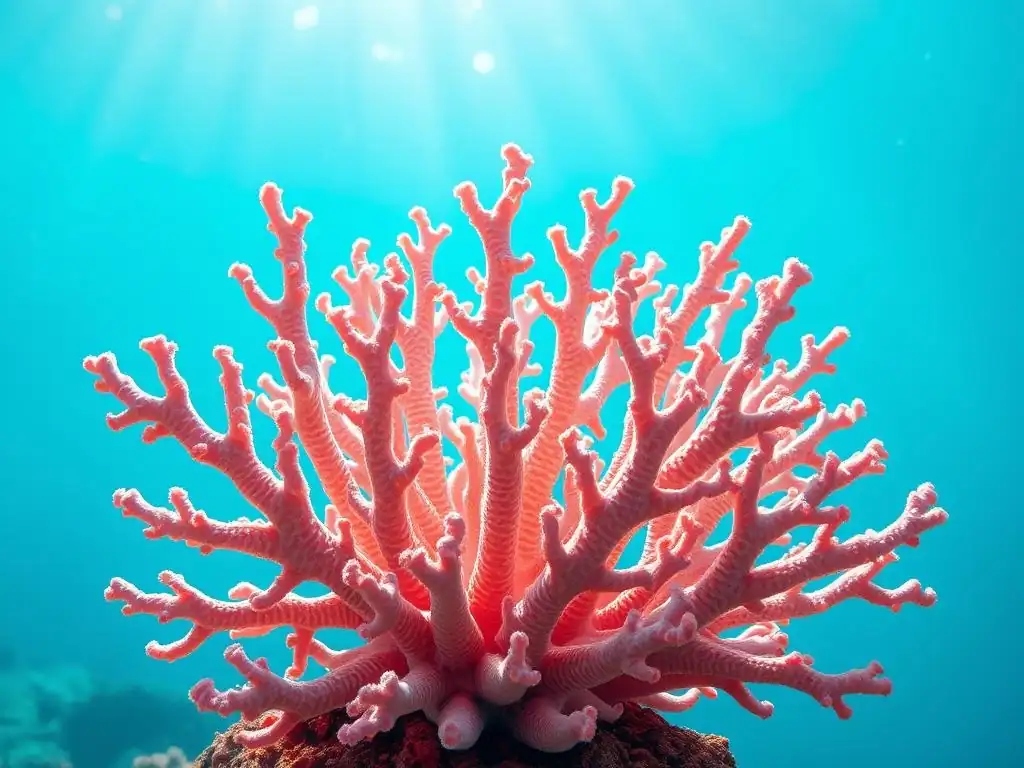
While not direct food sources, alkalinity, calcium, and magnesium are the fundamental building blocks for Acropora's aragonite (calcium carbonate) skeleton. Maintaining stable and optimal levels of these major elements is absolutely critical for efficient calcification and overall coral health, which in turn allows corals to effectively utilize nutrients from feeding. Recommended target ranges are typically Alkalinity (KH) between 7.5-8.5 dKH, Calcium (Ca) between 400-450 ppm, and Magnesium (Mg) between 1300-1400 ppm. Fluctuations outside these ranges can stress corals, hindering their metabolic processes and ability to grow, even if abundant food is present.
These parameters directly influence the coral's physiological capacity to absorb and incorporate nutrients into new tissue and skeletal growth. For instance, if alkalinity is too low, the coral struggles to precipitate calcium carbonate, significantly inhibiting calcification rates, which can consume up to 10-15% of the coral's total energy budget. Conversely, if alkalinity is too high, it can lead to precipitation issues. Consistent monitoring and precise dosing of these elements are therefore foundational to supporting and maximizing the benefits of any Acropora coral feeding techniques.
Controlling Nitrate and Phosphate Levels for Healthy Acropora
Controlling nitrate (NO3) and phosphate (PO4) levels is a delicate balance crucial for Acropora health. While excessively high levels of these nutrients are notorious for fueling nuisance algae outbreaks and can be toxic to corals in extreme concentrations, ultra-low nutrient (ULNS) conditions can also be detrimental. Acropora, particularly their symbiotic zooxanthellae, require trace amounts of nitrogen and phosphorus for their metabolic processes, including protein synthesis and energy transfer. If these macronutrients are completely absent, corals can starve, leading to pale coloration, stunted growth, and even tissue loss.
The ideal target ranges for most Acropora-dominated systems are typically nitrates between 2-10 ppm and phosphates between 0.02-0.08 ppm. These levels provide sufficient macronutrients for coral and zooxanthellae function without promoting excessive nuisance algae growth. Regular testing with accurate test kits is essential to maintain this balance. Adjustments to feeding regimens, nutrient export methods (e.g., protein skimming, carbon dosing, GFO), or even targeted nutrient supplementation (if levels are too low) are all part of a holistic approach to successful Acropora coral feeding techniques and overall tank management.
The Impact of Trace Elements on Acropora Coral Growth and Color
Beyond the major elements, trace elements such as iodine, potassium, iron, boron, and strontium are vital micronutrients for Acropora coral growth, enzymatic functions, and the production of vibrant chromoproteins. These elements are consumed by corals and other organisms within the reef aquarium, and they are also removed by protein skimmers and other filtration methods. Without regular replenishment, their levels can become depleted, leading to deficiencies that manifest as reduced growth rates, faded coloration, or compromised health. For instance, iron is known to enhance green pigmentation, while potassium often contributes to blue and purple hues.
Regular supplementation of these trace elements, either through the use of high-quality salt mixes during water changes or through dedicated trace element dosing solutions, is therefore essential. Many aquarists opt for comprehensive trace element blends or target specific elements based on observation and testing. A balanced trace element profile ensures that corals have all the necessary cofactors for their metabolic processes, allowing them to fully utilize the nutrients provided through Acropora coral feeding techniques and express their genetic potential for growth and dazzling coloration.
The Future of Acropora Coral Feeding: Research and Innovation
Novel Food Sources and Delivery Methods for Acropora
The field of Acropora coral feeding techniques is continuously evolving, with ongoing research into novel food sources and more efficient delivery methods. One promising area involves the development of specific microbial strains or bacterial preparations that can enhance nutrient cycling within the aquarium, making existing nutrients more bioavailable to corals. This includes probiotic supplements designed to foster a healthy coral microbiome, which in turn can improve nutrient absorption and waste processing within the coral tissue itself. Such innovations aim to create a more self-sustaining and biologically active environment for corals.
Furthermore, advancements in delivery systems are exploring ways to mimic the continuous, low-level nutrient availability found in natural reefs. Automated dosing pumps, already common for alkalinity and calcium, are being adapted for precise, frequent micro-dosing of liquid coral foods throughout the day, rather than just one large dose. Research into encapsulated foods that slowly release nutrients, or targeted nutrient patches that can be applied directly to coral bases, could also emerge, offering highly efficient and localized Acropora coral feeding techniques that minimize waste and maximize coral uptake.
Understanding the Acropora Coral Microbiome and its Role in Nutrition
A rapidly expanding area of research focuses on the Acropora coral microbiome – the complex community of bacteria, archaea, fungi, and viruses that live on and within coral tissue. This intricate microbial ecosystem plays a crucial, though still largely understood, role in coral health, nutrient acquisition, waste processing, and disease resistance. Scientists are discovering that a healthy and diverse microbiome can significantly enhance the coral's ability to absorb and utilize nutrients from the water column and from direct feeding, acting as an extension of the coral's digestive system.
Ongoing studies are exploring how modulating the coral microbiome through specific probiotic additions or targeted nutritional inputs could optimize coral health, growth, and resilience. For example, certain bacterial species within the coral gut might assist in the breakdown of complex organic matter, or even contribute to nitrogen fixation, thereby providing the coral with additional nutritional benefits. A deeper understanding of these symbiotic microbial relationships will undoubtedly lead to more sophisticated and effective Acropora coral feeding techniques in the future, moving beyond simple nutrient delivery to fostering a complete, healthy internal ecosystem.
Sustainable Acropora Coral Farming Through Optimized Feeding Strategies
Optimized Acropora coral feeding techniques are not only vital for hobbyist success but also critical for the sustainability and efficiency of coral aquaculture operations worldwide. In coral farms, maximizing growth rates translates directly to quicker propagation cycles, allowing for more frequent harvesting of frags and reducing the demand on wild reefs. By precisely tailoring feeding regimens, farms can achieve significantly faster growth, with some operations reporting a 20-30% increase in frag growth compared to baseline, making the farming process more economically viable and environmentally responsible.
The economic and ecological benefits of advanced feeding strategies in coral farming are substantial. Efficient feeding minimizes wasted food and associated nutrient pollution, reducing the environmental footprint of large-scale operations. It also leads to the production of healthier, more robust colonies with higher survival rates post-transplant, whether to other aquariums or for reef restoration projects. As our understanding of Acropora nutrition grows, these refined Acropora coral feeding techniques will continue to play a pivotal role in conservation efforts by providing a scalable and sustainable alternative to wild coral collection.
Conclusion: Mastering Acropora Coral Feeding for a Thriving Reef Aquarium
Key Takeaways for Successful Acropora Coral Nutrition
Mastering Acropora coral feeding is a nuanced yet rewarding aspect of advanced reef keeping, crucial for unlocking their full potential for rapid growth and breathtaking coloration. The key takeaway is that Acropora, despite their photosynthetic capabilities, absolutely require consistent and varied heterotrophic feeding to thrive. This means embracing a dual approach: providing both direct, targeted nutrition with specific food particles and indirect, broadcast feeding to enrich the water column and support the entire reef ecosystem. A diverse diet, incorporating live plankton, high-quality prepared foods, and amino acid supplements, offers the most comprehensive nutritional profile.
Crucially, successful Acropora coral feeding techniques are not isolated but are intricately linked to maintaining stable and optimal water parameters, including alkalinity, calcium, magnesium, and balanced nitrate/phosphate levels. Appropriate, turbulent water flow is equally vital for efficient food delivery and waste removal. By diligently observing your corals, measuring growth, and monitoring color response, you can fine-tune your feeding regimen, troubleshoot challenges, and ultimately cultivate a thriving, vibrant Acropora display that stands as a testament to diligent care and advanced understanding.
Resources for Further Learning about Acropora Coral Care
For those passionate about delving deeper into the intricacies of Acropora coral care and advanced Acropora coral feeding techniques, a wealth of resources is available. Reputable online forums such as Reef2Reef (R2R) provide extensive discussions, personal experiences, and expert advice from a global community of aquarists. Academic journals and scientific publications, accessible through university libraries or research databases, offer cutting-edge insights into coral biology and nutrition, though they can be highly technical.
Furthermore, several authoritative books by renowned aquarists and marine biologists, such as those by Julian Sprung, Anthony Calfo, or Eric Borneman, provide comprehensive guides to coral husbandry. Participating in local reef club meetings or visiting public aquariums with well-maintained SPS displays can also offer invaluable practical insights and networking opportunities. Continuous learning and a keen eye for observation are the greatest tools in mastering the art and science of Acropora care.
Frequently Asked Questions
What makes Acropora coral feeding different from feeding other corals?
Acropora corals possess small polyps requiring fine particulate foods and are highly susceptible to nutrient imbalances. They also rely heavily on zooxanthellae, so supplemental feeding needs careful consideration to avoid algae blooms.
What type of food is best suited for Acropora corals to promote growth?
The best foods include tiny, digestible particles like phytoplankton, zooplankton substitutes, and amino acids. Targeted liquid coral foods are also effective, ensuring direct nutrient uptake by the polyps.
How frequently should I feed my Acropora corals for optimal color and growth?
A good starting point is 2-3 times per week with small doses. It is important to closely observe your corals and adjust the feeding schedule based on their response and water parameters.
What are the potential risks of overfeeding Acropora corals?
Overfeeding can lead to nutrient spikes, fueling algae growth and potentially harming the corals. It's crucial to maintain proper water quality through regular testing and water changes.
Besides direct feeding, what other factors contribute to the vibrant colors of Acropora corals?
Besides feeding, adequate lighting (especially within the blue spectrum) and stable water parameters (calcium, alkalinity, magnesium) are crucial. Maintaining a balanced reef environment is key for optimal coloration.
Final Reflection: Cultivating Coral Futures
The insights shared throughout this article on Acropora coral feeding techniques are not merely academic; they represent a tangible pathway to revitalizing reef ecosystems and enhancing the beauty of our aquariums. Understanding and implementing these breakthroughs is crucial now more than ever, as coral reefs face unprecedented threats from climate change and pollution. By embracing these advancements, we empower ourselves to become active participants in the preservation and propagation of these vital marine organisms.
This journey into the nuances of Acropora feeding has profoundly underscored the interconnectedness of science, passion, and responsibility. The dedication of researchers and aquarists alike, constantly pushing the boundaries of what's possible, is truly inspiring. It reminds us that even seemingly small actions, like optimizing feeding regimes, can contribute significantly to a larger cause. In the end, we will conserve only what we love; we will love only what we understand; and we will understand only what we are taught.
- Baba Dioum. This quote perfectly encapsulates the importance of continued learning and sharing of knowledge within the reefing community.
As you reflect on the information presented, consider how you can integrate these Acropora coral feeding techniques into your own practices. Whether you're a seasoned reef keeper or just beginning your journey, remember that every effort, no matter how small, contributes to a brighter future for coral reefs. Let's continue to learn, experiment, and share our knowledge, ensuring that the vibrant colors and intricate beauty of Acropora corals thrive for generations to come.
Ignite Your Acropora's Color Potential!
Thanks for diving into the world of Acropora feeding! You've gained valuable insights into how targeted nutrition can dramatically enhance the health and vibrancy of your corals. Now, it's time to put that knowledge into action and witness the remarkable transformation firsthand.
Here’s how you can take the next step:
- Begin a targeted feeding regime using a scientifically formulated coral food designed for Acropora, paying close attention to the ingredients discussed in the article.
- Share your before-and-after photos on social media using #AquariumMasteryAcropora to inspire others and connect with fellow reef enthusiasts.
- Experiment with different feeding schedules and document your findings - you might discover the perfect feeding strategy for your specific system!
What fascinating color changes are you hoping to unlock in your Acropora?